
Review · SPAIN
De Mercados: A Neighborhood Market and Food Tour
Madrid’s food culture makes more sense when you eat it in sequence: start with churros and coffee, move through jamón, cheese, olives, anchovies, figs, and olive oil, then finish with warm tapas and a local drink. This two-and-a-half-hour walk links six tastings with the narrow streets of Malasaña, one of central Madrid’s most characterful neighborhoods.
I like the small maximum of eight people, which gives the guide room to answer questions and adjust the pace. I also like the mix of market food and seated or standing tastings, since you get both the daily shopping side of Madrid and the social side of tapas. The main drawback is the price, $139.13 per person, which is a serious spend for a short food walk, especially if you do not drink alcohol or eat a full lunch afterward.
Key points at a glance
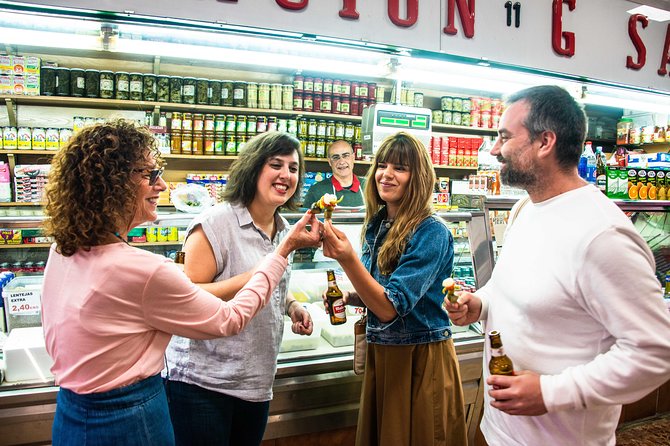
- Six food and drink stops: Expect churros, coffee, jamón, cheese, olives, anchovies, figs, olive oil, warm tapas, and local drinks.
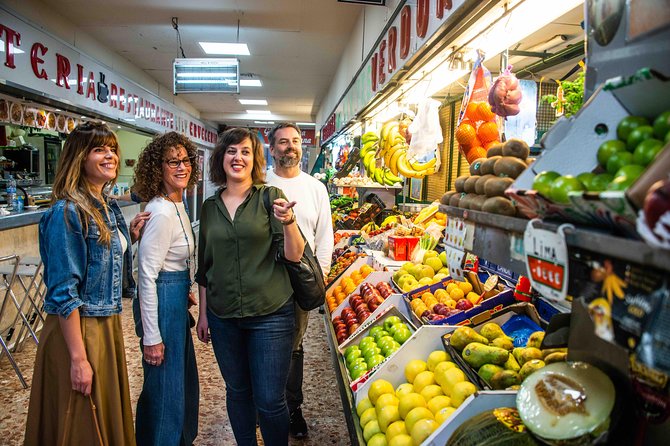
- Mercado Barceló: See how a traditional food market works and taste products from its vendors.
- Malasaña on foot: The guide connects narrow streets and Plaza de San Ildefonso with stories about modern Madrid.
- A full morning or midday meal: The tastings include breakfast items, savory bites, lunch, and two beverages.
- Small-group format: The group is capped at eight people, a useful size for questions and conversation.
- Food needs require notice: Tell Walk and Eat Spain about allergies at least 24 hours before the start.
Why this Madrid food walk works as an introduction
This is not just a list of tapas dropped onto a schedule. The route follows the way many Spanish meals unfold, beginning with something sweet, adding coffee, moving to cured meats and cheese, then ending with savory dishes and drinks.
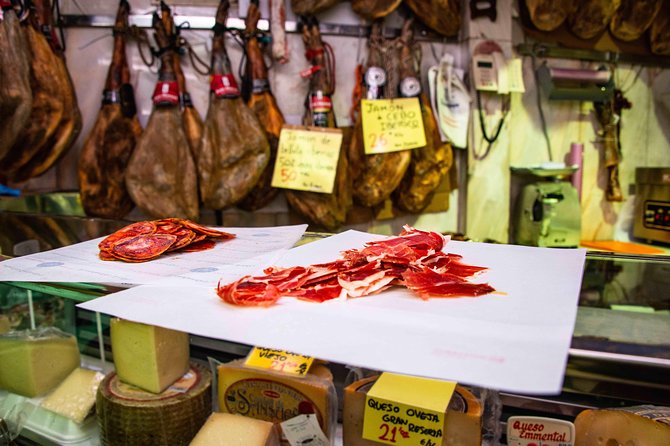
That order matters. Churros with chocolate and coffee introduce a familiar Madrid breakfast, while jamón, cheese, and wine or beer show you a more savory morning habit. Later, olives, anchovies, figs, and olive oils give you a chance to compare strong, salty, sweet, and peppery flavors before the final tapas stop.
I like this approach because you do not need much prior knowledge of Spanish food. The guide can explain what you are eating as it arrives, and you can ask about ingredients, customs, and how each dish fits into daily life.
The walk also gives the food a setting. Malasaña is not treated as a corridor between restaurants. You walk its narrow streets, hear stories about the neighborhood, and pause at Plaza de San Ildefonso to understand why that square matters locally.
More Street Food Market Tours in Spain
- San Sebastian Pintxo Food, Wine & Market Foodie Tour(Small Group)
★ 5.0 · 621 reviews - Ultimate Barcelona Food Tour with visit to a Local Market
★ 5.0 · 507 reviews - Valencia: Morning Food Tour with Central Market Visit
★ 4.9 · 196 reviews
Starting at Tribunal and entering Malasaña
The meeting point is at Estación de TribunalCentro, 28004 Madrid. From there, the route heads into Malasaña, a central neighborhood with centuries-old streets and a strong connection to modern Madrid.
The walking portion is important because it gives you a sense of place between tastings. You are not simply transported from one meal to the next. The neighborhood stories help explain how Madrid has changed while retaining its old street pattern.
Do not expect a major sightseeing tour with long stops at monuments. The emphasis is on the relationship between food, streets, and local habits. Plaza de San Ildefonso receives a short five-minute visit, enough to hear its story and understand its role without turning the tour into a formal history lesson.
The route ends back at the original meeting point. That makes the experience easy to fit into a first day in Madrid, since you are not left across town after the final tasting.
Mercado Barceló: shopping, vendors, and everyday food
Mercado Barceló is the most useful stop for anyone who wants to understand how Madrid shops for food. You spend about 45 minutes here, looking at the market and tasting specialties from its vendors.
A market visit adds something a restaurant-only food tour cannot. You see ingredients before they are prepared, observe the kinds of products sold for home cooking, and get a better sense of how fresh food fits into the city’s routine.
The tastings can include olives, anchovies, figs, and olive oils. These are small foods, but they offer a good lesson in Spanish flavor. Olives bring salt and bitterness, anchovies add a stronger savory edge, figs provide sweetness, and olive oil lets you focus on texture and aroma without other ingredients getting in the way.
The olive oil tasting is especially useful. Many visitors use olive oil every day but rarely compare different oils on their own. Here, the guide can help you notice differences and explain why oil is treated as a central ingredient rather than a background cooking fat.
The market stop also gives the tour a more local feel than a route built only around famous tapas bars. Still, market conditions can change, and the exact vendor specialties may vary. You should view the listed foods as the tour’s style and likely range, not a guarantee that every single item will appear in the same form.
Churros, porros, and the Spanish breakfast lesson
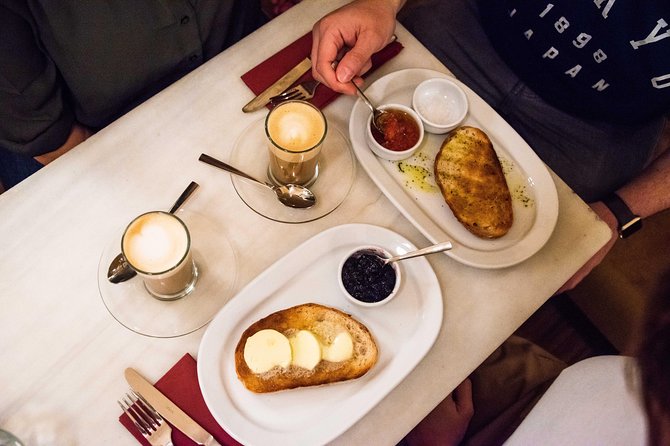
The food begins with a classic Spanish breakfast of churros and coffee. One tasting can include porros, a thicker, longer cousin of the standard churro, served with chocolate sauce.
This is a smart first stop for a morning tour. Churros are crisp, fried, and filling, while coffee keeps the opening meal simple. The chocolate adds sweetness, but the point is not just dessert. You are learning that a Spanish breakfast can be modest, social, and very different from a large hotel buffet.
If you have a sweet tooth, this may be the most memorable part of the morning. If you prefer savory food early in the day, do not worry, since the tour soon moves to jamón and cheese.
The practical tip is simple: arrive hungry, but not empty. Six tastings add up, and the opening churros are more substantial than a token sample. Several hours of eating may replace lunch for some people.
Same stalls, a different way to shop and eat:
- Barcelona: Paella Cooking Experience & Boqueria Market Tour
★ 4.8 · 3,661 reviews - Barcelona Paella Cooking Class with Market Visit, Tapas & Sangria
★ 5.0 · 2,531 reviews - Paella Cooking Class, Wine Tasting & Central Market in Valencia
★ 5.0 · 1,150 reviews - Valencian paella cooking class, tapas and visit to Ruzafa market.
★ 5.0 · 828 reviews
Jamón, cheese, and two Madrid drinks
The next phase brings a savory breakfast of jamón and cheese, paired with wine or beer. This is where you begin to see why Spanish eating is often built around small portions shared over time rather than one large plate.
The tour includes two beverages, described as coffee plus beer or wine, with non-alcoholic options available. The broader food selection also includes tinto de verano, a refreshing Spanish drink made in the style of a simple local sangria.
This beverage allowance adds value for people who want the full social experience. It also makes the price easier to assess, since you are not paying for food alone. You are paying for a guided route, six tastings, market access, drinks, and local context.
Still, the value depends on your habits. If you do not drink alcohol, you can request non-alcoholic choices, but you may feel the price more sharply. The same is true if you only want a few carefully chosen bites rather than a meal-sized food tour.
Plaza de San Ildefonso and the story between bites
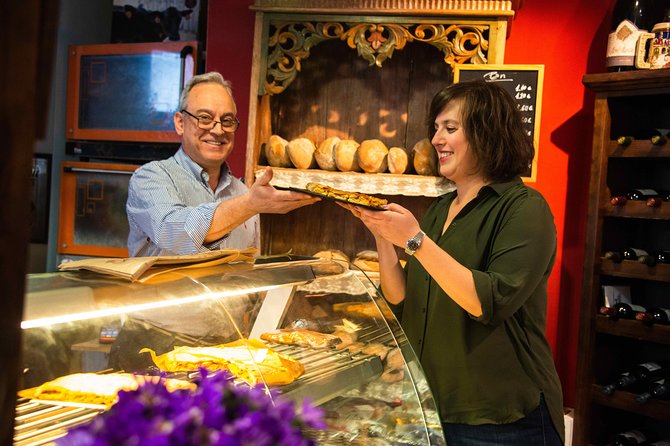
The five-minute stop at Plaza de San Ildefonso is brief, but it breaks up the food and gives Malasaña a clearer identity.
The guide explains the square’s importance to the neighborhood and connects it with the story of modern Madrid. This is a useful pause because food tours can otherwise become a blur of plates and conversation. A short outdoor stop helps you remember where you are and why the route passes through these streets.
Guides have included Oliver, Amy, and Margit. The strongest part of the experience depends on the person leading your group, since the route leaves room for explanation and conversation. Past tours have also included practical suggestions for flamenco, tapas, and other places to visit after the walk.
That kind of advice can be valuable on a first visit. You can ask what to order later, where to continue eating, or how to shape the rest of your day. Do keep in mind that individual guide assignments may vary, so you should not book on the assumption that one named guide will lead your date.
Warm tapas and a meal-sized finish
The final food stop brings warm tapas and more drinks. The exact dishes can vary, but examples include sizzling garlic shrimp and classic Madrid-style bites.
This ending gives the tour a proper lunch feel. You have moved from breakfast to market samples to a hot savory meal, so the experience can cover much of your food intake for the day.
That is convenient if you want one substantial culinary activity rather than several separate restaurant reservations. It can also be too much if you have dinner plans soon afterward. I would leave the rest of the day flexible, especially if you want to stop for another snack or an early evening meal.
The food is not presented as a formal tasting menu. It is closer to a guided introduction to Madrid’s everyday eating habits. You sample enough categories to learn what you like, then use that knowledge at your next tapas bar.
What $139.13 means in practical terms
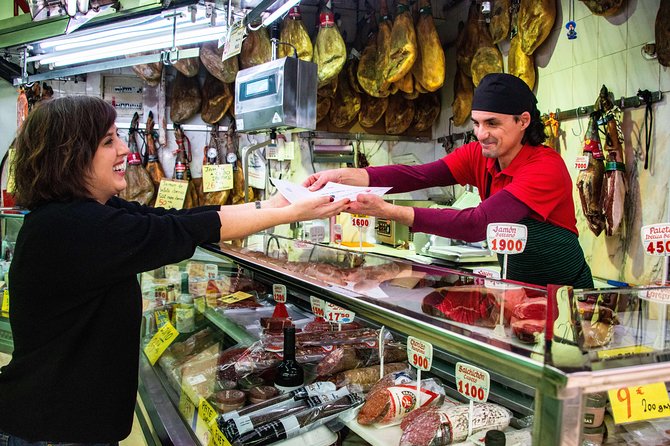
At $139.13 per person, this is not a budget breakfast or a quick market stroll. The cost makes the most sense if you count the experience as a guided meal with six stops, two drinks, neighborhood touring, and a small group.
The included food is broad. You get breakfast, market products, savory items, warm tapas, coffee, and alcoholic or non-alcoholic beverages. For someone who would otherwise pay separately for breakfast and lunch, the package can offer fair value.
The guide is another part of the price. You are paying for someone to explain local eating customs, introduce products, handle the route, and answer questions. That matters most during a first visit, when a good food walk can save you from ordering blindly for the rest of your stay.
The cost is harder to justify if you are traveling on a tight budget, do not want a large amount of food, or prefer choosing your own restaurants. It is also worth checking your appetite and dietary needs before booking. Food allergies can be accommodated only if you provide notice at least 24 hours ahead.
Group size, pace, and access
The maximum group size is eight people. That is small enough for a more personal walk and makes it easier to hear the guide in a market or on a busy street.
A small group also helps with questions. You can ask about Spanish breakfast customs, olive oil, jamón, or the neighborhood without waiting through a long line of people.
The tour lasts about two hours and 30 minutes. Because it combines walking with repeated tastings, you should expect a steady but manageable pace rather than a long-distance hike. The meeting point is near public transportation, and the activity returns there at the end.
Service animals are allowed, and most people can participate. The available information does not give detailed step-free route information, so anyone with specific mobility concerns should confirm the route before booking rather than assume every narrow street or market area will be easy to navigate.
Who should book this experience
I would recommend it most strongly to first-time visitors who want an early sense of Madrid’s food customs and neighborhood rhythm. It is also a good choice for people who prefer learning through small tastings instead of committing to one long restaurant meal.
Families can benefit from the variety, especially if different people like different foods. The guide format also gives you ideas for the rest of your stay, from tapas choices to cultural activities.
Food-focused visitors will appreciate the olive oil, market products, jamón, anchovies, and hot tapas. The tour is less suited to anyone who wants a tightly controlled menu, a large amount of free time, or a low-cost food stop.
The strongest praise has focused on the guides’ local explanations and useful suggestions after the walk. Margit, Oliver, and Amy have each been associated with warm, informative outings, and Amy has helped with practical Madrid recommendations beyond the meal itself. Since guides can vary by date, think of this as a benefit of the company’s style rather than a promise of one particular person.
Should you book De Mercados?
Book it if you want a full introduction to Madrid food, a small group, and a guide who connects market products with the streets of Malasaña. The six-stop format gives you a broad sample in a short time, and the return to the meeting point keeps your plans simple.
Skip it if $139.13 feels high for a two-and-a-half-hour activity, if you prefer to choose every dish yourself, or if you want a lighter snack rather than breakfast and lunch combined.
For most first visits, I see this as an efficient way to get your bearings through food. Arrive hungry, tell the company about allergies at least 24 hours ahead, and keep the rest of your day open. Free cancellation is available until 24 hours before the start time, which gives you some flexibility if your Madrid plans change.
FAQ
Where does the tour start and finish?
It starts at Estación de TribunalCentro, 28004, Madrid, Spain, and ends back at the same meeting point.
How long does the experience last?
The tour lasts approximately two hours and 30 minutes.
How many people can join?
The activity has a maximum of eight participants.
What food and drinks are included?
The tastings can include churros, coffee, jamón, cheese, olives, anchovies, figs, olive oil, warm tapas, garlic shrimp, and Madrid drinks such as tinto de verano. Two beverages are included, with non-alcoholic choices available.
Can food allergies be accommodated?
Yes. You must provide information about food allergies at least 24 hours before the tour.
Is cancellation available?
You can cancel at least 24 hours before the start time for a full refund. Cancellations or changes made less than 24 hours before the start time are not accepted for a refund.
More Food in Spain
- Barcelona Food Tour: Market & Gothic Quarter with Expert Guide
★ 4.5 · 85 reviews - Barcelona: Street Food & Sightseeing Tour with Local Market
★ 4.9 · 84 reviews - Malaga Market Food Tour: Tapas, Drinks, and Local Flavors
★ 5.0 · 78 reviews - Madrid Street Food Walking Tour in the Plaza Mayor Area
★ 5.0 · 75 reviews
More Food and Drink Tours in Spain
- Madrid: Ultimate Food Tour of Local Markets & Tapas
★ 4.8 · 151 reviews - Barcelona: La Boqueria Food, Wine & History Walking Tour
★ 5.0 · 126 reviews - Madrid: Street Food Walking Tour in the Plaza Mayor Area
★ 5.0 · 119 reviews - San Sebastian: Market, Pintxos and Wine Tasting Tour
★ 5.0 · 111 reviews
Just added around Spain
- Explore Bilbao’s Flavors Mercado de la Ribera and Old Town★ 4.5 · 3 reviews
- CERTAL Exclusive Tour: LA RIBERA Market + GASTROBARS Bilbao (3h)★ 4.5 · 12 reviews
- Barcelona La Boqueria & Sant Antoni Private Food Experience★ 5.0 · 7 reviews
- Spanish Oysters, Cava and Ibérico Ham at Barcelona’s La Boqueria Market★ 5.0 · 8 reviews
- Taste of Barcelona: Boqueria Market, Tapas & History Tour★ 4.5 · 22 reviews
- Barcelona Tapas Cooking & Cocktail Class with Veronique & Mattias★ 5.0 · 3 reviews
- Cook Paella & Tapas + Market Tour in Barcelona (4-Course Meal)★ 5.0 · 2 reviews
- Private Barcelona Market Tour & Paella Cooking Class with Josh★ 5.0 · 4 reviews
Street Food Market Tours, compared.

Old Town, Creek, Museums, Souks, & Street Food Tour
Read our review →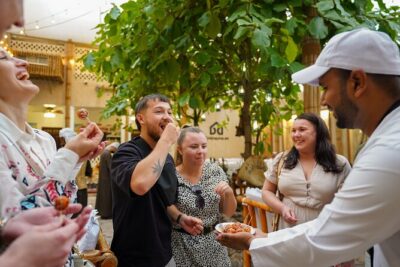
Old Town, Souks, Street Food, Guided Tour & Abra Ride
Read our review →
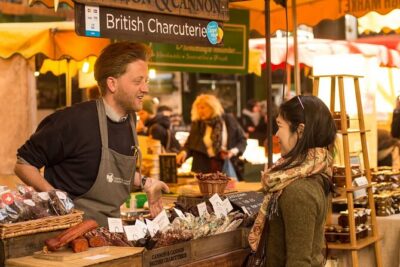
London Bridge & Borough Market Food Tour with 7 Authentic Dishes
Read our review →
Old Town, Souks, Street Food, Guided Tour & Abra Ride
Read our review →
Small Group Cooking Class & Market Food Tour in Florence
Read our review →
Old Town, Street Food, Creek, Souks, & Emirati House
Read our review →Browse the lists this tour appears in