
Review · BEIJING
Flavors of Beijing: Eat Like A Real Chinese
The best part of this Beijing food experience happens before the first chop hits the cutting board. You walk through a local market, study unfamiliar produce and seasonings with Chef Chao, then carry those ingredients into a hutong home to cook them yourself. The market visit and the hands-on kitchen work give you a useful look at daily Chinese food culture.
I especially like the small-group format, with no more than 12 people, and the practical teaching. You learn how to handle a wok and cleaver, mix sauces, shape dumplings, and prepare several dishes rather than simply watching a chef work. The main caution is the schedule: the information gives both three hours and five hours, so confirm the exact duration and menu when booking.
Key points to know before booking
- Market shopping comes first: Chef Chao explains local ingredients, seasonings, produce, and cooking uses before you begin.
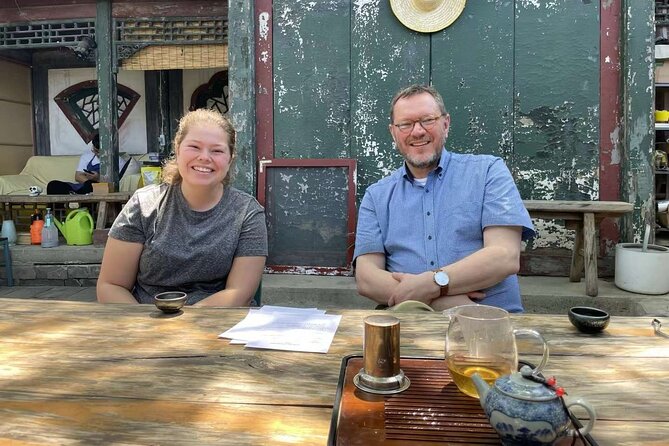
- The class takes place in a home: You cook and eat in a family setting reached through Beijing’s hutong lanes.
- Menus change by day: You might prepare dumplings, noodles, buns, stir-fries, fish, pork, beef, or vegetarian dishes.
- You do the real work: Expect knife practice, wok use, sauces, fillings, dough, steaming, boiling, or frying, depending on the menu.
- Small groups make a difference: The maximum group size is 12, and some sessions have been one-on-one or nearly so.
- The price covers the core experience: At $99 per person, food, market shopping, equipment, and an English-speaking guide are included, but drinks at Great Leap Brewing are extra.
Why this Beijing cooking class feels different
Many food tours keep you on the eating side of the table. This one asks you to shop, chop, season, shape, and cook. I like that progression because it makes the meal easier to understand. You see an ingredient at the market, hear how it is used, then handle it in the kitchen a short time later.
The experience is led by Chef Chao, whose name also appears as Chau or Chow in some tour details. He teaches in English and is described as patient and clear, particularly when explaining sauces, marinades, knife skills, and dumpling technique. His wife or kitchen helper may also assist with the session.
The class is designed around local food rather than a fixed Western-friendly menu. One day may focus on dim sum, with dishes such as barbecued pork buns, stir-fried noodles, and sesame rolls. Another may feature main dishes such as ginger fish, sweet and sour pork, or stir-fried chili beef.
At least one vegetarian dish is prepared each day, and one day of the weekly schedule is fully vegetarian. Vegan participants have also been accommodated, but you should state your needs when booking so the appropriate menu can be arranged.
A few more market tours around Beijing worth a look
- Beijing: Vegan Home Cooking & Local Market Tour with Sanxia
★ 4.8 · 4 reviews - Dubai: Old Town, Creek, Museums, Souks, & Street Food Tour
★ 4.8 · 10,816 reviews - Dubai: Old Town, Souks, Street Food, Guided Tour & Abra Ride
★ 4.9 · 7,170 reviews
Starting near the Bell and Drum Towers
The meeting point is near the Bell and Drum Towers on Jiu Gu Lou Da Jie, close to Subway Line 8. The listed start time is noon. You meet at the central location, then walk toward a nearby food market.
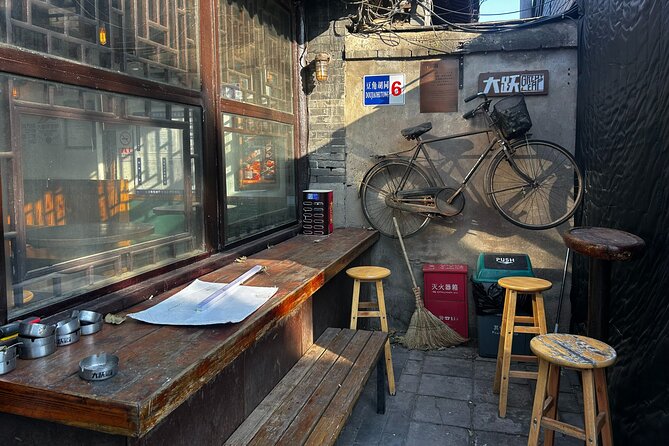
The surrounding area gives the outing a useful sense of place. The route includes Yandai Xie Street, Yinding Bridge, Songzhu Temple, and Zhizhu Temple, along with Great Leap Brewing Original #6. These locations are part of the wider route information, but the cooking portion remains the main reason to book.
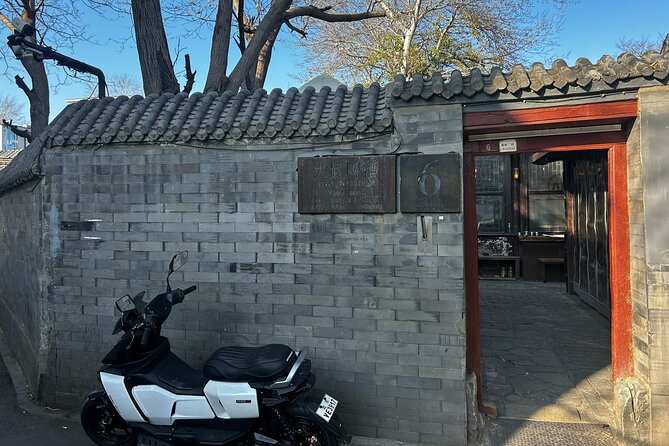
Pay close attention to the address when you arrive. The cooking school does not have an obvious outside sign, so the numbered addresses matter. This is a small practical point, but it can save time at the start of the afternoon.
Shopping for ingredients in a Beijing market
The market walk is not just a quick stop to collect groceries. Chef Chao points out produce, sauces, spices, meats, and other ingredients, explaining how they fit into Chinese cooking. You might encounter familiar vegetables beside items less common in Western markets, along with unusual poultry, fresh fruit, noodles, nuts, and prepared foods.
The setting can be busy, colorful, and strong-smelling. That is part of the appeal, but it also means this is not a polished food hall. You should expect a working neighborhood market with close stalls and plenty to look at.
Food tastings are included, and some sessions have included a breakfast stop or samples during the market walk. The exact tasting depends on the day. Ingredients for the cooking class are included in the price, so you do not need to budget for the shopping itself.
I find this section especially valuable if you want to keep cooking Chinese food at home. Learning the name and purpose of an ingredient is one thing. Seeing its size, freshness, packaging, and place among other foods gives you a better chance of recognizing it later.
Walking through the hutong to the cooking space
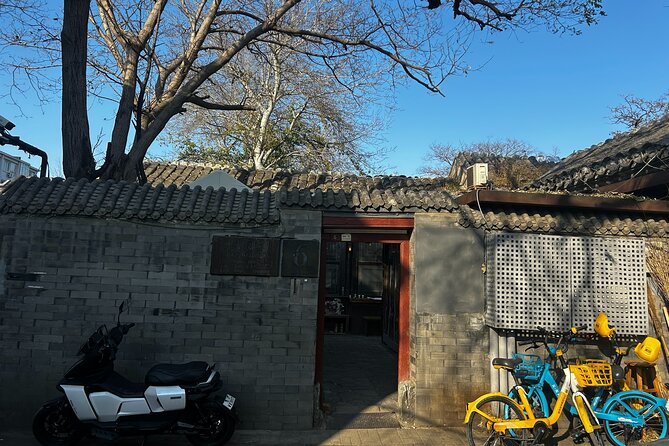
After shopping, you walk through a hutong alley to the cooking location. The class takes place in a local family home or home-style kitchen, not a large professional school with rows of identical stations.
That setting gives the class a personal feel. You see a lived-in Beijing neighborhood and sit down at a family table after cooking. The space can also be less controlled than a commercial classroom. One session was described as hot in August, so do not expect a cool, spacious teaching kitchen in every season.
The location is part of the experience, but it may not suit someone who wants a polished culinary studio. I would choose this class for the home setting and local contact, not for modern facilities.
Same stalls, a different way to shop and eat:
- Private Beijing Markets Tour with Tea Tasting at Hongqiao Pearl Market
★ 5.0 · 18 reviews - Night Market Haggling Adventure with an English Guide!
★ 4.8 · 7 reviews - 6-Hour Private Beijing Tour: Flower and Fish Market, Panjiayuan Antique Market and 798 Art Zone
★ 5.0 · 7 reviews - Private Tour to Pearl Market Acrobatic Show & Peking Duck Dinner
★ 5.0 · 5 reviews
What you actually learn at the stove
The teaching is practical. You learn which sauces and seasonings create different flavors, how to use a wok, and how to work with a large Chinese cleaver. The cleaver may look intimidating at first, but the class is structured around instruction and guided practice.
Depending on the menu, your group may prepare several dishes. Possible dim sum dishes include barbecued pork buns, stir-fried noodles, and sesame rolls. Dumpling sessions can involve making the dough, mixing fillings, forming different shapes, and cooking the dumplings by steaming, boiling, or frying.
That last part matters. Dumplings look simple when they arrive at a restaurant, but the dough, filling, folding, and cooking each require care. You may leave with a new respect for the work behind a plate of dumplings.
Main-dish sessions can include steamed ginger fish, sweet and sour pork, and stir-fried chili beef. At least one vegetarian dish is included every day. The menu changes, so you should not book expecting one specific set of dishes unless the provider confirms the schedule.
Some sessions have produced three or four dishes, while others have centered on several kinds of dumplings or noodle dishes. The quantity can be generous, especially if the group is small.
Eating the meal you prepared
Once the cooking is finished, you sit at the family table and eat the food together. This is a good ending because the class does not leave you with a few samples and a rushed goodbye. You get to taste the results, compare techniques, and chat with the guide and the rest of the group.
The meal is also where the different parts of the class come together. The market explained the ingredients. The kitchen showed you the methods. The table lets you judge the seasoning, texture, and balance for yourself.
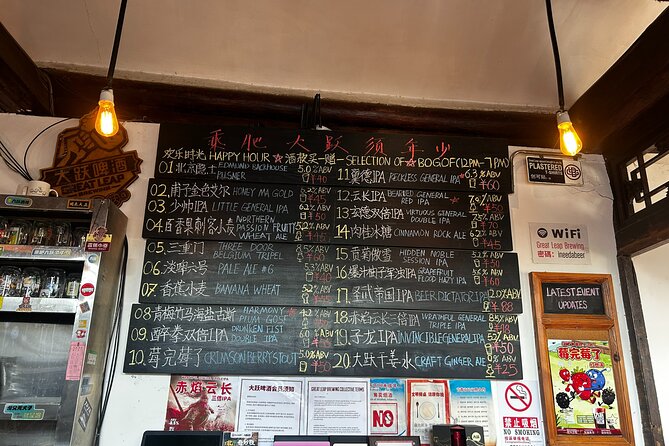
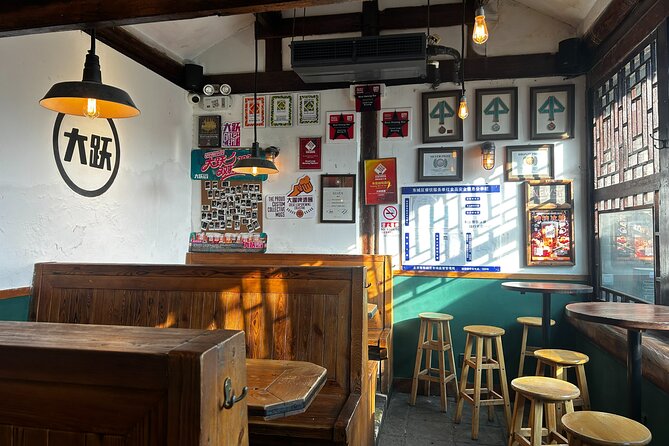
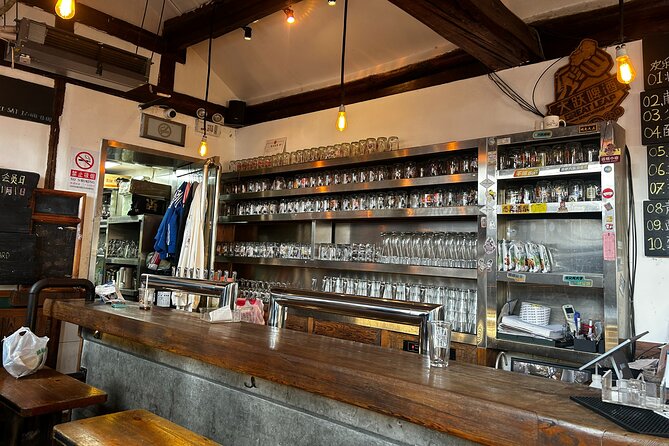
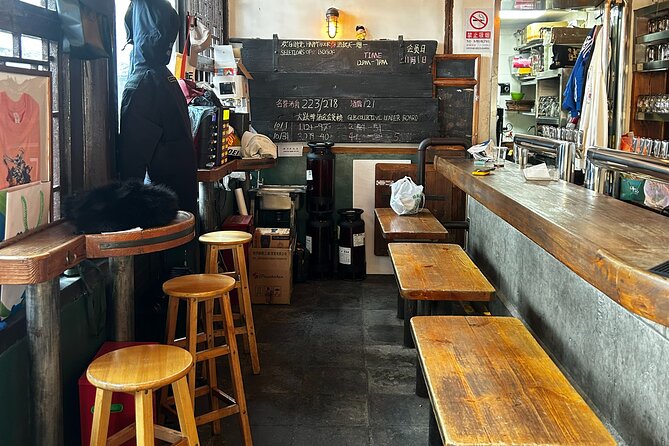
Food is the strongest part of this experience, but drinks are limited in what the price covers. Beer and other drinks at Great Leap Brewing Original #6 are not included. Food tastings, market ingredients, equipment, and the English-speaking guide are included.
How much value do you get for $99?
At $99 per person, this is not a cheap meal. It is a half-day activity that combines a market visit, food tasting, cooking instruction, ingredients, equipment, and a meal. If you would otherwise pay separately for a market tour, a cooking lesson, and lunch, the price is easier to justify.
The value is strongest when you want participation rather than sightseeing alone. You are not just being shown Beijing food. You are taught how to reproduce parts of it, and recipes have been provided to take home. Several dishes are simple enough to become regular meals, especially sauces, noodles, dumplings, and quick stir-fries.
The group limit of 12 keeps the class manageable, though your level of personal attention depends on the number booked. Some sessions have had only one student, creating a private lesson at the same listed price. Other sessions have included several participants, which can make the meal more social but may mean less stove time for each person.
Timing, transport, and the confusing duration
The listed start time is 12:00 pm, with the meeting point near Subway Line 8. Hotel pickup and drop-off are not included, and the activity ends back at the meeting point.
The published details contain a timing mismatch. The headline duration says about three hours, while the overview describes a five-hour cooking class. Market walking, shopping, cooking, and eating can reasonably fill a large part of an afternoon, but you should not build a tight evening plan around the shorter estimate.
I would allow five hours, plus extra time to reach the meeting point and continue to your next stop. The neighborhood can also be difficult for finding a taxi after the class, so using the subway or arranging onward transport in advance is sensible. If you need help, ask the guide before leaving.
The listed route includes several sightseeing points, but the cooking class does not function like a standard monument tour. Bell and Drum Towers, Yandai Xie Street, Yinding Bridge, Songzhu Temple, Zhizhu Temple, and Great Leap Brewing are best treated as area landmarks connected with the meeting route, not as a promise of long guided visits at each location.
Who should book this experience?
I would recommend it to anyone who wants a local food activity with real kitchen work. It suits solo visitors especially well because the class gives you an easy way to meet people around a shared meal. Couples and families can also enjoy it, provided children can follow instructions and avoid disrupting the group around knives and hot equipment.
It is a strong choice for vegetarians if you book the designated vegetarian day. Vegan cooking can be accommodated, but confirm it ahead of time. It also works well near the start of a Beijing visit because the market and hutong walk help you get oriented to everyday food and neighborhood life.
You may want to skip it if you dislike group cooking, cannot spend several hours standing and preparing food, or want a strictly fixed menu. The kitchen may be warm, the food may be generous, and the pace depends on the group. This is a participatory class, not a quiet restaurant meal.
Practical booking advice
Book at least a few weeks ahead if your dates are fixed. The experience is often reserved about 37 days in advance, and the small maximum group size can limit last-minute space.
Confirm three things before you pay: the exact class duration, the menu for your date, and the meeting point details. Pay close attention to the address because the cooking school may not have a large sign.
Free cancellation is available until 24 hours before the local start time. Cancellations or changes made inside that window are not accepted for a refund.
Should you book Flavors of Beijing?
Yes, if you want to cook as well as eat. The market walk, hutong home, adaptable menu, and patient instruction from Chef Chao create a more personal food experience than a simple restaurant outing.
At $99, the cost makes sense when you value the lesson, ingredients, meal, and recipes together. Just plan for a half day, confirm the schedule because the duration information conflicts, and accept that the kitchen may be warm and informal. For a hands-on introduction to Beijing food, this is one of the better choices in the city.
FAQ
How long does the cooking experience last?
The supplied details list the activity as approximately three hours, while the overview describes a five-hour cooking class. Confirm the exact duration for your date and allow a half day in your schedule.
What time does the tour start?
The listed start time is 12:00 pm.
Where does the experience begin?
It begins near the Bell and Drum Towers on Jiu Gu Lou Da Jie, close to Subway Line 8 in Beijing.
Is hotel pickup included?
No. Hotel pickup and drop-off are not included. The activity ends back at the meeting point.
What food might I prepare?
The menu changes by day. Possible dishes include dumplings, barbecued pork buns, stir-fried noodles, sesame rolls, ginger fish, sweet and sour pork, stir-fried chili beef, and vegetarian dishes.
Can vegetarians or vegans join?
Yes. One day of the weekly schedule is fully vegetarian, and at least one vegetarian dish is prepared every day. Vegan participants have been accommodated, but you should confirm your needs when booking.
Are market ingredients and cooking equipment included?
Yes. Ingredients and equipment are included, as are food tastings and the local market tour.
Are drinks at Great Leap Brewing included?
No. Beer and other drinks at Great Leap Brewing Original #6 are not included.
What is the maximum group size?
The activity accepts a maximum of 12 participants. Some sessions may have fewer people, including one-on-one instruction.
Can I cancel for a refund?
You can cancel for a full refund up to 24 hours before the experience starts. Changes or cancellations made less than 24 hours before the local start time are not accepted.
Just added around Beijing
- Private Distinctive Market Tour with Shaomai Lunch and Full Massage in Beijing★ 5.0 · 2 reviews
- Small Group Beijing Temple of heaven and Summer Palace with Pearl market★ 5.0 · 3 reviews
- Private Tour to Pearl Market Acrobatic Show & Peking Duck Dinner★ 5.0 · 5 reviews
- Half Day Tour:Market Shopping Acrobatic Show & Peking Duck dinner★ 5.0 · 2 reviews
- Lama Temple, Hutong and Silk & Pearl Market Private Day Tour★ 5.0 · 5 reviews
- Full-Day Private Tour Panjiayuan Antique Market and Beijing Capital Museum★ 5.0 · 3 reviews
- 3-Hour Private Shopping Tour at Panjiayuan Market from Beijing★ 5.0 · 2 reviews
- Beijing Culture Tour to Antique Market and Cloisonné Workshop★ 5.0 · 2 reviews
Beijing Market Tours, compared.
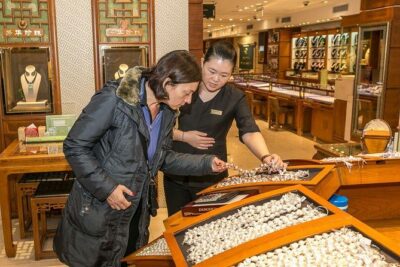
Private Beijing Markets Tour with Tea Tasting at Hongqiao Pearl Market
Read our review →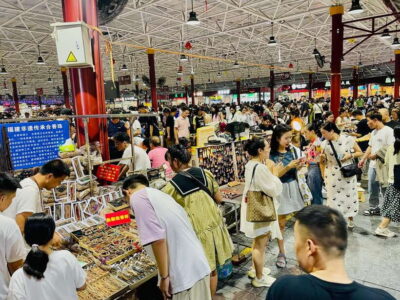
Night Market Haggling Adventure with an English Guide!
Read our review →
6-Hour Private Beijing Tour: Flower and Fish Market, Panjiayuan Antique Market and 798 Art Zone
Read our review →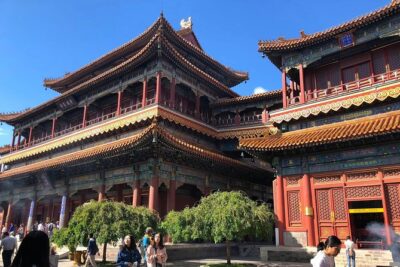
Lama Temple, Hutong and Silk & Pearl Market Private Day Tour
Read our review →
Private Tour to Pearl Market Acrobatic Show & Peking Duck Dinner
Read our review →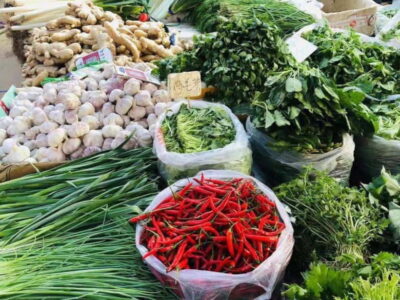
Vegan Home Cooking & Local Market Tour with Sanxia
Read our review →
Browse the lists this tour appears in