Review · MARKET TOURS
Medellín Multi-sensory Tour in the market, +15 Exotic Fruits
Medellín’s Plaza Minorista is not a polished food hall. It is a working market, and that is exactly why this fruit expedition is so appealing. Over 2.5 hours, you walk through the city’s economic heart, taste 15 to 20 fruits, and learn how the market operates from guides with real ties to its vendors.
I especially like the small groups of up to eight, which make it easier to talk with traders and ask questions without blocking the aisles. I also like the personal angle: guides such as Sergio know the market through family and work, so the visit feels more like being shown around by a local than being led through a set script.
The main consideration is that this is a busy, working market, not a quiet culinary class. You need comfortable closed shoes, a tolerance for crowds and strong smells, and you should skip it if you have food allergies.
Key points to know before you go

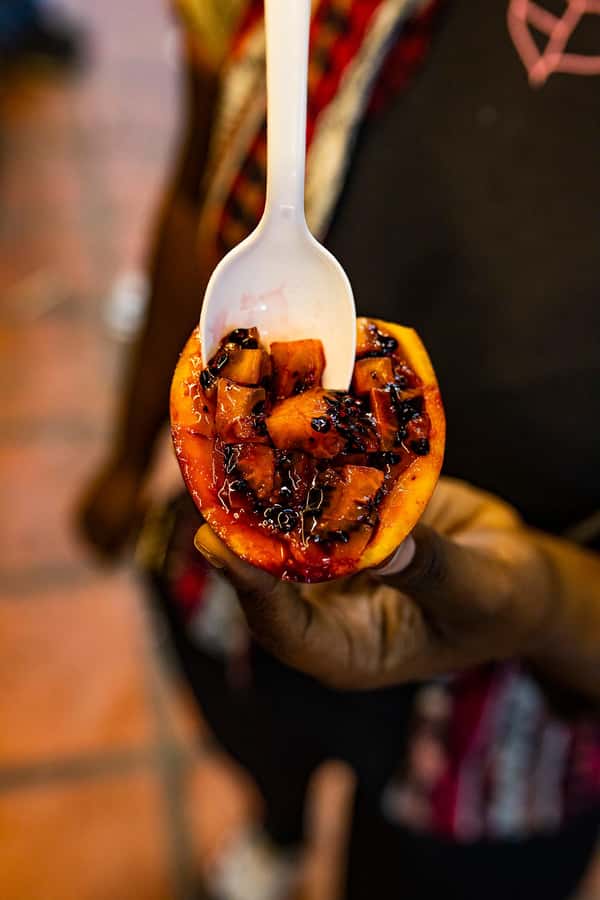
- Taste far more than the usual mango and banana: The route includes lulo, granadilla, pitahaya, guanábana, guava, and many seasonal fruits, often reaching 20 or more.
- Meet the market through its people: Guides introduce you to longtime stallholders, who share sourcing details and stories from daily life.
- Expect a generous morning meal: Fruit is served in several ways, with juice at the end. A light breakfast is wise.
- Learn how Plaza Minorista works: The guide explains its role in Medellín’s local economy and its importance to the surrounding community.
- Stay alert on the way in: The meeting point is at Puerta 1, and the market has many entrances. Look for the purple umbrella.
- Pay for access, not just samples: At $36, the value comes from the guide’s market relationships, interpretation, and help navigating a place that can be hard to understand alone.
Why Plaza Minorista makes a better fruit lesson than a café
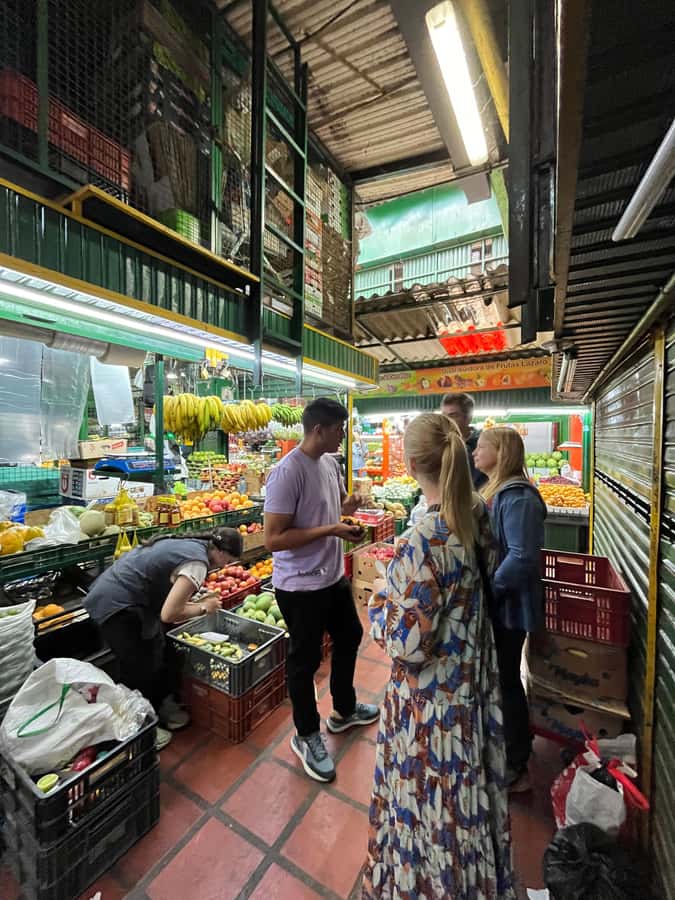
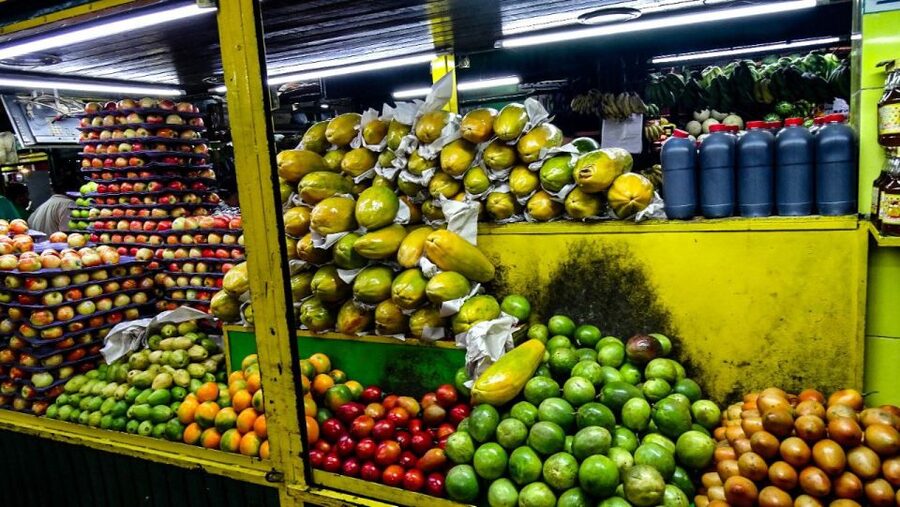
Plaza Minorista José María Villa has been an economic heart of Medellín since 1984. It is a place where produce moves, vendors earn their living, and people shop for everyday food. The market’s scale and pace are part of the lesson.
I like this setting because you are not only tasting fruit in a neat row on a plate. You are seeing it piled high at the stalls, watching buyers compare produce, and learning where it comes from. The guide connects each taste to Colombian food habits, local trade, and the people who make the market work.
The market is also a useful counterpoint to Medellín’s better-known sightseeing areas. You see ordinary commerce rather than a display built only for visitors. That does not make the experience rustic or difficult for its own sake, but it does mean the surroundings can feel crowded and active.
Your guide helps you read the place. Sergio is named often by people who have taken the experience, and his family connection to the market gives him an unusually personal view. Other guides include Adriana, Daniel, Cheche, Laura, and Salome. The exact guide depends on the date, but the experience is offered in English or Spanish.
A few more market tours around the world worth a look
- Bangkok: Damnoen Saduak Market and Maeklong Railway Market
★ 4.5 · 26,723 reviews - The Old Siam: Damnoen Saduak and Maeklong Railway Market
★ 4.5 · 10,992 reviews - Bangkok: Train Market & Floating Market with Boat Ride
★ 4.7 · 9,547 reviews
The first ten minutes: meeting at Puerta 1
The meeting point matters. Plaza Minorista has several entrances, so you should go specifically to the main entrance marked Puerta 1, or P1. The guide waits there with a purple umbrella, an easy landmark in a place with plenty of movement.
The tour begins with a short safety briefing of about ten minutes. This is useful rather than decorative. A market aisle is not a museum corridor, and you will want to know how to move with the group, handle samples, and keep track of the guide.
Bring your passport or identity card, or a copy. Wear comfortable shoes, and do not arrive in sandals or flip flops. Water is not included, so bring your own bottle if you want one during the morning.
The route takes place in the morning, when the market is at its most active. That gives you the best sense of everyday trade, though it also means more noise, people, carts, and movement. If you prefer calm, spacious sightseeing, this may not be your ideal Medellín activity.
The first market walk: colors, smells, and a first tasting
After the briefing, you walk for about five minutes to the first tasting area. This opening section lasts roughly 30 minutes and combines sightseeing, photographs, market orientation, and food.
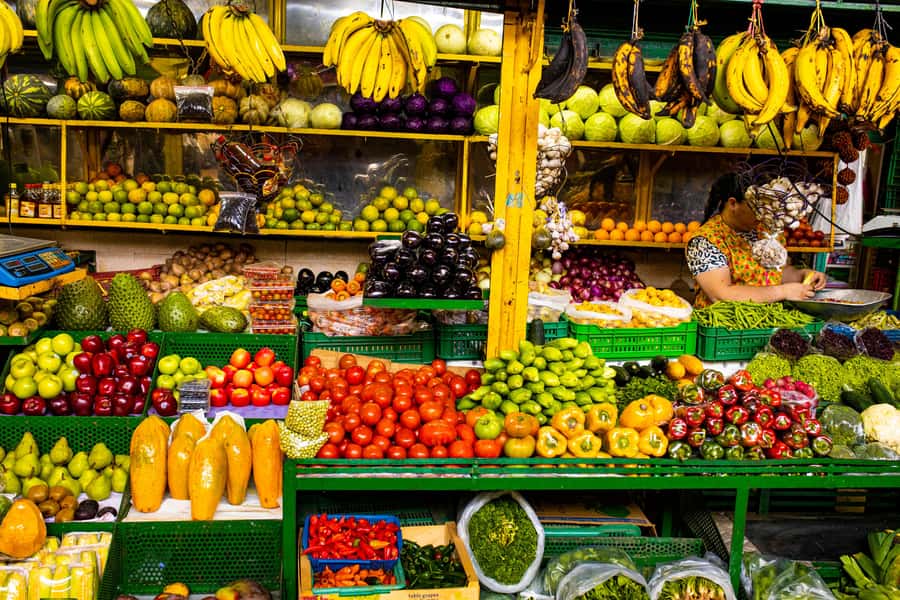
Expect to see displays of pitahayas, guavas, guanábanas, mangos, and other produce. The exact selection changes with the harvest, so the advertised number is a guide rather than a fixed menu. The activity promises 15 to 20 varieties, while several people have tasted 20 to 30 fruits on a given morning.
That difference is worth understanding. You are not buying a formal flight with a guaranteed list of named items. You are tasting what is fresh and available through the stalls the guide uses that day. For most people, that is a benefit. It keeps the experience tied to the actual market rather than to a rigid plan.
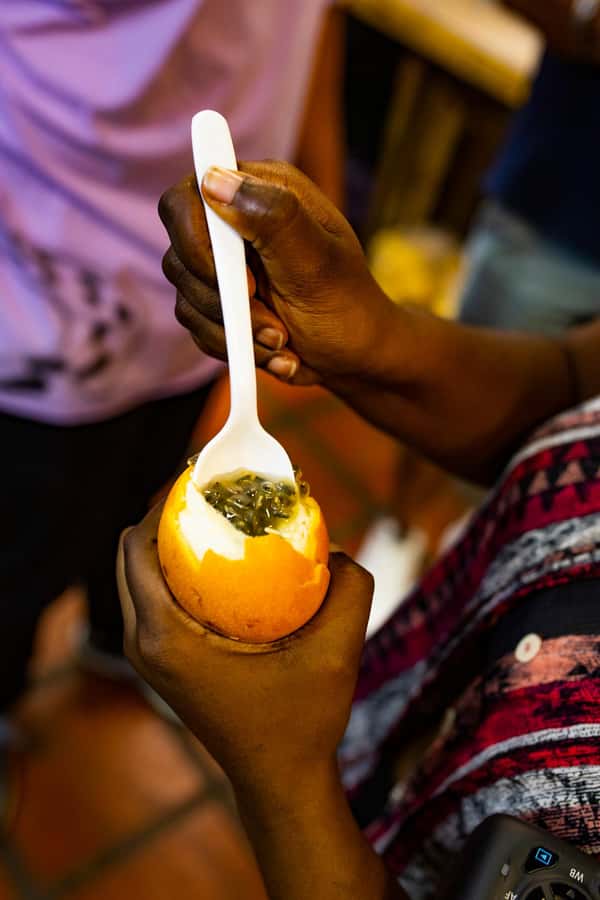
Some fruit is eaten plain. Other samples may be tried with lime, salt, or condensed milk, depending on the fruit and the guide’s approach. One useful detail is that guides can provide a list of the fruits afterward, helping you remember names that otherwise blur together after a dozen new flavors.
Three more tasting stops across the market
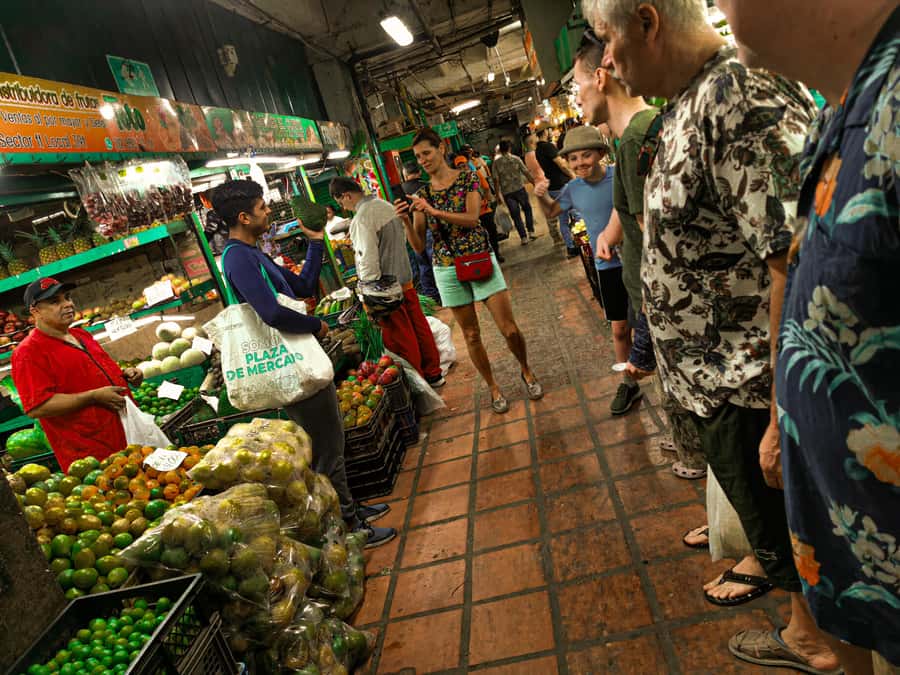
The rest of the route is divided into three more market sections, each lasting about 30 minutes. Short five-minute walks separate the stops. This pacing gives you time to taste, listen, and look around without spending the entire morning at one stall.
At the second tasting area, the focus is on the produce itself and the people selling it. The guide introduces stallholders and explains how the fruit reaches the market. You may hear about growing areas, buying practices, and the best way to eat a particular item.
The third section adds more context about the market’s role in Medellín. The tour explains why Plaza Minorista matters to the local economy and how it represents community resistance. That phrase points to the market’s social importance, not just its food. You are learning why this place continues to matter as a shared public space.
The final tasting section includes a break and more fruit. By this stage, you have seen enough of the market to understand its rhythm, and the guide can answer more specific questions. You may also choose or receive a fruit juice to finish. Juice is included, but water is not.
The four tasting areas are not four separate attractions. Think of them as a practical route through a large market, broken into manageable pieces. The advantage is variety. The drawback is that the timing can feel less exact if a vendor interaction takes longer or a fruit needs preparation.
More shopping tours in the world:
- From Bangkok: Ayutthaya & Ayothaya Floating Market Day Trip
★ 4.7 · 6,084 reviews - Hanoi Cooking Class: Culture, Local Market & Meaning CSR Impact
★ 5.0 · 5,147 reviews - 5 Traditional Dishes Hanoi Cooking Class with Market Trip
★ 5.0 · 4,890 reviews - Cooking Class and Lunch at a Tuscan Farmhouse with Local Market Tour from Florence
★ 5.0 · 4,831 reviews
The fruit itself: expect variety, not a fixed menu
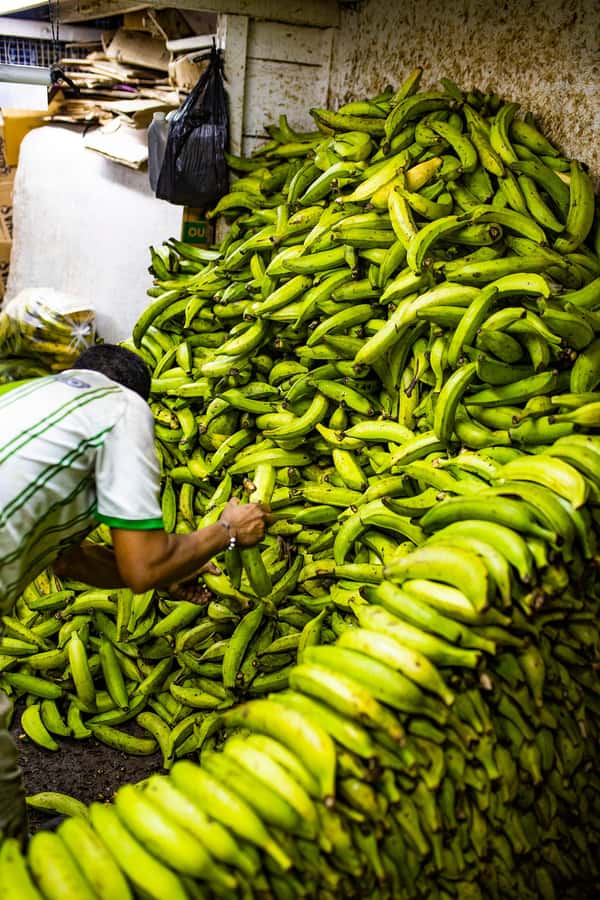
The strongest part of the experience is the sheer range of Colombian fruit. Familiar choices such as mango and guava sit beside fruits many people have never tried, including lulo, granadilla, pitahaya, and guanábana.
Lulo is a particularly useful example of why a guide helps. It is common in Colombian drinks but may be unfamiliar if you are new to the country. Granadilla has its own texture and eating method. Guanábana is large and distinctive. Pitahaya adds another look and flavor to the table.
The guide does more than name each sample. You learn how people eat it, what can be mixed with it, and why it appears in Colombian food culture. You may try fruit with lime and salt, with condensed milk, as juice, or simply on its own.
The numbers vary because harvest conditions vary. The official description promises 15 to 20 varieties, while some sessions have included 23, 24, 25, 30, or even 31 fruits. Treat the higher numbers as possible rather than guaranteed. The reliable expectation is a substantial tasting with at least 15 varieties, depending on the season.
This is also why you should not eat a large breakfast first. Several people have found the samples filling, and the tour is designed around food. A small breakfast or coffee beforehand is the sensible middle ground if you do not like starting the day hungry.
Why the guide makes the difference
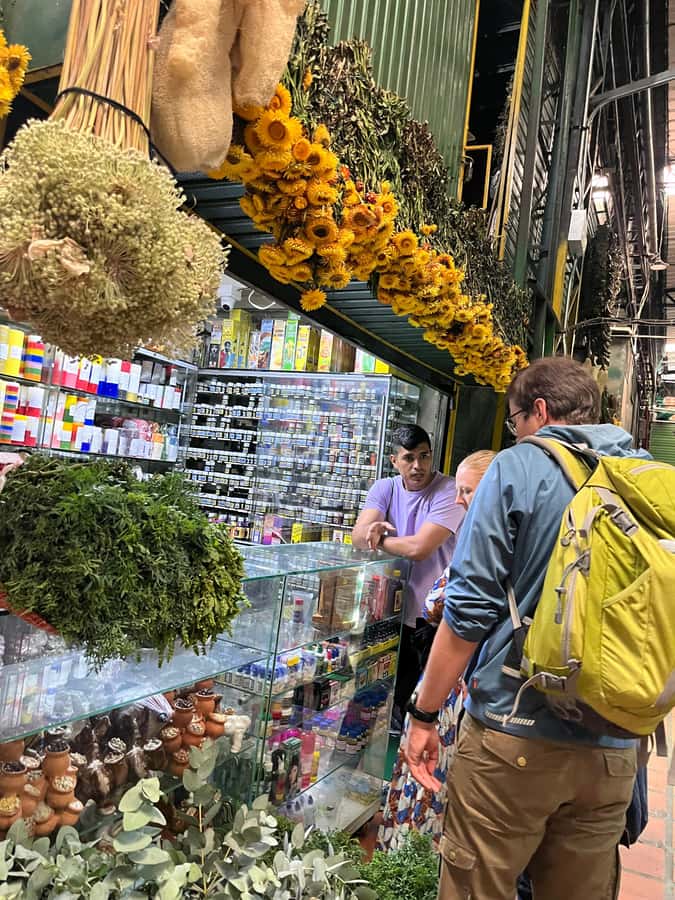
A market this large can be confusing on your own. You might recognize the obvious fruits, but you would miss much of the social side: who sells what, how stalls are connected, and which foods are worth asking about.
The best guide detail here is personal market knowledge. Sergio’s father has worked at Plaza Minorista for more than 20 years, and Sergio himself worked there. That background helps explain why he knows so many vendors and can make introductions naturally. It also gives his stories a personal shape instead of a generic script.
The same principle applies to the other guides. Adriana has been praised for clear explanations and a warm manner. Daniel has led people through both the fruit selection and Medellín topics. Cheche brings enthusiasm to the cultural side. You cannot select a particular guide with certainty from the information provided, but the names above are part of the team connected with the experience.
The small group limit matters. With no more than eight people, you can hear explanations, ask about unfamiliar fruit, and speak with vendors without turning the stall into a crowd. On a quiet date, the group may be smaller, and one past session was even private.
Authentic access, with ordinary market conditions
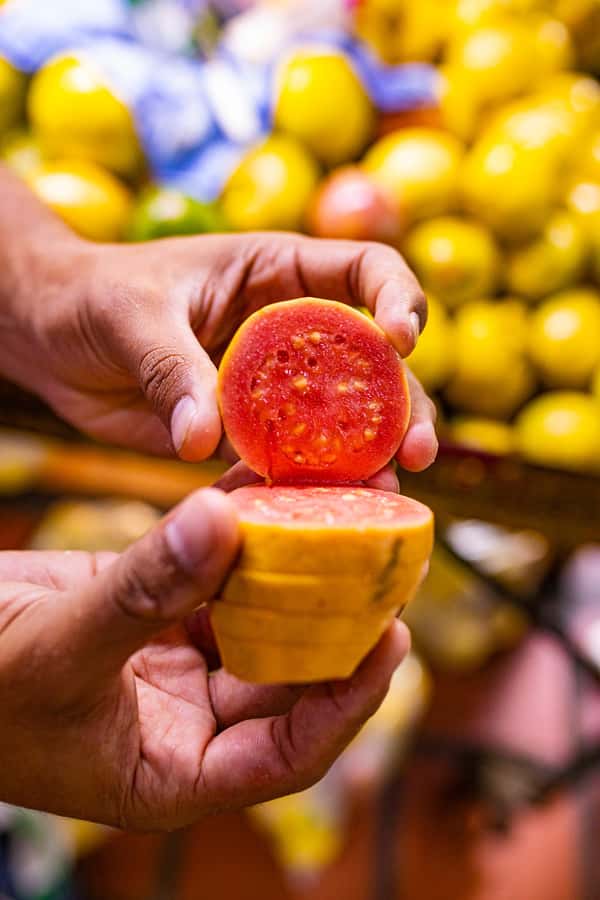
The activity promises access to stalls mainly known by locals. In practical terms, that means the guide’s relationships help you see the market through people who work there, rather than simply walking past anonymous displays.
That access does not turn the market into a staged performance. Vendors are still working. The guide may need to pause for an order, make room for a cart, or adjust the route. I see that as part of the value, but you should not expect a polished studio tasting with perfectly timed service.
The surroundings also require normal city awareness. One person specifically advised taking care when walking from the metro toward the meeting point because of homeless people along the way. The supplied information does not give a detailed route from public transport, so plan to arrive at Puerta 1 with enough time to find the correct entrance and stay aware of your belongings.
The market itself is the focus, not a separate neighborhood walk. You return to Plaza Minorista at the end, and the whole experience remains on foot within the market area.
Is $36 a fair price?
At $36 per person, this is more expensive than simply buying fruit at a stall. You are paying for a 150-minute guided experience, a tasting of 15 to 20 seasonal varieties, juice, cleaning supplies, utensils, and access to a guide who can interpret the market.
The value is strongest if you are new to Colombian fruit, prefer small groups, or want to understand the market rather than make a quick purchase. The guide saves you from guessing what to try, how to eat it, or how to approach a vendor. You also get context about the market’s role in Medellín.
The value is weaker if you already know Colombian produce, speak Spanish comfortably, and feel happy exploring markets alone. In that case, you could spend much less buying fruit independently. You would not get the same introductions, structured route, or explanation of the market’s social role.
Part of the ticket supports small producers in the plaza. That gives the price a practical local benefit, though the exact amount is not specified. I would book this for the interpretation and access, not simply for the quantity of fruit.
Who should book this morning experience?
I would recommend it most strongly to food-focused visitors, first-time visitors to Colombia, and anyone who likes seeing how a city functions in ordinary life. It also suits curious families and couples who want an easy cultural activity with plenty of tasting.
It is a good first or second activity in Medellín because the guide can answer broader questions about the city while introducing you to local food. Several people have found that the experience helped them return to the market independently later.
You should think twice if you have food allergies. The activity is specifically not suitable for people with allergies, and the tasting involves many fruits prepared and served across a working market.
It may also be a poor fit if you dislike crowded spaces, strong food smells, walking, or unpredictable timing. The route is not physically described as strenuous, but you are on your feet for 2.5 hours and must wear closed, comfortable shoes.
Booking details that matter
The experience costs $36 per person and lasts 150 minutes. It runs in the morning, with starting times shown by availability. Groups are limited to eight, and the live guide speaks English or Spanish.
You can cancel up to 24 hours ahead for a full refund. You can also reserve and pay later, which helps if your Medellín schedule is still changing.
At the meeting point, wait at Puerta 1, not simply somewhere outside the market. Look for the purple umbrella. Bring identification, wear proper shoes, and carry water because it is not included.
Should you book the Medellín fruit market tour?
Book it if you want more than a quick taste of tropical fruit. The real appeal is the combination of food, market access, and personal stories from guides such as Sergio, who have genuine connections to Plaza Minorista.
I would choose it early in a Medellín stay, especially if you want to return to the market later on your own. Just arrive hungry enough to enjoy the samples, not so hungry that you need a full meal, and remember that the fruit list changes with the harvest.
Skip it if allergies, crowded markets, or informal conditions make you uncomfortable. For everyone else, $36 is a fair price for a focused morning that shows you a working side of Medellín through flavor, conversation, and the people behind the stalls.
FAQ
Where does the Medellín fruit market tour start?
It starts at the main entrance of Plaza Minorista José María Villa, marked Puerta 1 or P1.
How will I recognize the guide?
The guide waits at Puerta 1 with a purple umbrella.
How long does the experience last?
The experience lasts 150 minutes, or 2.5 hours.
What languages are available?
The live tour guide is available in English and Spanish.
How many people can join the group?
The group is limited to a maximum of eight participants.
How many fruits will I taste?
You will taste 15 to 20 fruit varieties according to the stated plan and harvest season. Some sessions have included more than 20 varieties.
Which fruits might be included?
Possible fruits include mango, lulo, granadilla, pitahaya, guava, and guanábana. The exact selection changes with the season.
Is juice included?
Yes. Fruit juice is included in the experience.
Should I bring water?
Yes. Water is not included, so bring your own if you want it during the tour.
What should I wear and bring?
Wear comfortable closed shoes, since sandals and flip flops are not allowed. Bring a passport or identity card, although a copy is accepted.
Is the tour suitable for people with food allergies?
No. The activity is not suitable for people with food allergies.
Can I cancel the booking?
Yes. You can cancel up to 24 hours in advance for a full refund. You can also reserve now and pay later.
Just added around the world
- Cologne Christmas Market and Kölsch Beer Small-Group Tour★ 5.0 · 29 reviews
- Local Market Tour & Cooking Demo with Lunch from Colombo Harbor★ 5.0 · 2 reviews
- Market Tour and Cooking Class from Colombo★ 5.0 · 5 reviews
- West Side Market Food Tour★ 4.0 · 31 reviews
- Discover Colmar’s Christmas Market Magic with a Local★ 3.5 · 4 reviews
- Discover Cologne’s Christmas Market Magic with a Local★ 4.5 · 4 reviews
- Cincinnati’s Original Findlay Market Tour With Tastings★ 5.0 · 32 reviews
- Vegan Cooking Class Colombo with Market Tour★ 5.0 · 9 reviews
Shopping Tours, compared.

Damnoen Saduak Market and Maeklong Railway Market
Read our review →
The Old Siam: Damnoen Saduak and Maeklong Railway Market
Read our review →
Train Market & Floating Market with Boat Ride
Read our review →
Ayutthaya & Ayothaya Floating Market Day Trip
Read our review →
Hanoi Cooking Class: Culture, Local Market & Meaning CSR Impact
Read our review →
5 Traditional Dishes Hanoi Cooking Class with Market Trip
Read our review →
Cooking Class and Lunch at a Tuscan Farmhouse with Local Market Tour from Florence
Read our review →