
Review · SPAIN
Santoña: Anchovy Art Gallery with Fishing Port and Market
Santoña’s greatest treasure is not hidden in a museum. It arrives by boat, passes through a fish auction, and ends up carefully packed as an anchovy. This experience follows that path, from the fishing port and market to the Anchovy Art Gallery at Conservas Ana María.
I like two things here: you see a working side of Cantabria rather than only postcard scenery, and the final tasting gives the history a clear, salty point. Guide Nicolás C. adds useful detail, using physical and online material to explain the trade. The main consideration is the schedule: the port portion is listed as 30 hours, which is almost certainly a listing error, so confirm the exact timing before booking.
- Santoña’s port in daily operation: Learn how purse seine boats work and how the day’s catch reaches auction.
- Anchovy craft explained: See early 20th-century machinery and watch a worker fillet anchovies by hand.
- A Sicilian connection: Find out how the filleting tradition came to the Cantabrian Sea.
- A tasting with purpose: Try freshly prepared anchovy fillets at the gallery shop and bar.
- A multilingual guide: Nicolás C. leads in Spanish, French, or English.
- A low-cost local experience: At $20 per person, the tour offers both interpretation and a food tasting.
Santoña’s Port Tells the Story First
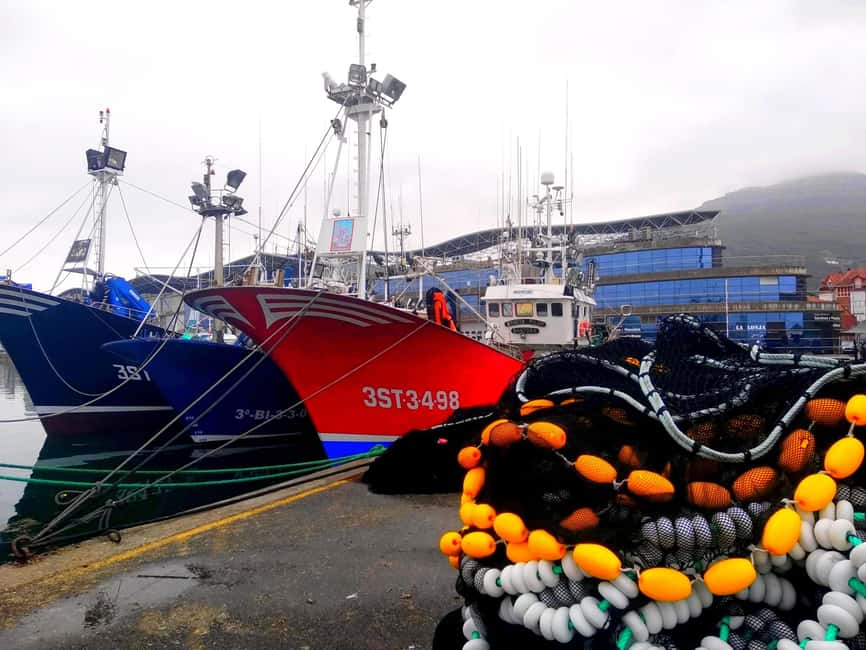
You begin at the Mirador de las Marismas, beside Santoña’s port. That starting point gives you a useful orientation before the tour moves into the working heart of town.
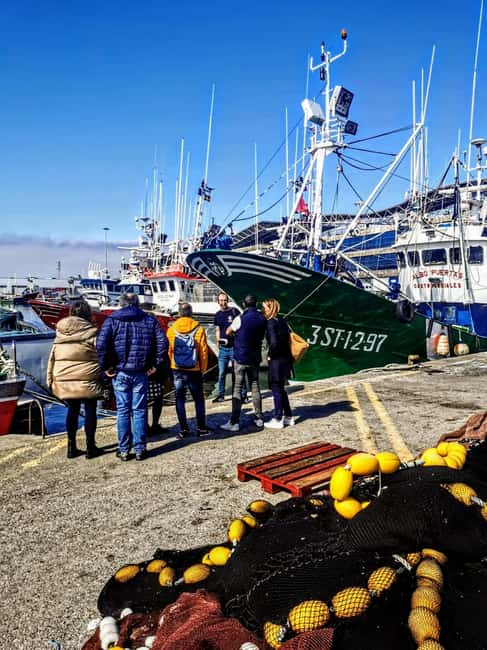
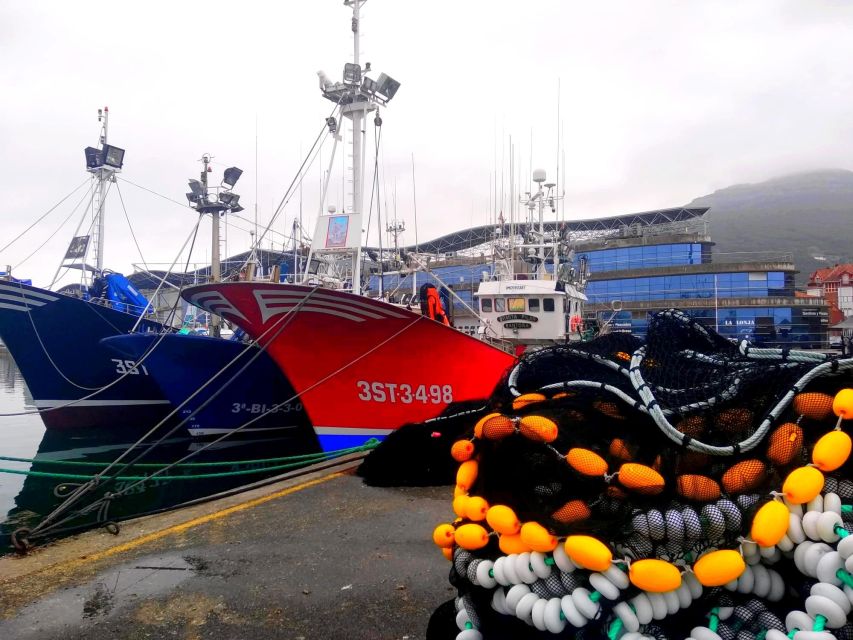
The port is not just a pretty place to take photographs. It is where you can see the link between sea, boats, auction, factory, and plate. Your guide explains the daily work of one of Cantabria’s largest fishing hubs, helping you understand what you are looking at instead of leaving you to guess.
I particularly like the focus on purse seine vessels. These boats use a surrounding net to gather fish, and learning that basic method gives you a better sense of how the boats operate. You also learn how to read ship registrations, a small detail that turns rows of boats into something more legible.
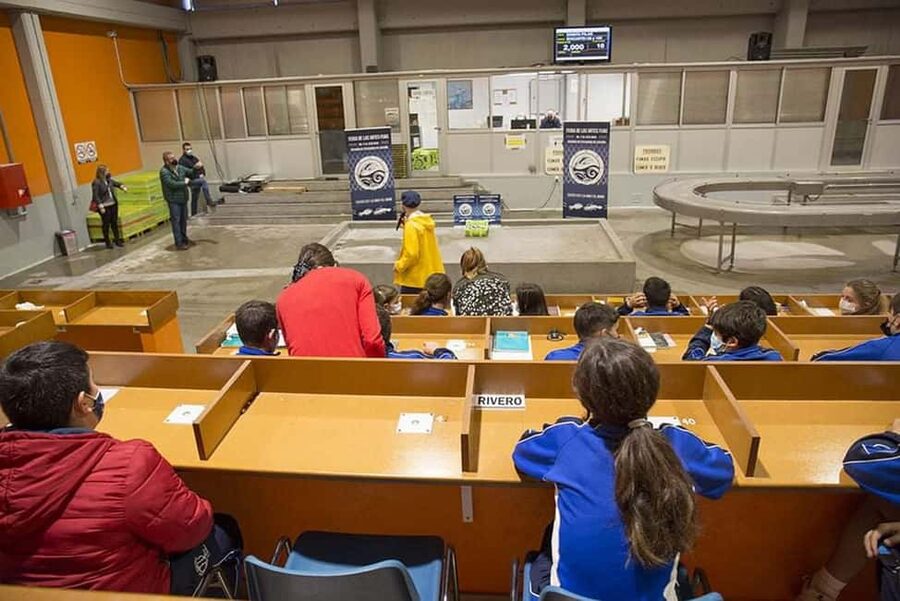
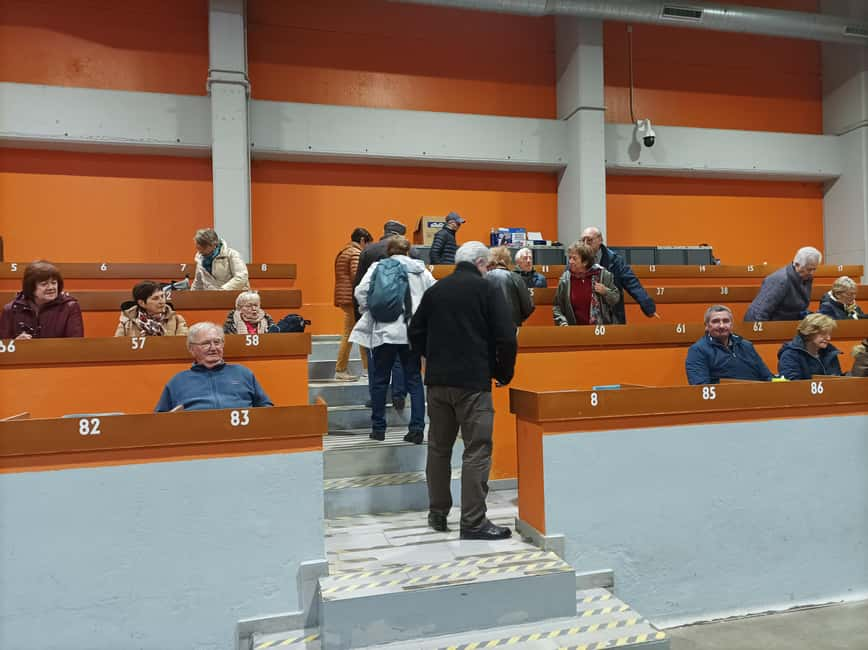
The fish market is another key part of the visit. The catch is sold through an auction process, and your guide explains how that sale works. The supplied details do not promise that you will see a live auction in progress, so think of this as an explanation of the system, with the chance to observe port activity depending on the day and timing.
That distinction matters. A fishing port is a working place, not a staged attraction. Activity can vary, and the most dramatic moments depend on the arrival of boats and the market schedule. Still, even a quieter visit gives you context for Santoña’s identity and its long connection with preserved fish.
The port stop is listed as a guided tour followed by a five-minute photo stop. The published timing says 30 hours for the port section, which cannot sensibly describe a normal walking visit. Treat the timing as unclear and check the start time and duration before paying. This is the one practical wrinkle in an otherwise simple plan.
The Fish Market Makes the Tasting Matter
Anchovies can appear on a menu as a small garnish, easy to overlook. In Santoña, they are a local product with a full chain of work behind them.
At the port, you learn about the catch and sale. At the gallery, you see what happens next. That sequence is the real strength of the experience. The tasting is not an isolated snack added at the end. It follows an explanation of boats, fish, processing, and handwork.
I find this sort of food visit more useful than a standard tasting with no context. When you understand where the fish came from and how it was prepared, you pay closer attention to its texture and flavor. You also gain a better idea of why careful preservation matters.
The port is likely to appeal most to readers who enjoy working places and local industries. If you want a fast list of scenic viewpoints, this may feel more detailed than necessary. If you like knowing how a regional food reaches your table, the port section earns its place.
A few more market tours around Spain worth a look
- Barcelona: Paella Cooking Experience & Boqueria Market Tour
★ 4.8 · 3,661 reviews - Barcelona Paella Cooking Class with Market Visit, Tapas & Sangria
★ 5.0 · 2,531 reviews - Paella Cooking Class, Wine Tasting & Central Market in Valencia
★ 5.0 · 1,150 reviews
Inside the Anchovy Art Gallery
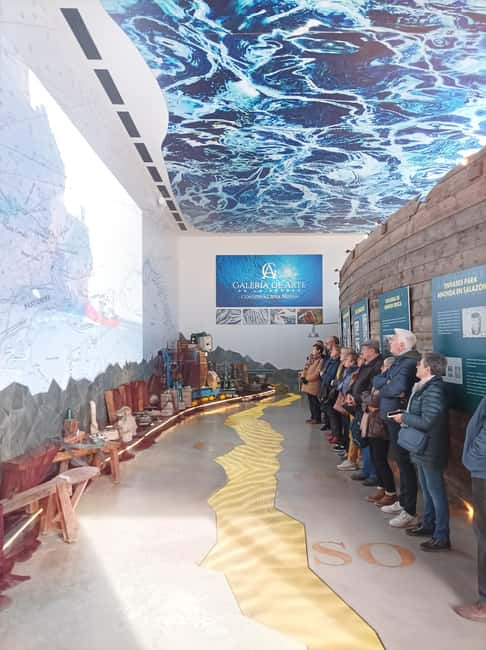
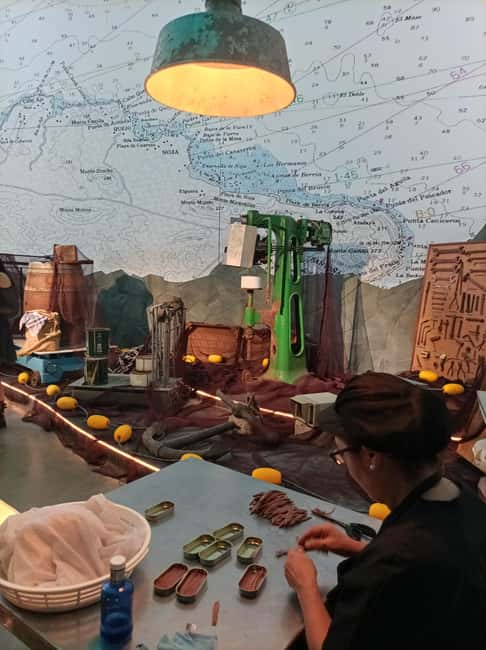
The second main stop is the Anchovy Art Gallery of Conservas Ana María. Here, the focus shifts from boats and auctions to the craft of preserving and preparing anchovies.
The gallery includes antique machinery dating from the early 20th century. These machines give the visit a physical sense of time. You are not only hearing that anchovy production has an established place in Santoña. You are seeing equipment connected with the earlier stages of that work.
The gallery also explains the Sicilian origins of anchovy filleting in the Cantabrian Sea. That is an especially useful detail because it shows that local food traditions can develop through movement between regions. The story is not simply about a fish caught off the coast. It is also about skills, workers, and methods crossing borders.
Nicolás is the guide to look for here. The strongest comments about the experience focus on his clear explanations and his command of the subject. He has used both physical and online material during the visit to make the information easier to follow. That extra material can help when the subject includes unfamiliar boat types, registration marks, or processing terms.
A worker then demonstrates the art of filleting anchovies. This is the practical center of the gallery visit. The work requires care, and watching the process makes it easier to understand why the finished product is valued. The supplied information does not specify how long the demonstration lasts or whether every step of industrial production is shown, so you should expect a focused demonstration rather than a full factory tour.
The Hand-Filleted Tasting at Conservas Ana María
The tour finishes at the gallery’s bar and shop, where you taste freshly prepared anchovy fillets. The tasting is included in the $20 price, along with admission to the gallery.
This is a small tasting, but it has a clear purpose. You have just seen the port, heard about the fish trade, examined old machinery, and watched the filleting technique. Now you can judge the result for yourself.
Expect a strong, savory flavor. Anchovies are not shy food, and this is not the place for a bland snack. If you already enjoy anchovies, the tasting gives you a direct connection with Santoña’s specialty. If you are uncertain about them, the portion offers a low-risk way to try the local style without committing to a full meal.
The bar and shop setting may also make this stop useful for choosing a food souvenir. The supplied information confirms that the tasting takes place there, but it does not specify products, packaging, or prices for purchases. Ask on the day rather than assuming anything beyond the included fillets.
I like that the tasting comes after the explanation. Food often makes the strongest impression when you understand the work behind it. Here, the final bite helps tie together the port and gallery instead of feeling like an unrelated reward.
What Nicolás Adds to the Visit
A food museum can be either a quick display of old equipment or a good explanation of a living trade. The guide makes a difference.
Nicolás C. is the named guide associated with this experience. The available feedback gives special attention to his explanations, fluency, passion, and care with the subject. One particularly useful point is that he brings additional online and physical material when needed. That suggests a guide who can adjust the explanation rather than simply recite a fixed script.
The tour is offered in Spanish, French, and English. That matters in a port setting, where technical details can otherwise become hard to follow. You should choose the language that lets you ask questions comfortably, since the value comes from understanding the process rather than just looking at boats and machinery.
The comments also point to an attentive style. That does not guarantee an identical experience on every date, but Nicolás is clearly the central strength of the visit. If you care about local history, food production, and the meaning behind ordinary objects, his explanations are likely to be more valuable than the displays alone.
More shopping tours in Spain:
- Valencian paella cooking class, tapas and visit to Ruzafa market.
★ 5.0 · 828 reviews - Spanish Cooking Class & Triana Market Tour in Sevilla
★ 5.0 · 760 reviews - Seville: 3.5-Hour Spanish Cooking Class & Triana Market Tour
★ 4.9 · 751 reviews - Valencia: Paella Cooking Class with Central Market Tour
★ 5.0 · 721 reviews
Is $20 Good Value?
At $20 per person, this is a reasonable price for a guided port visit, gallery entry, and anchovy tasting. You are paying for interpretation as well as admission. That is important because the port and machinery would have limited meaning without someone explaining the fishing system and processing methods.
The value is best for you if you would otherwise spend time exploring Santoña without knowing how the port works. The tour gives your visit a clear shape and connects several parts of the local economy.
It is less compelling if you only want a large meal or an extended food workshop. The included tasting is a sample of anchovy fillets, not a full lunch. The information provided also does not promise hands-on filleting, cooking, or a broad selection of dishes.
At this price, I would see the tasting as an added benefit rather than the whole reason to book. The port explanation and gallery demonstration do most of the work. The anchovy at the end is the pleasant proof of what you have been learning.
Timing, Languages, and Cancellation
The experience begins and ends at the Mirador de las Marismas beside Santoña’s port, so you do not need a separate transfer between the listed stops. The route includes the port, a short photo stop, and Conservas Ana María before returning to the starting point.
The gallery visit is listed as lasting 40 minutes and includes the guided visit, regional food, and tasting. The port timing is unclear because it is shown as 30 hours. Check the available starting times and ask the provider to confirm the actual schedule.
The activity is valid for one day, with start times dependent on availability. It offers free cancellation up to 24 hours before the activity for a full refund. You can also reserve and pay later, which is useful if you are still arranging a Cantabria itinerary.
Spanish, French, and English are available. No group size, accessibility information, transport service, or meal beyond the anchovy tasting is specified, so ask the provider directly if any of those points affect your decision.
Who Will Enjoy This Santoña Experience?
I would recommend this to you if you like food with a story, working ports, local business, and clear guiding. It suits curious adults, food-focused visitors, and anyone who wants a more grounded look at Cantabria than a simple scenic stop.
It is also a good choice if you are not an anchovy expert. You do not need to arrive knowing how boats are registered or how filleting works. Those are the subjects Nicolás explains during the visit.
Families may appreciate the short gallery segment and the chance to see real equipment, though the activity is built around explanation rather than games or entertainment. Anyone who dislikes strong fish flavors should keep the tasting in perspective. The included sample is a central part of the visit, and anchovies have a bold taste.
You should also allow for the fact that a working port changes with the day. The tour can explain the auction process, but it cannot guarantee the same level of activity every time. That is not a flaw so much as the nature of visiting a real fishing community.
Should You Book It?
Book this experience if you want to understand why Santoña’s anchovies matter, not simply eat them. For $20, you get a guided look at the port, an explanation of fishing and auction practices, entry to a focused food gallery, a filleting demonstration, and a tasting.
The strongest reasons to go are Nicolás’s detailed guidance, the connection between the port and the finished product, and the chance to see antique machinery alongside a current food tradition. Confirm the unusual port timing before booking, and do not expect a full meal or hands-on workshop.
If that sounds like your kind of morning or afternoon, this is a practical, local choice. You leave with more than a snack: you understand the work behind one of Santoña’s most important foods.
FAQ
Where does the Santoña anchovy tour begin?
It begins at the Mirador de las Marismas beside the port of Santoña.
Where does the experience finish?
The tour returns to the Mirador de las Marismas beside the port.
What does the port visit include?
The port visit explains purse seine vessels, ship registrations, the daily work of the fishing hub, and the auction process used to sell the catch.
Is the Santoña fish market included?
The experience includes an exploration of Santoña’s fishing port and renowned fish market, with an explanation of how the catch is sold.
What is included at the Anchovy Art Gallery?
Entry to the Anchovy Art Gallery at Conservas Ana María is included. You also see antique machinery and a demonstration of anchovy filleting.
Is an anchovy tasting included?
Yes. The experience includes a tasting of anchovy fillets at the bar and shop within the Anchovy Art Gallery.
Which languages are available?
The live tour is available in Spanish, French, and English.
How much does the experience cost?
The listed price is $20 per person.
Can I cancel for a full refund?
Yes. You can cancel up to 24 hours in advance for a full refund.
More Museum Visits in Spain
- Private Malaga: Alcazaba, Museum, Market, Cathedral & Picasso
★ 5.0 · 28 reviews - Dubai: Old Town, Creek, Museums, Souks, & Street Food Tour
★ 4.8 · 10,816 reviews - Cairo 8 Hour Private Tour of Pyramids, Egyptian Museum and Bazaar
★ 5.0 · 2,931 reviews - Cairo: Female-Guided Pyramids, Sphinx & Museum City Tour
★ 4.8 · 1,614 reviews
Just added around Spain
- Explore Bilbao’s Flavors Mercado de la Ribera and Old Town★ 4.5 · 3 reviews
- CERTAL Exclusive Tour: LA RIBERA Market + GASTROBARS Bilbao (3h)★ 4.5 · 12 reviews
- Barcelona La Boqueria & Sant Antoni Private Food Experience★ 5.0 · 7 reviews
- Spanish Oysters, Cava and Ibérico Ham at Barcelona’s La Boqueria Market★ 5.0 · 8 reviews
- Taste of Barcelona: Boqueria Market, Tapas & History Tour★ 4.5 · 22 reviews
- Barcelona Tapas Cooking & Cocktail Class with Veronique & Mattias★ 5.0 · 3 reviews
- Cook Paella & Tapas + Market Tour in Barcelona (4-Course Meal)★ 5.0 · 2 reviews
- Private Barcelona Market Tour & Paella Cooking Class with Josh★ 5.0 · 4 reviews
Shopping Tours, compared.
Damnoen Saduak Market and Maeklong Railway Market
Read our review →
The Old Siam: Damnoen Saduak and Maeklong Railway Market
Read our review →
Train Market & Floating Market with Boat Ride
Read our review →
Ayutthaya & Ayothaya Floating Market Day Trip
Read our review →
Hanoi Cooking Class: Culture, Local Market & Meaning CSR Impact
Read our review →
5 Traditional Dishes Hanoi Cooking Class with Market Trip
Read our review →
Cooking Class and Lunch at a Tuscan Farmhouse with Local Market Tour from Florence
Read our review →
Cooking Class, Market & Thai Herbs Garden Tour
Read our review →Browse the lists this tour appears in