Review · MARKET TOURS
Go wheretheLocalsgo, Eatwhat thelocalseat!open Market&More Tours
Addis Ababa makes the most sense when you approach it through food. This private outing links Lucy at the National Museum with injera, spicy stews, fresh juice, traditional coffee, and shopping in an open-air market. It gives you a useful first look at the city without asking you to plan every meal or taxi ride.
I like two things here. First, the food stops are built into a wider city tour, so you are not simply moving from restaurant to restaurant. Second, the flexible pickup and private format work well during a long layover or for a first day in Addis. One thing to consider is the pace: four to seven hours is a wide range, and market traffic, meal timing, and your own appetite can change the day.
Key points at a glance

- Lucy gives the food tour a strong cultural start: You begin with Ethiopia’s place in human evolution before eating your way through the capital.
- Three food settings add variety: Expect Ethiopian dishes, organic fruit juices, and coffee, with vegetarian and meat choices.
- Yonas may be your guide: One published account names Yonas and describes a three-hour layover outing with vegetarian injera and coffee at Tomoca.
- Mercato changes on Sundays: The main market is closed then, so the route switches to Shiro Meda.
- Tomoca has a special place in the day: The Piazza coffee shop dates to 1953 and offers black coffee, macchiato, roasted coffee, and ground coffee to take away.
- The tour suits small groups: It is private, includes air-conditioned transport and onboard Wi-Fi, and accepts a maximum of eight participants.
Why this Addis Ababa food tour works

The appeal is its mix of ordinary pleasures and major sights. You can see an important museum, eat at a local restaurant, buy Ethiopian textiles, visit an old coffee shop, and pause at the Lion of Judah monument, all in one half-day outing.
That combination matters in Addis Ababa. A meal gives you a direct way to understand local customs, while the museum and monuments add context. The markets then show you the practical side of the city, where coffee, leather, jewelry, clothing, and household textiles are bought as useful goods rather than museum pieces.
The private setup is another advantage. You can go at your own pace instead of following a fixed large-group schedule. If you are using the tour during a layover, the pickup option is especially useful. The published price is $71.25 per person, which is not the cheapest way to eat in Addis Ababa, but it covers a guide, vehicle, food tastings, coffee, juices, museum entry, and several stops. The value is strongest when you want transport and planning handled for you.
A few more market tours around the world worth a look
- Bangkok: Damnoen Saduak Market and Maeklong Railway Market
★ 4.5 · 26,723 reviews - The Old Siam: Damnoen Saduak and Maeklong Railway Market
★ 4.5 · 10,992 reviews - Bangkok: Train Market & Floating Market with Boat Ride
★ 4.7 · 9,547 reviews
Starting with Lucy at the National Museum
The National Museum of Ethiopia provides a serious opening to a food-focused day. The main draw is Lucy, the famous 3.2-million-year-old Australopithecus afarensis fossil. Her importance is not just that she is old. Lucy helps place Ethiopia at the center of the story of human evolution.
You are scheduled to spend about an hour here, with admission included. That is enough time for an introduction, though not a long museum study session. If you want to read every display, you may find the rest of the day tight.
The museum also covers Ethiopia’s historical development. Displays address the Aksumite Empire, the Ethiopian Orthodox Church, and modern Ethiopian history. The art section includes old paintings and sculptures alongside contemporary work, while another floor presents clothing, tools, and household objects from different regions.
I like this stop because it keeps the day from becoming a string of meals and shops. It also gives you useful context before you encounter Ethiopian food and textiles. The country’s traditions vary by region, and the museum offers a short introduction to that variety.
Plan carefully around the museum’s schedule. It is closed on Mondays, so the experience needs to be arranged for another day if the museum visit is essential.
Eating your way through Ethiopian cooking
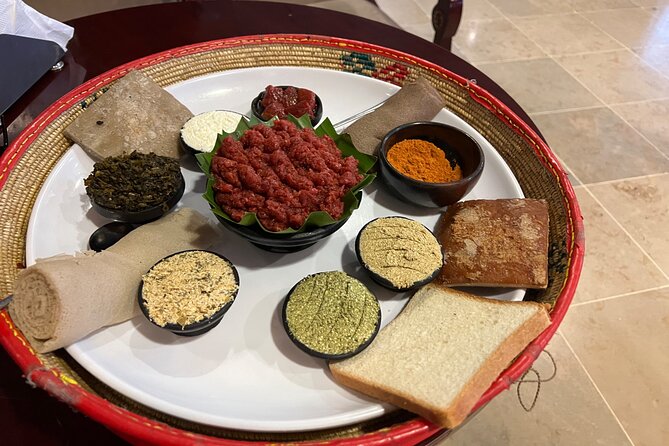
The food is the heart of the experience. The meal at Yobez Traditional Restaurant includes Ethiopian dishes for vegetarians, vegans, and meat eaters. The description focuses on the fasting-style foods commonly associated with Ethiopian Orthodox practice, including cabbage, potatoes, beans, lentils, and chickpeas.
You can also try doro wat, a spicy chicken stew made with berbere, onions, spiced butter, garlic, ginger, and hard-boiled eggs. This gives meat eaters a taste of one of Ethiopia’s best-known dishes, while plant-based diners have plenty to sample from the vegetable and legume dishes.
Injera is part of the expected food experience. One account of a short layover outing with Yonas specifically mentions vegetarian injera. Injera is both bread and utensil, so you use pieces of it to pick up the food. If you are new to Ethiopian dining, your guide can help you understand how the dishes are served and combined.
The tour is a good choice if your group has mixed diets. You are not limited to a meat-heavy menu, and you are not asking a vegetarian member of your party to settle for one side dish. The food also changes the rhythm of the day. After the museum and before the markets, a proper local meal gives you time to sit and reset.
The exact number of dishes and the precise restaurant timing can vary. The outing is described as including tastings at three restaurants, but the schedule also lists Yobez as the main traditional restaurant stop. Treat the food portion as a guided introduction rather than a formal cooking class or a fixed tasting menu.
Coffee and juice in a city built around both
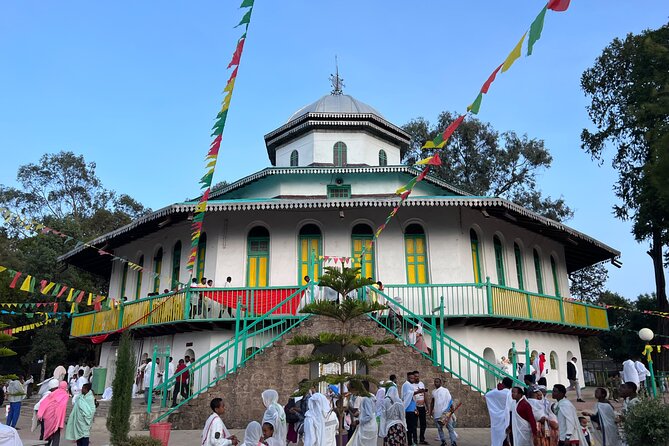
Coffee is not an afterthought here. The experience includes Ethiopian coffee tasting, organic fruit juices, and a traditional coffee ceremony. That gives you several ways to experience the country’s drink culture rather than simply ordering a quick cup.
The Tomoca stop is particularly appealing. The Piazza shop dates from 1953 and is identified as Ethiopia’s oldest coffee shop. You can order original black coffee or coffee with milk, described as macchiato, and buy roasted coffee or ground coffee to take with you.
Only about 15 minutes are allocated to Tomoca. That is enough for a tasting and a quick purchase, but do not expect a long coffee workshop. The value is in the setting and the chance to connect a famous Addis coffee name with the wider coffee ceremony included elsewhere in the day.
Fresh juice adds a welcome break, especially if you are eating several rich dishes. Since the experience includes both food and drinks, you can sample more without paying separately at every stop. Still, check with the guide about what is included at each restaurant if you have allergies or strong dietary restrictions. The supplied details confirm vegetarian, vegan, and non-vegetarian options, but they do not list specific allergy procedures.
More shopping tours in the world:
- From Bangkok: Ayutthaya & Ayothaya Floating Market Day Trip
★ 4.7 · 6,084 reviews - Hanoi Cooking Class: Culture, Local Market & Meaning CSR Impact
★ 5.0 · 5,147 reviews - 5 Traditional Dishes Hanoi Cooking Class with Market Trip
★ 5.0 · 4,890 reviews - Cooking Class and Lunch at a Tuscan Farmhouse with Local Market Tour from Florence
★ 5.0 · 4,831 reviews
Seeing Mercato without wandering aimlessly
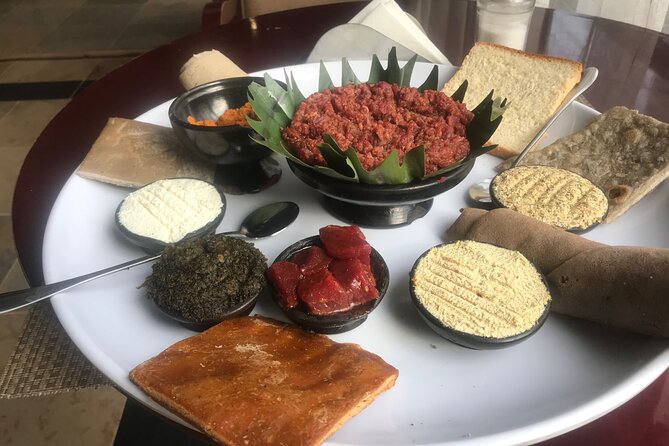
Mercato is the main market stop when the tour runs from Monday through Saturday. It is an enormous open-air market area, and the tour is designed to help you navigate its maze of stalls with a local guide.
The listed visit lasts about two hours. That is long enough to look for Ethiopian coffee, jewelry, leather goods, and other local products without turning the entire day into shopping. The route may also include Piazza, the old Tomoca coffee shop, Zebra Gallery, the Stadium, and leather shops.
This is where a guide adds real practical value. A first-time visitor can easily lose time trying to find a particular type of item or figure out which part of the market suits a purchase. The guide handles the route while you decide what interests you.
You should treat Mercato as a working market, not a polished shopping center. The atmosphere may feel crowded and intense, and browsing can take concentration. Keep your purchases modest if you are flying onward, especially if you are buying leather or textiles. The tour information does not promise fixed prices or a formal shopping guarantee, so ask about cost before committing to an item.
The market is also a good place to buy something tied to daily Ethiopian life. Coffee, leather, jewelry, and handmade products are more meaningful souvenirs than generic airport goods. If shopping is not your priority, tell the guide early so the time is balanced with food and sightseeing.
Shiro Meda on Sundays
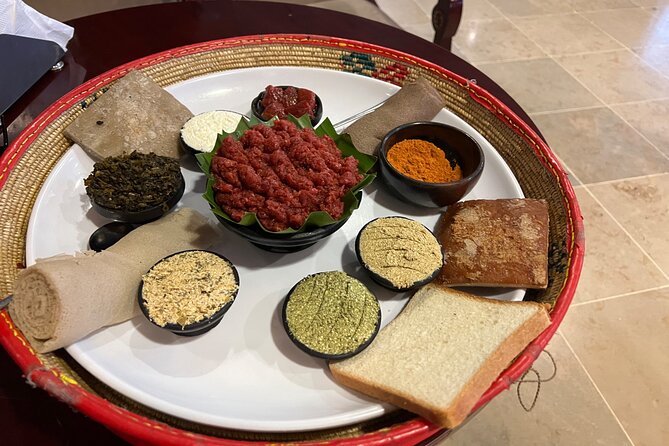
Mercato is closed on Sundays, so the tour switches to Shiro Meda. This is not a minor substitute. Shiro Meda has its own character and is known for Ethiopian textiles, clothing, and small gifts.
The stop lasts about 45 minutes. You may find handwoven cotton clothing, Ethiopian wedding dresses, bed covers, tablecloths, scarves, T-shirts, necklaces, and earrings. It is located near the US Embassy and is especially known for women’s clothing and locally made cotton goods.
I would choose a Sunday outing with realistic expectations. Forty-five minutes gives you time to browse and make a few purchases, but it is not enough for a slow, detailed textile hunt. The shorter stop also means Sunday’s market portion may feel less extensive than the weekday Mercato visit.
On the other hand, Shiro Meda may suit you better if you want textiles rather than a huge market complex. It offers a more focused shopping purpose, and the listed entry cost is free. The guide can help you understand what you are looking at and keep the visit moving.
The Lion of Judah and Addis Ababa’s public symbols
The Lion of Judah stop takes about 15 minutes. The symbol is linked to the biblical tribe of Judah and Jesus Christ, and it was also used to represent the Ethiopian monarchy, especially Emperor Haile Selassie.
This is a short photo and orientation stop, not a full historical tour. Its value is in connecting the city’s public symbols with Ethiopia’s royal and religious identity. Coming after the museum, it gives you one more quick piece of context before the day ends.
Do not expect a long guided discussion at the monument. The itinerary allows only a quarter of an hour, so consider it a compact landmark visit rather than a central attraction.
Transport, timing, and the layover question

The tour runs for roughly four to seven hours. That range is unusually broad, but it reflects the flexible private format and the number of stops. Traffic, museum timing, restaurant service, and market browsing can all affect the schedule.
Pickup is offered, including airport pickup, and you can also meet at an agreed meeting point. This is one of the strongest practical reasons to book. Addis Ababa is easier when someone else handles the driving between the museum, markets, restaurants, and coffee shop.
The vehicle is air-conditioned and includes Wi-Fi onboard. The group limit is eight people, though the experience is described as private. If you are booking for a small family or group of friends, the vehicle and guide can make the price more reasonable when divided among several people.
The tour can also work during a long layover. The account involving Yonas describes a three-hour Addis stop with driving, local lunch, vegetarian injera, coffee at Tomoca, and city sights. A three-hour version is shorter than the advertised four to seven hours, so confirm the schedule if your time in Ethiopia is tight. Do not assume every stop will fit during a short connection.
The published cancellation terms allow a full refund if you cancel at least 24 hours before the start time. Changes or cancellations within 24 hours are not refunded. The experience also requires a minimum number of participants, and a provider cancellation would bring an alternative date or full refund.
Is $71.25 a fair price?
At $71.25 per person, this is a convenience-and-context purchase rather than a cheap way to eat. You could spend less by arranging your own meal and coffee, but you would then need to organize transport, market visits, museum entry, and the timing between each stop.
The price includes a professional driver-guide, air-conditioned vehicle, Wi-Fi, food tastings, Ethiopian coffee, organic fruit juices, National Museum entry, and a guided walk through Mercato. Tips are not included.
I see the best value for three types of people: first-time visitors, airport stopover passengers, and anyone who wants to try Ethiopian food without guessing where to go. It is less compelling if you already know Addis Ababa, have your own driver, or prefer to spend an entire day at one market or museum.
Food portions and restaurant timing are not described in exact detail, so do not book this expecting a carefully measured tasting menu. Book it for the combination of transport, local guidance, several tastes, and a first look at the capital.
Who should book this Addis Ababa experience?
I would recommend it to an independent-minded visitor who wants structure for one day but does not want a large coach tour. The private format lets you ask questions, adjust the pace, and spend more time on food or shopping.
It also suits mixed groups. Vegetarians, vegans, and meat eaters can all find suitable Ethiopian dishes, and the inclusion of juice and coffee gives non-drinkers plenty to enjoy. Families and small groups may appreciate the air-conditioned vehicle and pickup option.
I would be more cautious if you have a strict timetable, mobility needs that require specific arrangements, or serious food allergies. The supplied details say most people can participate, but they do not provide a detailed accessibility plan or allergy policy. Ask before booking.
Should you book it?
Book this tour if you want one well-organized introduction to Addis Ababa that combines Lucy, local food, coffee, and markets. The strongest version is a weekday booking when Mercato is open, especially if shopping is important to you.
A Sunday booking still works, but the market visit shifts to the smaller Shiro Meda stop. Avoid Monday if the National Museum is a priority. And if you are using a layover, confirm the exact duration with Daily Addis Tours, since the route can be shortened but the full program is listed at four to seven hours.
For a first taste of Addis, the mix is hard to beat: history in the morning, injera and stew at lunch, old coffee in Piazza, and a market where you can take a small piece of Ethiopia home.
FAQ
How long does the tour last?
The experience lasts approximately four to seven hours. A shorter version has also been used for a three-hour Addis Ababa layover, so confirm the schedule if your available time is limited.
Is pickup available?
Yes. You can request pickup, including airport pickup, or meet at the designated meeting point.
How many people can join?
The maximum group size is eight participants. The experience is described as a private tour.
Is food included?
Yes. The experience includes Ethiopian food tastings with vegetarian, vegan, and non-vegetarian dishes, along with organic fruit juices and traditional coffee tasting.
What happens if I visit on Sunday?
Mercato is closed on Sundays. The route then uses Shiro Meda Market, where you can shop for Ethiopian textiles, clothing, scarves, tablecloths, jewelry, and other small gifts.
Is the National Museum open every day?
The National Museum is not open on Mondays. Plan the tour for another day if you want to see Lucy and the museum displays.
Is coffee included?
Yes. Coffee tasting and a traditional Ethiopian coffee ceremony are included. The tour also visits Tomoca in Piazza, where you can try black coffee or coffee with milk and buy roasted or ground coffee.
What is included in the price?
The price includes the professional driver-guide, onboard Wi-Fi, air-conditioned transport, food and drink tastings, National Museum admission, and the guided open-air Mercato walk. Tips for the guide are not included.
Just added around the world
- Cologne Christmas Market and Kölsch Beer Small-Group Tour★ 5.0 · 29 reviews
- Local Market Tour & Cooking Demo with Lunch from Colombo Harbor★ 5.0 · 2 reviews
- Market Tour and Cooking Class from Colombo★ 5.0 · 5 reviews
- West Side Market Food Tour★ 4.0 · 31 reviews
- Discover Colmar’s Christmas Market Magic with a Local★ 3.5 · 4 reviews
- Discover Cologne’s Christmas Market Magic with a Local★ 4.5 · 4 reviews
- Cincinnati’s Original Findlay Market Tour With Tastings★ 5.0 · 32 reviews
- Vegan Cooking Class Colombo with Market Tour★ 5.0 · 9 reviews
Shopping Tours, compared.

Damnoen Saduak Market and Maeklong Railway Market
Read our review →
The Old Siam: Damnoen Saduak and Maeklong Railway Market
Read our review →
Train Market & Floating Market with Boat Ride
Read our review →
Ayutthaya & Ayothaya Floating Market Day Trip
Read our review →
Hanoi Cooking Class: Culture, Local Market & Meaning CSR Impact
Read our review →
5 Traditional Dishes Hanoi Cooking Class with Market Trip
Read our review →
Cooking Class and Lunch at a Tuscan Farmhouse with Local Market Tour from Florence
Read our review →