Review · MARKET TOURS
Fruit Tour at the World’s sweetest Market
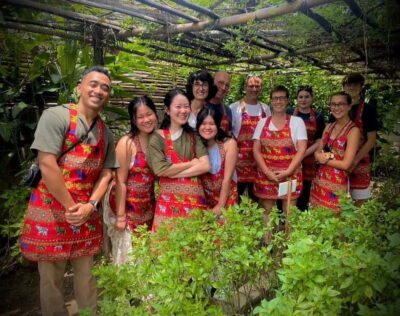
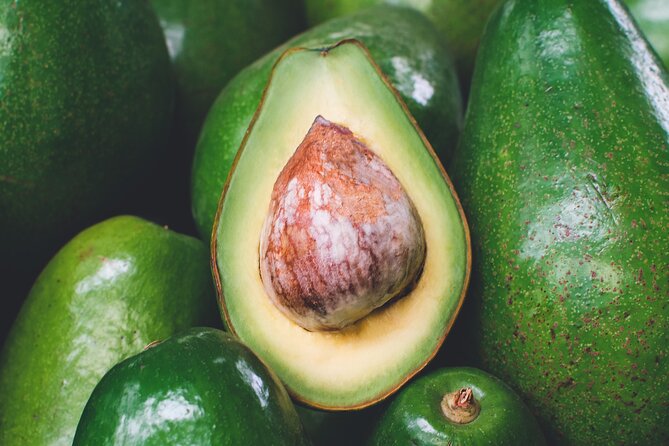
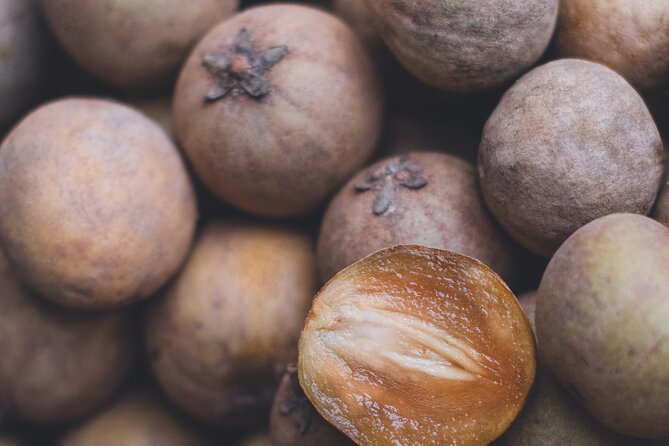
Paloquemao Market is where Bogotá’s fruit story gets deliciously out of hand. In about three hours, you may taste 25 to 30 fruits, from several kinds of guava and passion fruit to guanabana, mangosteen, tree tomato, Andean blueberries, mora, and Colombian avocado. Victor and Val guide you through the market, explaining what you are eating and how locals use it.
I like the maximum six-person group, which gives you room to ask questions and keep pace with the guide. I also like the generous food side of the tour: fresh juice, coconut water, empanadas, arepas, pan de queso, and other treats can make this feel like a light breakfast and lunch rolled into one.
The main consideration is simple: arrive hungry. The tasting can be substantial, and the market is active, crowded, and spread across several sections. If you need a quiet, seated food lesson, this is not it. If you want direct contact with everyday Bogotá food culture, it is a fine match.
Key things to know before you book
- Up to 30 fruit tastings: The exact number changes with the season, but the selection can include several varieties of familiar fruits and many new ones.
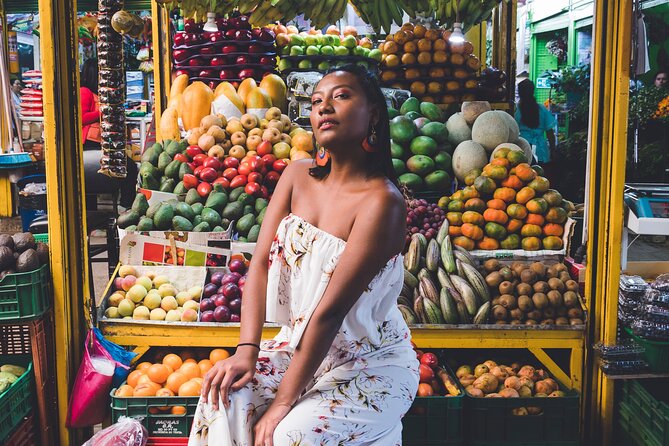
- Paloquemao instead of a tourist set piece: You visit a working Bogotá market where produce sellers serve local shoppers.
- Victor and Val lead the experience: Both guides are praised for clear explanations, warm service, and strong relationships with market vendors.
- Come without breakfast: Fruit, juice, hot drinks, empanadas, cheese bread, and arepas may amount to two small meals.
- Small-group format: The tour accepts no more than six people, and a solo booking may sometimes become a private experience.
- Good first-days-in-Bogotá activity: The guide can suggest restaurants, bars, and foods to seek out during the rest of your visit.
Why Paloquemao Market makes this tour different
Paloquemao is not simply a place to pose beside colorful produce. It is a working market in Bogotá, with sections for fruit, vegetables, flowers, prepared food, and other daily needs. That matters because you see food in its normal setting, not only arranged for visitors.
The market also gives you a practical introduction to Colombia’s geography. The country sits near the equator, while the Andes run through it, creating many growing conditions within one national food system. The tour connects those conditions to the fruit in front of you, so a tasting becomes a lesson in climate, farming, flavor, and local habits.
You may know guava or passion fruit from home, but Colombia often offers several kinds, each with a different size, texture, sweetness, or level of tartness. The point is not just to count samples. It is to notice how much variety can sit behind a familiar name.
You also get help navigating the market. A guide who knows the vendors can explain what is available and help you avoid wandering past unfamiliar produce without realizing what it is. That is especially useful if your Spanish is limited.
A few more market tours around the world worth a look
- Bangkok: Damnoen Saduak Market and Maeklong Railway Market
★ 4.5 · 26,723 reviews - The Old Siam: Damnoen Saduak and Maeklong Railway Market
★ 4.5 · 10,992 reviews - Bangkok: Train Market & Floating Market with Boat Ride
★ 4.7 · 9,547 reviews
What happens during the three-hour market walk
The meeting point is at Av. Ciudad de Lima #25-02 in the Los Mártires area, and the activity returns there at the end. The experience lasts about three hours, though the pace can depend on the group and the number of tastings available that day.
The opening part takes place inside Paloquemao. Rather than rushing to a single stall, the guide leads you through different sections and introduces the market as a whole. You will likely pause often, since tasting fruit requires cutting, serving, explaining, and answering questions.
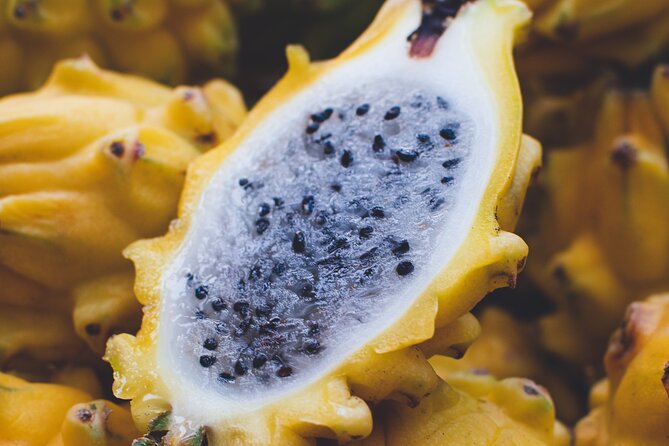
The selection changes with the season. The expected range is around 25 fruits, but several people have sampled close to 30. Possible tastings include multiple guavas, several passion fruits, tree tomato, guanabana, mangosteen, Andean blueberries, mora, coconut, and avocado. The exact list is not fixed, which is part of the appeal and part of the uncertainty.
Some fruits are eaten simply for their flesh. Others may be paired with salt or Tajín, blended into a smoothie, served in a drink, or discussed in connection with home remedies and local customs. Your guide explains these differences as you go, helping you understand not just what a fruit tastes like but how Colombians enjoy it.
The guides also pay attention to basic cleanliness. Fruit with an unpeeled exterior may be washed, and some guides bring spoons, wipes, hand sanitizer, and bags for peels and pits. That preparation is useful in a market setting, especially when the group is tasting many items in a short time.
Fruit is only the beginning
This is billed around fruit, but the food does not stop there. The final portion can include a fresh juice tasting paired with a traditional Colombian snack. Depending on the day and the choices made during the visit, you might also have coconut water, a smoothie, empanadas, arepas, pan de queso, hot chocolate, or chucula.
The empanadas may come with several sauces, giving you a chance to compare fillings and condiments. Fresh pan de queso is another highlight when available, particularly if it comes straight from the oven. These savory stops keep the tasting from becoming a long run of sweet flavors.
Chucula and chocolate-based drinks add another useful layer. They show how local food culture includes thick, warm, filling beverages, not just coffee and fruit juice. You can also ask the guide how a particular item is normally eaten, which makes the food easier to recognize later at a restaurant or market stall.
Plan your appetite carefully. The fruit alone may be enough to replace breakfast, and the added snacks can carry you well into the afternoon. If you have a sensitive stomach or strong food restrictions, tell the guide before the tasting begins, though the supplied details do not specify how every dietary need can be handled.
Victor and Val shape the experience
The guide is a major part of the value here. Victor is described as prepared, generous, and well connected with the market sellers. His relationships help the visit feel less like a transaction and more like an introduction through someone who knows the place.
Valentina, often called Val, brings a friendly and patient approach. She speaks English fluently and explains native Colombian fruits and vegetables in a way that works well for first-time visitors. Her guidance can be especially helpful when a fruit has an unfamiliar name, texture, or preparation.
Both guides offer advice beyond the tasting. You can ask what to eat next in Bogotá, where to look for particular fruits, and which restaurants or bars might suit your interests. One guide even helped locate items that had been sampled during the tour, while another took a participant to a chocolate shop afterward. Treat these extras as goodwill, not guaranteed itinerary stops.
Their vendor connections also solve a common market problem. On your own, you may see dozens of appealing foods but have no idea what they are or how to order them. With a guide, you get a translation of the market’s choices and a clearer path through the stalls.
More shopping tours in the world:
- From Bangkok: Ayutthaya & Ayothaya Floating Market Day Trip
★ 4.7 · 6,084 reviews - Hanoi Cooking Class: Culture, Local Market & Meaning CSR Impact
★ 5.0 · 5,147 reviews - 5 Traditional Dishes Hanoi Cooking Class with Market Trip
★ 5.0 · 4,890 reviews - Cooking Class and Lunch at a Tuscan Farmhouse with Local Market Tour from Florence
★ 5.0 · 4,831 reviews
How much value do you get for $41?
At $41 per person, this costs more than simply entering Paloquemao and buying a few pieces of fruit. You are paying for access to a guide, a planned tasting, explanations, vendor relationships, sanitation supplies, and several prepared foods and drinks.
The amount of food makes the price easier to assess. If you sample 25 or more fruits and also receive juice, empanadas, arepas, cheese bread, or hot drinks, the tour can replace a meal or two. It also reduces the risk of buying a full portion of an unfamiliar fruit you dislike. You can taste first, then decide what deserves a return visit.
The small group matters too. With no more than six people, you have a better chance to ask about agriculture, flavor, cooking, and pronunciation. A solo booking may even operate as a private tour if nobody else has reserved the same time, though that cannot be promised.
The best value comes if you are curious about food and want context. If you only want a quick fruit sample, you could spend less at the market on your own. You would, however, lose the guide’s explanations, introductions, and help identifying the produce.
Is the market physically demanding?
The tour requires a moderate level of physical fitness. You will walk through the market for roughly three hours, stand during tastings, and deal with the normal movement of an active produce market.
The supplied information does not promise seats throughout the experience. One guide did make room for rest stops when a participant became short of breath, but you should still arrive ready to walk and stand. Wear comfortable shoes and avoid scheduling this immediately before another activity that requires you to be fresh and unhurried.
The market setting may also feel intense if you prefer orderly indoor food halls. There can be noise, people moving around, wet produce areas, and plenty to look at. That is part of the authentic appeal, but it is worth knowing before you book.
Public transportation is nearby, and the meeting point is in Los Mártires. The activity ends where it begins, so you do not need to arrange a second destination as part of the tour.
Why the timing matters
I would place this tour near the start of your Bogotá visit. The guide’s food suggestions can help you decide what to eat for the rest of your stay, and the market gives you a useful introduction to Colombian produce before you encounter it in restaurants or shops.
Booking well ahead is sensible. The experience is often reserved about 18 days before the start date, and the six-person limit keeps capacity low. If you need to cancel, you can receive a full refund when you cancel at least 24 hours before the start time. Cancellations or changes made inside that window are not accepted for a refund.
The tour may also work well near the end of a trip if you want one last look at Colombian food. Still, you will get more practical use from it early, when there is time to follow the guide’s recommendations.
Who will enjoy this most?
This is a strong choice for anyone who plans trips around food. Fruit lovers will have plenty to investigate, but you do not need to be an expert or an enthusiast. The tasting includes enough savory food and cultural explanation to keep it interesting even if fruit is not your main reason for visiting Bogotá.
Solo visitors can benefit from the small group and the guide’s help with the market. Couples and friends get a relaxed way to compare reactions to strange flavors. Families can also enjoy it, and children may find the color, size, and textures more engaging than a standard museum visit.
It is less suitable if you want a polished cooking class, a sit-down meal, or a fixed menu. The fruit depends on the season, and the market itself is active rather than calm. You should also think twice if you have very limited mobility or need guaranteed seating, since a moderate fitness level is required and the details do not promise a fully accessible route.
Should you book the Bogotá fruit tour?
Book it if you want to understand Bogotá through its food rather than only through major sights. The combination of Paloquemao Market, 25 or more seasonal fruits, Victor or Val’s guidance, and substantial snacks gives you much more than a quick produce stop.
I would especially choose it during the first few days of a Bogotá stay, on an empty stomach, with comfortable shoes and a willingness to try unfamiliar textures. Skip it if you dislike market conditions or prefer a quiet, fixed meal. For curious eaters, the $41 price is reasonable because it covers a generous tasting, local interpretation, and advice you can use across the rest of Colombia.
FAQ
Where does the fruit tour begin?
It begins at Av. Ciudad de Lima #25-02 in the Los Mártires area of Bogotá, at Paloquemao Market.
How long does the experience last?
The tour lasts approximately three hours and ends back at the meeting point.
How many people can join the tour?
The maximum group size is six people. If you are the only person booked, the experience may operate as a private tour, but that is not guaranteed.
How many fruits will I taste?
The selection changes with the season, but you can expect around 25 fruits. Some experiences include close to 30 different fruits.
Is food included besides fruit?
Yes. The experience includes a fruit juice tasting with a traditional snack. Depending on the day, you may also try coconut water, smoothies, empanadas, arepas, pan de queso, hot chocolate, or chucula.
Can I cancel for a full refund?
Yes. You must cancel at least 24 hours before the experience start time for a full refund. Cancellations or changes made less than 24 hours before the start time are not accepted for a refund.
Just added around the world
- Cologne Christmas Market and Kölsch Beer Small-Group Tour★ 5.0 · 29 reviews
- Local Market Tour & Cooking Demo with Lunch from Colombo Harbor★ 5.0 · 2 reviews
- Market Tour and Cooking Class from Colombo★ 5.0 · 5 reviews
- West Side Market Food Tour★ 4.0 · 31 reviews
- Discover Colmar’s Christmas Market Magic with a Local★ 3.5 · 4 reviews
- Discover Cologne’s Christmas Market Magic with a Local★ 4.5 · 4 reviews
- Cincinnati’s Original Findlay Market Tour With Tastings★ 5.0 · 32 reviews
- Vegan Cooking Class Colombo with Market Tour★ 5.0 · 9 reviews
Shopping Tours, compared.

Damnoen Saduak Market and Maeklong Railway Market
Read our review →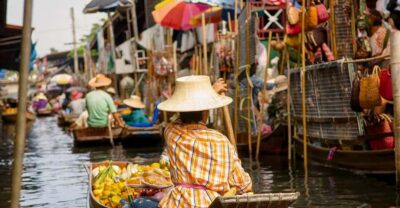
The Old Siam: Damnoen Saduak and Maeklong Railway Market
Read our review →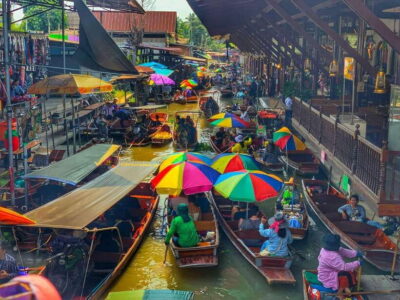
Train Market & Floating Market with Boat Ride
Read our review →
Ayutthaya & Ayothaya Floating Market Day Trip
Read our review →
Hanoi Cooking Class: Culture, Local Market & Meaning CSR Impact
Read our review →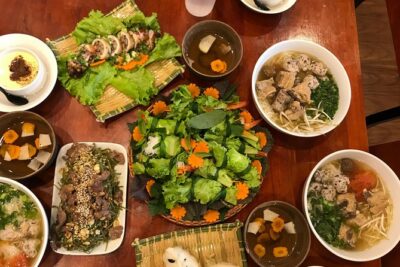
5 Traditional Dishes Hanoi Cooking Class with Market Trip
Read our review →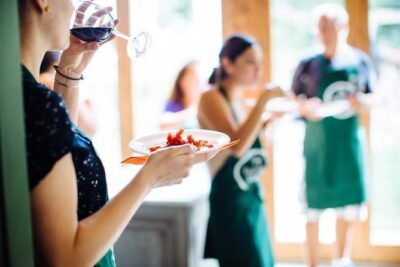
Cooking Class and Lunch at a Tuscan Farmhouse with Local Market Tour from Florence
Read our review →