
Review · KUALA LUMPUR
LaZat Malaysian Cooking Class
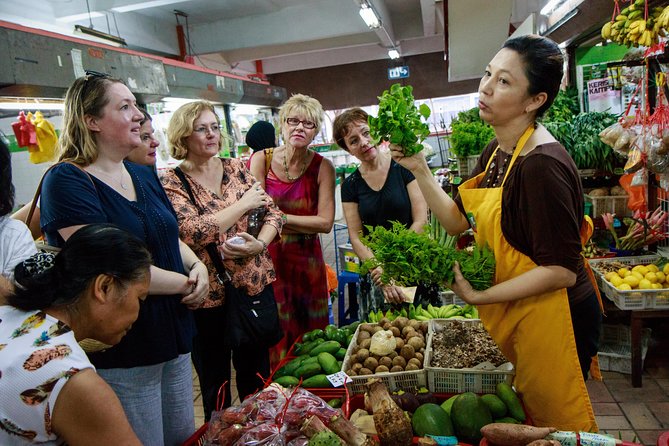
LaZat begins where Malaysian cooking begins: at a local wet market. You’ll see the ingredients before they reach the cooking pot, enjoy a light roti canai breakfast, then work through a full menu in a small kitchen class. That market-to-table order gives the half-day experience more purpose than a lesson that simply hands you a bowl of premeasured spices.
I like the small maximum of 12 people, which leaves room for questions and individual help. I also like the personal cooking setup, with your own gas burner, utensils, traditional tools, mortar, and pestle. The main drawback is the price, about $130 per person, plus the fact that you must arrange your own transport to the wet market and after class.
Key points to know before booking
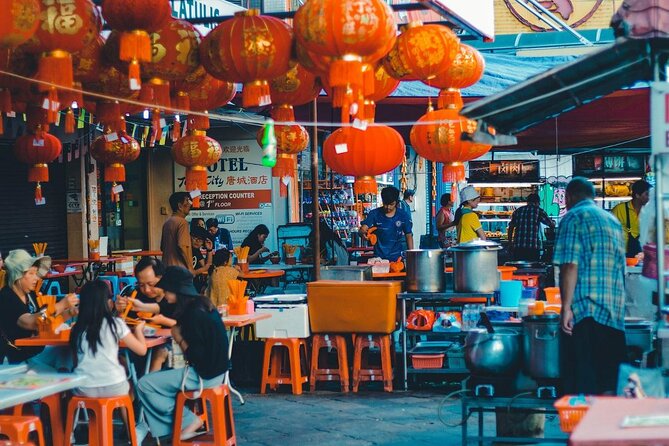
- The morning starts at Pasar Besar TTDI, not at the cooking school, so plan your route before the 8:30 AM start.
- A market tour is included Tuesday through Saturday, with a light roti canai breakfast and coffee or tea.
- You cook with individual equipment, including a gas burner, traditional utensils, and a mortar and pestle.
- The menu includes a starter, main dishes, and dessert, with the exact dishes set by the class schedule.
- The class is for ages 16 and older, and the maximum group size is 12.
- You receive a recipe book, making it easier to repeat the dishes at home.
Starting at Pasar Besar TTDI
The useful thing about this class is its order. You do not begin by staring at spice jars and trying to remember which one is which. You start at Pasar Besar Taman Tun Dr. Ismail, a local wet market, where Malaysian ingredients have a setting and a purpose.
The meeting point is listed as Pasar Besar TTDI, at TS37, Pasar Besar, Taman Tun Dr Ismail. The class runs from 8:30 AM to 1:30 PM, Tuesday through Saturday. That early start matters. You are visiting a working market, not a late-morning attraction after the best activity has already passed.
At the market, your instructor introduces the ingredients used in the day’s cooking. You can expect attention to names, smells, textures, tastes, and appearance. That is practical preparation for the kitchen, especially if you do not often cook with Southeast Asian herbs, roots, chilies, or spice mixtures.
The market also gives you a better sense of how Malaysian food is built. A recipe can tell you to use an ingredient, but seeing it in a market stall helps you recognize what you are looking for later. If you plan to shop for Malaysian ingredients at home, this part may be as useful as the cooking itself.
One point needs careful attention: the general meeting information places the start at the wet market, while some experience descriptions refer to the Majestic Hotel and a few past participants had hotel pickup. Do not assume hotel transport is included. The detailed meeting point is Pasar Besar TTDI, and transport to the wet market is specifically not included. Confirm your arrangements before the morning of the class.
More market cooking classes in the world:
- Hanoi Cooking Class: Culture, Local Market & Meaning CSR Impact
★ 5.0 · 5,147 reviews - 5 Traditional Dishes Hanoi Cooking Class with Market Trip
★ 5.0 · 4,890 reviews - Cooking Class and Lunch at a Tuscan Farmhouse with Local Market Tour from Florence
★ 5.0 · 4,831 reviews
Roti canai before the burners come on
The morning includes a light roti canai breakfast, along with coffee and tea. This is not presented as a separate restaurant meal, so you should think of it as a useful breakfast stop during the market visit rather than a large brunch.
Roti canai is a flaky, griddled flatbread commonly served with curry or other accompaniments. Having it early in the day gives you a first taste of Malaysian food before you begin making your own lunch. Snacks, coffee, and tea are also provided during the cooking session to keep you going through the five-hour schedule.
This small food break matters because the class is hands-on. You are not sitting through a demonstration and then leaving. You are handling ingredients, cooking at your station, and eating a full-course menu later. A little food and caffeine make the morning more comfortable.
Alcohol is not included. That is hardly a problem for an early cooking class, but it is worth noting if you are comparing the total cost with other food experiences that include drinks.
From the market to LaZat’s kitchen
After the market visit, transport to LaZat Cooking School is included. This is helpful because it removes the need to find the school on your own after the market, though it does not cover your initial trip to Pasar Besar TTDI or your journey after class ends.
The class itself lasts about five hours in total. The market visit, breakfast, transfer, cooking, and meal fit into the 8:30 AM to 1:30 PM window. You still have the afternoon and evening free, making this a good choice if you want a cooking lesson without surrendering an entire day.
LaZat welcomes both local and international participants. The class is designed for complete beginners as well as people who already cook. That mix can work well: you get clear instruction on the basics, but the session is not limited to a tourist-only script.
The maximum group size is 12. That is large enough for some social energy, but small enough to keep the class manageable. A smaller group may make the experience feel almost private. One past participant had a class of only three and received particularly personal instruction. Another attended alone and ended up with a private session. Those smaller groups cannot be guaranteed, but the 12-person limit gives you a reasonable chance of direct help.
Your own burner, tools, and cooking space
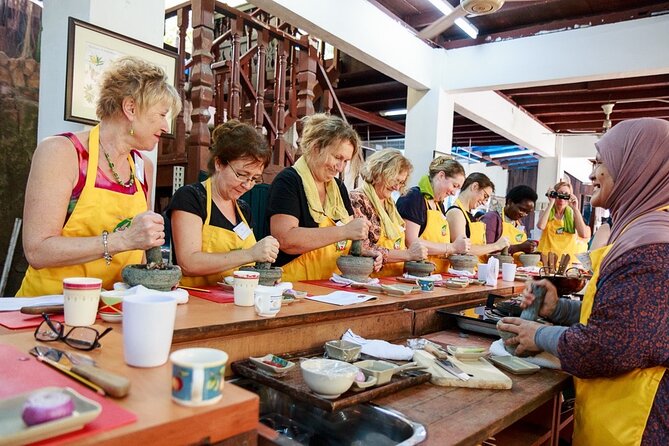
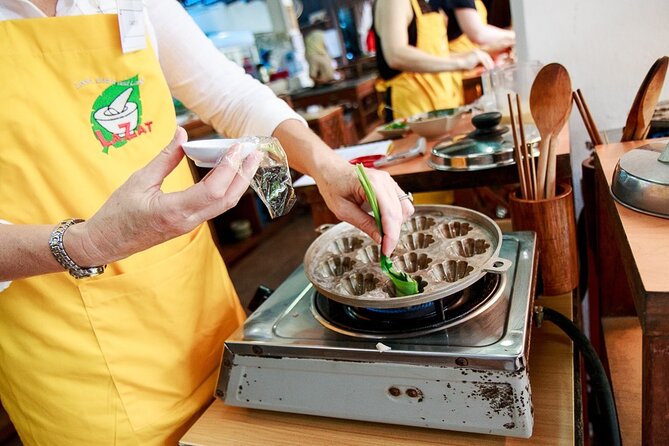
Each participant receives an individual equipment set. It includes a gas burner stove, countertop, cooking utensils, traditional utensils, and a mortar and pestle.
That setup is one of the strongest reasons to consider the class. You are not simply watching an instructor prepare the important parts while you garnish a finished dish. You get to practice the work yourself, including the physical steps that give Malaysian food its character.
The mortar and pestle are especially useful. Modern blenders can make a paste quickly, but grinding spices by hand helps you notice texture and aroma as the mixture changes. The traditional utensils also give you a better feel for how the food is prepared in a Malaysian kitchen.
The class is practical for beginners because the equipment and ingredients are supplied. You do not need to carry cooking tools, buy unusual spices before arriving, or work out how to share one station with a large group. You can show up ready to cook.
Your instructor guides the class through a full-course menu with a starter, main dishes, and dessert. The exact menu can vary by day. One participant specifically wanted to learn rendang and received an accommodation even though it was not normally scheduled for that day. That suggests it is worth asking about a preferred dish in advance, but it should not be treated as a guarantee.
Another participant particularly enjoyed learning nasi lemak. Since the daily menu can differ, ask before booking if one dish is the main reason you are interested.
More cooking classes in the world:
- Chiang Mai: Cooking Class, Market & Thai Herbs Garden Tour
★ 4.9 · 4,824 reviews - Chiang Mai: Authentic Cooking Class with Market & Farm Visit
★ 4.9 · 4,546 reviews - Barcelona: Paella Cooking Experience & Boqueria Market Tour
★ 4.8 · 3,661 reviews - Cooking Class Hoi An:Local Market, Basket Boat, Fishing & Cooking
★ 5.0 · 3,660 reviews
Learning more than a list of recipes
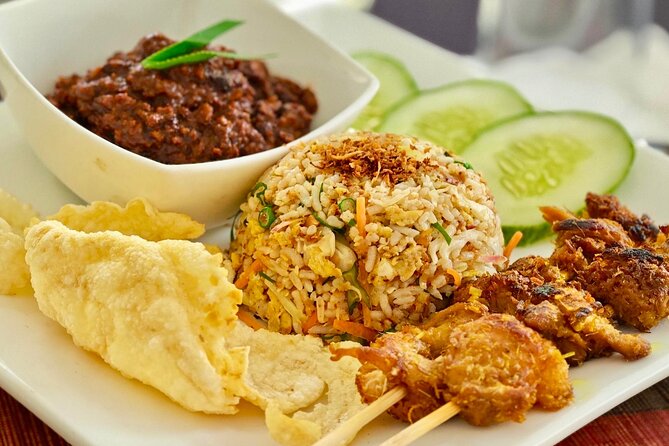
A good cooking class teaches judgment, not just steps. The useful questions are often simple: How should a spice paste look before it is ready? What texture should an ingredient have? Which aromas signal that it is time to add the next component?
The class places those questions in a Malaysian context. At the market, you learn to identify ingredients. In the kitchen, you learn how they are handled. At the table, you taste the result. That three-part structure gives you more to remember than a printed recipe alone.
The instructors are described as enthusiastic, kind, and helpful. One class included a staff member who offered cultural insight alongside cooking assistance. That combination is valuable because food is tied to daily life, celebrations, family habits, and regional preferences.
English ability does not need to be perfect for you to take part. One participant who had limited English still found the class enjoyable. Even so, the information provided does not promise translation in other languages, so ask ahead if you need specific language support.
Dietary needs should be shared in advance. Vegan, vegetarian, gluten-free, and allergy requests are specifically accepted for advance notice. You should not wait until the morning of the class, since the menu and ingredients need planning.
Eating the meal you prepared
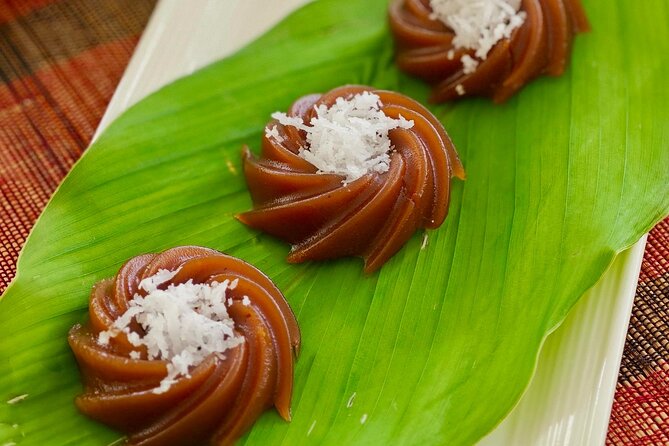
The reward comes at the end: you eat the dishes you made. The menu includes a starter, main dishes, and dessert, so this is more than a single-recipe workshop.
That full-course format also gives you a useful way to judge the balance of the meal. You can taste how the flavors work together rather than sampling one isolated dish. If you are thinking about Malaysian cooking for home use, you leave with several recipes and a better sense of how to serve them as a meal.
The food you prepare is the food you eat, so results may depend partly on your own participation. That is part of the appeal, but it also means this is not the right choice if you only want a polished meal with no kitchen work.
You receive a recipe book at the end. This is an important inclusion for anyone who wants to recreate the dishes at home. Ingredients can be hard to identify from memory, and a recipe book gives you a clearer starting point when you return to your own kitchen.
Is $130 a fair price?
At $130 per person, LaZat costs more than a basic cooking demonstration. The value comes from the amount packed into the morning: a market tour, breakfast, transfer from the market to the school, individual cooking equipment, instruction, a full menu, refreshments, and a recipe book.
The personal equipment makes the price easier to understand. You are paying for active instruction rather than simply watching a chef work. The small maximum group also helps, since a cooking class becomes less useful when you must wait for a shared burner or struggle to get the instructor’s attention.
Still, the price will feel high if you mainly want a meal or a short food walk. You also need to add the cost of getting to Pasar Besar TTDI and arranging transport after the class. Pickup and drop-off are not part of the stated inclusions.
I would see the price as reasonable for a serious half-day activity, especially if you value instruction and want to cook Malaysian food again at home. It is less attractive for a budget-minded visitor who wants a quick introduction.
Timing, transport, and group fit
The Tuesday through Saturday schedule is straightforward, but it leaves out Monday. The market tour is available every day except Monday, and the published operating hours are Tuesday through Saturday from 8:30 AM to 1:30 PM. Check the confirmed date carefully before building the rest of your day around it.
The starting point is near public transportation, which helps if you are making your own way across Kuala Lumpur. Allow enough time to reach the market without rushing. You need to arrive ready for an early morning start, not at the cooking school later in the day.
At the end, the activity returns to the meeting point. Since transport after class is not included, plan your next move in advance. The class finishes around 1:30 PM, so you can continue sightseeing, return to your hotel, or make a later meal reservation.
The age rule is 16 and older. This makes the class better suited to adults and older teenagers than families with young children. If your group includes anyone younger than 16, this is not the right cooking activity for everyone.
Who should book LaZat?
I would recommend this class to you if you want to understand Malaysian food through ingredients and technique, not just eat a few famous dishes. It fits visitors who like small groups, hands-on work, and a half-day schedule.
It is also a good match for home cooks. The individual equipment, traditional tools, full-course menu, and recipe book give you plenty to take back to your own kitchen. The market tour is useful if you want to shop for Malaysian ingredients later.
Solo visitors may appreciate the small-group format. You could end up in a group of several people, or you might receive very personal instruction if demand is light. Couples and friends should enjoy the shared work, but remember that each person cooks at an individual station.
I would hesitate to recommend it if you need door-to-door transport, want a low-cost activity, or prefer to avoid morning schedules. I would also confirm the exact menu if you are booking mainly for rendang, nasi lemak, or another particular dish.
Should you book this cooking class?
Book LaZat if your idea of a good Kuala Lumpur food experience includes a market visit, real kitchen work, and recipes you can use later. The strongest features are the market-to-kitchen format, the individual cooking station, and the chance to learn in a group capped at 12.
Skip it if $130 feels too high for a half-day activity, or if arranging transport to and from the class is a nuisance. For the right visitor, though, LaZat offers a useful connection between what you see in a Malaysian market and what you can actually cook at home.
FAQ
Where does the LaZat Malaysian Cooking Class start?
The stated starting point is Pasar Besar Taman Tun Dr. Ismail, also called Pasar Besar TTDI, at TS37, Pasar Besar, Taman Tun Dr Ismail, 60000 Kuala Lumpur.
What time does the class run?
The published hours are Tuesday through Saturday, from 8:30 AM to 1:30 PM. The total experience lasts about five hours.
Is transport to the wet market included?
No. Transport to Pasar Besar TTDI is not included. Transfer from the wet market to LaZat Cooking School after the market tour is included.
Is transport after the class included?
No. The activity ends back at the meeting point, and transport after the class finishes is not included.
What food and drinks are provided?
The experience includes a light roti canai breakfast, coffee and/or tea, snacks, and the full-course food prepared during the class. Alcoholic beverages are not included.
What equipment will I use?
Each participant receives an individual gas burner stove, countertop, cooking utensils, traditional utensils, and a mortar and pestle. Ingredients are also provided.
Can dietary restrictions be accommodated?
Vegan, vegetarian, gluten-free, and allergy requests can be considered if you inform the provider in advance.
What is the minimum age and group size?
Participants must be at least 16 years old. The class has a maximum of 12 travelers.
More Workshops in the world
- Hoi An Cooking Class(Market,BasketBoat Crabfishing&Cooking Class)
★ 5.0 · 3,386 reviews - Phuket Thai Cooking Class with Market Tour Option
★ 5.0 · 2,665 reviews - Barcelona Paella Cooking Class with Market Visit, Tapas & Sangria
★ 5.0 · 2,531 reviews - From Hoi An: Market Tour, Basket Boat Ride and Cooking Class
★ 4.8 · 2,208 reviews
Just added around the world
- Local Market Tour & Cooking Demo with Lunch from Colombo Harbor★ 5.0 · 2 reviews
- Market Tour and Cooking Class from Colombo★ 5.0 · 5 reviews
- Cologne Christmas Market and Kölsch Beer Small-Group Tour★ 5.0 · 29 reviews
- West Side Market Food Tour★ 4.0 · 31 reviews
- Discover Colmar’s Christmas Market Magic with a Local★ 3.5 · 4 reviews
- Discover Cologne’s Christmas Market Magic with a Local★ 4.5 · 4 reviews
- Cincinnati’s Original Findlay Market Tour With Tastings★ 5.0 · 32 reviews
- Vegan Cooking Class Colombo with Market Tour★ 5.0 · 9 reviews
Market Cooking Classes, compared.
Hanoi Cooking Class: Culture, Local Market & Meaning CSR Impact
Read our review →
5 Traditional Dishes Hanoi Cooking Class with Market Trip
Read our review →
Cooking Class and Lunch at a Tuscan Farmhouse with Local Market Tour from Florence
Read our review →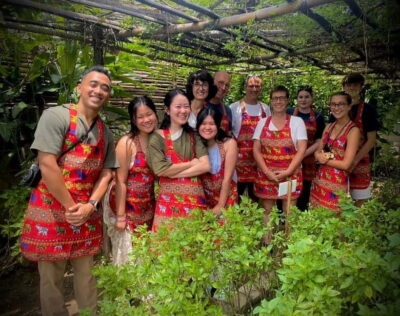
Cooking Class, Market & Thai Herbs Garden Tour
Read our review →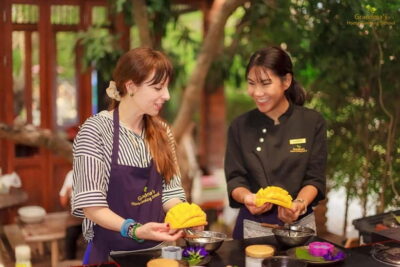
Authentic Cooking Class with Market & Farm Visit
Read our review →
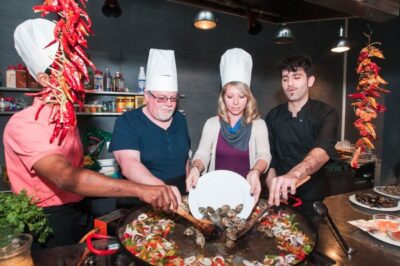
Paella Cooking Experience & Boqueria Market Tour
Read our review →
Cooking Class Hoi An:Local Market, Basket Boat, Fishing & Cooking
Read our review →Browse the lists this tour appears in