Review · INDIA
Agra: Street Food Walking Tour, Spice Market, & Tuk-tuk Ride
Old Agra comes alive in the lanes behind the Taj Mahal, where spice sellers, sweet shops, temples, mosques, and crowded markets share the same few blocks. This tour gives you a practical way to enter that maze, with a tuk-tuk ride, a local guide, and stops for food along the way.
I like the mix of religious sites and ordinary market life, especially the walk from Jama Masjid to Mankameshwar Temple. I also like the chance to try several foods, from samosa and dosa to aloo tikki, bhalla, sweets, and chai. The main consideration is that this is more of a street-food tasting walk than a full dinner, and the craft-shop stop can feel sales-focused to some people.
Key points to know before booking
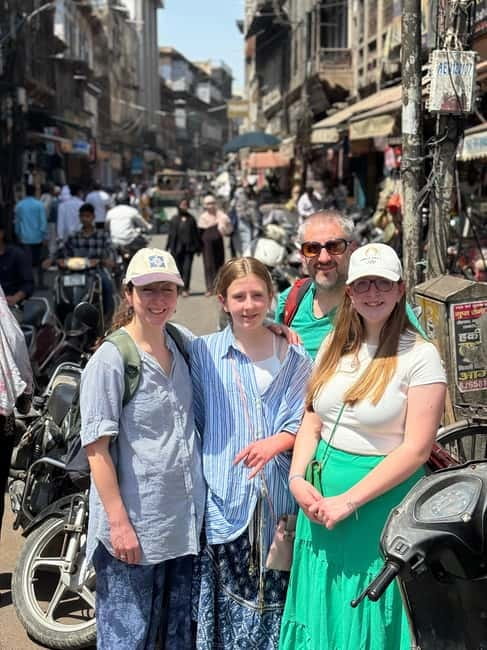
- Old Agra beyond the Taj Mahal: Walk through Kinari Bazaar, Rawatpara, and Seth Gali, areas that most first-time visitors would struggle to find alone.
- Two important places of worship: Visit Jama Masjid and Mankameshwar Temple, with time to hear about Agra’s Muslim and Hindu traditions.
- Several small food tastings: Expect snacks such as samosa, dosa or chole bhature, aloo tikki, pani tikki, sweets, and masala chai.
- Tuk-tuk transport included: Pickup and return are arranged from your hotel, railway station, or another agreed location in Agra.
- Strong guide element: Farman and Amir receive especially warm praise for their English, care in traffic, local knowledge, and flexibility.
- A low-cost way to fill an evening: At $14 per person, this is good value for a short cultural outing, though food inclusion depends on the option you choose.
Why this is a useful second Agra experience
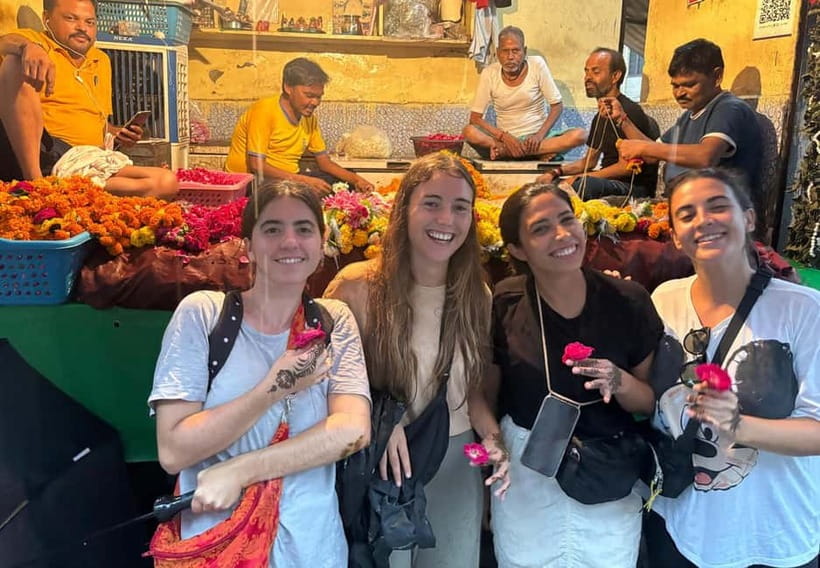
Most Agra visits center on the Taj Mahal and perhaps Agra Fort. Those monuments matter, but they show only one part of the city. This tour takes you into the working center of Old Agra, where people shop for fabric, jewelry, spices, sweets, religious items, and everyday goods.
I like this as an afternoon or early-evening activity, especially if you have already seen the Taj Mahal. The suggested start time is 2 p.m. to 4 p.m. in winter and 4 p.m. to 6 p.m. in summer. That timing puts you in the markets as the day cools, although the exact start depends on availability.
The full outing lasts about two to three hours. Around 30 minutes is allocated to each major stop, with roughly 15 minutes of tuk-tuk travel at the beginning and end. In practice, the walking portion can feel like about 90 minutes, so wear shoes that handle uneven streets and bring clothes that are comfortable in warm weather.
The experience is private or arranged around your booking rather than a large coach outing. That matters in narrow market lanes. A guide can adjust the pace, answer questions, help with food choices, and keep you moving safely through traffic.
More Market Walking Tours in India
- Private Heritage Walking Tour in Jaisalmer Fort and Old Bazaar
★ 5.0 · 306 reviews - Jaipur Bazaar & Food Walking Tour
★ 5.0 · 281 reviews - Old Delhi: Spices, Heritage and Bazaars Walking Tour
★ 5.0 · 173 reviews
The tuk-tuk ride into Old Agra
Pickup is available from an Agra hotel, railway station, or another agreed location. The tuk-tuk is not just a transfer between attractions. It gives you an immediate look at the city’s traffic, shopfronts, lanes, and daily movement.
The ride can feel exciting. Agra traffic is intense, and a tuk-tuk places you close to it all. Several people found the drivers careful and the vehicles clean, but you should still expect noise, tight spaces, and quick movement around cars, motorcycles, pedestrians, and animals.
Your guide normally travels with you and helps make sense of the route. Farman and Amir are the two names most often associated with this experience. Both are described as friendly, clear in English, and attentive to solo visitors and families. Spanish is also offered.
This arrangement is particularly useful if you are alone, visiting for the first time, or uneasy about finding the old market area on foot. You can explore more freely because someone else handles the route and the return ride.
Jama Masjid and the Mughal center of Agra
The first major stop is Jama Masjid, also called the Friday Mosque. It is one of India’s larger mosques and is known for Mughal architectural details. Your guide provides context while you look at the structure, courtyard, entrances, and surrounding streets.
This is not a long monument tour with extensive interior sightseeing. It is a focused visit of about 30 minutes, with time for photographs, a walk, and an explanation of the building’s place in Agra.
The setting is part of the appeal. The mosque sits close to the market, so you move quickly from architecture to daily commerce. That contrast helps you understand how religious buildings in Old Agra function as part of the neighborhood rather than isolated attractions.
Dress matters here. Cover your shoulders and knees. The same clothing is suitable for the temple stop, so you do not need to change between sites.
Mankameshwar Temple and local faith
A short walk brings you to Shri Mankameshwar Mandir, an old temple dedicated to Lord Shiva. It offers a different religious setting from Jama Masjid, and the change comes within the same compact part of town.
The guide explains local customs and the meaning of the site. One guide has described the temple as thousands of years old, though the key point for your visit is its continuing role in local worship and tradition.
Expect a place of active faith rather than a quiet museum. You may see people arriving to pray, and you should follow your guide’s instructions about where to walk and what to do. Modest clothing is required, and respectful behavior is essential.
I find this pairing of mosque and temple one of the tour’s best features. You are not simply ticking off two buildings. You are seeing how different religious traditions shape the same city, with market streets connecting them.
More Spice Market Tours in India
- Old Delhi Food-Spice Market-Temples Tour Soon Featured on NETFLIX
★ 5.0 · 304 reviews - Old Delhi Odyssey: A Tour of Religion, Spice Market, & Best Food
★ 5.0 · 284 reviews - Old Delhi & Spice Market Tour
★ 5.0 · 98 reviews - Delhi: Old Delhi & Spice Market Tour
★ 4.8 · 45 reviews
Seth Gali and the first food stops
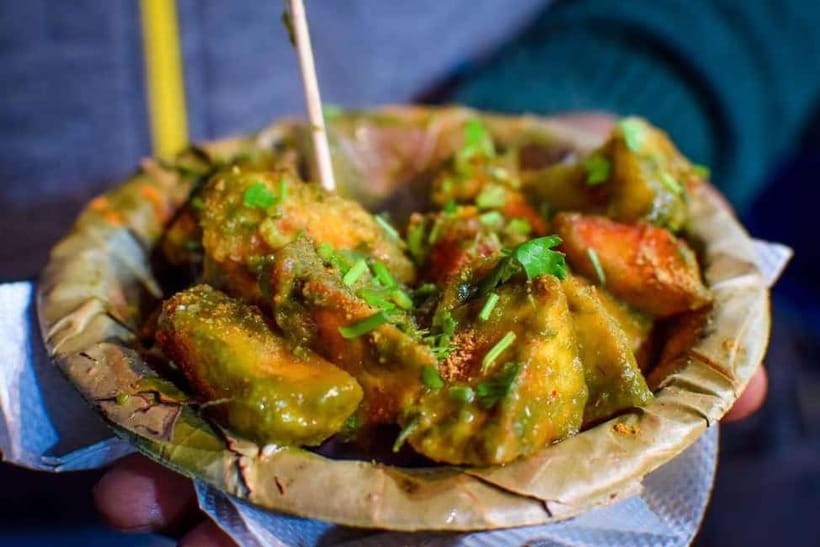
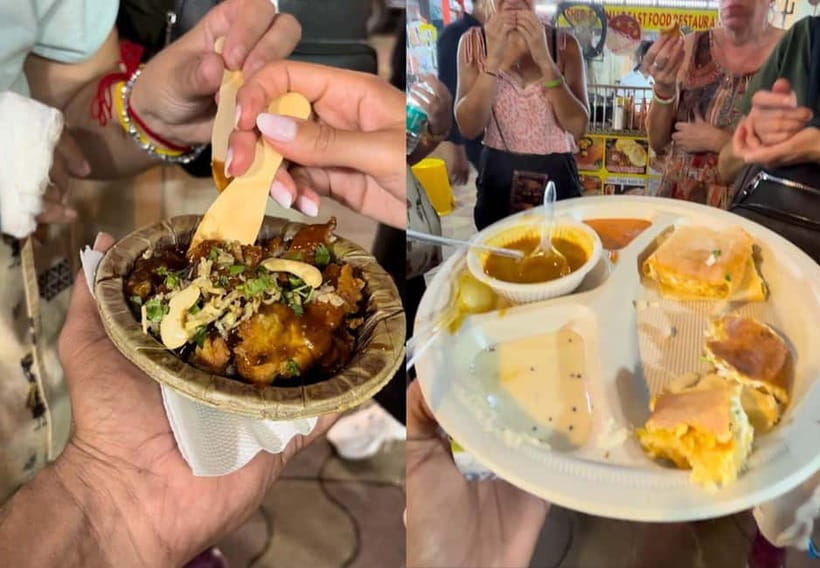
Seth Gali is where the food element becomes more central. The tour may stop at several small vendors, and the exact selection can vary. The foods named for this experience include samosa, dosa, chole bhature, aloo tikki, pani tikki, local sweets, and masala tea served in a clay cup.
Do not expect a formal restaurant meal. You are sampling small portions in or near busy lanes, often standing or walking between stops. That is why the food can feel like a light meal or a generous snack spread, but it may not replace dinner for everyone.
The range is what makes the stop worthwhile. A samosa gives you a crisp, savory bite. Aloo tikki brings potato, spices, and sauces. Pani tikki or bhalla adds a softer texture and sharper flavors. Dosa offers a different style of Indian cooking, while sweets and chai round out the tasting.
Seasonal food may appear. Gajar ka halwa, a warm carrot dessert, is especially associated with winter. Barfi, chom chom, and sheermal may also be suggested depending on the shops and your preferences.
Tell the guide if you prefer vegetarian food, need to avoid an ingredient, or want to reduce the number of tastings. One family found the guide especially good with a child, and another solo visitor appreciated personal recommendations for sweets.
Rawatpara Road and Agra’s spice trade
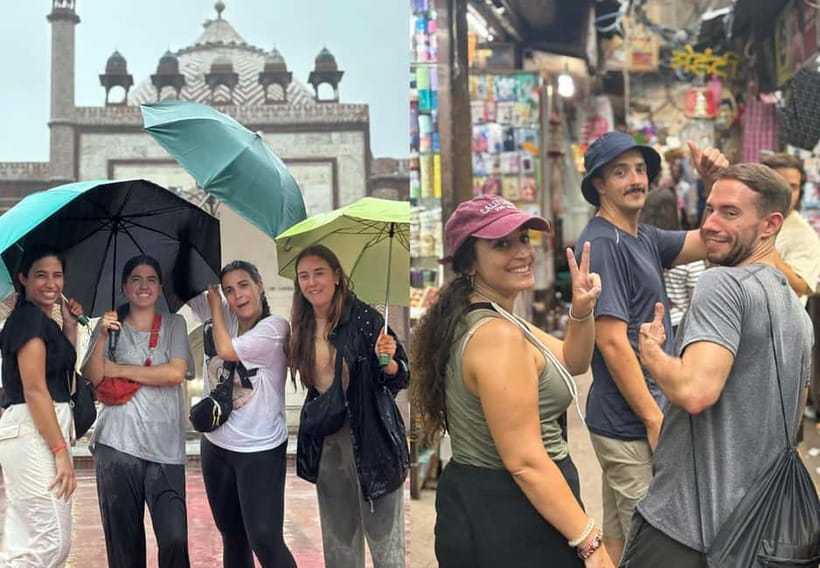
Rawatpara is Agra’s spice market, and this section is less about sitting down to eat than seeing and smelling the ingredients behind Indian cooking. Look for sacks, jars, powders, dried goods, and the strong scent of spices in the air.
The market is a good place to slow down and ask questions. Your guide can explain what you are seeing, how the area serves local households, and which products make useful souvenirs. Tea and spice purchases are common choices, but shopping is optional.
This is also where you need to use your senses carefully. The aromas can be intense, and the narrow lanes may be crowded. Keep your belongings close, watch your footing, and stay aware when vehicles or handcarts pass through.
The market visit gives the food tasting more meaning. You are not just eating a prepared snack. You are also seeing the ingredients, trade, and shop culture behind the meal.
Kinari Bazaar, jewelry, textiles, and craft shops
Kinari Bazaar is known for traditional jewelry, textiles, embroidery, decorative goods, and handicrafts. The lanes can feel like a maze, which is exactly why a guide is useful. Without one, you might spend your time searching for a way out instead of noticing what is around you.
This is a good stop for browsing. You might see fabric, ornaments, wedding goods, embroidery, and other items linked to local craft traditions. Some guides also take visitors to a workshop or showroom where marble work, rugs, jewelry, or embroidery are explained.
Here is the tour’s clearest weakness. A craft demonstration can be interesting, but it may turn into a sales pitch. One particularly experienced visitor felt uncomfortable with the pressure to buy at a rug shop. Other people were not pressured, and one solo visitor appreciated help finding souvenirs, but you should know that shopping is part of the pattern.
The simplest approach is to set expectations early. Tell your guide that you want to look only, or name a firm budget. You are free to decline a purchase. If shopping is not your interest, ask for more time in the market or a shorter craft stop.
What the food option really includes
The advertised price is $14 per person, which is unusually modest for hotel pickup, a tuk-tuk transfer, a private local guide, religious-site visits, market walks, and food tastings. At that price, the tour offers good value for a short introduction to Old Agra.
Check the booking option carefully. Street-food snacks and sweets are included only if you select the food option. The listed experience also excludes drinks, so you should not assume every tea, bottle, or other beverage is covered. Masala chai is part of the described tasting, but the general inclusion notes say drinks are not included, so confirm what your selected option covers.
Food portions are best understood as tastings. You may try six or more small items, and several people found the amount sufficient for an evening meal. Still, one person accurately described it as snacks rather than a full food tour. If you arrive hungry, you may want to plan another meal afterward.
The guide’s role is important for food safety and comfort. The tour takes you to local stalls rather than tourist restaurants, which is part of the appeal but may feel unfamiliar if you are cautious about street food. Choose this experience because you want local snacks in local surroundings, not because you want a controlled dining room.
Timing, clothing, and practical comfort
The best clothing is light and modest. Cover your shoulders and knees for both the mosque and temple, and choose comfortable shoes for the walk. The tour does not suit pregnant women or people with pre-existing medical conditions, according to the activity information.
An afternoon start works well with a typical Agra sightseeing plan. You can visit the Taj Mahal or another major site earlier, then use this tour to see a different side of the city. Keep some flexibility in your day because traffic may affect the tuk-tuk transfers.
The walking is manageable for many people, but it is not a stationary food tasting. You will move through narrow lanes, cross active streets, and stop at shops and food stalls. If you dislike crowds, strong smells, or uneven market streets, this may feel tiring.
The guide can make a big difference. Farman is often praised for looking after solo women and helping people through traffic. Amir is also valued for clear English, a calm manner, and flexibility. Guides have helped with photographs, shopping suggestions, and changes to timing when plans shifted.
Who should book this Old Agra walk?
I would choose this tour if you have already seen the Taj Mahal and want a more local view of Agra. It also suits first-time visitors who want someone to handle the market route, tuk-tuk transport, and food choices.
It works well for solo visitors, couples, and families with older children. The guide’s presence provides reassurance in the traffic, and a private format lets you ask questions without keeping up with a large group.
I would not choose it if you want a long, polished restaurant meal, a quiet cultural tour, or a completely shopping-free outing. The food is informal, the streets can be hectic, and the craft stop may include sales pressure.
Should you book it?
Yes, if your goal is to see Old Agra beyond the Taj Mahal for a reasonable price. The strongest parts are the mosque and temple pairing, the market route, the tuk-tuk transport, and the chance to try several local foods without having to plan each stop yourself.
Choose the food-included option if you want to sample many dishes. If you mainly want the walking tour and already know where you want to eat, the cheaper option may offer better value. Set a clear boundary around shopping, dress modestly, and allow for a lively, sensory outing rather than a polished dinner.
FAQ
How long does the Agra street food tour last?
The activity lasts about two to three hours, including tuk-tuk transfers and visits to the religious sites, markets, and food stops.
Where can I be picked up?
Pickup is available from your hotel, railway station, or another agreed location in Agra.
Is tuk-tuk transportation included?
Yes. Tuk-tuk transfer to Old Agra and return to your original departure point are included.
Which languages are available?
The tour is offered with a live guide in English or Spanish.
What food can I try?
Depending on the selected option and the day’s stops, you may try samosa, dosa, chole bhature, aloo tikki, pani tikki, local sweets, and masala tea.
Are drinks included?
Drinks are not generally included. Check the selected booking option for details, especially if masala tea is part of your food tasting.
Do I need to buy anything at the markets?
No. Shopping is part of the market visit but is not required. You may browse jewelry, textiles, spices, sweets, and handicrafts without purchasing.
What should I wear?
Wear comfortable clothes and shoes, with your shoulders and knees covered because the tour visits a mosque and a temple.
Can I cancel the booking?
You can cancel up to 24 hours in advance for a full refund. The reserve-now, pay-later option allows you to book without paying immediately.
More Bike and Tuk-Tuk Market Tours in India
- Jaipur Tuk-Tuk Tour with Flower Market Visit
★ 5.0 · 124 reviews - Jaipur Tour by Tuk-Tuk or Car with Flower Market
★ 5.0 · 120 reviews - Agra: Sadar Bazar Food Market Night Walking Tour by Tuk-Tuk
★ 4.9 · 25 reviews - Agra: Street Food Tour with Spice Market on Tuk-Tuk Ride
★ 4.7 · 23 reviews
More Street Food Market Tours in India
- Mumbai: Street Food and Night Markets Tour
★ 4.9 · 719 reviews - Mumbai Street Food & Night Markets
★ 5.0 · 225 reviews - Mumbai Street Food and Evening Bazaar Tour
★ 5.0 · 172 reviews - Mumbai Street Food Tour with Evening Bazaar Walk
★ 4.9 · 79 reviews
Just added around India
- KR Market Photo Walk★ 5.0 · 12 reviews
- Shopping and Bazaar Trail in Bangalore★ 4.5 · 5 reviews
- Experience Bangalore Evening City Walk Tour and Market Visit★ 5.0 · 9 reviews
- Bangalore: Walk in Historic Ulsoor – Landmarks, Bazaar & Culture★ 5.0 · 9 reviews
- Lalbagh+Bull Temple+Tipu Palace+Market+Lunch=Bangalore City Tour★ 5.0 · 9 reviews
- Bangalore Walking Tours – Flower Market, PETE and more★ 5.0 · 5 reviews
- Bangalore Evening Food Street Walk and Market Visit★ 5.0 · 32 reviews
- Old Bangalore Historical Walk thro Palace, Temples, Fort & Market★ 5.0 · 60 reviews
Grand Bazaar & Spice Market Tours, compared.
Local Markets & Khan el Khalili Private Shopping Tour
Read our review →
Cairo VIP Guided Tour to Khan El-Khalili Market with Lunch
Read our review →
Istanbul Grand Bazaar: From Rooftops to the Secret Passages
Read our review →
Old Delhi Food-Spice Market-Temples Tour Soon Featured on NETFLIX
Read our review →Old Delhi Odyssey: A Tour of Religion, Spice Market, & Best Food
Read our review →
Old Cairo and Khan El Khalili Bazaar: Private Half-Day Tour
Read our review →
Small-Group Bosphorus Cruise and Istanbul’s Egyptian Bazaar
Read our review →