

Review · JAIPUR
Jaipur Bazaar & Food Walking Tour
Jaipur’s old city is best understood at walking speed, and this tour takes you beyond the palace façades into the working bazaars. You’ll move through busy backstreets, watch artisans at their benches, and taste everyday treats such as samosa, lassi, and kulfi.
I like the small group of no more than 10 people, which gives you a better chance to hear the guide and ask questions. I also like the focus on local craft shops and family stories rather than a quick run past Jaipur’s famous sights.
The main drawback is the meeting point. The address is detailed and somewhat confusing, and one booking party initially went to the wrong place before reaching the guide by WhatsApp. Give yourself extra time, confirm the exact location, and remember that this is a walking tour with no private transport.
Key points at a glance
- Three hours in the Pink City: A compact way to explore Jaipur’s old bazaars without giving up a full day.
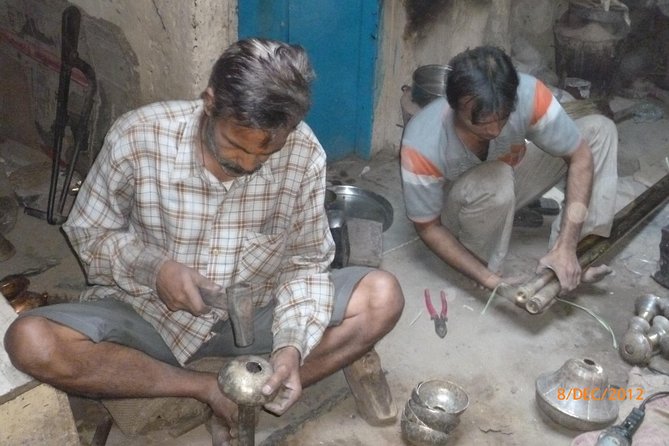
- Artisans at work: Look for silversmiths and bangle-makers carrying on trades linked to Jaipur’s royal past.
- Small-group format: The group is capped at 10, making narrow lanes and informal conversations easier.
- Street food included: The tasting covers sweet and savory items, including samosa, lassi, and kulfi.
- A local view of Jaipur: The guide explains customs, family traditions, and the way people use the bazaar today.
- Walk back to the start: The tour begins and ends at Roop Rani Bangles near Badi Chopad.
Why Jaipur’s bazaars are worth your time
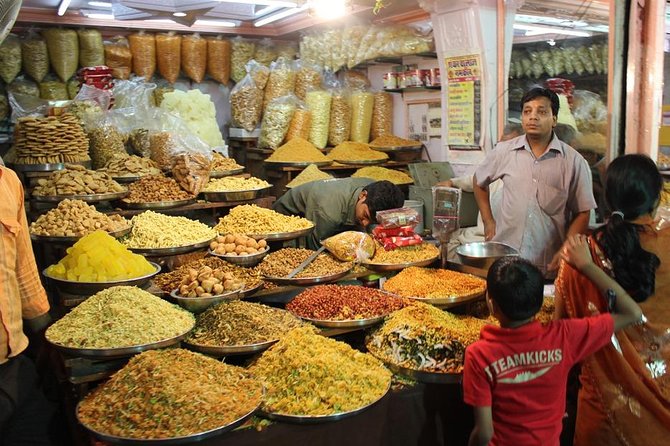
Jaipur’s Pink City was founded in 1727, and its bazaars have long been tied to royal patronage. The ruling family and local nobles supported craftsmen who made jewelry, bangles, textiles, metalwork, and other goods for court and daily life.
That background matters because the bazaar is not simply a place to shop. It is also a record of how Jaipur grew. Streets and workshops reflect old trades, family businesses, and customs that have lasted across generations.
This walk gives you a closer look at that working side of the city. Instead of viewing Jaipur only through grand monuments, you get to see the people and small businesses that give the old city its character.
I like this approach because it adds context to places you might otherwise pass without understanding. A shop selling bangles becomes more interesting when you learn how the craft fits into local dress, family celebrations, or Jaipur’s long connection with skilled artisans.
More Market Walking Tours in India
- Private Heritage Walking Tour in Jaisalmer Fort and Old Bazaar
★ 5.0 · 306 reviews - Old Delhi: Spices, Heritage and Bazaars Walking Tour
★ 5.0 · 173 reviews - Bengaluru Pete City Market Half-Day Walking Tour
★ 5.0 · 163 reviews
Starting near Badi Chopad and Hawa Mahal
The official meeting point is Roop Rani Bangles, Shop No. 18, Khanda Hawa Mahal, Badi Chopad, in Jaipur’s old city. The address also includes references to Malve Nagar, J.D.A. Market, and Kanwar Nagar, so it is worth checking the map pin and confirming the exact spot before you set out.
The start time is 12:30 pm. That gives you a useful midday introduction to the bazaars, though Jaipur can be hot, and walking conditions may feel tiring in warm weather. Wear light clothing, bring sun protection, and use the supplied bottled water as needed.
The meeting point is near public transportation, but private transportation is not included. You are responsible for getting to Badi Chopad, so build in time for traffic and the difficulty of finding a precise shop in a crowded market district.
One practical lesson is to keep the guide’s contact details available. A previous mixup sent one booking party to a shop near Hawa Mahal while the guide was waiting in front of the palace. After contact by WhatsApp, the guide came to meet them and the walk continued normally.
That kind of issue is avoidable if you confirm the meeting place on the day of the tour. In Jaipur’s old city, several landmarks and shop names can sound similar, and a few extra minutes spent checking the location is well worth it.
Walking through the Pink City’s working bazaars
Once the group is together, the tour takes you into the old-city bazaars and backstreets. These lanes are the heart of the experience. You will not be riding between isolated attractions, so expect a more immediate view of street life, shops, craft work, and local movement.
A small group helps here. A party of up to 10 people can stay together more easily in narrow passages than a large coach group, and you should have a better chance to hear explanations without standing far behind the guide.
The guide’s role is important because the bazaar can seem confusing at first. Shops, workshops, food stalls, and daily errands all blend together. A local guide can point out what you are seeing and explain customs that are not obvious from the street.
The tour is also designed to show how Jaipur’s old city is used by residents, not just how it appears in photographs. That makes it a useful first walk if you want to understand the city before exploring on your own.
You should expect an active urban setting rather than a quiet museum visit. The lanes may be crowded, and the pace will depend on the group and the conditions on the street. Keep your belongings close, stay aware of your footing, and listen for the guide when the surroundings become noisy.
Meeting Jaipur’s silversmiths and bangle-makers
One of the most appealing parts of the walk is the chance to observe artisans at work. The tour highlights silversmiths and bangle-makers, two trades that connect directly with Jaipur’s long craft tradition.
Seeing an object in a shop window tells you very little about how it is made. Watching a craftsperson work, even briefly, gives you a better sense of the time, hand skills, and family knowledge behind the finished piece.
Bangles are especially fitting for a Jaipur bazaar walk because they combine decoration with daily and ceremonial use. The tour begins at a bangle shop, and the wider route introduces you to the people and trades that keep the old commercial district active.
Do not expect a formal workshop class or a guaranteed chance to make something yourself. The value is in observation and explanation. You may see artisans working in compact shop spaces and learn how their trade fits into the wider culture of the city.
This is also the point where the guide’s local knowledge can make a major difference. A short conversation with a shopkeeper or craft worker can tell you more than a general description in a guidebook, especially when the discussion includes family work and local customs.
More market walks in India:
- Agra: Street Food Walking Tour, Spice Market, & Tuk-tuk Ride
★ 4.9 · 102 reviews - Bangalore: Palace, Temples, Fort & Markets Walking Tour
★ 4.9 · 97 reviews - Private Bazaar Trail Walking Tour in George Town
★ 5.0 · 66 reviews - Bangalore: Walking Tour of Fort, Palaces, and Market
★ 5.0 · 58 reviews
Hearing family stories behind the shops
The tour promises contact with local families and their stories, which adds a human layer to the bazaar. Jaipur’s old commercial districts are made up of more than storefronts. They are also places where work, family life, and tradition often overlap.
I value this because it keeps the walk from becoming a simple shopping route. You are not being shown only what to buy. You are being given some sense of who makes, sells, and uses the goods around you.
The exact families and shops can vary, so you should not expect a fixed set of private visits. The route is shaped by the working bazaar and the guide’s local connections. That flexibility can be an advantage, though it also means the experience may not feel identical on every departure.
If you prefer polished attractions with predictable timing, this walk may feel informal. If you want a closer look at everyday Jaipur, the informal quality is part of its appeal.
Tasting samosa, lassi, and kulfi
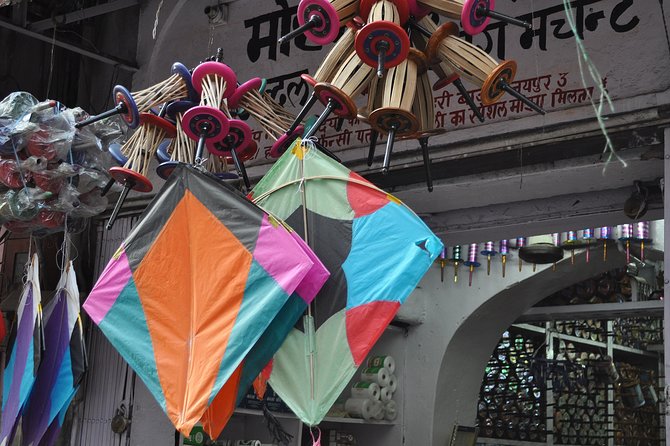
Food is one of the easiest ways to connect with a city, and the included street food sampling gives this walk a welcome practical edge. The tasting includes sweet and savory items such as samosa, lassi, and kulfi.
A samosa gives you a savory snack, while lassi offers a cool yogurt-based drink and kulfi provides a dense frozen sweet. Together, they create a simple introduction to flavors associated with North Indian street food.
The tasting is included in the $37 price, along with bottled water. That is useful because you can sample without having to plan each stop or wonder how much cash to set aside for every small bite.
Still, you should treat this as a tasting rather than a full meal. The experience lasts about three hours, but the food element is one part of a wider walk through the bazaars. If you arrive hungry, you may want to eat beforehand or plan another meal afterward.
Food sensitivities and dietary needs are not detailed in the information provided. If you have allergies or avoid certain ingredients, ask the provider before booking or at the start of the walk. Do not assume every tasting item can be changed.
What the $37 price really buys you
At $37, this is not the cheapest way to stroll through Jaipur, but the price covers more than directions through the old city. You are paying for a local guide, a small group, bottled water, and street food sampling, along with the time spent explaining crafts, customs, and local life.
The group limit is particularly important. A large group can make narrow bazaars slow and impersonal. A maximum of 10 people gives the guide a reasonable chance to answer questions and keep the walk together.
The value is strongest if you are new to Jaipur and want help making sense of the old city. You could walk through the bazaars alone, but you would likely miss the meaning behind the crafts and customs. The guide turns a set of busy streets into a more understandable part of Jaipur.
The value is lower if your main goal is shopping. This is not described as a shopping trip with fixed stores or special discounts. The focus is on seeing artisans, hearing stories, and tasting local food.
There is also no private transportation. That keeps the tour centered on the old city and avoids the delay of moving between distant sights, but it means you must arrange your own way to Badi Chopad and be ready to walk for the full tour.
Who will enjoy this three-hour walk
This experience suits first-time visitors who want an introduction to Jaipur beyond the major monuments. It is also a good fit if you enjoy local food, handmade goods, and conversations about how a city works.
You will likely get the most from it if you are comfortable walking through crowded urban lanes and adjusting to an informal route. The tour is not built around long stops in air-conditioned interiors or a polished sequence of attractions.
Families may find the food tasting and colorful markets appealing, though the walk takes place in busy backstreets, so young children may need close supervision. Most people can participate, according to the activity information, but the route is still a walking experience rather than a seated sightseeing tour.
It can also work well early in a Jaipur visit. Afterward, you will have a better sense of the city’s old center, and you may feel more confident returning to the bazaars on your own.
You should consider another option if you have limited mobility, dislike crowded streets, or need a highly structured itinerary. The available information says most people can participate, but it does not provide detailed accessibility information about the lanes or shops.
Timing, weather, and simple preparation
The tour begins at 12:30 pm and lasts about three hours. Since the activity requires walking outdoors, weather can affect the departure. If poor weather causes cancellation, you are offered another date or a full refund.
Wear comfortable footwear and carry only what you need. Narrow market lanes are easier to manage with a small bag, and staying close to the guide will help when the group moves through busy areas.
Bring sun protection and consider carrying extra water even though bottled water is included. The midday start may be pleasant in cooler months but more demanding during hot weather.
The activity ends back at the meeting point. That makes planning easier, especially if you want to continue exploring near Badi Chopad or Hawa Mahal afterward.
Free cancellation is available up to 24 hours before the start time for a full refund. Changes or cancellations made less than 24 hours before the tour are not accepted for a refund, so check your plans before the cutoff.
Should you book the Jaipur Bazaar and Food Walking Tour?
I would book this walk if you want Jaipur explained through its streets, crafts, people, and snacks rather than through monuments alone. The small group, included tasting, and access to artisan traditions give it a clear purpose, and the three-hour length fits neatly into a busy Jaipur schedule.
I would hesitate only if you want private transport, a formal food tour with many dishes, or a tightly fixed route. The meeting-point details also deserve care. Confirm the exact shop location, keep WhatsApp available, and allow extra time to reach Badi Chopad.
For most visitors seeking a grounded introduction to the Pink City, $37 is a fair price. You get a local guide, a manageable group, craft-focused stops, and a taste of everyday Jaipur in one compact outing.
FAQ
Where does the Jaipur Bazaar and Food Walking Tour start?
It starts at Roop Rani Bangles, Shop No. 18, Khanda Hawa Mahal, Badi Chopad, Malve Nagar, J.D.A. Market, Kanwar Nagar, Jaipur, Rajasthan 302002, India.
What time does the tour begin?
The tour starts at 12:30 pm.
How long does the experience last?
The walking tour lasts approximately three hours.
Where does the tour end?
The activity ends back at the meeting point.
How many people can join the tour?
The group has a maximum of 10 people.
Is street food included?
Yes. Street food sampling is included in the experience.
Which foods might be sampled?
The food tasting includes items such as samosa, lassi, and kulfi.
Is bottled water included?
Yes. Bottled water is included.
Is transportation included?
No. Private transportation is not included. You need to make your own way to the meeting point.
Can I cancel for a full refund?
Yes. You can cancel at least 24 hours before the local start time for a full refund. Poor weather cancellations offer a different date or a full refund.
More Food in India
- Mumbai Street Food and Evening Bazaar Tour
★ 5.0 · 172 reviews - Experience Bangalore – City Tour, Authentic Food & market (Food/Culture/History)
★ 5.0 · 156 reviews - Mumbai Street Food Tour with Evening Bazaar Walk
★ 4.9 · 79 reviews - Food Trail Through Sowcarpet Market: A Taste of Chennai
★ 5.0 · 38 reviews
More Food and Drink Tours in India
- Mumbai: Street Food and Night Markets Tour
★ 4.9 · 719 reviews - Old Delhi Food-Spice Market-Temples Tour Soon Featured on NETFLIX
★ 5.0 · 304 reviews - Old Delhi Odyssey: A Tour of Religion, Spice Market, & Best Food
★ 5.0 · 284 reviews - Mumbai Street Food & Night Markets
★ 5.0 · 225 reviews
Just added around India
- KR Market Photo Walk★ 5.0 · 12 reviews
- Shopping and Bazaar Trail in Bangalore★ 4.5 · 5 reviews
- Experience Bangalore Evening City Walk Tour and Market Visit★ 5.0 · 9 reviews
- Bangalore: Walk in Historic Ulsoor – Landmarks, Bazaar & Culture★ 5.0 · 9 reviews
- Lalbagh+Bull Temple+Tipu Palace+Market+Lunch=Bangalore City Tour★ 5.0 · 9 reviews
- Bangalore Walking Tours – Flower Market, PETE and more★ 5.0 · 5 reviews
- Bangalore Evening Food Street Walk and Market Visit★ 5.0 · 32 reviews
- Old Bangalore Historical Walk thro Palace, Temples, Fort & Market★ 5.0 · 60 reviews
Market Walking Tours, compared.
Tokyo Tsukiji Fish Market Food and Culture Walking Tour
Read our review →
Ben Youssef, Secret Garden, & Souks Walking Tour
Read our review →

Air Raid Shelter + St. Nicholas Market Walking Tour
Read our review →


Nishiki Market Brunch Walking Tour (7 Tastings + Brunch)
Read our review →Tsukiji Fish Market Food and Culture Walking Tour
Read our review →Browse the lists this tour appears in