
Review · ATHENS
Athens: Local Markets with Artisanal Crafts Walking Tour
Athens reveals its everyday character in its markets, not just its ancient monuments. This three-hour walk takes you from Koukaki and Areopagus Hill through Plaka, Monastiraki, Psyri, Varvakios Market, Geraniou Street, and Omonia, giving you a useful look at how the city shops, eats, and works.
I like the small group limit of 10, which should make it easier to ask questions and keep pace through crowded streets. I also like the chance to meet people in multi-generational artisan shops, then see a less polished, more mixed side of Athens around the meat market and Omonia.
The main consideration is the price: at $141 per person, this is a costly three-hour walking tour. It makes the most sense if you value a live guide, local context, and a carefully planned route more than simply checking off sights on your own.
Key points at a glance
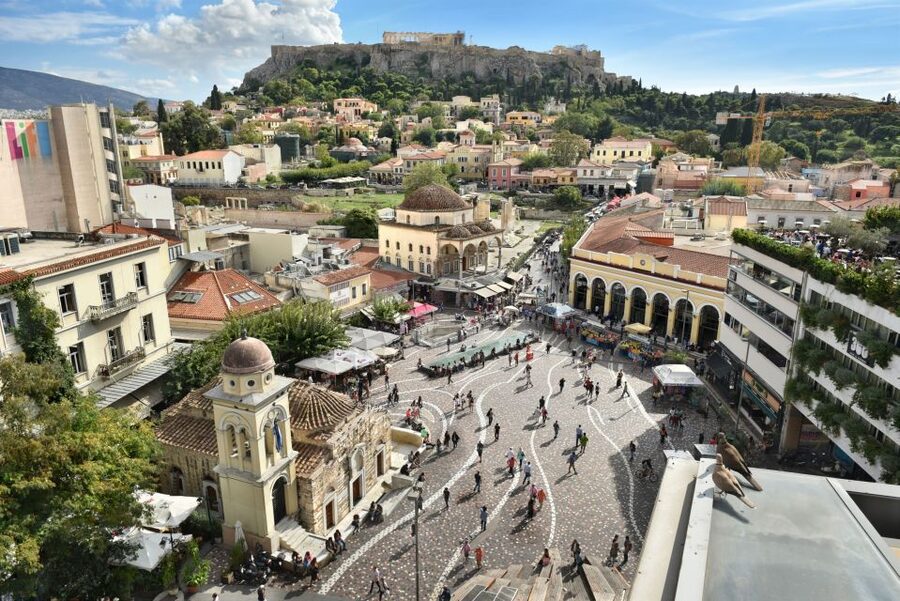
- Areopagus Hill views: Begin with a look across Athens before heading into the city streets.
- Varvakios Market: See the working meat market and one of central Athens’ most memorable food scenes.
- Multi-generational artisans: Visit traditional craft shops and speak with the people who run them.
- Geraniou Street: Walk through a multicultural neighborhood that many sightseeing routes skip.
- Coffee, snack, and street food: A break is included, with more food along the route near Omonia.
- Small-group format: No more than 10 people, with English and Greek guiding available.
From Koukaki to Areopagus Hill
The tour begins at the Trekking Hellas Athens base on Parthenonos 12 in Koukaki. This is a handy starting area for a walk that moves steadily north through central Athens. You meet at 10:00 in the morning, giving you the full day afterward for museums, lunch, or more exploring.
The first stop is Areopagus Hill. The rocky rise is best known for its view, and it gives you a quick sense of how Athens is arranged around its historic center. You can pause here for city views before leaving the high ground and heading into the older streets below.
Wear shoes with a firm sole. The tour is described as easy, but Areopagus Hill is not a smooth pavement viewpoint, and the rest of the route takes place on city streets. A hat, sunglasses, light windbreaker, and reusable water bottle are sensible choices, especially in warm weather.
This opening viewpoint also helps the tour avoid a common problem with city walks: starting with too much explanation before you have a feel for the place. You get a visual orientation first, then move into neighborhoods where the guide can explain what you are seeing at street level.
More market walks in Athens:
- Athens: Greek Food Tasting and Market Walking Tour
★ 4.1 · 7 reviews - Bangkok: City Highlights Temple and Market Walking Tour
★ 4.5 · 3,990 reviews - Tokyo Tsukiji Fish Market Food and Culture Walking Tour
★ 5.0 · 3,184 reviews
Plaka and the shift from monuments to shops
From Areopagus Hill, the route heads south through Plaka. This district is one of the best-known parts of central Athens, and its lanes are an easy bridge between the city’s ancient sites and its modern shopping streets.
You should expect a walk through a popular part of Athens rather than a quiet village-like quarter. Plaka has a strong sightseeing appeal, but it also shows how historic streets function as commercial spaces. The tour’s focus on crafts gives you something more specific to look for than façades and photo stops.
I like this part of the route because it places shopping in context. You are not simply being led from one store to another. The walk connects Plaka with Monastiraki and Psyri, allowing you to see how the character of central Athens changes as you move toward markets, workshops, cafés, and larger city streets.
The guide matters here. A skilled leader can help separate a genuinely local craft shop from a store aimed mainly at quick souvenir sales. The tour specifically includes visits to artisan businesses, so you have a better chance of hearing how these shops operate and why certain traditional skills remain part of Athens’ commercial life.
Monastiraki, Psyri, and the working market
The route continues into Monastiraki and Psyri, two of the city’s most active central areas. This is where the walk becomes especially useful for anyone who wants more than a standard Acropolis visit.
Monastiraki is known for its market atmosphere and dense mix of shops. Psyri adds another layer, with narrow streets, small businesses, and places to eat. The route does not treat these areas as a quick backdrop. Instead, it uses them to lead you toward the main market and the working parts of the city.
The key stop is Varvakios Market, Athens’ well-known meat market. This is a real food market, not a tidy display arranged for sightseeing. You may see butchers, hanging cuts, counters, and the direct, practical business of supplying the city. For some people, it will be the most memorable part of the walk. For others, the sights and smells may be intense.
That is worth considering before booking. If you enjoy seeing how a city feeds itself, Varvakios Market offers a strong connection to daily Athens. If you prefer polished food halls or quiet shopping streets, you may find this stop confronting. The tour’s value comes partly from showing you the unvarnished version.
The market also gives the guide plenty to explain. Food traditions, shopping habits, and the role of central markets make more sense when you are standing inside a place that still serves a working purpose. You will get more from the visit if you stay curious and accept that it may not feel like a conventional sightseeing stop.
Artisan shops and Athens’ practical side
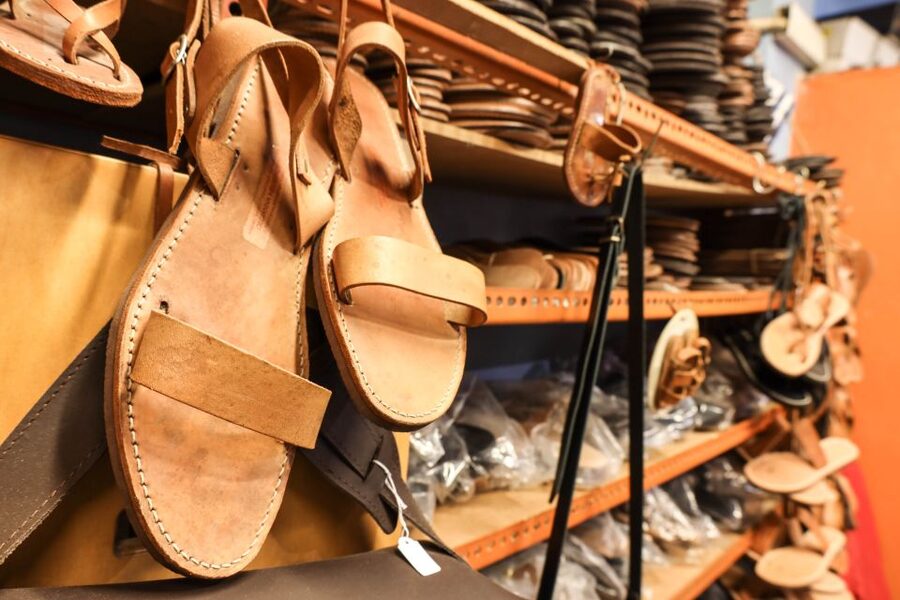
One of the strongest parts of this experience is the focus on local crafts. The route includes several multi-generational artisan shops, where you can speak with proprietors and learn how family businesses continue across time.
The information available does not specify the exact crafts or guarantee that you will make a purchase. That is useful to remember. This is not a workshop class, and it is not a shopping voucher. The value is in meeting craftspeople, seeing how their shops fit into the neighborhood, and deciding for yourself if anything is worth buying.
You should also bring a little patience. Small artisan businesses do not always work at the speed of a formal museum visit. A conversation may take longer than a photo stop, and the experience depends on what is open and operating during your walk.
The guides associated with this experience have included Theo and Yiannis. Theo has been praised for explaining both the market streets and the history behind the shops, while Yiannis has been especially flexible and helpful when plans changed. Those details suggest that the human side of the tour is important. You are paying for interpretation and local guidance, not just a route on a map.
More walking tours in Athens:
- Private Athens Walk: Ruins, Markets & Local Stories
★ 5.0 · 41 reviews - Marrakech: Ben Youssef, Secret Garden, & Souks Walking Tour
★ 4.6 · 2,802 reviews - Marrakech: Colorful Medina Souks Guided Walking Tour
★ 4.7 · 2,470 reviews - Air Raid Shelter + St. Nicholas Market Walking Tour
★ 5.0 · 1,950 reviews
The Old Stock Exchange, City Hall, and Geraniou Street
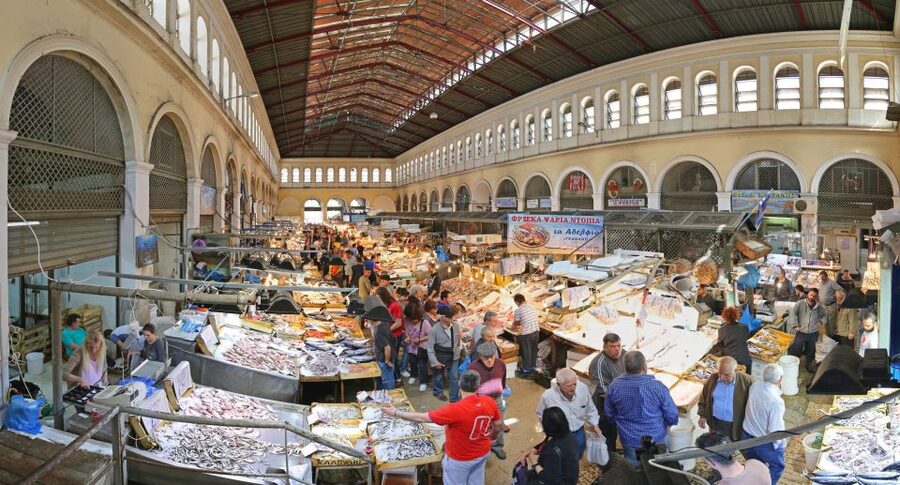
After Varvakios Market, the walk passes the old Stock Exchange and Athens City Hall. These stops add civic and commercial context to the food market and craft shops.
The old Stock Exchange points to Athens as a trading city, while City Hall brings you into the public center of the capital. The tour does not present these buildings as isolated monuments. Instead, they form part of a route through places where commerce, government, and street life meet.
Then comes Geraniou Street, described as a more diverse side of Athens and a multicultural neighborhood. This is one of the more interesting choices in the itinerary because it moves you away from the usual postcard route.
You should not expect every part of the walk to look polished or uniform. That is precisely the point. Geraniou Street offers a view of a city shaped by different communities, businesses, and working routines. The experience may feel less comfortable or predictable than Plaka, but it can also give you a more honest sense of central Athens.
This is where a guide adds real value. Without context, a visitor might simply see a change in shops and streets. With explanation, you can better understand how the neighborhood fits into the city and why central Athens cannot be reduced to ancient ruins and souvenir lanes.
Omonia Square and the final food stops
The final section takes you around Omonia Square, one of the city’s busiest meeting points. The square is a useful ending because it feels like a transport and city-life hub rather than a formal tourist sight.
Omonia can be noisy, crowded, and visually uneven. You may see a very different Athens here from the one presented in guidebooks. The route’s purpose is not to make the area look romantic. It is to show you a central district where people move through the city, shop, work, and eat.
The walk includes street food in this area. Specific dishes are not listed, so you should not book expecting one named specialty. You will have a chance to taste food located around Omonia, with the exact choice depending on what is available during the tour.
A coffee and snack break is also included from 11:30 to 12:00. The published schedule contains a small time-format error, but the intended plan is clear: the walk begins at 10:00, pauses after about 90 minutes, then continues until 13:00. The break gives you a chance to rest and ask the guide wider questions about Athens.
One especially useful feature is that the coffee stop can become an informal city discussion. Theo’s tour, for example, included time to talk about Athens past and present over a cool drink. That kind of exchange is valuable if you want restaurant suggestions, neighborhood ideas, or a clearer sense of what to see after the tour.
What $141 buys you

At $141 per person, this is not a budget introduction to Athens. You can walk through Plaka, Monastiraki, and Omonia without paying for a guide, and you can visit many central markets independently.
The price becomes easier to justify if you want a planned route across several contrasting districts, a small group, and a guide who can explain the people and businesses you meet. Coffee and a snack are included, along with VAT, but the food is not the main financial benefit.
The strongest value is the access to interpretation. A self-guided walk can show you Varvakios Market, but it may not explain what you are seeing. It can take you down Geraniou Street, but it may not give that neighborhood a place in the wider story of Athens. It can lead you past artisan shops, but it may not help you understand why they matter.
Still, I would not recommend this tour to someone whose main goal is low-cost sightseeing. The price is high for three hours, and the route includes public streets rather than paid monuments. You are buying local guidance and a particular way of seeing the city.
Who should book this walk
I would consider this tour a good fit for you if you:
- Want to see Athens beyond the Acropolis and major museums
- Like food markets, working neighborhoods, and small shops
- Prefer a guide-led walk with time for questions
- Want to meet local artisans rather than only browse souvenir stores
- Are comfortable with a meat market and less polished city streets
- Appreciate a small group limited to 10 people
It may be less suitable if you want a relaxed stroll with long stops, a focused ancient-history tour, or a guaranteed list of specific foods and crafts. The route covers a lot of ground in three hours, so the pace will be purposeful.
The tour is described as easy, but you still need comfortable clothing and shoes. Bring water, sunglasses, a hat, and a windbreaker. English and Greek are available, and the live guide format should make the experience more flexible than an audio tour.
You can cancel up to 24 hours before the start for a full refund, and you can reserve now while paying later. Those policies are helpful if your Athens plans are still changing, but they do not alter the basic question of value: are local markets and neighborhood context worth $141 to you?
Should you book it?
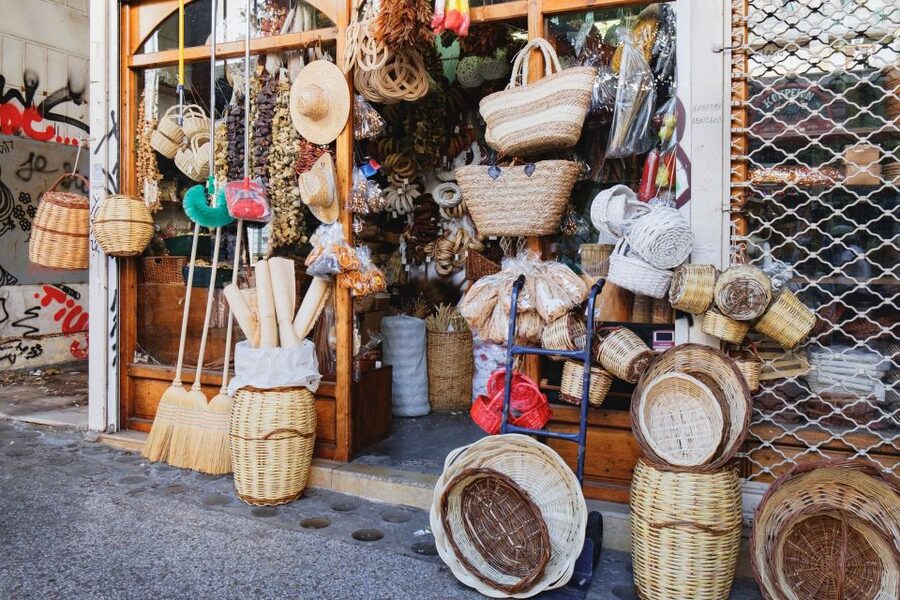
Book this walk if you want Athens at street level: the sharp smells of Varvakios Market, family-run craft shops, mixed neighborhoods, coffee with a guide, and street food near Omonia. The route offers a useful counterpoint to the city’s ancient monuments.
Skip it if you mainly want cheap sightseeing or a deep focus on archaeology. For the right visitor, the small group and strong guide-led element make the high price more defensible. I would especially choose it early in an Athens stay, when advice from a guide can help shape the rest of your time in the city.
FAQ
Where does the Athens markets walking tour begin?
The meeting point is the Trekking Hellas Athens base at Parthenonos 12 in the Koukaki area of Athens.
Where does the tour end?
The walk ends at Omonia metro station.
How long does the experience last?
The tour lasts three hours, from 10:00 to 13:00.
What places does the route include?
The route includes Areopagus Hill, Plaka, Monastiraki, Psyri, Varvakios Market, the old Stock Exchange, Athens City Hall, Geraniou Street, and Omonia Square.
Is coffee or food included?
Coffee and a snack are included during the scheduled break. The walk also includes a street-food tasting near Omonia.
What languages are available?
The live tour guide is available in English and Greek.
How large is the group?
The tour is limited to 10 participants.
Is this a difficult walking tour?
It is described as an easy walking tour. Comfortable shoes and clothing are recommended.
Can I cancel for a refund?
You can cancel up to 24 hours in advance for a full refund. You can also reserve now and pay later.
Just added around Athens
- Cooking Class in Athens with Shopping in Central Market & Lunch★ 5.0 · 55 reviews
- Classic Athens Food Tour with Local Drink & Market Visit★ 5.0 · 34 reviews
- Athens Markets Exploration Tour: From Ancient to Modern Times★ 5.0 · 2 reviews
- Athens Street Food Markets and Hidden Gems Experience★ 5.0 · 18 reviews
- Traditional breakfast in markets with olive oil and honey tasting★ 5.0 · 6 reviews
- Athens Central Market Tour and Greek Cooking Class with Penelope★ 5.0 · 4 reviews
- Street food tasting in the locals favorite hidden places★ 5.0 · 15 reviews
- Private Athens Walk: Ruins, Markets & Local Stories★ 5.0 · 41 reviews
Market Walking Tours, compared.
Tokyo Tsukiji Fish Market Food and Culture Walking Tour
Read our review →
Ben Youssef, Secret Garden, & Souks Walking Tour
Read our review →
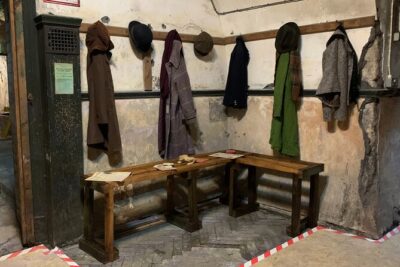
Air Raid Shelter + St. Nicholas Market Walking Tour
Read our review →
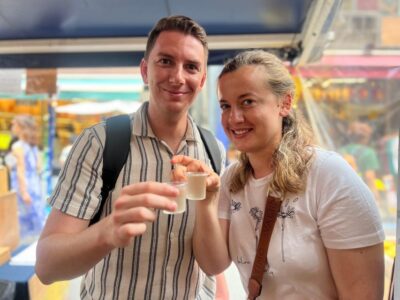
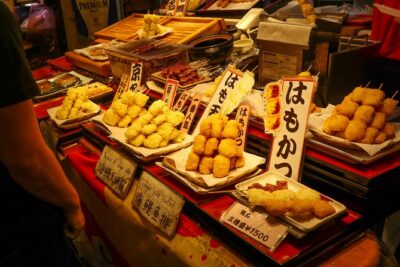
Nishiki Market Brunch Walking Tour (7 Tastings + Brunch)
Read our review →Tsukiji Fish Market Food and Culture Walking Tour
Read our review →Browse the lists this tour appears in