
Review · BANGALORE
Bangalore: Palace, Temples, Fort & Markets Walking Tour
Tipu Sultan’s teak palace, a 320-year-old Vishnu temple, a weathered fort, and the flower market all fit into this fast-moving tour of old Bengaluru. I like the way it joins major sights with ordinary street life, and I like that guides such as Vijay, Vasuki, Raghu, and Vanaja are praised for clear storytelling and careful crowd navigation. The main drawback is pace: three hours goes quickly, especially when the market is crowded.
I also like the small-group format, limited to 10 people, and the chance to see Bengaluru beyond its modern office towers. You will walk through narrow lanes shared by shoppers, sellers, vehicles, cows, workers, and pedestrians, so this is not a polished sightseeing route. Bring patience, covered clothing, socks, and comfortable shoes.
Key points at a glance
- Tipu Sultan’s Summer Palace: See a 230-year-old teak palace tied to Bengaluru’s royal past.
- Four very different settings: Move from palace and fort to Hindu and Jain temples, then into KR Market.
- The market is the sensory high point: Flowers, fruit, vegetables, buyers, sellers, traffic, and working life fill the route.
- Guides make the difference: Vijay, Vasuki, Raghu, Vanaja, Ramesh, and others are praised for storytelling, safety, and help with local interactions.
- Small groups help in tight streets: The tour accepts no more than 10 participants, useful when the market gets crowded.
- Come dressed for temples: Cover your legs and shoulders, carry a headscarf, and bring spare socks.
Why this old Bengaluru walk works
Bengaluru is often introduced through technology parks, cafés, and leafy residential districts. This tour takes you to a much older part of the city, where royal power, religious practice, trade, and daily work sit close together.
I like that the route gives you several ways to understand the city. You get architecture from different periods, religious sites with active worship, and a working market rather than a display made only for sightseeing. In a short time, you can see why Bengaluru is known both as the Garden City and as India’s technology center.
The guide’s role matters here. The streets can be narrow and crowded, and the stops are not all self-explanatory. A good guide connects Kempegowda, Tipu Sultan, British-era development, and modern Bengaluru without turning the walk into a string of dates. The best guides on this experience, including Vijay and Raghu, are described as clear storytellers who answer questions and adjust to the group.
The tour costs $32 per person. That is fair if you want an organized introduction to the old center, temple access, historical context, and help moving through KR Market. You are paying less for long visits at each monument than for the guide’s ability to link the pieces together and make a busy part of town manageable.
More Market Walking Tours in India
- Bengaluru Pete City Market Half-Day Walking Tour
★ 5.0 · 163 reviews - Bangalore: Walking Tour of Fort, Palaces, and Market
★ 5.0 · 58 reviews - Bangalore Walking Tour KR Flower Market,Fort,Tippu palace
★ 5.0 · 8 reviews
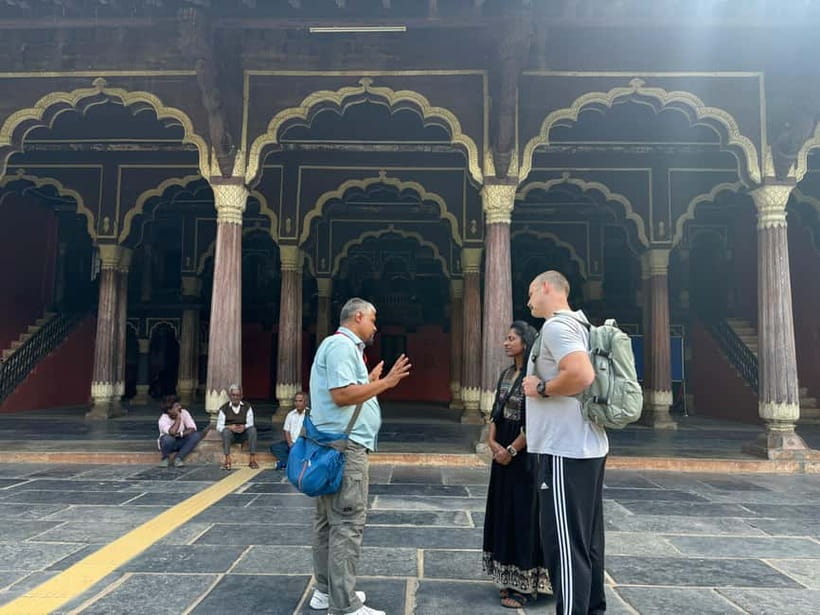
Starting at Tipu Sultan’s Summer Palace
Meet your guide at the gates of Tipu Sultan’s Summer Palace. This is the natural starting point because it puts you directly into the story of Bengaluru’s royal period.
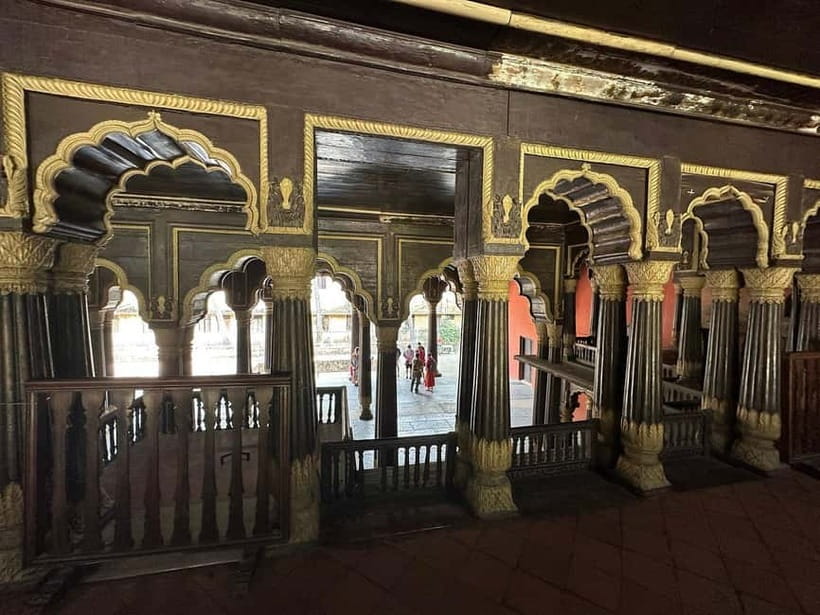
The palace is about 230 years old and built from teak wood. Its material and scale give you a different impression from the stone monuments many visitors expect in India. The palace helps set up the story of Tipu Sultan and the rulers who shaped the city between the 16th and 18th centuries.
Your guide should explain how Bengaluru developed from a fortified settlement into a larger political and commercial center. The experience description also connects this older story with later British contributions and the city’s eventual growth into India’s Silicon Valley.
Do not expect a long, unhurried palace visit. The full walk includes several stops, and the purpose is to place the building in a wider story. If palace interiors are your main interest, you may want a separate visit with more time.
Bangalore Fort and the city’s changing power
The next listed stop is Bangalore Fort, with about 30 minutes set aside for the visit. The fort dates to the 16th century and was later renovated, giving you a clear example of how Bengaluru’s defenses changed as different rulers and powers controlled the city.
This stop works best when you focus on layers rather than expecting a complete fortress complex. Your guide can help you connect the fort with Kempegowda, Tipu Sultan, and the British period. The contrast with the wooden palace is useful: one stop shows royal domestic and ceremonial life, while the fort points to military control and urban protection.
The route is not only about looking at old walls. You are moving through a living district, and the streets between stops are part of the experience. The mix of pedestrians, sellers, vehicles, cows, and workers can make a short distance feel much more eventful than it would on a quiet monument path.
The Vishnu temple and active worship
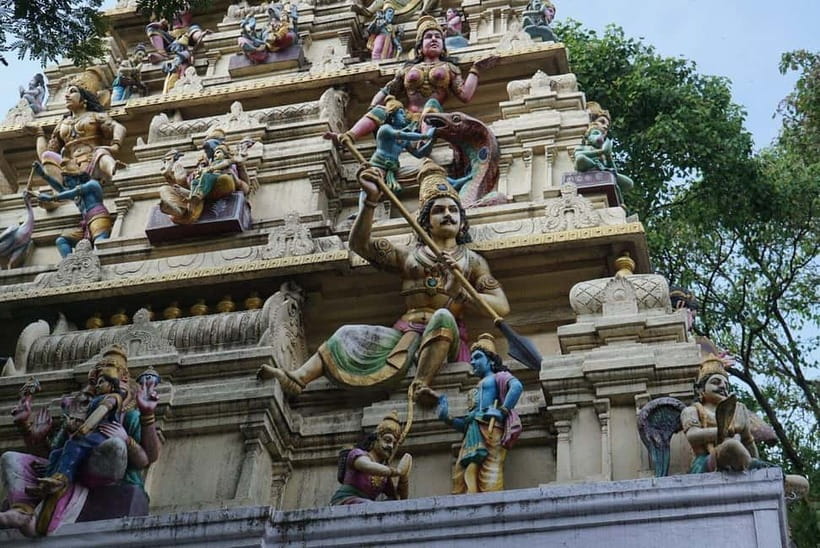
The tour includes a 320-year-old Vishnu temple, where you may see Hindu devotees offering prayers. This is one of the most valuable parts of the walk because it is a place of worship, not simply an old building on a sightseeing list.
Your guide can explain the basic religious and cultural setting, but you should also allow the temple to speak for itself. Watch quietly, follow instructions, and remember that worshippers are there for their own reasons. The value here comes from seeing religious practice as part of everyday city life.
Temple access and opening hours can change with the season. The route description says the tour includes entry to the Vishnu temple, but the exact experience may vary. If you choose not to enter, as one participant did, the walk may finish sooner and feel less complete.
Wear clothing that covers your shoulders and legs. A headscarf is listed as something to bring. Spare socks are a smart addition because temple visits may require footwear to be removed, and clean, comfortable socks make the process easier.
More market walks in Bangalore:
- Private Walking Tour into the Oldest Local Market in Bengaluru
★ 5.0 · 5 reviews - Bangkok: City Highlights Temple and Market Walking Tour
★ 4.5 · 3,990 reviews - Tokyo Tsukiji Fish Market Food and Culture Walking Tour
★ 5.0 · 3,184 reviews - Marrakech: Ben Youssef, Secret Garden, & Souks Walking Tour
★ 4.6 · 2,802 reviews
KR Market, where the city gets loud
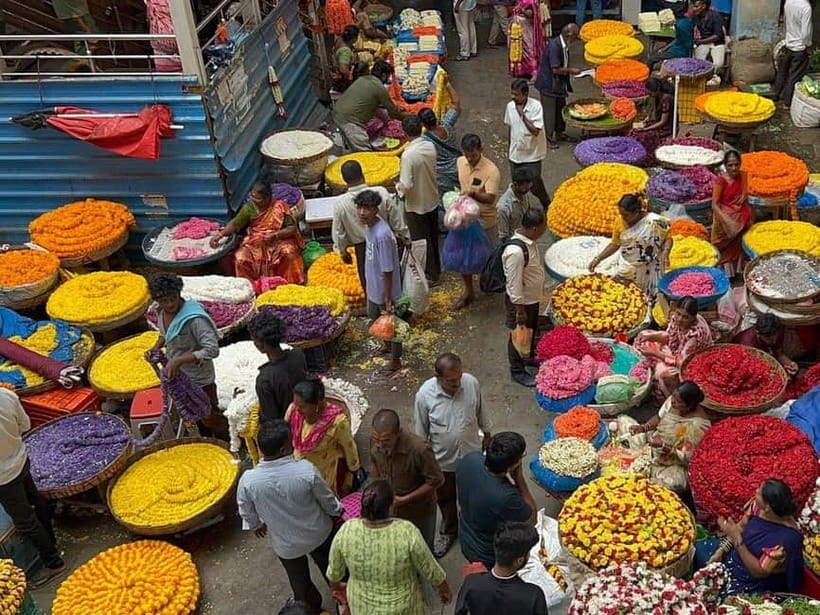
KR Market is the tour’s most intense stop. The planned market walk is about 30 minutes, but the area can feel much larger because every few steps bring a new sound, smell, or obstacle.
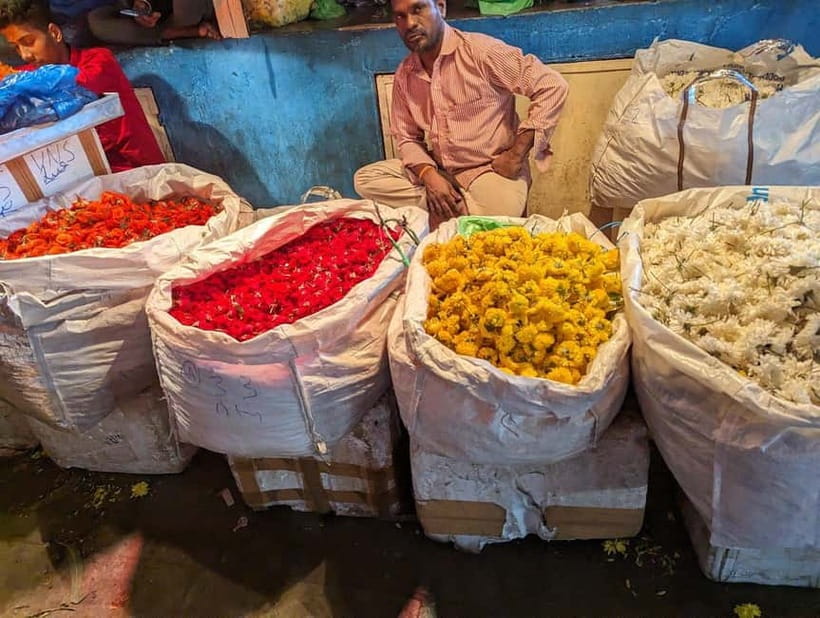
You will pass fruit, flowers, and vegetables, with sellers and buyers working around one another. Flower stalls are a particular highlight. Small blossoms may be gathered into long strings used for decorations, worship, and daily life. This is the kind of detail that gives the market meaning beyond its color.
The market is also where the tour’s practical value becomes clearest. A guide who knows the area can keep the group together, point out what you are seeing, and help you approach traders respectfully. Vijay is praised for guiding people through crowded streets and helping with questions. Raghu is noted for allowing time to consider purchases rather than rushing past every stall.
You may have the chance to buy spices or other local goods, but shopping is not the main purpose. Bring rupees if you want to make a purchase, and ask your guide for help when prices, quantities, or local customs are unclear. The experience can include a coffee break after the market, depending on the guide and the flow of the tour. Coffee is not included in the price.
This is also the place to judge your own comfort level. KR Market can be crowded, noisy, and physically close. You will need to watch your footing and keep your belongings secure. The tour is not a quiet stroll through a historic district. It is a working market, and that is exactly why it feels so immediate.
The Jain temple finish
The walk finishes at Shri Adinath Jain Shwetamber Mandir. After the noise of KR Market, the temple offers a calmer final setting, with carvings and inlay work to examine.
The change in atmosphere is part of the design of the tour. You move from Islamic royal architecture to Hindu worship, from military remains to commercial streets, and then into a Jain place of worship. That range gives you a better sense of Bengaluru’s cultural mix than a route focused on one monument type.
Temple etiquette matters here. Cover your shoulders and legs, avoid short skirts, sleeveless shirts, and see-through clothing, and carry the requested headscarf. The temple may require you to remove your shoes, which is why spare socks are useful.
The Jain temple can also be a quiet place to ask final questions. Guides such as Vasuki, Vanaja, and Kamakshi are praised for combining facts with stories and for making room for individual curiosity. If you are interested in religion, architecture, or local customs, this last stop may be more rewarding than its modest size suggests.
How the guides shape the experience
Several guide names appear in the tour’s recent feedback, including Vijay Kumar, Vijay, Vasuki, Raghu, Vanaja, Ramesh, Varun, Kamakshi, Govinda, and Varun. That matters because the tone of a walking tour depends heavily on who leads it.
The strongest pattern is practical care. Guides are described as helping solo participants find the Metro, arranging a ride after the walk, keeping groups together at the market, suggesting photo spots, and speaking with local sellers when needed. One guide helped a participant find silk, scarves, and spices, while another assisted with transport back to a hotel for an additional fee.
You should not assume every guide will provide the same extras. But the small group gives the guide room to answer questions and adjust the pace. A private booking may even be possible when demand is low, as one participant found, though this is not guaranteed.
English is the tour language. One person found the guide’s speech slightly difficult to follow, so you may want to ask questions when needed. The tour is most useful when you engage with the guide rather than simply walking behind the group.
Walking conditions and practical comfort
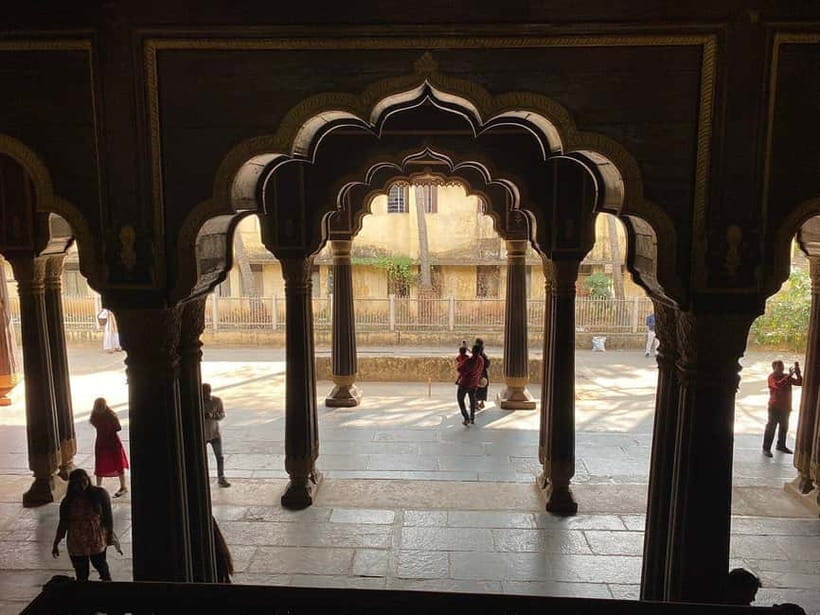
The tour lasts three hours and includes uneven roads, narrow streets, crowded market lanes, and plenty of standing and walking. One description calls it light walking, while the practical notes warn you to be prepared for a lot of walking. Both can be true: the route may not be strenuous in a fitness sense, but the surfaces, heat, crowds, and constant movement can tire you.
Wear walking shoes with a secure grip. Keep your clothing modest and comfortable. A headscarf and spare socks belong in your day bag, along with water and a small amount of cash for possible purchases or refreshments.
Transport to the meeting point and back to your hotel is not included. The provider can arrange it for an additional fee if you request it. The guide may also help you find a ride or use the Metro afterward, but you should treat that as extra assistance rather than part of the $32 package.
Starting times depend on availability. Since markets and temples can feel different at different times, ask about the departure time before booking if you have a strong preference. The provider allows cancellation up to 24 hours before departure for a full refund and offers reserve-now, pay-later booking.
Who should book this Bengaluru tour?
I would choose this walk if you have only a few hours in Bengaluru and want a broad introduction rather than one long monument visit. It is especially useful on a first visit, for solo visitors who want support in crowded streets, and for anyone interested in daily life as much as architecture.
The tour also suits curious shoppers who want to see flowers, spices, and local trade without navigating KR Market alone. It is a good fit for people who enjoy asking questions and adapting to the pace of a working neighborhood.
I would think twice if you dislike crowds, religious sites, uneven streets, or the possibility of removing your shoes. You may also find the itinerary too quick if you want extended time inside the palace, fort, temples, and market. In that case, use this walk as an orientation and return later to the places that deserve a longer visit.
Should you book it?
Book this tour if you want old Bengaluru in concentrated form: a wooden palace, a fort, Hindu and Jain temples, and the full sensory force of KR Market. The $32 price makes sense for a small group with a live English-speaking guide, included monument entries, and help making sense of streets that can be hard to navigate alone.
Choose it with realistic expectations. You are not getting a slow architectural study or a comfortable bus tour. You are getting three active hours in the middle of the city, with noise, crowds, working markets, religious spaces, and a guide who can turn the confusion into a story. Wear the right clothes, bring socks, leave room for surprises, and this is a strong first look at Bengaluru.
FAQ
How long does the Bangalore Palace, Temples, Fort and Markets Walking Tour last?
The tour lasts three hours. Starting times vary, so you need to check availability when booking.
Where does the tour begin?
The tour begins at the gates of Tipu Sultan’s Summer Palace. The guide waits there for the group.
Where does the tour finish?
The walk finishes at Shri Adinath Jain Shwetamber Mandir.
What should I wear?
Cover your legs and shoulders because the route includes a Jain temple. Short skirts, skirts, sleeveless shirts, and see-through clothing are not allowed. Bring a headscarf and spare socks.
Is transport included?
No. Transport to the meeting point and back to your hotel is available for an additional fee if arranged with the provider.
Is the tour suitable for a small group?
Yes. The group is limited to 10 participants, and the tour is led in English by a live guide.
More Walking Tours in Bangalore
- Tipu Palace + Koté Vishnu + Fort + KR Market + Jain Temple = Bengaluru Pété Walk
★ 5.0 · 150 reviews - Old Bangalore Historical Walk thro Palace, Temples, Fort & Market
★ 5.0 · 60 reviews - Bangalore : Evening Food Street Walk and Market Visit
★ 5.0 · 34 reviews - Bangalore Evening Food Street Walk and Market Visit
★ 5.0 · 32 reviews
Just added around Bangalore
- KR Market Photo Walk★ 5.0 · 12 reviews
- Shopping and Bazaar Trail in Bangalore★ 4.5 · 5 reviews
- Experience Bangalore Evening City Walk Tour and Market Visit★ 5.0 · 9 reviews
- Bangalore: Walk in Historic Ulsoor – Landmarks, Bazaar & Culture★ 5.0 · 9 reviews
- Lalbagh+Bull Temple+Tipu Palace+Market+Lunch=Bangalore City Tour★ 5.0 · 9 reviews
- Bangalore Walking Tours – Flower Market, PETE and more★ 5.0 · 5 reviews
- Bangalore Evening Food Street Walk and Market Visit★ 5.0 · 32 reviews
- Old Bangalore Historical Walk thro Palace, Temples, Fort & Market★ 5.0 · 60 reviews
Market Walking Tours, compared.
Tokyo Tsukiji Fish Market Food and Culture Walking Tour
Read our review →
Ben Youssef, Secret Garden, & Souks Walking Tour
Read our review →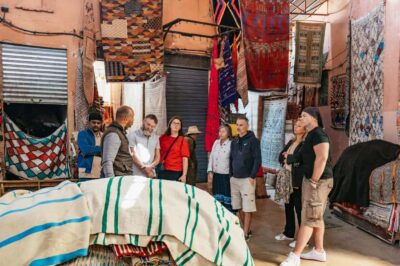
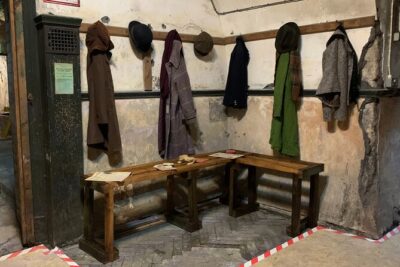
Air Raid Shelter + St. Nicholas Market Walking Tour
Read our review →
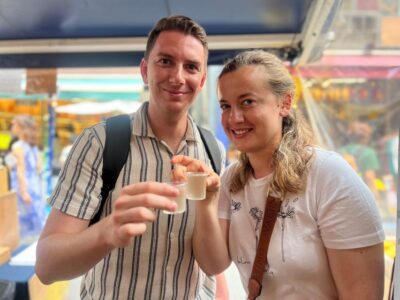

Nishiki Market Brunch Walking Tour (7 Tastings + Brunch)
Read our review →Tsukiji Fish Market Food and Culture Walking Tour
Read our review →Browse the lists this tour appears in