
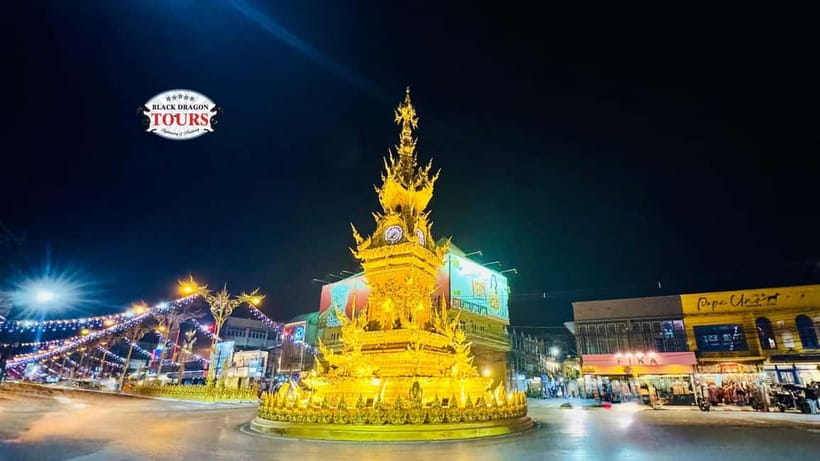
Review · THAILAND
Chiang Rai: Night Walking Tour – Local Market & Food Tasting
The best part of this four-hour evening is the change of pace: you begin with Chiang Rai’s temples glowing under the night sky, then move into the city’s food stalls and markets. Wat Rong Suea Ten, the Blue Temple, is the visual star, while Wat Huay Pla Kang gives the evening a calmer, more spiritual feel.
I like the mix of temples and ordinary local life, rather than spending the whole tour at famous sights. I also like having a guide to explain unfamiliar foods and Buddhist details, especially since guides Bank and Poppy have been praised for clear English, good communication, and photography help. The main consideration is walking and access: this is not suited to wheelchair users, and the food tasting can be less appealing if you prefer cautious, familiar dishes.
Key points to know before booking
- Blue Temple after dark: Wat Rong Suea Ten takes on a striking look in evening light, with vivid sapphire interiors and a mystical mood.
- Two very different temple visits: Wat Huay Pla Kang offers a peaceful hilltop setting and a huge white Guanyin statue, while the Blue Temple is bold and colorful.
- Food with a local angle: Expect a fresh market, Northern Thai snacks, street food, and seasonal fruit. Adventurous eaters may get to try silkworm.
- Guides matter here: Bank and Poppy have led recent tours, with praise for fluent English, temple explanations, driving, and photo help.
- Hotel pickup included: Pickup is arranged in the Mueang Chiang Rai area, making the evening easy to start.
- Small-group format: The experience is limited to nine people, but confirm whether your booking is fully private or simply capped at a small number.
Why this Chiang Rai evening works so well
Chiang Rai can feel quiet after sunset, but the city has another side once the temples light up and food sellers begin setting out their evening offerings. This tour links those two sides neatly. You see major religious sights, then go where local people shop and eat.
That combination gives you more than a string of photo stops. The temples offer color, scale, and Buddhist symbolism. The market portion gives you a look at daily routines, from buying dinner to browsing handmade goods. I like that the tour does not treat Chiang Rai as only a collection of monuments.
The price is $64 per person, which is not the cheapest way to visit a temple or market. You are paying for about four hours, hotel pickup, a live English-speaking guide, food tastings, and transport between several locations. The value improves if you want help with translation, temple etiquette, and food choices. It is less compelling if you are comfortable arranging your own taxi and eating independently.
The advertised format combines a private local guide with a group limit of nine. That should feel more personal than a large coach outing, but the wording leaves one practical question: ask if your booking is exclusive or simply part of a small group. Either way, a group of nine is manageable in a market and easier to gather at temple entrances.
More Local Market Tours in Thailand
- Phuket: Half Day Easy Thai Cooking Class & Local Market Tour
★ 4.9 · 725 reviews - Chiang Mai: Evening Cooking Class and Local Market Visit
★ 4.9 · 648 reviews - Evening Cooking Class in Organic Farm with Local Market Tour
★ 5.0 · 394 reviews
Wat Huay Pla Kang and the great white Guanyin
The evening begins with Wat Huay Pla Kang, where the main visual attraction is the towering white statue of Guanyin, the Goddess of Mercy. The statue overlooks the city and takes on a quiet, gentle presence in the evening light.
This is a good first stop because it sets a peaceful tone. Your guide can explain the religious meaning of the site and introduce Buddhist ideas before the evening becomes busier at the markets. Poppy was specifically praised for giving a proper introduction to Buddhism, which is useful if you want more than a quick explanation of what you are seeing.
The visit is scheduled for about one hour. That gives you time for a guided look rather than a rushed photograph, though the exact rhythm will depend on the group and transfer time. Bring a long skirt or long pants, since temple visits require respectful clothing. Comfortable walking shoes are also important.
The setting may suit you if you like large religious monuments and open views. It may be less satisfying if you want a long, detailed architectural tour, since the evening has several stops to fit into four hours. The supplied details focus on the Guanyin statue and the temple’s serene atmosphere, not on an extended visit to every building.
Photography is allowed, but keep your camera work respectful around worshippers and religious areas. A guide can also help you understand where pictures are appropriate, which is one reason this stop benefits from having someone with you.
Wat Rong Suea Ten, Chiang Rai’s Blue Temple
The next temple is Wat Rong Suea Ten, better known as the Blue Temple. Its intense blue color gives it a very different character from Wat Huay Pla Kang. The interior is noted for vivid sapphire tones and a mystical feel, and the evening lighting makes the colors particularly striking.
The scheduled visit lasts about 105 minutes, making it the longest temple stop. That matters. You should have time to look closely, listen to explanations, and take photographs without treating the temple as a quick roadside stop.
I would expect the guide to be most useful here when explaining the meaning behind the imagery and design. A brightly colored temple can be easy to reduce to a backdrop for photos, but the visit becomes more worthwhile when you understand the Buddhist ideas shown in its decoration.
The Blue Temple is likely to be the most visually memorable stop for many people. The color is bold, the atmosphere is unusual, and nighttime light gives the site a special mood. Still, visitors who prefer older, weathered temples may find its modern, highly decorative style less appealing. The tour is presenting Chiang Rai’s contemporary religious art, not only ancient ruins.
Plan to cover your shoulders and legs respectfully. The clothing advice is simple: bring a long skirt or long pants. You will be walking and standing, so sandals or shoes that are easy to manage but still comfortable make sense.
Guides Bank and Poppy have both been praised for explaining the temples with enthusiasm and fluent English. Bank was also praised for taking photos, a small but useful service when you are traveling without someone to take your picture.
From sacred sites to the fresh market
After the temples, the evening shifts from grand religious spaces to a fresh market used by local people buying food for the night. This change is one of the strongest parts of the experience. You are no longer only looking at Chiang Rai. You are watching a normal evening routine unfold.
The market stop is scheduled for about 30 minutes, so think of it as a guided introduction rather than a long shopping session. You may see ingredients, prepared food, tropical fruit, and products used in everyday cooking. The available information does not promise a fixed tasting menu, and that is worth remembering. Market food changes with the season and the vendor.
Your guide can help you identify unfamiliar snacks and explain what you are trying. That is especially helpful when signs are not in English or when you want to know whether a dish is sweet, salty, spicy, or made from an ingredient you have not eaten before.
The food focus is on traditional Northern Thai snacks, street food, and seasonal fruit. A recent tasting included silkworm, so adventurous eaters may have the chance to try it. You do not need to approach every item as a challenge, but this is a good place to be open-minded and tell your guide about allergies or foods you avoid.
Bring a small amount of Thai cash for personal purchases. The tour includes tastings, but personal expenses are not included. If you want extra snacks, drinks, or small regional products, you will need to pay separately.
More produce and farmers markets in Thailand:
- Bangkok: Ayutthaya & Local Market Tour In Spanish or English
★ 4.8 · 160 reviews - Morning Cooking Class in Organic Farm with Local Market Tour
★ 5.0 · 157 reviews - Koh Samui: Thai Cooking Class with Local Market Tour
★ 4.7 · 126 reviews - Fresh Local Market Tour – Food tour in Chiang Mai
★ 5.0 · 113 reviews
Chiang Rai Night Bazaar and the evening food scene
The Chiang Rai Night Bazaar is the final food and shopping setting. It is a more social place than the fresh market, with local vendors, handmade crafts, regional products, and prepared food. Families may be shopping for dinner, and monks may be collecting offerings, giving you glimpses of everyday life rather than a staged cultural show.
The bazaar is useful for comparing two kinds of markets. The fresh market is practical and food-focused. The Night Bazaar adds ready-to-eat snacks, crafts, and a more relaxed evening atmosphere. Together, they show how food and commerce shape the city after dark.
The experience includes traditional snacks and street food, but the exact dishes are not fixed in the supplied details. Seasonal fruit is also included as part of the food focus. If you have dietary restrictions, ask the guide what is suitable before eating. The activity information does not list vegetarian, vegan, halal, gluten-free, or allergy-specific arrangements.
A recent evening included a small meal at the Night Bazaar after the fresh market, though the group had already eaten quite a lot. That points to a practical issue: you may taste more than expected. Eat lightly before pickup, but do not arrive extremely hungry if you are cautious about unfamiliar food.
You may find the market portion more valuable than another formal attraction. It lets you ask questions in real time and see how people shop, eat, and spend an evening. The trade-off is that markets can be crowded, noisy, and less polished than a restaurant. That is part of the point, but it will not suit everyone.
What the guide adds to the evening
A guide is not essential for looking at a lit temple, but it can make a large difference at the market. Without help, you may recognize only the most obvious dishes and miss the details that make the scene interesting.
Bank has been praised for clear communication, fluent English, careful driving, and answering many questions. One evening also included photo help, which is useful at the temples. Poppy was praised for explaining the temples and giving a proper introduction to Buddhism before leading the group through the night market.
These details matter because the tour depends more on the guide than a simple attraction ticket would. The sights are accessible on their own, but the food and cultural explanation become easier with someone who knows the area.
Pickup is included from your hotel lobby in Mueang Chiang Rai. One recent booking included a clean car and a driver who made the group feel safe. Vehicle details can vary, so consider this a practical benefit rather than a promise of a specific car.
The tour is conducted in English. If you want detailed questions answered, it is worth preparing a few in advance about Buddhist imagery, local ingredients, and market customs. A four-hour evening moves quickly, and specific questions help you get more from the guide.
Timing, walking, and practical limits
The total duration is four hours, but that includes transfers between the hotel, temples, markets, and return point. The listed sightseeing times add up to more than two and a half hours before transport, so you should expect a steady schedule rather than long free periods.
Wear comfortable walking shoes. You will be moving through temple grounds and markets, standing for explanations, and possibly walking on uneven surfaces. The experience is not suitable for wheelchair users, and non-folding wheelchairs, strollers, and electric wheelchairs are not allowed.
The activity is also marked as unsuitable for babies under one, people with heart problems, people with altitude sickness, people over 95, and people weighing over 309 pounds, or 140 kilograms. These restrictions are unusually specific, so check them carefully before booking.
Weapons, sharp objects, and alcoholic drinks in the vehicle are not allowed. Children’s equipment such as baby carriages and non-folding strollers cannot be brought along. If you need mobility equipment or are traveling with a very young child, this is not the right evening outing.
The temple dress advice deserves attention. Bring long pants or a long skirt. Respectful clothing will make entry and movement around the religious sites easier, and it prevents a last-minute scramble before the first visit.
The tour offers free cancellation up to 24 hours in advance and a reserve-now, pay-later option. Those policies help if your Chiang Rai plans are still changing, but they do not alter the main question: do you want a guided evening of temples and food, or would you rather explore the markets independently?
Who will get the most from this tour?
I would choose this experience if you have one evening in Chiang Rai and want several different experiences without sorting out transport yourself. It is also a good fit if you enjoy trying food but want someone to explain what is on the table before you take a bite.
First-time visitors should find the structure helpful. The two temples give you a strong introduction to local religious art, while the markets show a more ordinary side of the city. The private guide format, or small-group limit of nine, should also make questions easier than on a large group outing.
Photography-minded visitors will like the Blue Temple, the illuminated Guanyin statue, and the chance to have a guide take pictures. The evening light is a major reason to choose this timing.
I would hesitate if you dislike walking, avoid street food, need wheelchair access, or want a slow dinner at one restaurant. This is a moving, tasting-focused evening with several stops, not a relaxed sit-down meal.
Should you book this Chiang Rai night tour?
Book it if you want temples, market food, and local context in one evening, especially if hotel pickup and an English-speaking guide make your plans easier. The strongest reasons are the Blue Temple after dark, Wat Huay Pla Kang’s huge Guanyin statue, and the chance to try Northern Thai snacks with help from someone who knows the food.
At $64, the tour is best value for people who would otherwise pay separately for transport, guiding, and several tastings. If you only want to see the temples, it costs more than arranging a simple visit. If you want the sights explained and the markets made less intimidating, the price is easier to justify.
Ask about the exact group setup, mention food allergies before departure, and bring cash for extras. If those details suit you, this is a well-planned way to see Chiang Rai after sunset.
FAQ
How long does the Chiang Rai night tour last?
The tour lasts four hours, including pickup, visits to both temples, market stops, food tasting, and the return to Mueang Chiang Rai.
Is hotel pickup included?
Yes. Pickup is included from your hotel lobby in the Mueang Chiang Rai area, with pickup arranged at the appropriate time.
What language does the guide speak?
The live tour guide speaks English.
Which temples are visited?
The tour visits Wat Huay Pla Kang and Wat Rong Suea Ten, also called the Blue Temple.
What food is included?
The experience includes traditional snacks, street food, and seasonal tropical fruit. The exact items can vary, and silkworm may be available as an adventurous tasting.
Do I need to bring cash?
Bring a small amount of cash for personal expenses at the night market. Personal expenses are not included.
What should I wear to the temples?
Wear comfortable walking shoes and bring a long skirt or long pants for respectful temple visits.
Is the tour wheelchair accessible?
No. The experience is not suitable for wheelchair users, and non-folding wheelchairs and electric wheelchairs are not allowed.
Can I cancel the booking?
You can cancel up to 24 hours in advance for a full refund. A reserve-now, pay-later option is also available.
More Street Food Market Tours in Thailand
- Chiang Mai: Evening Local Street Food Market Tour
★ 4.8 · 604 reviews - From Bangkok: Maeklong Railway and Floating Market Food Tour
★ 4.9 · 224 reviews - Bangkok Street Food and Night Lights by Tuk Tuk
★ 4.6 · 49 reviews - Bangkok History Temples Markets and Food Tasting
★ 5.0 · 40 reviews
More Market Walking Tours in Thailand
- Bangkok: City Highlights Temple and Market Walking Tour
★ 4.5 · 3,990 reviews - Chiang Mai: Local Food and Markets Guided Walking Tour
★ 4.3 · 175 reviews - Bangkok Wat Pho and Flower Market Historical Walking Tour
★ 5.0 · 28 reviews - Hua Hin: Thai Street Food & Market Walking Tour
★ 4.9 · 8 reviews
Just added around Thailand
- Bangkok Udomsuk Thai Cooking Class with local market tour★ 5.0 · 5 reviews
- Morning Buddhist Almsgiving, Grand Palace and Flower Market Tour in Bangkok★ 3.5 · 9 reviews
- Private 4 days : Bangkok, Floating market and Ayutthaya★ 5.0 · 2 reviews
- Floating & Railway Markets and Erawan Waterfall [Optional Luxury]★ 5.0 · 43 reviews
- Discover Ayutthaya at Sunset: Historic Temples & River Cruise★ 4.5 · 29 reviews
- Floating Market & Railway Market near Bangkok★ 4.0 · 5 reviews
- Train & Floating Market Food Adventure + Scenic train ride★ 5.0 · 102 reviews
- Silom Thai Cooking School with Fresh Market Tour★ 5.0 · 73 reviews
Street Food Market Tours, compared.
Old Town, Creek, Museums, Souks, & Street Food Tour
Read our review →
Old Town, Souks, Street Food, Guided Tour & Abra Ride
Read our review →
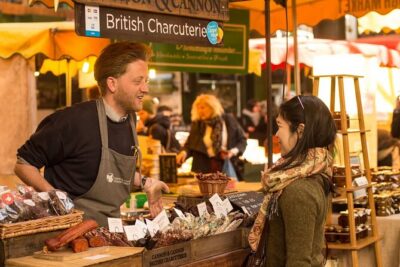
London Bridge & Borough Market Food Tour with 7 Authentic Dishes
Read our review →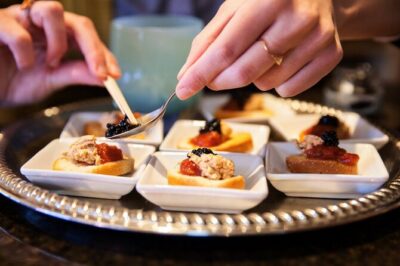
Old Town, Souks, Street Food, Guided Tour & Abra Ride
Read our review →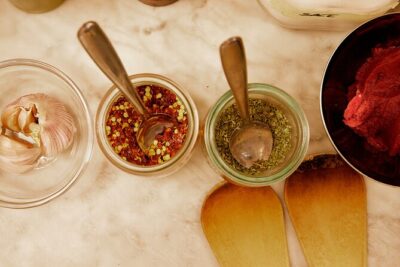
Small Group Cooking Class & Market Food Tour in Florence
Read our review →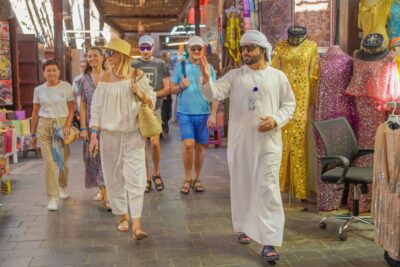
Old Town, Street Food, Creek, Souks, & Emirati House
Read our review →Browse the lists this tour appears in