
Review · PARIS
Discover Paris’ Marché d’Aligre: 2-Hour Market Tour
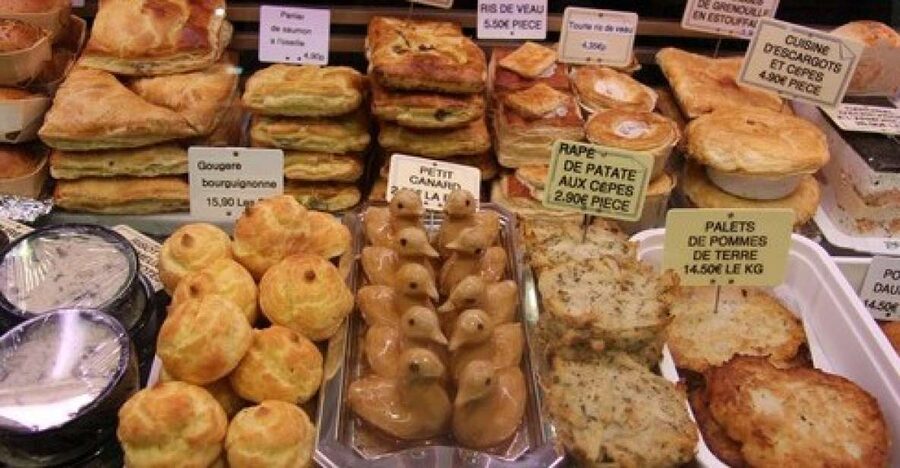
Marché d’Aligre gives you a close look at everyday Paris, not the polished version built around monuments. In two hours, you move between the Marché Couvert Beauvau, an outdoor street market, and a flea market beside North African shops.
I like the food tastings, which can include items such as fresh bread, coffee, tapenades, spices, and cheese. I also like the small group size, capped at eight people, because a market tour works best when you can ask questions without losing your guide in the crowd.
The main drawback is value. At $129 per person, this is a costly two-hour outing, and the flea market may feel ordinary if you have already seen Parisian brocantes or larger food markets. The experience depends heavily on the guide, too.
Key points at a glance
- Three market settings in one visit: See the covered Marché Couvert Beauvau, open-air stalls, and the adjoining flea market.
- Food is part of the tour: Specialty tastings and mint tea at a corner café are included in the price.
- A look at old Paris market design: The covered market is described as one of the last 20 remaining from the city’s original covered passages.
- Small groups matter: No more than eight people join each tour, making it easier to talk with the guide.
- Guides can shape the experience: Caroline and Christine are named as past guides, with Caroline especially praised for explaining local food and shopping customs.
- Easy meeting point: Meet at 100, rue du Faubourg Saint-Antoine, near Ledru-Rollin Metro, exit 2.
Why Marché d’Aligre feels different from tourist Paris
Many first visits to Paris revolve around grand avenues, museums, and famous churches. Marché d’Aligre offers something less staged: a place where people shop for food, compare produce, browse used goods, and stop for a drink.
The market sits on and around rue d’Aligre in the 12th arrondissement. It combines two food-market areas, the indoor Marché Couvert Beauvau and the outdoor street market, with a flea market close by. The mix gives the neighborhood a varied character. You may pass from French food stalls to North African shops, then from a cheese counter to tables of secondhand objects.
That variety is the point. This is not a single-theme food hall designed for quick sightseeing. It is a working market area with different rhythms and different kinds of sellers. Your guide helps explain what you are seeing, what is worth tasting, and how the separate spaces fit together.
I would choose this tour if you want a neighborhood experience that adds local texture to a first Paris visit. It is also useful early in your stay, since the food suggestions and shopping tips can help you navigate other markets on your own.
A few more market tours around Paris worth a look
- Versailles Palace Bike Tour with Market & Marie-Antoinette hamlet
★ 5.0 · 2,680 reviews - Versailles Bike Tour with Market, Gardens & Guided Palace Tour
★ 5.0 · 1,121 reviews - Paris Cooking Class and Lunch with Wine plus Market Visit Option
★ 5.0 · 1,024 reviews
Entering the Marché Couvert Beauvau
The covered market is the most distinctive part of the visit. It belongs to the tradition of les passages couverts, the roofed shopping passages built behind Paris’s major boulevards. Only about 20 of the original covered markets or passages remain, according to the tour information, so this stop gives the outing a useful architectural and historical angle.
Inside, expect rows of stalls rather than a museum display. The listed foods include tapenades, spices, flowers, and coffee. You might also encounter other specialty products as the guide leads you through the market. The value here is not simply looking at ingredients. It is learning how they are used, bought, and judged in a Paris market.
A good guide can turn a short stop at a stall into a lesson in French food habits. Caroline, one of the guides associated with this experience, was praised for explaining fresh food and suggesting items such as truffle cheese. One particularly memorable tasting described in the tour feedback included a warm croissant, baguette with truffle cheese, and coffee.
Those examples should not be treated as a guaranteed menu. Market tastings can change, and the supplied information only promises specialty-food tastings. Still, the structure is clear: you are not paying only to walk past counters. Food sampling is built into the visit.
The covered market may be the best part for anyone interested in Parisian food but unsure where to begin. You can ask what to buy, how a product is normally eaten, and which items make sense for a picnic or a gift. The guide can also keep you from spending your limited time wandering without context.
Reading the outdoor market stalls
After the covered market, the tour moves into the open-air market area. This is where Marché d’Aligre feels most like a neighborhood shopping stop. Stalls spread into the street, and the selection changes with the vendors and the day.
The appeal is the range. You may see food, flowers, spices, coffee, and prepared specialties in the same general area. The market also borders North African shops, adding another layer to the food culture. That combination makes the tour useful for people who want to see how Paris absorbs different culinary traditions without reducing them to a single restaurant meal.
The guide’s role matters here. You can look at market stalls on your own, but it is harder to understand what is seasonal, what is local, and what is simply attractive to a passing visitor. The strongest feedback for this tour focused on guides bringing the market to life and explaining how people shop for fresh food.
One past tour also included a conversation with a butcher and a stop at a bakery. Those details come from a specific experience and may not appear every time, but they show the kind of contact the tour can provide. If your guide points out a bakery or butcher, ask questions and use the chance to compare the market with the food served at your hotel.
The outdoor section is also where expectations need to stay realistic. One rating described the market as interesting but not the best farmers market the person had seen. That is fair. Marché d’Aligre is worth visiting for its mix of food, people, and setting, but it may not impress someone looking for a vast gourmet market with rare products at every turn.
Specialty tastings and the café stop
The included tastings make the $129 price easier to understand, though not automatically a bargain. You receive food samples and mint tea at a corner café, so part of the cost covers more than guiding.
The tastings also give the tour a social rhythm. Instead of listening to a long explanation and moving on, you stop, taste, and discuss what is in front of you. That is especially useful if you are new to French food terms or want help choosing products later in your trip.
Past food examples include a fresh warm croissant, real coffee, baguette, and truffle cheese. The truffle cheese was described as a traditional Christmas-season food and a favorite tasting. Again, the exact items are not fixed in the published details, but these examples suggest the experience can include both familiar foods and products you might not think to order alone.
Mint tea at a corner café adds a different note. It connects the market visit to the North African side of the neighborhood and gives you a short place to pause. Do not expect a full meal. The tour lasts only two hours, and the included food is best viewed as tasting portions rather than lunch.
If you need a substantial meal afterward, plan for one. The tour description does not promise lunch, and the tastings may not be enough for a hungry morning or afternoon.
More shopping tours in Paris:
- Paris Evening Cooking Class French Dinner and Market Visit Option
★ 5.0 · 430 reviews - Versailles Full-Day Electric Bike Tour : Market, Picnic & Palace
★ 5.0 · 239 reviews - Paris: Full-Day Cooking Class, Market Tour and Lunch
★ 4.9 · 113 reviews - Paris: Flea Market Insider’s Tour in Extra-Small Group
★ 4.6 · 73 reviews
The flea market: useful contrast, modest expectations
The adjoining flea market gives the tour a change of pace. After food stalls and specialty shops, you browse objects and secondhand goods. The finds are described as unusual, which is part of the fun, but you should not book this experience mainly for a major antique purchase.
One rating called the flea market unexceptional. I would take that as a useful warning rather than a reason to skip the tour. The flea market is an extra stop that rounds out the neighborhood, not the strongest reason to pay for the experience.
You might find something odd, decorative, or simply hard to identify. The pleasure comes from browsing. If you enjoy searching through tables without needing a particular item, the stop adds character. If you prefer carefully selected antiques or a large market with a strong reputation for treasures, this part may feel thin.
The guide can help by explaining what you are seeing and keeping the visit connected to the surrounding neighborhood. Still, the food market is the main event. Think of the flea market as a short final chapter, not the centerpiece.
What the guide adds to the visit
A market tour lives or dies by the person leading it. The published guide languages are English and French, and the group limit is eight people. That is a sensible size for narrow aisles, crowded stalls, and questions about unfamiliar foods.
Caroline received especially warm praise for making the market feel personal. Her tour included food explanations, a bakery, a butcher, and suggestions for places to follow up elsewhere in Paris. Christine was also praised for helping visitors feel more at home in the city and offering extra tips beyond the market itself.
Those named guides may not lead every departure, so I would not book on the assumption that one particular person will be there. But the comments point to what you should look for from any guide: explanations tied to daily life, not just a list of stall names.
A strong guide should help you understand how the market works, point out foods worth tasting, and give you enough time to notice the details. In a group of eight, you can ask about ingredients, customs, and nearby shops without turning the tour into a lecture.
The uneven rating also matters. The overall score is 4.5 from seven ratings, with several excellent experiences and one very poor rating. That suggests the basic idea works well for many people, but the quality may vary by guide, timing, and personal expectations.
Is $129 a fair price for two hours?
At $129 per person, this is not a casual market stroll. You are paying for a guided experience, specialty-food tastings, mint tea, a small group, and interpretation of a part of Paris you could visit without an admission fee.
The price makes the most sense for you if you value context and food guidance. A guide can show you how the covered market, street stalls, North African shops, and flea market connect. You also avoid the uncertainty of choosing what to taste or how to approach the stalls.
The value is weaker if you are comfortable exploring markets alone. Marché d’Aligre is accessible without a tour, and the flea market may not justify the cost by itself. You might get more from the tour if you treat it as a compact introduction to neighborhood Paris, not as a shopping trip.
Two hours is enough for a focused visit, but it also limits the experience. You will see several sections quickly rather than spending a long time at each one. That shorter format suits a packed itinerary, though anyone who likes slow market mornings may wish the tour lasted longer.
Meeting point and planning details
The meeting point is 100, rue du Faubourg Saint-Antoine, 75012 Paris. The nearest Metro station is Ledru-Rollin, using exit 2. Transportation is not included, so you need to make your own way there.
Check the available starting times before booking. The activity lasts two hours, but the specific departure time depends on availability. Since the tour includes market stops and a café, a time that fits around breakfast or lunch may affect how satisfying the tastings feel.
The group is limited to eight people. Tours are offered in English and French. You can cancel up to 24 hours in advance for a full refund, and the reserve-now, pay-later option lets you hold a place without paying immediately.
I would wear comfortable shoes and arrive ready to walk and stand. The supplied information does not promise seating beyond the café stop, and market tours usually work best when you are prepared to move between stalls.
Who should book Marché d’Aligre?
This experience is a good fit for:
- First-time Paris visitors who want a neighborhood stop beyond the major sights.
- Food-focused visitors who enjoy tasting unfamiliar products.
- People who want help understanding French market customs.
- Couples and small groups who prefer a guide to a large organized tour.
- Visitors interested in both French and North African food culture.
- Anyone who likes browsing flea markets but does not need a major antique haul.
It is less suitable for you if you want a full meal, a long historical tour, or a large flea market with guaranteed special finds. It may also disappoint if you have already visited several major European food markets and expect Marché d’Aligre to be the biggest or most impressive.
Should you book it?
Book this tour if you want a guided introduction to everyday Paris, with food tastings and a small group making the market easier to understand. The covered Marché Beauvau, the street stalls, and the café stop give the two hours a clear shape, while past guides such as Caroline and Christine show how much personality can improve the experience.
Skip it if $129 feels high for a two-hour outing or if you are happy to explore markets independently. The flea market is not guaranteed to be remarkable, and the exact tastings are not fixed.
My advice is to book it early in your Paris stay, especially if you want practical food tips for the rest of your visit. Go for the market culture, the guide, and the tastings. Treat the flea market as a bonus.
FAQ
How long does the Marché d’Aligre tour last?
The tour lasts two hours.
What is the price?
The price is $129 per person.
Where does the tour meet?
The meeting point is 100, rue du Faubourg Saint-Antoine, 75012 Paris.
Which Metro station is closest?
The nearest station is Ledru-Rollin, using exit 2.
What languages are available?
The live tour is available in English and French.
How large is the group?
The group is limited to a maximum of eight people.
Are food tastings included?
Yes. Tastings of specialty foods are included.
Is mint tea included?
Yes. Mint tea at a corner café is included.
Is transportation included?
No. Transportation is not included.
Can I cancel for a full refund?
Yes. You can cancel up to 24 hours in advance for a full refund.
Just added around Paris
- Paris: Saint Ouen Flea Market Guided Tour★ 4.9 · 8 reviews
- Paris: Food Market Tour in Bastille★ 4.6 · 12 reviews
- Paris: Evening Cooking Class with Optional Market Visit★ 4.8 · 19 reviews
- Paris: Christmas Market Guided at Notre Dame & Food Tasting★ 5.0 · 3 reviews
- Paris: 2-Hour Aligre Market Walking Food Tour & Tasting★ 5.0 · 13 reviews
- Versailles: Local & small-group Farmers’ Market Food Tour★ 5.0 · 3 reviews
- Local Food Market Walking Tour near the Marais★ 4.5 · 22 reviews
- Paris Marché d’Aligre Walking Tour with Chocolate and Cheese Tasting★ 3.5 · 24 reviews
Shopping Tours, compared.
Damnoen Saduak Market and Maeklong Railway Market
Read our review →
The Old Siam: Damnoen Saduak and Maeklong Railway Market
Read our review →
Train Market & Floating Market with Boat Ride
Read our review →
Ayutthaya & Ayothaya Floating Market Day Trip
Read our review →
Hanoi Cooking Class: Culture, Local Market & Meaning CSR Impact
Read our review →
5 Traditional Dishes Hanoi Cooking Class with Market Trip
Read our review →
Cooking Class and Lunch at a Tuscan Farmhouse with Local Market Tour from Florence
Read our review →
Cooking Class, Market & Thai Herbs Garden Tour
Read our review →Browse the lists this tour appears in