
Review · FLORENCE
Florence: Cooking Class with Local Food Market Tour
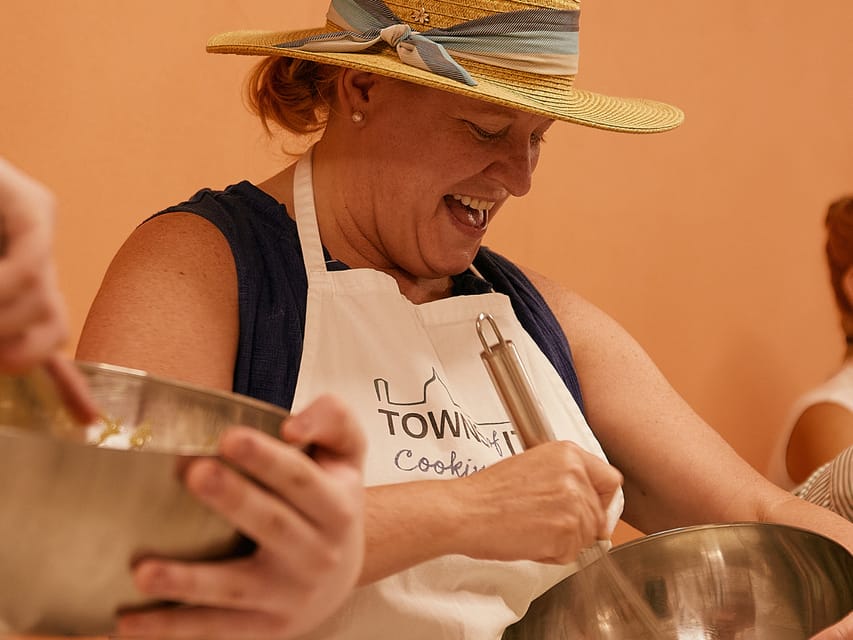
Florence’s best cooking lesson begins before you reach the kitchen. You’ll walk through the Central Market with a local chef, taste olive oils, truffles, cheeses, and cured meats, then turn those ingredients into fresh pasta, traditional lasagna, sauces, and tiramisù. The cooking is fully hands-on, not a show from the sidelines.
I like the market-to-table connection, which gives the meal a clear sense of place. I also like the small-group feel, with chefs such as Alice, Roberta, Victoria, and Federico praised for patient teaching, humor, and personal help. The main consideration is timing: the market may be closed on Sundays, and the class can last several hours, so eat breakfast first and arrive 15 minutes early.
Key points to know before booking
- Start with Florence’s Central Market: Taste seasonal products and learn how locals choose olive oil, balsamic vinegar, truffles, cheese, and cured meats.
- Cook every step yourself: Roll pasta, prepare sauces, make lasagna, and assemble tiramisù alongside an English-speaking chef.
- Expect a generous meal: You eat the food you make with Tuscan wine, snacks along the way, and a sweet dessert wine.
- Market days matter: Sunday sessions may skip the market and spend more time cooking instead.
- Best for curious eaters: Vegetarians can be accommodated with notice, but vegans, people with celiac disease, and anyone with gluten intolerance should choose another activity.
Why this Florence cooking class works so well
At $63 per person, this is a strong value if you want more than a quick pasta lesson. The price covers the market walk, tastings, instruction, ingredients, kitchen equipment, a full meal, wine, dessert wine, recipes, and a certificate.
You are not paying only for a plate of pasta. You are paying for a half-day of food education and a social meal in Florence. Comparable activities can charge nearly as much for a shorter class without the market visit or wine pairing.
The format also suits different kinds of visitors. You might already cook often, or you might barely know how to boil water. The chefs guide the group through each step, and the recipes are simple enough to repeat at home. Several sessions have included couples, solo participants, families, teenagers, and three generations cooking together.
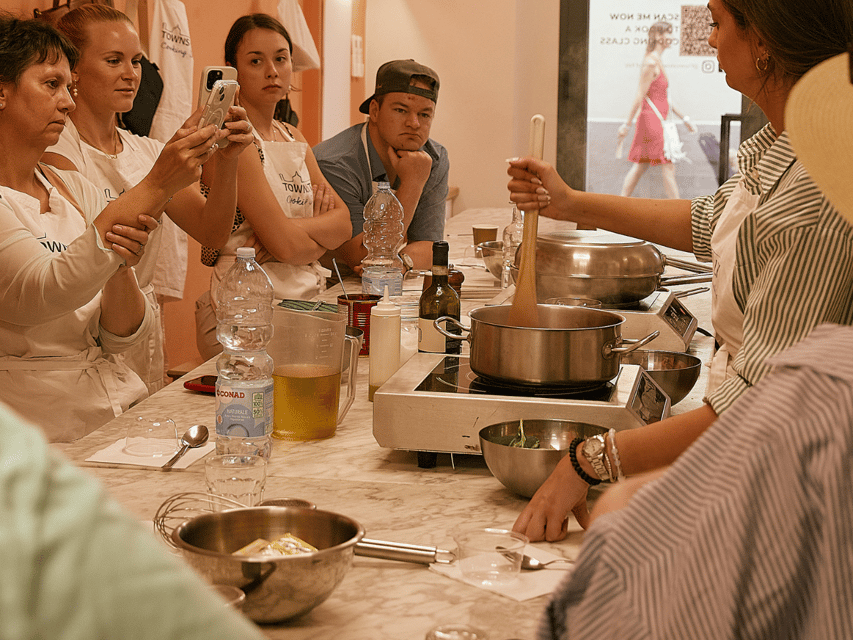
The strongest part is the combination of structure and conversation. You have clear jobs to do, but there is also time to taste, ask questions, share wine, and talk with people at your table. That makes the class feel closer to a friendly Italian meal than a formal school lesson.
More Market Cooking Classes in Florence
- Cooking Class and Lunch at a Tuscan Farmhouse with Local Market Tour from Florence
★ 5.0 · 4,831 reviews - Small Group Cooking Class & Market Food Tour in Florence
★ 5.0 · 1,574 reviews - Pasta and Tiramisu Cooking Class with optional Local Market Tour
★ 5.0 · 515 reviews
The Central Market puts the recipes in context
The market tour gives you a useful introduction to the ingredients before you handle them. With an English-speaking chef, you walk through Florence’s historic Central Market and learn how Italian cooks shop for a family meal.
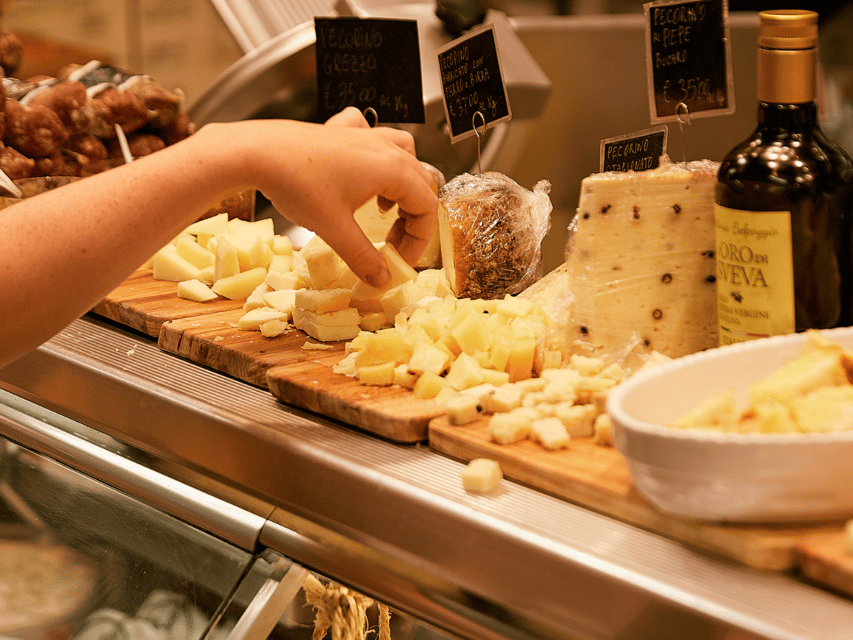
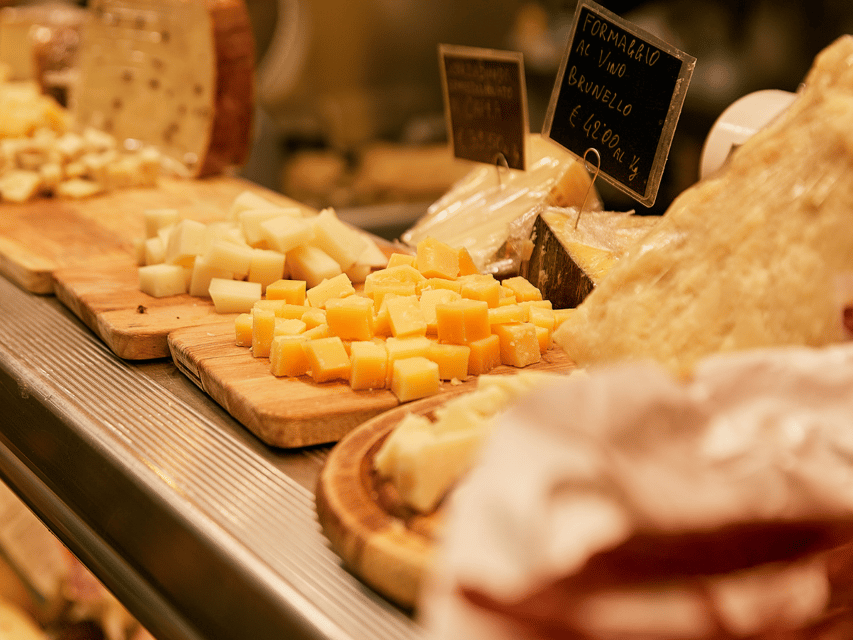
This is not just a quick pass through food stalls. The experience includes tastings of local products such as cured meats, cheeses, olive oils, balsamic vinegar, and truffle specialties. One particularly popular stop is a truffle stall, where you can compare products and learn what to look for before deciding what is worth buying.
The value here is practical. You learn why one olive oil tastes peppery and another feels mild. You get a clearer idea of how balsamic vinegar differs by age and use. You can also ask questions about seasonal produce and local ingredients that might otherwise look familiar but remain hard to identify.
The market is also a good place to see how food fits into everyday Florentine life. Your chef may explain how to speak with a butcher or greengrocer, how to select fresh ingredients, and how Italian households build a meal around what looks best that day.
There is one limitation. The market can be loud, and large groups may spread along narrow walkways. If you are at the back, it can be difficult to hear every explanation. Stay close to the chef during this portion, especially if your group is larger.
On Sundays, the Central Market is closed. In that case, you skip the market and usually spend more time cooking. That is not the same experience, so check the date and option carefully if the market is a major reason for booking.
Fresh pasta is the hands-on centerpiece
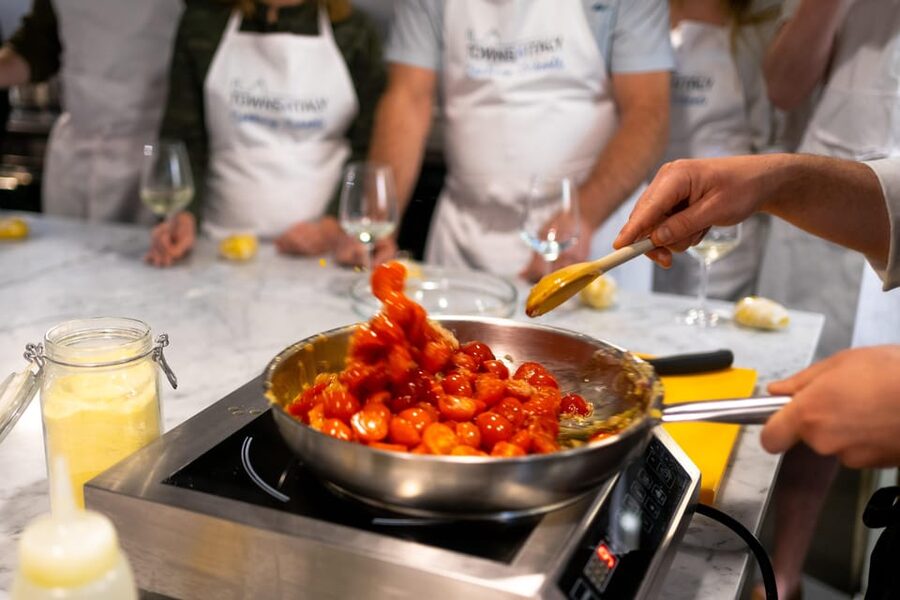
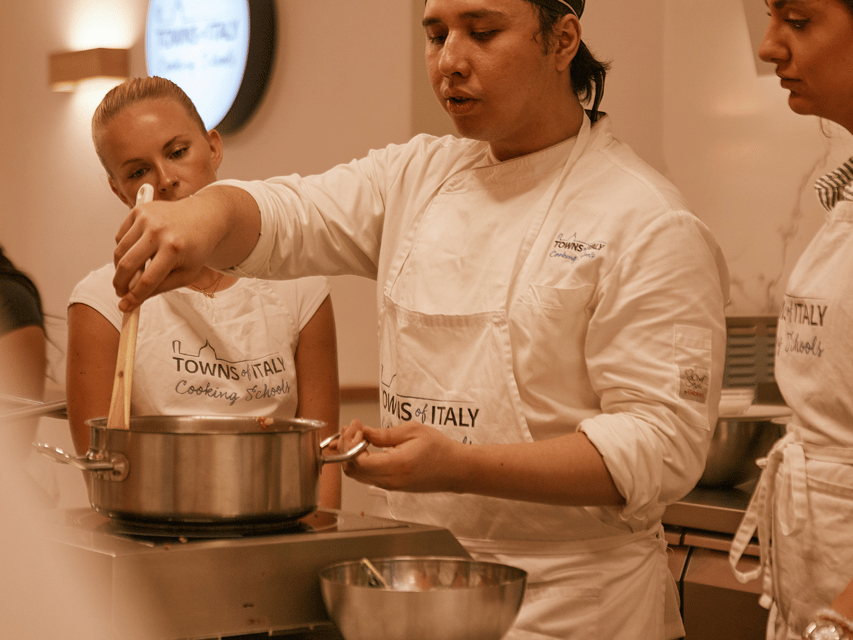
Back at the cooking school, you work beside the chef rather than simply watching a demonstration. You receive the ingredients and tools, then take part in preparing the pasta and sauces.
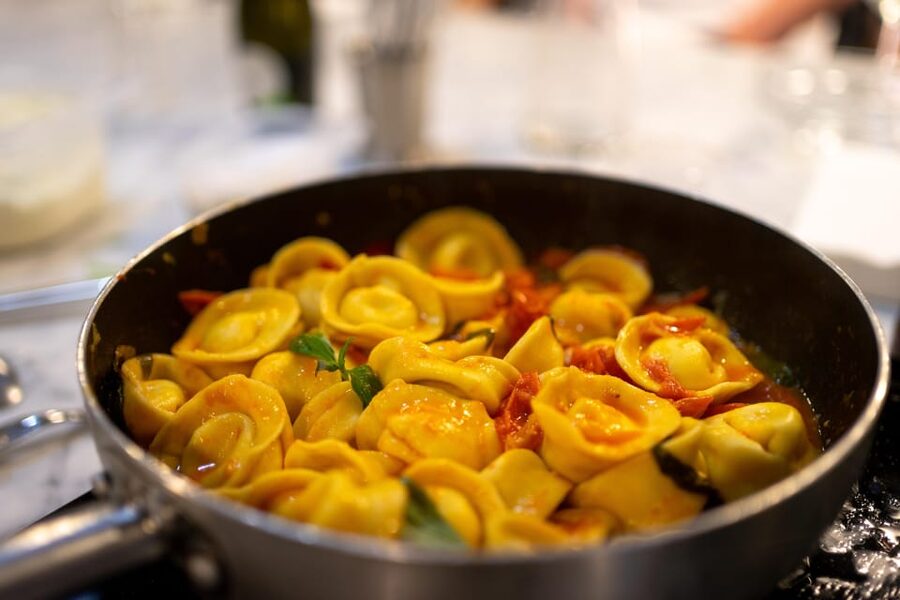
The exact dishes can vary, but the class includes handmade fresh pasta, seasonal sauces, and a traditional lasagna workshop. Several menus have included tagliatelle, ravioli, meat ragù, pesto, and ricotta and spinach ravioli with sage butter.
The pasta lesson is especially useful because it focuses on technique rather than a single recipe. You learn how to mix and work the dough, roll it, and shape different forms. The chef can explain how thickness changes the finished dish and why certain sauces suit certain pasta shapes.
The lasagna portion connects the lesson to the tradition of Nonna Wilma, whose family-style cooking inspired the school. You prepare fresh pasta and Bolognese ragù as part of the dish. Lasagna is a UNESCO-protected Italian tradition, but the practical lesson matters more than the label: you see how basic dough, sauce, and patience become a meal for a group.
Do not expect every participant to make an entirely separate menu from start to finish. Some sauces and shared elements are prepared as a group, while pasta and tiramisù involve more individual work. That arrangement keeps the class moving and lets you eat several dishes without turning the session into a marathon of repetitive chopping.
You should also expect a little waiting. Pasta needs attention, sauces need time, and the kitchen has to coordinate several people. The pauses are filled with tastings, wine, conversation, and teaching, so the pace feels relaxed rather than rushed.
Tiramisù adds an easy win for beginners
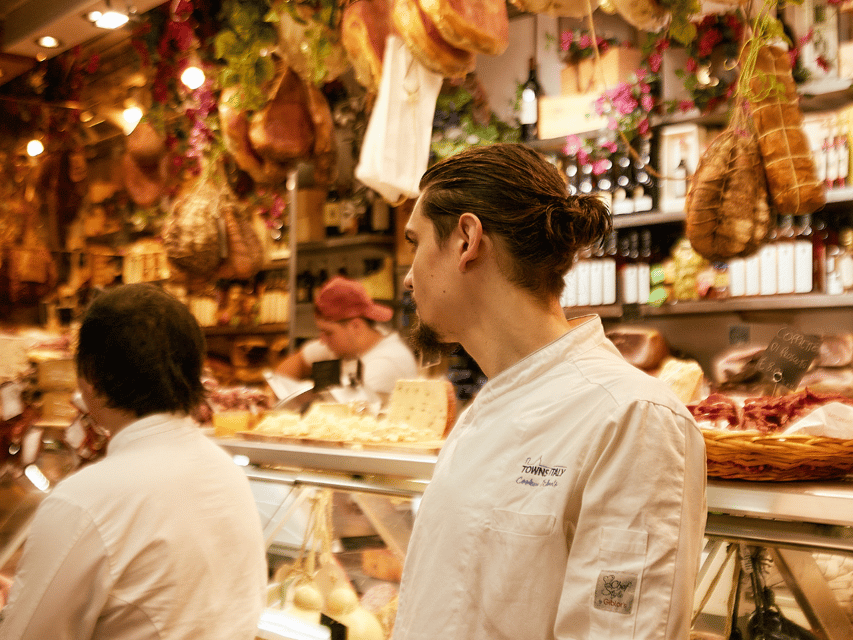
The tiramisù session is a good balance to the pasta work. You prepare the dessert from scratch, learning the basic order of ingredients and how the coffee, cream, and biscuits come together.
This part is approachable for children, teenagers, and adults who do not cook much. One past class even offered an alternative for someone who did not want coffee, but you should request dietary or ingredient changes in advance rather than count on a last-minute substitution.
The dessert also gives you something easy to recreate at home. The digital recipe booklet includes the class recipes, so you do not need to take hurried notes while your hands are covered in flour.
More Market Cooking Classes in Italy
- Florence: Cooking Class at a Tuscan Farm & Local Market Tour
★ 4.9 · 354 reviews - Florence Cooking Course with Historic Local Market Visit
★ 4.5 · 151 reviews - Florence: Market to Table Cooking Lesson
★ 4.6 · 96 reviews - Florence: Market Visit and Cooking Class
★ 4.4 · 16 reviews
The meal is part of the lesson
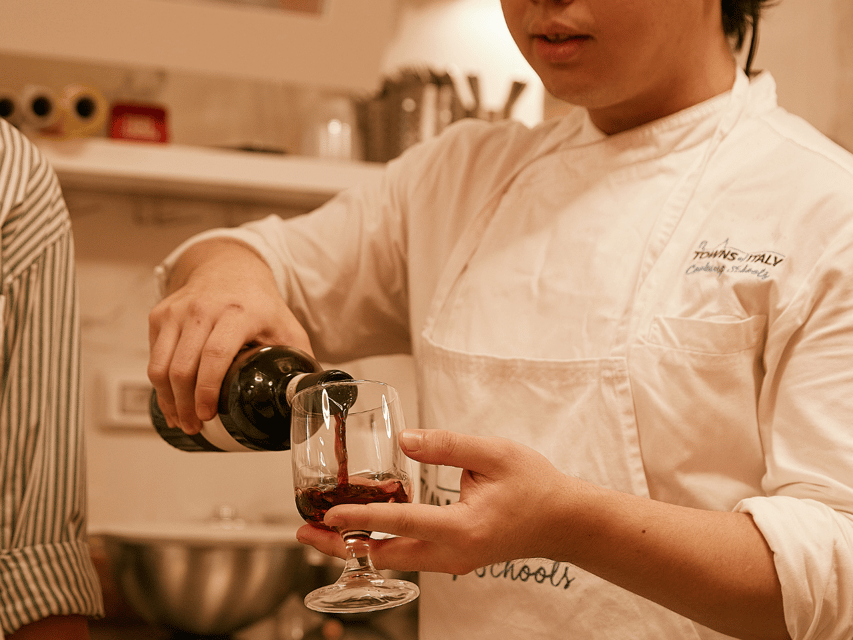
The final meal is not an afterthought. You sit down with the dishes prepared during the class, along with Tuscan wine and a specialty dessert wine.
That shared table is where the social side of the experience pays off. Solo participants can meet people without needing to arrange a separate evening out. Couples and families get an activity that involves everyone, including teenagers who may not care much about museums or long walking tours.
The wine pairing is included, and the atmosphere is described as relaxed and festive. Still, the wine is one reason this works better for adults and families who are comfortable with a meal centered on alcohol. Children under 18 must be accompanied by an adult.
The meal can also run late compared with the start time. One participant noted that lunch did not begin until around 1 p.m., so have breakfast and coffee beforehand. You will be tasting at the market, but those samples are not a full meal.
The chefs shape the experience
The school has several instructors, and the teacher matters in a hands-on class. Alice has led sessions praised for clear instruction and an easy sense of humor. Roberta is known for keeping the group informed while making the class fun. Victoria has worked with families and is praised for patience and local cooking tips.
Federico, Federico P., Federico A., Lisa, Tommaso, Stefano, Alicia, David, and Jon have also led sessions. The common thread is an English-speaking chef who works directly with the group and offers practical corrections as you cook.
You should not expect a completely scripted performance. The best moments often come from questions, small adjustments, and the chef’s explanation of why a local technique works. If you want the most personal help, a smaller group is preferable. Some sessions have had only four to six people, while a larger group can make the market portion harder to hear.
The class is described as the original Florence cooking school, with more than 20 years of experience. That history matters mainly because the format is well established: market, kitchen, meal, and recipes. It does not mean every session will feel identical, since the chef, group size, market conditions, and menu can change.
What to bring and how to plan the day
Wear comfortable clothes and shoes. You will walk through the market, stand in the kitchen, handle dough, and move between work areas.
Arrive at least 15 minutes before the scheduled start. The tour begins at the exact time, and late arrivals may not be admitted or refunded. The meeting point can vary by option, so check your confirmation rather than assuming every class begins at the same place.
The listed duration is three to five hours. A market tour plus a full cooking session and meal can take most of a morning or afternoon, and one longer account described a six-hour experience. I would avoid scheduling a museum reservation or train immediately afterward.
The activity does not include hotel pickup or drop-off. The cooking school is centrally located and described as an easy walk from the city center, but you need to make your own way there.
Tell the provider about allergies, food intolerances, special needs, or mobility concerns when booking. Vegetarian recipes are available with advance notice. The class is not suitable for vegans, people with celiac disease, or people with gluten intolerance. It is also not recommended for people with mobility impairments.
Who will get the most from this experience
I would choose this for a couple wanting a shared activity, a solo visitor hoping to meet people, or a family with older children and teenagers. It works particularly well when you want a break from churches and galleries but still want a strong connection to Florence.
It is also a good choice for anyone who wants to bring home a skill rather than only a photograph. The recipes, certificate, and market lessons give the experience a life beyond the afternoon.
You may prefer the shorter three-hour pasta and gelato option if your schedule is tight. That version skips the market and focuses on fresh egg pasta, two or three pasta shapes, seasonal sauces, and a gelato demonstration.
The cappuccino and tiramisù option is shorter still. You make moka coffee, practice frothing cappuccino, prepare tiramisù, and finish with a small Italian pastry. These alternatives make sense if you want one focused skill instead of a longer meal-centered experience.
Is $63 a fair price?
Yes, provided you want the complete package. A market walk with tastings, several cooking projects, a full meal, wine, recipes, and a certificate add up quickly if arranged separately.
The value is strongest for people who will actually use the recipes at home. If you only want to eat and take a quick class photo, the price may feel less compelling. You spend several hours cooking, so this is an activity rather than a simple food tasting.
I also like that the class includes the ingredients and professional tools. You do not need to buy supplies or carry equipment around Florence. The main cost beyond the ticket is the time commitment.
Should you book this Florence cooking class?
Book it if you want a social, hands-on introduction to Tuscan food and can spare three to five hours. The market visit, small-group teaching, fresh pasta, lasagna, tiramisù, and shared wine meal give you a fuller experience than a basic pasta workshop.
Choose another activity if you are vegan, gluten-free, have celiac disease, dislike group cooking, or need a fully accessible experience. If the Central Market is essential, avoid Sunday or confirm that your selected option includes it.
For everyone else, this is a practical and enjoyable Florence activity. Come with breakfast in you, stay close to the chef in the market, arrive early, and be ready to work with your hands.
FAQ
How long does the Florence cooking class last?
The listed duration is three to five hours. Longer sessions are possible, so avoid placing an important reservation immediately afterward.
What food will I make?
The experience includes fresh handmade pasta, seasonal sauces, traditional Nonna’s lasagna with Bolognese ragù, and tiramisù. Menus can vary, and past sessions have included tagliatelle, ravioli, pesto, and ricotta and spinach ravioli.
Is the Central Market tour included?
The full market option includes a guided visit to Florence’s Central Market with tastings of local specialties. The market is closed on Sundays, so Sunday sessions may replace the visit with additional cooking time.
Is wine included?
Yes. The meal includes Tuscan wine, and a specialty dessert wine is served with the sweet finish.
Can vegetarians join the class?
Yes. Vegetarian and other alternative recipes are available, but you should provide your dietary information in advance.
Is the class suitable for people with celiac disease or gluten intolerance?
No. The activity is not suitable for people with celiac disease or gluten intolerance. It is also not suitable for vegans or people with mobility impairments.
More Food and Drink Tours in Florence
- Florence Central Market Food Tour with Eating Europe
★ 5.0 · 224 reviews - The Original Florence Street Food & Market Tour (by Streaty)
★ 5.0 · 158 reviews - Florence Street Food Walking Tour with wine in Duomo Area
★ 5.0 · 68 reviews - Florence Street Food Tour: Central Market & Duomo Area
★ 4.9 · 45 reviews
More Cooking Classes in Florence
- Florence: Market and Cooking Class at a Local’s Home
★ 5.0 · 9 reviews - Florence:Dolce Vita by Day Market Tour & Pasta Making Class
★ 5.0 · 2 reviews - Hanoi Cooking Class: Culture, Local Market & Meaning CSR Impact
★ 5.0 · 5,147 reviews - 5 Traditional Dishes Hanoi Cooking Class with Market Trip
★ 5.0 · 4,890 reviews
Just added around Florence
- Florence: Markets and Food Tasting Tour★ 5.0 · 2 reviews
- Florence: Market Visit and Cooking Class★ 4.4 · 16 reviews
- Florence:Dolce Vita by Day Market Tour & Pasta Making Class★ 5.0 · 2 reviews
- Florence: Sant’Ambrogio Market Food Tour of 10+ Local Dishes★ 4.6 · 21 reviews
- Florence: Market and Cooking Class at a Local’s Home★ 5.0 · 9 reviews
- Florence Street Food Tour: Central Market & Duomo Area★ 4.9 · 45 reviews
- Florence Central Market Food Tour with Eating Europe★ 5.0 · 4 reviews
- The Original Street Food & Market Tour of Florence★ 5.0 · 3 reviews
Market Cooking Classes, compared.
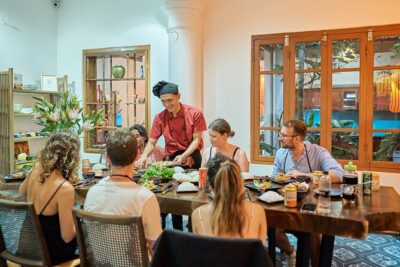
Hanoi Cooking Class: Culture, Local Market & Meaning CSR Impact
Read our review →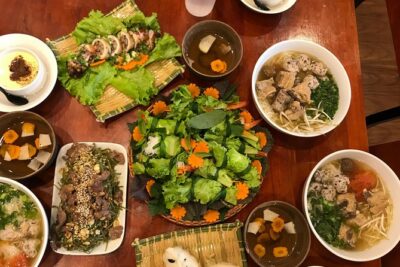
5 Traditional Dishes Hanoi Cooking Class with Market Trip
Read our review →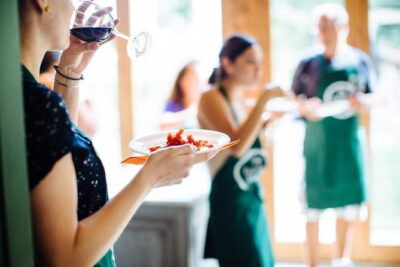
Cooking Class and Lunch at a Tuscan Farmhouse with Local Market Tour from Florence
Read our review →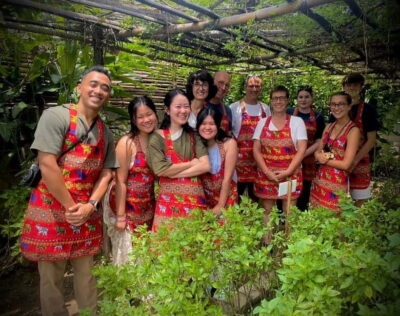
Cooking Class, Market & Thai Herbs Garden Tour
Read our review →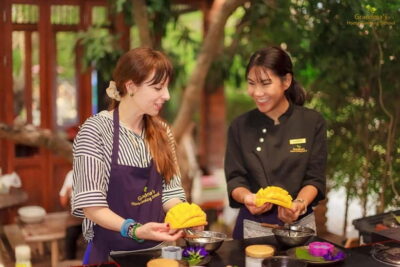
Authentic Cooking Class with Market & Farm Visit
Read our review →
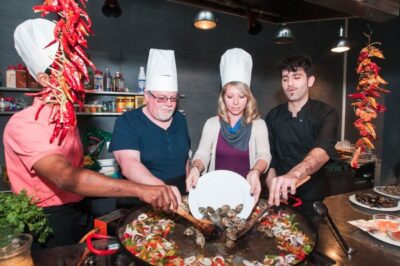
Paella Cooking Experience & Boqueria Market Tour
Read our review →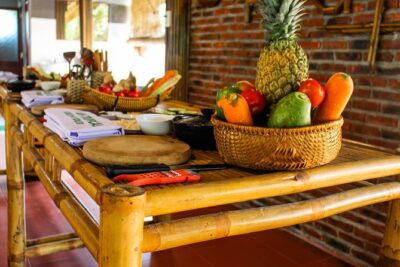
Cooking Class Hoi An:Local Market, Basket Boat, Fishing & Cooking
Read our review →Browse the lists this tour appears in