
Review · PORTUGAL
Lagos: Market Tour and Cataplana Cooking Class
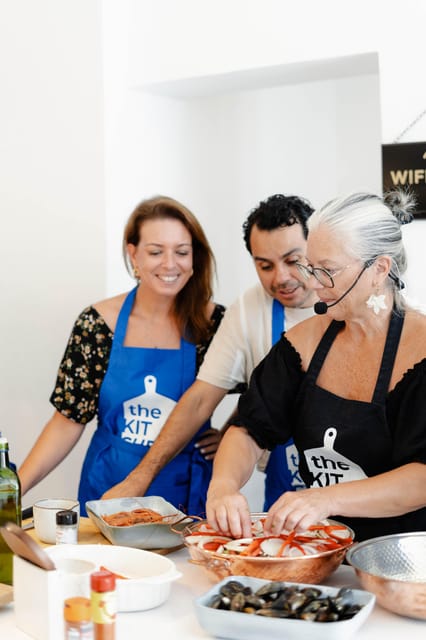
Lagos’s Municipal Market is not just a place to buy ingredients here. It is the opening chapter of the meal. You choose seafood and vegetables with a chef, then carry that market knowledge into a hands-on class centered on cataplana, the Algarve’s famous seafood dish cooked in a hinged pan. Joana and Margarita have led this experience with a warm, personal touch, including a family-style feel that suits the setting.
I like the way the class connects shopping, cooking, and eating instead of treating them as separate activities. I also like the small group limit of eight people, which gives you a better chance to ask questions and take part. The one consideration is that the cataplana broth may taste mild if you prefer strong seasoning, so this is best for cooks who enjoy fresh, clean seafood flavors.
Key points to know
- The market visit comes first: Choose the seafood and vegetables with your chef at Lagos Municipal Market.
- Cataplana is the main lesson: Learn how to prepare the ingredients, assemble the traditional pan, and cook the dish.
- Your meal is included: Sit down to an appetizer, the cataplana, dessert, water, and two glasses of wine.
- The group stays small: With no more than eight participants, the class feels more personal than a large demonstration.
- You receive the recipe afterward: A PDF lets you try the dish again at home.
- Languages are flexible: Instruction is available in English, French, and Portuguese.
Starting with seafood at Lagos Municipal Market
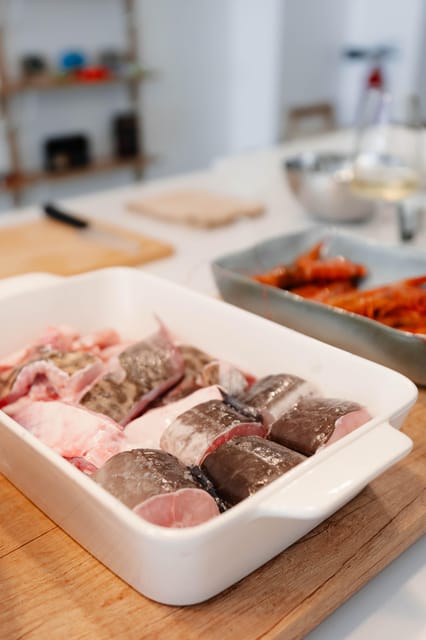
The experience begins in the Municipal Market of Lagos, where the chef helps you select the ingredients for the meal. This matters because cataplana is built around freshness. Rather than arriving at a kitchen with a fixed tray of food, you see the seafood before it reaches the pan and learn how the dish begins at the market.
The market stop also gives the class a local anchor. You are not simply learning a Portuguese recipe in a cooking studio. You are connecting the recipe to the place where people shop for seafood and vegetables in Lagos. The chef explains what to choose and how those ingredients will work together later.
You should expect this part to be guided rather than a free period to browse on your own. The point is to follow the chef’s choices and understand the ingredients needed for the cataplana. That makes the experience useful for cooks who want more than a quick demonstration, especially if you are curious about how Portuguese seafood dishes are planned.
A market visit can also make the cooking lesson easier to remember. You have seen the raw ingredients, handled the selection process, and then watched them become lunch or dinner. That full sequence gives the meal a stronger sense of place than a standard cooking class held entirely indoors.
More Market Cooking Classes in Portugal
- Porto Local Market Visit & Cooking Class / Showcooking
★ 5.0 · 206 reviews - Lisbon Market and Food Tour with Cooking Class and Lunch
★ 5.0 · 117 reviews - Chef Led Porto Market Tour and Portuguese Tapas Class with Wine
★ 5.0 · 92 reviews
Learning why cataplana matters in Algarve cooking
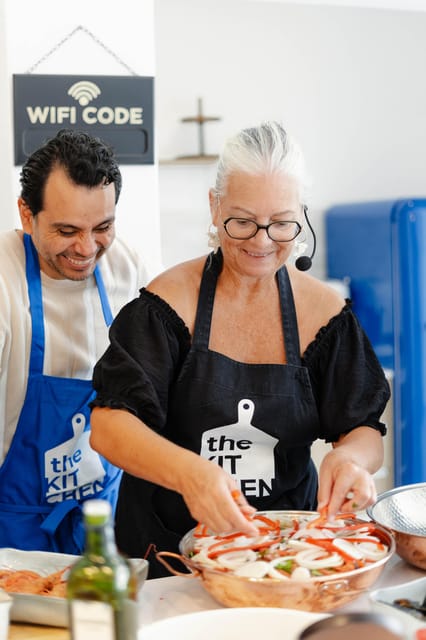
Cataplana is both a dish and a piece of cooking equipment. The traditional pan has two hinged halves that close together, helping the ingredients cook in their own moisture. During the class, you learn how to assemble the pan and how the seafood and vegetables come together inside it.
The chef also explains the dish’s place in Portuguese food culture. That context is useful because it helps you understand why the cooking method works. Cataplana is not meant to bury seafood under heavy seasoning. Its appeal comes from the way fresh ingredients combine with an aromatic cooking liquid.
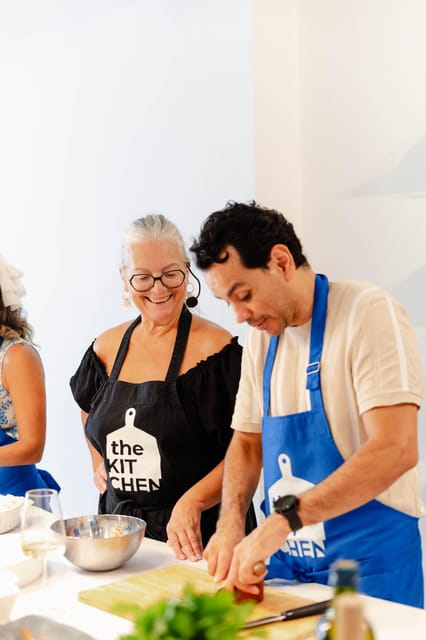
You will prepare the seafood and other ingredients, then follow the cooking process step by step. The class is designed to teach techniques you can repeat, not just let you watch someone else do the work. That distinction is important. A demonstration may entertain you for an hour, but a hands-on class gives you a better chance of remembering what to do in your own kitchen.
The lesson is also suitable for mixed experience levels. You do not need to be an expert cook to take part, but you should be willing to work as part of a small group. The supplied equipment and ingredients are included, so you can focus on the method rather than bringing tools or shopping for specialty items yourself.
Cooking together in a group of eight
The group size is limited to eight participants. That is a useful middle ground. You get the social feel of a shared meal, but the class should not feel like a large lecture where you are stuck watching from the back.
The experience has a communal rhythm. You shop together, prepare the dish together, and eat together. That suits solo visitors, couples, friends, and families who want a food activity with some conversation built in. An 11-year-old participant was especially engaged by the market visit and cooking process, which suggests the class can work well for families when children enjoy practical activities.
The teaching style appears friendly and patient. Joana and Margarita have been praised for making participants feel as if they were visiting their own home rather than attending a stiff lesson. That personal tone is one of the strongest reasons to choose this class over a more formal cooking school.
Still, remember that small-group cooking is shared cooking. You may not control every part of the dish, and the pace will depend on the people in your group. If you want a private lesson built entirely around your own tastes, this group format may not be the right fit. If you enjoy meeting people over food, the arrangement is more appealing.
From prepared ingredients to a finished cataplana
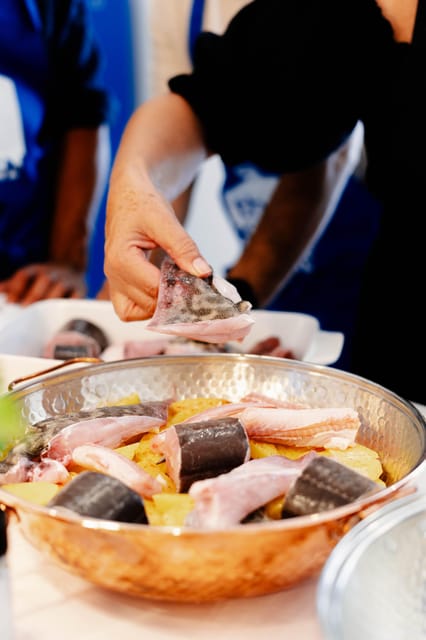
Once the market choices are made, the class turns to preparation. You learn how to handle the seafood and supporting ingredients, then arrange them in the cataplana pan. The chef explains the order of the steps and how to bring the flavors together.
This is where the market visit pays off. You are not using anonymous ingredients from a prepacked kit. You have already seen the seafood selected, and now you can follow its progress through the cooking process. The lesson gives you a better sense of how the dish is built and how the pan helps produce its final texture.
The cooking is practical, but it is not presented as a professional chef’s exam. You are there to learn and enjoy yourself. The instructors’ patient approach is helpful if you are unsure about handling seafood or using the traditional cookware.
Seasoning deserves a small note of caution. One participant felt the cataplana broth could have been more highly seasoned. That is not a major flaw, but it tells you what kind of dish to expect. The recipe leans on the natural taste of the seafood and vegetables rather than a forceful sauce. You can ask about seasoning during the class and make notes for your version at home.
Same stalls, a different way to shop and eat:
- Private Lisbon Market Tour & Portuguese Cooking Class with Paula
★ 5.0 · 89 reviews - Arrábida Jeep Tour – Incredible Market & Hidden Gems
★ 5.0 · 61 reviews - Lisbon: Local Market, Food, and Culture Walking Tour
★ 4.7 · 40 reviews - Authentic Market & Food Tour in Portimão, Algarve
★ 5.0 · 38 reviews
Sitting down to the full Algarve meal
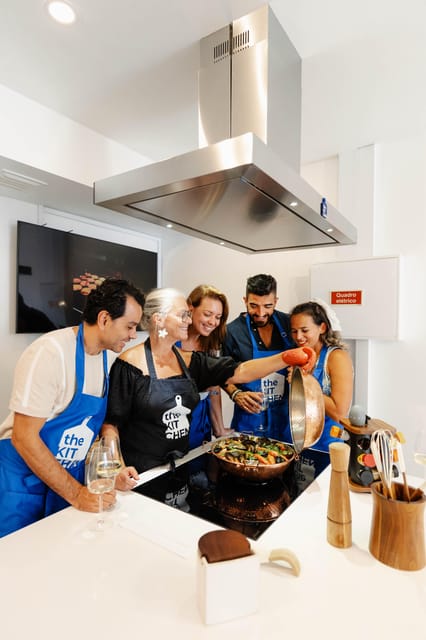
The meal includes more than the cataplana itself. You receive an appetizer, the main dish you prepare, dessert, water, and two glasses of wine. At $117 per person, that full package is important when judging the price.
You are paying for a three-and-a-half-hour experience, not only for a recipe lesson. The cost covers the market guidance, ingredients, cookware, instruction, and a complete meal with drinks. If you already plan to eat out in Lagos, the class can offer solid value because your meal is part of a longer cultural activity rather than a separate restaurant bill.
The wine also helps turn the cooking into a relaxed shared occasion. Two glasses are included, which is enough to accompany the meal without making the drink portion the main attraction. Water, an appetizer, and dessert make the experience feel like a complete sitting rather than a taste of the dish you prepared.
The food you make is the centerpiece, and the satisfaction comes from having a hand in it. You are not simply served a cataplana and told its background. You have helped select the seafood, prepared the components, and learned how the pan is used. That makes the final meal more personal.
Keep in mind that the class is focused on cataplana. If you want a broad survey of several Portuguese dishes, this may feel narrow. If you want to learn one traditional Algarve specialty well enough to repeat it, the focus is a strength.
A recipe you can use after returning home
At the end, you receive a PDF of the recipe. This is one of the most useful parts of the experience because it gives the lesson a life beyond Lagos. Recipes learned during a busy class can disappear quickly if you rely only on memory, so having written instructions makes a repeat attempt more realistic.
The recipe also helps you adapt the dish to your own kitchen. You may not have the same cookware or seafood selection at home, but the written guide gives you a reference point. You can compare the ingredients available where you live and remember the assembly and cooking method from the class.
The strongest takeaway is not only the finished meal. It is learning how to choose the seafood, prepare the ingredients, use the cataplana pan, and balance the cooking liquid. That knowledge gives you more freedom than a recipe card alone.
If you cook the dish again, you can also adjust the seasoning to your preference. Someone who likes a bolder broth may want to add more seasoning at home, while someone who prefers delicate seafood flavors can keep the gentler approach used in class.
Who will enjoy this Lagos cooking class
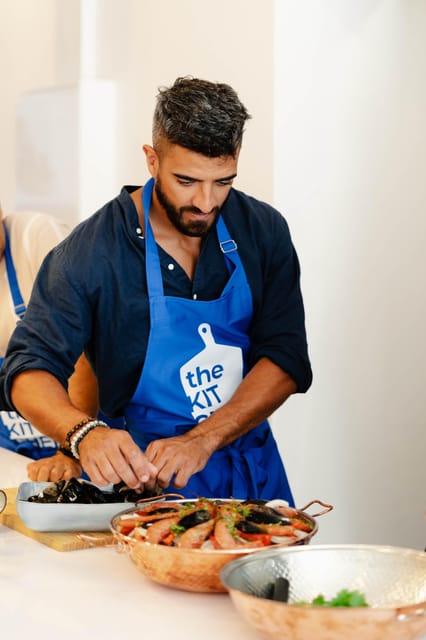
I would recommend this experience most strongly to:
- Food-focused visitors who want a local activity tied to Portuguese ingredients and daily life.
- Couples looking for a shared date activity that ends with a full meal.
- Families with older children who enjoy markets, practical tasks, and eating what they helped prepare.
- Beginner and intermediate cooks who want to learn a traditional dish without buying all the ingredients and equipment first.
- Solo visitors who like meeting a small group around a table.
- People staying in Lagos for several days who want an activity beyond the usual coastal sightseeing.
It may be less suitable if you dislike seafood, want a private cooking session, or prefer a fast activity. Three and a half hours is a meaningful part of your day. The time works well for people who want the meal and the social experience, but not for anyone trying to squeeze in several attractions before lunch.
The language options are English, French, and Portuguese. That broad choice makes the class easier to follow for many visitors, though you should select the language that lets you ask cooking questions comfortably.
Timing, price, and practical value
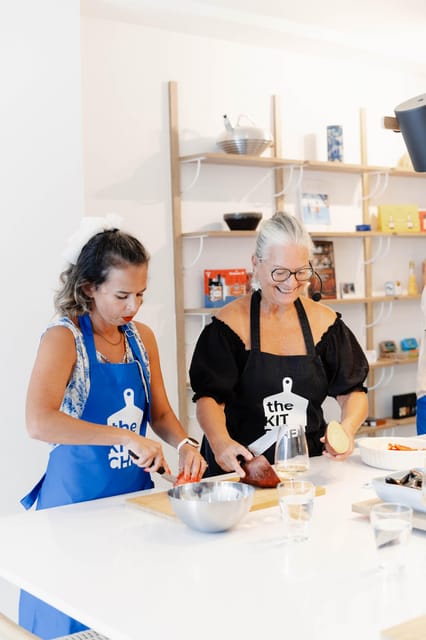
The activity lasts three hours and 30 minutes. That gives enough time for the market, preparation, cooking, and meal without turning the lesson into a rushed photo stop. Check the available starting times before booking, since the exact schedule is not fixed in the information provided.
The price is $117 per person. I see the value in it if you would pay for a good meal anyway and want more than a restaurant table. Included are the market visit, ingredients, traditional cookware, instruction, appetizer, dessert, water, two glasses of wine, and the recipe PDF.
The small group adds value, too. You are paying for access to a chef-guided experience rather than only for food. The main question is how much you value participation. If you want to cook and learn, the price is easier to justify. If you only want to eat cataplana, a restaurant will likely be a simpler choice.
You can reserve now and pay later, which keeps your plans flexible. Cancellation is free up to 24 hours in advance for a full refund. Those terms are useful in the Algarve, where weather and changing day plans can affect a short stay.
Should you book the Lagos cataplana class?
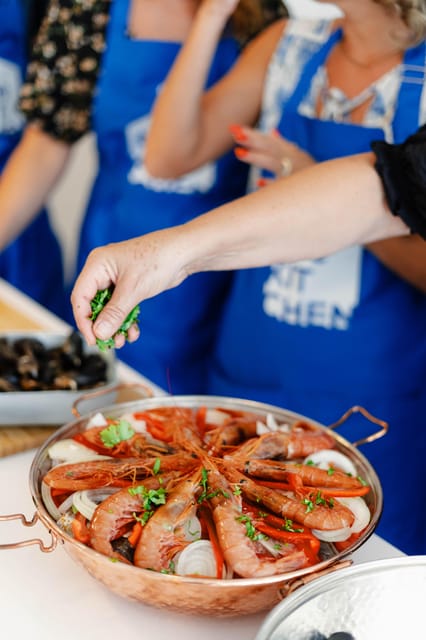
Book it if you want to understand the Algarve through its food, not just photograph its coast. The market visit, hands-on preparation, shared meal, and recipe for home give you a complete experience in one morning or afternoon.
I especially like this class for couples and families because it creates several natural moments to share: choosing seafood, working around the pan, and tasting the finished dish. The warm instruction associated with Joana and Margarita also makes it a good pick if you prefer a welcoming class over a polished but impersonal demonstration.
Skip it if you dislike seafood, need a private format, or want a menu with several different dishes. Also keep your seasoning preferences in mind. The cataplana may be served with a lighter broth than some diners expect.
For most food-minded visitors in Lagos, the combination of local market shopping and practical cooking makes this a worthwhile use of three and a half hours. You leave with a meal in you, a recipe in your inbox, and a better understanding of one of the Algarve’s signature dishes.
FAQ
How long does the Lagos cataplana cooking class last?
The experience lasts three hours and 30 minutes.
Where does the experience begin?
It begins with a guided visit to the Municipal Market of Lagos, where you select fresh seafood and vegetables with the chef.
What dish will I learn to cook?
You will learn to prepare cataplana, a traditional Portuguese seafood dish associated with the Algarve.
Is the meal included?
Yes. The experience includes an appetizer, the cataplana you prepare, dessert, water, and two glasses of wine.
Are ingredients and cookware provided?
Yes. All ingredients and the traditional cookware needed for the class are included.
Will I receive the recipe afterward?
Yes. You receive a PDF of the cataplana recipe so you can recreate it at home.
What languages are available?
Instruction is available in English, French, and Portuguese.
How many people are in the group?
The activity is offered as a small group limited to eight participants.
More Markets in Portugal
- Setúbal: Winery & Fish Market Tasting Tour from Lisbon
★ 5.0 · 35 reviews - Madeira : Santo de Serra Local Farmers’ Market half day trip
★ 4.3 · 26 reviews - Bolhão Market Guided Food Tour
★ 4.5 · 23 reviews - From Market to Table with Paula (Loulé) – Private Cookery Class
★ 5.0 · 21 reviews
More Cooking Classes in Portugal
- Porto Market Tour & Cooking Class – Half Day
★ 5.0 · 34 reviews - Porto: Local Market Tour & Cooking Class/Showcooking
★ 4.9 · 32 reviews - Porto: Cooking Class with Local Market Visit
★ 5.0 · 15 reviews - Lisbon: Market Experience & Cooking Class
★ 5.0 · 9 reviews
Just added around Portugal
- From Market to Table with Paula (Loulé) – Private Cookery Class★ 5.0 · 21 reviews
- West Algarve Tour Visit Tavira Olhão Market and Ayamonte in Spain★ 5.0 · 2 reviews
- Quarteira Town & Gypsy Market Tour with Beach Bliss★ 3.5 · 14 reviews
- Loulé Market and Town Half-Day Bus Round Trip from Albufeira★ 4.5 · 14 reviews
- Loule Traditional Market Tour★ 4.5 · 17 reviews
- Quarteira Market & Town Bus Trip from Albufeira★ 4.0 · 13 reviews
- Authentic Algarve: Loulé Town Tour and Markets★ 4.0 · 19 reviews
- Algarve Wines Tasting Shared Experience at Mercado Municipal de Silves★ 5.0 · 11 reviews
Market Cooking Classes, compared.
Hanoi Cooking Class: Culture, Local Market & Meaning CSR Impact
Read our review →
5 Traditional Dishes Hanoi Cooking Class with Market Trip
Read our review →
Cooking Class and Lunch at a Tuscan Farmhouse with Local Market Tour from Florence
Read our review →
Cooking Class, Market & Thai Herbs Garden Tour
Read our review →
Authentic Cooking Class with Market & Farm Visit
Read our review →
Paella Cooking Experience & Boqueria Market Tour
Read our review →
Cooking Class Hoi An:Local Market, Basket Boat, Fishing & Cooking
Read our review →Browse the lists this tour appears in