
Review · LIMA
Lima: Market Tour and Cooking Class with Pisco Sour
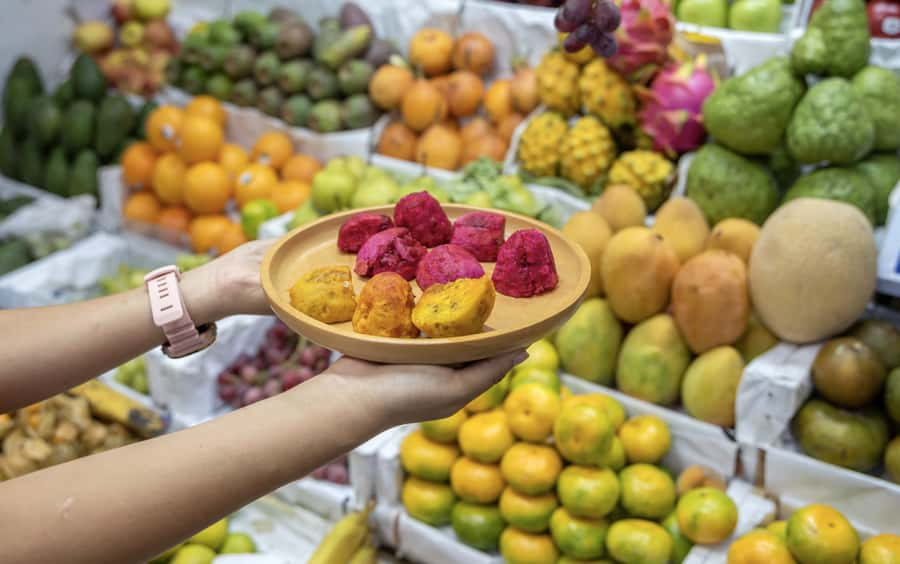
Surquillo Market is the star here. You get a close look at the produce, meet local vendors, taste four unusual fruits, then use Peru’s everyday ingredients in a nearby restaurant kitchen. The market-to-table flow gives the food real context instead of treating each dish as a sample on a plate.
I like the small group, capped at 10, and the clear hands-on format. I also like that guide Shayla has been praised for her Peruvian facts and translation during the class. The main consideration is that you will spend much of the 150 minutes standing, and this outing is not suitable for wheelchair users, pregnant women, or people with food allergies.
Key points at a glance
- Four fruit tastings at Surquillo Market: Learn how local produce fits into Peruvian food and culture.
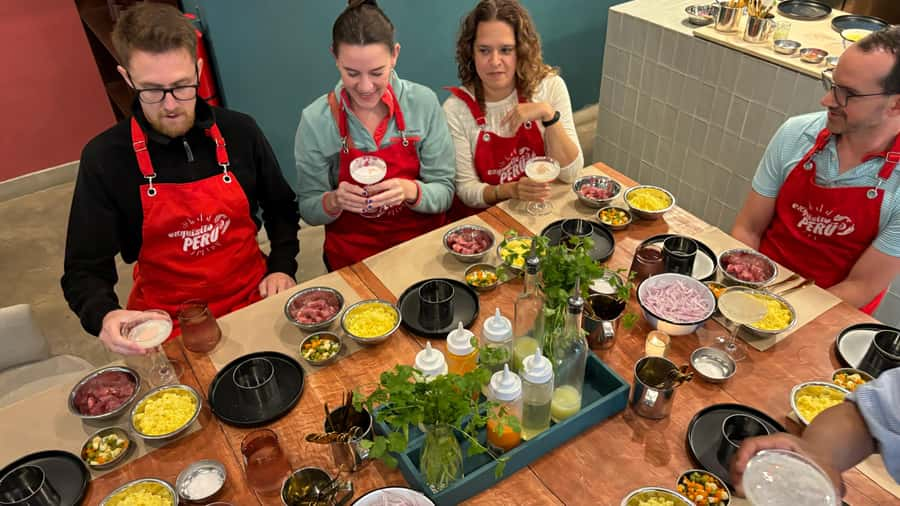
- Three classic recipes: Prepare ceviche, causa rellena, and a pisco sour with a local chef and bartender.
- A small group of 10 or fewer: The size should make it easier to ask questions and get practical help.
- English support throughout: Guide Shayla has been praised for clear translation during the cooking class.
- A full meal, not just a lesson: Sit down with your finished dishes, cocktail, and a traditional dessert.
- A central Miraflores meeting point: Meet outside the Holiday Inn Lima Miraflores, not at its Ricardo Palma Avenue entrance.
Why this Lima food tour works so well
Peruvian food can seem like a list of famous dishes: ceviche, potatoes, corn, pisco. This experience shows you how those pieces connect. You begin with ingredients at Surquillo Market, then take what you have learned into a cooking class and turn it into lunch or an early dinner.
That progression matters. At the market, you can see the range of produce before hearing how it is used. In the kitchen, ceviche is no longer just a cold fish dish. Causa is not simply a bright yellow potato cake. You get a better sense of the work behind both recipes and the balance of flavors that makes them so popular.
The experience lasts 2.5 hours, which is long enough to include a market visit, three preparations, a meal, and dessert without turning into an all-day commitment. At $59 per person, I see solid value if you want food, instruction, and a proper meal in one booking. It is less attractive if you prefer a quick market walk or already know Peruvian cooking well.
More market cooking classes in Peru:
- Cusco: Peruvian Cooking Class, Cocktails & Local Market Tour
★ 4.9 · 512 reviews - Cooking class and market tour with a local chef
★ 5.0 · 186 reviews - Market Tour, Tasting of 35 Fruits, and 4-Course Peruvian Cooking Class in Lima
★ 5.0 · 86 reviews
Meeting at the right Holiday Inn entrance
The meeting point is outside the Holiday Inn Lima Miraflores at Calle Alfonso Ugarte 117. This detail matters because the hotel has another entrance on Ricardo Palma Avenue. Go to the Calle Alfonso Ugarte side and look for the guide wearing a red lanyard with the Exquisito Peru logo.
You arrange your own way to the meeting point. Hotel pickup and drop-off are not included, so allow enough time to reach Miraflores before the start time. Starting times vary, and you need to check availability for the date you want.
The tour is conducted in English. A group limit of 10 keeps the setup personal enough for questions, tasting, and hands-on work. Guide Shayla received particular praise for translating clearly during the cooking class, a useful benefit when a chef is explaining techniques and ingredients in real time.
Four fruits and the food of Surquillo Market
The market portion begins with a guided walk through Surquillo Market. Expect rows of produce, ingredients, and local food items rather than a polished food hall. The appeal is the direct contact with the place where many Lima kitchens source their basics.
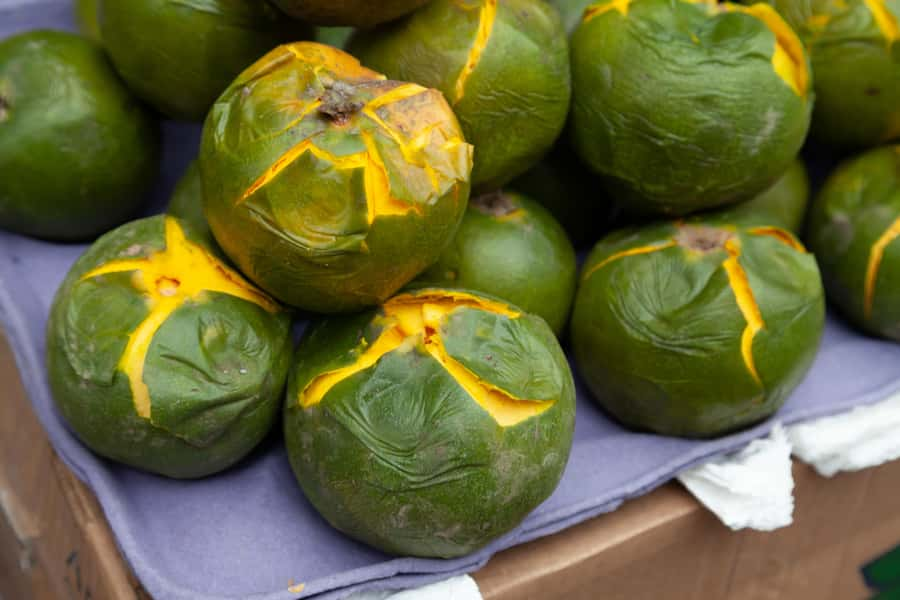
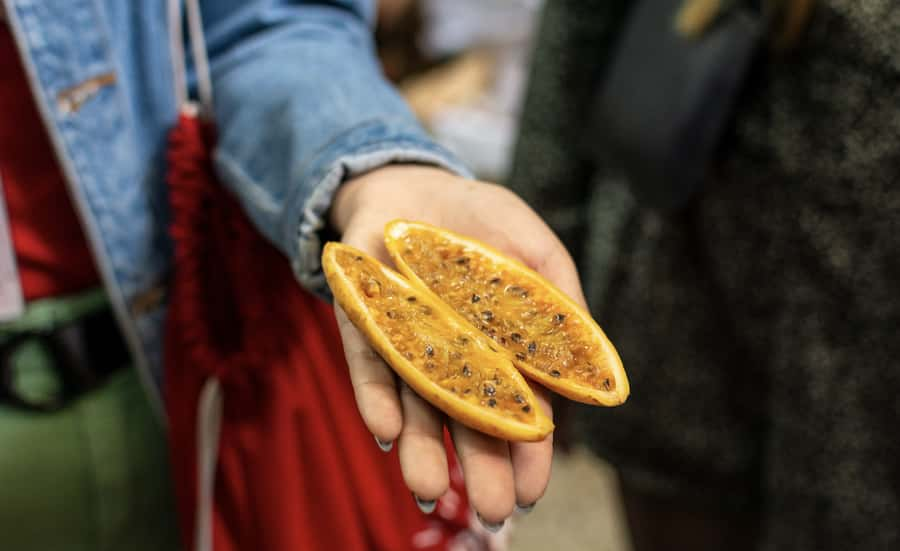
Your guide selects four fruits for tasting. The exact fruit selection is not specified, so you should expect variety rather than a fixed menu. The point is not only sweetness. You will hear about the fruits’ origins, cultural role, and distinct flavors, while getting a clearer idea of how Peru’s climate and regions shape its food.
This is also where you encounter the foundations of Peruvian cooking: corn, potatoes, fresh produce, and less familiar ingredients. A guide can make these items more meaningful by explaining how they are used. You are not simply looking at produce in a stall. You are learning what to notice before you cook.
The market may feel busy and active, with narrow areas and plenty of movement. Wear comfortable shoes and clothing that can handle the cooking class afterward. A hat, sunscreen, and water are sensible, especially if you are sensitive to heat. Bring a camera if you want pictures of the market or your finished dishes, but keep your attention on the guide and vendors as well.
From market stalls to the restaurant kitchen
After the market, you head to a nearby restaurant for the cooking class. The restaurant setting is a practical choice. You have a proper work area, a chef leading the food preparation, and a place to sit down and eat when the cooking is finished.
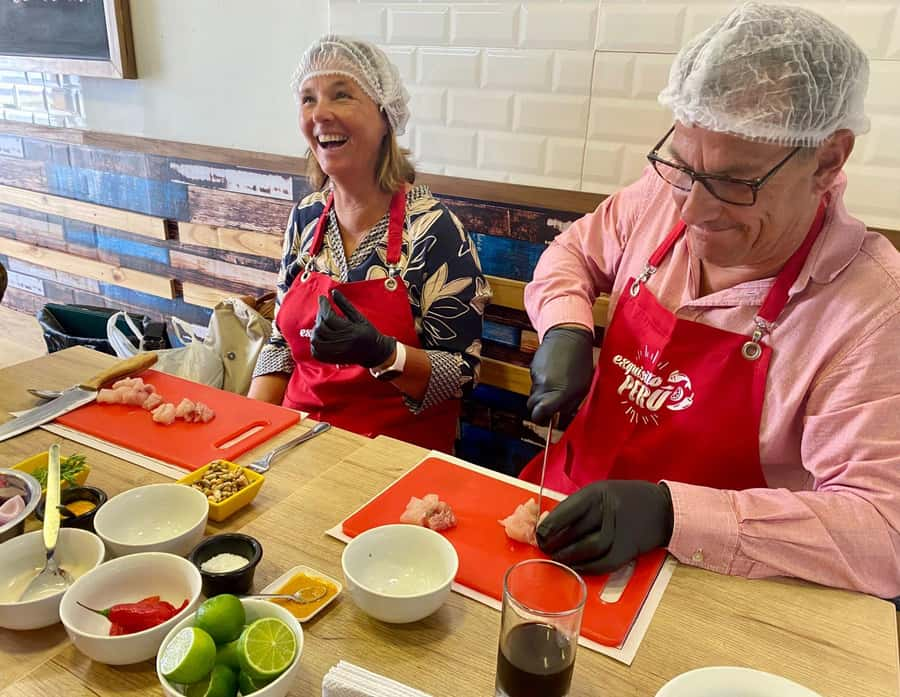
You do not need previous kitchen experience. The class is built around participation, so you should expect to handle ingredients and follow instructions rather than watch a demonstration from the sidelines. The small group helps here. With no more than 10 people, you have a better chance of seeing what the chef is doing and asking for help when needed.
The class also brings together several parts of Peru’s food story. Indigenous ingredients such as potatoes and corn meet Spanish influences, while Asian influence appears in the wider tradition of Lima cooking. You do not need a lecture to understand this. The point comes through in the ingredients, preparation, and final dishes.
One practical note: you should be comfortable standing for the duration of the cooking class. This is not a seated tasting with occasional demonstrations. If standing for an extended period is difficult, the format may not suit you.
More cooking classes in Peru:
- Cusco: Peruvian Cooking Class & Market Tour
★ 4.9 · 19 reviews - Lima: Market Tour, 35 Fruits Tasting & Cooking Class
★ 5.0 · 3 reviews - Lima: Peruvian cooking class and tour of Surquillo market
★ 5.0 · 2 reviews - Hanoi Cooking Class: Culture, Local Market & Meaning CSR Impact
★ 5.0 · 5,147 reviews
Making ceviche with citrus and fresh fish
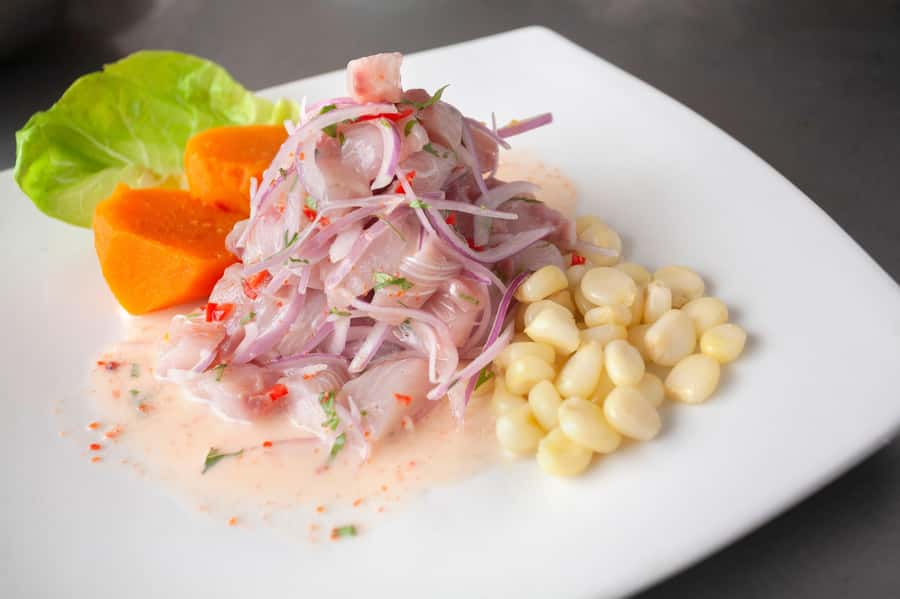
Ceviche is the natural centerpiece of a Peruvian cooking class. You prepare fresh fish with citrus juice, Peruvian spices, red onions, and crisp garnishes such as sweet potatoes.
The useful lesson here is balance. Citrus brings sharpness, the fish provides a mild base, onions add bite, and sweet potato softens the plate with gentle sweetness. The class gives you a chance to see how these parts are brought together rather than simply ordering the finished dish at a restaurant.
Ceviche also rewards attention to method. You will follow the chef’s directions on seasoning and assembly, then eat the dish soon after preparing it. That makes the class more useful than a recipe card alone because you can taste the result and connect the technique to the flavor.
If you do not eat fish or have a seafood allergy, this is an important concern. The activity is specifically not suitable for people with food allergies, and you should notify the provider in advance about any dietary restrictions or allergies. Do not assume substitutions will be available.
Layering causa rellena
The second dish is causa rellena, a Peruvian favorite built around mashed potatoes, avocado, and a filling of chicken or seafood. It is a good class dish because the final result depends on both texture and presentation.
The potato mixture should be smooth enough to shape into layers, while the filling provides contrast. Avocado adds a creamy element, and the finished dish gives you a look at how a familiar Peruvian staple can become something more refined without losing its everyday roots.
The filling may be chicken or seafood, so confirm your needs before booking if you have a restriction. As with the ceviche, the value is in preparing the dish yourself. You learn how the layers are formed and then get to taste the finished version at the table.
The food also gives the market visit a second life. Potatoes are not just a staple mentioned by the guide. You have now worked with them and seen how much character they can bring to a dish.
Shaking a classic pisco sour
The pisco sour adds a lighter, social part to the class. You prepare it with pisco, fresh lime, egg white, and Angostura bitters. The drink combines citrus, spirit, foam, and aromatic bitterness, so it is more than a simple pour-and-stir cocktail.
You will mix your own drink and raise a toast with it once the food is ready. That timing makes sense: the cocktail becomes part of the meal rather than a separate bar stop.
Because the recipe includes egg white, mention any relevant dietary concern before the activity. The supplied information does not promise an alternative version. The tour is also not suitable for pregnant women, and the cocktail is one reason to take that restriction seriously.
A bartender is part of the class team, adding a useful counterpoint to the chef’s instruction. You get food preparation and cocktail preparation in the same session, which helps justify the price if you want more than a single recipe lesson.
Sitting down to eat what you prepared
Once the cooking is done, you sit down to enjoy the ceviche, causa rellena, and pisco sour. This is an important part of the format. You are not rushed out after the final step, and the meal lets you judge the results for yourself.
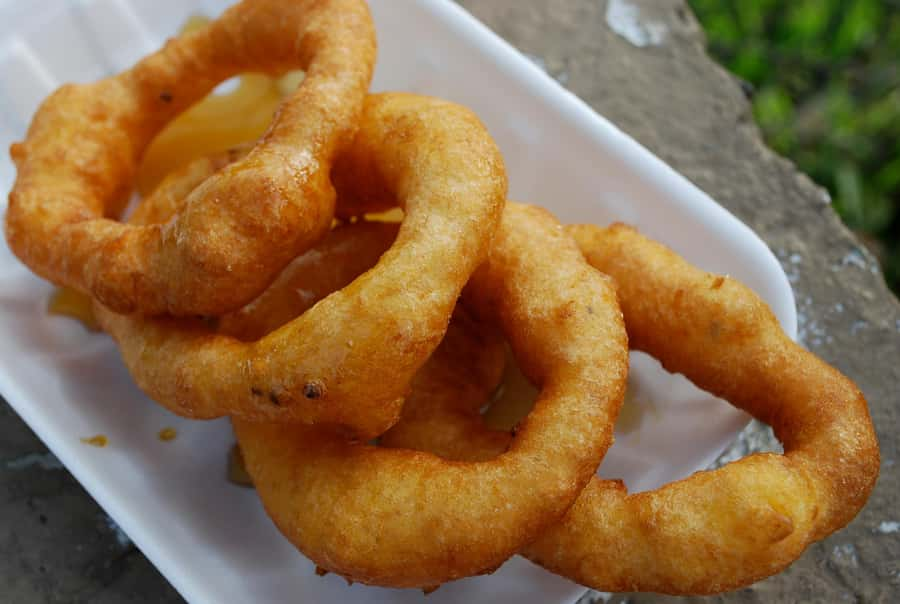
The meal is followed by a traditional Peruvian dessert. The dessert may be arroz con leche, a creamy rice pudding, or picarones served with sweet chancaca syrup. Since the exact dessert is not fixed, expect a traditional sweet finish rather than a particular item.
The restaurant venue received special praise for being a good fit for the class. That makes sense for a short experience. You have the market outside, a working kitchen for the lesson, and a table for the meal, all within one compact plan.
One review described the experience as a favorite activity of the trip, while another gave special credit to Shayla’s facts, translation, and welcoming manner. I would put the greatest weight on that guide role. A market can be interesting on its own, but a good explanation turns unfamiliar ingredients into food you can understand and remember.
What $59 gets you in Lima
The $59 price includes the market tour, four fruit tastings, the cooking class, the three featured preparations, and dessert. You also get the food you make and the pisco sour you prepare. Hotel transportation is not included.
For me, the value depends on how you use the experience. If you want only a market visit, the price may feel high. If you want a restaurant meal, a cocktail, a guided market walk, and cooking instruction, the package is easier to justify.
The group limit of 10 is another part of the value. A large class can turn hands-on cooking into a turn-taking exercise. This smaller format should give you more direct contact with the chef and guide, although the actual amount of individual help can vary.
The free cancellation policy also reduces the risk of booking early. You can cancel up to 24 hours in advance for a full refund, and the reserve-now, pay-later option lets you hold a place without paying at the time of booking.
Who should book this experience
This is a strong match for you if food is one of your main reasons for visiting Lima. It works especially well early in your stay, when a guide can introduce ingredients and dishes you may see again elsewhere in Peru.
It also suits people who like to take part rather than watch. You will stand, prepare food, mix a drink, and eat the results. Families with older children may enjoy the format, but the supplied information does not give a minimum age, so check that detail before booking for minors.
The experience is less suitable if you have serious food allergies, need a wheelchair-accessible activity, or want a relaxed seated tour. It is also not suitable for pregnant women. Tell the provider about dietary restrictions before the date, but do not book if the stated restrictions apply to you.
Bring comfortable shoes, a hat, sunscreen, water, and a camera. Wear clothing suitable for cooking. The market and class are practical parts of the outing, so dress for movement rather than a formal meal.
Should you book this Lima cooking class?
Book it if you want a compact, social introduction to Peruvian food with real participation. The strongest features are the Surquillo Market visit, the small group, the three recognizable dishes, and the chance to eat what you make. Shayla’s strong translation skills are another reason English-speaking visitors may find the class easy to follow.
Skip it if you avoid fish, seafood, egg white, alcohol, or have food allergies, unless the provider confirms a safe arrangement before booking. Also skip it if standing for much of the class would be uncomfortable.
For most food-focused visitors, $59 is fair for 150 minutes of market access, instruction, a meal, cocktail, and dessert. You leave with more than a full stomach. You get a working sense of how Peruvian ingredients become the dishes you came to Lima to try.
FAQ
How long does the Lima market and cooking class last?
The experience lasts 150 minutes, or 2.5 hours.
Where is the meeting point?
Meet your guide outside the Holiday Inn Lima Miraflores at Calle Alfonso Ugarte 117.
Which Holiday Inn entrance should I use?
Use the entrance on Calle Alfonso Ugarte. Do not use the other entrance on Ricardo Palma Avenue.
How will I identify the guide?
The guide will wear a red lanyard with the Exquisito Peru logo.
What language is the tour conducted in?
The tour is conducted in English.
How large is the group?
The activity is limited to 10 participants.
Which foods and drinks will I prepare?
You will prepare ceviche, causa rellena, and a pisco sour.
Is dessert included?
Yes. A traditional Peruvian dessert is included, such as arroz con leche or picarones with chancaca syrup.
Is hotel transportation included?
No. Hotel pickup and drop-off are not included.
Can I cancel the booking?
Yes. You can cancel up to 24 hours in advance for a full refund. You can also reserve now and pay later.
More Shopping Tours in Peru
- Lima: Food Tour on Local Market
★ 5.0 · 8 reviews - Full Day Lima: Local Market+ CityTour+ Barranco & Miraflores
★ 5.0 · 3 reviews - Cusco: Coricancha, Cathedral & San Pedro Market Walking Tour
★ 5.0 · 2 reviews - Bangkok: Damnoen Saduak Market and Maeklong Railway Market
★ 4.5 · 26,723 reviews
More Markets in Peru
- Pisac Indian Market and Ollantaytambo Fortress with Lunch
★ 4.5 · 395 reviews - Lima: Historic Center Street Food, Market, and Eateries Tour
★ 4.9 · 216 reviews - Cusco City Sightseeing, San Pedro Market, Cathedral and Qorikancha Temple
★ 4.5 · 139 reviews - Belen Market & Floating City 2-3 Hour Private Tour
★ 4.9 · 38 reviews
Just added around Peru
- Lima: Market Tour, 35 Fruits Tasting & Cooking Class★ 5.0 · 3 reviews
- Lima: Peruvian cooking class and tour of Surquillo market★ 5.0 · 2 reviews
- Lima: Food Tour on Local Market★ 5.0 · 8 reviews
- Lima Food Experience with local Markets & Barranco Tour★ 5.0 · 2 reviews
- Full Day Lima: Local Market+ CityTour+ Barranco & Miraflores★ 5.0 · 3 reviews
- Cusco: Coricancha, Cathedral & San Pedro Market Walking Tour★ 5.0 · 2 reviews
- Cusco: Peruvian Cooking Class & Market Tour★ 4.9 · 19 reviews
- Belen Market & Floating City 2-3 Hour Private Tour★ 4.9 · 38 reviews
Market Cooking Classes, compared.
Hanoi Cooking Class: Culture, Local Market & Meaning CSR Impact
Read our review →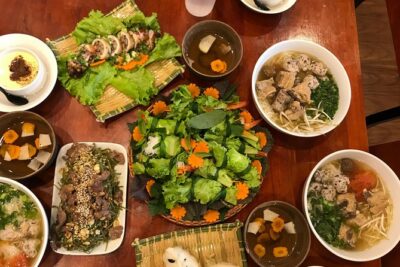
5 Traditional Dishes Hanoi Cooking Class with Market Trip
Read our review →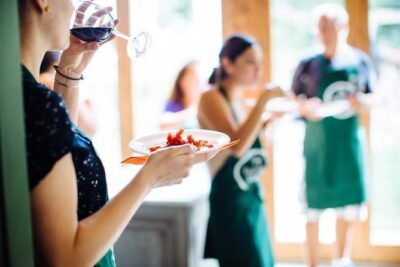
Cooking Class and Lunch at a Tuscan Farmhouse with Local Market Tour from Florence
Read our review →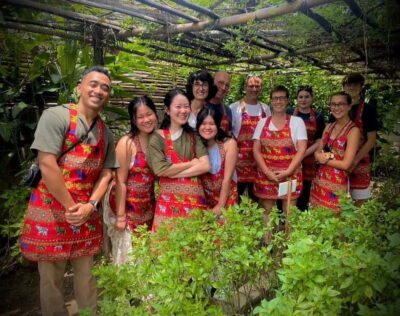
Cooking Class, Market & Thai Herbs Garden Tour
Read our review →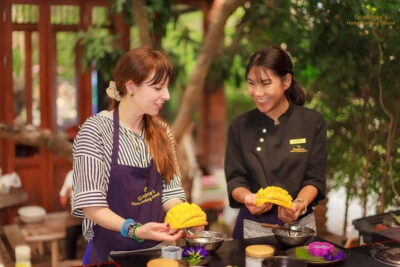
Authentic Cooking Class with Market & Farm Visit
Read our review →
Paella Cooking Experience & Boqueria Market Tour
Read our review →
Cooking Class Hoi An:Local Market, Basket Boat, Fishing & Cooking
Read our review →Browse the lists this tour appears in