
Review · MUMBAI
Mumbai: 2 Hours Markets And Temple Tour
Mumbai’s oldest markets are not polished museum pieces. They are working streets where fruit, spices, cloth, flowers, food, and daily commerce fill every corner. This two-hour tour takes you into Crawford Market and Mangaldas textile market, then adds a Hindu temple and a cow shelter, giving you a close look at parts of old Mumbai that can be hard to understand on your own.
I like the mix of market life and religious customs, and I like that the tour includes chai, bottled water, and transport. Guides such as Shivam and Balajin have been praised for their friendly manner and clear explanations. The main drawback is that the pace may feel rushed, and finding the meeting point at a large station can be frustrating.
Key points to know
- Crawford Market: See Mumbai’s first indoor historical wholesale market, with fruit, spices, dry goods, chocolates, and more.
- Mangaldas textile market: Walk narrow lanes packed with fabric sellers and traditional Indian clothing.
- Temple visit: Learn about Hindu gods, goddesses, worship, and local customs in a working religious setting.
- Cow shelter: Join local visitors in feeding cows, an unusual and memorable part of the outing.
- Transport and chai included: The tour includes a guide, taxi fare, bottled water, and a tea stop.
- Best for curious first-time visitors: It suits anyone who wants local street life rather than only Mumbai’s major sights.
Why these markets reveal another side of Mumbai
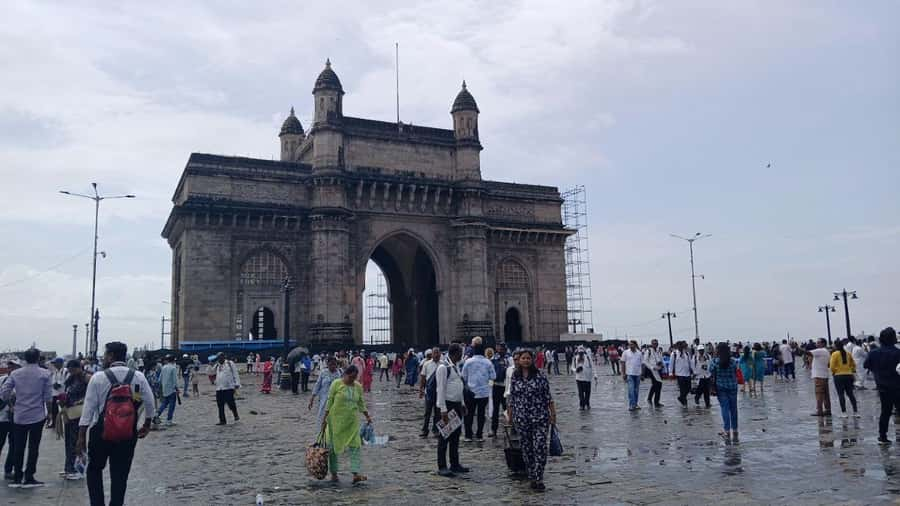
Mumbai has famous landmarks, grand hotels, and waterfront views. Yet the old market district explains more about the city’s daily rhythm than a quick photo stop ever could. Here, shopping is practical, social, and tied to long-standing customs.
You walk through tight lanes where shopkeepers sell goods used by local families, restaurants, temples, and businesses. The setting can be noisy and crowded. That is part of the point, but it also means you need to stay close to the guide and watch your footing.
The tour focuses on two important markets. Crawford Market is the older wholesale center, while Mangaldas Market is known for textiles. Together, they give you two different views of commerce: food and household goods in one place, cloth and clothing in another.
I like this approach because you are not simply shown a row of shops and told to take pictures. You get some background on how the markets fit into Mumbai and why they remain useful to the city. The tour is especially helpful if you are still trying to understand how the city works during your first days in town.
A few more market tours around Mumbai worth a look
- Mumbai: Street Food and Night Markets Tour
★ 4.9 · 719 reviews - Mumbai Street Food & Night Markets
★ 5.0 · 225 reviews - Ultimate Mumbai Full Day: Sights, Bollywood Dance, Lunch & Spices
★ 5.0 · 201 reviews
Crawford Market and the goods of daily life
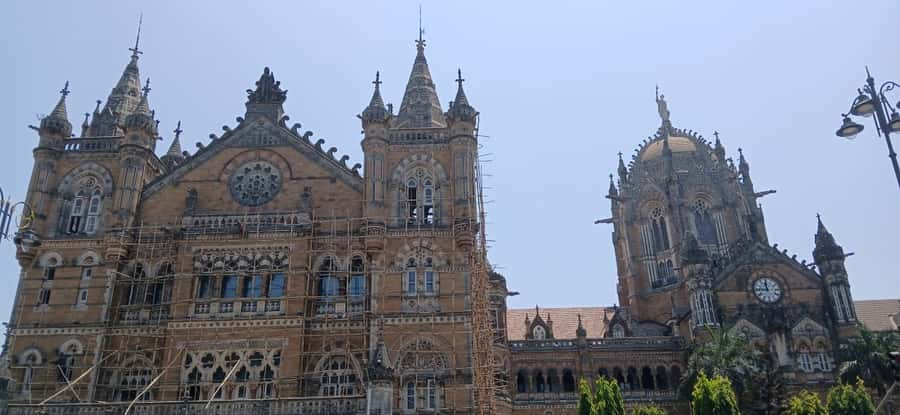
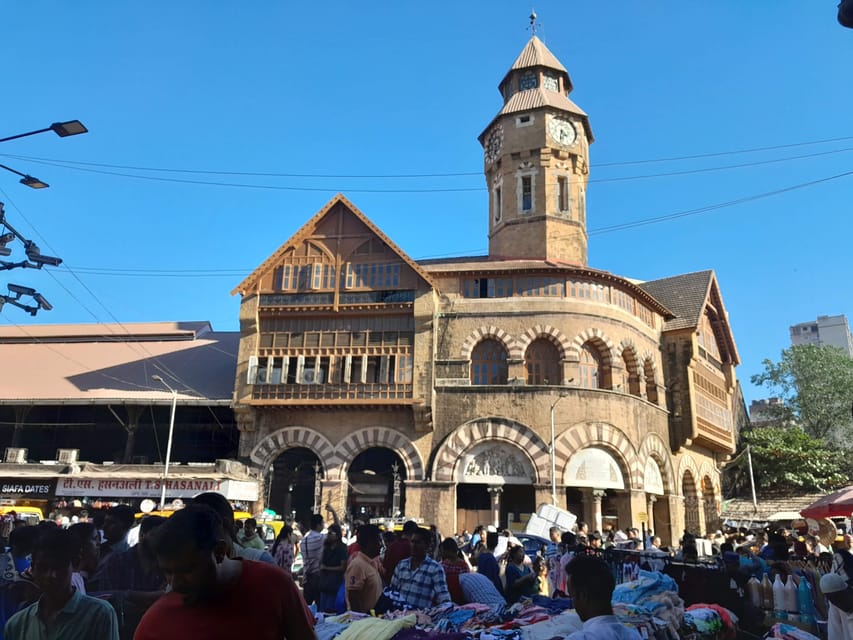
Crawford Market is described as Mumbai’s first indoor historical wholesale market. Its location in the center of the crowded city makes it a busy starting point, with vendors selling fruit, chocolates, spices, dry fruits, and other goods.
You can expect a sensory stop. There is plenty to look at, from produce and packaged foods to displays aimed at shopkeepers and local buyers. The market is not arranged like a department store, so the guide helps make sense of what you are seeing.
This is where the tour’s historical explanation matters. Without context, Crawford Market can feel like a fast-moving maze of stalls. With a guide, you can connect the buildings, products, and trade to Mumbai’s growth.
The visit is not mainly about buying souvenirs. Personal purchases are not included, and you should treat shopping as optional. The strongest reason to come is to watch the market operate and learn how goods move through one of Mumbai’s long-established commercial areas.
Expect plenty of activity and limited personal space. Wear comfortable shoes, keep your belongings secure, and avoid bringing anything you do not want to manage in a crowd. A hat, sunscreen, and water are sensible, especially if the weather is hot.
Mangaldas Market and Mumbai’s cloth trade
The city’s oldest and largest indoor textile market brings a different mood. Mangaldas Market is known for its wide selection of fabric, with narrow lanes that can be busy and confusing for a first-time visitor.
You may see bolts of cloth, traditional Indian clothing, and shops serving people who know exactly what they need. The market is valuable even if you have no plans to buy fabric. It shows how clothing is sourced and sold in a way that feels more connected to local business than to a modern shopping mall.
I would ask your guide to explain the types of fabric and clothing you see. The supplied information promises stories and explanations, but the amount of detail may depend on the guide and the pace of the group. One guide, Shivam, has been praised for giving useful information about the markets and temples, while Balajin has been noted for taking his time and adding other places to the route.
Do not expect a long shopping session in a two-hour tour. The market section is designed to show you the area and its customs, not to provide a private buying appointment. If a fabric catches your eye, you may need to decide quickly, and personal purchases are your responsibility.
Temples, stories, and everyday Hindu practice

The tour continues to a historic Hindu temple, described as Mumbai’s oldest Hindu temple. This adds meaning to the market walk because temples are part of the same street environment. You may pass stalls selling flowers, food, or traditional clothes near places of worship.
The temple visit is meant to help you understand Hindu culture through stories about gods and goddesses and by watching devotees come to pray. This is a working religious site, not a staged performance for visitors. Dress and behavior should be respectful, and you should follow the guide’s instructions about where to stand and what you may photograph.
For me, this is one of the strongest parts of the experience. Markets show how people work and shop, while the temple shows how faith fits into ordinary city life. The two stops belong together, rather than feeling like unrelated attractions placed in one package.
The details can move quickly. One participant found that the guide sometimes explained things too fast and paid less attention to the group. That is a fair warning for anyone who wants a long, scholarly temple visit. If you need more explanation, ask questions as you go instead of waiting until the end.
Same stalls, a different way to shop and eat:
- Mumbai Street Food and Evening Bazaar Tour
★ 5.0 · 172 reviews - Mumbai Morning Market Tour of Flowers, Fish, and More
★ 5.0 · 100 reviews - Mumbai Street Food Tour with Evening Bazaar Walk
★ 4.9 · 79 reviews - Mumbai: Local Markets & Temples Tour
★ 4.6 · 45 reviews
Feeding cows at the shelter
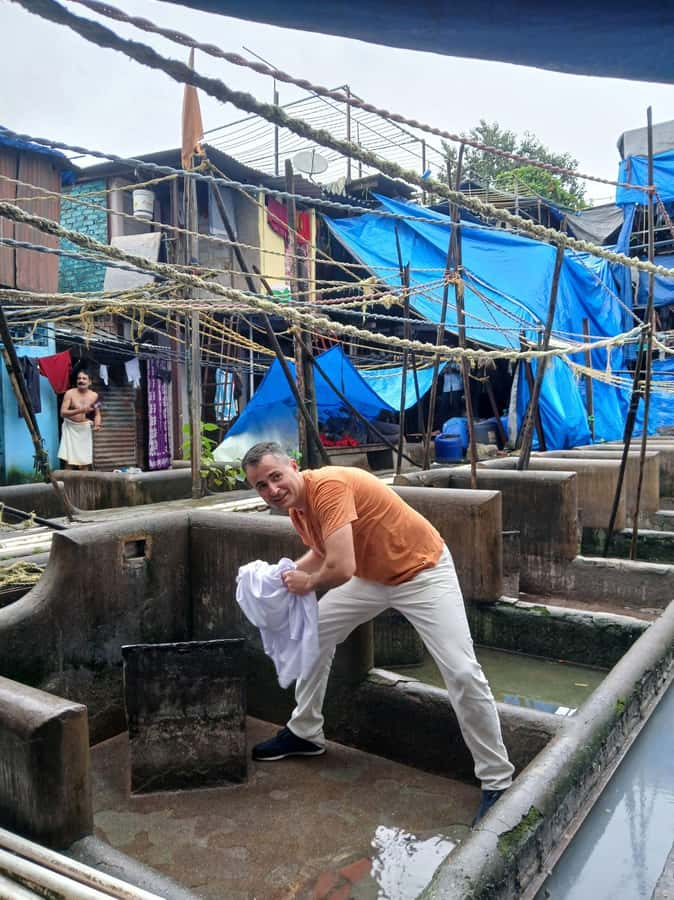
The cow shelter is the tour’s most unusual stop. You join local people in feeding cows, an act connected with the idea of gaining good karma.
This is not the kind of sight you are likely to find on a standard Mumbai sightseeing route. It gives you a direct look at a religious custom and adds a personal action to the visit. You are not only observing a building or a market stall. You are taking part in a simple local practice under the guide’s direction.
The shelter may be especially memorable because it contrasts with the tightly packed market lanes. The stop also gives the tour a human and spiritual focus after the noise and movement of the commercial district.
You should bring a respectful attitude and listen carefully to the guide. The supplied details do not promise a long visit or specify exactly what food is provided, so do not expect an extended animal encounter. It is best understood as a brief cultural stop within a compact city tour.
Chai, transport, and the two-hour pace
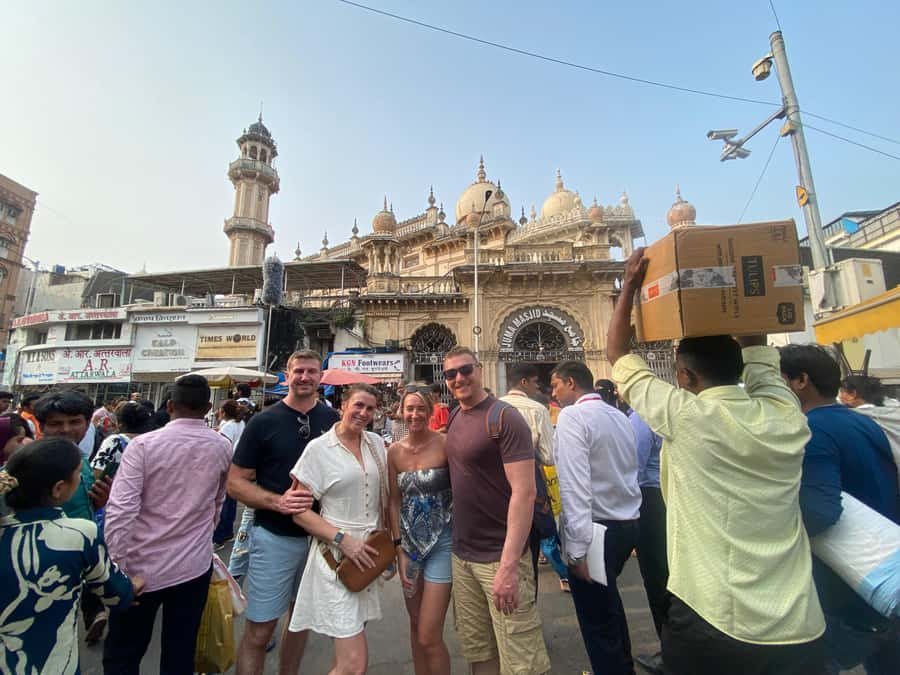
The tour includes a stop for chai, which is a useful pause between the markets and the temple area. In a busy morning or afternoon, sitting down for tea can help you absorb what you have seen instead of rushing from one lane to the next.
Bottled water is also included. You should still bring your own water if you prefer to drink often, particularly in hot weather. The suggested items include a hat, camera, sunscreen, and water.
Transport details can vary. The package includes taxi fare, while one outing used a public bus to reach Crawford Market. That means you should be ready for the guide to choose the most practical option for the day and meeting point. Public transport can add to the local feel, but it may also make the route less predictable.
The tour ends back at the meeting point. The starting point may vary depending on the option you book, so check the exact location carefully. A large station can be hard to navigate, and one participant had trouble finding the meeting point before the guide came looking. Give yourself extra time and keep your phone available.
Two hours is enough for a taste of the markets, temple, and shelter. It is not enough for long shopping, detailed architecture, or a slow meal. The compact timing makes this a useful add-on after seeing Mumbai’s main attractions, but it also explains why some explanations may feel hurried.
The guides make the difference
The experience depends heavily on who leads it. Shivam has received particular praise for being friendly, informative, and attentive, including during monsoon rain. He also picked up guests on time at the stated meeting point and explained the origins of Mumbai and its markets.
Balajin has been praised for his kindness, explanations, and willingness to show additional places. Those names give you a useful sense of the guiding style available, though the assigned guide can vary.
The strongest advantage of a guide here is not simply navigation. The market lanes can be confusing, and the religious details are easy to miss without someone explaining them. A guide can point out what you are looking at, explain why people are there, and help you move through the area with confidence.
Still, do not expect every guide to speak at the same length or speed. One person found the explanations too quick and the attention uneven. If you want more detail, say so politely and ask for a moment to stop. This is a practical tour, not a formal lecture.
One reassuring point is that the experience is not presented as a shopping sales pitch. A participant who had become wary of commission-based tours found that the guide did not pressure the group to buy anything. That matters in a market tour, where commercial stops can sometimes feel forced.
Is $6 a good value?
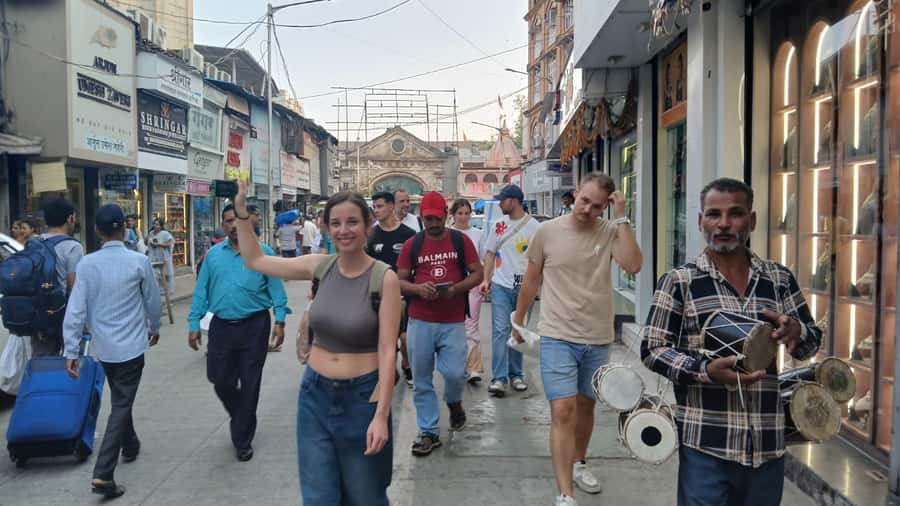
At $6 per person, this is a very inexpensive way to see several parts of old Mumbai. The price includes the guide, taxi fare, bottled water, and chai, which makes the offer stronger than a simple walking route.
The value comes from access and explanation rather than luxury. You are paying for help with navigation, local context, and a route that combines commercial streets with religious sites. You are not paying for a long meal, private transport throughout, or an in-depth historical course.
The price also makes the tour easy to add to a wider Mumbai plan. If you have already visited the city’s major sights, this offers a short change of pace. If you have only one free afternoon, it gives you a concentrated look at old-market life without taking up the entire day.
You should budget separately for personal purchases and a tip for the guide. Buying fabric, food, or other goods is not included. A tip is optional but appropriate if your guide, such as Shivam or Balajin, gives you a careful and helpful introduction to the area.
The flexible booking terms are useful too. You can reserve now and pay later, and cancellation is allowed up to 24 hours in advance for a full refund. Keep the meeting point and start time in your booking details, since those may vary.
Who should book this market and temple walk?

I would recommend it to first-time visitors who want to see how Mumbai works beyond its headline attractions. It suits people who enjoy street markets, local customs, photography, and short guided walks through busy districts.
It is also a good fit for solo visitors who might not feel comfortable navigating the market lanes alone. Families with older children may appreciate the variety, though the noise and crowds could be tiring for young children.
You may want something else if you prefer quiet museums, slow meals, or highly structured historical tours. The narrow lanes can be hectic, the pace can be quick, and the meeting point may take effort to find.
The tour is offered in English. Since the experience includes active markets and a working temple, respectful clothing and patient behavior will help you get more from it. Keep your expectations realistic: this is a short cultural introduction, not a full-day examination of Mumbai’s history.
Should you book it?
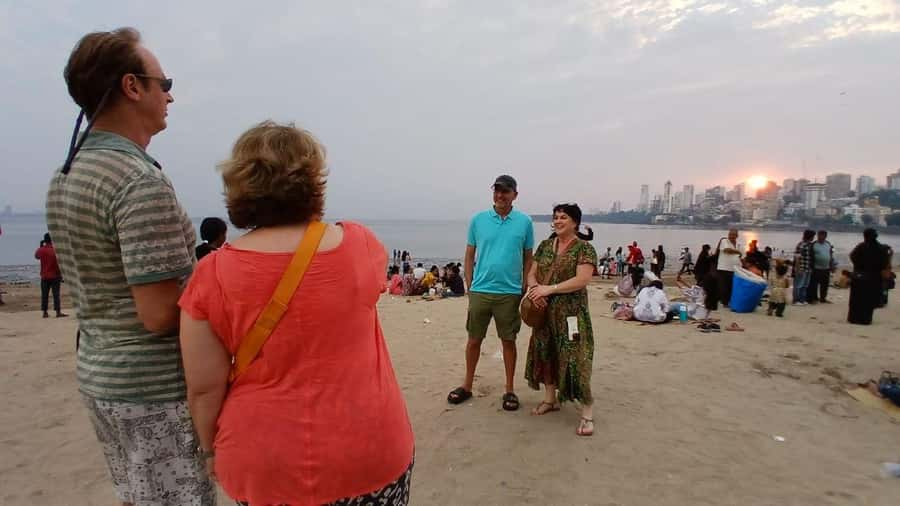
Book this tour if you want a low-cost, direct look at Mumbai’s markets, Hindu customs, and ordinary street life. The combination of Crawford Market, Mangaldas Market, temple stories, chai, and the cow shelter gives you more range than a standard market walk.
I would be especially inclined to book it after visiting Mumbai’s main landmarks, when you want to see the city’s working side. Just allow extra time to find the starting point, stay near the guide, and speak up if the explanations move too fast. For $6, the tour offers strong value, as long as you are comfortable with crowds and a quick pace.
FAQ
How long does the Mumbai markets and temple tour last?
The experience lasts two hours.
What markets does the tour visit?
It visits Crawford Market and Mangaldas textile market.
What can I see at Crawford Market?
Crawford Market sells goods including fruits, chocolates, spices, and dry fruits. It is described as Mumbai’s first indoor historical wholesale market.
What is special about Mangaldas Market?
Mangaldas Market is described as Mumbai’s oldest and largest indoor textile market, with a wide range of fabric and narrow market lanes.
Does the tour visit a Hindu temple?
Yes. The tour visits a historic Hindu temple described as Mumbai’s oldest Hindu temple.
Will I visit a cow shelter?
Yes. You can visit a cow shelter and feed cows as part of the experience.
Is transportation included?
Taxi fare is included. One reported route used a public bus to reach Crawford Market, so transport may vary.
Is chai included?
Yes. The tour includes a stop for chai, or tea.
What language is the tour offered in?
The tour is offered in English.
What does the price include?
The $6 price includes a tour guide, taxi fare, bottled water, and a chai stop. Tips and personal purchases are not included.
Just added around Mumbai
- Mumbai: Local Markets & Temples Tour★ 4.6 · 45 reviews
- Night Tour: Mumbai’s Nights & Buzzing Bazaars★ 5.0 · 7 reviews
- Mumbai:Dhobi Ghat Laundry,Dharavi Slum & Flower market Tour★ 5.0 · 12 reviews
- Mumbai Morning Market Tour of Flowers, Fish, and More★ 5.0 · 100 reviews
- Mumbai: Magical Markets Tour★ 4.5 · 23 reviews
- Mumbai Market and Temple Tour With Cow Shelter Visit★ 4.3 · 3 reviews
- Mumbai Heritage, Street Food & Bazaar Walking Tour★ 5.0 · 4 reviews
- Mumbai Market Tour★ 4.6 · 12 reviews
2-Hour Experiences, compared.

2 Hour Historic Market Food Tour and Hands-On Biscuit Class
Read our review →
2-Hour Food, History and Street Art Tour of Ponce City Market
Read our review →
Palermo in 2 hours Main monuments and historic markets
Read our review →


Memorable Daily KIBERA Slums/Toi Market Tour with Locals (2 hours)
Read our review →

2-Hour Aligre Market Walking Food Tour & Tasting
Read our review →Browse the lists this tour appears in