
Review · MUMBAI
Mumbai:Dhobi Ghat Laundry,Dharavi Slum & Flower market Tour
Mumbai’s working heart comes into view on this low-cost tour: washermen handling mountains of laundry, flowers moving through a morning market, and Dharavi’s narrow lanes filled with homes and small businesses. I like the local train ride and the chance to see more than postcard Mumbai. I also like that guides such as Shivam explain the area in clear English and know Dharavi from personal experience.
The $9 price is unusually low for a tour that includes the guide, train ticket, taxi fare, and bottled water. The trade-off is that this is an active walking outing through crowded, cramped areas, and the visit to Dharavi may feel uncomfortable for anyone uneasy about slum tourism or close-up photography.
Key Points at a Glance
- Mumbai by local train: Begin at Churchgate station and ride with your guide toward Dhobi Ghat.
- Dhobi Ghat laundry work: See hundreds of clothes being washed, hung, and dried in the open air.
- Colorful flower market: Stop at a busy market filled with flowers, movement, and strong scents.
- Dharavi’s working community: Walk through lanes lined with homes, schools, markets, recycling work, leather production, garments, and pottery.
- Local guides with personal ties: The guides are from Mumbai and some, including Shivam, have lived in slum communities for generations.
- Strong value at $9: Tickets, taxi transport, a guide, and water are included, while snacks and tips are extra.
Starting at Churchgate Station
Your meeting point is inside Churchgate station, at the train ticket counter near the Wheelers bookstall. This detail matters because Mumbai’s railway stations can feel confusing at first. Look for the guide inside the station rather than waiting outside on the street.
The tour begins with a local train ride. That is not just a cheap way to get around. It gives you a direct look at one of Mumbai’s main daily systems, where people move between neighborhoods, work, and home. The train also helps connect the separate parts of the morning into one picture of the city.
I like this opening because it puts you into ordinary Mumbai life right away. You are not being driven from one attraction to another in an air-conditioned vehicle. You are sharing a basic part of the city’s transport network before walking through places where work and home sit close together.
The exact duration and group size are not provided, so you should allow room in your day rather than scheduling a tight appointment immediately afterward. Comfortable shoes are important, and carrying only what you need will make the train and walking sections easier.
More Flower and Flea Market Tours in India
- Jaipur Tuk-Tuk Tour with Flower Market Visit
★ 5.0 · 124 reviews - Jaipur Tour by Tuk-Tuk or Car with Flower Market
★ 5.0 · 120 reviews - Jaipur: Half-Day Guided Sightseeing Tour with Flower Market
★ 4.9 · 119 reviews
Dhobi Ghat and Mumbai’s Open-Air Laundry
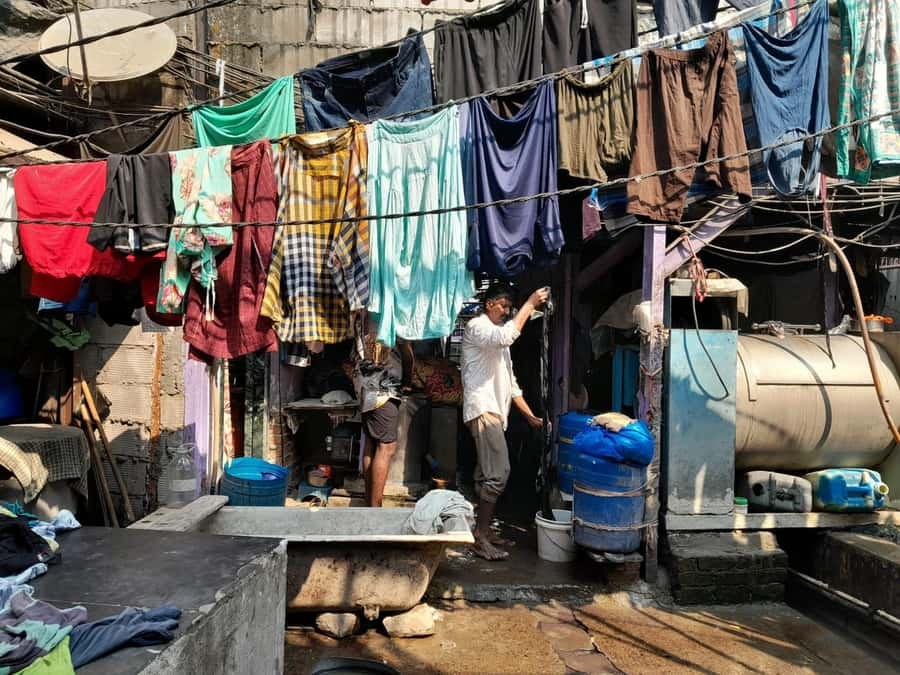
The first major stop is Dhobi Ghat, known as the world’s largest open-air laundry. From the viewing area and surrounding streets, you can see hundreds of clothes being handled, washed, and dried as part of a long-running laundry system.
The appeal here is scale. Laundry is usually a private chore, but at Dhobi Ghat it becomes a highly organized public operation. Rows of clothing and the steady movement of workers show how much coordination is needed to serve a large city.
Your guide’s explanation is especially useful at this stop. Without context, you might simply see piles of fabric and workers moving quickly. With a guide, you can better understand the work, the system, and the people who keep it going.
This is also a good place to use your camera carefully. The tour information encourages photography, but the setting is a place of work, not a staged show. Ask your guide when it is appropriate to take pictures, and avoid turning individual workers into souvenirs without permission.
The train ride to Dhobi Ghat is part of what makes this stop more worthwhile. You see the laundry in relation to the city around it, rather than treating it as an isolated attraction. The experience is practical, visual, and distinctly Mumbai.
A Flower Market Full of Color and Scent
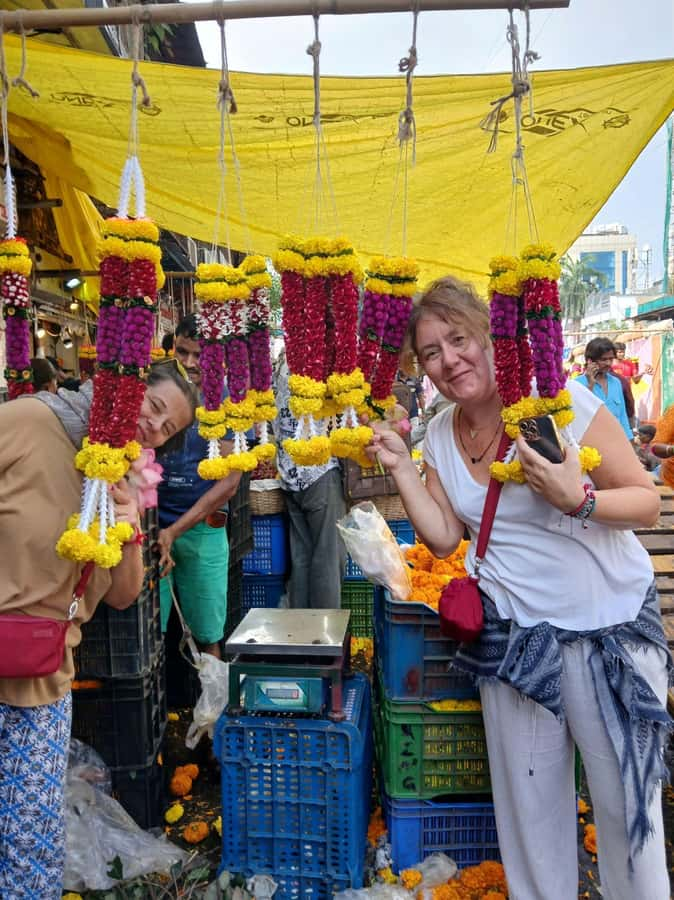
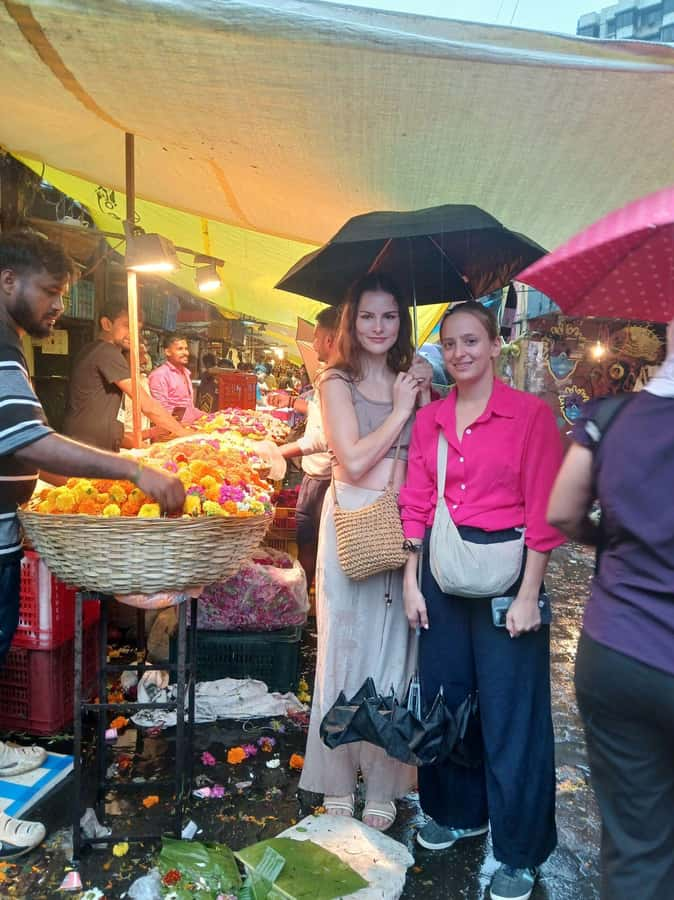
After Dhobi Ghat, a short taxi ride takes you to a flower market. This gives the outing a sharp change of mood. The laundry stop is about work and coordination, while the flower market brings color, fragrance, and early-day trade.
The market is described as busy and colorful, with flowers moving through the hands of local sellers and buyers. You might find the strongest visual moments here: bundles of flowers, crowded paths, and a fast rhythm of buying and selling.
I like the contrast between this stop and Dhobi Ghat. One shows a service that supports daily city life. The other shows how flowers enter religious, family, and commercial routines. Together, they make Mumbai feel less like a set of monuments and more like a place powered by countless small exchanges.
The market can also be intense. Crowded conditions, strong smells, and active movement are part of the setting. Keep your belongings close, stay near the guide, and expect to walk rather than pause in a wide, open space.
Snacks are not included, so do not count on the tour to provide food. Bottled water is included, but bringing extra water is sensible, especially if the day is warm.
Walking Through Dharavi’s Working Lanes
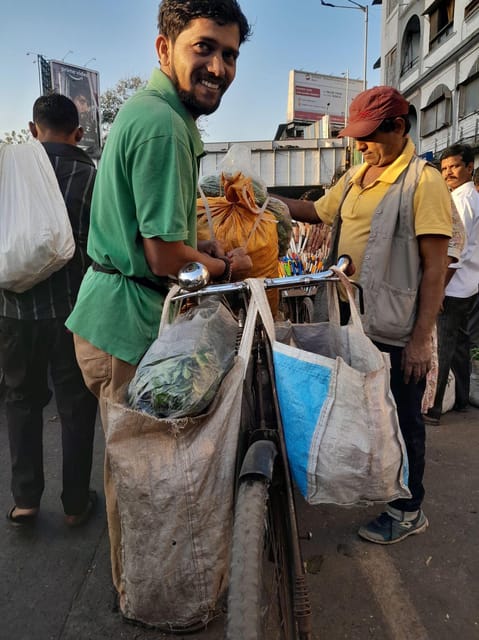
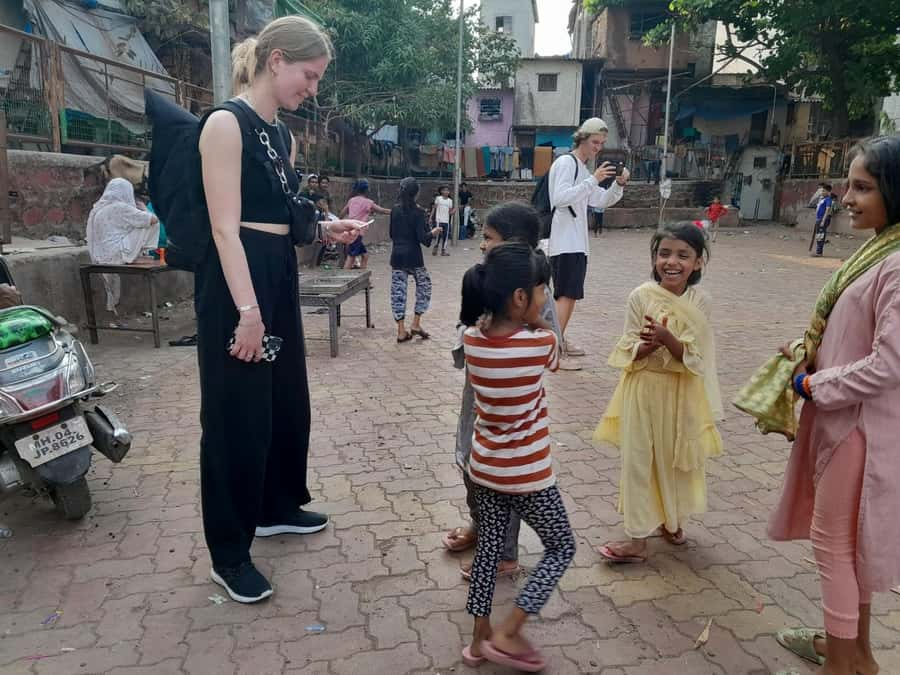
The Dharavi visit is the longest and most personal part of the outing. The area is often reduced to a single label, but this tour presents it as a large, mixed community with homes, schools, markets, workshops, and businesses.
You can expect to walk through narrow lanes and see very small homes alongside places of work. The route may include recycling industries, leather production, garment work, pottery, local markets, and schools. The important point is that Dharavi is not only a residential area. It is also a place where people make, repair, process, sell, and earn.
The tour describes Dharavi’s economy as generating more than $1 billion each year. That figure helps explain why the community is sometimes called a five-star slum, although the phrase should be treated carefully. It does not mean that living conditions are luxurious. It points instead to the scale of local enterprise and the many businesses packed into a small area.
I find this economic focus valuable because it pushes back against a narrow picture of poverty. You will see difficult conditions, but you will also see skill, organization, and enterprise. Families from many parts of India live here, and several languages are spoken across the community.
The guide’s role matters most in Dharavi. Shivam is praised for speaking clear English, explaining the area well, and knowing it closely. He is described as someone who has lived in slum communities for generations. Shivam may not be the guide on every departure, but his approach gives you a useful idea of what to look for: context, respect, and an explanation of how the community works.
More flower and flea markets in Mumbai:
- Bangkok: Night Bike Tour with Temples & Flower Market Visit
★ 4.8 · 751 reviews - Bangkok: Night Bike Tour with Temples & Flower Market Visit
★ 5.0 · 223 reviews - Jaipur: Half or Full Day Sightseeing Tour with Flower Market
★ 5.0 · 94 reviews - Paris: Flea Market Insider’s Tour in Extra-Small Group
★ 4.6 · 73 reviews
How to Approach Slum Tourism
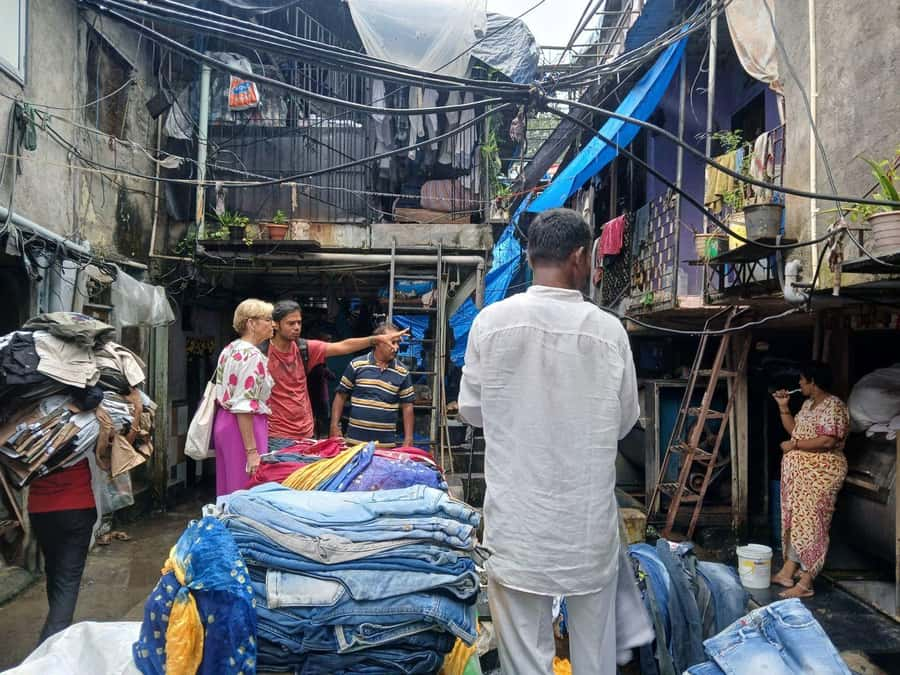
A visit to Dharavi requires a little thought before you book. You are entering a real community, not a set built for sightseeing. People live and work along the route, and some homes are extremely small.
The most respectful approach is to watch first and photograph second. Follow the guide’s instructions, ask before taking close-up pictures, and do not block doorways or work areas. A good guide should help you understand what is appropriate.
I would choose this tour if you want to learn how Mumbai’s communities function and if you can handle crowded lanes and direct encounters with working families. I would skip it if your main goal is comfort, polished attractions, or broad city views.
The tour’s description emphasizes the positive side of Dharavi, including its businesses, community ties, and contributions to society. That is useful, but you should also remember that the area is home to people dealing with real space and infrastructure limits. A balanced visit holds both facts at once.
The Guides Make the Difference
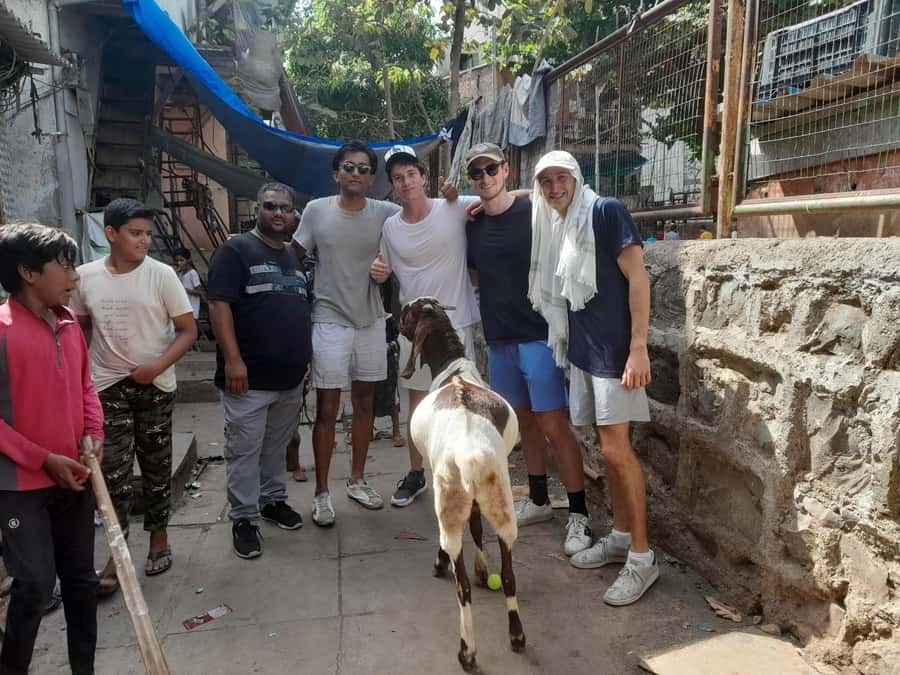
The strongest praise for this outing focuses on the guides. Shivam is singled out for being friendly, patient, and clear in English. Other feedback also highlights a guide’s pleasant manner, area knowledge, and ability to explain local life.
That matters because the tour covers places that can be hard to read on your own. A flower market may look like a wall of color. Dhobi Ghat may look like rows of laundry. Dharavi may seem like a maze of lanes. The guide connects those sights to work, family life, trade, and the wider city.
The guides are local and are described as having personal ties to slum communities. That does not replace respectful behavior from you, but it can lead to a more grounded visit than a quick drive past the area.
The language offered is English. If you need another language, this is not the right choice based on the information available.
What the $9 Price Really Includes
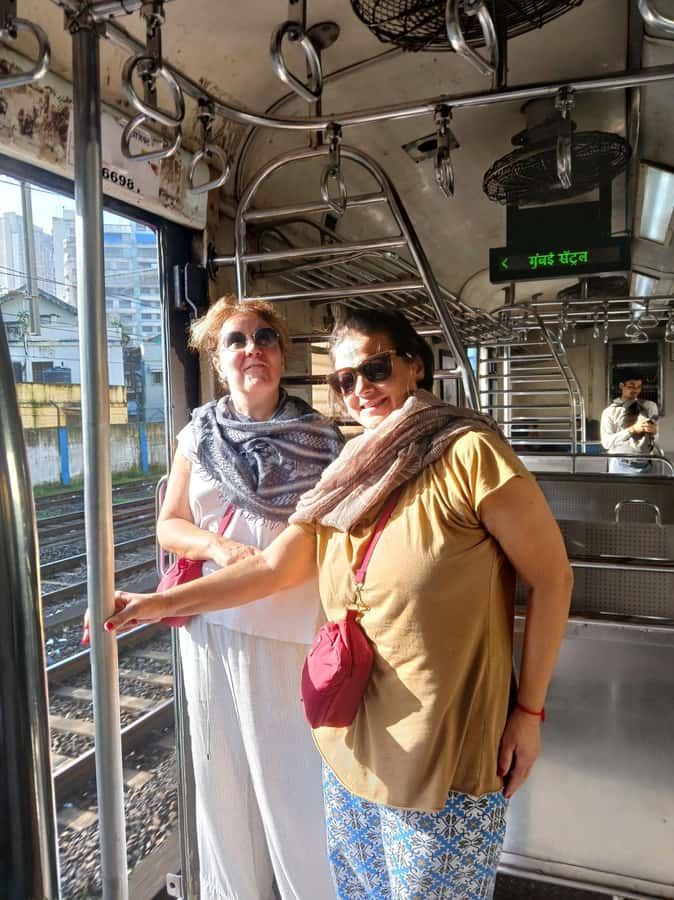
At $9 per person, this is one of the least expensive guided ways to see several sides of Mumbai in one outing. The price includes:
- A local English-speaking guide
- The train ticket
- Taxi fare
- Bottled water
That list makes the price especially good value. You are not paying only for commentary at one location. You are also covering two forms of transport and a route linking Dhobi Ghat, the flower market, and Dharavi.
Tips for the guide and snacks are not included. Carry some small cash for a tip if you feel the guide has served you well, and bring your own snack if you need food during the outing.
The low price should not lead you to expect a private, polished tour with long rest stops. The experience is built around public transport, walking, and working neighborhoods. I see the price as a strength for budget-conscious visitors who want a serious look at Mumbai’s daily life.
What to Wear and Carry
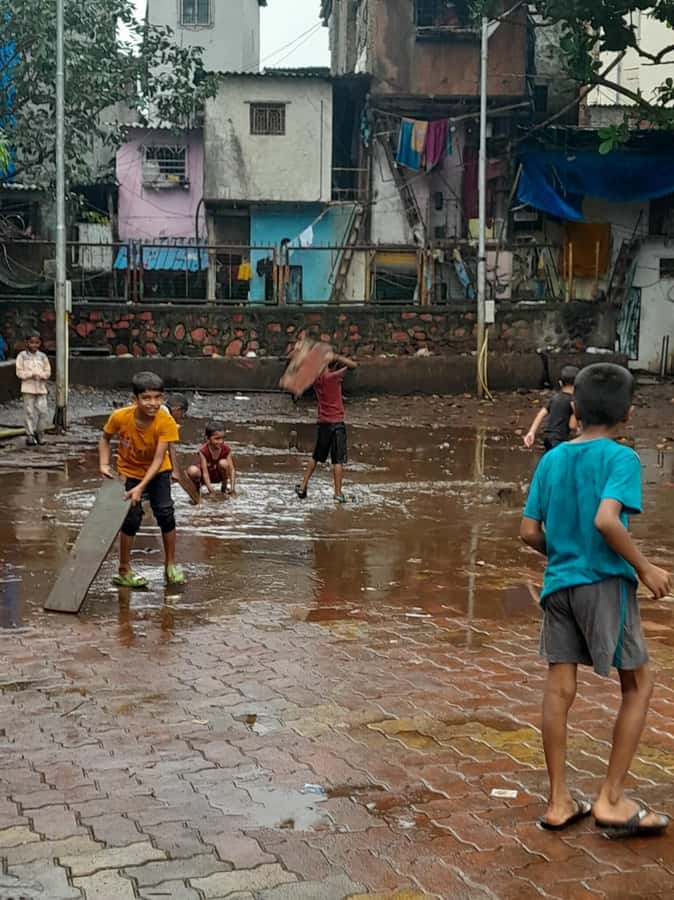
Choose comfortable shoes. You will use a train, walk through narrow lanes, and move around working markets. Sandals or stiff dress shoes would make the outing less pleasant.
Bring a camera if you want photographs, but use it with care around workers and residents. Water is also listed as an item to bring, even though bottled water is included, so carrying an extra bottle is a sensible choice.
Pack lightly. A smaller bag is easier on the train and less likely to bump into people in tight lanes. Keep your phone and wallet secure, especially in crowded areas.
A flexible attitude is just as important as the right shoes. The tour deals with real city conditions, not a controlled museum setting. Noise, close quarters, and changing street activity are part of the day.
Who Should Book This Mumbai Tour?
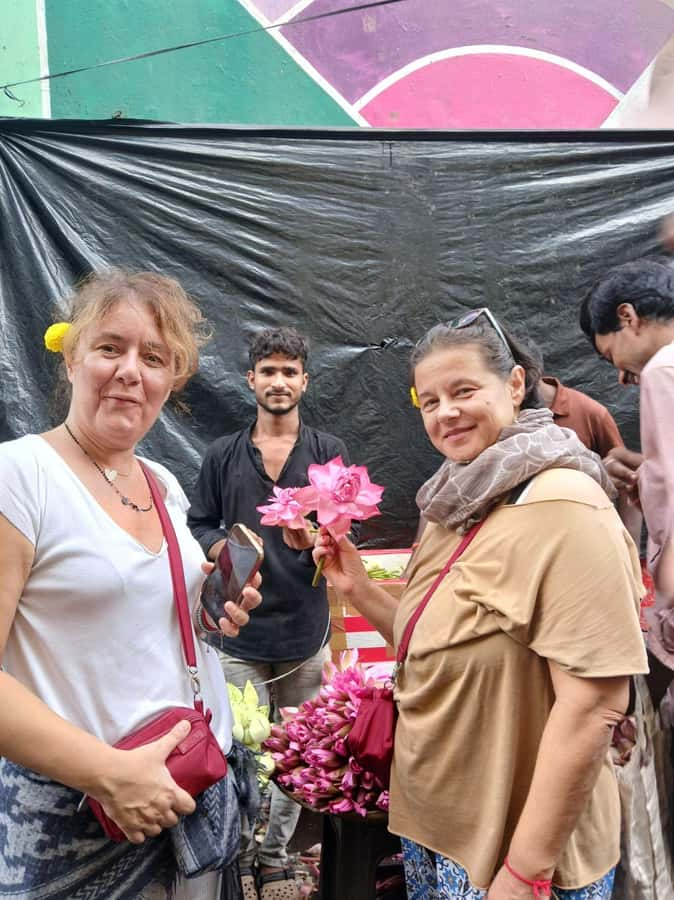
I would recommend it to first-time visitors who want to see how Mumbai works beyond its famous buildings. It suits people interested in local transport, small businesses, street markets, community life, and the practical systems that keep a huge city running.
It is also a good fit for budget visitors. The combination of a train ticket, taxi fare, water, and guiding for $9 leaves little financial risk.
Families should think about the walking and crowd levels before booking, since the route includes narrow lanes and busy public spaces. The same applies to anyone who needs frequent rest breaks, since no accessibility details or rest schedule are provided.
Photography fans may enjoy the laundry and flower market, but this is not primarily a photo tour. The strongest value comes from the explanations and the chance to understand what you are seeing.
Booking Details and Final Advice
The tour starts inside Churchgate station at the train ticket counter near the Wheelers bookstall and ends back at the same meeting point. You can reserve now and pay later, and cancellation is allowed up to 24 hours before the tour for a full refund.
I would book this tour if you want an inexpensive, direct look at three very different parts of Mumbai: the railway system, Dhobi Ghat’s laundry work, and Dharavi’s mixed residential and business life. The main reason to choose it is the local guide, especially if Shivam leads your departure.
I would pass if you want a quiet morning, guaranteed personal space, or a standard sightseeing route. For everyone else, the $9 cost, included transport, and clear focus on daily life make this a strong introduction to working Mumbai. Go with comfortable shoes, modest expectations, and respect for the people whose homes and workplaces you are visiting.
FAQ
Where does the tour start?
The guide meets you inside Churchgate station at the train ticket counter near the Wheelers bookstall.
Where does the tour end?
The activity ends back at the Churchgate meeting point.
Is the train ticket included?
Yes. The train ticket is included in the tour price.
Is taxi transportation included?
Yes. Taxi fare is included, covering the short ride between parts of the route.
What does the tour visit?
The tour visits Dhobi Ghat, a colorful flower market, and Dharavi. In Dharavi, you may see narrow lanes, small homes, markets, schools, recycling work, leather production, garments, and pottery.
What language is the tour offered in?
The tour is offered in English.
Is bottled water included?
Yes. Bottled water is included, although you are also advised to bring water.
Can I cancel for a full refund?
Yes. You can cancel up to 24 hours in advance for a full refund.
More Shopping Tours in Mumbai
- Mumbai: Evening Street Food Tasting & Cultural Market Tour
★ 4.7 · 11 reviews - Mumbai Heritage, Street Food & Bazaar Walking Tour
★ 5.0 · 4 reviews - Mumbai Market and Temple Tour With Cow Shelter Visit
★ 4.3 · 3 reviews - Bangkok: Damnoen Saduak Market and Maeklong Railway Market
★ 4.5 · 26,723 reviews
More Markets in Mumbai
- Mumbai Street Food and Evening Bazaar Tour
★ 5.0 · 172 reviews - Mumbai Morning Market Tour of Flowers, Fish, and More
★ 5.0 · 100 reviews - Mumbai Street Food Tour with Evening Bazaar Walk
★ 4.9 · 79 reviews - Mumbai Market Tour
★ 4.6 · 12 reviews
Just added around Mumbai
- Mumbai: Local Markets & Temples Tour★ 4.6 · 45 reviews
- Night Tour: Mumbai’s Nights & Buzzing Bazaars★ 5.0 · 7 reviews
- Mumbai Morning Market Tour of Flowers, Fish, and More★ 5.0 · 100 reviews
- Mumbai: Magical Markets Tour★ 4.5 · 23 reviews
- Mumbai: 2 Hours Markets And Temple Tour★ 4.7 · 6 reviews
- Mumbai Market and Temple Tour With Cow Shelter Visit★ 4.3 · 3 reviews
- Mumbai Heritage, Street Food & Bazaar Walking Tour★ 5.0 · 4 reviews
- Mumbai Market Tour★ 4.6 · 12 reviews
Flower & Flea Market Tours, compared.

Night Bike Tour with Temples & Flower Market Visit
Read our review →Night Bike Tour with Temples & Flower Market Visit
Read our review →

Jaipur Tour by Tuk-Tuk or Car with Flower Market
Read our review →
Half-Day Guided Sightseeing Tour with Flower Market
Read our review →
Half or Full Day Sightseeing Tour with Flower Market
Read our review →

Browse the lists this tour appears in