
Review · ISTANBUL
Roman Aqueduct, Sehzade Mosques &Women’s Market
Istanbul’s best surprises often sit beyond the postcard sights. This three-hour walk takes you from the German Fountain into Fatih, where you’ll see a quiet 16th-century mosque, walk beneath Roman aqueducts, sip boza in a shop that has served it for 150 years, and finish with Southeast Turkish lamb baked for five hours. I especially like the residential neighborhoods and the chance to eat where the food is made for local tastes, not tourist menus.
I also like the small-group format, limited to 10 people, and the guides Salih and Onder, who are praised for clear explanations and a kind, flexible approach. The main tradeoff is simple: this is a walking tour using public transport, and lunch is extra. If you want grand imperial interiors and a slow pace, the classic sights may suit you better.
Key points
- Şehzade Mosque: See Sinan’s early masterpiece, built for a prince who died mysteriously.
- Vefa boza stop: Try the thick, lightly fermented drink served at the same place for 150 years.
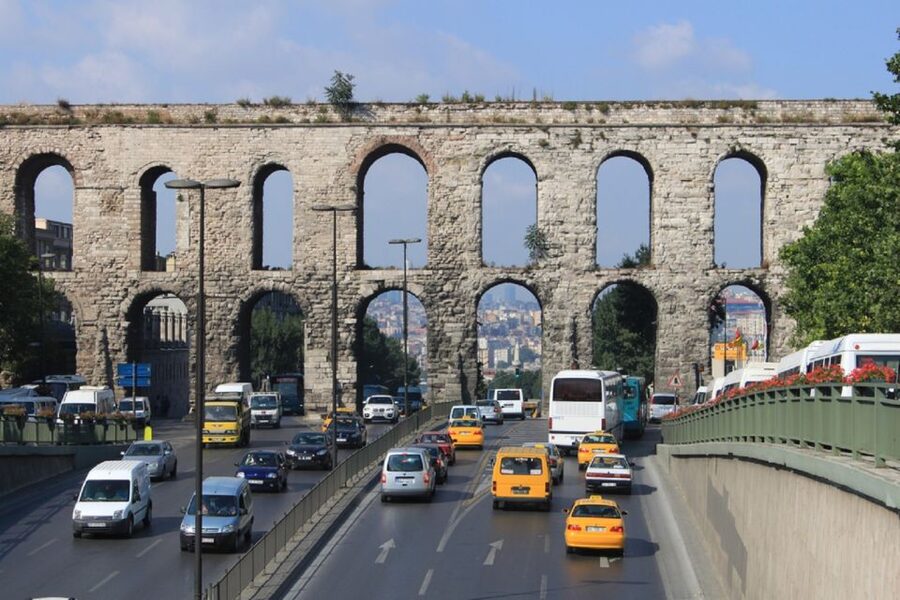
- Valens Aqueduct: Walk beneath sixth-century Roman waterworks that once supplied Constantinople.
- Zeyrek Mosque: Visit a former Byzantine church complex dating to 1118.
- Kurdish and Eastern Turkish food: Browse a neighborhood market and try five-hour, underground-baked lamb.
- Small-group access: Travel with up to 10 people, an English-speaking licensed guide, and included tram tickets.
Why Fatih gives you a different Istanbul
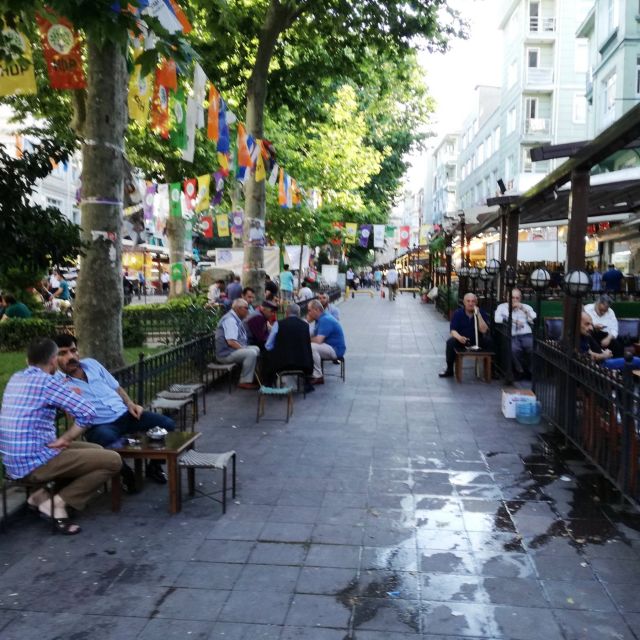
Most first visits stay around Sultanahmet, where the Blue Mosque, Hagia Sophia, and Topkapı Palace make a fine introduction. This tour begins nearby but quickly leaves that familiar circuit. You head into Fatih, one of Istanbul’s residential districts, where daily life takes the foreground.
That change matters. You are not simply looking at another monument. You are watching the city shift from historic center to neighborhood streets, food shops, mosques, gardens, and local markets. The route connects several places that are easy to miss when you plan Istanbul by major attractions alone.
The tour lasts about three hours. That is enough time for a well-shaped introduction, but not enough for long visits at every stop. You should expect a moving walk with short pauses, rather than a leisurely museum tour.
A few more market tours around Istanbul worth a look
- Istanbul Grand Bazaar: From Rooftops to the Secret Passages
★ 4.8 · 337 reviews - Istanbul: Hagia Sophia, Blue Mosque and Grand Bazaar Tour
★ 4.5 · 222 reviews - Small-Group Bosphorus Cruise and Istanbul’s Egyptian Bazaar
★ 3.5 · 208 reviews
Meeting at the German Fountain
The meeting point is the German Fountain on the Hippodrome, officially Atmeydanı. From Sultanahmet Tram Station, walk downhill on the right side of the road toward the small Firuz Ağa Mosque. Take the first right onto the Hippodrome square, where the green-domed fountain is easy to spot.
Allow extra time to find it if you are new to Istanbul. The tour does not include hotel pickup, so you must reach the fountain yourself. This central meeting point works well if you are staying near Sultanahmet or already visiting the old city that morning.
The tour includes tram tickets to Fatih and back to Sultanahmet. That is useful because Istanbul traffic can slow a short journey, and the tram keeps the route practical. You still need to walk between stops, with distances generally running from five to 15 minutes.
Wear comfortable shoes. A scarf is also required for mosque visits, so bring one rather than counting on finding one at the entrance.
Şehzade Mosque and the story of a lost prince
The first major stop is Şehzade Mosque, built in the 16th century for a son of Sultan Suleiman who died under mysterious circumstances. The mosque is associated with the young Şehzade Mehmed, and its purpose gives the building an unusually personal feeling.
This is also an important work by the Ottoman architect Sinan. It is often described as an early major project in his career, before the more famous Süleymaniye and Selimiye Mosques. You get a useful chance to see how Ottoman mosque design developed, rather than viewing Sinan only through his grandest buildings.
The appeal here is quiet. The route is designed around less-visited sites, so you are not spending the whole stop edging through a packed crowd. That makes it easier to listen, look upward at the dome, and ask questions.
As with any active mosque, visitors need to dress respectfully and follow local rules. Shoes may need to be removed, and prayer activity can affect access. Your guide will explain the setting, but the exact interior experience can vary with worship schedules.
Beneath the Valens Aqueduct
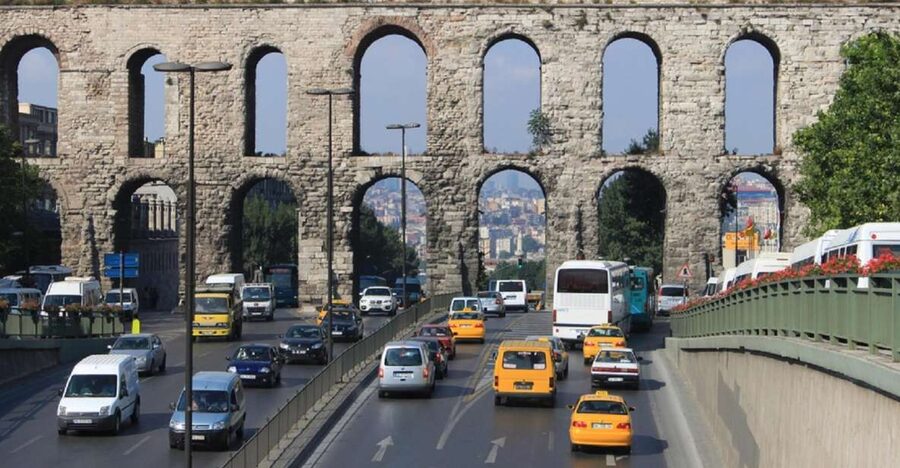
From the mosque, the tour continues toward the Roman aqueducts. The Valens Aqueduct dates to the sixth century AD and once carried water into Constantinople. Walking beneath it gives you a sense of the city’s old engineering system in a very direct way: the structure is above you, the modern district is around you, and Roman infrastructure remains part of the street scene.
This is not a formal museum visit with display cases and long explanations. It is an outdoor stop, best appreciated through scale and context. The aqueduct helps explain how a large imperial city could support its population before modern pipes and pumps.
Bring realistic expectations. You will walk by and beneath the aqueduct, not spend hours touring a preserved complex. The reward is the connection between ancient construction and present-day Fatih.
More shopping tours in Istanbul:
- Istanbul: Hagia Sophia, Blue Mosque, Cistern & Bazaar Tour
★ 4.9 · 189 reviews - Istanbul: Hagia Sophia, Blue Mosque, and Grand Bazaar Tour
★ 4.5 · 162 reviews - Culinary Backstreets of the Bazaar Quarter
★ 5.0 · 118 reviews - Private Guided Tour Hagia Sophia, Cistern, Topkapi and Bazaar
★ 5.0 · 79 reviews
Zeyrek Mosque, a Byzantine church complex
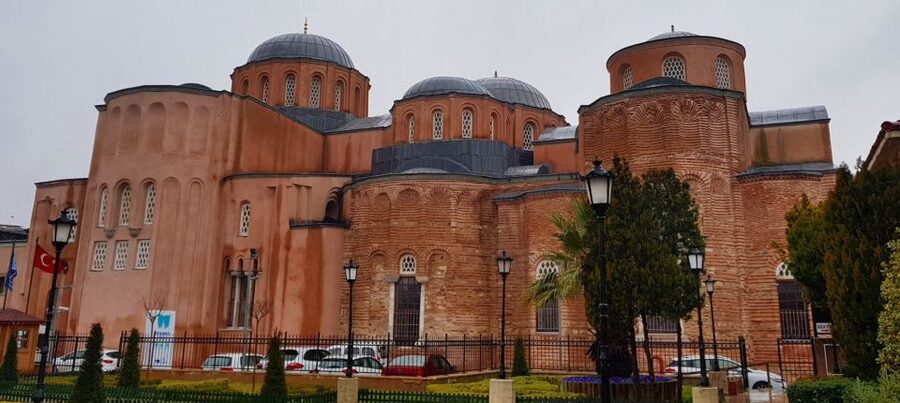
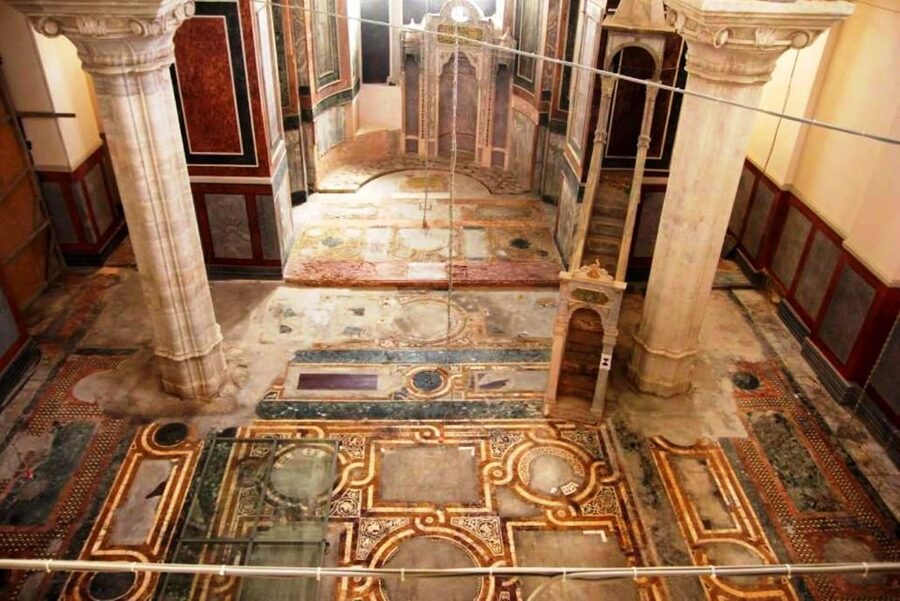
Zeyrek Mosque adds a different layer to the route. The building was formerly the Pantokrator church complex, constructed in 1118 during the Byzantine period. It later became a mosque, reflecting the many changes Istanbul has seen in its religious and political life.
This stop is especially valuable if you want to understand that Istanbul is not only an Ottoman city. Byzantine buildings, Roman infrastructure, Ottoman mosques, and modern neighborhoods often sit close together. A guide can help you connect those periods instead of treating each monument as an isolated photo stop.
The site is described as non-touristy, which means the atmosphere can feel more local and less staged. It also means you should not expect the polished visitor setup found at the city’s most famous attractions. The reward is a more ordinary, lived-in setting.
Vefa and the taste of 150-year-old boza
The Vefa neighborhood brings the tour down from architecture to food. Here you try boza, a thick traditional drink made from fermented grains. It is usually mildly tangy and slightly sweet, with a texture closer to a thin pudding than to juice.
The drink is served at the same place that has offered it for 150 years. That long connection gives the stop more weight than a random tasting. You are not just checking a local item off a list. You are stepping into a food tradition that has remained part of this neighborhood.
Boza will not suit every palate. Its flavor and texture are unfamiliar to many first-time drinkers, but that is exactly why it belongs on a tour about Istanbul beyond the usual route. The tasting is included in the price, so you can try it without adding another charge.
One useful tip: keep an open mind, but do not expect a refreshing fruit drink. The experience is cultural as much as culinary.
The market and foods from eastern Turkey
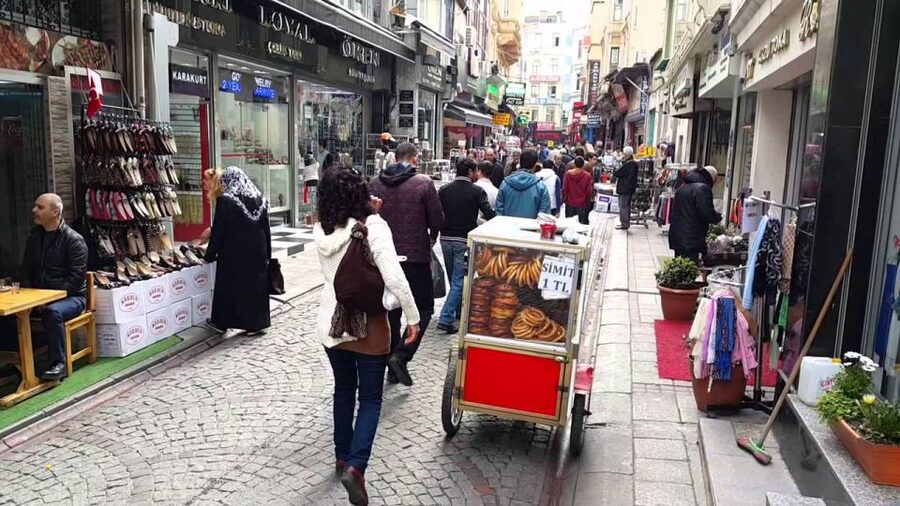
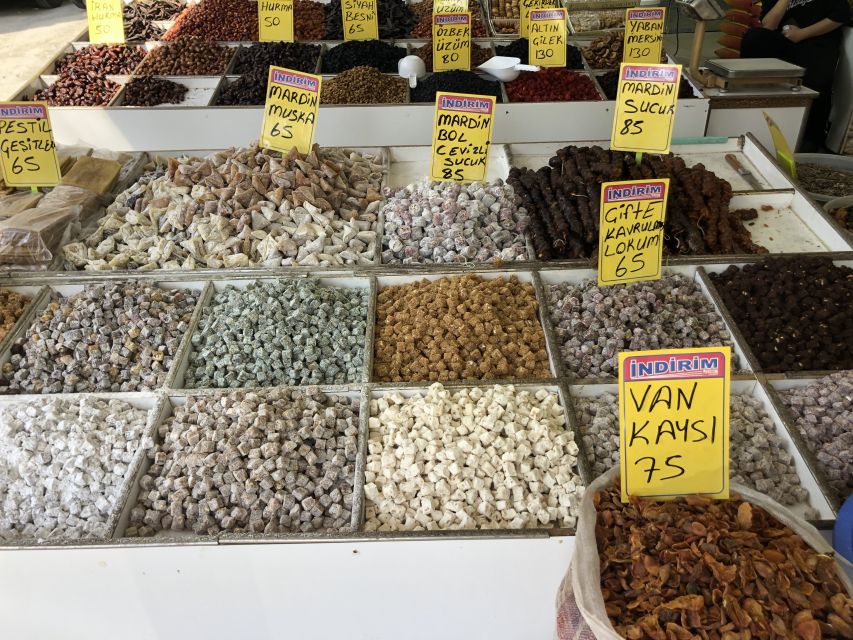
The route continues through a neighborhood market where foods from Eastern Turkey are sold. This section gives you a look at Istanbul as a meeting place for regional cuisines. The city’s food culture is not limited to kebabs aimed at visitors or restaurant dishes around Sultanahmet.
The market is a good place to notice the practical side of the district: what people buy, which regional flavors appear, and how migration from eastern parts of Turkey has shaped local food. The tour does not present the market as a staged attraction. You walk through a working neighborhood, so the pace and activity can change.
This part is also why the tour suits repeat visitors. If you have already seen the major monuments, a market and residential streets may tell you more about present-day Istanbul than another grand viewpoint.
Lunch: five-hour baked lamb
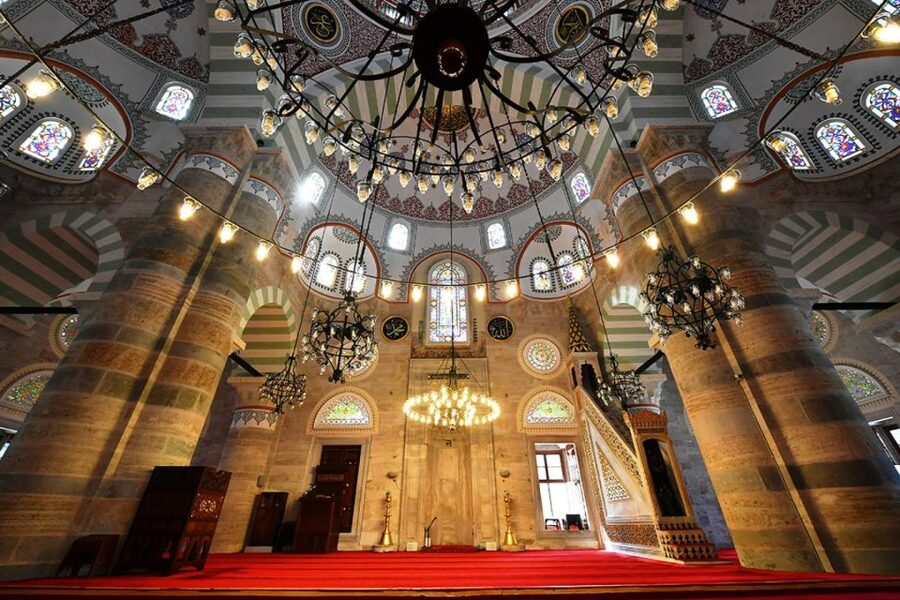
Lunch is optional and costs about $10 to $15 per person. I recommend budgeting for it because the meal is one of the tour’s strongest features.
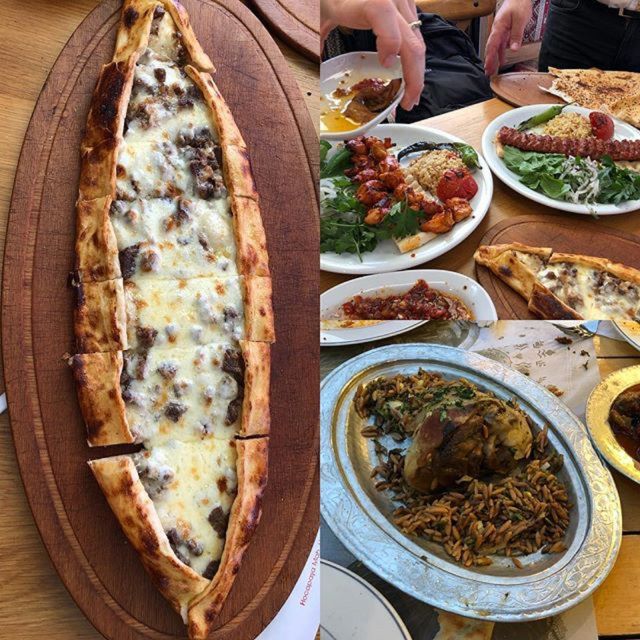
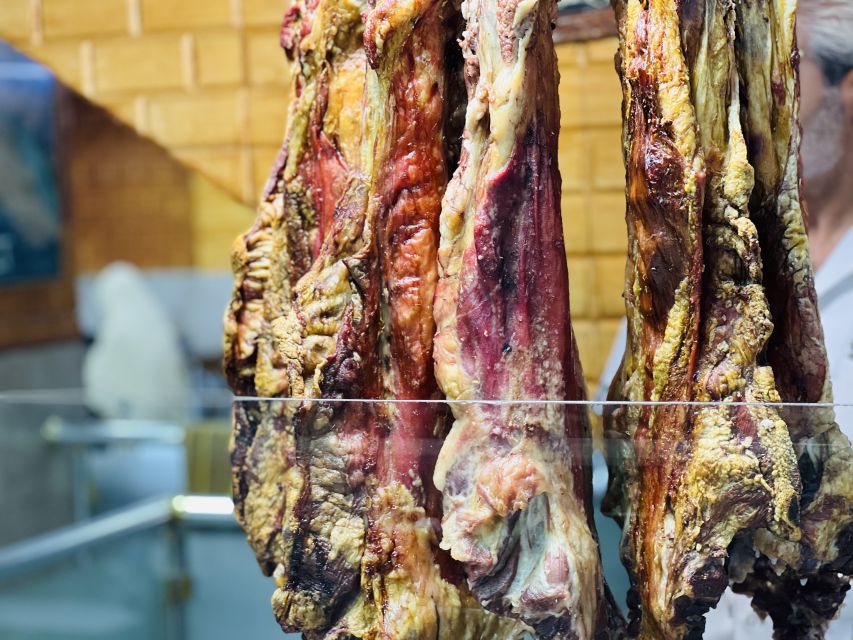
The main dish is buryan kebab, lamb baked in an underground clay oven for about five hours. Slow cooking gives the meat a different character from the quickly grilled kebabs found across the city. It is served in a simple, non-touristy restaurant with a Southeast Kurdish cooking style.
The meal is not included, so check your budget before booking. At the stated price, it remains a reasonable addition, especially because the tour takes you to a place selected for its regional cooking rather than its setting for sightseers.
A pumpkin dessert and a rice dish are also specifically associated with the meal. If you enjoy trying food tied to a region and cooking method, this is more than a routine lunch break. It is the point where the market walk and the cultural story come together.
What the guides add
The guide can make or break a route like this. The tour is not built around audio guides, large signs, or famous facades. Much of its value comes from someone explaining why a quiet mosque matters, how the aqueduct served the city, and what you are drinking in Vefa.
Salih and Onder are named as guides associated with the experience. Salih is praised for a professional approach and strong explanations. Onder is described as enthusiastic, patient, and willing to adjust the pace. That last point matters if you walk slowly or need occasional sitting breaks.
One particularly useful example is Onder’s handling of a guest whose husband had Parkinson’s. The tour was slowed down, with time to sit while he continued explaining the sites. You should not assume every group will receive a private pace, but the small-group format gives the guide more room to respond to individual needs.
The group limit is 10 people. That is large enough to keep the price reasonable and small enough for questions. It also makes neighborhood walking easier than joining a large coach group.
Is $71 a fair price?
At $71 per person, this is not the cheapest way to walk around Fatih. You could reach many of the areas independently for less, especially if you are comfortable using Istanbul’s tram and researching the sites beforehand.
The value comes from the combination. You receive a licensed English-speaking guide, professional guiding, boza, tram tickets, and a planned route linking Roman, Byzantine, Ottoman, and modern food culture. The lunch remains separate, but the extra $10 to $15 is moderate for the meal described.
I would see the price as fair for a first-time visitor who wants context and would otherwise miss these neighborhoods. It is less compelling if you already know Fatih well, speak Turkish, and prefer to set your own pace.
The free cancellation option up to 24 hours before the tour and reserve-now, pay-later booking also reduce the risk of fitting it into a changing Istanbul schedule.
Who should book this walk?
You should book it if you want:
- Quiet mosques instead of only Istanbul’s biggest sights
- A neighborhood route with public transport and easy walking stretches
- Local food and drink that may be unfamiliar
- A small group and time for questions
- A guide who can connect Roman, Byzantine, Ottoman, and modern Istanbul
- A three-hour introduction that fits around other sightseeing
You may want another tour if your priority is a detailed interior visit to major monuments, a fully accessible route with no public transport, or a meal included in the listed price. The tour involves walking, tram travel, mosque etiquette, and streets that are not presented as a polished attraction route.
Should you book the Roman Aqueduct, Şehzade Mosques and Women’s Market tour?
I would choose this tour after, or instead of, another day around Sultanahmet. Its strongest feature is the route itself: Şehzade Mosque, Zeyrek Mosque, the Valens Aqueduct, Vefa boza, a regional market, and a Kurdish lunch create a picture of Istanbul that the major monuments cannot provide alone.
Book it if you are curious, comfortable walking, and willing to try boza and regional lamb. Add lunch to your budget. If you get Salih or Onder, expect clear historical explanation and a guide who can make the pace work for the group.
FAQ
How long does the tour last?
The tour lasts three hours.
Where does the tour meet?
It meets at the German Fountain, also called Alman Çeşmesi in Turkish, on the Hippodrome at Binbirdirek, Atmeydanı Cd., 34122 Fatih, Istanbul.
Is hotel pickup included?
No. You must travel to the German Fountain for the start of the tour.
Is lunch included?
No. Lunch costs about $10 to $15 per person. The meal includes the chance to try Southeast Kurdish cuisine and buryan lamb baked in an underground clay oven.
What is included in the tour price?
The price includes a licensed English-speaking guide, professional guiding, boza, tram tickets to Fatih and back to Sultanahmet, and VAT.
Does the tour require much walking?
Yes. The tour involves walking and public transport. Walking distances between sites are generally five to 15 minutes, and comfortable shoes are recommended. A scarf should be brought for mosque visits.
Just added around Istanbul
- Istanbul: Private Local Food & Markets Experience★ 4.9 · 27 reviews
- Rug Shopping Private Tour with expert Grand Bazaar★ 5.0 · 5 reviews
- Istanbul: Afternoon Bosphorus Cruise and Spice Bazaar Tour★ 4.3 · 8 reviews
- Istanbul Private Shopping Tour – Grand Bazaar & Spice Market★ 5.0 · 3 reviews
- Istanbul Old City to Grand Bazaar Tour★ 4.9 · 8 reviews
- Istanbul: Guided Topkapi and Grand Bazaar with Small Group★ 4.7 · 3 reviews
- Istanbul: Dolmabahce Palace and Grand Bazaar Tour★ 5.0 · 11 reviews
- Istanbul: Blue Mosque, Basilica Cistern & Spice Bazaar Tour★ 4.9 · 30 reviews
Shopping Tours, compared.
Damnoen Saduak Market and Maeklong Railway Market
Read our review →
The Old Siam: Damnoen Saduak and Maeklong Railway Market
Read our review →
Train Market & Floating Market with Boat Ride
Read our review →
Ayutthaya & Ayothaya Floating Market Day Trip
Read our review →
Hanoi Cooking Class: Culture, Local Market & Meaning CSR Impact
Read our review →
5 Traditional Dishes Hanoi Cooking Class with Market Trip
Read our review →
Cooking Class and Lunch at a Tuscan Farmhouse with Local Market Tour from Florence
Read our review →
Cooking Class, Market & Thai Herbs Garden Tour
Read our review →Browse the lists this tour appears in