
Review · FRANCE
Sarlat Gourmet Tour & Market Visit with Tastings
Sarlat’s market is the heart of this experience. You follow your guide through the old streets, past colorful stalls and major sights, while local food gives the town’s story a practical flavor. I especially like the three tasting stops and the small-group limit of eight, which keeps the walk personal.
I also like the smart mix of places: the Lantern of the Dead, Saint Sacerdos Cathedral, Saint Mary church and covered market, and the house of La Boétie. The main drawback is that tastings are bite-sized, and some guides, including Benoît, are pleasant but soft-spoken rather than theatrical.
Key points at a glance
- Three regional tasting stops: Expect samples such as cheese, duck products, walnuts, wine, and seasonal sweets.
- Market-day Sarlat: You walk through the town while its food stalls are active, not just past closed storefronts.
- Major sights included: The route passes the Lantern of the Dead, Saint Sacerdos Cathedral, Saint Mary church and covered market, and La Boétie’s house.
- Small English-speaking group: The tour is limited to eight participants and needs at least two adults to operate.
- Two hours on foot: This is a compact introduction to Sarlat, with no transport or monument entry included.
- Food changes with the season: The exact samples are not fixed, so come ready for regional specialties rather than one guaranteed menu.
Why this Sarlat food walk works so well
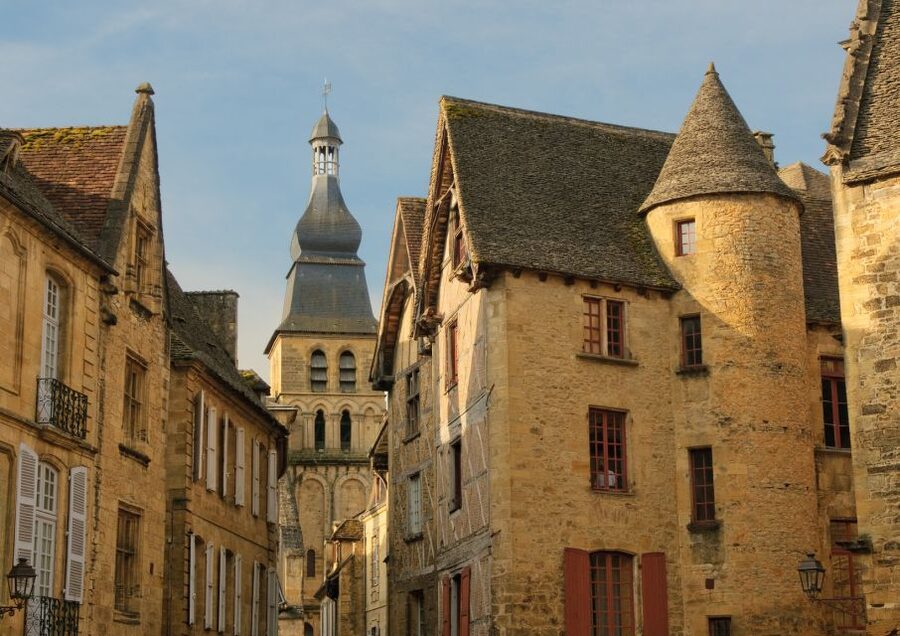
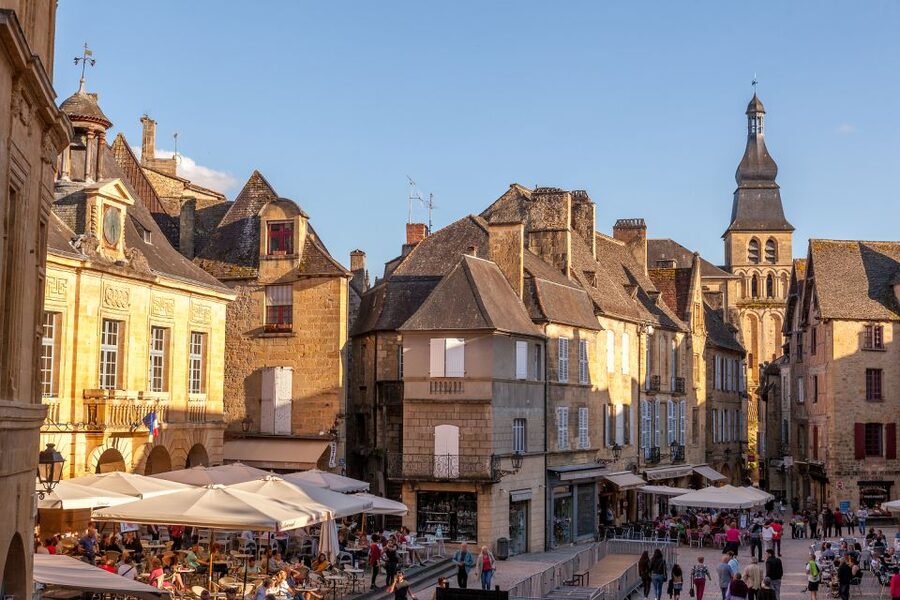
Sarlat-la-Canéda is a town best understood on foot. Its winding streets, old stone buildings, market spaces, and grand religious landmarks are packed into a walkable center. A food tour gives you a reason to pause and look closely instead of simply ticking off the sights.
I like the way this tour joins two parts of Sarlat that belong together: its past and its table. The guide explains the town as you move through it, then connects local ingredients to the Dordogne’s cooking traditions. You are not only told that foie gras, walnuts, or Bergerac wine are important. You get a chance to taste some of them.
The timing also makes sense. Two hours is long enough to gain your bearings and try several local foods, but short enough to fit around a larger day in Sarlat. If you have only a morning or afternoon, this is a useful first look. If you have several days, it can help you decide which products to buy later and which restaurants to investigate.
The experience operates in English only. The group can reach eight people, and at least two adults are needed for the tour to run. That is a good size for asking questions and staying close to the guide, though it does not guarantee a lively presentation. Benoît, one of the named guides, has been described as pleasant, engaged, and well informed about the town and its food, but also fairly quiet. If you prefer a calm guide to a performer, that may suit you. If you want nonstop storytelling, keep your expectations in check.
A few more market tours around France worth a look
- Versailles Palace Bike Tour with Market & Marie-Antoinette hamlet
★ 5.0 · 2,680 reviews - Versailles Bike Tour with Market, Gardens & Guided Palace Tour
★ 5.0 · 1,121 reviews - Paris Cooking Class and Lunch with Wine plus Market Visit Option
★ 5.0 · 1,024 reviews
Starting at Place Pasteur and entering old Sarlat
The meeting point is Place Pasteur, at the bus stop in Sarlat. You return to the same place after the walk, so there is no need to arrange a second pickup point. Transportation is not included, and the route itself is on foot.
Wear comfortable shoes. This is a walking tour through old streets, and the operator recommends footwear made for steady walking rather than fashion. Bring a passport or identity card as well. Pets are not permitted, and the tour is not suitable for wheelchair users.
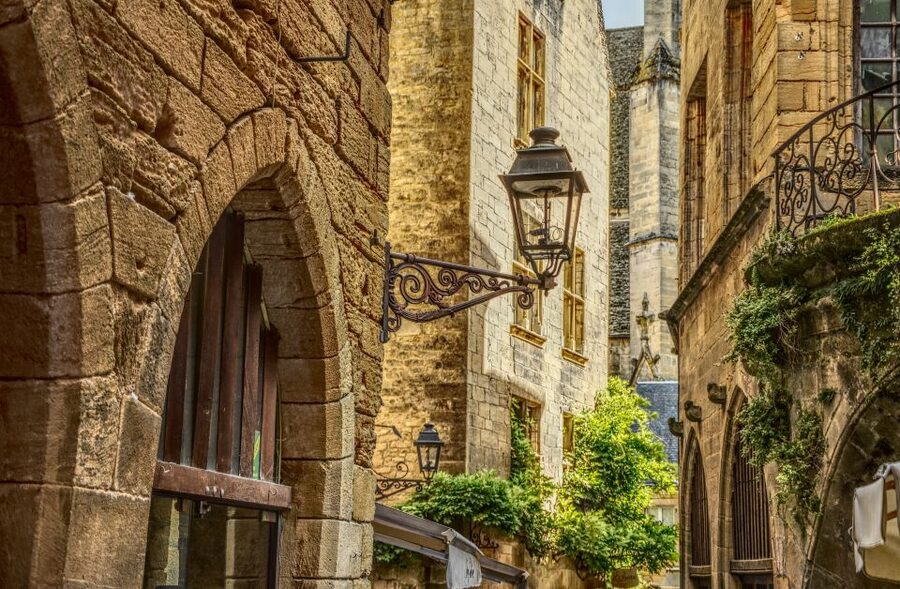
The route introduces you to Sarlat’s main sights while the guide explains the town’s background. The exact order can vary, but the listed landmarks include the Lantern of the Dead, Saint Sacerdos Cathedral, Saint Mary church and its covered market, and the house of La Boétie.
These places give the food story some useful context. Saint Mary church and the covered market connect directly to the town’s trading life. The Lantern of the Dead adds one of Sarlat’s more unusual visual landmarks. The house of La Boétie brings in the town’s literary and civic past. You get a broad introduction rather than a long visit inside one monument.
That distinction matters. Entry fees to museums, monuments, and attractions are not included, so you should not expect interior tours or extended time at each sight. The value is in seeing the main points as part of a guided walk, then deciding what deserves a separate visit.
The market is the main event
A market-day visit gives the tour its strongest sense of place. Sarlat’s stalls display the ingredients associated with the Dordogne, and your guide helps explain what you are seeing and how the products are used.
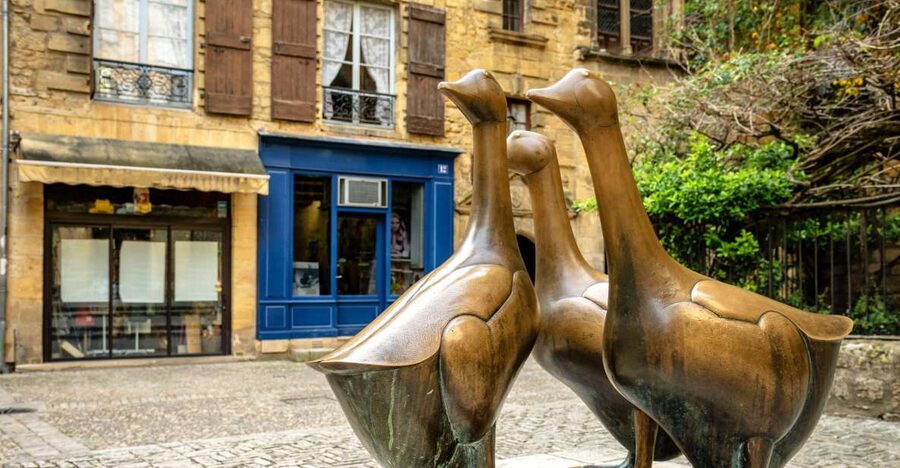
The market is not just a backdrop for photographs. It is where you can connect the area’s reputation to actual food. Local cooking relies on duck and goose, foie gras, black truffles from the Périgord, chestnuts, walnuts, and Périgord strawberries. Some items are seasonal, so the stall displays and tasting selection will change during the year.
Walnuts are especially important here. Périgord walnuts have their own AOC designation, a protected mark tied to origin and production standards. That makes the walnut tastings more than a sweet snack. They show how one local crop appears in several forms, from wine and cakes to crisp confections.
The market can also help you shop with more confidence. You may see products that are easy to confuse when you are buying on your own, especially jars, cured foods, cheeses, sweets, and regional bottles. A guide’s explanation can help you understand what belongs to the area and what is simply being sold there.
One practical point: the tour takes place on market day, but the supplied details do not specify which weekday or how large the market will be. Check the available start times and date when booking. The market is central to the experience, so the day matters.
Stop one: cheese and the flavor of the region
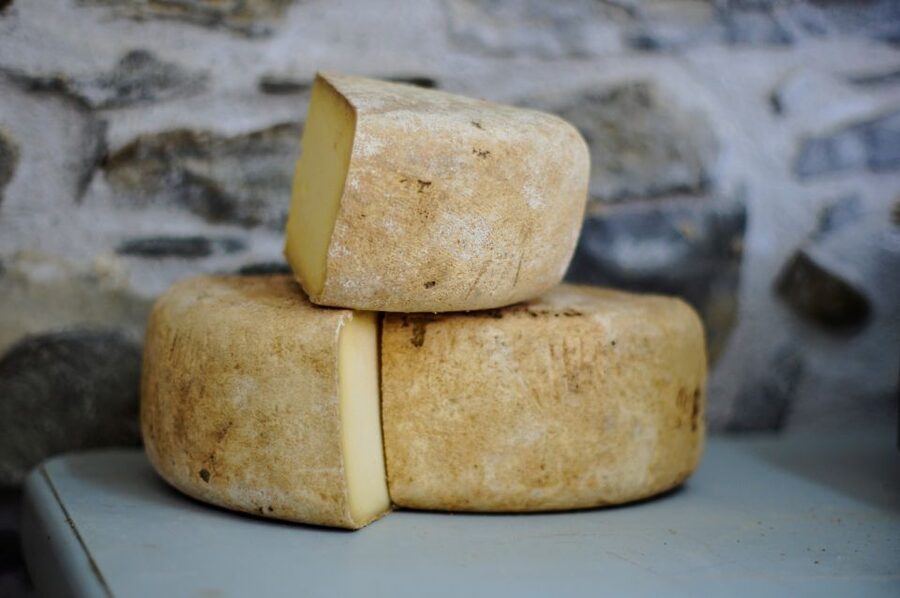
The first tasting stop may focus on local cheeses. One sample route included four types of cheese, giving you a chance to compare texture and flavor rather than taking one quick bite and moving on.
This is a useful opening because cheese gives you a simple way to understand the area’s food culture. It also prepares you for the later combinations with wine, walnuts, and duck products. The servings are small, so think of this as a guided introduction, not a meal.
The tasting stops take place at local shops, and the fees are included. You are not required to buy anything. That point is worth noting in a town where food shops can be tempting. You can ask questions, taste the products, and move on without feeling pressured to fill your suitcase.
The exact cheese selection depends on the season and availability. I would treat the four-cheese example as a helpful picture of the format, not a promise of a fixed menu. If you have allergies or strict dietary needs, the available information does not provide a special menu, so ask the operator before booking.
More shopping tours in France:
- Paris Evening Cooking Class French Dinner and Market Visit Option
★ 5.0 · 430 reviews - Toulouse Victor Hugo Market Small Group Tasting Tour
★ 5.0 · 337 reviews - Luberon Market & Villages Day Trip from Aix-en-Provence
★ 5.0 · 250 reviews - Versailles Full-Day Electric Bike Tour : Market, Picnic & Palace
★ 5.0 · 239 reviews
Stop two: duck, wine, and walnuts
The second stop brings together some of the Dordogne’s best-known flavors. A reported selection included three wines, one of them walnut wine, served with foie gras, pork tenderloin cooked in duck fat and garlic, and a cheese with a walnut-wine-soaked rind.
This is where the tour’s food education becomes most useful. Duck is not a side note in local cooking. It appears in several forms, and tasting it beside wine and cheese shows how rich ingredients are balanced at the table. Walnut wine also gives you a more unusual regional taste than a standard glass of red or white.
The tour explains Bergerac and Monbazillac wines as well. The Dordogne wine area includes 13 AOC wines, produced from grape varieties close to the celebrated wine country of Bordeaux. You do not need to be a wine expert to benefit from this. The guide gives you a basic sense of the local wine family and how these bottles fit into the wider southwest of France.
Do not expect a full wine tasting course or generous pours. The stop is designed to let you sample and learn while keeping the walk moving. For some people, that balance is ideal. If you are booking mainly for a long lunch or a substantial meal, this tour will feel too light.
Stop three: walnuts in dessert form
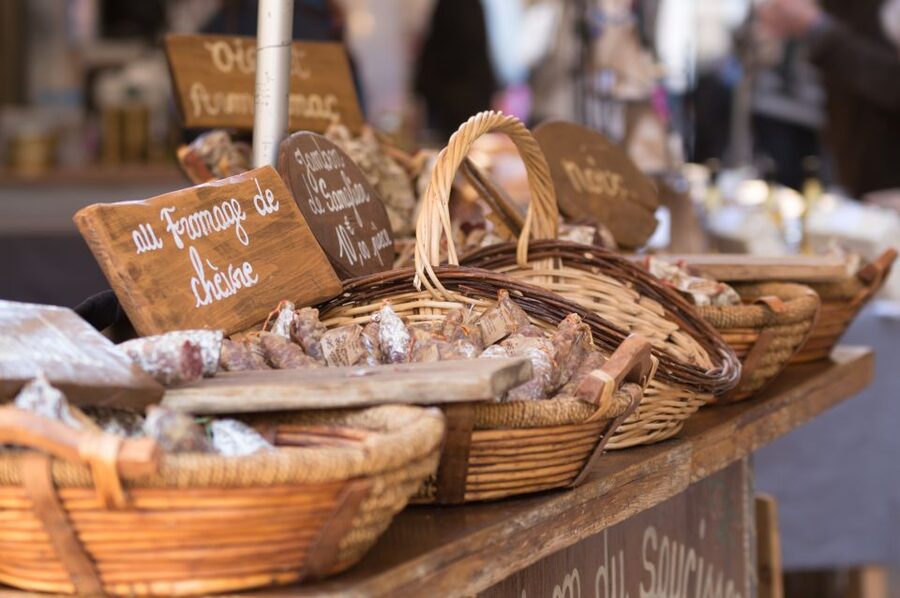
The final stop may turn walnuts into dessert. One selection included walnut cake, walnut crocante cookies, and a walnut and caramel tart.
This is a good finish because you can taste how the same regional ingredient changes when it moves from savory food into pastry. The portions are small, often no more than a bite or two, but several different sweets can give you a clearer idea of the local style than one large dessert.
The walnut focus also ties the whole route together. You may encounter walnuts at the market, in wine, alongside cheese, and in baked goods. That repetition is useful. By the end, you understand walnuts as a basic part of Périgord cooking rather than a single souvenir product.
Again, seasonal changes are possible. The tour description says the specialties depend on the season, so the three stops may not look exactly like the examples above. You should book this for the chance to taste local products, not for a guaranteed list of dishes.
What the $100 price really buys you
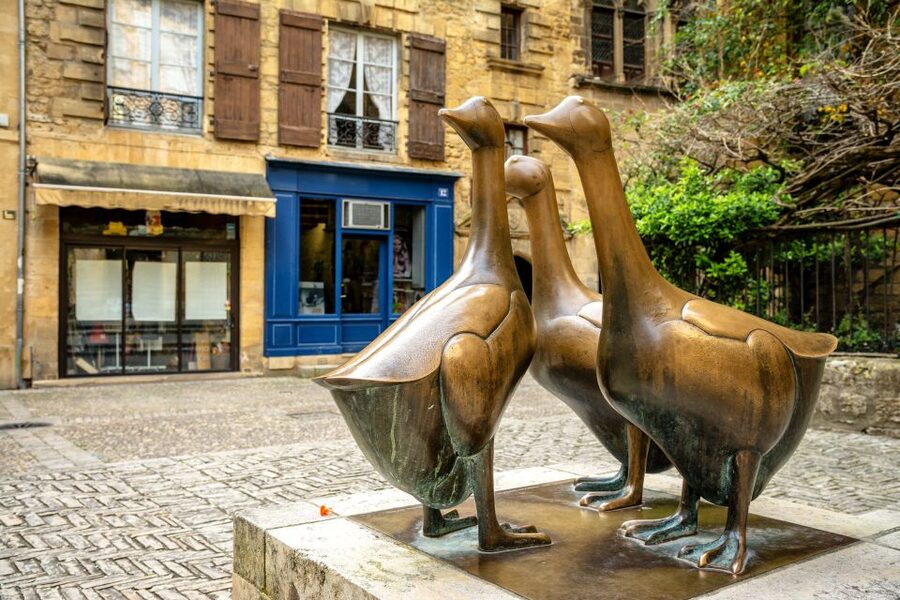
At $100 per person, this is not the cheapest way to walk through Sarlat. You are paying for a two-hour English-speaking guide, a small group, three tasting stops, and the convenience of having the food selected and explained.
The value is strongest if you want structure. Without a guide, you can certainly walk Sarlat’s old center and browse the market on your own. You may also spend nearly as much on unplanned samples if you stop at several shops, though that comparison depends on what you buy. This tour saves you from guessing which products are worth trying and gives you local context along the way.
The price does not include transportation or entry to monuments, museums, or attractions. Since the activity is a walking tour, most of your cost goes toward the guide and tastings. You should budget separately if you plan to visit interiors after the tour.
The small group is another part of the value. With a maximum of eight participants, you are less likely to lose the guide in a busy market or miss a short explanation. The tradeoff is that the tour requires at least two adults, so a last-minute solo plan depends on another booking being in place.
Who will enjoy this tour most

I would choose this tour if you want a quick, organized introduction to Sarlat and the Dordogne’s food traditions. It suits first-time visitors, couples, solo adults, and anyone who likes history delivered alongside something edible.
It also works well for people who are unsure what to buy at the market. The guide can point out regional products and suggest restaurants, as Benoît has done during the walk. That practical advice may be as useful as the formal sightseeing, especially if you have only a short stay.
The tour is less suitable if you want a large meal, extensive monument interiors, or a high-energy host. The samples are morsels, not lunch. Some guides may be calm and soft-spoken, and the walk is conducted in English only.
Families should note that children under four cannot join. The tour operates rain or shine, so bring clothing suited to the forecast. Comfortable shoes are essential, and the route is not suitable for wheelchair users.
Booking flexibility and timing
The tour lasts two hours, with starting times subject to availability. You can cancel up to 24 hours in advance for a full refund, and a reserve-now, pay-later option is available. Those terms are useful when your Sarlat plans may shift.
Because the experience depends on market activity and seasonal food, I would book a time that leaves room for a relaxed meal or further sightseeing afterward. The tour returns to Place Pasteur, making it easy to continue around town once the tasting walk ends.
If you want the best chance to ask questions, arrive ready to stay with the group. A small food tour loses some of its value if you are focused on rushing to the next appointment.
Should you book the Sarlat Gourmet Tour?
Book it if you want Sarlat’s sights, market, and cooking traditions in one manageable two-hour walk. The strongest points are the three tasting stops, the compact small group, and the chance to try regional food with an explanation of where it fits in Dordogne culture.
Skip it if you are looking for a full meal, a private tour, or detailed access to monuments. You should also think twice if you need wheelchair access, want a tour in another language, or dislike small portions.
For most food-minded first-time visitors, the tour offers a useful start. Come hungry enough to taste, but not hungry enough to expect lunch. Wear good shoes, keep your schedule flexible, and treat the samples as a guide to what you may want to order or buy later in Sarlat.
FAQ
Where does the tour begin?
It begins at Place Pasteur, at the bus stop in Sarlat.
Where does the tour finish?
The walking tour returns to Place Pasteur in Sarlat.
How long does the experience last?
The tour lasts two hours.
What language is the tour conducted in?
The tour is operated in English only, with a live English-speaking guide.
How many people can join the group?
The group is limited to eight participants.
What food and drinks are included?
The tour includes three tasting stops at local shops. Samples may include duck, walnuts, cheese, wine, and other seasonal specialties.
Are tasting fees included?
Yes, tasting fees at the three local shops are included.
Is transportation included?
No. Transportation is not included, and the activity is a walking tour.
Are monument and museum entry fees included?
No. Entry fees to monuments, museums, and other attractions are not included.
Can children under four join?
No. Children under four years old cannot join the tour.
Is the tour suitable for wheelchair users?
No. The tour is not suitable for wheelchair users.
What should I bring?
Bring a passport or identity card and comfortable walking shoes.
Can I cancel for a refund?
You can cancel up to 24 hours in advance for a full refund.
Does the tour operate in bad weather?
Yes. The activity operates rain or shine.
Just added around France
- Cannes Ooh La La Food Tour★ 5.0 · 10 reviews
- Bordeaux Market Tasting by Food Lover Tour★ 5.0 · 13 reviews
- Bordeaux Old Town & Market Local Food with Wine Tastings Tour★ 4.0 · 56 reviews
- Sarlat Gourmet Tour and Market Visit★ 5.0 · 49 reviews
- Luberon Market & Villages from Avignon★ 5.0 · 4 reviews
- Provençal Morning Farmers Market & Food Discovery Tour★ 5.0 · 7 reviews
- Provençal Farmers market tour★ 5.0 · 15 reviews
- Strasbourg Christmas market tour and culinary city tour with tastings★ 5.0 · 5 reviews
Shopping Tours, compared.
Damnoen Saduak Market and Maeklong Railway Market
Read our review →
The Old Siam: Damnoen Saduak and Maeklong Railway Market
Read our review →
Train Market & Floating Market with Boat Ride
Read our review →
Ayutthaya & Ayothaya Floating Market Day Trip
Read our review →
Hanoi Cooking Class: Culture, Local Market & Meaning CSR Impact
Read our review →
5 Traditional Dishes Hanoi Cooking Class with Market Trip
Read our review →
Cooking Class and Lunch at a Tuscan Farmhouse with Local Market Tour from Florence
Read our review →
Cooking Class, Market & Thai Herbs Garden Tour
Read our review →Browse the lists this tour appears in