
Review · LIMA
Lima: Historic Center Street Food, Market, and Eateries Tour
Lima’s historic center is best understood with something to eat in your hand. This four-hour walk links grand colonial buildings with small restaurants, food carts, Mercado Central, and Chinatown, so you get both the postcard sights and the everyday flavors of central Lima. I especially like the market visit and the chance to try foods you might not order on your own, including anticuchos, creole churros, picarones, and chilcano.
I also like the way the tour mixes food with stories about Lima’s economy, culture, and daily life. Guides such as Marcos, Aura, and Valeria have been praised for explaining both the dishes and the city around them. The main caution is that the menu leans heavily toward meat, and there are several sweet stops, so this is not a good match for vegetarians, vegans, pescatarians, or anyone with a severe gluten or nut allergy.
Key points to know before you book
- Eight or more tastings can add up to a full meal: Portions vary, but you may finish too full for dinner.
- Mercado Central and Chinatown show daily Lima: These stops offer more local color than a standard sightseeing walk.
- The sights are mostly viewed from outside: You see the Cathedral, Government Palace, San Francisco Basilica, and other landmarks, but this is not an interiors-focused architecture tour.
- The drink stops are part of the appeal: You’ll try chilcano and visit a historic casona or local bar for spirits.
- The tour is in English only: A private tour is required if you need another language.
- Wear comfortable shoes and carry only a small bag: Luggage and large bags are not allowed.
Why this food walk works so well in Lima
At $69 per person, this is not the cheapest way to eat in Lima. You could buy individual snacks for much less. But the price covers a four-hour guided walk, several food and drink tastings, entry into places you might miss alone, and a running explanation of how Lima fits together.
That last part matters. The historic center can feel like a string of impressive squares and churches if you simply walk through it. A guide gives the food a setting. You learn why a particular snack is popular, how local eating habits developed, and what the buildings around you say about Lima’s past and present.
The tour has earned a 4.9 rating from 216 bookings, and the strongest pattern is clear: people praise the guides, the mix of sightseeing and eating, and the amount of food. I would treat those points as the tour’s real value. You are not paying only for a list of dishes. You are paying for a local escort who helps you understand what you are tasting and where you are.
The pace also seems well judged. You walk between stops, but the route includes seated breaks and restaurant visits. One person who took the tour soon after landing in Lima found the walking manageable because there were regular chances to rest. Still, this is a four-hour city walk, not a short tasting session. Comfortable shoes are essential.
More street food market tours in Peru:
- Lima Street Food Tour Beyond Netflix
★ 5.0 · 117 reviews - Lima: Food Tour on Local Market
★ 5.0 · 8 reviews - Dubai: Old Town, Creek, Museums, Souks, & Street Food Tour
★ 4.8 · 10,816 reviews
Starting at Gran Hotel Bolivar and Plaza San Martín
You meet at the main entrance of the Gran Hotel Bolivar, at Jirón de la Unión 958 on Plaza San Martín. This is a useful starting point because the square gives you an immediate sense of central Lima’s scale and architecture.
The first sightseeing stop is brief, about five minutes for photographs and orientation. Do not expect a long lecture here. The guide’s job is to get you moving while giving enough context to connect the square with the rest of the old center.
From there, the walk heads toward local food stops and the older streets of Lima. This is where the tour becomes more useful than a standard city highlights route. You are not simply walking from one monument to the next. You are watching the setting change as restaurants, food vendors, churches, markets, and public squares overlap.
Local restaurants and comida al paso
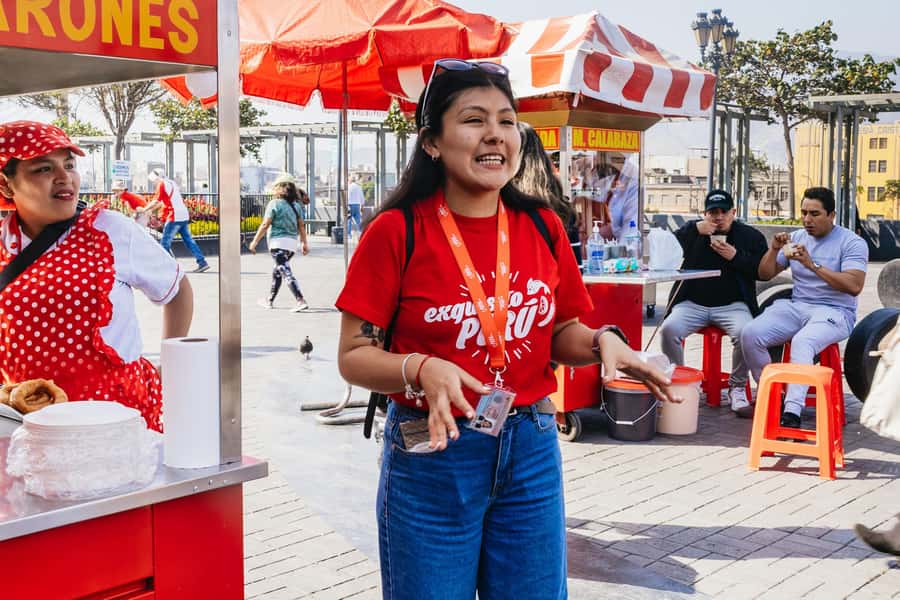
The phrase comida al paso means food eaten on the go, and this tour gives it plenty of attention. You visit small local eateries and food carts rather than relying only on formal restaurants. That choice is important because quick snacks often say more about everyday eating than an expensive meal does.
The tastings include familiar Peruvian favorites and small portions of dishes you may not recognize. Anticuchos are a major highlight for many people: grilled skewers with a strong, savory flavor. Sandwiches, tamales, and other regional foods may also appear as part of the food sequence, depending on the day and the available menu.
One especially popular stop is associated with sandwich de chicharrón, a pork sandwich that several people singled out as a favorite. You may also try food from classic Lima establishments that would be easy to pass by without knowing what to order.
The portions are designed to let you keep eating for four hours. That does not mean they are tiny. Several people finished full enough to skip dinner, while others felt the portions were carefully spaced and easy to manage. I would plan this as a substantial meal, not an appetizer before dinner.
Plaza Mayor, La Merced, and Lima’s grand center
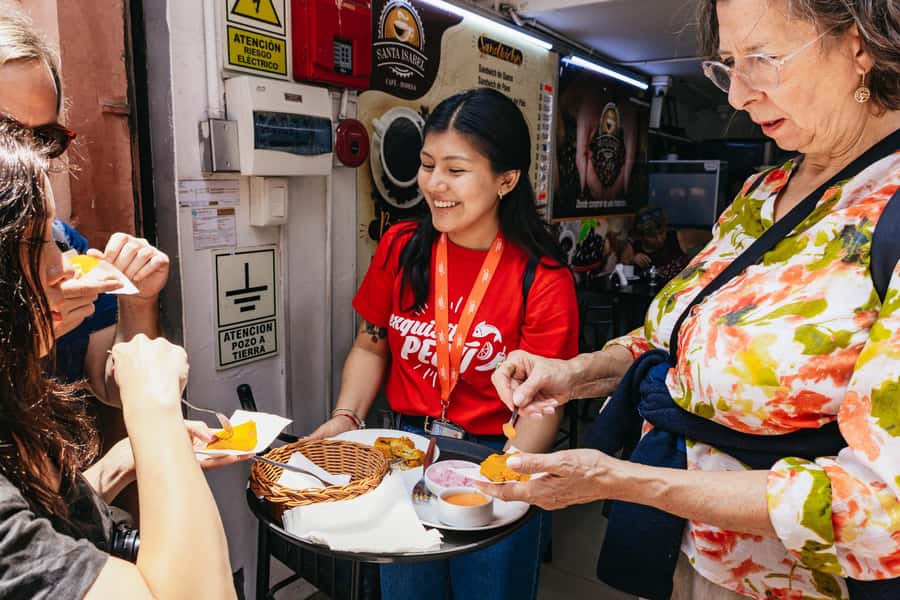
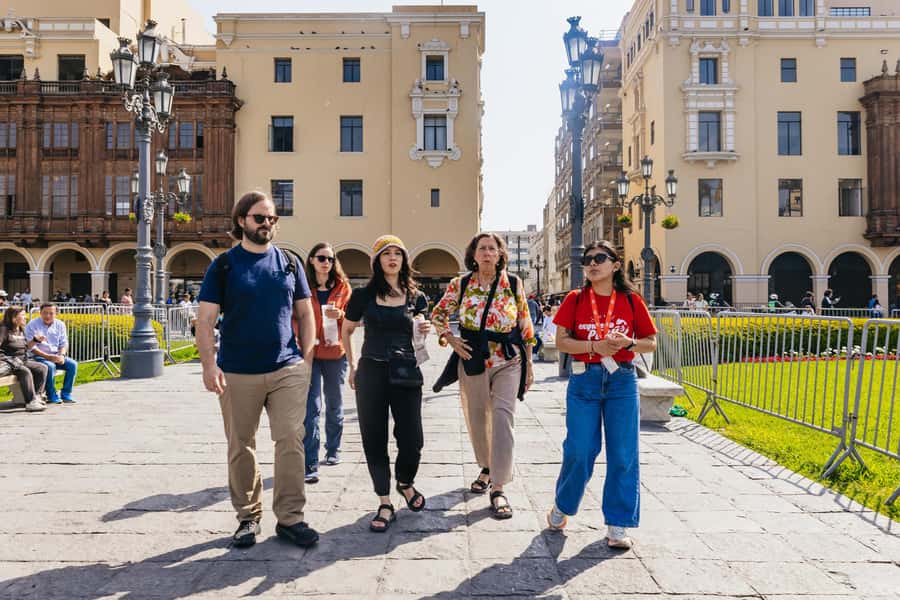
As you walk, the food is paired with some of the city’s best-known buildings. The route includes La Merced Church, Plaza Mayor, Lima Cathedral, the Government Palace, and the Basilica and Convent of San Francisco.
Most of these are photo and explanation stops from the outside. That distinction matters if you are choosing between this experience and a dedicated architecture tour. You will see the facades, hear stories about their role in Lima, and get time for pictures, but the experience does not promise interior visits or a detailed examination of colonial art.
Plaza Mayor is the visual center of the route. It brings together the Cathedral, Government Palace, and other major buildings in one formal setting. Your guide can help you read the square as more than a pretty backdrop, explaining how it relates to the city’s public life and past.
The short stop at the Cathedral is useful for orientation, but do not expect the tour to linger. The same applies to San Francisco. You get a look at its colonial architecture and hear about its place in Lima, then continue on foot. I like this arrangement for a first visit because it gives you a broad introduction without turning the afternoon into a long building-by-building lecture.
More food and drink tours in Peru:
- Market Tour, Tasting of 35 Fruits, and 4-Course Peruvian Cooking Class in Lima
★ 5.0 · 86 reviews - Lima: Market Tour, 35 Fruits Tasting & Cooking Class
★ 5.0 · 3 reviews - Lima Food Experience with local Markets & Barranco Tour
★ 5.0 · 2 reviews - Dubai: Old Town, Souks, Street Food, Guided Tour & Abra Ride
★ 4.9 · 7,170 reviews
Mercado Central, where Lima gets practical
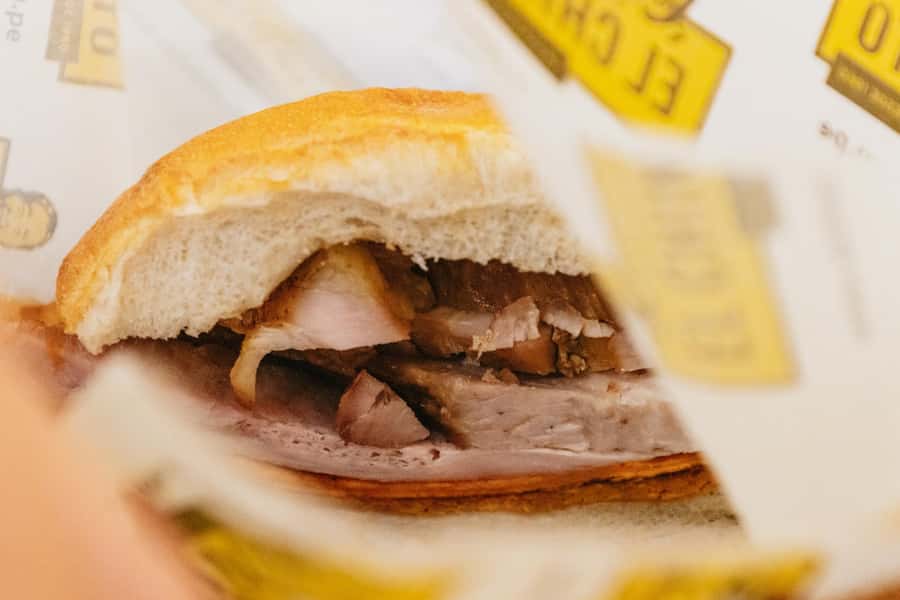
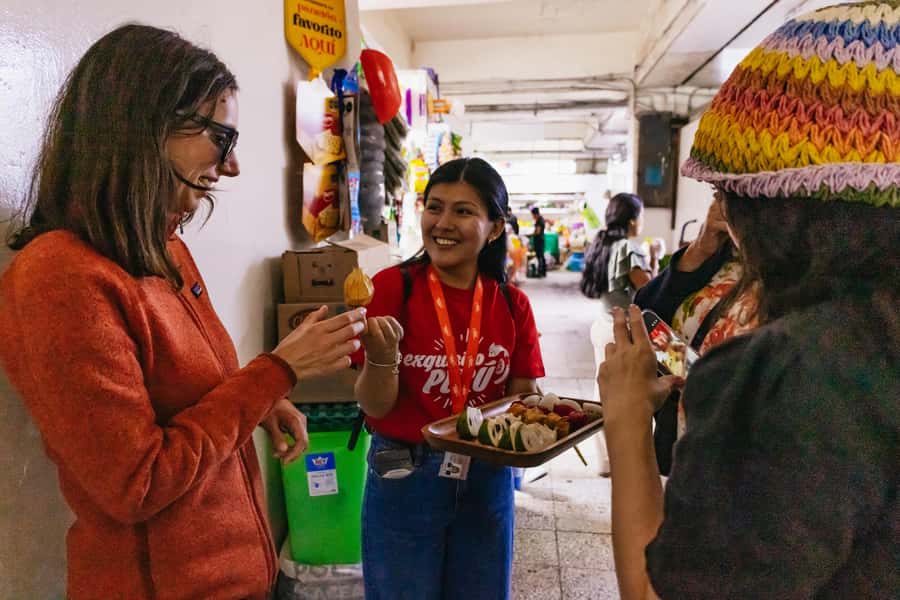
Mercado Central is one of the most useful parts of the tour. This is Lima’s largest market, and it shifts the focus from monumental buildings to ingredients, shopping, and ordinary routines.
You can expect a short market visit of about 25 minutes. That is enough time to see produce, spices, local specialties, and fruit without becoming lost in a long market expedition. The guide helps explain what you are looking at and may point out foods you would have no reason to recognize on your own.
Market stops can be sensory and crowded, so keep your belongings close and bring patience. Large bags and luggage are not permitted on the tour, which is helpful in tight spaces. You will want your hands free for walking and tasting.
This is also one of the places where dietary needs become important. The tour provider asks you to give notice of restrictions at least 24 hours ahead, but it cannot offer alternatives for vegetarians, vegans, or pescatarians. People with severe gluten or nut allergies are advised not to book because some foods may contain traces.
Chinatown and the Peruvian-Chinese connection
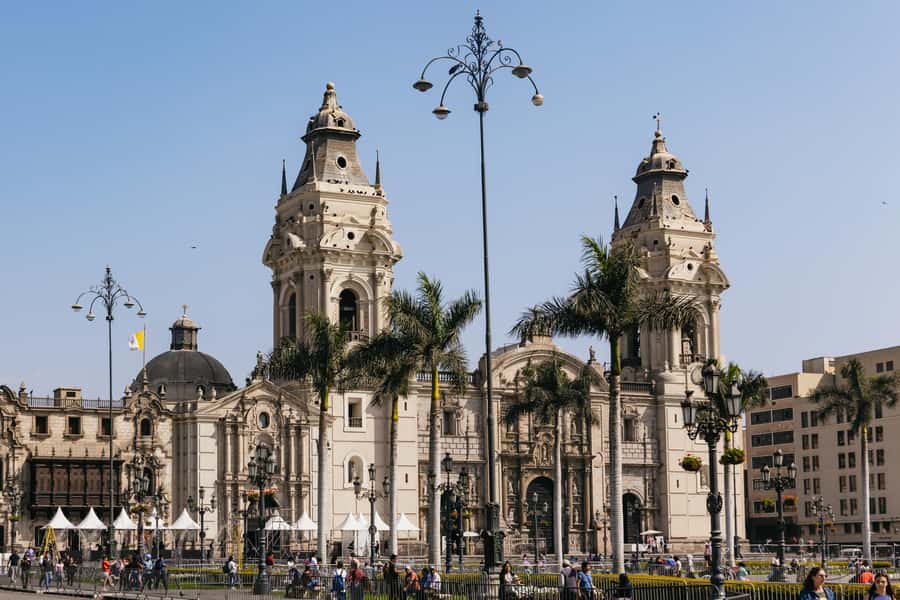
The walk continues into Lima’s Chinatown, where the food reflects one of the city’s most distinctive cultural combinations. Peruvian-Chinese cooking, commonly called chifa, blends Chinese techniques and flavors with local ingredients and Peruvian habits.
The Chinatown segment is short, around 15 minutes, but it adds range to the meal. You are not tasting only traditional Andean or Spanish-influenced dishes. You are seeing how migration and local culture shaped what people eat in Lima today.
The stop combines walking, sightseeing, and street food. Your guide can explain the connection between the neighborhood and the dishes while you taste. It is a small part of the tour, but it keeps the experience from becoming a narrow list of standard Peruvian specialties.
Chilcano in an old Lima casona
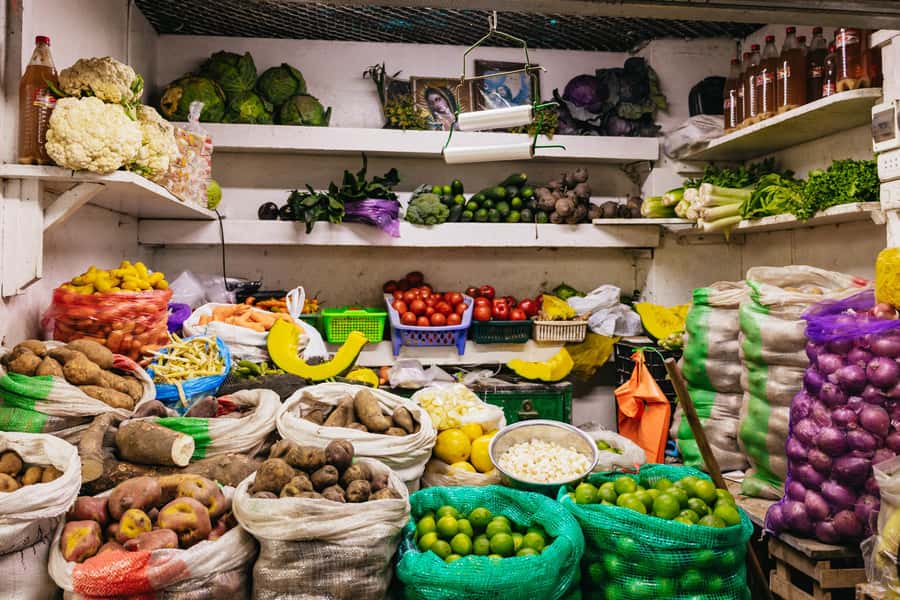
The drinks help break up the food. You try a chilcano, a Peruvian cocktail traditionally made with pisco and a mixer, during a stop at an old casona or local bar. The setting gives the drink more meaning than it would have at a random restaurant.
The spirits stop lasts about 30 minutes, making it one of the longer seated portions of the tour. It is a welcome pause after walking through the market and central streets. If you do not drink alcohol, check the tasting arrangements before booking because the listed experience specifically includes spirits and chilcano.
The drink portion also gives your guide room to talk about Peruvian ingredients and drinking traditions. This is not a cocktail-making class, and you should not expect a long bar session. It is a cultural tasting within a walking tour.
Churros, picarones, and the sweet finish
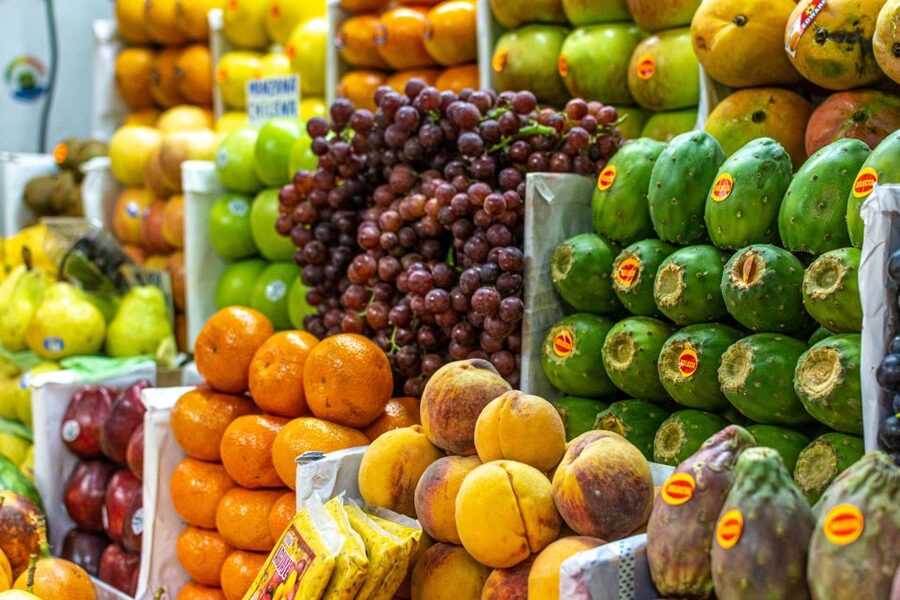
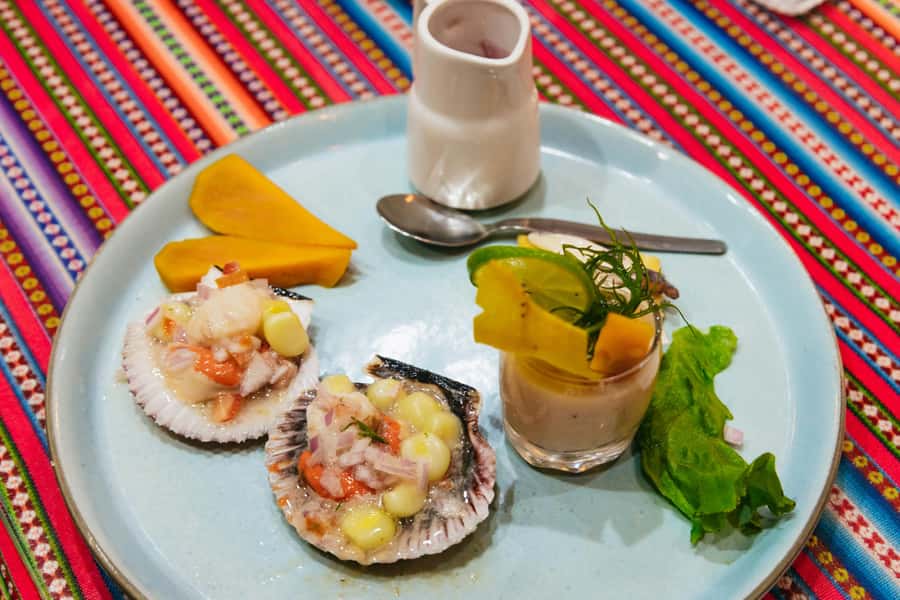
The dessert stops are generous enough to affect how you plan the day. Creole churros and picarones are among the best-known sweet tastings, and the tour may also include other desserts or fruit from the market.
The churros have received especially strong praise, and they are a highlight if you like fried dough and sweets. Picarones are a different experience, more like light, ring-shaped fritters served as a traditional Peruvian dessert. You may also encounter a full portion rather than just a bite.
This is where the menu balance deserves an honest warning. Some people felt the tour included a lot of dessert compared with the savory portions, particularly a large churro and a full picarón. Others liked ending the tour full and satisfied. If you prefer savory food, ask the guide about portion sharing when possible. If you have a sweet tooth, this part may be your favorite.
The guides make the difference
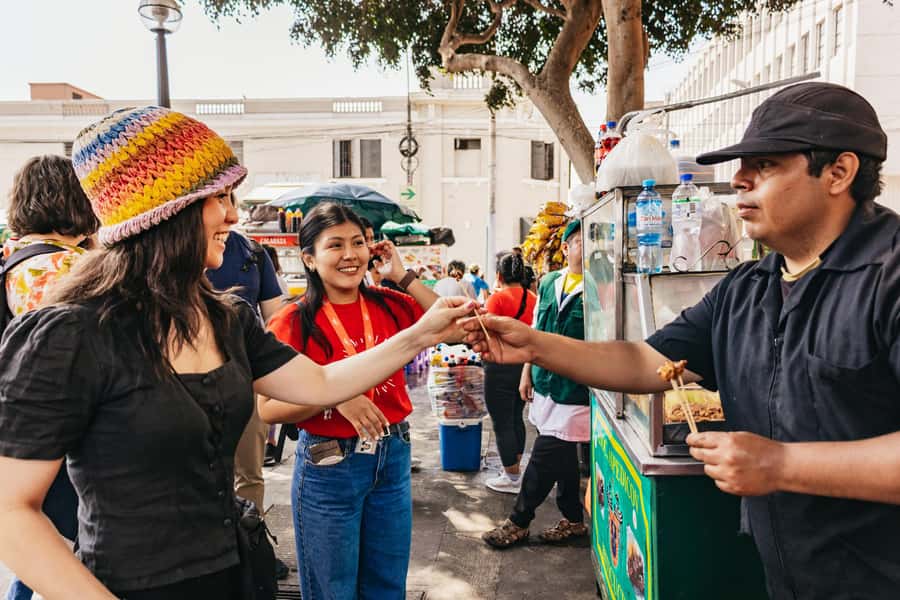
The route is good, but the guide shapes the experience. Marcos is often praised for humor, food knowledge, and his explanations of Lima and Peru. Aura is noted for warmth, organization, and her ability to adjust the emphasis toward history or food. Valeria has been praised for careful pacing and for making local venues feel approachable.
Other guides named in the feedback include David, Manuel, Sheyla, Shainy, and Marco. Your guide will depend on the date, and the experience is conducted in English only. The repeated strength is not a scripted performance. It is the guide’s ability to explain unfamiliar foods, manage the timing, and keep the group together through the busy center.
Small groups can make a real difference. One booking had only two participants, which allowed for plenty of individual attention. Group size is not specified, so you should not book expecting a private tour, but the guide-led format still gives you a better chance of trying unfamiliar foods with confidence.
Walking, timing, and practical comfort
The tour lasts four hours and finishes at Alameda Chabuca Granda. There is no hotel pickup or drop-off, so you need to make your own way to the Gran Hotel Bolivar and arrange transportation afterward.
The route includes repeated walks of about 10 to 15 minutes, plus standing at markets and food stalls. You also get seated stops at restaurants and a bar. People who worry about too much walking should know that this is active, but it is broken into manageable sections.
Book with an empty or nearly empty stomach. The food may include savory dishes, drinks, fruit, churros, picarones, and other snacks. By the end, you may have eaten enough to replace lunch or dinner.
I would also avoid carrying valuables in a large daypack. Luggage and large bags are not allowed, and a small, practical bag is easier in the market and on crowded streets.
The tour allows free cancellation up to 24 hours before the start and offers reserve-now, pay-later booking. Those policies are useful if your Lima schedule is still shifting, but the main decision is dietary and linguistic: this shared tour is English-only and meat-focused.
Who should book this Lima food tour?
I recommend it for a first visit to Lima, especially if you want a quick introduction to the historic center without committing to a long museum program. It works well for people who enjoy trying unfamiliar dishes, asking questions, and walking through several neighborhoods in one outing.
It also suits solo visitors. A guide removes the guesswork from ordering street food, and the food stops create an easy social rhythm. Couples and small groups will appreciate the mix of sightseeing and eating, especially if everyone is happy sharing portions.
I would choose a different experience if you are vegetarian, vegan, pescatarian, or managing a severe gluten or nut allergy. I would also look elsewhere if your main goal is entering churches and spending serious time on colonial interiors. This tour shows the architecture, but its center of gravity is food, streets, and local life.
Should you book it?
Book this tour if you want to understand Lima through both its buildings and its eating habits. For $69, you get a substantial four-hour introduction, a long list of tastings, a market visit, Chinatown, historic squares, and an English-speaking guide who can connect the pieces.
Go in expecting a full meal, regular walking, outside views of the major landmarks, and several desserts. If that sounds appealing, the combination is hard to beat for a first evening in central Lima. If you want a lighter tasting menu or a vegetarian experience, save your money and choose another route.
FAQ
How long does the Lima street food tour last?
The tour lasts four hours.
Where does the tour start?
It starts at the main entrance of the Gran Hotel Bolivar, at Jirón de la Unión 958 in Cercado de Lima, on Plaza San Martín.
Where does the tour finish?
The tour finishes at Alameda Chabuca Granda.
Is hotel pickup included?
No. Hotel pickup and drop-off are not included.
What language is the tour conducted in?
The shared tour is conducted in English only. A private tour is recommended for other languages.
What foods and drinks might I taste?
The experience includes food tastings and drinks such as chilcano, anticuchos, creole churros, picarones, market fruit, and other local specialties. Some tastings may include tamal, chicharrón sandwiches, and chifa-style food.
Does the tour visit a market?
Yes. The route includes a visit of about 25 minutes to Mercado Central, Lima’s largest market.
Does the tour include Chinatown?
Yes. You visit Lima’s Chinatown for sightseeing and street food connected with chifa cuisine.
Can vegetarians, vegans, or pescatarians book this tour?
No. The tour provider states that it cannot provide alternatives for vegetarians, vegans, or pescatarians.
Can I bring luggage or a large bag?
No. Luggage and large bags are not allowed.
What should I do if I have dietary restrictions?
You should provide details when booking, at least 24 hours before the tour. The provider cannot assure menu changes on the day of the tour, and people with severe gluten or nut allergies are advised not to book.
More Markets in Peru
- Cusco: Peruvian Cooking Class, Cocktails & Local Market Tour
★ 4.9 · 512 reviews - Pisac Indian Market and Ollantaytambo Fortress with Lunch
★ 4.5 · 395 reviews - Cooking class and market tour with a local chef
★ 5.0 · 186 reviews - Cusco City Sightseeing, San Pedro Market, Cathedral and Qorikancha Temple
★ 4.5 · 139 reviews
More Food in Peru
- Bangkok by Night: Temples, Markets and Food Tuk-Tuk Tour
★ 5.0 · 3,752 reviews - Chef Guided Food Tour of Pike Place Market
★ 5.0 · 3,733 reviews - Tokyo Tsukiji Fish Market Food and Culture Walking Tour
★ 5.0 · 3,184 reviews - Bangkok: Markets, Temples and Food Night Tour by Tuk Tuk
★ 4.9 · 2,371 reviews
Just added around Peru
- Lima: Market Tour and Cooking Class with Pisco Sour★ 5.0 · 3 reviews
- Lima: Market Tour, 35 Fruits Tasting & Cooking Class★ 5.0 · 3 reviews
- Lima: Peruvian cooking class and tour of Surquillo market★ 5.0 · 2 reviews
- Lima: Food Tour on Local Market★ 5.0 · 8 reviews
- Lima Food Experience with local Markets & Barranco Tour★ 5.0 · 2 reviews
- Full Day Lima: Local Market+ CityTour+ Barranco & Miraflores★ 5.0 · 3 reviews
- Cusco: Coricancha, Cathedral & San Pedro Market Walking Tour★ 5.0 · 2 reviews
- Cusco: Peruvian Cooking Class & Market Tour★ 4.9 · 19 reviews
Street Food Market Tours, compared.
Old Town, Creek, Museums, Souks, & Street Food Tour
Read our review →
Old Town, Souks, Street Food, Guided Tour & Abra Ride
Read our review →
London Bridge & Borough Market Food Tour with 7 Authentic Dishes
Read our review →
Old Town, Souks, Street Food, Guided Tour & Abra Ride
Read our review →
Small Group Cooking Class & Market Food Tour in Florence
Read our review →
Old Town, Street Food, Creek, Souks, & Emirati House
Read our review →Browse the lists this tour appears in