Review · INDIA
London of Orient Heritage Walking Tour With Flower Market
Calcutta’s colonial center is best understood on foot, where grand government buildings, old post offices, and quiet corners around Tank Square still reveal the city’s time as the British capital of India. This tour adds a local yellow cab and a visit to Mullick Ghat flower market, giving you two very different views of Kolkata in one outing.
I like the simple start with hot tea in a clay cup, and I like that the walk does more than point at façades. It connects the buildings to the work of empire and the making of colonial Calcutta. The main consideration is the pace: two and a half to three hours on foot, followed by a market visit, may feel tiring in heat or for anyone with limited mobility.
Key points to know before you go
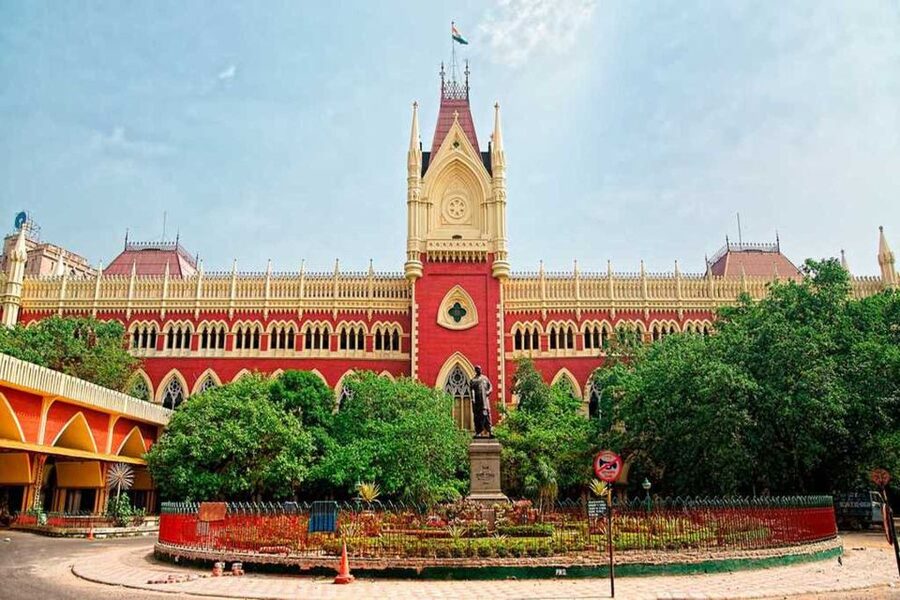
- Start at Writer’s Building: Meet at Gate 5, one of the most important colonial landmarks in the city.
- Tea comes in a khullar: Your included refreshment is Kolkata-style tea served in a small clay cup.
- Walk through the old British district: See Tank Square, the Grand Post Office, and former insurance buildings.
- Ride a local yellow cab: The cab transfer adds a distinctly Kolkata touch after the walking portion.
- Finish at Mullick Ghat: Visit the flower market beside the Hooghly, where flowers supply ceremonies, weddings, funerals, and daily worship.
- Plan for sturdy footwear: Comfortable closed shoes are required, and open-toed shoes are not allowed.
Starting at Writer’s Building and meeting colonial Calcutta

The tour begins at Writer’s Building Gate 5. This is a fitting place to start because the building served as the headquarters of the British Empire in India during Calcutta’s years as the imperial capital.
You are not simply being led from one old building to another. The opening part sets up the story of how this part of the city was planned and used. The architecture carries the weight of government, business, and administration, while the guide fills in the human side of that story with anecdotes from the 19th century.
The tour lasts about 2.5 to 3 hours, so expect a steady outing rather than a quick photo stop. The exact walking route is not specified in detail, but it centers on the British colonial district and includes several major buildings and public spaces.
I like this format for a first look at Kolkata. You get enough time to notice details that are easy to miss from a car, but the walk is short enough to fit into a busy sightseeing day. It also gives you a clear starting point for exploring the central city on your own later.
More Flower and Flea Market Tours in India
- Jaipur Tuk-Tuk Tour with Flower Market Visit
★ 5.0 · 124 reviews - Jaipur Tour by Tuk-Tuk or Car with Flower Market
★ 5.0 · 120 reviews - Jaipur: Half-Day Guided Sightseeing Tour with Flower Market
★ 4.9 · 119 reviews
A small clay cup of Kolkata tea
Before the walk gets underway, you receive Kolkata tea served in a khullar, a traditional clay cup. This is a small detail, but it helps the tour begin with something local rather than with a formal lecture.
The tea is included in the price, so you do not need to budget extra for this refreshment. The information describes it as hot Kolkata special tea, and one part of the description also refers to bubble tea. The safest expectation is a hot tea drink served in a clay cup, not a full snack break or meal.
I like the practical value here. A warm drink gives you a moment to settle in, and the clay cup adds a tactile connection to local habits. It is also a good reminder that this is not an indoor museum tour. You are getting ready to walk through an active part of the city.
Do not count on the tea as breakfast or lunch. Food and other drinks are not included, so eat beforehand if you need something substantial.
Tank Square and the old administrative center
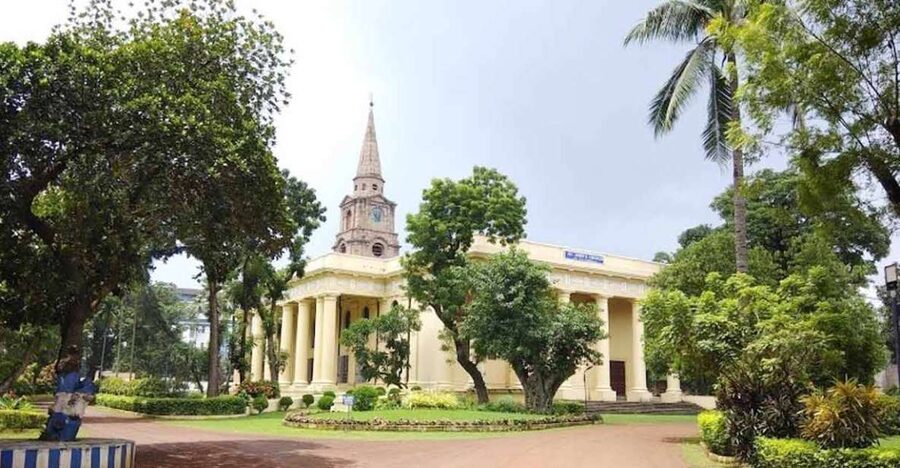
The walk continues through the area around Tank Square, one of the central places in the colonial district. The square offers a useful change of scale after the opening discussion at Writer’s Building. Instead of viewing one building at a time, you can begin to understand how the area worked as a civic center.
The guide’s job here is especially important. Colonial architecture can blur together when you see too much of it at once. A strong explanation helps you distinguish the purpose and age of the buildings, and it gives meaning to the large facades, public spaces, and formal layout.
The experience is designed to take you back to the 19th century through stories and architecture. Expect the emphasis to be on Calcutta under British rule and on the process that turned the city into the colonial capital of India.
There are plans to beautify and restore parts of this heritage area. That means the condition of some buildings or public spaces may not feel polished. I see that as part of the appeal, but anyone expecting a fully restored historic quarter should adjust expectations.
The Grand Post Office and colonial commercial buildings
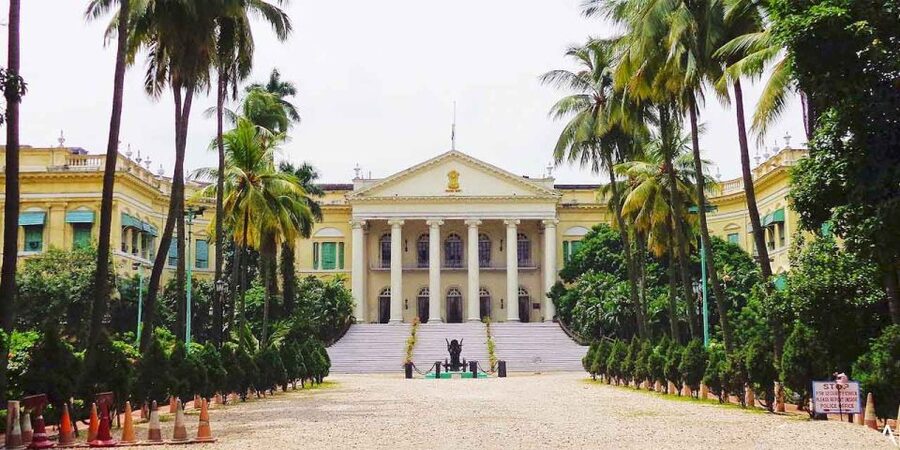
The Grand Post Office is another major stop. Along with the numerous insurance buildings from the British colonial era, it shows that this district was not only a government center. It was also a place for communication, finance, and business.
These buildings help widen the story beyond imperial rulers and official offices. Mail, insurance, and commerce were all part of the machinery that made the colonial capital function. You get a better sense of the city when the guide explains how these services fit into everyday life.
The tour description promises stories as well as architecture, and that is the right balance for this route. On a building-only walk, you might remember a few columns or domes but forget why the buildings mattered. Here, the aim is to link the visual details with the roles these institutions played.
A five-star assessment describes the guide as attentive and generous with information. That matters on a walking tour with several architectural stops. You will want clear explanations, time for questions, and some awareness of your pace. The guide is also expected to respond to individual needs, though the activity is not suitable for people with mobility impairments.
More Market Walking Tours in India
- Private Heritage Walking Tour in Jaisalmer Fort and Old Bazaar
★ 5.0 · 306 reviews - Jaipur Bazaar & Food Walking Tour
★ 5.0 · 281 reviews - Old Delhi: Spices, Heritage and Bazaars Walking Tour
★ 5.0 · 173 reviews - Bengaluru Pete City Market Half-Day Walking Tour
★ 5.0 · 163 reviews
A yellow cab ride through Kolkata
After the walking section, you take a local yellow cab to Mullick Ghat flower market. This is more than a practical transfer. The cab ride gives the outing a change of rhythm and adds a familiar part of Kolkata’s street life.
A yellow taxi is one of the city’s recognizable sights, and using one makes the movement between the colonial district and the market feel connected to ordinary city transport. The ride is included, along with entry fees, so the $36 price covers the main paid elements of the experience.
The information does not specify the exact driving time, vehicle arrangement, or whether each person has a separate cab. I would treat the ride as a short local transfer rather than a sightseeing drive with commentary.
That distinction is useful. If you want a long guided vehicle tour, this is not it. If you like the idea of moving from grand colonial buildings to a working market in a classic local taxi, the cab is a welcome touch.
Mullick Ghat flower market beside the Hooghly
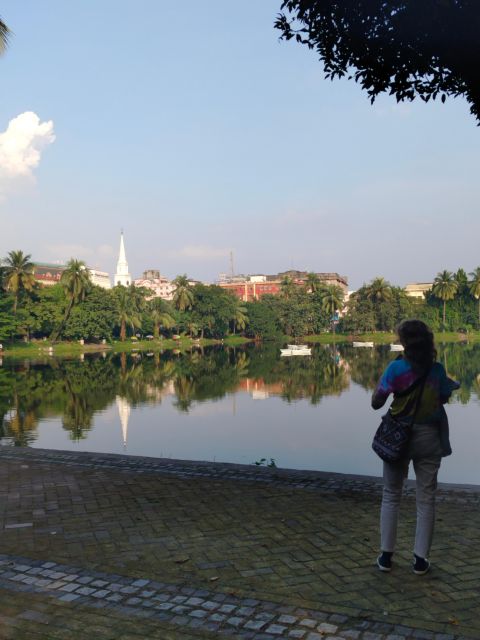
The final major stop is Mullick Ghat flower market, described as one of Kolkata’s most colorful places. It sits on the banks of the Hooghly and supplies flowers for an enormous range of occasions, including rituals, pujas, birthdays, funerals, and weddings.
This is where the tour shifts from colonial architecture to living city culture. The market is not presented as a staged attraction. Its importance comes from the daily demand for flowers and the many ceremonies that depend on it.
You can expect an active market setting filled with flowers and people buying, selling, sorting, and carrying them. The supplied details do not promise a flower-arranging demonstration or a specific market purchase, so think of this as a guided visit and chance to see the place at work.
I like the contrast. The first part explains how colonial Calcutta was built and administered. The final stop shows a present-day tradition that remains closely tied to family life, worship, and public ceremony. One section looks backward through stone and government buildings; the other feels immediate and practical.
The market may also be the most visually memorable part of the outing. Bring sunglasses, as recommended, and keep your belongings secure in a crowded public setting. That last suggestion is general city sense rather than a stated tour rule, but it is wise whenever you visit a busy market.
What the $36 price really covers
At $36 per person, the tour is priced as a compact guided experience rather than a simple walk. The cost includes the English-speaking guide, Kolkata tea in a clay cup, entry fees, and the yellow cab ride to the flower market.
That package offers fair value if you want historical explanation and local transport arranged for you. Paying separately for a guide, a taxi, and any entry fees could be less convenient, even if the total cost might vary.
The price is less compelling if you mainly want to stroll around the colonial center independently. Many of the buildings are viewed from outside, and no meal is included. You are paying for the guide’s interpretation, the organized route, and the connection between two different parts of the city.
The tour also helps you use a limited amount of time well. In three hours, you get a focused introduction to British Calcutta plus a market visit. For a first day in Kolkata, that can be more useful than wandering without context.
Pace, comfort, and practical limits

This is an active experience. You will walk through the colonial district for much of the tour, then continue to the flower market after the cab ride. Comfortable shoes are essential, and open-toed shoes are not permitted.
The activity is not suitable for pregnant women or people with mobility impairments. Those restrictions are important because the route includes sustained walking and a market environment rather than a fully accessible museum-style visit.
Wear light, comfortable clothing suitable for walking, and bring sunglasses. You may also want water, since food and drinks beyond the included tea are not provided.
The exact group size is not stated, so I would not book this expecting either a private tour or a very small group unless the provider confirms it. Pick-up and drop-off can be arranged, but the stated meeting point is Writer’s Building Gate 5, and the activity ends back at the meeting point.
English is the listed guiding language. If you need another language, ask before booking rather than assuming it is available.
What the guide adds to the experience
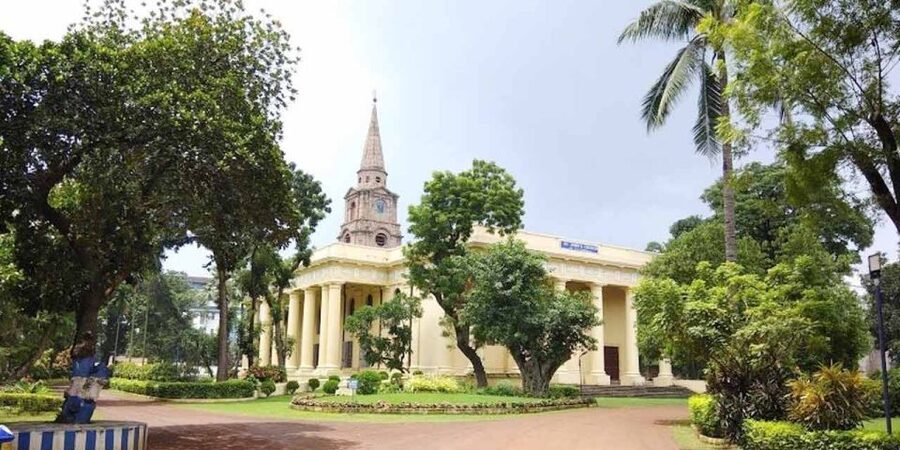
The guide is central to the value of this tour. The architecture is impressive, but without explanation, the route could become a series of imposing facades and unfamiliar names.
The best part of the guiding style appears to be the attention to individual needs. A guide who notices your pace and answers questions can make a three-hour city walk much more comfortable. The tour also promises plenty of historical facts, which suits visitors who want more than photographs.
You should expect the guide to explain the British period, the former capital, and the purpose of the buildings along the route. The tour description does not provide a guide’s name, so there is no specific person to request.
I would ask questions as you go. The walking route is a good setting for asking why certain buildings were placed where they are, how the area functioned, and what has changed since the capital moved away from Calcutta in 1911.
Who should book this walk
I would recommend this experience to first-time visitors who want a structured introduction to central Kolkata. It works particularly well for people interested in architecture, colonial history, city planning, and everyday local scenes.
It also suits anyone who likes variety. You begin with formal colonial buildings, stop for tea, ride in a yellow cab, and finish among flowers beside the Hooghly. The sequence keeps the tour from feeling like three hours of similar architecture.
It may not suit you if you dislike walking, need step-free access, want a meal included, or prefer a slow private tour with plenty of time at each stop. The market can also be more interesting to people who enjoy working city spaces than to those looking for a quiet, polished attraction.
The cancellation terms are friendly: you can cancel up to 24 hours before the activity for a full refund. You can also reserve now and pay later, which helps if your Kolkata schedule is still changing.
Should you book the London of Orient Heritage Walking Tour?
Book it if you want a compact, guided introduction to colonial Kolkata with a genuine local finish. The tea in a clay cup, the yellow cab ride, and Mullick Ghat flower market give the experience more character than a standard architecture walk.
I would be especially inclined to book if this is your first time in the city and you want someone to explain what you are seeing. The guide’s attentive approach and the mix of historical facts with real city life are the strongest reasons to choose it.
Skip it if you need an accessible route, are looking for a food-focused experience, or would rather explore independently. For most mobile visitors with a free half day, though, $36 is a sensible price for a focused walk, included transport, and a memorable look at two very different sides of Kolkata.
FAQ
Where does the tour start?
The tour starts at Gate 5 of Writer’s Building in Kolkata.
Where does the tour end?
The activity ends back at the meeting point.
How long does the experience last?
The walking tour and related activities take about 2.5 to 3 hours.
Is tea included?
Yes. Kolkata special tea served in a clay cup is included as a refreshment.
Is the yellow cab ride included?
Yes. A local yellow cab ride to Mullick Ghat flower market is included, along with entry fees.
Is the tour suitable for people with mobility impairments?
No. The activity is listed as unsuitable for people with mobility impairments. It is also not suitable for pregnant women, and open-toed shoes are not allowed.
More Shopping Tours in India
- Full Day Old City Private Tour with Local Market visit in Jaipur
★ 5.0 · 151 reviews - Tipu Palace + Koté Vishnu + Fort + KR Market + Jain Temple = Bengaluru Pété Walk
★ 5.0 · 150 reviews - Jaipur Market Tour & Vegetarian Rajasthani Home Cooking Class
★ 5.0 · 113 reviews - Agra: Street Food Walking Tour, Spice Market, & Tuk-tuk Ride
★ 4.9 · 102 reviews
More Markets in India
- Old Delhi Food-Spice Market-Temples Tour Soon Featured on NETFLIX
★ 5.0 · 304 reviews - Old Delhi Odyssey: A Tour of Religion, Spice Market, & Best Food
★ 5.0 · 284 reviews - Mumbai Street Food and Evening Bazaar Tour
★ 5.0 · 172 reviews - Experience Bangalore – City Tour, Authentic Food & market (Food/Culture/History)
★ 5.0 · 156 reviews
Just added around India
- KR Market Photo Walk★ 5.0 · 12 reviews
- Shopping and Bazaar Trail in Bangalore★ 4.5 · 5 reviews
- Experience Bangalore Evening City Walk Tour and Market Visit★ 5.0 · 9 reviews
- Bangalore: Walk in Historic Ulsoor – Landmarks, Bazaar & Culture★ 5.0 · 9 reviews
- Lalbagh+Bull Temple+Tipu Palace+Market+Lunch=Bangalore City Tour★ 5.0 · 9 reviews
- Bangalore Walking Tours – Flower Market, PETE and more★ 5.0 · 5 reviews
- Bangalore Evening Food Street Walk and Market Visit★ 5.0 · 32 reviews
- Old Bangalore Historical Walk thro Palace, Temples, Fort & Market★ 5.0 · 60 reviews
Flower & Flea Market Tours, compared.

Night Bike Tour with Temples & Flower Market Visit
Read our review →Night Bike Tour with Temples & Flower Market Visit
Read our review →

Jaipur Tour by Tuk-Tuk or Car with Flower Market
Read our review →
Half-Day Guided Sightseeing Tour with Flower Market
Read our review →
Half or Full Day Sightseeing Tour with Flower Market
Read our review →