
Review · ITALY
Marche: Tasting and Tour of Local Wines and Flavors at the D’Erasmo Winery
The best part of this two-hour visit is the clear link between vineyard, cellar, and table. At Cantina D’Erasmo, you do not simply sit down for a flight of wine. You begin outside with views across the vines, hear how the family winery developed, then follow the grapes through processing and aging before tasting the finished bottles.
I like the personal scale and the generous food pairing. Gianluca, a young oenologist and agronomist, guides the visit with practical detail, while the tasting includes three D’Erasmo wines, local cold cuts, cheeses, sweets, and other Marche specialties. The main thing to consider is that the experience is offered in Italian, with some content shown in its original language, so it suits you best if you can follow Italian or are comfortable with a less translated tour.
Key points to know before booking
- Three Marche wines are included: Taste Offida Pecorino DOCG, Marche Sangiovese IGT, and Marche Rosato IGT.
- The visit follows the wine from vine to barrel: You see the vineyard, production room, and aging room before the tasting.
- Organic farming has been part of the winery’s approach since the 1980s: This gives the visit useful local and agricultural context.
- The food is more than a token snack: Expect cold cuts, cheeses, typical sweets, and other products from the Marche.
- Gianluca leads the experience: His background as an oenologist and agronomist adds technical detail without making the visit feel like a classroom.
- The tour is adults-only: It is not suitable for children under 18 or pregnant women.
Starting among the Piceno vines
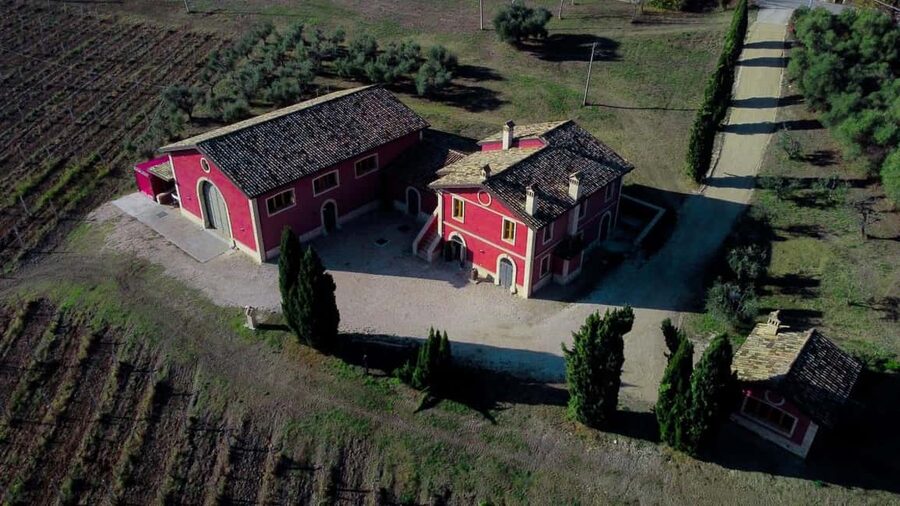
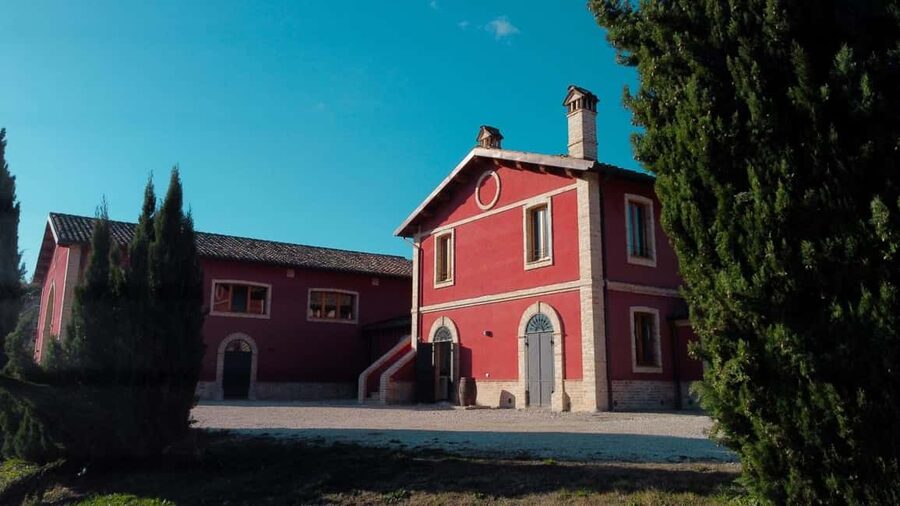
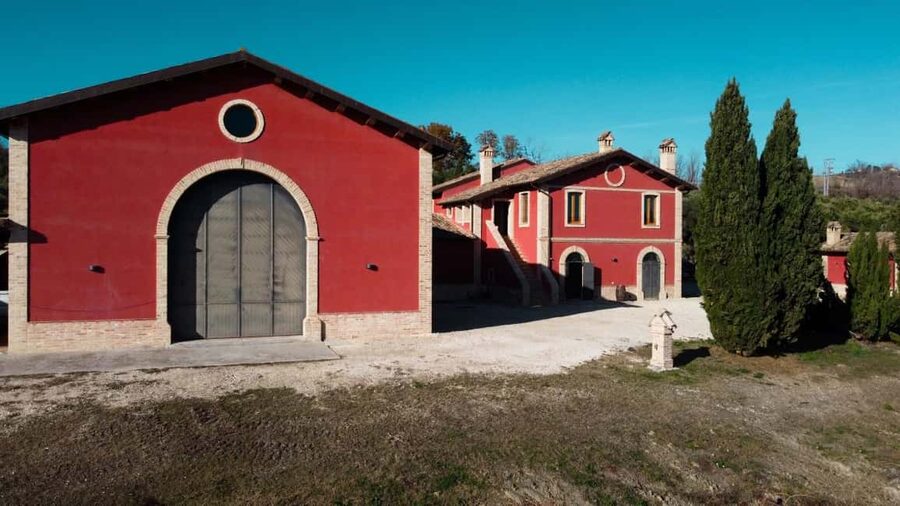
Cantina D’Erasmo is in the heart of the Piceno area, where wine is closely tied to daily life, farming, and local food. The visit begins outside, with a panoramic view of the vineyard and an introduction to the winery’s story.
This opening matters. Before you taste anything, you get a sense of where the grapes grow and why the land matters to the bottles in front of you. The guide explains that the winery was created to support and renew the local area, while keeping close to older traditions.
The family story is part of the appeal. You are not visiting a large industrial operation with a polished script and little connection to the people who make the wine. Instead, the focus is on a family business, its methods, and the work behind each bottle.
The organic approach is another useful detail. D’Erasmo has used organic methods since the 1980s, giving the winery a long connection with that way of farming. The tour does not just present organic production as a current trend. It places the method within the company’s longer story.
The outdoor portion depends on the season. In warm weather, you can spend more time looking across the vines. In cold weather, the visit may be shorter outside, though the vineyard views are still part of the introduction. Bring a suitable layer if you visit in winter, since the tour begins outdoors before moving inside.
More wine tastings in Italy:
- Bologna Food & Market Tour with 6 Tastings, Pasta, Wines & More
★ 5.0 · 1,328 reviews - Venice: Rialto Market Food and Wine Lunchtime Tour
★ 5.0 · 383 reviews - Trevi Fountain, Pantheon, and Campo Dei Fiori Market Food and Wine Tour
★ 5.0 · 320 reviews
Following the grapes into the winery
After the vineyard introduction, you head indoors to the area used for winemaking. This is where the visit shifts from family story to practical process.
You learn how the grapes are handled and processed. The exact level of detail may depend on the questions you ask and the pace of the group, but the basic path is clear: grapes arrive, wine is made, and the finished wine is given time to rest and develop.
I like this part because it gives the tasting a useful frame. A glass of wine can seem simple when it arrives at the table. Seeing the production rooms reminds you that each bottle reflects farming decisions, cellar work, and time.
The guide’s background helps here. Gianluca is described as both a young oenologist and agronomist, so he can speak about the vines as well as the winemaking. That combination is especially helpful if you want to understand the link between agricultural work and the flavor in your glass.
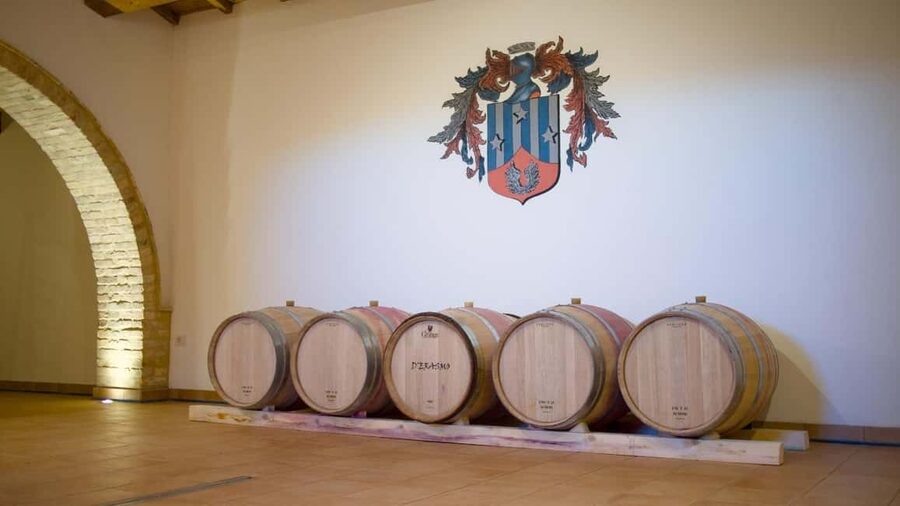
The visit then continues to the barrel room. Wine rests here during aging, and the room gives you a chance to consider a stage that is easy to overlook. Bottling is not the whole story. Some wines need time before they are ready to drink, and the barrel room makes that process visible.
Do not expect a huge museum of wine equipment or a long technical seminar. This is a compact winery visit, not a full-day estate program. Its strength is the direct route from vineyard to cellar to tasting table.
Three wines from the Marche
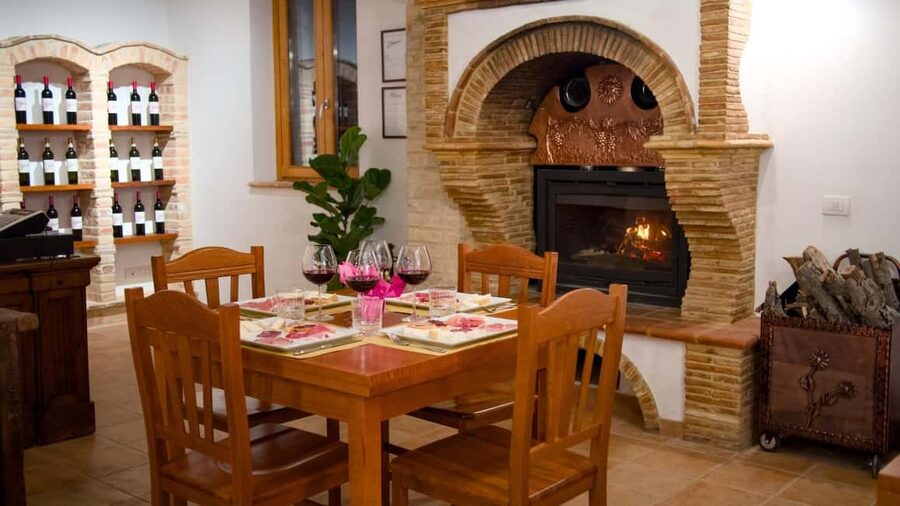
The tasting room is prepared with a set table, and the guide serves three D’Erasmo wines. Each one gives you a different view of the local production.
Offida Pecorino DOCG
The first listed wine is Offida Pecorino DOCG, a white wine from the local area. The name can cause confusion because Pecorino is also the name of a sheep’s milk cheese. Here, it refers to the grape and wine.
This is a good match for the food served at the table, especially cheeses and lighter local products. Listen to the guide’s description rather than trying to judge the wine by the name alone. The point is to see how a local white fits into the region’s meals and farming culture.
More food and drink tours in Italy:
- Small Group Cooking Class & Market Food Tour in Florence
★ 5.0 · 1,574 reviews - Venice Street Food Tour with Local Guide with Local Food Market Visit
★ 5.0 · 822 reviews - Palermo: Street Food and Local Market Tasting Tour
★ 4.9 · 540 reviews - Roman Food Tour with Visit to the Trionfale Food Market
★ 5.0 · 471 reviews
Marche Sangiovese IGT
The Marche Sangiovese IGT brings a red wine into the tasting. Sangiovese is widely known in Italy, but the local expression belongs to the Marche setting and to D’Erasmo’s own production choices.
This is where the cold cuts and cheeses become useful. The food is not decoration. It gives you something to eat between sips and helps show how the wine works with familiar regional flavors.
Marche Rosato IGT
The third wine is Marche Rosato IGT. A rosato gives the tasting a different color and style from the white and red, making the three-glass flight feel varied rather than repetitive.
The exact order of service and the guide’s tasting notes can vary, but you can expect each wine to be explained as it arrives. This is not a self-guided pour with a printed list and no context. The descriptions help you compare the wines and understand what D’Erasmo wants each bottle to express.
The selection also gives you a balanced introduction to the winery. You taste a local white, a red, and a rosato rather than three similar wines. If you are new to Marche wine, that variety makes the visit more useful.
A table filled with Marche flavors
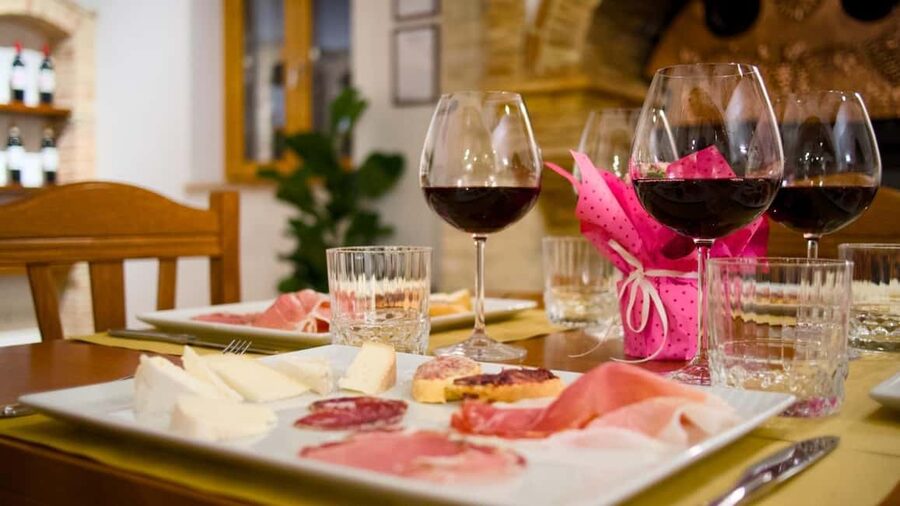
The food pairing is one of the strongest reasons to choose this experience. The tasting includes cold cuts, cheeses, and other local delicacies, with typical sweets also appearing as part of the spread.
The portions are described as generous, so this is not merely a few olives placed beside the glasses. You should think of it as a substantial tasting of regional food, though the activity is still built around wine rather than a full restaurant meal.
The local products help explain the wines in a way that a lecture cannot. Salumi bring salt and savory flavor. Cheeses add weight and texture. Typical sweets, including the Offida funghetti, give the tasting a distinctly local finish.
The attention to food preferences is also practical. Allergies, intolerances, and dietary preferences can be accommodated if you communicate them to [email protected] at the time of confirmation. Do not wait until you sit down. Send the information in advance so the winery has time to prepare.
One Italian participant especially appreciated the care given to different food needs. That detail is worth noting because a tasting can become stressful if you have to guess what is safe to eat. Advance notice gives the staff a fair chance to make the table work for you.
You may also encounter other typical beverages alongside the wine and food. The central tasting remains the three D’Erasmo wines, but the experience can include additional local drinks or products.
Why the family setting matters
Many winery visits give you facts about grapes, barrels, and labels. This one adds the feeling of being welcomed into a family business.
That does not mean the visit is informal in every sense. There is a set route, a guided explanation, and a prepared tasting. But the focus remains personal. The owner welcomes you, and the family story is part of the experience rather than an afterthought.
The indoor setting can be especially pleasant in colder months. One account describes spending an afternoon by a lit fireplace while tasting wine and Marche products. That seasonal atmosphere is not guaranteed for every booking, but it shows why this visit can work well beyond the summer vineyard season.
Winter also changes the balance of the tour. You may spend less time outside, but more time hearing about production and enjoying the tasting room. A cold day does not cancel the experience, though you should dress for the opening view among the vines.
The winery’s location in the Piceno area also makes this a useful addition to a day focused on southern Marche. If you are already visiting the local towns and food producers, the tour adds a working agricultural stop rather than another monument or formal museum.
Language, pace, and practical limits
The live guide language is Italian. Some content is shown in its original language, so you should not book this expecting a fully translated English presentation.
If you understand Italian, you can get much more from the explanations about grape processing, organic farming, and aging. If you do not, you can still follow the physical route and the tasting, but the storytelling will be less complete. Ask the operator about language support before booking if this is important to you.
The full activity lasts about two hours. That is enough time for a vineyard introduction, winery visit, barrel room, and three-wine tasting without taking over your entire day.
The pace should suit you if you prefer a focused food and wine visit. It is too short for a long estate walk or a broad survey of Marche winemaking. You are paying for a compact look at one family winery, not a regional wine course.
The experience is for adults only. It is not suitable for children under 18 or pregnant women. The activity also centers on alcohol, so it is not a good choice for anyone who wants only a food tasting.
No transport details are provided, so you should check how you will reach Cantina D’Erasmo before confirming. Treat it as a destination you need to plan around, rather than assuming a transfer is included.
Is the tasting good value?
The price is not provided here, so I cannot judge the exact cost in euros. I can tell you what the booking includes and how to weigh it.
You receive a two-hour guided visit, vineyard views, an explanation of production, access to the barrel room, and three wines with a substantial selection of local food. That is a better value than a quick tasting if you want to understand how the winery works.
The value is strongest for you if you enjoy both food and process. You are not paying only for three glasses. You are also paying for the owner’s welcome, the guide’s explanation, the setting, and the chance to taste products that are difficult to match outside the region.
The value is weaker if you only want to sample as many wines as possible. Three wines is a modest flight, and the tour spends time on the vineyard and cellar. A specialized tasting elsewhere may offer more bottles, but it will not necessarily provide the same connection between the wine and the family business.
You can reserve now and pay later, which helps if your Marche plans are still shifting. You can also cancel up to 24 hours before the activity for a full refund, according to the stated terms. Check the current conditions when booking, since tour arrangements can change.
Who should book the D’Erasmo visit?
I would choose this for an adult couple, a small group of friends, or anyone building a food-focused day in the Piceno area. It suits people who want local products served with context, rather than a quick drink and a sales pitch.
It is also a good fit for curious wine drinkers who want a basic understanding of grape processing and aging. You do not need advanced wine knowledge. The tasting works for beginners because the guide explains each glass as it is served.
Italian speakers will get the fullest version of the experience. Non-Italian speakers can still enjoy the setting, wine, and food, but should confirm whether additional language help is available before booking.
I would skip it if you dislike guided visits, cannot drink alcohol, or want a child-friendly activity. I would also think twice if your schedule allows no flexibility, since the outdoor opening and winery setting are part of the appeal and are best enjoyed without rushing.
Should you book this winery tour?

Book it if you want a personal look at Marche wine, a generous spread of local food, and a short tour that connects the vines to the bottle. The strongest features are the family welcome, Gianluca’s practical wine and farming background, the organic tradition dating back to the 1980s, and the chance to taste Pecorino, Sangiovese, and Rosato in one sitting.
The main caution is the Italian-only guiding and the lack of stated transport details. Confirm those points first. If they work for you, this is a thoughtful two-hour stop, especially when paired with a visit to Offida or other Piceno sights.
FAQ
How long does the Cantina D’Erasmo experience last?
The experience lasts two hours, including the vineyard introduction, winery tour, barrel room visit, and tasting.
Which wines are included?
The tasting includes Offida Pecorino DOCG, Marche Sangiovese IGT, and Marche Rosato IGT.
What food is served with the wine?
The tasting includes typical Marche products such as cold cuts, cheeses, other local delicacies, and sweets. The Offida funghetti are among the typical desserts associated with the tasting.
Is the tour offered in English?
The live tour guide language is Italian. Some content is shown in its original language, so confirm language arrangements if you need an English-language tour.
Can food allergies or dietary preferences be accommodated?
Options are available for allergies, intolerances, and food preferences. You must communicate your needs to [email protected] when your booking is confirmed.
Is the activity suitable for children?
No. The experience is not suitable for children under 18.
Is the activity suitable for pregnant women?
No. The experience is listed as unsuitable for pregnant women.
Can I cancel for a refund or pay later?
You can cancel up to 24 hours in advance for a full refund. A reserve-now, pay-later option is also available.
Just added around Italy
- Cesarine: Market Tour & Home Cooking Class in Catania★ 4.0 · 6 reviews
- Small Group Market tour and Dining Experience at a Cesarina’s home in Brindisi★ 4.5 · 6 reviews
- Small Group Market tour and Cooking class in Brindisi★ 4.5 · 8 reviews
- Food markets tour with a local!★ 4.5 · 39 reviews
- Private Market Tour and Cooking Class in Bologna with Giovanna C★ 5.0 · 20 reviews
- One day tour Christmas markets Innsbruck – Bressanone – Vipiteno★ 4.5 · 11 reviews
- Cesarine: Small Group Market tour and Dining in Altamura★ 3.0 · 2 reviews
- Cesarine: Market Tour & Home Cooking Class in Bari★ 5.0 · 5 reviews
Food & Drink, compared.

Old Town, Creek, Museums, Souks, & Street Food Tour
Read our review →
Old Town, Souks, Street Food, Guided Tour & Abra Ride
Read our review →
Bangkok by Night: Temples, Markets and Food Tuk-Tuk Tour
Read our review →
Tokyo Tsukiji Fish Market Food and Culture Walking Tour
Read our review →
Markets, Temples and Food Night Tour by Tuk Tuk
Read our review →
London Bridge & Borough Market Food Tour with 7 Authentic Dishes
Read our review →
Browse the lists this tour appears in