
Review · NEW DELHI
New Delhi: Traditional Indian Cooking Class & Market Visit
A market visit, a tuk-tuk ride, and a home-cooked meal make this more than a standard cooking lesson. You join home chef Lubna in her Delhi house, shop for ingredients nearby, then prepare several Indian dishes in a relaxed family kitchen.
I like the personal menu planning, which lets you request vegetarian dishes, favorite recipes, breakfast items, or harder-to-find regional food. I also like the chance to see a real Delhi home, with its old haveli-style design, plants, and family dining table. The main consideration is that the kitchen can feel small when several people are helping, and the market visit is not available with the breakfast option.
Key details to know
- Shop locally before cooking: Visit a market about 10 minutes from the usual tourist area, often by tuk-tuk, and see the spices, produce, snacks, and daily shopping that shape Delhi cooking.
- Choose your menu: Discuss dietary needs and favorite dishes with Lubna on WhatsApp before arrival.
- Learn a full meal: The package includes three main dishes, three kinds of bread, one rice dish, tea or water, and the meal you prepare.
- Meet in Friends Colony: Find the red-roofed, white-walled house at A-6 Friends Colony East, near Ashram Metro Station Gate 3.
- Private and flexible: The three-hour class runs at 11 a.m. or 4 p.m., with only one class scheduled each day.
- A useful souvenir: You receive recipes and practical techniques you can repeat at home, rather than simply watching a chef cook.
A Delhi cooking class that begins at the market
The best feature here is the order of the experience. You do not begin with a table of ingredients already measured and arranged. You first see where local food comes from, then return to the kitchen and use what you have learned.
The market is about a 10-minute ride from the main tourist areas. Lubna can take you there by tuk-tuk, and the trip itself gives you a quick look at ordinary Delhi traffic and neighborhood life. At the stalls, she can point out vegetables, spice blends, breads, and other items that may be unfamiliar if this is your first time shopping for Indian food.
The market can be especially lively during festival shopping periods such as Diwali. If a street-food stall is open, you may also have the chance to try something there. That part is not guaranteed, and any snacks, shopping, metro fares, or tuk-tuk costs are your responsibility, so bring some cash and keep your expectations flexible.
I find this market stop useful because it gives the cooking class context. Indian food is not simply a matter of adding curry powder to a pan. Different oils, spice combinations, breads, lentils, and cooking methods change the character of a dish. Seeing those ingredients in their everyday setting helps you make sense of what happens later.
More Market Cooking Classes in India
- Spice Knight (Cooking Class -> Meal -> Local Market walk)
★ 5.0 · 59 reviews - Jaipur Market Tour & Vegetarian Rajasthani Home Cooking Class
★ 5.0 · 113 reviews - Pondicherry: Indian Cooking Class with Market Visit
★ 4.7 · 18 reviews
Finding Lubna’s home in Friends Colony
The meeting point is Delhi Bed and Breakfast at A-6 Friends Colony East, New Delhi 110065. Search that full name and address in your map app rather than relying only on a shortened business name.
The house is behind an HP petrol pump and about a three-minute walk from Ashram Metro Station, Gate 3. Look for a white house with a red slanting roof on a quiet dead-end street. These details matter in Delhi, where a clear landmark can save you from a long hunt through similar-looking lanes.
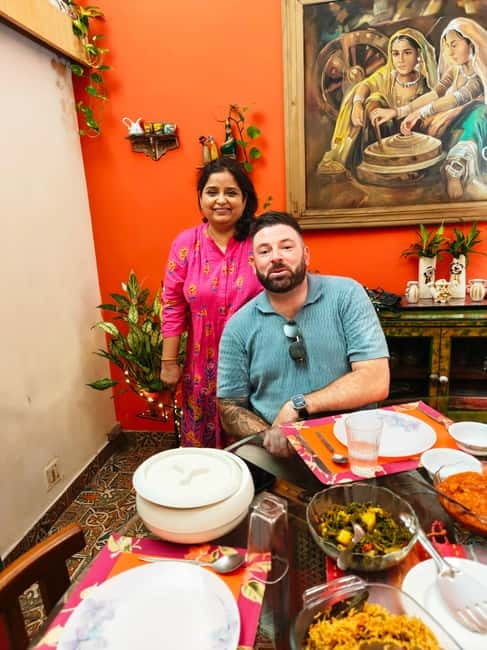
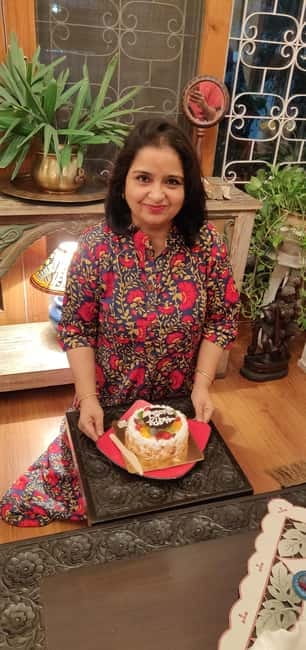
Inside, you find a traditional Indian home with haveli-style features dating from 1974. The house is filled with plants and has a calm, lived-in feel. You are not entering a restaurant kitchen designed for demonstrations. You are entering Lubna’s home, which is precisely why the experience feels personal.
If your schedule allows, you can take a short walk around the neighborhood before or after the class. It is outside the usual sightseeing circuit, so this is a simple way to see local Delhi without adding another formal attraction to your day.
Tea, introductions, and menu planning
Lubna welcomes you with hot chai, tea, or water before the cooking starts. This opening gives you time to discuss what you want to learn and to ask questions about ingredients or techniques.
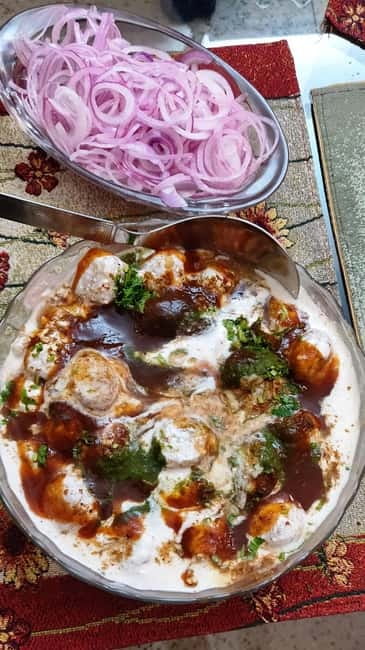
The most important practical step is to contact Lubna in advance. The class is designed around your interests, not a fixed menu. You might request Rogan Josh, chicken or vegetable kebabs, paneer dishes, dal, samosas, bread pakora, chaat, breakfast foods, or several kinds of bread.
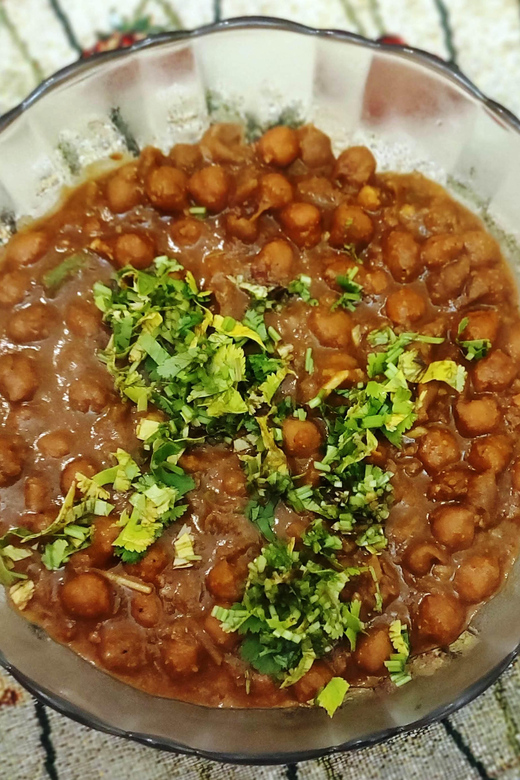
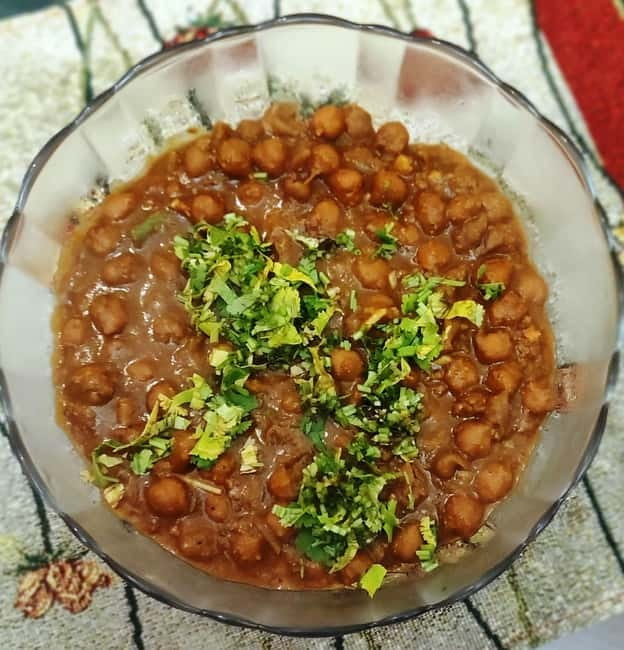
Past menus have included paneer nihari, kadhi pakoda, mutton stew, aloo chaat, poora, potato patties, cauliflower dishes, biryani, paneer masala, chapatis, raita, green chutney, dosa, masala balls, parantha, and roti. You will not necessarily make all of these in one session. They show the range of dishes Lubna can adapt to your interests.
You can also state dietary requirements before arriving. Vegetarian cooking is specifically welcomed, and Lubna has adapted recipes for difficult restrictions. One particularly useful example involved a diner avoiding wheat, dairy, and citrus. Lubna built a menu around oats, showing that she can adjust recipes rather than simply removing one ingredient and leaving you with a limited meal.
What you actually cook in three hours
The package includes three main dishes, three bread types, and one rice dish, though the exact menu depends on your conversation with Lubna. You help prepare the food rather than sitting back while she does everything.
The class focuses on the practical steps that are easy to miss in a printed recipe. You learn how spices affect aroma and flavor, how different spice mixes are used for different dishes, and how oils and cooking times change the final result. Lubna also explains bread-making methods, which can be more useful at home than a long list of unfamiliar recipes.
This is a good fit if you already cook Indian food but want to improve your technique. You might know how to follow a recipe for dal or paneer, yet still wonder when to add a spice, how long to cook onions, or how to handle dough. Lubna’s family recipes and explanations address those small decisions.
It also works for a beginner. Instructions are given in English, and the class is private, so you can stop to ask questions rather than trying to keep up with a large group. The pace should still feel active, since three hours is not long when you are preparing multiple courses and breads.
The kitchen may feel compact if everyone wants to help at once. That is a minor tradeoff for a genuine home setting, but couples and small private groups should be ready to share space and take turns with some tasks.
More market cooking classes in New Delhi:
- Hanoi Cooking Class: Culture, Local Market & Meaning CSR Impact
★ 5.0 · 5,147 reviews - 5 Traditional Dishes Hanoi Cooking Class with Market Trip
★ 5.0 · 4,890 reviews - Cooking Class and Lunch at a Tuscan Farmhouse with Local Market Tour from Florence
★ 5.0 · 4,831 reviews - Chiang Mai: Cooking Class, Market & Thai Herbs Garden Tour
★ 4.9 · 4,824 reviews
The meal matters as much as the lesson
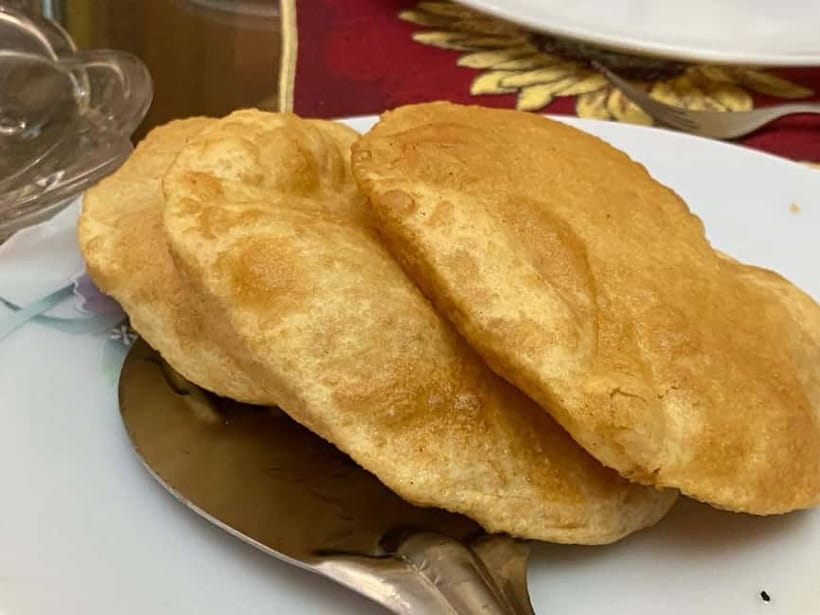
When the dishes are finished, you sit at the family dining table and eat what you made. Lubna’s husband, Sheikh, or another family member may join you. That final meal turns the class into a cultural visit as well as a cooking session.
I like this part because it gives the food a proper ending. You have handled the ingredients, watched the techniques, and then tasted the result in the same home where it was prepared. Conversation can continue beyond recipes, and one booking included help with planning a wider journey through India.
The food is also a useful test of what you have learned. A demonstration can make a dish look simple, but eating your own version shows which steps matter. You can ask about texture, spice level, bread softness, or how to adjust the recipe when you cook it at home.
Recipes for the dishes are provided, so this is not just a pleasant afternoon that disappears when you leave Delhi. You return with a practical starting point for an Indian-themed dinner, a breakfast, or a batch of snacks.
Choosing between the 11 a.m. and 4 p.m. sessions
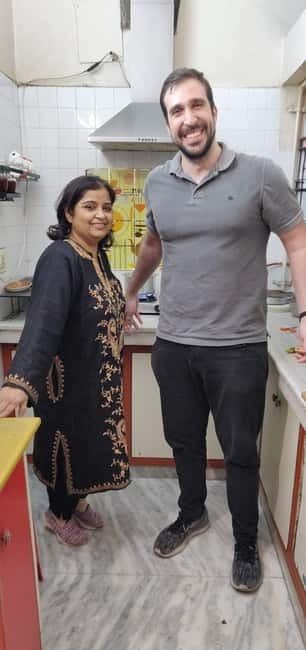
The class is offered at 11 a.m. or 4 p.m. Ask Lubna to confirm your preferred time after booking. The morning option is the better choice if you want a substantial lunch and enough daylight for the market visit.
There is also a breakfast-focused version, but you need to discuss it directly with Lubna. If the class is converted to breakfast-making, the market visit is not possible. The 4 p.m. option may suit you if you want an evening meal and a slower start to the day, but confirm the exact menu and market arrangement in advance.
Only one class runs per day. That gives the experience a less rushed feel and helps explain why menu planning is possible. It also means you should not assume you can shift times at the last minute during a tightly packed Delhi itinerary.
Is $43 a fair price?
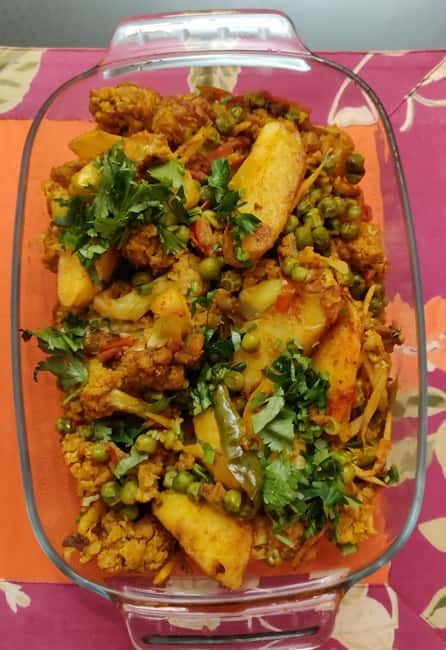
At $43 per person, this is good value if you want more than a quick cooking demonstration. The price covers Lubna’s instruction, all ingredients, the market component, three main dishes, three breads, one rice dish, tea or water, and the meal itself.
You are also paying for a private setting and for the time Lubna spends adapting the menu. A cheaper group class may offer a fixed recipe and a larger production line. Here, you can request dishes that match your interests and dietary needs, which makes the cost easier to justify.
Remember to budget separately for transport, market purchases, street food, and snacks. Hotel pickup and drop-off are not included. Since the meeting point is close to Ashram Metro Station, reaching the house is fairly straightforward, but the final cost depends on how you get there.
The strongest value comes if you take notes, ask questions, and use the recipes later. If you only want to eat Indian food, a restaurant meal will cost less and require less time. If you want to understand how the food is made and recreate it at home, this class offers much more.
Who will enjoy this most?
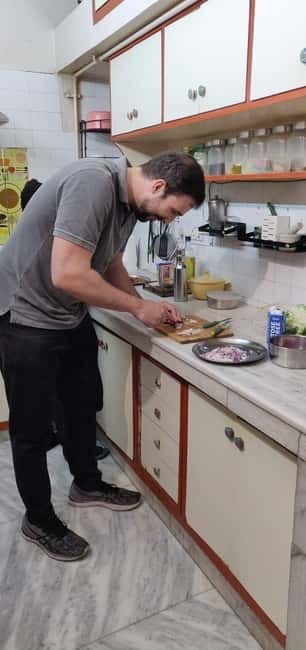
This suits curious cooks, couples, families, and solo visitors who prefer personal contact to a formal sightseeing stop. It is especially good for anyone who wants to learn beyond the most familiar Indian restaurant dishes.
Vegetarians should find plenty of room to shape the menu, and people with food restrictions should contact Lubna early. The previous adaptation for wheat-, dairy-, and citrus-free cooking shows that detailed planning is worthwhile.
It is also a good choice for repeat visitors to Delhi. You may have already seen the major monuments, but a home meal and neighborhood market show a different side of the city. The market visit, in particular, adds an everyday element that a palace or museum cannot provide.
You may want to skip it if your schedule allows no flexibility, you dislike hands-on cooking, or you want a highly polished studio with professional equipment and a fixed timetable. The charm here comes from the home setting, not from restaurant-style production.
Practical details before you book
The activity lasts three hours and is conducted in English. It is a private group experience and is wheelchair accessible. Confirm your food preferences, preferred start time, and any dietary needs with Lubna before the day of the class.
You can cancel up to 24 hours before the experience for a full refund, and the reserve-now, pay-later option helps if your Delhi plans are still changing. The activity is rated 5 out of 5 from 32 ratings, and transport received a perfect score from 93 percent of respondents, but the meeting point remains self-guided rather than a hotel pickup.
Should you book Lubna’s cooking class?
Book it if you want to connect a Delhi market, Indian spices, family recipes, and a shared meal in one compact experience. The best reason to choose it is the personal menu: you can tell Lubna what you want to learn instead of accepting a generic class.
The main tradeoff is the informal home setup. You may share a small kitchen, pay separately for local transport and snacks, and need to organize your menu in advance. For many people, those are fair exchanges for seeing a real home, meeting Lubna’s family, and leaving with recipes you can use.
Choose the morning class if you want the market and a full lunch. Choose the breakfast format only after confirming the change, since it replaces the market visit. For a first visit to Delhi, this is one of the more useful ways to spend three hours away from the standard monument route.
FAQ
How long does the cooking experience last?
The experience lasts three hours.
What time does the class start?
Lubna offers the class at either 11 a.m. or 4 p.m. You should state your preferred time after booking.
Where is the meeting point?
Meet at Delhi Bed and Breakfast, A-6 Friends Colony East, New Delhi 110065. The home is behind the HP petrol pump, near Ashram Metro Station Gate 3.
How do I identify the house?
Look for a white house with a red slanting roof on a quiet dead-end street.
Is the market visit included?
Yes. The usual experience includes a visit to a local market about 10 minutes from the typical tourist areas. A breakfast-focused option does not include the market visit.
Can I request vegetarian food or specific dishes?
Yes. Contact Lubna in advance to request vegetarian food, specific dishes, or other dietary requirements.
What food is included?
The package includes three main dishes, three types of bread, one rice dish, tea or water, and the meal you prepare.
Are transport and market purchases included in the price?
No. Hotel pickup and drop-off are not included. You also pay separately for shopping, metro fares, ride-hailing, street food, and snacks.
More Markets in New Delhi
- Old Delhi Food-Spice Market-Temples Tour Soon Featured on NETFLIX
★ 5.0 · 304 reviews - Old Delhi Odyssey: A Tour of Religion, Spice Market, & Best Food
★ 5.0 · 284 reviews - Old Delhi & Spice Market Tour
★ 5.0 · 98 reviews - Delhi: Old Delhi’s Street Food, Temples & Spice Market Tour
★ 5.0 · 30 reviews
More Cooking Classes in New Delhi
- Chiang Mai: Authentic Cooking Class with Market & Farm Visit
★ 4.9 · 4,546 reviews - Barcelona: Paella Cooking Experience & Boqueria Market Tour
★ 4.8 · 3,661 reviews - Cooking Class Hoi An:Local Market, Basket Boat, Fishing & Cooking
★ 5.0 · 3,660 reviews - Hoi An Cooking Class(Market,BasketBoat Crabfishing&Cooking Class)
★ 5.0 · 3,386 reviews
Just added around New Delhi
- Old Delhi Street Food and Spice Market Tour★ 5.0 · 12 reviews
- Old Delhi Temples and Spice Market Tour★ 5.0 · 5 reviews
- Old Delhi: Khari Bawli – Asia’s Largest Spice Market★ 5.0 · 3 reviews
- Delhi: Old Delhi’s Street Food, Temples & Spice Market Tour★ 5.0 · 30 reviews
- Delhi Markets: A Cultural Shopping Experience with an Expert★ 4.8 · 13 reviews
- Delhi: Half-Day Old Delhi Private Guided Tour with Markets★ 5.0 · 2 reviews
- Old Delhi Odyssey: A Tour of Religion, Spice Market, & Best Food★ 5.0 · 284 reviews
- Old Delhi & Spice Market Tour★ 5.0 · 98 reviews
Market Cooking Classes, compared.
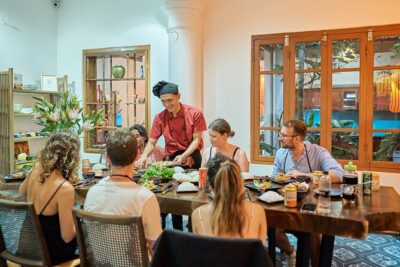
Hanoi Cooking Class: Culture, Local Market & Meaning CSR Impact
Read our review →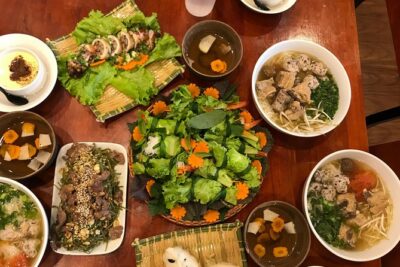
5 Traditional Dishes Hanoi Cooking Class with Market Trip
Read our review →
Cooking Class and Lunch at a Tuscan Farmhouse with Local Market Tour from Florence
Read our review →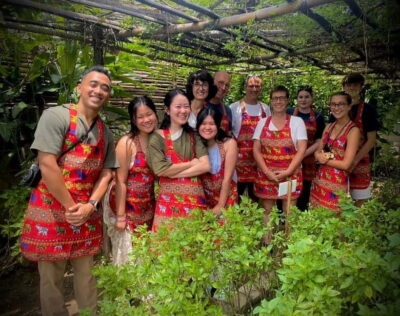
Cooking Class, Market & Thai Herbs Garden Tour
Read our review →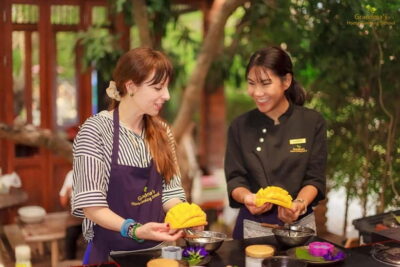
Authentic Cooking Class with Market & Farm Visit
Read our review →
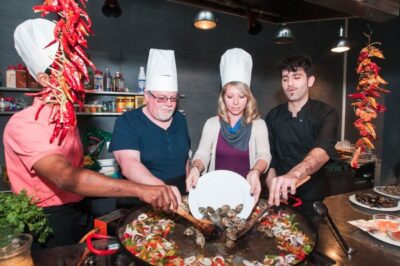
Paella Cooking Experience & Boqueria Market Tour
Read our review →
Cooking Class Hoi An:Local Market, Basket Boat, Fishing & Cooking
Read our review →Browse the lists this tour appears in