
Review · ITALY
Syracuse: Traditional Cooking Class & Ancient Market Visit
The best part of this Syracuse cooking class happens before you reach the kitchen. Chef Ettore walks you through Ortigia’s ancient market, greets vendors he knows, samples local foods with you, and chooses ingredients for a meal that can change with the catch and your tastes.
I like the market-to-table format and the chance to make more than the usual pizza lesson. I also like the small group of up to eight, which leaves room for questions and hands-on work. The main drawback is the meeting point at Bar Cristina, a large café where it may not be immediately clear who you are looking for. Get the chef’s name and contact details before you arrive.
Key points
- Chef Ettore leads the market visit, with help from his daughter on some sessions.
- Menus respond to the day’s ingredients and your preferences, including seafood, pasta, tuna, pistachio pesto, arancini, and desserts.
- The four-hour experience includes lunch, so you eat the food you help prepare.
- Market tastings are part of the fun, with seafood, cured meats, fruit, spreads, and other local products available depending on the day.
- A transfer to the kitchen is arranged if needed, based on its location.
- Sunday requires a change of plan, since the Ortigia Market is closed.
Starting at Piazza Pancali with Chef Ettore
Your meeting point is Bar Cristina at Piazza Pancali 24, near the entrance to Ortigia. The stated meeting arrangements are simple, but the café is large, so I would arrive with the chef’s name, Ettore, firmly in mind. One person found the meeting point unclear, and that is an easy problem to avoid with a quick message before the class.
From here, the experience begins on foot in the streets of Ortigia. This is not a cooking demonstration detached from local life. You first see where the food comes from, then help decide what goes into lunch.
The class is offered in Italian and English. That matters when you are working with dough, shellfish, sauces, or knife work, since clear instructions are more useful than a polished speech. Ettore is also described as a professional pasta chef with experience in a two-star Michelin kitchen, but the tone of the class remains personal and informal.
More Market Cooking Classes in Italy
- Cooking Class and Lunch at a Tuscan Farmhouse with Local Market Tour from Florence
★ 5.0 · 4,831 reviews - Small Group Cooking Class & Market Food Tour in Florence
★ 5.0 · 1,574 reviews - Seaview Cooking Class & Taormina local flavors with Chef Mimmo
★ 5.0 · 665 reviews
Choosing lunch in the Ortigia Market
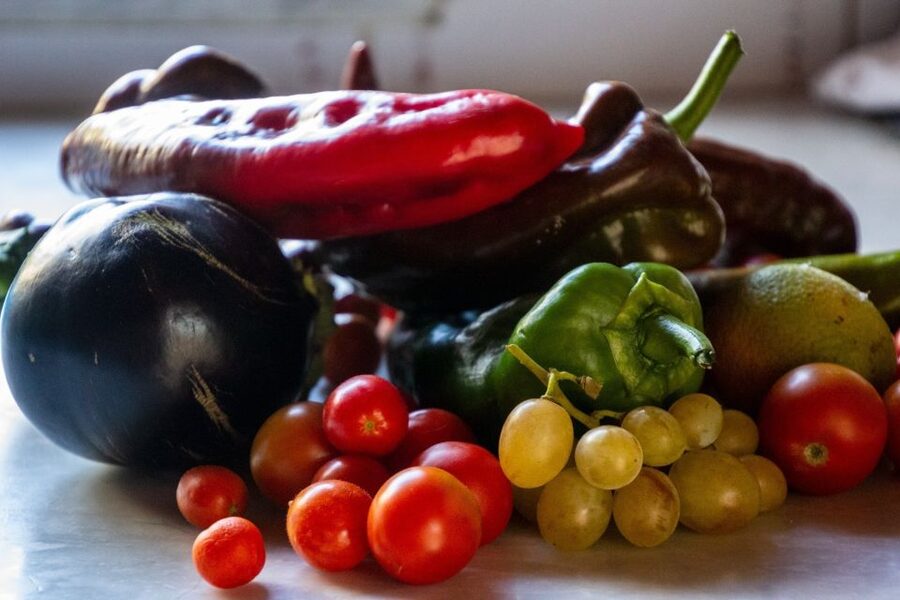
Ortigia’s market is the heart of the outing. You walk among stalls filled with fish, vegetables, fruit, cured meats, cheeses, spreads, and other Sicilian products. The market visit gives you a better feel for local cooking than simply ordering a dish in a restaurant, because you see the raw materials and learn how a cook chooses them.
Ettore knows many of the stallholders. That personal connection can make the visit more engaging, and it may lead to small tastings along the way. You might sample red prawns, mortadella, pistachio spread, fresh fruit, or other products that catch his eye.
The menu is not presented as a fixed list. Ettore looks at what is fresh and asks what you enjoy. If you want seafood, the meal may include prawns, mussels, squid, tuna, sardines, or cuttlefish. If fish is not your preference, the menu can be adjusted. One couple had little interest in fish and still received a meal suited to them.
That flexibility is a real advantage. A fixed menu can be useful if you want to know exactly what you will eat, but a Sicilian market is at its best when the ingredients guide the cooking. The trade-off is that you cannot count on one exact set of dishes every time.
Sunday is the one clear exception. The Ortigia Market is closed that day, so the usual market visit cannot take place. Instead, the chef guides you through the island streets while purchasing local products. You still get the shopping element, but the market atmosphere and full range of stalls will be missing.
From market ingredients to a working kitchen
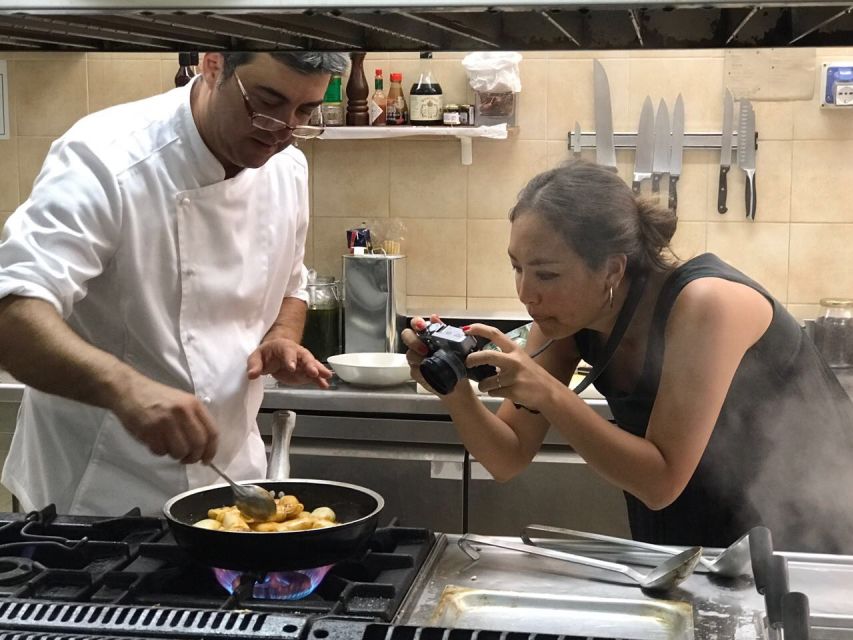
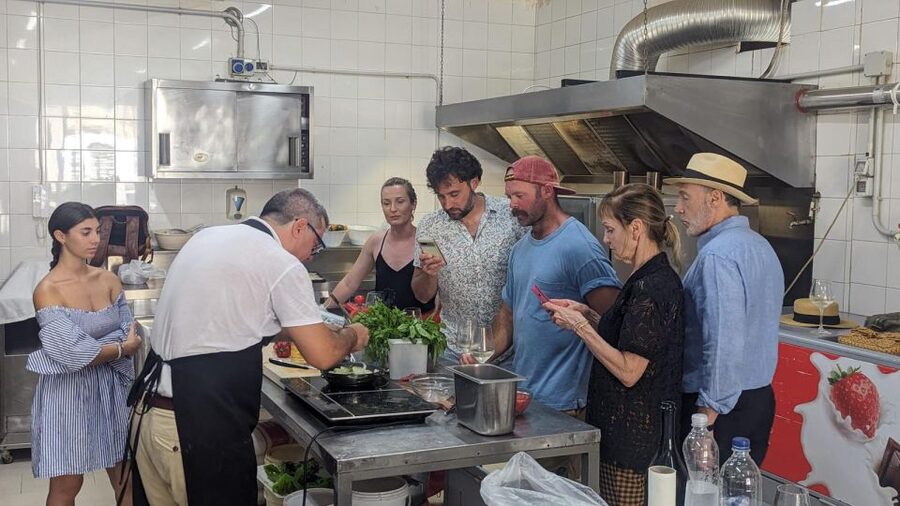
Once the shopping is finished, you are taken to the chef’s kitchen. A transfer is arranged if the cooking location is not close enough to walk comfortably. The exact kitchen setting can vary, and past sessions have taken place in a restaurant kitchen, at Cortile Di Bacco, and even in a rugby club with a striking view.
That variety means you should not book this expecting one standard cooking-school room. The appeal is the chance to cook in a real working setting connected to the chef, not in a staged classroom. The setting may feel more personal and less polished than a purpose-built school, which some people will prefer.
You work with the ingredients bought at the market rather than watching from the side. The recipes depend on the group and the shopping, but the classes have included fresh pasta, seafood sauces, pistachio pesto, tuna with peppers and onions, fried mullet, eggplant with tomatoes and cheese, arancini, veal involtini, bread, and cannoli.
The cooking is also practical. You might learn how to build a seafood sauce from shrimp shells and olive oil, prepare fresh cavatelli, or make pasta in a surprisingly short time. The useful lesson is not only the finished plate. It is learning how Sicilian cooks use a few strong ingredients and avoid wasting good flavor.
What you might actually cook
Seafood is a frequent theme, and it suits Syracuse well. Possible dishes include pasta with shrimp, calamari, and mussels, or pasta with cuttlefish ink. The seafood is bought during the market visit, so the final dish depends on what looks best that day.
Several menus have included tuna with sweet peppers, onions, olives, garlic, capers, or tomatoes. This gives you a lesson in balancing salty, sweet, and savory flavors without relying on heavy sauces. If you like fish, this kind of menu offers more variety than a basic grilled fillet.
Pasta lessons can also go beyond spaghetti. You may prepare cavatelli by hand, make pistachio pesto, or combine fresh pasta with shellfish. Pistachios are an important Sicilian ingredient, and making the pesto yourself helps you understand its texture and flavor in a way that a jarred sauce cannot.
The class is not limited to seafood. Arancini, veal involtini, bread, strawberry salad, eggplant dishes, and fruit salad have all appeared in different sessions. Desserts can include cannoli, brioche with ricotta, or other simple sweets.
Because the menu is shaped by the market and the group, I would tell the chef early if you have dislikes or dietary preferences. The chef has adjusted menus for people who were not keen on fish, but the more clearly you explain your preferences, the easier it is to plan a satisfying meal.
Same stalls, a different way to shop and eat:
- Rome: Colosseum, Roman Forum & Trajan’s Market Exterior Tour
★ 4.3 · 2,038 reviews - Taste of Testaccio: Special 15 Year Anniversary Edition
★ 5.0 · 1,658 reviews - Bologna Food & Market Tour with 6 Tastings, Pasta, Wines & More
★ 5.0 · 1,328 reviews - Venice Street Food Tour with Local Guide with Local Food Market Visit
★ 5.0 · 822 reviews
Sitting down to the meal you made
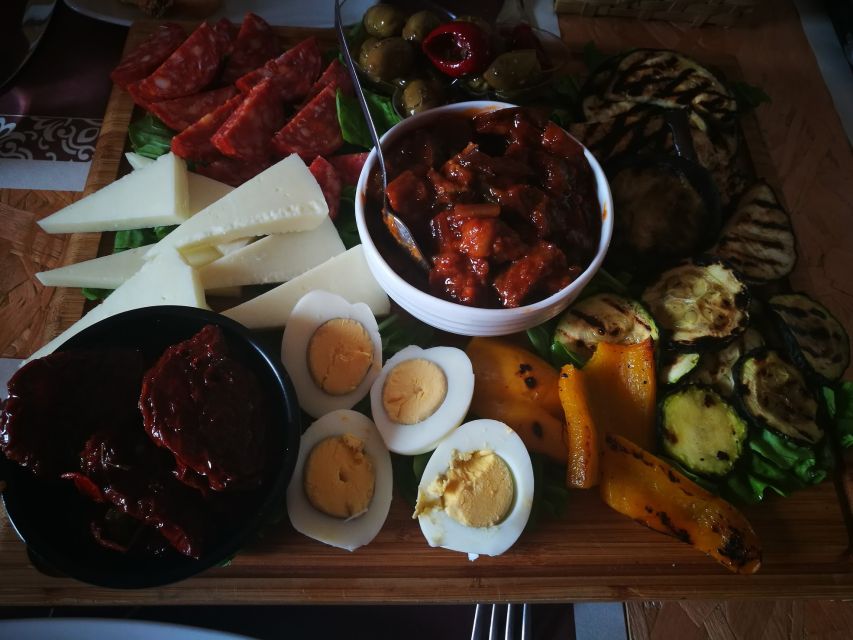
Lunch is included, and it is the payoff for the work. You sit down with the dishes prepared during the class, rather than leaving with a recipe sheet and an empty stomach. Some sessions have also included wine, limoncello, or extra tastings, but drinks outside the planned menu are not generally included, so check what your booking covers.
The meal can be substantial. A session might include more than one pasta, a fish or meat course, salad, bread, dessert, and market samples before cooking even begins. Do not schedule a rushed museum visit immediately afterward. Four hours gives the class enough time to shop, cook, and eat without turning every step into a race.
Eating together also changes the feel of the class. You are not simply collecting a skill and leaving. You have spent time choosing the ingredients, preparing them, and hearing the chef explain why a particular combination works. That makes the lunch feel connected to the streets and stalls you visited earlier.
There is also a practical bonus: leftovers may sometimes be available to take away. This is not promised as part of the formal inclusions, but it can be worth asking if the meal produces more food than the group can finish.
Why the small group matters
The group is limited to eight people. That is large enough for a social meal but small enough for the chef to speak with each person and divide up the work. In a much larger class, you might spend more time watching someone else roll pasta or stir the sauce. Here, you have a better chance of handling the ingredients yourself.
The class suits couples, families, and small groups of friends. It also works for solo participants who enjoy meeting people around a shared meal. One couple used it to mark a 25th anniversary, while others treated it as a high point of a wider Italy trip.
The atmosphere seems to depend heavily on Ettore’s personality. He is warm, generous with tips, and comfortable introducing people to market sellers. His daughter has helped with some classes, and her presence has been described as part of the welcoming, family-style feel.
That personal approach is a strength, but it also means this is not a tightly scripted food course. If you want exact measurements, formal instruction, and a set menu, you may prefer a conventional cooking school. If you want conversation, market contacts, and food chosen on the day, this format is a better fit.
Is $134.81 a fair price?
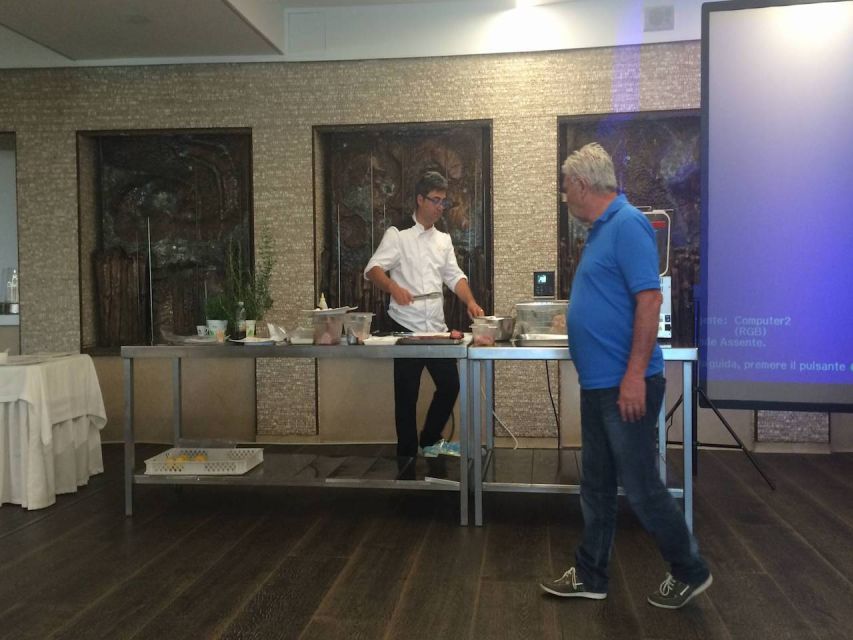
At $134.81 per person, this is not the cheapest way to eat in Syracuse. You are paying for more than lunch, though. The fee covers a guided market visit, the chef, the cooking class, lunch, and a transfer from the market to the kitchen if needed.
The value improves if you appreciate seafood, want direct instruction, and would otherwise pay separately for a market tour and a substantial meal. The small group also matters. You are not paying for a large demonstration where your role is limited to taking photographs.
The price is harder to justify if your main goal is simply a good meal. Syracuse has restaurants where you can eat for less, and the class takes four hours. You should book it for the combination of shopping, cooking, and eating, not as a restaurant replacement.
I also see value in the menu flexibility. You are not locked into a generic tourist meal. The ingredients can reflect the day’s market and your preferences, and the class can introduce techniques you can use at home.
Practical details before you book
Plan on four hours, but check the available starting times before booking. The activity ends back at the meeting point, and any transfer to the kitchen is arranged according to its location.
Wear something comfortable for walking through the market and cooking. The supplied details do not state a dress code or special equipment requirement, so ask the provider if you have concerns about clothing, allergies, or mobility.
The experience is available in English and Italian. Free cancellation is available up to 24 hours before the start time, and you can reserve now and pay later. Those terms are useful if your Syracuse schedule is still shifting.
Do not forget the Sunday change. The market itself is closed, but the chef still takes you through Ortigia streets to buy local products. If the market is your main reason for booking, choose another day.
Should you book this Syracuse cooking class?
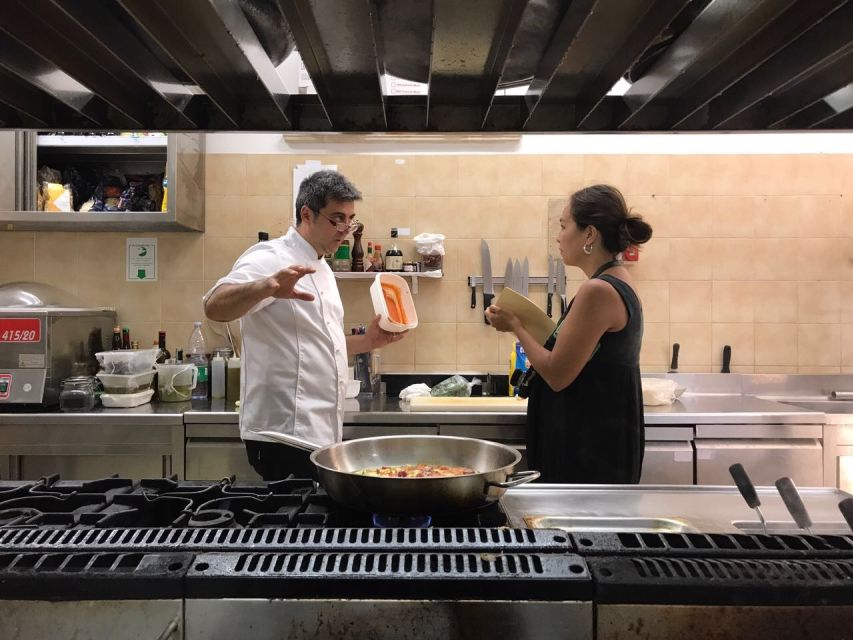
I would book this if you want a hands-on food experience with a strong sense of place. The market visit, personal vendor connections, flexible menu, and generous meal make it more memorable than a class held entirely indoors.
It is especially well suited to seafood lovers, curious cooks, couples marking a special occasion, and anyone who wants to learn how Sicilian ingredients become lunch. I would also recommend it to people who prefer a friendly, informal class over a polished tourist production.
Think twice if you dislike market shopping, need a guaranteed menu, or have only a narrow window in Syracuse. Sunday also changes the outing, and the meeting point at Bar Cristina deserves a little extra attention.
For most people, the combination of Ortigia’s food market and a meal prepared with Chef Ettore offers good value at $134.81. You leave with a full stomach, a better sense of Sicilian cooking, and recipes that are tied to real ingredients rather than a staged lesson.
FAQ
Where does the cooking class start?
The class starts at Bar Cristina, Piazza Pancali 24 in Syracuse.
How long does the activity last?
The activity lasts four hours. Starting times vary, so you need to check availability for the date you want.
Is the Ortigia Market visited every day?
No. The Ortigia Market is closed on Sunday. On that day, the chef guides you through Ortigia’s streets while buying local products instead.
What languages are available?
The host or greeter speaks Italian and English.
How many people are in the group?
The group is limited to eight participants.
Is transportation included?
A transfer from the market to the cooking class is arranged if needed, depending on the location of the chef’s kitchen.
Is lunch included?
Yes. Lunch made during the class is included. Food and drinks outside the planned menu are not included, unless arranged by the local chef.
More Markets in Italy
- Palermo: Street Food and Local Market Tasting Tour
★ 4.9 · 540 reviews - Roman Food Tour with Visit to the Trionfale Food Market
★ 5.0 · 471 reviews - Venice: Rialto Market Food and Wine Lunchtime Tour
★ 5.0 · 383 reviews - The Original Catania Street Food and Market Tour by Streaty
★ 5.0 · 345 reviews
More Cooking Classes in Italy
- Pasta and Tiramisu Cooking Class with optional Local Market Tour
★ 5.0 · 515 reviews - Florence: Cooking Class with Local Food Market Tour
★ 4.9 · 407 reviews - Authentic Roman Cooking Class & Market Experience
★ 5.0 · 363 reviews - Florence: Cooking Class at a Tuscan Farm & Local Market Tour
★ 4.9 · 354 reviews
Just added around Italy
- Cesarine: Market Tour & Home Cooking Class in Catania★ 4.0 · 6 reviews
- Small Group Market tour and Dining Experience at a Cesarina’s home in Brindisi★ 4.5 · 6 reviews
- Small Group Market tour and Cooking class in Brindisi★ 4.5 · 8 reviews
- Private Market Tour and Cooking Class in Bologna with Giovanna C★ 5.0 · 20 reviews
- One day tour Christmas markets Innsbruck – Bressanone – Vipiteno★ 4.5 · 11 reviews
- Food markets tour with a local!★ 4.5 · 39 reviews
- Cesarine: Market Tour & Home Cooking Class in Bari★ 5.0 · 5 reviews
- Cesarine: Small Group Market tour and Dining in Altamura★ 3.0 · 2 reviews
Market Cooking Classes, compared.
Hanoi Cooking Class: Culture, Local Market & Meaning CSR Impact
Read our review →
5 Traditional Dishes Hanoi Cooking Class with Market Trip
Read our review →
Cooking Class and Lunch at a Tuscan Farmhouse with Local Market Tour from Florence
Read our review →
Cooking Class, Market & Thai Herbs Garden Tour
Read our review →
Authentic Cooking Class with Market & Farm Visit
Read our review →
Paella Cooking Experience & Boqueria Market Tour
Read our review →
Cooking Class Hoi An:Local Market, Basket Boat, Fishing & Cooking
Read our review →Browse the lists this tour appears in