
Review · BANGALORE
Tipu Palace + Koté Vishnu + Fort + KR Market + Jain Temple = Bengaluru Pété Walk
Bengaluru’s old Pete district is where the city’s polished modern image gives way to something louder, older, and more revealing. In about three hours, you move from a teak palace and carved temple walls to flower sellers, market workers, shrines, and the Jain community of Chickpet. The market is the star, a full-sensory lesson in daily life.
I like the way this walk links five very different places without wasting time on long drives. I also like the practical help from guides such as Vijay, Raghu, Vanaja, and Vasuki, who explain local customs, answer questions, and sometimes help with metro connections or a post-tour meal. The main consideration is comfort: the streets can be crowded, noisy, and tiring, and a Hindu temple may be closed on an afternoon departure.
Key points at a glance
- Five sides of old Bengaluru: See a palace, Hindu temple, fort, wholesale market, and Jain temple in one compact walk.
- KR Market delivers the drama: Expect flowers, produce, workers, bicycles, animals, sharp aromas, and narrow passages.
- A licensed local guide matters: Guides including Vijay, Raghu, Vanaja, Vasuki, and Phaneesh bring context and help you move through confusing streets.
- The morning is the safer choice: Earlier hours usually mean less heat and fewer crowds, while temple opening times can vary.
- Dress for religious sites: Cover your shoulders and legs. Women should carry a scarf, and an extra pair of socks may be useful.
- Good value for a short visit: At $33.55, the tour includes monument entry and a small group of no more than 10 people.
Why Bengaluru’s Pete district is worth your time
Bengaluru is often presented as India’s technology capital, but its old center tells a different story. Pete, also called the old market district, is a place of temples, trading streets, historic buildings, and packed commercial lanes. This walk gives you a quick way to see that older city without trying to organize each stop yourself.
I like the route because it does not treat history as something sealed behind museum glass. Tipu Sultan’s palace sits beside an active temple. The fort survives in fragments near a working city. KR Market is not a performance arranged for sightseeing. It is a real wholesale market, and you are moving through it while business carries on.
The tour runs for roughly two and a half to three hours. That is long enough to get a strong sense of the district, but not long enough to examine every building or spend leisurely time shopping. Think of it as an introduction to central Bengaluru, not a complete historical study.
A few more market tours around Bangalore worth a look
- Bengaluru Pete City Market Half-Day Walking Tour
★ 5.0 · 163 reviews - Experience Bangalore – City Tour, Authentic Food & market (Food/Culture/History)
★ 5.0 · 156 reviews - Old Bangalore Historical Walk thro Palace, Temples, Fort & Market
★ 5.0 · 60 reviews
Tipu Sultan’s teak palace begins the walk
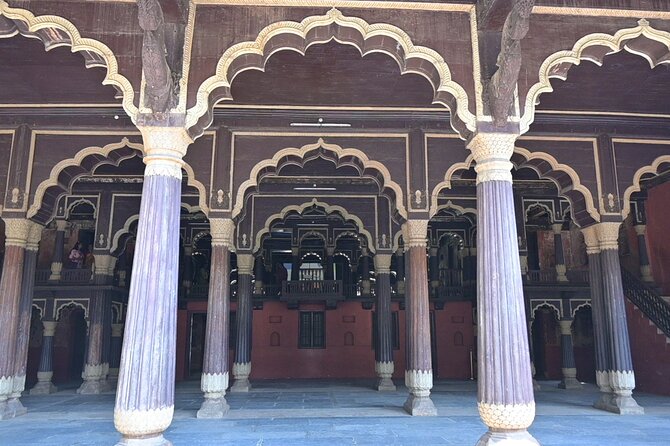
The meeting point is Tipu Sultan’s Summer Palace on Tippu Sultan Palace Road in Chamrajpet. The palace is about 230 years old and built largely from teak, with Islamic architectural features and wooden columns that give it a warmer feel than a stone monument.
You get about 30 minutes here, with admission included. That is enough for the guide to explain the palace and point out the main design details, though anyone wanting a slow architectural study may find the stop brief. The building’s scale also helps set up the rest of the walk: this is a royal site, but it is close to busy streets and ordinary city life.
A guide adds real value at this first stop. Names assigned on different departures have included Vijay Kumar, Raghu, Varun, Vanaja, Vasuki, Ramesh, and Phaneesh. The important point is not which name you receive, but that the guide is licensed and can explain the palace in context rather than leaving you to read a few signs.
Kote Venkataramana Temple and the Vishnu connection
Next door is Kote Venkataramana Temple, also referred to in the tour description as Kote Vishnu. Chikkadevaraja Wodeyar built it in 1690, and its walls carry carved figures from Hindu mythology. The stone work makes a useful contrast with the palace’s timber construction.
Entry is free, but access depends on opening hours and seasonal changes. This matters if you have your heart set on seeing the inside. An afternoon departure may find the Hindu temple closed, so the morning option is the better pick if the religious sites are your main reason for booking.
Dress respectfully from the start. Your shoulders and legs should be covered, and women should carry a scarf. Temple customs can vary, so follow the guide’s instructions and be ready to remove footwear where required. An extra pair of socks is a sensible item to pack.
This stop is valuable because it shows how closely different traditions sit together in the old city. You are not being taken to a single isolated monument. You are seeing a palace and a living place of worship within the same small part of Bengaluru.
Bangalore Fort in a surviving fragment
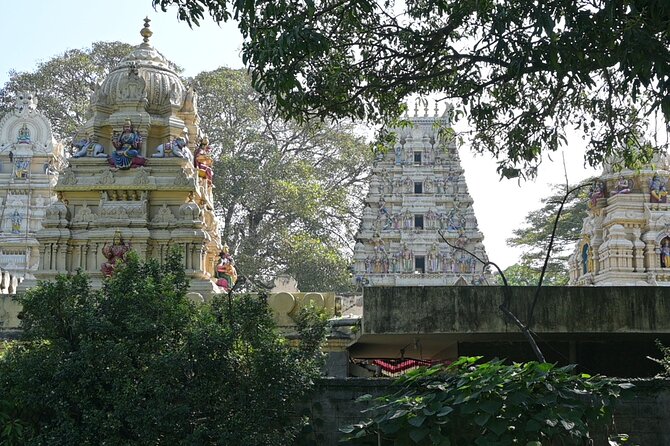
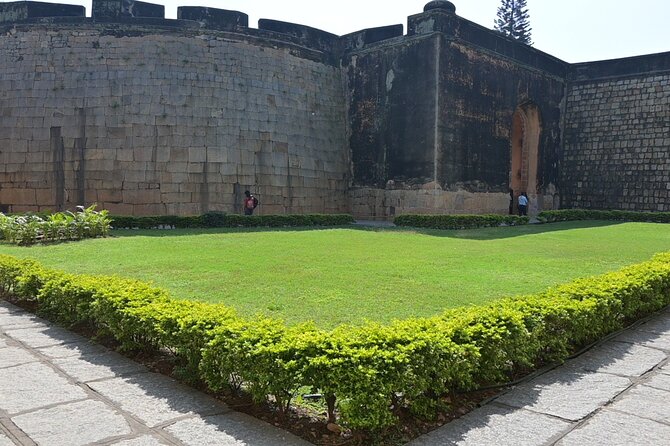
Bangalore Fort began as a mud fort built by Kempegowda, the founder of Bengaluru, in the 16th century. Hyder Ali rebuilt it in stone in the 1760s. Only about 5 percent of the original fort remains, which is both the attraction and the limitation.
Do not arrive expecting a vast fort complex. The visit is about understanding what survives and how the defensive structure once fitted into the growth of the city. The remaining section is neatly maintained and open to visitors, with about 30 minutes set aside for the stop.
I find partial monuments useful when a guide can supply the missing picture. Here, the value is in linking Kempegowda’s early Bengaluru with the later period of Hyder Ali and Tipu Sultan. Without that explanation, the fort could seem small and isolated. With it, the fragment becomes part of a much larger story.
The walk between stops also matters. You are seeing streets, traffic, storefronts, and local movement rather than being driven from one polished attraction to another. Keep your pace moderate, watch the ground, and stay close to the group in busy areas.
More shopping tours in Bangalore:
- Bangalore: Walking Tour of Fort, Palaces, and Market
★ 5.0 · 58 reviews - Bangalore : Evening Food Street Walk and Market Visit
★ 5.0 · 34 reviews - Bangalore Evening Food Street Walk and Market Visit
★ 5.0 · 32 reviews - Experience Bangalore – Evening City Walk Tour & Market Visit
★ 5.0 · 18 reviews
KR Market puts you in the middle of city life
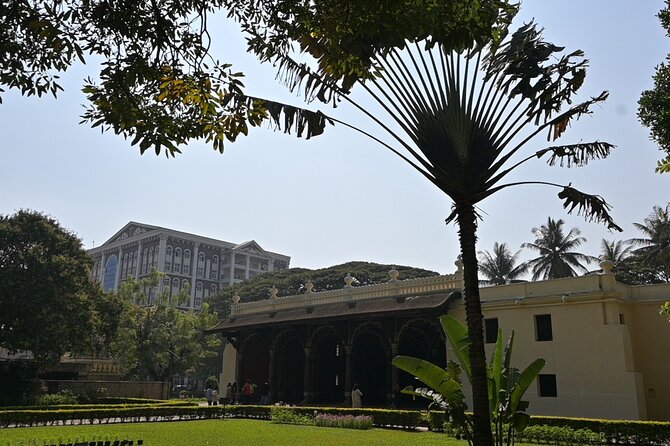
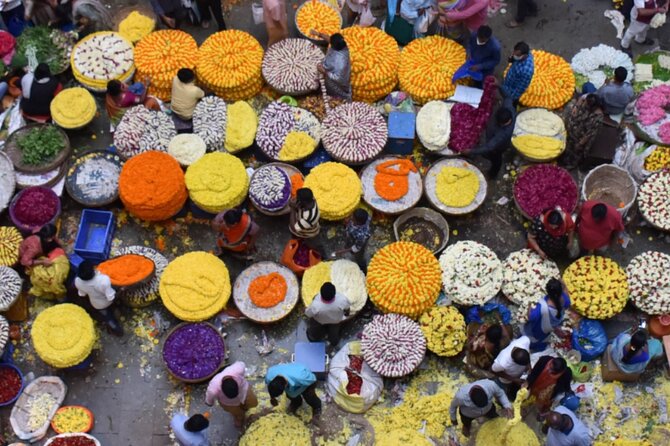
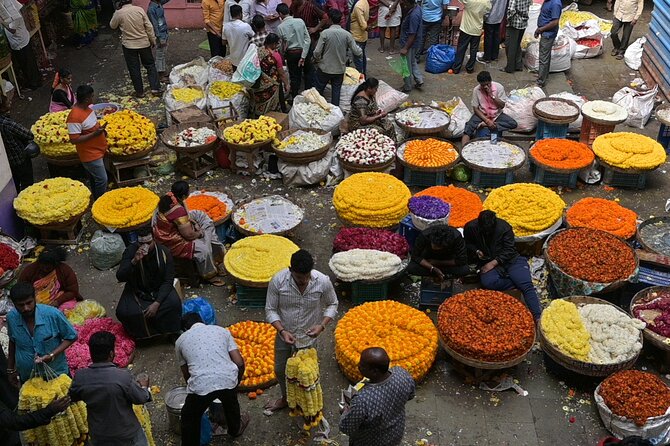
Sri Krishnarajendra Market, usually called KR Market, is the most energetic part of the route. The tour allows about 30 minutes, but the surrounding lanes and market activity may be the part you remember longest.
Expect vendors, porters, hawkers, buyers, bicycles, cows, dogs, and plenty of noise. The flower market is a particular highlight, with strong scents and piles of colorful blooms. You may also encounter dust, clutter, and tight passages. This is not a calm market stroll, and that is precisely why a guide helps.
A local guide can show you how the market works while keeping you moving through the maze. Several guides have also stopped for coffee or tea during or after the walk, a small kindness that can make a difference in Bengaluru’s heat. One guide even helped a solo guest reach an Uber pickup point, while others have walked people to the metro after the tour.
Bring a mask if market dust bothers you. Wear shoes you can walk in for several hours, and keep personal items secure. The market is an active workplace, not a set built for photographs, so ask before taking close pictures of people or their goods.
This is where the tour feels most different from a standard monument circuit. The palace and fort explain the past. KR Market shows you the city earning its living now.
The Jain temple closes the route on a quieter note
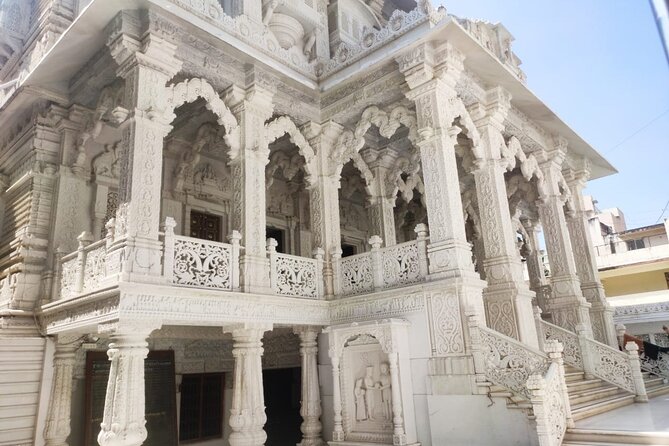
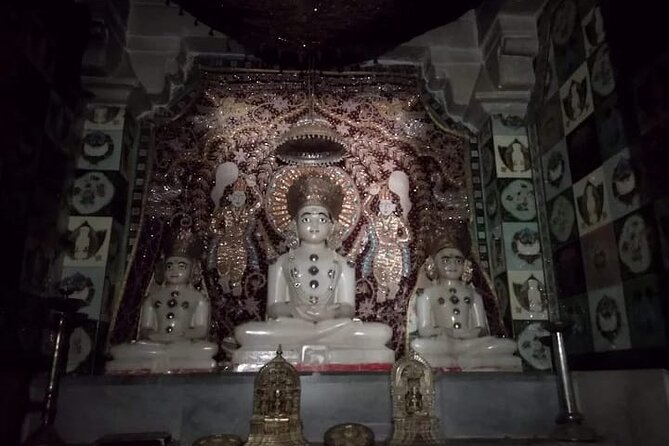
The final stop is Shri Adinath Jain Shwetamber Mandir on Chickpet Road, close to Chickpet metro station. Jainism began in India at least 2,500 years ago and developed alongside Buddhism. Its central principles include non-violence and vegetarian ethics.
The temple offers a calmer change after KR Market. You can learn about Jain beliefs and see a place of worship that many short city tours would skip. This is also why modest clothing is required. Cover your shoulders and legs, and carry a scarf if needed. Temple entry can change with working hours and seasonal schedules.
The temple’s location is practical. The walk ends near the metro, making it easier to continue exploring Bengaluru or return to your hotel. Guides have also helped people use the metro after the tour, which is useful if you are still learning how the city’s transport system works.
Give this stop your attention rather than treating it as a quick final photo. The religious context is one of the tour’s most worthwhile elements, especially if you have already seen the Hindu temple and want a broader view of India’s faith traditions.
What the $33.55 price gets you
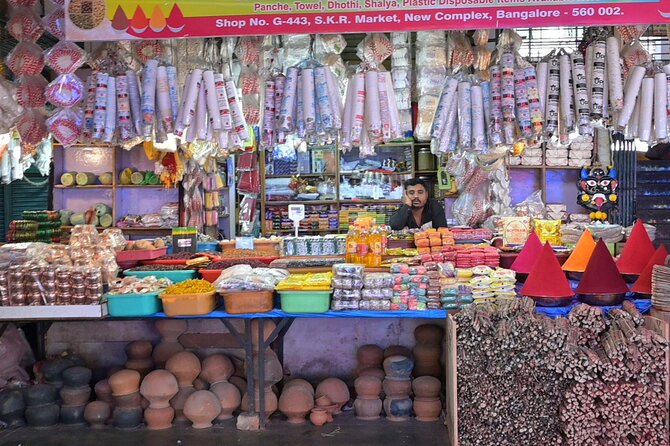
At $33.55 per person, this is a fair price for a small-group walking tour that includes entry fees to the palace and other monuments. The group limit is 10 people, so you should get more access to the guide than on a large bus tour.
The value comes from three things. First, you cover several central sights in a short period. Second, you get help in places that can be confusing, especially KR Market. Third, the guide provides cultural explanations that are hard to pick up from a casual walk.
Lunch, drinks, transport, and tips are not included. That keeps the base price clear, but you should budget for your own meal and any coffee or tea. Hotel pickup and return transport may be available for a small additional fee, so tell the operator where you are staying before the tour if you want to ask about it.
I would not choose this tour mainly for luxury or relaxation. I would choose it for access, local context, and an efficient introduction to old Bengaluru.
Morning or afternoon?
A morning departure is the better choice if you can manage it. The heat is usually easier, the streets may be less crowded, and the Hindu temple is more likely to be open. This is not guaranteed, since temple hours and seasonal access can change, but the timing gives you a better chance.
An afternoon walk still has advantages. KR Market can feel especially active, and the changing pace of the city is part of the point. Just accept that the Hindu temple may be closed and that the final stretch could feel tiring.
The walk requires a moderate level of fitness. You will be on your feet, crossing busy streets, and moving through crowded market lanes. It is not described as an accessible tour, and no special mobility arrangements are provided in the information available, so ask before booking if you have concerns.
Who will enjoy this walk most?
I would recommend it to a first-time visitor who wants a fast, grounded introduction to Bengaluru. It works especially well if you have limited time and want to see several types of place in one outing.
It also suits solo visitors. Guides have helped people feel safe, navigate the old city, find transport, and adjust the pace when someone felt unwell. Families with older children may enjoy the variety, though younger children may find the heat, noise, and walking demanding.
History fans will appreciate the links between Kempegowda, Hyder Ali, Tipu Sultan, the Wodeyar period, and the city’s religious traditions. Food and shopping fans will value the market and the guide’s suggestions about where to eat or buy silk and souvenirs after the walk.
I would hesitate if you dislike crowds, uneven urban walking, strong smells, or flexible temple access. This is an honest slice of Bengaluru, and the city does not tidy itself up for the occasion.
Booking details worth knowing
Confirmation is provided at booking, and the meeting point is Tipu Sultan’s Summer Palace. The end point is Shri Adinath Jain Shwetamber Mandir near Chickpet metro station, not the starting point, so plan your onward route.
French, Italian, and German-speaking guides may be available, but only on request and subject to availability. English-speaking guides have led departures with a mix of historical explanation, practical advice, and personal insight.
Free cancellation is available up to 24 hours before the local start time for a full refund. Changes or cancellations made inside that window are not accepted for a refund.
Should you book the Bengaluru Pete Walk?
Book it if you want to see old Bengaluru in motion, not just its formal landmarks. The combination of palace, temple, fort, market, and Jain shrine gives you a useful cross-section of the city in a short time.
Choose the morning if temple access, lighter heat, and a calmer start matter most. Wear modest clothing, carry a scarf, bring comfortable shoes, and be ready for noise and crowds. At $33.55, the tour earns its price through the small group, included monument entry, and the guide’s help in places that are difficult to decode alone.
Skip it only if you want a slow, quiet sightseeing experience. For a first look at Bengaluru’s historic center, this is a practical and lively choice.
FAQ
How long does the Bengaluru Pete Walk last?
The walk lasts approximately two and a half to three hours.
Where does the tour begin?
It begins at Tipu Sultan’s Summer Palace, 42 Tippu Sultan Palace Road in Chamrajpet, Bengaluru.
Where does the tour end?
It ends at Shri Adinath Jain Shwetamber Mandir on Chickpet Road, close to Chickpet metro station.
What places are included?
The route includes Tipu Sultan’s Summer Palace, Kote Venkataramana Temple, Bangalore Fort, KR Market, and Shri Adinath Jain Shwetamber Mandir.
Is transportation included?
Transport is not included. Hotel pickup and return transport may be available for a small additional fee, depending on your hotel and arrangements.
What should I wear to the temples?
You should cover your shoulders and legs. Women should carry a scarf, and an extra pair of socks may be useful.
How many people can join the tour?
The maximum group size is 10 people.
More Walking Tours in Bangalore
- Bangalore: Palace, Temples, Fort & Markets Walking Tour
★ 4.9 · 97 reviews - KR Market Photo Walk
★ 5.0 · 12 reviews - Experience Bangalore Evening City Walk Tour and Market Visit
★ 5.0 · 9 reviews - Bangalore: Walk in Historic Ulsoor – Landmarks, Bazaar & Culture
★ 5.0 · 9 reviews
Just added around Bangalore
- KR Market Photo Walk★ 5.0 · 12 reviews
- Shopping and Bazaar Trail in Bangalore★ 4.5 · 5 reviews
- Bangalore: Walk in Historic Ulsoor – Landmarks, Bazaar & Culture★ 5.0 · 9 reviews
- Experience Bangalore Evening City Walk Tour and Market Visit★ 5.0 · 9 reviews
- Lalbagh+Bull Temple+Tipu Palace+Market+Lunch=Bangalore City Tour★ 5.0 · 9 reviews
- Bangalore Walking Tours – Flower Market, PETE and more★ 5.0 · 5 reviews
- Bangalore Evening Food Street Walk and Market Visit★ 5.0 · 32 reviews
- Old Bangalore Historical Walk thro Palace, Temples, Fort & Market★ 5.0 · 60 reviews
Walking Tours, compared.
Tokyo Tsukiji Fish Market Food and Culture Walking Tour
Read our review →
Ben Youssef, Secret Garden, & Souks Walking Tour
Read our review →
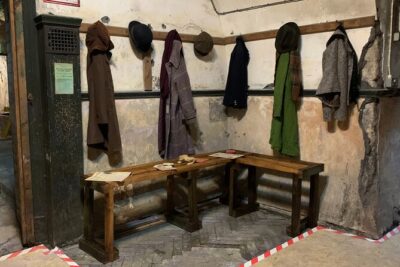
Air Raid Shelter + St. Nicholas Market Walking Tour
Read our review →
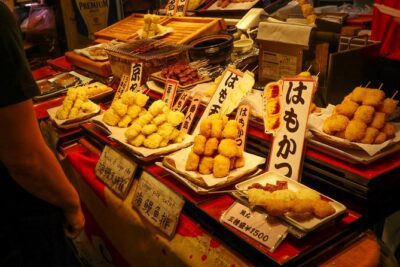
Nishiki Market Brunch Walking Tour (7 Tastings + Brunch)
Read our review →![Frida Kahlo VIP [Museum Tickets Included] Walk, Markets & Churros](https://1.marketescapes.com/wp-content/uploads/frida-kahlo-vip-museum-tickets-included-walk-markets-churros-400x267.jpg)
Frida Kahlo VIP [Museum Tickets Included] Walk, Markets & Churros
Read our review →Browse the lists this tour appears in