
Review · CASABLANCA
Old local Market visit+Moroccan cooking class with a local family
The best part of this Casablanca experience is that the food lesson begins before you reach the kitchen. You visit a neighborhood souk with Inas or her brother, choose the ingredients for your meal, then carry them home to cook with the family. It gives you a clear look at ordinary Moroccan life, not just a polished restaurant version of it.
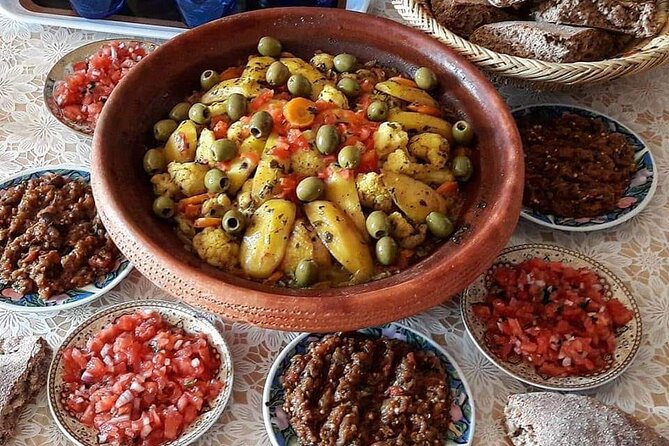
I like the hands-on format, especially the chance to choose between dishes such as tagine, couscous, and pastilla. I also like the warm family setting, where time between cooking steps may include mint tea, sweets, music, and conversation. The main thing to consider is that this is a home visit, not a formal cooking school, so the pace and setting are personal and informal.
Key points
- A real neighborhood souk: Shop for the fresh ingredients included in the experience and see how produce, spices, and meat are sold locally.
- Cooking with Inas and her family: Prepare the meal yourself in a Casablanca home, using family methods passed down from her mother and grandmother.
- Your choice of Moroccan dishes: Depending on the session, you can work on tagine, couscous, pastilla, salad, or another agreed dish.
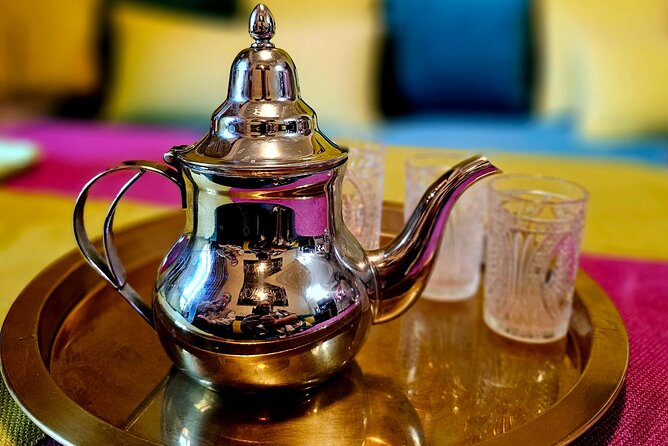
- Mint tea lesson included: Learn each step of making Moroccan tea, then serve it with Moroccan sweets.
- Small-group format: The stated maximum is six people, which suits guests who want direct help at the counter.
- Good for dietary needs: Vegan and vegetarian guests are welcome, and Inas has worked around dietary intolerances.
From Casablanca’s Souk to a Family Kitchen
This four-hour experience connects two parts of Moroccan food culture that are often separated on standard tours: shopping and cooking. You start at the meeting point in Casablanca, listed as HFGJ+9RG, Casablanca 20250, then head to a popular local market with Inas or her brother.
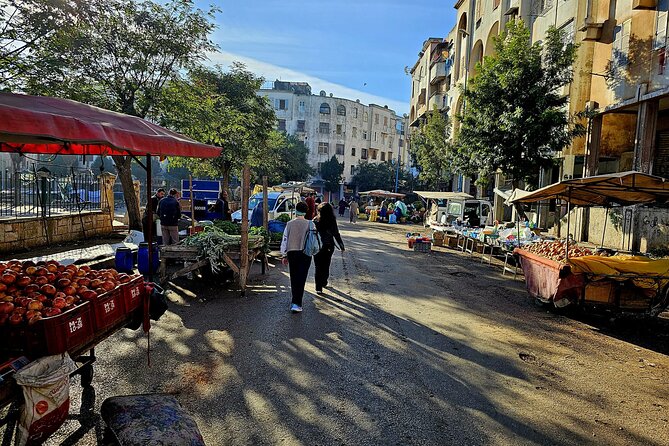
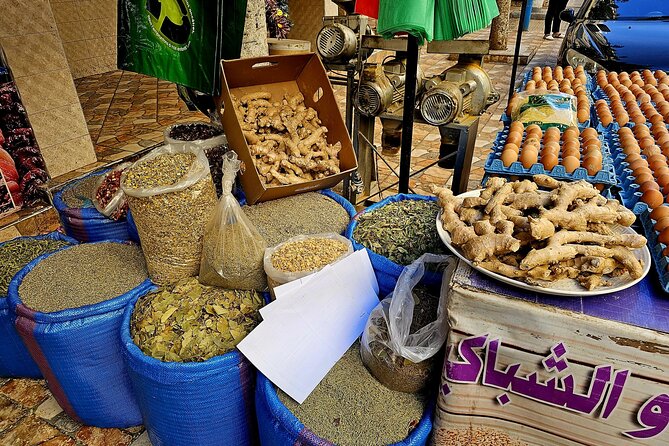
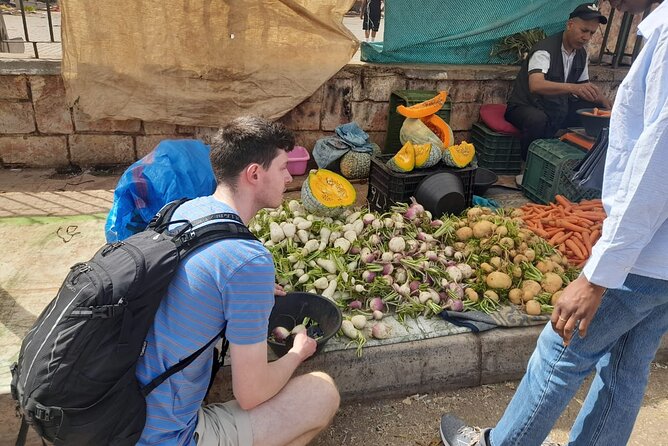
The market visit is not simply a stop to collect ingredients. It is where you begin to read the food culture of Casablanca. You see produce, spices, and meat arranged for daily shopping, and you can ask questions while Inas selects what the meal needs. The ingredients are included, so you are not trying to guess prices or manage a shopping bill in a busy souk.
That makes the market useful for first-time visitors. You get a gentle introduction to local buying habits, with someone from the family helping you understand what you are seeing. You may also pick up small ideas for your own kitchen, including spice combinations and ways to judge fresh ingredients.
The market is closed on Friday. That detail matters, so avoid booking this activity for that day unless the provider has given you a different arrangement.
More Market Cooking Classes in Morocco
- Marrakech: Traditional Moroccan Cooking Class & Market Visit
★ 4.8 · 1,861 reviews - Moroccan Cooking Class & Marrakech Market Visit with Chef Khmisa
★ 5.0 · 1,504 reviews - Marrakech: Moroccan Cooking Class with Market Visit and Meal
★ 4.9 · 347 reviews
What the Neighborhood Market Adds
A Moroccan cooking lesson can easily become a demonstration where you watch someone else chop, stir, and season. This one puts the market first, so the recipe has a visible connection to the place where its ingredients came from.
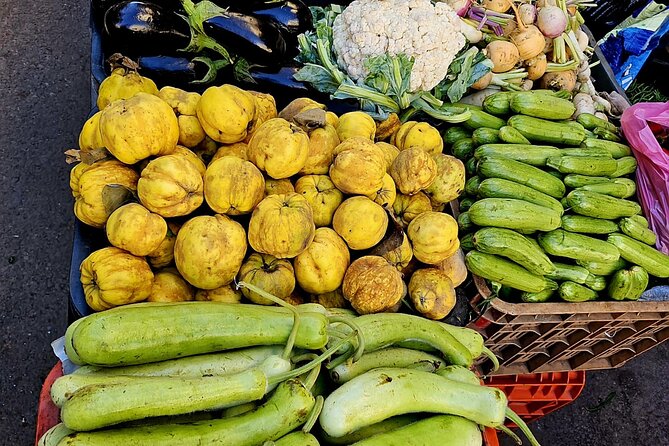
You may see vegetables, spices, and meat displayed in ways that differ from a supermarket. That contrast is part of the appeal. You are not only learning how Moroccan food tastes, you are seeing how a family shops for it.
The market can also be the most unpredictable part of the outing. It is a working souk, not a museum, and the experience may feel crowded, noisy, or fast-moving. If you prefer a quiet, highly scripted tour, this may not be your ideal format. If you like watching daily life unfold, it is one of the strongest parts of the day.
I would ask Inas in advance which dish you will prepare and how much time you will spend in the market. The experience allows choice, but the exact menu depends on the group and the session.
Cooking Tagine, Couscous, or Pastilla at Home
After shopping, you return to the family home for the cooking class. Inas guides you through the preparation, and the aim is for you to complete the steps yourself rather than simply watch her cook.
The possible dishes cover some of Morocco’s best-known food traditions:
- Tagine: A slow-cooked dish prepared in the familiar Moroccan style, with seasoning and timing playing a major role.
- Couscous: A classic dish that can be prepared with chicken and vegetables, as one group did during its visit.
- Pastilla: A more elaborate Moroccan preparation, useful if you want to learn a dish with a different texture and presentation.
- Salad and other accompaniments: These may form part of the meal, depending on your menu.
The value here is in the small corrections. Inas can show you how much spice to use, when to add ingredients, and how Moroccan cooks build flavor over time. These are the details that are hard to learn from a recipe card.
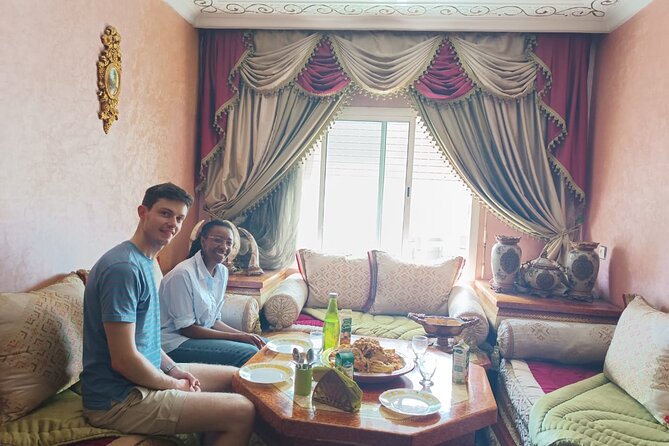
The setting also changes the tone. You are cooking in a family apartment, not standing at a commercial workstation with several instructors. That means the lesson can feel like being invited to a relative’s home. It also means space may be more limited and the process less standardized than at a purpose-built school.
For me, that trade-off is worthwhile if your main goal is cultural contact and useful cooking skills. You get a closer look at family life, along with recipes that you can try later at home.
The Family Welcome and Time Between Dishes
Inas is the central host, and her parents and other family members may also welcome you into the home. The family connection is a major reason to choose this experience. You are not just meeting a guide for four hours, you are sharing part of a household routine.
While the food cooks, the family may serve Moroccan tea and sweets. Music videos, including old and new Moroccan music, have also been part of the time between cooking steps. These pauses give you room to ask about daily life, family traditions, and Moroccan food.
You should expect conversation rather than a formal lecture. That is useful if you come with questions. You can ask about spices, meal customs, tea, or how the dishes you see in restaurants fit into home cooking.
The welcome can be especially meaningful during a religious or family occasion. One group was invited to share iftar with the family, though that should not be treated as a standard part of every booking. The safe expectation is tea, sweets, cooking, and a shared meal.
If you want the quietest possible cooking class, the social side may feel like a distraction. If you want an experience that brings you close to Moroccan family life, it is a strong advantage.
More produce and farmers markets in Morocco:
- Marrakesh: Private Cooking Class & Local Market Shopping
★ 4.7 · 15 reviews - Hanoi Cooking Class: Culture, Local Market & Meaning CSR Impact
★ 5.0 · 5,147 reviews - Cooking Class and Lunch at a Tuscan Farmhouse with Local Market Tour from Florence
★ 5.0 · 4,831 reviews - Cooking Class Hoi An:Local Market, Basket Boat, Fishing & Cooking
★ 5.0 · 3,660 reviews
Learning the Moroccan Tea Ritual
The tea lesson deserves its own mention. Moroccan mint tea is not simply a drink poured at the end of dinner. Preparing and serving it is a social custom, and Inas teaches the steps before you enjoy it with Moroccan sweets.
The lesson gives you something practical to take home. You can repeat the process for friends and family, and it becomes a small way to keep the experience alive after your trip.
Tea is also a natural pause in the class. You may have it while the meal cooks, listen to Moroccan music, and talk with the family. This slows the afternoon down in a pleasant way and keeps the experience from feeling like a rushed sequence of tasks.
Dietary Choices and Menu Flexibility
Vegan and vegetarian guests are welcome. Inas has also adjusted the cooking plan for dietary intolerances, which is important because Moroccan dishes can include meat, dairy, wheat, or other ingredients depending on the recipe.
Tell the host your needs before the activity, not only when you arrive. The group can then choose a suitable dish and shop for the right ingredients. The experience is flexible, but that flexibility works best when your restrictions are clear from the start.
Menu choice is another practical strength. Rather than accepting one fixed meal, you may be able to choose between tagine, couscous, pastilla, and related dishes. This lets you match the class to your interests. If you have already eaten tagine throughout Morocco, ask about couscous or pastilla for a different lesson.
Do not assume every listed dish will be available at every time. The class involves shopping for ingredients, so the final plan should be confirmed with Inas.
Why the Four-Hour Length Works
Four hours is enough time to include the souk, shopping, preparation, tea, and the meal without turning the day into a rushed demonstration. Cooking also has natural waiting periods, and those pauses allow conversation and music.
The timing makes this a useful first-day activity. It can help you understand Moroccan flavors early in your trip, giving you a better sense of the spices, meal patterns, and tea customs you will encounter elsewhere.
It also works well near the end of a visit. Several people have used it as a final meal in Morocco, when they wanted something more personal than another restaurant dinner.
The experience ends back at the meeting point. The listed starting location is a plus-code address, so follow the host’s directions carefully. The activity is near public transportation, and one couple reached the home easily by tram. Clear instructions from Inas are part of the practical side of the experience, especially if you are coming from a cruise ship or have limited time in Casablanca.
Price, Group Size, and Overall Value
At $59 per person, the price includes the market visit, fresh ingredients, cooking instruction, tea, sweets, and the meal. That is a fair value if you plan to eat out and pay for a separate market tour or cooking lesson. Here, those pieces are joined into one half-day visit.
The stated maximum is six people. A small group matters in a home kitchen because you need a chance to chop, season, stir, and ask questions. Larger groups can make hands-on cooking feel more like watching, so confirm the group size if that point is important to you.
The price does not buy luxury surroundings or a professional culinary certificate. It buys access to a local home, family recipes, and direct contact with a Moroccan household. If you judge a tour by hotel-style comfort, this may feel basic. If you value personal contact and practical food knowledge, the price makes sense.
The activity is also mobile-ticket friendly, with confirmation provided at booking. Service animals are allowed, and the location is near public transportation. Those are useful details, but the main planning point remains the Friday market closure.
Who Will Enjoy This Casablanca Experience
I would recommend this experience to you if you enjoy food, small groups, and conversations that continue beyond the official sights. It is particularly well suited to:
- First-time visitors who want an easy introduction to Moroccan food and daily life.
- Couples and families who prefer a personal meal to a formal restaurant.
- Home cooks who want techniques they can repeat.
- Vegetarian and vegan guests who need menu flexibility.
- Cruise passengers looking for a meaningful Casablanca activity with clear transport guidance.
- People who have already seen the major sights and want a closer look at ordinary life.
It may be less suitable if you dislike entering a private home, prefer a strict timetable, or want advanced professional chef training. The class is designed around hospitality and participation, not restaurant-level production.
You should also allow the experience to unfold at a family pace. The market may take longer if you stop to ask questions, and meal preparation may include pauses for tea and conversation. That is part of the point, but it is worth knowing before you book.
Should You Book It?
Book this if you want to cook with a Moroccan family rather than simply watch a guide prepare food. The combination of a neighborhood souk, flexible menu, family kitchen, mint tea, and shared meal gives you a close look at Casablanca that sightseeing alone cannot provide.
I would especially choose it early in a Morocco trip, since the cooking tips can shape how you understand later meals. Choose it at the end if you want a relaxed final evening with food and conversation.
Before booking, confirm your preferred dish, dietary needs, meeting instructions, and date. Do not schedule the market visit for Friday. If those details fit your plans, this is a strong choice for a personal, practical, and genuinely local afternoon in Casablanca.
FAQ
How long does the Moroccan cooking experience last?
The experience lasts approximately four hours, including the market visit, ingredient shopping, cooking lesson, tea, and shared meal.
Where does the activity start and finish?
It starts at HFGJ+9RG, Casablanca 20250, Morocco, and ends back at the meeting point.
Who leads the cooking class?
Inas leads the experience, with help from her brother or other family members as part of the market visit and home cooking session.
Which dishes can I learn to prepare?
The experience may include tagine, couscous, pastilla, salad, or another agreed Moroccan dish. The menu can be discussed with the host.
Are vegan and vegetarian guests welcome?
Yes. Vegan and vegetarian guests are welcome, and the host has also worked around dietary intolerances.
Is the market open every day?
The local market is closed on Friday. Plan the activity for another day if you want the market visit included.
What is the cancellation policy?
You can cancel up to 24 hours before the local start time for a full refund. Cancellations or changes made less than 24 hours before the start time are not accepted for a refund.
More Markets in Morocco
- Evening Marrakech: Gastronomic and Market Tour Inside the Medina
★ 4.5 · 283 reviews - Essaouira: Sqala du Port, Medina Ramparts & Fish Market Tour
★ 4.7 · 212 reviews - Agadir City Tour + Kasbah + Souk Market
★ 4.7 · 199 reviews - Agadir City Tours & Sightseeing with Souk elhad Market
★ 5.0 · 100 reviews
More Cooking Classes in Morocco
- Moroccan Cooking Class with Market Visit and Meal
★ 5.0 · 196 reviews - Fez: Souk Tour and Traditional Home Cooking Class
★ 4.9 · 186 reviews - Flavors of Fez: Market visit, and a hands-on cooking class.
★ 4.6 · 112 reviews - Private Casablanca Market Tour and Cooking Class with Chamsi
★ 5.0 · 33 reviews
Just added around Morocco
- Moroccan Cooking Class with a Local Family & Market Visit★ 5.0 · 16 reviews
- Market Tour & Moroccan Cooking Class in Casablanca with Transfers★ 5.0 · 18 reviews
- Casablanca Market and Street Food Walking Tour★ 5.0 · 3 reviews
- 5 am in Casablanca: Mosque, Medina, Beach , Souks , Coffee and more★ 5.0 · 11 reviews
- Private Market Tour & Cooking Class in Casablanca with Transfers★ 5.0 · 20 reviews
- Agadir city Tour with big Souk Elhad★ 5.0 · 5 reviews
- Paradise Valley & Gorge Adventure with Souk & Transfer★ 4.0 · 5 reviews
- Half day tour : Agadir Goats in argan trees & Souk El Had Market★ 3.5 · 6 reviews
Market Cooking Classes, compared.
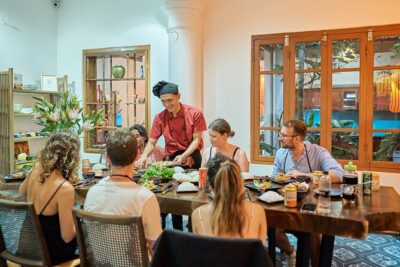
Hanoi Cooking Class: Culture, Local Market & Meaning CSR Impact
Read our review →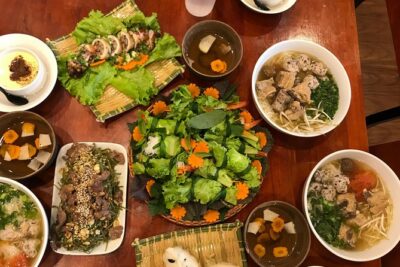
5 Traditional Dishes Hanoi Cooking Class with Market Trip
Read our review →
Cooking Class and Lunch at a Tuscan Farmhouse with Local Market Tour from Florence
Read our review →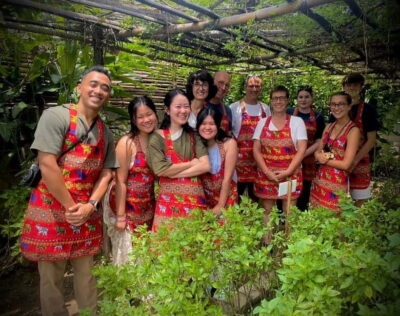
Cooking Class, Market & Thai Herbs Garden Tour
Read our review →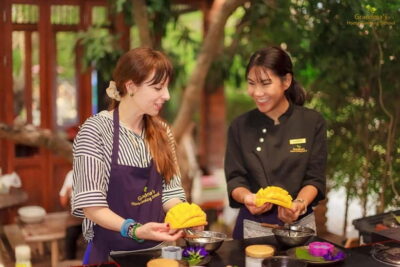
Authentic Cooking Class with Market & Farm Visit
Read our review →
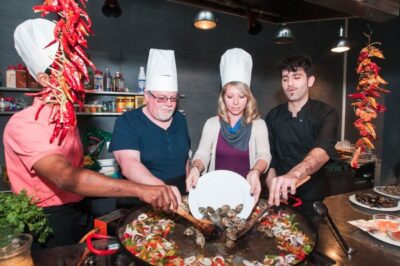
Paella Cooking Experience & Boqueria Market Tour
Read our review →
Cooking Class Hoi An:Local Market, Basket Boat, Fishing & Cooking
Read our review →Browse the lists this tour appears in