
Review · MOROCCO
Moroccan Cooking Class with a Local Family & Market Visit
Chefchaouen’s best food lesson may begin before you reach the kitchen. You’ll shop with a local family, choose fresh ingredients at the market, then cook in a 300-year-old house with Chef Zohra. I like the market stop because it gives the meal a real sense of place, and I like the small group, capped at five people. The main consideration is that this is a short class, so you’ll learn selected techniques rather than master every Moroccan dish.
I especially like the human side of the visit. Murad and Salwa help welcome you, while Zohra leads the cooking, and the meal becomes a chance to talk about Moroccan and Amazigh customs. The only practical wrinkle is transportation: pickup may be offered, but private transportation is not included, so confirm the meeting arrangement before you book.
Key points at a glance
- Shop before you cook: Spend about 30 minutes choosing fresh ingredients at a local market.
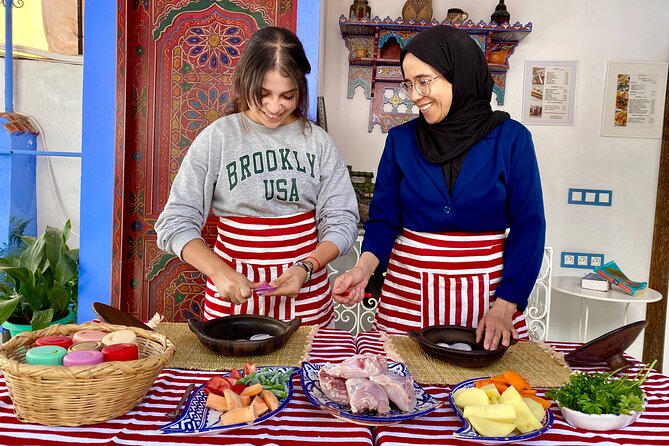
- Learn Amazigh methods: Prepare couscous or chicken and vegetable tajine with guidance from Chef Zohra.
- Eat in a historic home: The cooking takes place in a 300-year-old house, giving the meal a personal setting.
- Keep the group small: A maximum of five people allows room for questions and hands-on work.
- Expect more than one dish: Depending on the menu, you may prepare couscous or tajine along with zaalouk, a Moroccan eggplant dish.
- Allow three hours: The schedule includes shopping, preparation, cooking, plating, tea, cookies, and conversation.
Why this Chefchaouen cooking class feels personal
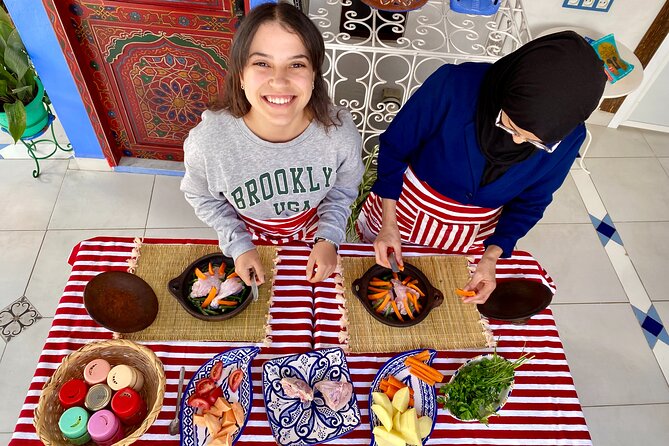
Chefchaouen is famous for its blue-painted streets, but food gives you a different way to understand the city. This class takes you away from simply photographing the medina and places you beside a local family, where cooking becomes the main point of contact.
The family-led format matters. You are not just watching a chef perform in a restaurant kitchen. You go to the market, handle ingredients, prepare food, and sit down to eat it. That simple sequence makes the customs easier to understand because you see how a meal begins, not just how it arrives on a plate.
The hosts named for this experience are Murad, Salwa, and Chef Zohra. Murad helps greet and guide you, Salwa joins the market visit, and Zohra leads the cooking lesson. That division gives the session a warm, household feel rather than the polished rhythm of a large commercial class.
The group limit is five people. I consider that one of the strongest practical features. In a larger class, you might spend much of the time watching someone else chop or stir. Here, you have a better chance to ask about spices, preparation, and the meaning behind the food.
More Market Cooking Classes in Morocco
- Marrakech: Traditional Moroccan Cooking Class & Market Visit
★ 4.8 · 1,861 reviews - Moroccan Cooking Class & Marrakech Market Visit with Chef Khmisa
★ 5.0 · 1,504 reviews - Marrakech: Moroccan Cooking Class with Market Visit and Meal
★ 4.9 · 347 reviews
The market visit: 30 minutes of useful context
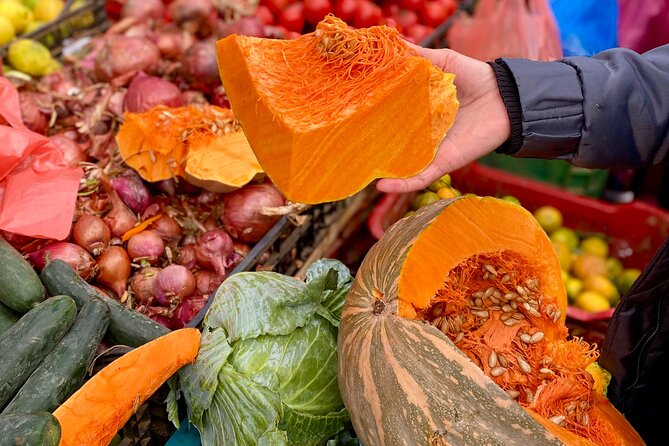
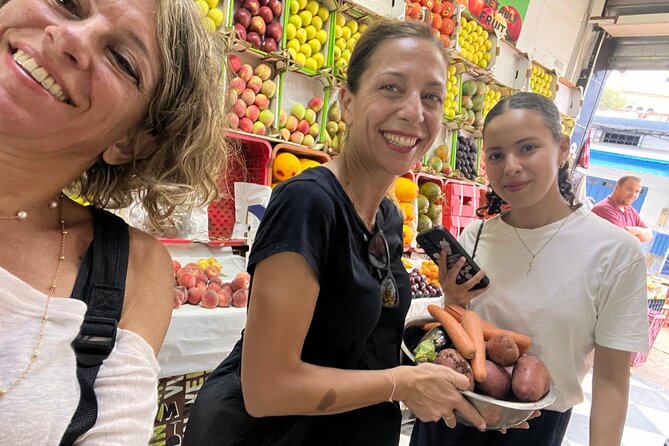
The first major part of the class is a visit to the local market. You’ll spend about half an hour selecting ingredients for the meal, with the family helping you understand what to buy and how it fits into Moroccan cooking.
This is more valuable than a quick walk past market stalls. The ingredients become part of your lunch or dinner, so you can connect what you see with what you later taste. Depending on the menu, you might shop for vegetables, chicken, Moroccan cookies, and other ingredients used for couscous, tajine, or zaalouk.
The market stop also helps you notice the ordinary side of Chefchaouen. The blue medina is photogenic, but markets show you daily shopping habits and the practical work behind Moroccan meals. You are not just looking at a finished dish. You are learning how its parts are selected.
The timing is brisk. Thirty minutes is enough to add context, but not enough for an extended food tour. If you want a long market walk, detailed explanations of every ingredient, or time to shop for your own provisions, this class may feel limited. For a cooking session, though, the shorter visit keeps the focus on the meal.
From raw ingredients to Moroccan technique
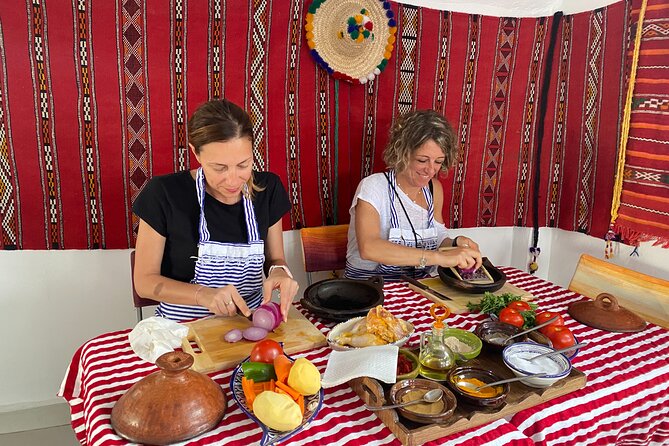
After the market, you return to the family setting for around 20 minutes of preparation. This is where you begin to see that Moroccan cooking is not simply a matter of adding spices to a pot.
The class focuses on traditional Amazigh techniques passed through generations. The exact steps depend on the dish chosen for your session, but the main options are couscous or tajine, prepared with vegetables or chicken. You may also make zaalouk, a cooked Moroccan eggplant dish that pairs well with the main course.
One useful lesson is the care given to couscous. A published account of the class specifically praised the careful preparation and described the finished couscous as among the best tasted in Morocco. That detail points to the kind of instruction you can expect: attention to method, not merely a quick demonstration.
The same applies to tajine. The dish may sound familiar to anyone who has eaten Moroccan food, but the value lies in learning how the family handles the ingredients. You’ll work through the preparation with guidance rather than receiving a recipe and being left alone with it.
The class is suitable for food lovers and culture seekers, but you should not expect a formal culinary-school course. The three-hour schedule allows for one meal and a few related dishes. It does not provide enough time to cover every regional variation or technique in Moroccan cooking.
One hour at the stove with Chef Zohra
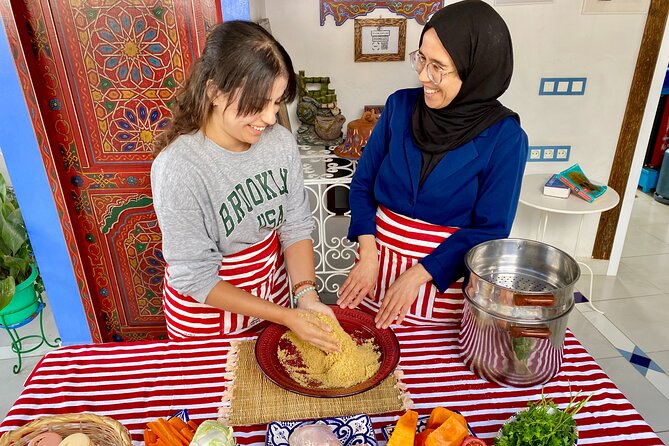
The cooking portion lasts about one hour and is the heart of the visit. Chef Zohra guides you through the process, making sure you understand the steps before the food is served.
The hands-on approach is important. You are not there only to watch Zohra cook. You take part in preparing the food, with the level of participation shaped by the group and the chosen menu. The small maximum group size should make it easier to see what is happening and ask questions as you work.
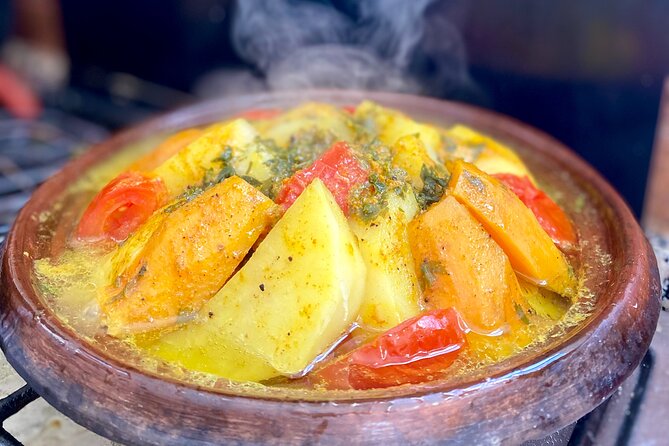
Possible dishes include chicken tajine, vegetable tajine, couscous, and zaalouk. One particularly appealing combination is chicken and vegetable tajine served with the eggplant dish. Another pairing is couscous with zaalouk. Since the exact menu can vary, you should treat the choices as examples rather than a guaranteed set meal.
The cooking also gives you a practical souvenir. You can take the method home and try it again. One participant specifically planned to make tajine in the Moroccan way after returning home, which is a good sign for anyone who wants more than a pleasant meal.
Keep your expectations realistic about the pace. Cooking with a family can involve waiting for ingredients to soften or dishes to finish. That is part of the point, but it means the class is not built around fast service. Come ready to work at a household rhythm.
Same stalls, a different way to shop and eat:
- Marrakech: Bahia Palace, Saadian Tombs, Souk and Medina Tour
★ 4.7 · 4,974 reviews - Marrakech: Ben Youssef, Secret Garden, & Souks Walking Tour
★ 4.6 · 2,802 reviews - Marrakech: Colorful Medina Souks Guided Walking Tour
★ 4.7 · 2,470 reviews - Marrakech Monuments & Souks 3-Hour Tour
★ 3.8 · 1,540 reviews
Plating, tea, and the meal in the old house
Once the food is ready, about 15 minutes are set aside for plating and presentation. This gives you a chance to make the meal look appealing before sitting down to eat.
The presentation lesson is a small but welcome detail. Moroccan food is often served in a way that makes the table feel generous and shared, and plating helps you think about the meal as a complete occasion rather than a collection of ingredients.
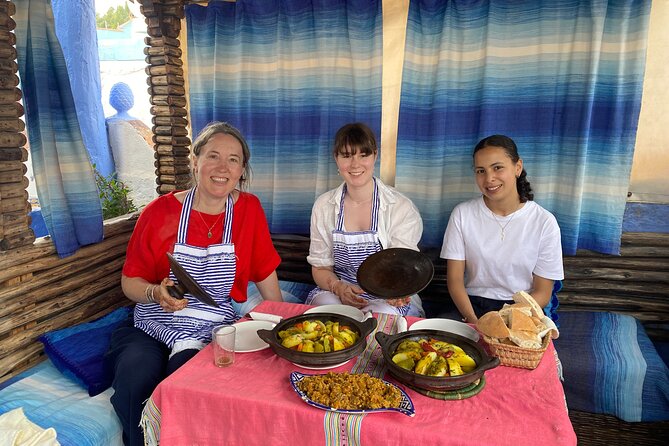
Then comes the tasting and cultural conversation, planned for around 25 minutes. You’ll eat the food you prepared and talk about its place in Moroccan life. Dinner, tea, coffee or tea, and bottled water are included. Moroccan tea and cookies are also part of the visit.
The setting adds much of the charm. You eat in a 300-year-old house, not an anonymous demonstration room. The age of the home gives the meal a stronger connection to Chefchaouen, while the family setting makes the conversation feel more natural.
This is also where the experience may feel most rewarding for families and couples. Several dishes can be prepared together, and the hosts are described as friendly, accommodating, and welcoming to children. The format encourages conversation, but you should remember that the cultural discussion is part of a cooking class, not a separate guided history tour.
What the $49 price really covers
At $49 per person, this is a reasonable value if you want food, a market visit, and a personal cultural meeting in one short session. The price includes the meal, coffee or tea, bottled water, instruction, market shopping, and the hosted setting.
A restaurant dinner would likely cost less if all you wanted was food. It would not give you the market visit, ingredient preparation, cooking guidance, or chance to eat with a local family. A private cooking lesson could cost more, especially if you want one-on-one instruction.
The value depends on how actively you take part. If you prefer to sit back and be served, part of the price is being wasted. If you enjoy asking questions, handling ingredients, and learning a dish you can repeat at home, the fee makes more sense.
Alcoholic drinks are not included. That is not unusual for a family-based Moroccan meal, but it is worth knowing if you had planned to pair the food with wine or beer. The experience includes tea and cookies instead, which fit the setting better.
Timing, transport, and booking details
The full visit lasts about three hours. The approximate schedule is:
- 10 minutes for an introduction to Moroccan cuisine
- 30 minutes at the local market
- 20 minutes preparing ingredients
- 1 hour cooking
- 15 minutes plating and presentation
- 25 minutes tasting and cultural conversation
- Tea, cookies, photographs, and questions
The short introduction gives you a useful starting point before shopping. The final questions and photo time help keep the session relaxed rather than ending the moment the meal is finished.
Pickup is offered, but private transportation is not included. Because those two details can sound contradictory, ask exactly where pickup is available and what meeting point applies to your booking. The experience is near public transportation, which helps if you are making your own way there.
Booking tends to happen about seven days ahead on average. That is a useful planning clue, especially because the group is limited to five people. If you are visiting Chefchaouen on a tight schedule, reserve before arriving rather than assuming a place will be open the next morning.
Confirmation is provided at booking, and the ticket is mobile, so you do not need a printed voucher. The activity requires good weather. If poor weather causes cancellation, you can receive a different date or a full refund.
You can cancel without a charge up to 24 hours before the start time. Inside that window, the payment is not refunded, and changes are not accepted. The cut-off follows local time.
Who should book this experience
I would choose this class if you want a direct connection with local life and enjoy food as a way to meet people. It suits couples, families, solo visitors, and small groups who prefer a personal activity over a large organized tour.
It is especially good for:
- People who want to learn one or two Moroccan dishes properly
- Families looking for a shared activity in Chefchaouen
- Visitors who have already seen the blue streets and want a different side of the city
- Food lovers interested in couscous, tajine, and zaalouk
- Anyone who values conversation and a home setting
You may want to skip it if you want a long market tour, a broad survey of Moroccan cuisine, or a professional kitchen with a full set of advanced lessons. The format is intimate and practical, not grand or highly technical.
The published score is 5 out of 5 from 16 ratings, with every rating recommending the experience. That matches the strongest features: the warm welcome, careful food preparation, clean setting, and feeling of being included in a family meal. Still, the small number of ratings means you should judge the class by its format and your own interests, not by the score alone.
Should you book the family cooking class?
Book it if you want to spend three hours cooking, eating, and talking with a Chefchaouen family rather than simply ordering Moroccan food at a restaurant. The market visit, 300-year-old house, small group, and guidance from Murad, Salwa, and Chef Zohra give the session a clear sense of place.
I would make this a strong choice near the end of a Chefchaouen visit. You get a final look at the city through its food, and you leave with techniques you can try at home. Just confirm the pickup details, check the weather forecast, and remember that the exact dish may be couscous, tajine, or a related Moroccan specialty.
FAQ
How long does the cooking class last?
The activity lasts approximately three hours, including the introduction, market visit, food preparation, cooking, plating, meal, tea, cookies, and questions.
What dishes will I prepare?
The class focuses on couscous or tajine, with vegetables or chicken. Zaalouk, a Moroccan eggplant dish, may also be prepared. The exact menu can vary.
Who leads the cooking class?
Chef Zohra leads the cooking instruction. Murad and Salwa are also involved in welcoming and guiding you during the experience.
How many people can join?
The activity has a maximum of five participants.
Are food and drinks included?
Dinner, coffee or tea, and bottled water are included. Moroccan tea and cookies are also served. Alcoholic beverages are not included.
Can I cancel for a full refund?
Yes. You must cancel at least 24 hours before the local start time for a full refund. Cancellations or changes made less than 24 hours before the start time are not accepted for a refund.
More Markets in Morocco
- Evening Marrakech: Gastronomic and Market Tour Inside the Medina
★ 4.5 · 283 reviews - Essaouira: Sqala du Port, Medina Ramparts & Fish Market Tour
★ 4.7 · 212 reviews - Agadir City Tour + Kasbah + Souk Market
★ 4.7 · 199 reviews - Agadir City Tours & Sightseeing with Souk elhad Market
★ 5.0 · 100 reviews
More Cooking Classes in Morocco
- Private Casablanca Market Tour and Cooking Class with Chamsi
★ 5.0 · 33 reviews - Edgy 8 Dish Private, Fusion Cooking Class, Menu Plan, Market
★ 4.9 · 31 reviews - Private Market Tour & Cooking Class in Casablanca with Transfers
★ 5.0 · 20 reviews - Market Tour & Moroccan Cooking Class in Casablanca with Transfers
★ 5.0 · 18 reviews
Just added around Morocco
- Market Tour & Moroccan Cooking Class in Casablanca with Transfers★ 5.0 · 18 reviews
- Casablanca Market and Street Food Walking Tour★ 5.0 · 3 reviews
- 5 am in Casablanca: Mosque, Medina, Beach , Souks , Coffee and more★ 5.0 · 11 reviews
- Private Market Tour & Cooking Class in Casablanca with Transfers★ 5.0 · 20 reviews
- Agadir city Tour with big Souk Elhad★ 5.0 · 5 reviews
- Paradise Valley & Gorge Adventure with Souk & Transfer★ 4.0 · 5 reviews
- Half day tour : Agadir Goats in argan trees & Souk El Had Market★ 3.5 · 6 reviews
- Guided Shared Day Trip Agadir to Marrakech medina & souks★ 4.0 · 14 reviews
Market Cooking Classes, compared.
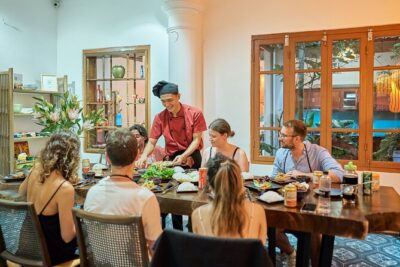
Hanoi Cooking Class: Culture, Local Market & Meaning CSR Impact
Read our review →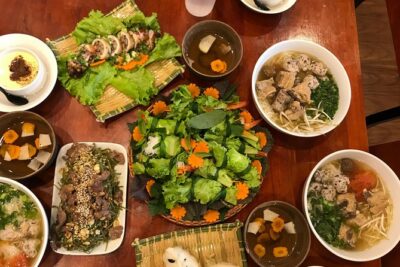
5 Traditional Dishes Hanoi Cooking Class with Market Trip
Read our review →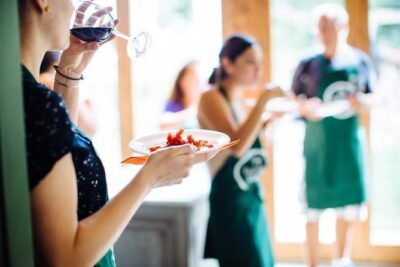
Cooking Class and Lunch at a Tuscan Farmhouse with Local Market Tour from Florence
Read our review →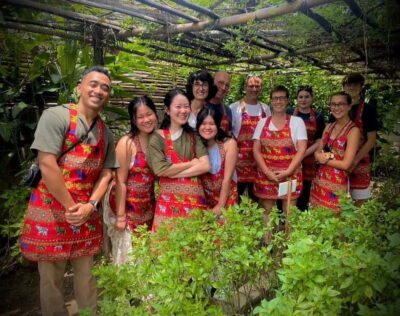
Cooking Class, Market & Thai Herbs Garden Tour
Read our review →
Authentic Cooking Class with Market & Farm Visit
Read our review →
Paella Cooking Experience & Boqueria Market Tour
Read our review →
Cooking Class Hoi An:Local Market, Basket Boat, Fishing & Cooking
Read our review →Browse the lists this tour appears in