
Review · CHIANG MAI
Chiang Mai: Evening Local Street Food Market Tour
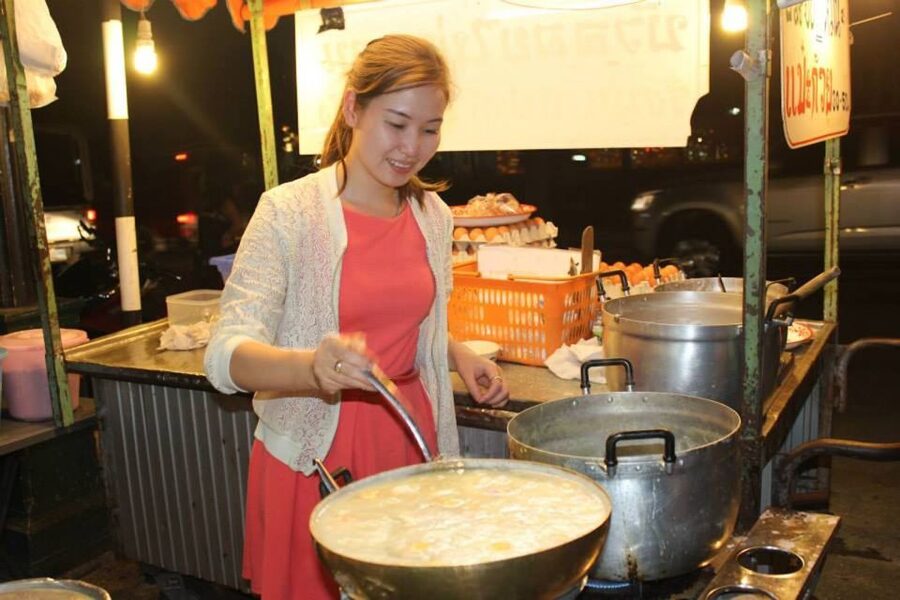
Chiang Mai’s best food lesson may happen under a market awning, with a plate of noodles in one hand and a new Thai phrase in the other. This 150-minute tour moves through at least two evening markets, giving you a guided introduction to Kanom Jeen, Northern Thai specialties, stewed pork leg, coconut dumplings, and sweets.
I like the small group limit of 10, which gives guides such as Jay, Mr. Goal, Chai, and Tienchai room to explain unfamiliar dishes. I also like the hotel pickup, generous portions, and useful Thai phrase leaflet. The main catch is dietary: the tour does not officially accommodate vegetarians or pescatarians, and the food choices change from night to night.
Key points at a glance
- Two or more evening markets: The route can include several market stops, depending on the night.
- A large range of dishes: Expect noodles, curries, salads, Northern Thai food, pork, dumplings, and desserts.
- Guides who teach as they go: Learn Thai food words, ordering phrases, ingredients, customs, and the story behind dishes.
- Small groups of up to 10: This makes it easier to ask questions and share food at the stalls.
- Hotel transfers included: Pickup and drop-off are provided within Chiang Mai city center.
- Come very hungry: The quantity is a major part of the value, and many people find the tour surprisingly filling.
Why this Chiang Mai food tour works so well
At $40 per person, this is not the cheapest way to eat at a Thai market. You could certainly buy individual dishes for less. But the price includes all food, water, an experienced local guide, round-trip transport within central Chiang Mai, and the help needed to order dishes you might otherwise pass by.
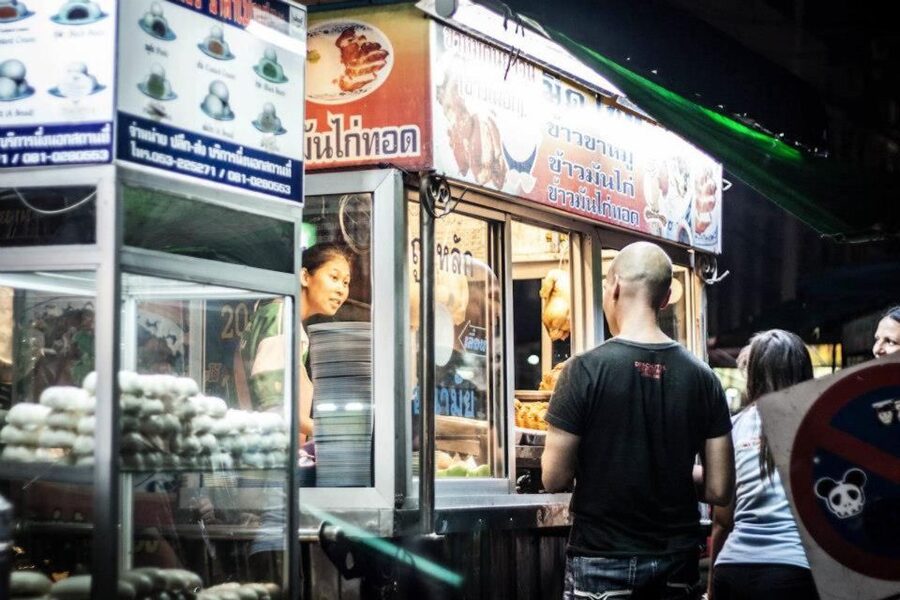
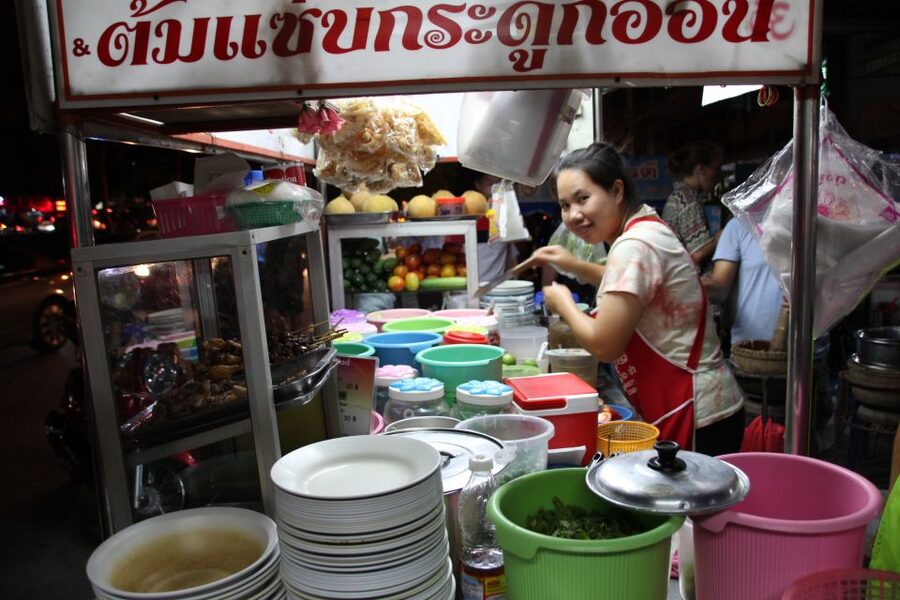
That last part matters. Thai night markets can be visually and linguistically confusing when you first arrive. Dishes may have unfamiliar names, handwritten signs, or no signs at all. A guide removes much of the guesswork, orders a wide selection for the group, and explains how each dish is eaten.
The tour also solves a common food-tour problem: a short list of three or four tastings that leaves you looking for dinner afterward. Here, you should expect a full meal, and possibly more than one. One evening included around 14 savory dishes followed by four desserts. Another included several markets and enough food for some people to stop eating before the tour ended.
That generosity is good value if you arrive hungry and enjoy trying many things. It is less attractive if you prefer a slow meal with one or two carefully chosen dishes.
More street food market tours in Chiang Mai:
- Fresh Local Market Tour – Food tour in Chiang Mai
★ 5.0 · 113 reviews - Dubai: Old Town, Creek, Museums, Souks, & Street Food Tour
★ 4.8 · 10,816 reviews - Dubai: Old Town, Souks, Street Food, Guided Tour & Abra Ride
★ 4.9 · 7,170 reviews
Meeting your guide and settling into the evening
Your guide meets you in the lobby of your Chiang Mai accommodation. You should be ready 10 minutes before pickup. The tour is offered in Thai and English, and the group is limited to 10 people.
The guides are a big part of the experience. Jay is often described as friendly, clear, and easy to spend an evening with. Mr. Goal is praised for his humor, food knowledge, and ability to explain Thai customs and dish origins. Chai is noted for strong English and careful explanations, while Tienchai has led groups through Northern Thai specialties.
The exact guide will depend on the date, so you should not book expecting a particular person. Still, the pattern is clear: the guide is not simply a person who points at food stalls. You can expect help with ordering, eating etiquette, ingredients, spice levels, and useful Thai phrases.
The small group format is especially useful here. Instead of trying to hear a guide over a large crowd, you can ask what a sauce contains, how to hold a particular noodle dish, or which parts of a dish are meant to be eaten together.
First market stop: learning how Chiang Mai eats
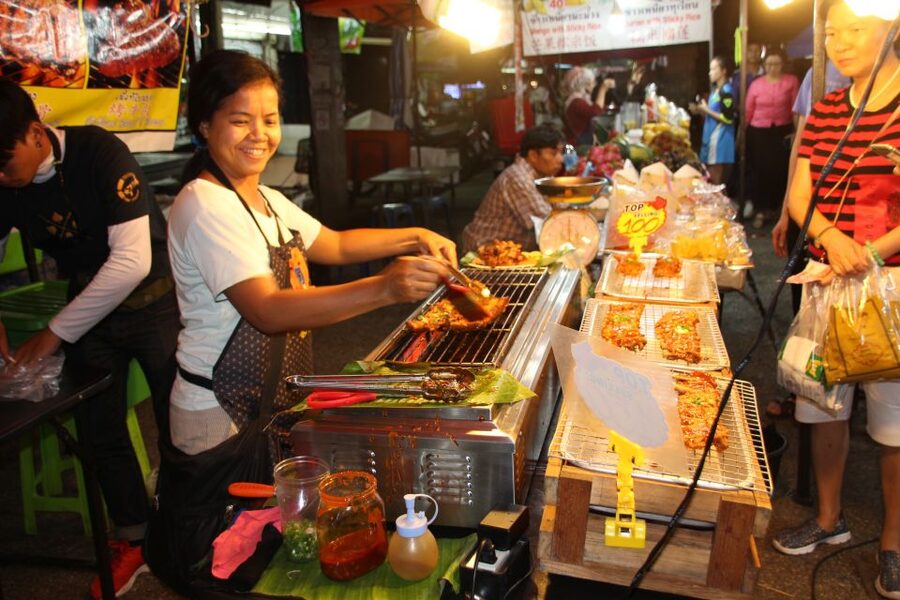
The first market is where the tour begins to make sense. Rather than wandering past trays of food, you get a simple introduction to how to look, choose, order, and share.
Your guide may teach you the Thai names for dishes and basic phrases that help you order later in your trip. The supplied leaflet lists popular street foods and useful language, so you have something practical to take with you after the tour.
Kanom Jeen, sometimes spelled Khanom Chin, is one of the important early tastes. Despite the name, these are fermented rice noodles rather than Chinese noodles. They are commonly served with a curry or sauce and eaten with fresh vegetables and herbs. The guide can explain the combination and show you how the accompanying ingredients fit together.
This is where the tour offers more than a tasting menu. You begin to see that Thai food is not just about heat. It is also about sourness, sweetness, herbs, texture, fermented flavors, and the balance between a main dish and its garnishes.
You might also try Northern Thai specialties that are less familiar outside the region. The exact selection changes by evening, so nobody can promise a fixed menu. That variation is worth keeping in mind: the experience is broad and local, but not fully predictable.
Second market stop: Northern Thai food in greater variety
The second market adds more range. Chiang Mai food has its own identity, shaped by Northern Thai cooking and influences from neighboring regions. Your guide explains where dishes come from and how they differ from food commonly associated with Bangkok or central Thailand.
Stewed pork leg is one of the more substantial dishes you may encounter. It is tender, savory, and comforting, and it gives the group a break from lighter noodles or salads. You can expect a mixture of textures across the evening, from soft meats and noodles to crisp vegetables and fried or chewy snacks.
Several meals include many shared plates rather than one large personal serving per person. That is a useful arrangement for a food tour because it lets you try more without committing to a full portion of every dish. It also creates a social meal, with people comparing tastes and passing plates around.
The guides are also willing to discuss dishes that feel unusual to first-time visitors. You can ask about ingredients, how food is traditionally eaten, or which items are especially local. If you are curious but hesitant, this is a sensible way to try something new because you are not left to interpret it alone.
The drawback is that spice and unfamiliar textures cannot always be removed from the experience. Some dishes are mild, and guides can help people who avoid strong heat, but this is still a tour for adventurous eaters.
More food and drink tours in Chiang Mai:
- Chiang Mai: Local Food and Markets Guided Walking Tour
★ 4.3 · 175 reviews - Bangkok by Night: Temples, Markets and Food Tuk-Tuk Tour
★ 5.0 · 3,752 reviews - Chef Guided Food Tour of Pike Place Market
★ 5.0 · 3,733 reviews - Tokyo Tsukiji Fish Market Food and Culture Walking Tour
★ 5.0 · 3,184 reviews
Sweet finishes, including coconut dumplings
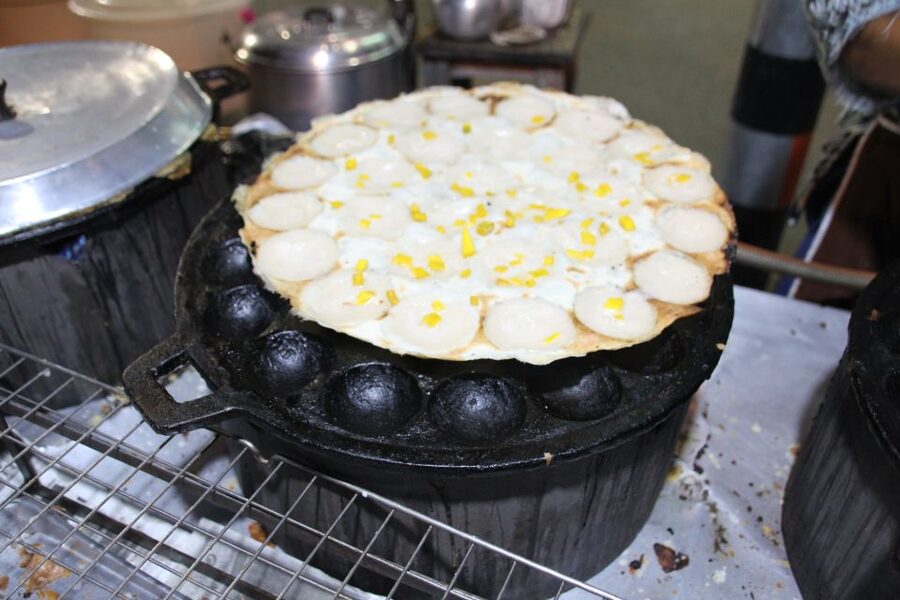
Dessert arrives after the savory food, assuming you still have room. Coconut dumplings and other Thai sweets may appear, along with distinctive desserts that are difficult to identify if you are browsing alone.
These final tastes give the evening a different rhythm. Thai desserts often use coconut, rice flour, palm sugar, fruit, or sticky textures, and they can be much less familiar than mango sticky rice. The coconut dumplings are a good example of why a guide helps: you learn what you are eating instead of treating it as an unnamed sweet from a tray.
Do not assume dessert will be a token bite. The amount of food is one of the tour’s defining features. Several people describe leaving extremely full, and one group finished with four different desserts after a long series of savory dishes.
I recommend holding back slightly at the first stop. It is tempting to accept every plate immediately, but the route is designed to keep feeding you. Pace yourself and remember that portions are shared.
Food lessons that continue after the tour
The most useful souvenir is not a snack. It is the ability to recognize and order food later.
The leaflet helps you remember names and phrases after the evening is over. You can use it to scan market stalls, ask for dishes by name, and identify foods you tasted with the group. For a first night in Chiang Mai, this can quickly make the rest of your stay easier.
I particularly like the language element because it is practical rather than academic. You practice short phrases in the market, then use them immediately. Even a few words can make ordering feel less intimidating.
Your guide also explains food etiquette and the cultural role of certain dishes. That context helps you understand why a dish is served with particular vegetables, sauces, or condiments. You are not simply collecting samples. You are learning how the food fits into everyday Thai life.
The tour can also help you get your bearings. Since you visit different evening markets and cross parts of the city, you gain a better sense of where local food is sold after dark. The precise route may vary, and traffic can take time, but the movement between markets adds range.
Transport, timing, and the traffic tradeoff
Pickup and drop-off are included for hotels in Chiang Mai city center. The return transfer is useful after a large meal, especially if you are staying somewhere away from the market areas.
Transport is generally described as clean, comfortable, prompt, and safe. The main limitation is Chiang Mai traffic. Moving between markets can take longer than expected, particularly at busy times. That reduces time on foot, but it also makes the route possible without asking you to arrange taxis between stops.
The tour lasts 150 minutes, though the exact starting time depends on availability. That is long enough for several food stops without taking your entire evening. You should wear comfortable shoes because you will be walking through markets and standing near food stalls.
If your accommodation is outside the city area, pickup and drop-off may be arranged for a small surcharge. Confirm that before booking rather than assuming central-city transfers apply everywhere.
The food quantity is both strength and weakness
The clearest pattern is abundance. You will not be left hungry. You may try well over 10 dishes, and some evenings include soups, curries, salads, noodles, meats, snacks, and several sweets.
For a solo visitor, this is particularly useful. Ordering a broad selection alone would be difficult and wasteful, while the group format lets you sample many things in small shared portions. It is also a good choice for couples or friends who enjoy comparing notes as they eat.
The flip side is that this is not a minimalist tasting walk. If you have a small appetite, you may need to skip items or take smaller portions. The guide can usually help pace the group, but you should not expect a carefully measured menu.
The food selection varies from night to night. That means you should book for the general experience of exploring Chiang Mai markets, not for a guaranteed list of exact dishes. The advertised highlights give you a useful idea of the style, but market availability determines much of the final meal.
Dietary limits and who should book
This tour is best for people who eat meat and seafood and want a broad introduction to Thai food. It is also a strong fit if you are visiting Chiang Mai for the first time, feel uncertain about ordering, or want to learn what to seek out during the rest of your trip.
The official information says the tour cannot accommodate vegetarians or pescatarians, and children under 8 are not suitable. One family found that a guide made adjustments for a vegetarian child, but you should not rely on that exception. Contact the operator before booking if anyone in your party has dietary restrictions.
It is also worth considering your spice tolerance. You can expect both spicy and mild food, and guides can help explain the choices. Still, this is not a tour designed around avoiding all heat or unfamiliar ingredients.
Food allergies are not addressed in the supplied details, so you should contact the operator directly before reserving if an allergy could affect your safety.
Is $40 good value?
I think the price is fair, mainly because the tour gives you access to a large selection of food without requiring you to order every dish yourself. It also includes transport, water, guidance, language help, and explanations that would be hard to arrange independently in one evening.
The value is strongest on your first or second night in Chiang Mai. You can use the food leaflet and new phrases for the rest of your stay, and you gain a working list of dishes to look for.
It is less compelling if you already know Chiang Mai markets well, speak Thai, and prefer to choose every dish independently. In that case, you may pay for guidance you do not need.
Free cancellation is available up to 24 hours before the tour, and you can reserve now and pay later. Those policies are useful if your itinerary is still changing, but the real decision is simpler: do you want a guided sampler with a lot of food, or a relaxed market stroll where you control every stop?
Should you book the Chiang Mai Evening Local Street Food Market Tour?
Book it if you want a generous, social introduction to Chiang Mai food and would like someone to handle ordering and explanations. It is especially good for first-time visitors, solo eaters, curious couples, and anyone nervous about choosing from unfamiliar stalls.
Skip it if you are vegetarian or pescatarian unless the operator confirms a suitable arrangement in advance. You may also prefer another style of evening if you eat lightly, dislike shared dishes, or want to spend the whole night at one market.
For most omnivorous food fans, the combination of several markets, useful Thai phrases, central hotel transfers, and a remarkable amount of food makes this a practical $40 introduction to Chiang Mai’s evening food scene. Come with comfortable shoes, an open mind, and a nearly empty stomach.
FAQ
How long does the Chiang Mai street food tour last?
The tour lasts 150 minutes, or two and a half hours.
How many markets will I visit?
You will visit at least two evening street food markets. The route may include additional markets or stops depending on the evening.
What food is included?
All dishes and water are included. Possible foods include Kanom Jeen, Northern Thai specialties, stewed pork leg, coconut dumplings, other savory dishes, and Thai desserts. The exact selection varies from night to night.
Is hotel pickup included?
Yes. Round-trip pickup and drop-off are included for accommodations in Chiang Mai city center. You should wait in the lobby 10 minutes before pickup.
Can I book if I am vegetarian or pescatarian?
The tour information says vegetarians and pescatarians cannot be accommodated. Contact the operator before booking if you have special dietary needs, since individual arrangements are not guaranteed.
Is the tour suitable for young children?
Children under 8 are not suitable for this activity.
What languages does the guide speak?
The tour is offered in Thai and English.
How large is the group?
The tour is limited to a maximum of 10 participants.
What should I bring?
Wear comfortable shoes. It is also wise to arrive hungry because the tour includes a large amount of food.
More Markets in Chiang Mai
- Chiang Mai: Cooking Class, Market & Thai Herbs Garden Tour
★ 4.9 · 4,824 reviews - Chiang Mai: Authentic Cooking Class with Market & Farm Visit
★ 4.9 · 4,546 reviews - Chiang Mai: Cooking Class with Market and Pickup
★ 4.9 · 1,365 reviews - Chiang Mai: Evening Cooking Class and Local Market Visit
★ 4.9 · 648 reviews
More Food in Chiang Mai
- Bangkok: Markets, Temples and Food Night Tour by Tuk Tuk
★ 4.9 · 2,371 reviews - London Bridge & Borough Market Food Tour with 7 Authentic Dishes
★ 5.0 · 1,972 reviews - Tokyo: Tsukiji Fish Market Food and Walking tour
★ 5.0 · 1,724 reviews - Dubai: Old Town, Souks, Street Food, Guided Tour & Abra Ride
★ 5.0 · 1,664 reviews
Just added around Chiang Mai
- Chiang Mai: Half Day Morning Cooking Class with Market Tour★ 4.9 · 10 reviews
- Chiang Mai: Half Day Cooking Class at Organic Farm★ 4.8 · 96 reviews
- Full Day Thai Cooking Class in Organic Farm and Market★ 5.0 · 3 reviews
- Chiang Mai Light: Tuk Tuk Night Tour with Temples & Markets★ 5.0 · 7 reviews
- Chiang Mai: Traditional Thai-Akha Cooking Class& Market Tour★ 5.0 · 25 reviews
- Chiang Mai: Morning Cooking Class with Market Visit★ 4.9 · 81 reviews
- Chiang Mai : Cook in Farm, Market tour & Go by a Local Train★ 4.8 · 6 reviews
- Chiang Mai: Half Day Evening Cooking Class with Market Tour★ 4.9 · 19 reviews
Street Food Market Tours, compared.

Old Town, Creek, Museums, Souks, & Street Food Tour
Read our review →
Old Town, Souks, Street Food, Guided Tour & Abra Ride
Read our review →
London Bridge & Borough Market Food Tour with 7 Authentic Dishes
Read our review →
Old Town, Souks, Street Food, Guided Tour & Abra Ride
Read our review →
Small Group Cooking Class & Market Food Tour in Florence
Read our review →
Old Town, Street Food, Creek, Souks, & Emirati House
Read our review →Browse the lists this tour appears in