
Review · PERU
Cooking class and market tour with a local chef
Cusco’s food makes the most sense when you see where it starts. This four-hour class begins at San Pedro Market, where Chef Ronal introduces you to local fruit, cheese, herbs, meat, and Peru’s remarkable potato culture before taking you into the kitchen. I like the market-to-table format and the chance to cook two famous Peruvian dishes rather than simply watch a chef work.
I also like the care with dietary needs, plus the small-group feel described by many participants. The main drawback is price: at $57, this is not the cheapest meal in Cusco, and you receive one cocktail rather than an open bar. Still, you get a market visit, ingredients, instruction, a starter, main course, and drink in four hours.
Key points at a glance
- San Pedro Market first: Taste local fruits, cheeses, bread, and other ingredients before cooking with them.
- Chef Ronal leads the class: He was born in Cusco and explains food, customs, and local cooking in English or Spanish.
- You choose your main dish: Prepare lomo saltado or ceviche, with vegetarian adaptations available.
- The starter is traditional: Everyone makes rocoto relleno and causa rellena as part of the meal.
- Drinks are part of the lesson: Choose pisco sour, passion fruit sour, or a nonalcoholic Peruvian fruit drink.
- Useful for mixed diets: Allergies, vegetarian preferences, and other dietary restrictions can be accommodated.
Why this class gives Cusco food some context
A restaurant meal shows you the finished plate. This class shows you how the ingredients fit together, from market stall to chopping board. That matters in Cusco, where food is tied closely to geography, farming, family habits, and altitude.
Chef Ronal’s role is not limited to measuring ingredients. He explains what you are seeing at the market and gives practical cooking advice, including knife work and preparation methods. I would especially value this if you are new to Peruvian food and want more than a quick explanation from a menu.
The class also gives you a useful introduction to several well-known dishes. You are not choosing between obscure tasting portions. You work with familiar Peruvian standards: rocoto relleno, causa rellena, ceviche, lomo saltado, and a pisco-based drink.
The four-hour length feels sensible for this format. You have time to look around the market, taste a few products, cook at an unhurried pace, and sit down to eat. It is long enough to feel like an activity, but not so long that a kitchen lesson takes over your whole day.
More market cooking classes in Peru:
- Cusco: Peruvian Cooking Class, Cocktails & Local Market Tour
★ 4.9 · 512 reviews - Market Tour, Tasting of 35 Fruits, and 4-Course Peruvian Cooking Class in Lima
★ 5.0 · 86 reviews - Cusco: Peruvian Cooking Class & Market Tour
★ 4.9 · 19 reviews
Starting at Calle San Juan de Dios 264
The meeting point is at 264 San Juan de Dios Street, in front of the Aranwa Boutique Hotel. Look for the glass and wooden door across the street. There are no large signs, so I would check the address carefully rather than relying on a visible tour logo.
Transportation is not included. You need to make your own way to the workshop, so allow enough time to reach central Cusco and locate the entrance. The lack of hotel pickup keeps the price lower, but it puts the responsibility for finding the door on you.
The class is offered in English or Spanish. If you have food allergies or follow a vegetarian diet, tell the operator before cooking begins. The menu can be adjusted, but clear communication matters when several dishes are being prepared at once.
San Pedro Market, one ingredient at a time
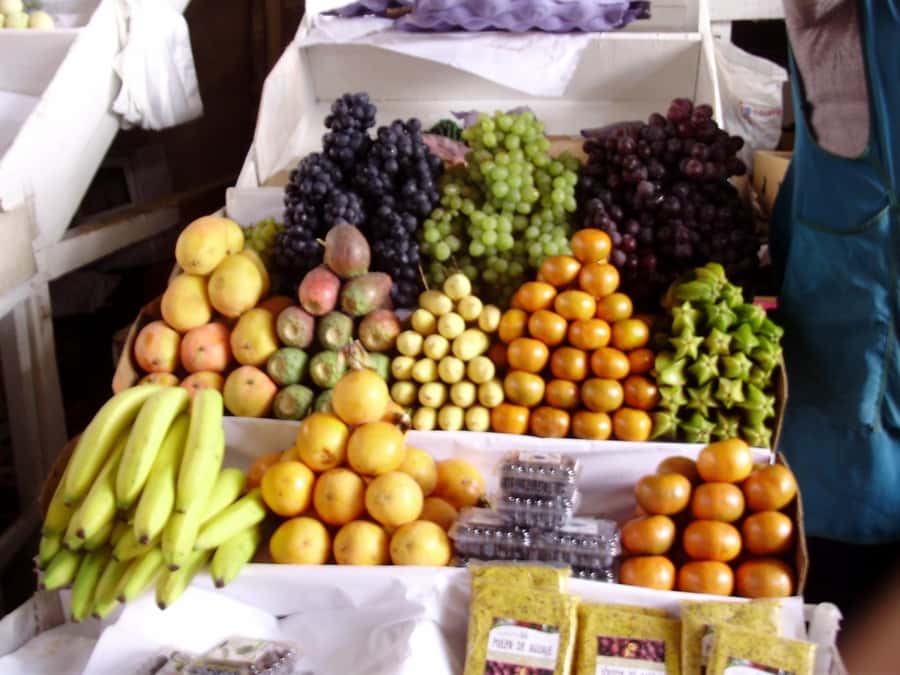
The market visit is the strongest part of the experience for anyone who wants to understand Cusco through food. Chef Ronal takes you through the stalls and explains the products used in the class. You may taste local fruits, cheeses, and bread, along with seeing vegetables, meat, herbs, and other Peruvian ingredients.
This is not just a shopping stop. The market gives you a practical way to connect Peru’s produce with the dishes you later prepare. You can look at the ingredients in their everyday setting, ask what they are used for, and then handle them in the kitchen.
The fruit tasting is a useful touch. Peru has far more variety than the standard tourist menu suggests, and trying fresh local fruit gives you a quick sense of that range. The class also highlights potatoes, an important part of Peruvian cooking. Cusco and Peru are famous for their many potato varieties, and causa rellena gives you a direct taste of that tradition.
Market conditions change through the day. One morning group found the market less crowded and easier to explore, while other sessions took place later. If you prefer a quieter visit, a morning start may suit you better, though the available starting time depends on the schedule.
You should also know that the market may display meat from animals that are part of the local diet. This is a cultural food tour, not a strictly vegetarian market visit. If that would make you uncomfortable, consider this point before booking.
The first dishes: rocoto relleno and causa rellena
The starter is the same for everyone and combines two Peruvian preparations: rocoto relleno and causa rellena.
Rocoto relleno is a stuffed chili. The filling includes meat, onions, peas, carrots, peanuts, and raisins, with local cheese on top before baking. It brings together sweet, savory, nutty, and spicy notes. The heat of the rocoto can vary, so ask for an explanation of how the pepper is prepared if you are sensitive to spice.
Causa rellena is built around potato mixed with a yellow chili sauce. It is layered or shaped as a potato cake and filled with ingredients such as avocado, fish tartare, mayonnaise, and spices. The dish shows off two key ideas in Peruvian cooking: the importance of potatoes and the use of bright chili-based seasoning.
These dishes make a good opening course because they introduce different techniques. You work with a baked stuffed pepper and a chilled or assembled potato preparation. That gives the class more range than a single one-pot recipe.
More cooking classes in Peru:
- Lima: Market Tour and Cooking Class with Pisco Sour
★ 5.0 · 3 reviews - Lima: Market Tour, 35 Fruits Tasting & Cooking Class
★ 5.0 · 3 reviews - Lima: Peruvian cooking class and tour of Surquillo market
★ 5.0 · 2 reviews - Hanoi Cooking Class: Culture, Local Market & Meaning CSR Impact
★ 5.0 · 5,147 reviews
Choosing between lomo saltado and ceviche
For the main course, you choose one of two options before the class starts. That choice matters because the preparation styles are quite different.
Lomo saltado combines beef tenderloin, rice, onions, tomato, soy sauce, oyster sauce, vinegar, and native potato fries. It is a Peruvian-Chinese dish, and the contrast is part of its appeal: stir-fried beef and vegetables meet rice and fries in one plate.
This is a good choice if you want a warm, filling meal and enjoy learning about how Chinese cooking influenced Peruvian food. The preparation also gives you useful practice with cutting, timing, and combining sauces.
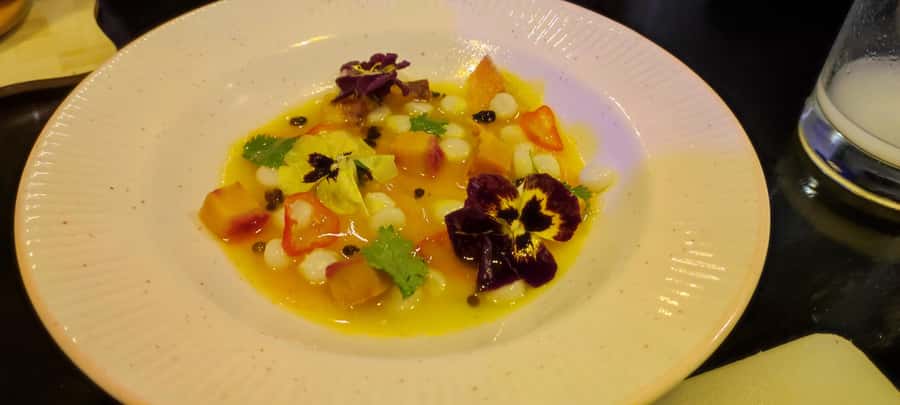
Ceviche uses trout, mango, avocado, lime juice, onions, celery, ginger, corn, and sweet potato. This version is different from the classic seafood ceviche many people first encounter on Peru’s coast, since trout suits the Cusco region and the cooler Andean setting.
Choose ceviche if you want something fresh, sharp, and lighter than the beef dish. The lime, ginger, mango, and avocado create a broad mix of flavors, while corn and sweet potato add texture and balance.
The class can adapt dishes for vegetarian diets and other restrictions. A vegetarian version of ceviche or saltado may be possible, but you should confirm your needs before the class rather than assume every replacement will be available.
Making a pisco drink, or skipping the alcohol
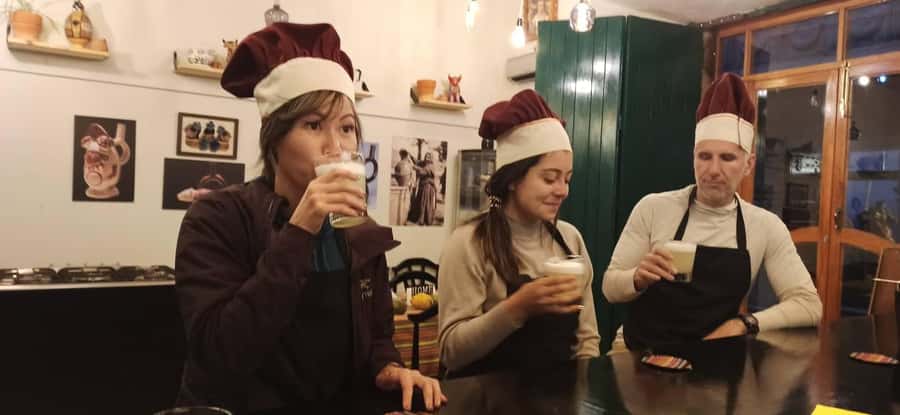
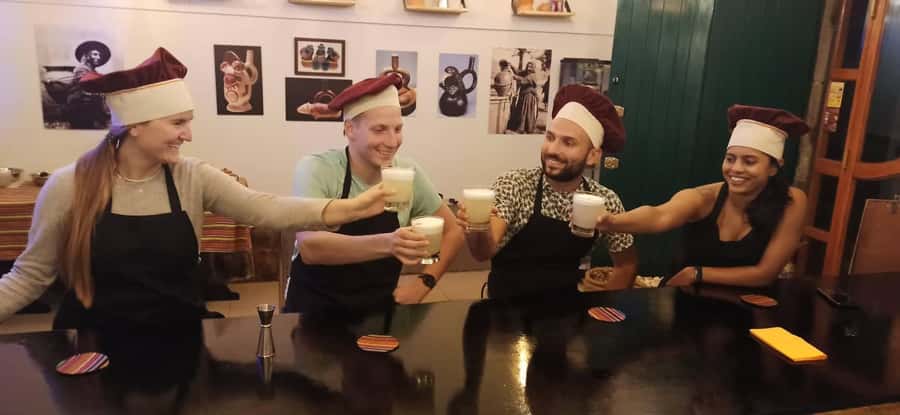
Pisco is Peru’s national spirit, and the drink lesson gives the class a festive finish. You choose one cocktail: a classic pisco sour with lime, syrup, and egg white, or a passion fruit sour using fresh passion fruit juice.
A nonalcoholic drink made with Peruvian fruit and honey is also available. This is useful for anyone who does not drink, is avoiding alcohol during a high-altitude stay, or simply wants a different flavor with the meal.
The class includes one cocktail or nonalcoholic drink. If you are comparing this activity with a bar-focused tasting, keep your expectations in check. The drink is part of the cooking lesson, not the main event, and additional cocktails are not included.
A hands-on kitchen with practical instruction
The kitchen supplies aprons, utensils, ingredients, and bar equipment. You do not need to bring cooking tools. The class is designed for beginners, but people who already cook can still pick up useful ideas about Peruvian ingredients and seasoning.
Chef Ronal gives guidance on cutting and preparation, then checks the food as it develops. This kind of direct help makes a difference. You can ask why an ingredient is cut a certain way or how to adjust a dish, instead of copying steps without knowing what they do.
The setting is described as clean and comfortable, which matters during a four-hour food activity. You will be handling raw ingredients, using knives, and moving between several preparations, so an orderly kitchen makes the session easier to follow.
The format also works well for solo visitors. Small groups give you a chance to talk with other participants while you cook, and the shared meal provides a natural way to meet people. Private-feeling sessions can happen when few people book a particular time, but you should not count on a private class unless it is specifically arranged.
Recipes are sent by email after the class. That adds real value because the dishes involve ingredients and methods you may want to recreate at home. Ask for clarification about local substitutions if you live somewhere where Peruvian peppers, native potatoes, or trout are difficult to find.
Dietary needs, altitude, and age limits
The operator says the menu can be adapted for allergies, vegetarian diets, and other restrictions. Several dishes contain ingredients that commonly cause problems, including dairy, eggs, fish, shellfish-related sauces, peanuts, and gluten-containing sauces. Give full details before the class so the chef can plan safely.
Cusco’s altitude is another practical concern. The operator can offer natural medicine for altitude sickness and digestive teas, but this is not a substitute for medical care. If you are already feeling seriously ill from altitude, the activity is not suitable.
The stated restrictions also exclude very young children, with the information listing children under several different age thresholds as unsuitable. Babies and strollers are not allowed. Because the age wording is inconsistent, families should confirm the minimum age before booking.
The activity also lists limits for people over 297, 309, and 331 pounds, or 135, 140, and 150 kilograms. Those figures conflict, so contact the operator if this applies to you. The activity is also listed as unsuitable for people over 70.
Is $57 a fair price?
At $57 per person, this is more expensive than simply ordering ceviche or lomo saltado in Cusco. But the comparison is not quite fair. The fee covers a guided market visit, fresh ingredients, a professional chef, kitchen and bar utensils, an apron, a starter, a main course, water, and one drink.
I see the price as reasonable if you want a cultural activity and a meal in the same block of time. You are paying for instruction and access to a local food setting, not just for lunch. The value improves if you have dietary restrictions, since the menu can be adjusted rather than forcing you to sit out part of the meal.
The value is weaker if you mainly want a cheap meal or already know Peruvian cooking well. You also need to pay for your own transport, and the package includes only one cocktail. Still, the recipe email and the market visit make this more useful than a standard restaurant meal.
Free cancellation up to 24 hours before the activity and the option to reserve now and pay later make it easier to fit into a changing Cusco schedule. I would book it early in your stay if you want to use the market and recipe tips during the rest of your trip.
Who should book this Cusco cooking class?
I would recommend it to food-focused visitors, curious first-time visitors to Peru, solo travelers who enjoy social activities, and families with older children if the age rules are confirmed. It is also a good pick for anyone who wants a structured introduction to Peruvian ingredients without committing to a full-day food tour.
It suits beginners especially well. You do not need professional kitchen skills, and the class offers clear help with basic cutting and preparation. Experienced home cooks may enjoy the market context, the local produce, and the chance to compare their usual methods with Chef Ronal’s approach.
I would think twice if you dislike markets, avoid all animal products, have a serious altitude problem, or want a quiet restaurant meal with no hands-on work. The class includes meat and fish, and the market may show foods outside your diet.
Should you book it?
Book this class if you want to connect Cusco’s food with the people, ingredients, and market stalls behind it. The best reasons are the San Pedro Market visit, Chef Ronal’s personal guidance, the choice between lomo saltado and ceviche, and the willingness to adapt dishes for different diets.
Skip it if $57 feels too high for a meal, if you are not comfortable around raw meat or fish, or if you are looking for a dedicated pisco tasting. For most food-minded visitors, though, this is a useful four-hour introduction to Peruvian cooking, with enough practical instruction to keep the experience going after you return home.
FAQ
How long does the cooking class and market tour last?
The experience lasts four hours, including the market visit, cooking workshop, drink preparation, and meal.
Where is the meeting point?
Meet at 264 San Juan de Dios Street in Cusco, in front of the Aranwa Boutique Hotel. The entrance is a glass and wooden door across the street with no advertising.
Is transportation included?
No. Transportation to and from the meeting point is not included.
Which languages are available?
The activity is offered in English and Spanish.
Which main dishes can I choose?
You choose between lomo saltado and ceviche before the class begins. Vegetarian adaptations are also available.
What starter will I prepare?
The starter includes rocoto relleno and causa rellena. The starter is the same for all participants, with adaptations for dietary needs when possible.
Which drinks are included?
You can choose a classic pisco sour, a passion fruit sour, or a nonalcoholic drink made with Peruvian fruit and honey. Water is also included.
Can the class accommodate food allergies and vegetarian diets?
Yes. The operator says the menu can be adapted for allergies, vegetarian diets, and other dietary restrictions. Provide your requirements before the class.
Can I cancel or pay later?
You can cancel up to 24 hours in advance for a full refund. You can also reserve the activity and pay later, depending on the booking terms.
More Shopping Tours in Peru
- Lima: Food Tour on Local Market
★ 5.0 · 8 reviews - Full Day Lima: Local Market+ CityTour+ Barranco & Miraflores
★ 5.0 · 3 reviews - Cusco: Coricancha, Cathedral & San Pedro Market Walking Tour
★ 5.0 · 2 reviews - Bangkok: Damnoen Saduak Market and Maeklong Railway Market
★ 4.5 · 26,723 reviews
More Markets in Peru
- Pisac Indian Market and Ollantaytambo Fortress with Lunch
★ 4.5 · 395 reviews - Lima: Historic Center Street Food, Market, and Eateries Tour
★ 4.9 · 216 reviews - Cusco City Sightseeing, San Pedro Market, Cathedral and Qorikancha Temple
★ 4.5 · 139 reviews - Belen Market & Floating City 2-3 Hour Private Tour
★ 4.9 · 38 reviews
Just added around Peru
- Lima: Market Tour and Cooking Class with Pisco Sour★ 5.0 · 3 reviews
- Lima: Market Tour, 35 Fruits Tasting & Cooking Class★ 5.0 · 3 reviews
- Lima: Peruvian cooking class and tour of Surquillo market★ 5.0 · 2 reviews
- Lima: Food Tour on Local Market★ 5.0 · 8 reviews
- Lima Food Experience with local Markets & Barranco Tour★ 5.0 · 2 reviews
- Full Day Lima: Local Market+ CityTour+ Barranco & Miraflores★ 5.0 · 3 reviews
- Cusco: Coricancha, Cathedral & San Pedro Market Walking Tour★ 5.0 · 2 reviews
- Cusco: Peruvian Cooking Class & Market Tour★ 4.9 · 19 reviews
Market Cooking Classes, compared.
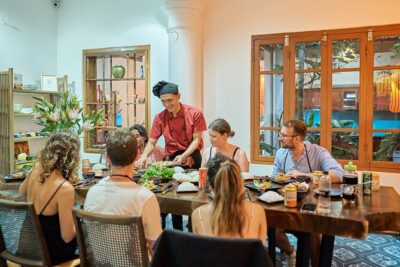
Hanoi Cooking Class: Culture, Local Market & Meaning CSR Impact
Read our review →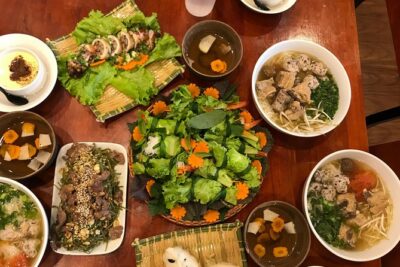
5 Traditional Dishes Hanoi Cooking Class with Market Trip
Read our review →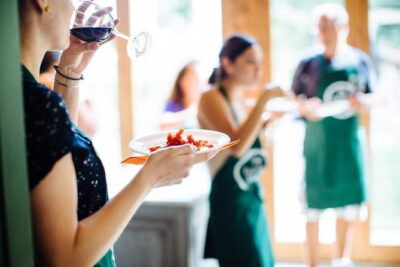
Cooking Class and Lunch at a Tuscan Farmhouse with Local Market Tour from Florence
Read our review →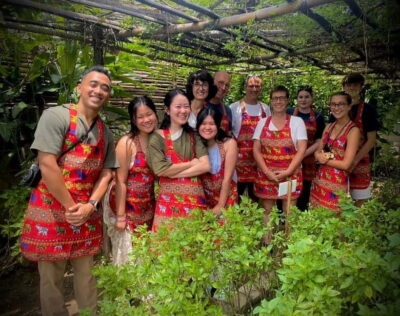
Cooking Class, Market & Thai Herbs Garden Tour
Read our review →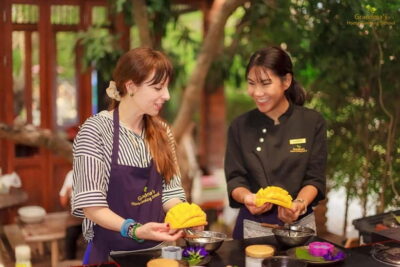
Authentic Cooking Class with Market & Farm Visit
Read our review →
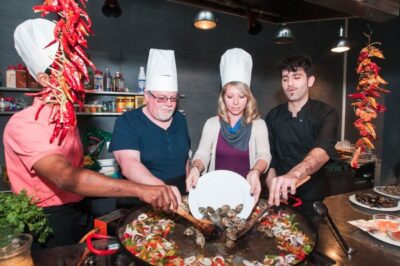
Paella Cooking Experience & Boqueria Market Tour
Read our review →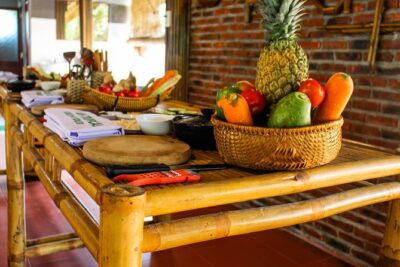
Cooking Class Hoi An:Local Market, Basket Boat, Fishing & Cooking
Read our review →Browse the lists this tour appears in