
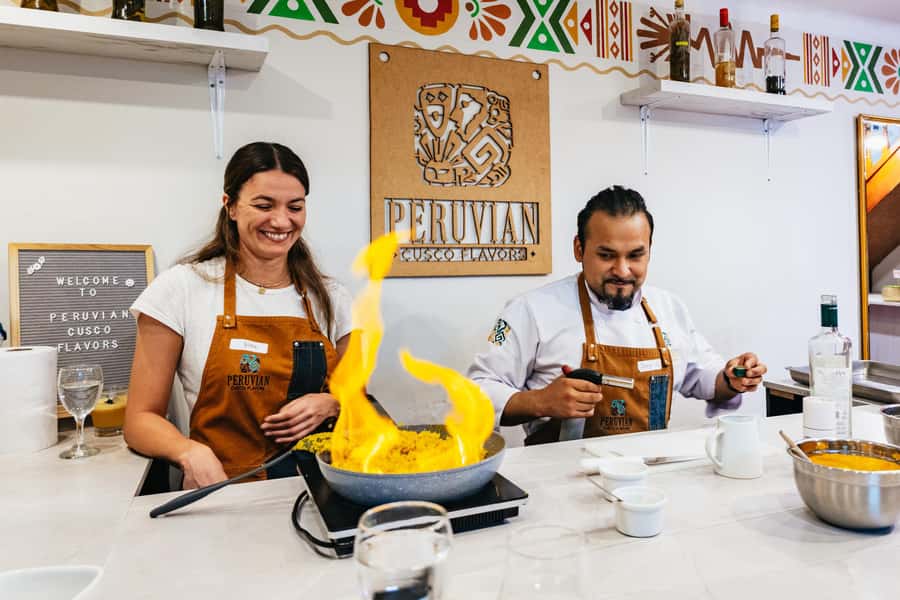
Review · PERU
Cusco: Peruvian Cooking Class, Cocktails & Local Market Tour
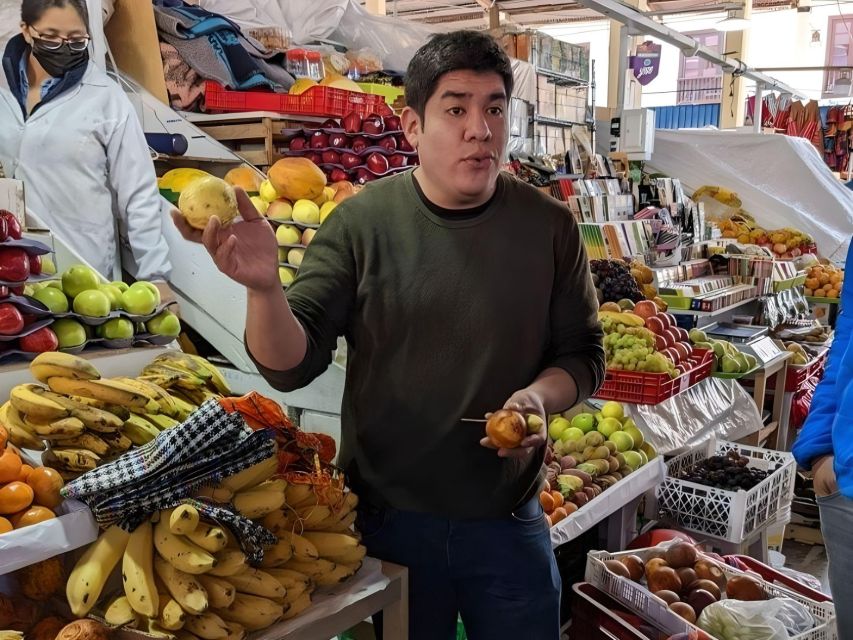
San Pedro Market is the best part of this experience before the cooking even begins. You walk through Cusco’s traditional food market with a chef, seeing potatoes, quinoa, cacao, bread, cheese, fruit, and other ingredients that give Peruvian food its character. Then you use that market knowledge in a clean cooking studio nearby.
I especially like the market-to-table connection and the fact that the class teaches dishes you may not have tried at home, including causa limeña and quinoa tamal. The two cocktails add a social touch, and nonalcoholic versions mean you can still join in without drinking.
The main consideration is that this is a four-hour food event, not a quick demonstration. Some of the cooking involves assembling and plating rather than doing every step from scratch, and you should arrive hungry but not worn out. The market also occasionally changes location or access for cleaning, so the exact market portion may vary.
Key points to know before booking
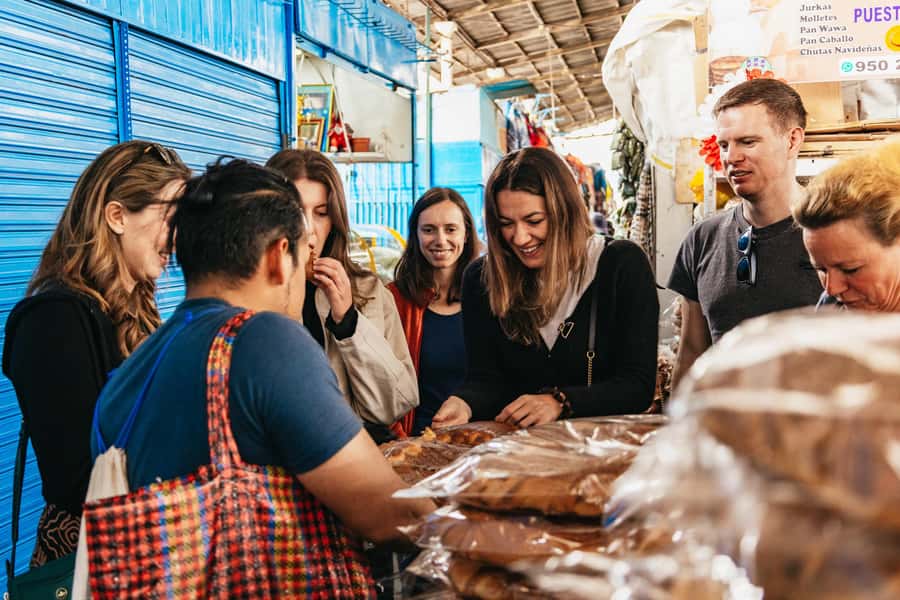
- San Pedro Market comes first: Explore one of Cusco’s oldest markets and sample products such as bread, chocolate, cheese, coffee, and fruit.
- Chef-led instruction: Chef Jesus is named in the activity details, while the teaching team has also included chefs such as Jorge and Eric.
- Three Peruvian dishes: Prepare ceviche, causa limeña, and quinoa tamal, followed by a tasting of picarones with honey.
- Two cocktails are included: Make pisco-based drinks, with nonalcoholic recipes available.
- Dietary needs are covered: Vegetarian, vegan, and gluten-free menus are offered, with sugar-free dessert options noted.
- Small English-language group: The class is limited to 10 people and lasts about four hours.
Starting at San Pedro Market in Cusco
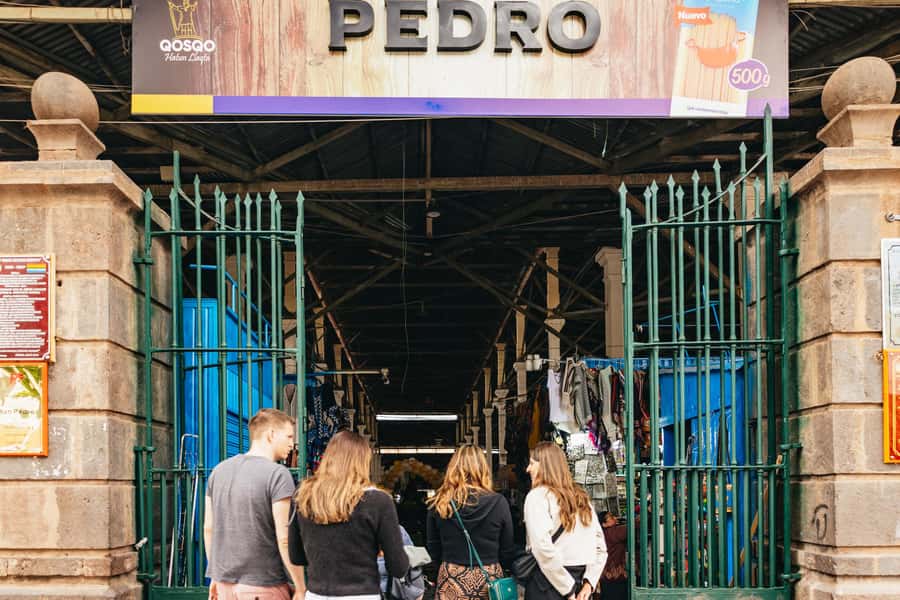
Meet at Door Number 1 of San Pedro Market. This is a useful starting point because the market gives you a quick lesson in the ingredients behind Peruvian cooking before you sit down to prepare them.
I like this opening better than a class that begins in a sealed kitchen. San Pedro is where you can see the everyday side of Cusco’s food culture: piles of potatoes, quinoa, fresh produce, local cheeses, breads, cacao, chocolate, and fruit. The guide explains what you are looking at and helps connect the products to the dishes you will make later.
The market is also a good place to ask questions. You might learn why potatoes matter so much in Peru, see products that are unfamiliar to you, or taste small samples along the way. The food stops mentioned by participants include cheese, bread, chocolate, coffee, passion fruit, and other local fruits.
The market can be crowded and visually busy, so wear comfortable shoes and keep your belongings secure. This is a working market, not a polished food hall. That is part of its value, but it also means the pace and exact route can depend on market conditions.
One practical note matters here: San Pedro Market has sometimes been closed for cleaning. When that happens, the guide may take the group to another local food market and buy the class ingredients there. That can change the setting, but the essential point remains the same: you still see local produce and connect it to the meal.
More produce and farmers markets in Peru:
- Lima: Food Tour on Local Market
★ 5.0 · 8 reviews - Full Day Lima: Local Market+ CityTour+ Barranco & Miraflores
★ 5.0 · 3 reviews - Hanoi Cooking Class: Culture, Local Market & Meaning CSR Impact
★ 5.0 · 5,147 reviews
The short walk to the cooking studio
After the market visit, you walk a short distance to a cooking studio in Cusco’s historic center. The transition is simple, but it helps the class feel like one connected activity rather than two unrelated bookings.
At the studio, you get an apron, settle into the kitchen, and meet the chef. The group is limited to 10 people, which is a useful size for a hands-on class. You are not lost in a large crowd, and the chef can help with plating, substitutions, and unfamiliar techniques.
The instructors named in the available information include Chef Jesus, Chef Jorge, and Chef Eric. The exact chef may depend on the day, but the format remains chef-led and English-language. The teaching style places food in its cultural setting instead of treating the recipes as a list of instructions.
That matters in Cusco. A class can show you how to mix ingredients, but a good teacher also explains why those ingredients are used and how the dishes fit into Peruvian cooking. You should expect stories about the food and its background as the class moves along.
Making the first pisco cocktail
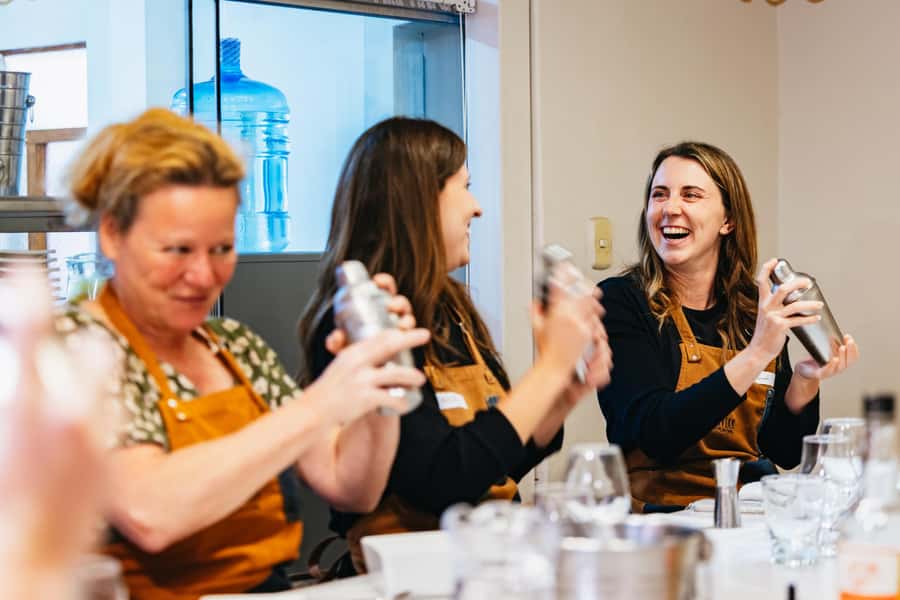
The drinks come early, which is a smart way to loosen up a group of strangers. You make two Peruvian cocktails during the class and sip them as you work through the meal.
Pisco is Peru’s best-known spirit, so this part gives you a useful introduction to a drink you will see across the country. The class is not just a tasting. You take part in preparing the drinks, then enjoy them alongside the cooking.
You can request nonalcoholic recipes. This is important for anyone who does not drink, is taking altitude medication, or simply wants to stay clearheaded in Cusco. The nonalcoholic option is not treated as an afterthought, and the same social part of the class remains available.
The cocktails also add to the cost value. At $67 per person, you are paying for a market visit, ingredients, a chef, three dishes, dessert, water, and two drinks. Compared with paying separately for a meal and a cocktail tasting, the package offers a reasonable amount of food and instruction in four hours.
Ceviche, causa limeña, and quinoa tamal
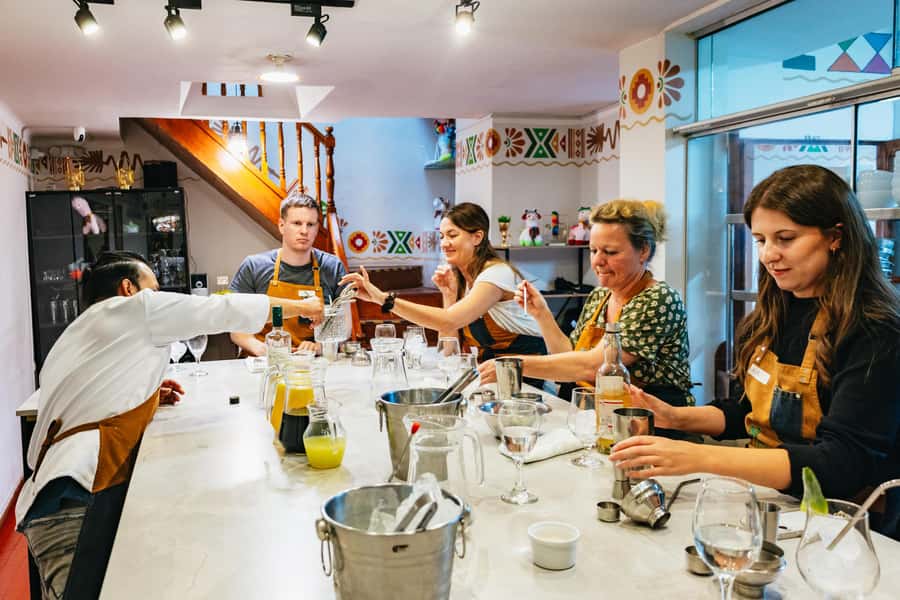
The main class covers three familiar Peruvian dishes: ceviche, causa limeña, and quinoa tamal. The chef explains each dish step by step, then you help prepare and plate the food.
More market cooking classes in Peru:
- Cooking class and market tour with a local chef
★ 5.0 · 186 reviews - Market Tour, Tasting of 35 Fruits, and 4-Course Peruvian Cooking Class in Lima
★ 5.0 · 86 reviews - Cusco: Peruvian Cooking Class & Market Tour
★ 4.9 · 19 reviews - Lima: Market Tour and Cooking Class with Pisco Sour
★ 5.0 · 3 reviews
Ceviche
Ceviche is the dish many people most want to understand before visiting Peru. Its fresh, sharp character comes from the combination of seafood, citrus, and seasoning. The class gives you a chance to see how the dish is assembled and presented, rather than simply ordering it from a restaurant menu.
This part may appeal most to confident home cooks, but you do not need advanced kitchen skills. The class is designed for a mixed group, and the chef guides you through the process.
Causa limeña
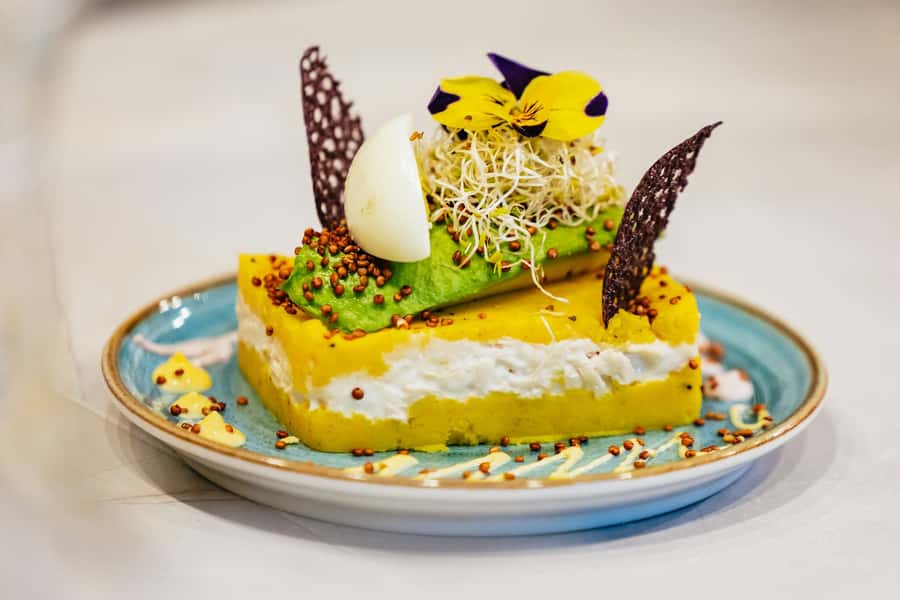
Causa is a potato-based dish with a soft, layered texture and a bright, seasoned flavor. It is also one of the more visual dishes in the class. You shape and plate it, which helps explain why one participant described feeling like a chef after putting the causa together.
I like this recipe for home use because it is distinctive but not intimidating. Potatoes are central to Peruvian food, and causa shows how a simple staple can become a carefully presented dish.
Quinoa tamal
The quinoa tamal brings another important Peruvian ingredient into the meal. Quinoa is widely associated with the Andes, and preparing it in tamal form gives you a different way to encounter it.
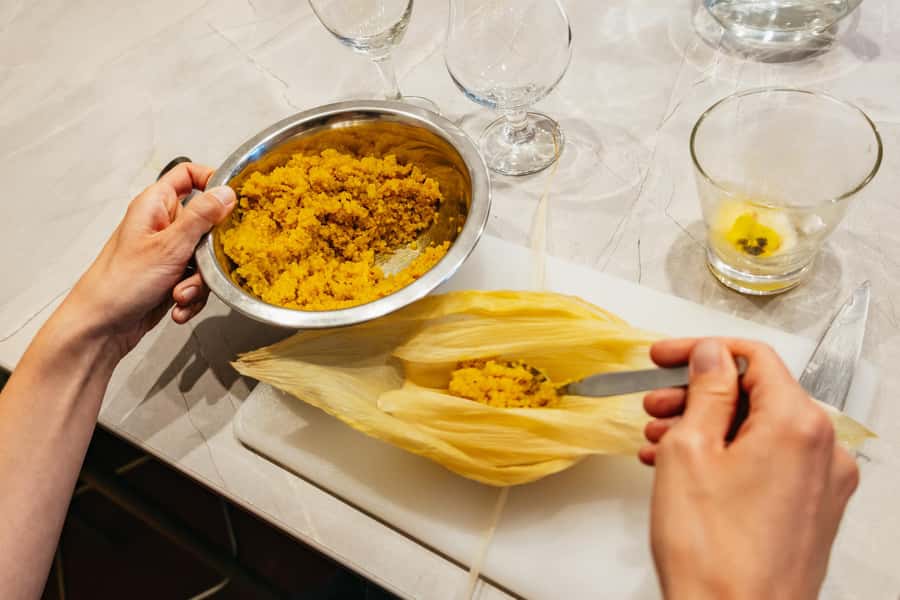
The class aims for a balance between participation and efficiency. Some steps are prepared ahead so the group can finish all three dishes within the four-hour schedule. That means you may assemble or complete parts of the recipes rather than start every ingredient from its raw state.
This is worth knowing before you book. If you want a technical cooking course where you handle every knife cut and cooking stage, this may feel light. If you want to learn the basics, eat well, and leave with recipes you can repeat at home, the format works better.
Finishing with picarones and honey
The meal ends with picarones and honey. Picarones are a traditional Peruvian sweet, and they provide a proper finish after the savory dishes and cocktails.
A sugar-free option is available, and gluten-free needs can be accommodated. The dessert is listed as a tasting rather than one of the three main recipes, so do not expect to spend a long separate session making it from scratch.
The food portions add up. You will eat the ceviche, causa, tamal, dessert, and drink the cocktails you prepare. Arrive ready for a substantial afternoon or evening, as one of the best practical tips is to avoid eating a large meal immediately beforehand.
What the teaching style is like
The strongest feature of this class is the chef’s role. The instructors do more than point to ingredients and read out instructions. They explain the food, answer questions, help with presentation, and keep the group moving.
Chef Jesus is specifically named in the activity description. The same experience has also been led by Jorge and Eric, names associated with friendly, clear instruction and strong knowledge of Peruvian cuisine. The exact teacher is not guaranteed, but the format gives you direct contact with a professional chef.
I also like the social setup. Cooking in a group gives you a reason to talk to people you have just met, and the shared meal creates a natural ending. The class is suitable for solo visitors, couples, friends, and families with older children.
Children under 10 are not suitable for this activity. A 12-year-old has taken part successfully, including making mocktails, but the stated minimum age is 10. Parents should still consider the four-hour length and the use of kitchen equipment.
Dietary options and special requests
The class offers vegetarian, vegan, and gluten-free menus. Nonalcoholic cocktails are also available, and the dessert has a sugar-free option.
This is a real strength for a group with mixed needs. A vegetarian participant can adapt the classic dishes, while someone avoiding gluten can receive suitable changes. The chefs have handled these requests during the class, though I would still state your needs clearly when booking and repeat them at the start.
One important practical point is communication. At least one participant experienced confusion about a gluten-free request, even though it had been entered in the reservation. That does not cancel out the dietary options, but it is a reason to be direct and specific. Tell the chef what you cannot eat before preparation begins.
The activity is offered in English only. If you need another language, this is not the right choice.
Is $67 a fair price?
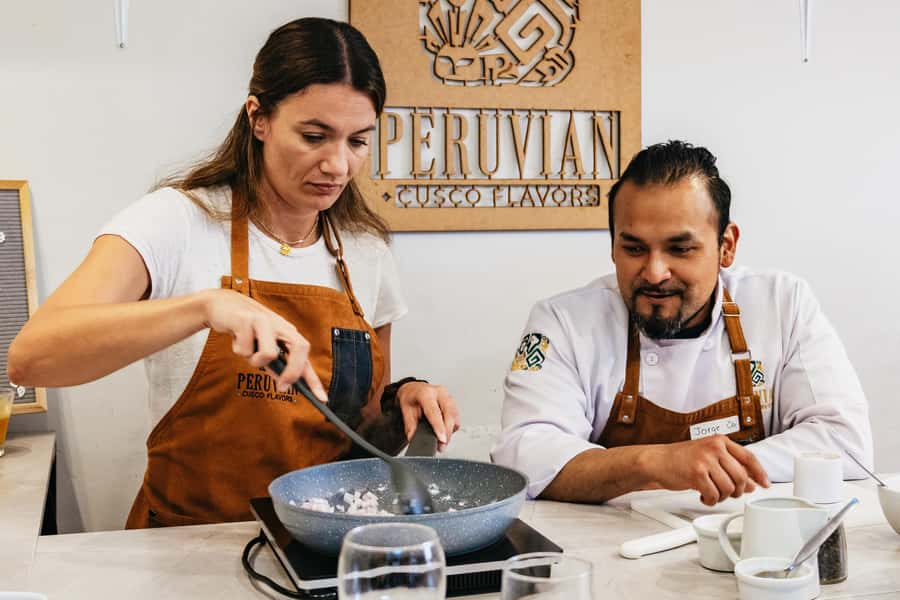
At $67, this is not the cheapest way to eat in Cusco. You can find a simple local meal for much less. You are paying for the four-hour format, the chef, the market tour, ingredients, two cocktails, three dishes, dessert, water, and the chance to sit down and eat what you helped prepare.
I consider the price fair if you value context and participation. The market visit alone gives the meal more meaning, and the class lets you carry the recipes home. Some participants received recipes by email, which makes the experience more useful after your trip.
The value is also better for people who would otherwise book a separate market tour and cooking lesson. You get both in one small group, with no need to arrange transport between them.
The value is weaker if you mainly want a professional meal or a serious culinary course. This is a social, accessible class. It teaches classic dishes, but it is not designed as advanced chef training.
When to fit this into a Cusco trip
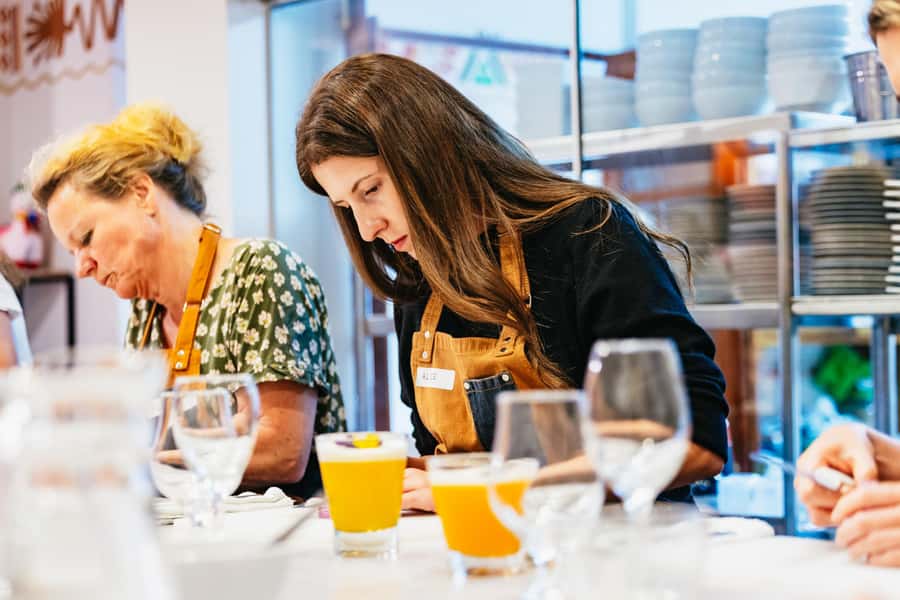
This class can work well during your first days in Cusco. The market helps you get familiar with local ingredients, and the activity gives you a relaxed indoor plan while you adjust to the altitude.
Several people also use it before the Inca Trail. That timing makes sense if you want an active but not strenuous cultural activity before a hike. Still, cocktails and a four-hour class may not be ideal immediately before a demanding trek, so choose a day when you can rest afterward.
You can also schedule it near the end of your Peru trip. The recipes and market experience give you a practical way to remember the country, and you can try the dishes at home using the emailed instructions when available.
Who should book this cooking class?
I would choose this class if you:
- Want a food-focused activity that includes a real market
- Enjoy learning through cooking rather than only watching
- Like Peruvian food and want to understand the ingredients
- Need vegetarian, vegan, gluten-free, or nonalcoholic options
- Are traveling alone and want an easy social activity
- Prefer a small group to a large guided tour
- Have four hours available for eating, cooking, and conversation
I would look elsewhere if you dislike group activities, cannot manage a long food session, or want a highly technical course where you prepare every element from scratch. The class is also not suitable for children under 10 or for anyone who needs instruction in a language other than English.
My verdict on the Cusco cooking class
I would book this experience for a first visit to Cusco, especially if you want more than another restaurant meal. The strongest combination is the San Pedro Market visit, the chef’s explanations, and the chance to make three recognizable Peruvian dishes in one sitting.
The small group, dietary flexibility, nonalcoholic drinks, and recipe follow-up make it practical for a wide range of visitors. Just arrive in comfortable clothes and shoes, keep the four-hour length in mind, and confirm any dietary restriction clearly.
At $67, you get a full meal, drinks, local food context, and a useful hands-on activity. For me, that makes it a good-value choice for curious eaters and anyone looking for a memorable, low-stress day in Cusco.
FAQ
Where does the Cusco cooking class meet?
Meet at Door Number 1 at San Pedro Market in Cusco.
How long does the experience last?
The experience lasts four hours.
What food will I prepare?
You will learn to prepare ceviche, causa limeña, and quinoa tamal. Picarones with honey are included as a tasting.
Are cocktails included?
Yes. Two cocktails are included, along with the ingredients needed to prepare them.
Can I request nonalcoholic drinks?
Yes. Nonalcoholic cocktail recipes are available.
Are vegetarian and vegan options available?
Yes. Vegetarian and vegan menus are available.
Can the class accommodate gluten-free diets?
Yes. A gluten-free menu is available. State your needs clearly when booking and remind the chef at the beginning of the class.
Is the class offered in languages other than English?
No. The available language for this activity is English.
How many people are in the group?
The class is limited to 10 participants.
Is there an age restriction?
Yes. The activity is not suitable for children under 10.
What should I bring?
Bring comfortable shoes and comfortable clothes.
Can I cancel for a full refund?
Yes. You can cancel up to 24 hours in advance for a full refund.
More Markets in Peru
- Pisac Indian Market and Ollantaytambo Fortress with Lunch
★ 4.5 · 395 reviews - Lima: Historic Center Street Food, Market, and Eateries Tour
★ 4.9 · 216 reviews - Cusco City Sightseeing, San Pedro Market, Cathedral and Qorikancha Temple
★ 4.5 · 139 reviews - Belen Market & Floating City 2-3 Hour Private Tour
★ 4.9 · 38 reviews
More Cooking Classes in Peru
- Lima: Market Tour, 35 Fruits Tasting & Cooking Class
★ 5.0 · 3 reviews - Lima: Peruvian cooking class and tour of Surquillo market
★ 5.0 · 2 reviews - 5 Traditional Dishes Hanoi Cooking Class with Market Trip
★ 5.0 · 4,890 reviews - Cooking Class and Lunch at a Tuscan Farmhouse with Local Market Tour from Florence
★ 5.0 · 4,831 reviews
Just added around Peru
- Lima: Market Tour and Cooking Class with Pisco Sour★ 5.0 · 3 reviews
- Lima: Market Tour, 35 Fruits Tasting & Cooking Class★ 5.0 · 3 reviews
- Lima: Peruvian cooking class and tour of Surquillo market★ 5.0 · 2 reviews
- Lima: Food Tour on Local Market★ 5.0 · 8 reviews
- Lima Food Experience with local Markets & Barranco Tour★ 5.0 · 2 reviews
- Full Day Lima: Local Market+ CityTour+ Barranco & Miraflores★ 5.0 · 3 reviews
- Cusco: Coricancha, Cathedral & San Pedro Market Walking Tour★ 5.0 · 2 reviews
- Cusco: Peruvian Cooking Class & Market Tour★ 4.9 · 19 reviews
Market Cooking Classes, compared.
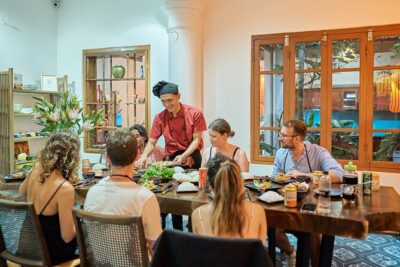
Hanoi Cooking Class: Culture, Local Market & Meaning CSR Impact
Read our review →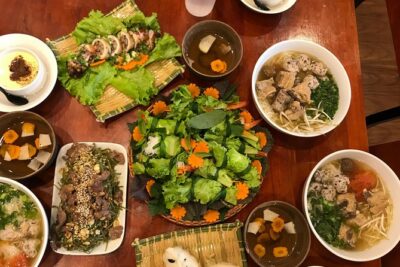
5 Traditional Dishes Hanoi Cooking Class with Market Trip
Read our review →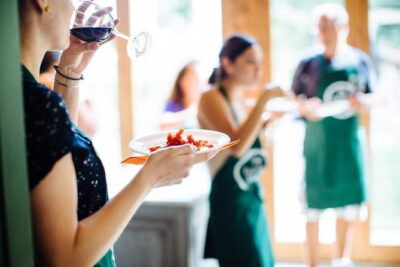
Cooking Class and Lunch at a Tuscan Farmhouse with Local Market Tour from Florence
Read our review →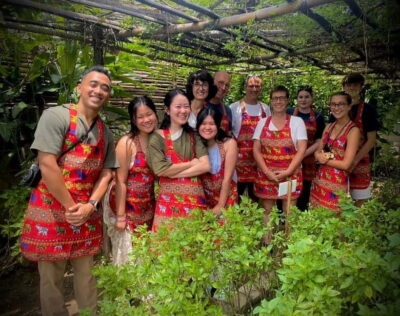
Cooking Class, Market & Thai Herbs Garden Tour
Read our review →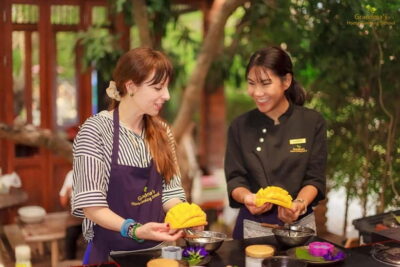
Authentic Cooking Class with Market & Farm Visit
Read our review →
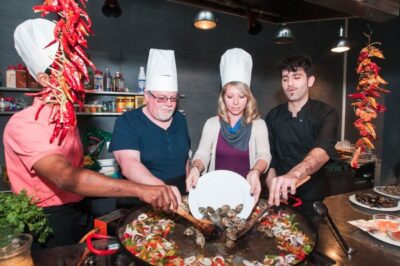
Paella Cooking Experience & Boqueria Market Tour
Read our review →
Cooking Class Hoi An:Local Market, Basket Boat, Fishing & Cooking
Read our review →Browse the lists this tour appears in