
Review · SPAIN
Mallorca: Market Visit and Traditional Cooking Workshop
Mallorca’s food culture comes into focus at the market, then lands on your plate at Forn de sa Llotgeta, an 18th-century bakery in central Palma. You spend one hour at Mercat de l’Olivar before joining Deborah for a hands-on workshop built around family recipes and seasonal island produce.
I like the small groups, capped at eight, and the way the menu follows Mallorca’s food calendar instead of forcing the same dishes year-round. I also like that the ingredients, recipes, and cooking materials are included, so you can repeat the meal at home.
The main consideration is price: at $171 per person, this is not a quick market snack or a basic cooking lesson. The market tastings are limited, and the experience is best for adults and older children who enjoy sitting down to a full meal and learning where it comes from.
Key points to know before booking
- Mercat de l’Olivar comes first: You tour Palma’s largest traditional market, meet vendors, and help source ingredients for the class.
- Deborah leads the cooking session: Her teaching combines recipes with stories about Mallorcan food, island life, and the years before mass tourism.
- The menu changes with the season: You might prepare dishes such as flatbread with greens and raisins, clay-pot rice with artichokes and sobrasada, and gató almond cake.
- The class ends with a four-course meal: Aperitif, starter, main course, dessert, and local wine are part of the experience.
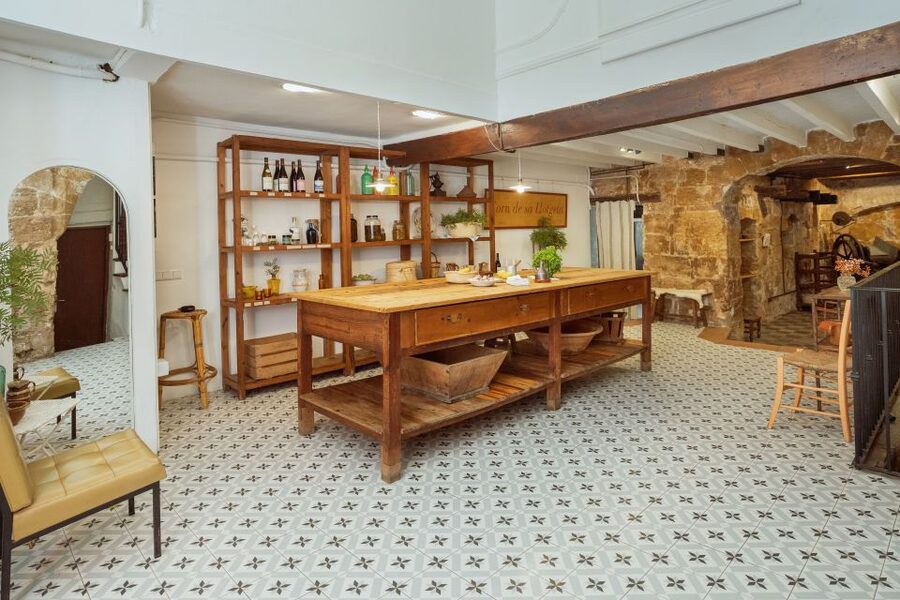
- The historic bakery is part of the appeal: Forn de sa Llotgeta gives the class a warm setting with a strong connection to local baking traditions.
- Dietary flexibility depends on group type: Private groups can request vegetarian or vegan menus, while specific allergies should be discussed before booking.
Start at Palma’s Mercat de l’Olivar
Your meeting point is in front of the statue El darrer vestit a l’ampla, beside the BBVA bank and opposite Mercat de l’Olivar. This is a practical place to begin because the market is central, easy to find, and only about 10 minutes from the cooking studio.
The first hour is more than a quick walk past food stalls. You look at fruit, fish, meats, and other local products, learn how they fit into Mallorcan cooking, and help choose ingredients for the meal ahead. The market gives you useful context before you touch a knife or pan.
Mercat de l’Olivar is the city’s largest typical market, so the experience starts with a broad look at what Palma cooks and eats. You might see the island’s famous almonds, seasonal vegetables, fish, cured meats, cheeses, and other delicacies. The exact selection depends on the time of year, which is one of the workshop’s strengths.
The tasting element is modest. The included market tasting can feature a local delicacy such as ham, but one participant specifically found the sample portion too small for the price. I would treat the market tour as an introduction to ingredients and vendors, not as a full food crawl.
That distinction matters. If you want a morning spent eating at many stalls, this will feel restrained. If you want to understand why particular ingredients appear in the cooking class, the market visit earns its place.
Evening departures include an aperitif of one vermouth and a banderilla. The daytime format includes local tastings. Check the exact starting time and format when you book, since departure times vary with availability.
More Market Cooking Classes in Spain
- Barcelona: Paella Cooking Experience & Boqueria Market Tour
★ 4.8 · 3,661 reviews - Barcelona Paella Cooking Class with Market Visit, Tapas & Sangria
★ 5.0 · 2,531 reviews - Paella Cooking Class, Wine Tasting & Central Market in Valencia
★ 5.0 · 1,150 reviews
Why the island’s food calendar matters
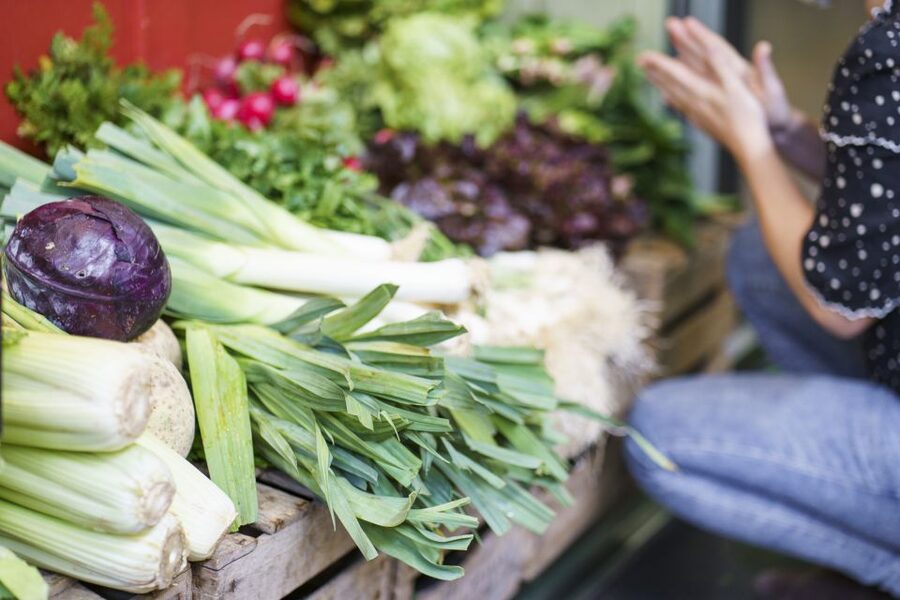
The cooking workshop is built around seasonality, local sourcing, and simple preparation. That approach tells you something important about Mallorcan food. Traditional cooking here is not only about famous dishes. It is also about using what farmers, fishermen, and small producers can provide at a particular point in the year.
The menu changes accordingly. In winter, you might work with different vegetables and preparations than you would in spring or summer. One February class included winter produce, and the seasonal change was treated as a reason to return at another time of year.
This makes the class more useful than a fixed demonstration. You learn a way of cooking rather than memorizing one unchanging menu. The food is connected to the island’s climate, farming cycle, and practical traditions.
The workshop also places value on austerity and respect for nature. That does not mean a spare meal. It means using ingredients carefully, avoiding needless excess, and letting good local products do most of the work.
I appreciate that the experience connects sustainability to ordinary kitchen habits rather than treating it as a slogan. You work with small producers and farmers, taste the results, and receive the recipes and materials needed to repeat the dishes later.
Cooking inside an 18th-century bakery
After the market, you move to Forn de sa Llotgeta, the workshop’s studio and dining space. The bakery dates from the 18th century, giving the class a setting that feels tied to Mallorca’s food traditions rather than built solely for tourism.
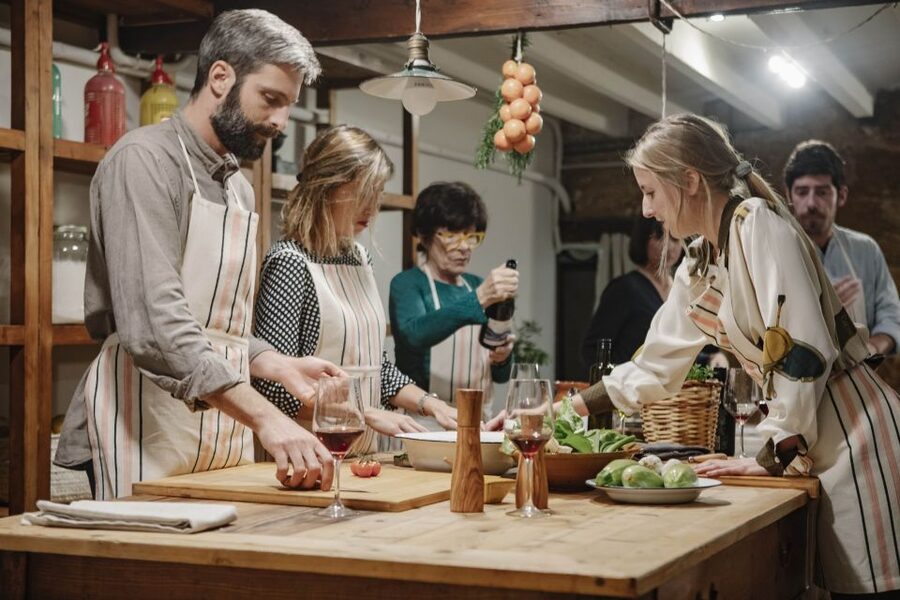
The space is used for both cooking and eating. You prepare the food together, receive instruction, and then sit down to enjoy the finished meal. That arrangement creates a clear rhythm: shop, prepare, cook, eat.
Deborah is the instructor named in the available experience details. Her teaching covers more than technique. She explains Mallorcan culinary customs, traditional ingredients, and the social background of the dishes. A September session included discussion of how Mallorcans lived before tourism changed the island, which adds useful context to the meal.
You should expect a hands-on class, not a demonstration where you sit and watch someone else do everything. The exact jobs will depend on the group and menu, but the format is built around preparing a complete meal together. That makes it a good choice if you like active experiences and want to understand the steps behind the final dishes.
The class is taught in English or Spanish. A small group helps here. With a maximum of eight people in the open sessions, there is less chance of becoming lost in a crowd, and the instructor can keep the pace personal.
Private courses are available for groups of two to fifteen, subject to availability. Private booking is the better route if you need a vegetarian or vegan menu, want a fully private setting, or are bringing children who are too young for the open group.
What you may cook and eat
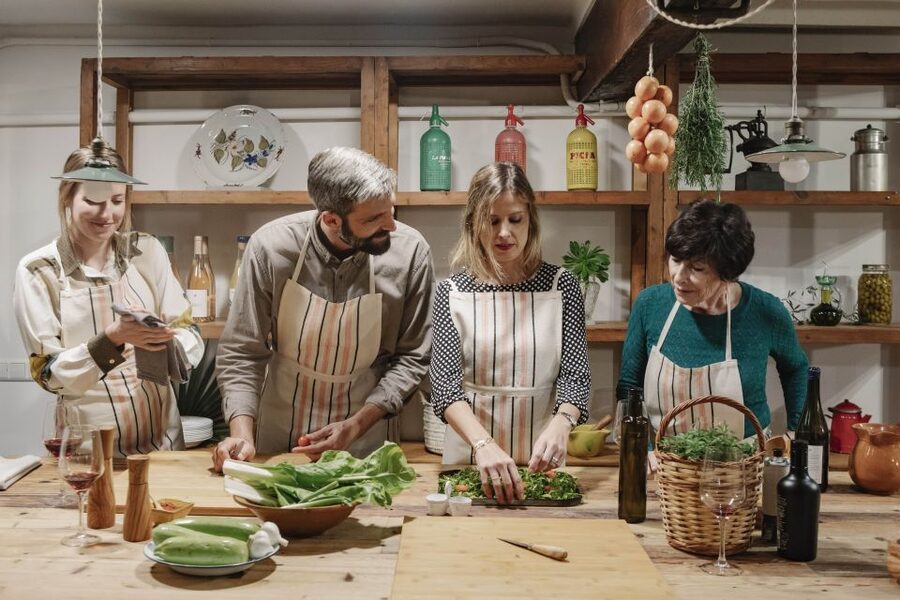
The sample menu gives you a good idea of the workshop’s style:
- Local cold meats and artisan cheeses with grapes and almonds
- Mallorcan flatbread with greens and raisins
- Artichokes and sobrasada meloso rice cooked in a clay pot called a greixonera
- Gató, a Mallorcan almond cake, served with almond ice cream
This is a substantial meal, not a token tasting. The format includes an aperitif, starter, main course, dessert, and local wine. Two wine glasses per person are included, with extra wine available at an additional cost.
The menu also shows how Mallorca’s cooking blends humble ingredients with strong flavors. Almonds, greens, raisins, artichokes, and flatbread reflect the island’s agricultural traditions. Sobrasada adds a distinct local character and helps explain why animal protein remains important in classic Mallorcan food.
The workshop can be adapted for vegetarian or vegan diners in private groups. The standard menu includes meat, and the provider describes animal protein as an important part of understanding traditional Mallorcan cooking. If you have severe allergies or very specific dietary requirements, contact the provider before booking rather than relying on a last-minute adjustment.
The clay pot is a particularly useful detail. Cooking the rice in a greixonera connects the dish to older household methods and gives you a technique to remember after the class. You also have the chance to take home ingredients and materials used during the workshop, along with the recipes.
Coffee is not listed as part of the standard inclusion. One participant wished for an espresso or coffee after the meal, so you should not assume that a final hot drink is included.
Same stalls, a different way to shop and eat:
- Valencian paella cooking class, tapas and visit to Ruzafa market.
★ 5.0 · 828 reviews - Spanish Cooking Class & Triana Market Tour in Sevilla
★ 5.0 · 760 reviews - Seville: 3.5-Hour Spanish Cooking Class & Triana Market Tour
★ 4.9 · 751 reviews - Valencia: Paella Cooking Class with Central Market Tour
★ 5.0 · 721 reviews
The value of $171 per person
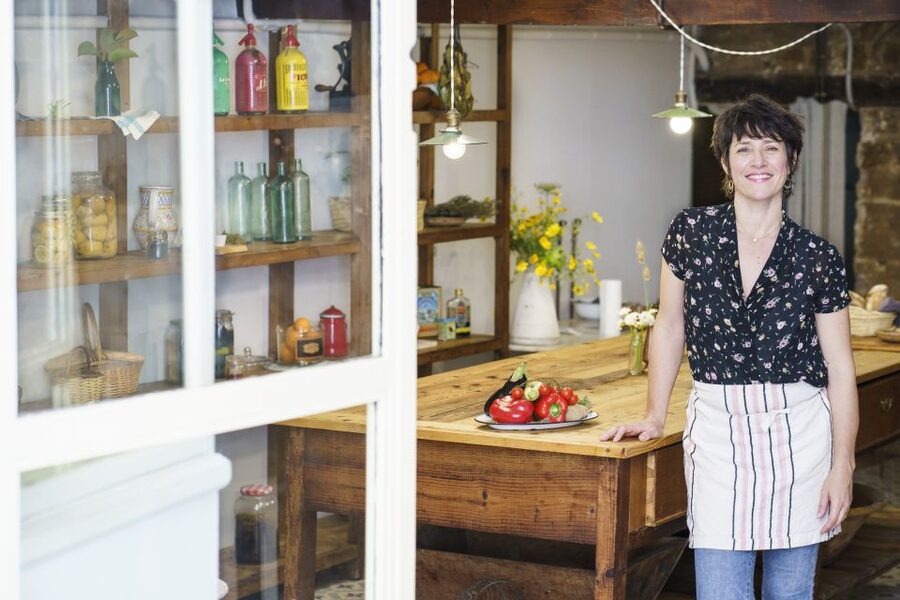
At $171, this class sits in the premium range for a four-hour food activity. The price makes more sense when you count what is included: a guided market visit, tastings, ingredients, cooking equipment and materials, instruction, a four-course meal, recipes, and two glasses of wine.
You are also paying for a very small group and a central historic setting. A class limited to eight people can offer more contact with the instructor than a large cooking school, and the market portion gives the experience a wider cultural frame.
Still, this is not the best choice if your main goal is quantity. The market tasting is limited, additional wine costs extra, and personal shopping is not included. You also arrange your own way to the meeting point, since hotel pickup and drop-off are not provided.
I see the value in the full sequence. You do not simply eat Mallorcan food. You learn how ingredients are selected, how dishes are prepared, and why those dishes matter. If you enjoy food history and practical cooking, the price is easier to justify.
If you only want a market tour, or if you prefer a cheaper demonstration with a short tasting, this experience may feel expensive. Palma has plenty of places to buy food on your own. The added value here is the teaching, setting, meal, and personal attention.
Who will enjoy this workshop most
I would recommend this experience to you if you:
- Like cooking with other people instead of only watching
- Want a food experience tied to local farmers and producers
- Enjoy learning about the history behind familiar dishes
- Prefer a small group over a large organized class
- Have four hours available in central Palma
- Want recipes and ingredients that help you repeat the meal at home
It is less suitable if you have limited time, dislike group cooking, or want a heavy market tasting session. Children under 12 are not suitable for the open group, and the experience is not recommended for children under 10. Children are welcome in private groups, subject to the provider’s arrangements.
The class also suits repeat visitors to Mallorca. The seasonal menu means the experience can change during the year, so a winter class will not necessarily resemble one held in another season.
Practical details for a smooth visit
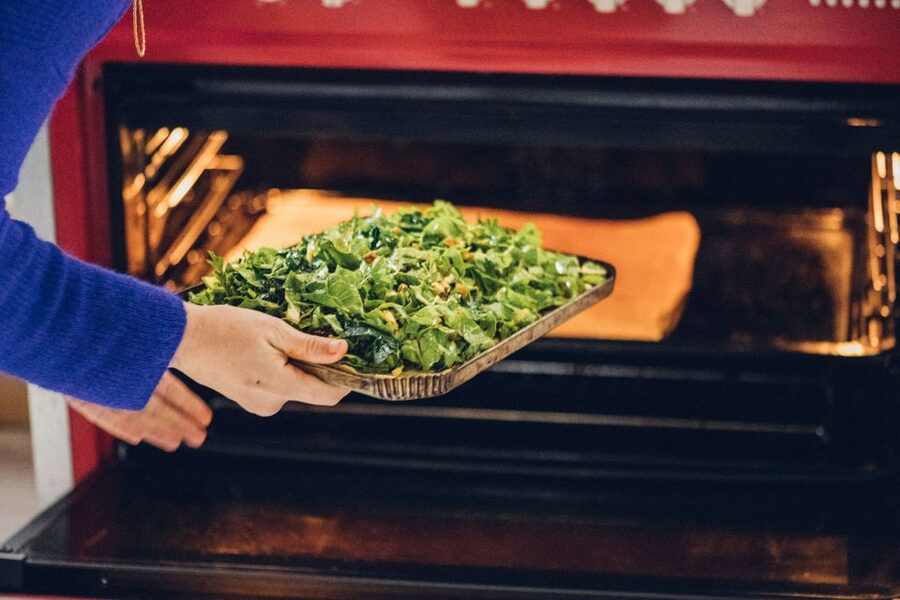
Allow the full four hours: one hour at the market and three hours in the workshop. Arrive at the statue meeting point in front of Mercat de l’Olivar, on the BBVA side, rather than going directly to the bakery.
The experience is conducted in English or Spanish. Open groups have a maximum of eight participants, while private groups can range from two to fifteen people if space is available.
You receive the food, materials, recipes, guided instruction, four-course lunch, and two wine glasses. You do not receive hotel transportation, extra wine, or personal shopping at the market.
The activity allows free cancellation up to 24 hours before the start time, and you can reserve while paying later. Those terms are helpful if your Palma schedule is still shifting.
Wear something comfortable for a hands-on kitchen session. The provider does not list a dress code, but cooking is more enjoyable when you are not worried about your clothes. Most important, send dietary requests before booking, especially for severe allergies.
Should you book it?
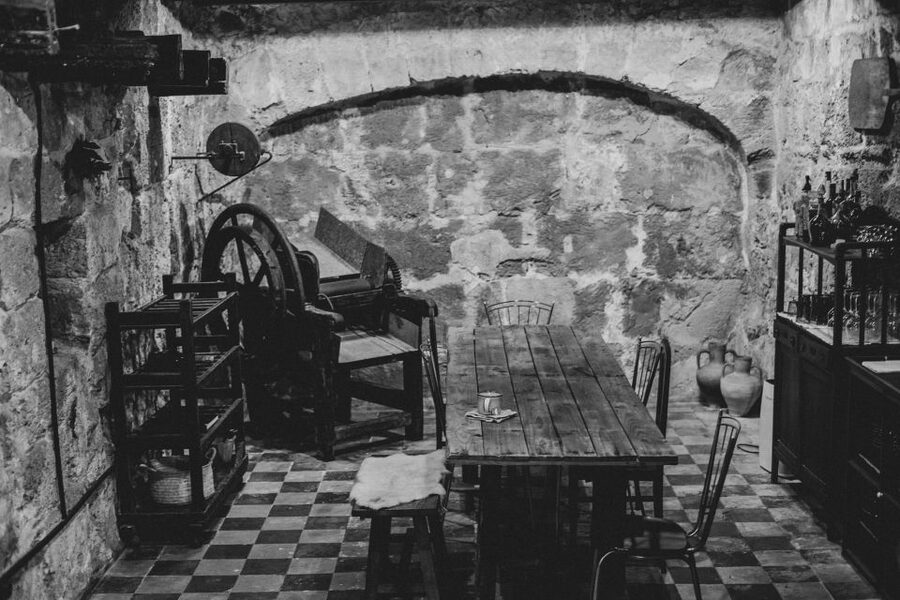
Book this workshop if you want Mallorca explained through its food, not just served to you. The market visit, seasonal menu, old bakery setting, and small group create a thoughtful four-hour introduction to island cooking.
I especially like the combination of practical work and cultural context. Deborah’s class covers recipes, ingredients, and the older way of life behind them, while the changing menu gives the experience a reason to be repeated.
Skip it if $171 feels too high for a meal and class, or if you expect generous market tastings and unlimited wine. For everyone else, this is a strong choice for a first or early visit to Palma, particularly if you want to take home more than a souvenir. You leave with recipes, cooking ideas, and a better sense of how Mallorca’s local food reaches the table.
FAQ
How long does the Mallorca cooking experience last?
The experience lasts four hours. The schedule includes one hour at Mercat de l’Olivar and three hours at the cooking workshop.
Where is the meeting point?
Meet in front of the statue El darrer vestit a l’ampla, opposite Mercat de l’Olivar and on the side of the BBVA bank.
What is included in the market visit?
The one-hour market tour includes a guided visit and tastings of local delicacies, such as ham. Evening departures include one vermouth and a banderilla as an aperitif.
What food will I prepare?
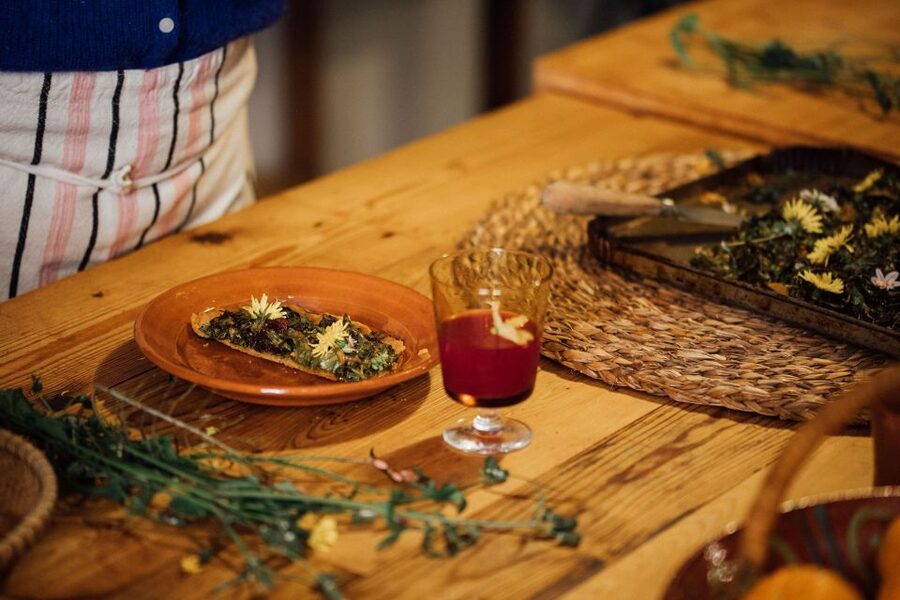
A sample menu includes local cold meats and artisan cheeses, Mallorcan flatbread with greens and raisins, artichoke and sobrasada rice cooked in a greixonera, and gató almond cake with almond ice cream. The menu changes with seasonal products.
Is wine included?
Yes. The meal includes two wine glasses per person. Additional wine is not included.
Is the cooking class taught in English?
Yes. The activity is offered in English and Spanish.
How many people are in each group?
Open groups are limited to a maximum of eight participants. Private courses can be arranged for groups of two to fifteen, subject to availability.
Can the menu accommodate vegetarian or vegan diets?
Vegetarian and vegan menus can be arranged for private groups. Contact the provider before booking if you have severe allergies or very specific dietary requirements.
Are children allowed?
Children under 12 are not suitable for the open group, and the course is not recommended for children under 10. Children are welcome in private groups.
More Markets in Spain
- San Sebastian Pintxo Food, Wine & Market Foodie Tour(Small Group)
★ 5.0 · 621 reviews - Cap de Formentor: Market, Beach, and Alcudia Tour
★ 4.3 · 620 reviews - Ultimate Barcelona Food Tour with visit to a Local Market
★ 5.0 · 507 reviews - Interactive Paella & Market: Bottomless Wine & Rambla Views
★ 5.0 · 376 reviews
More Cooking Classes in Spain
- Barcelona: Paella Cooking Class with Market Visit and More
★ 4.9 · 711 reviews - Madrid Tapas & Paella Cooking Experience with Local Market Visit
★ 5.0 · 432 reviews - Half-Day Spanish Cooking Class & Boqueria Market Tour
★ 4.9 · 383 reviews - Seafood paella cooking class, tapas and visit to Ruzafa market.
★ 5.0 · 328 reviews
Just added around Spain
- Explore Bilbao’s Flavors Mercado de la Ribera and Old Town★ 4.5 · 3 reviews
- CERTAL Exclusive Tour: LA RIBERA Market + GASTROBARS Bilbao (3h)★ 4.5 · 12 reviews
- Barcelona La Boqueria & Sant Antoni Private Food Experience★ 5.0 · 7 reviews
- Spanish Oysters, Cava and Ibérico Ham at Barcelona’s La Boqueria Market★ 5.0 · 8 reviews
- Taste of Barcelona: Boqueria Market, Tapas & History Tour★ 4.5 · 22 reviews
- Barcelona Tapas Cooking & Cocktail Class with Veronique & Mattias★ 5.0 · 3 reviews
- Private Barcelona Market Tour & Paella Cooking Class with Josh★ 5.0 · 4 reviews
- Cook Paella & Tapas + Market Tour in Barcelona (4-Course Meal)★ 5.0 · 2 reviews
Market Cooking Classes, compared.
Hanoi Cooking Class: Culture, Local Market & Meaning CSR Impact
Read our review →
5 Traditional Dishes Hanoi Cooking Class with Market Trip
Read our review →
Cooking Class and Lunch at a Tuscan Farmhouse with Local Market Tour from Florence
Read our review →
Cooking Class, Market & Thai Herbs Garden Tour
Read our review →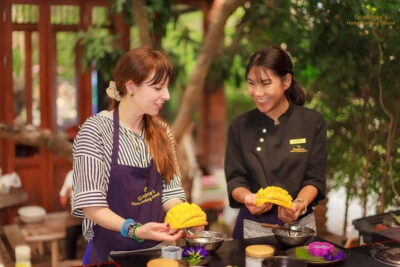
Authentic Cooking Class with Market & Farm Visit
Read our review →
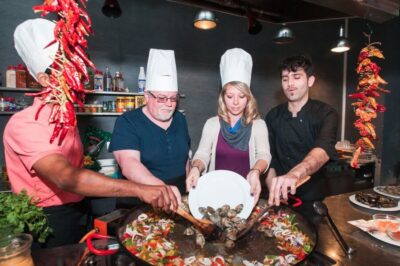
Paella Cooking Experience & Boqueria Market Tour
Read our review →
Cooking Class Hoi An:Local Market, Basket Boat, Fishing & Cooking
Read our review →Browse the lists this tour appears in