
Review · BANGKOK
Bangkok: Private Old Quarter, Night Street Market, Temples
Bangkok’s old Chinese quarter reveals itself best on foot, one narrow lane at a time. This private walk links Talat Noi street art and Chinese shrines with Yaowarat’s food stalls, then shifts to flower-market color and the quiet grounds of Wat Liap. I like the route because it shows Bangkok beyond its headline sights.
I especially like the one-to-three-person format, which gives you room to ask questions and adjust the pace. I also like the mix of major sights, such as the Golden Buddha, with less obvious stops like Rong Kueak Shrine and the Ong Canal. The main catch is timing: Chinatown Market is closed on Mondays, and the walk toward the flower market can feel long.
Key points at a glance
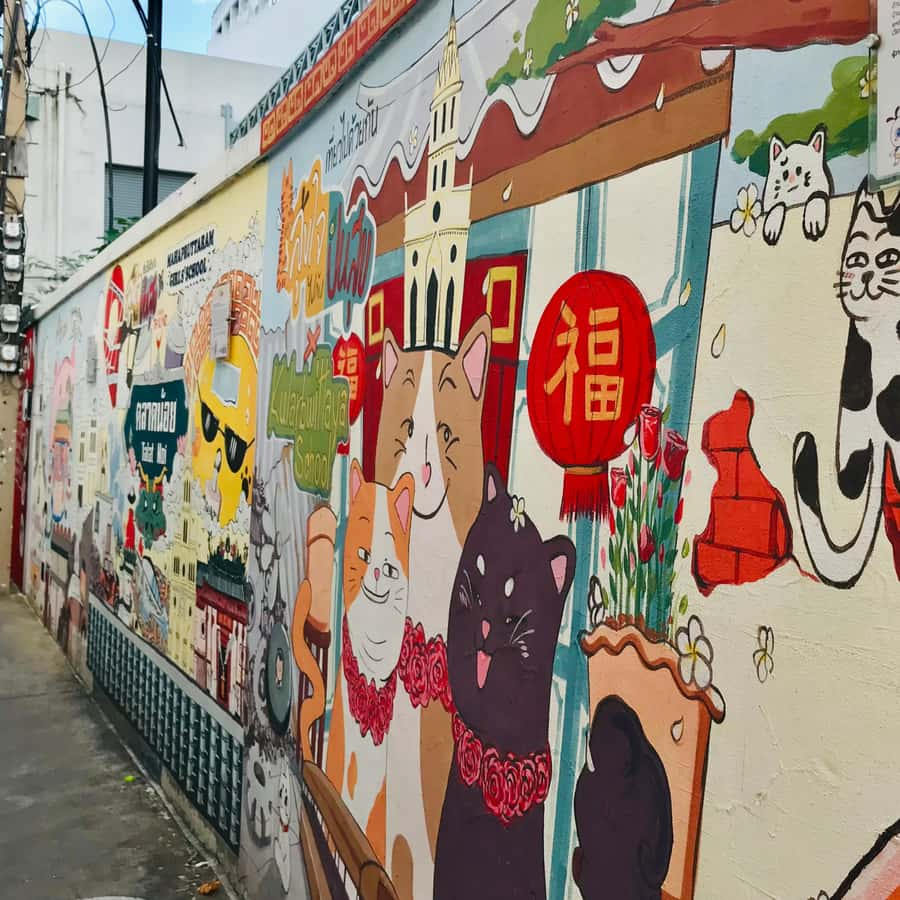
- Talat Noi begins the story with street art, old lanes, and Chinese shrines.
- A private English-speaking guide can shape the walk around your interests and pace.
- The route pairs the Golden Buddha with the more personal atmosphere of Kuan Yim Shrine.
- Yaowarat gives you time to look at, and possibly sample, Chinese and Thai street food.
- Pak Khlong Talat and Wat Liap provide a calmer second half after the crowded market streets.
- The $76 group price works best when shared by two or three people, not a solo visitor.
Talat Noi: Bangkok’s old Chinese quarter in close-up
The tour begins in front of The House by Hongkong House. From there, you walk toward Holy Rosary Church, a useful first reminder that Bangkok’s old river districts were shaped by several communities, not just one.
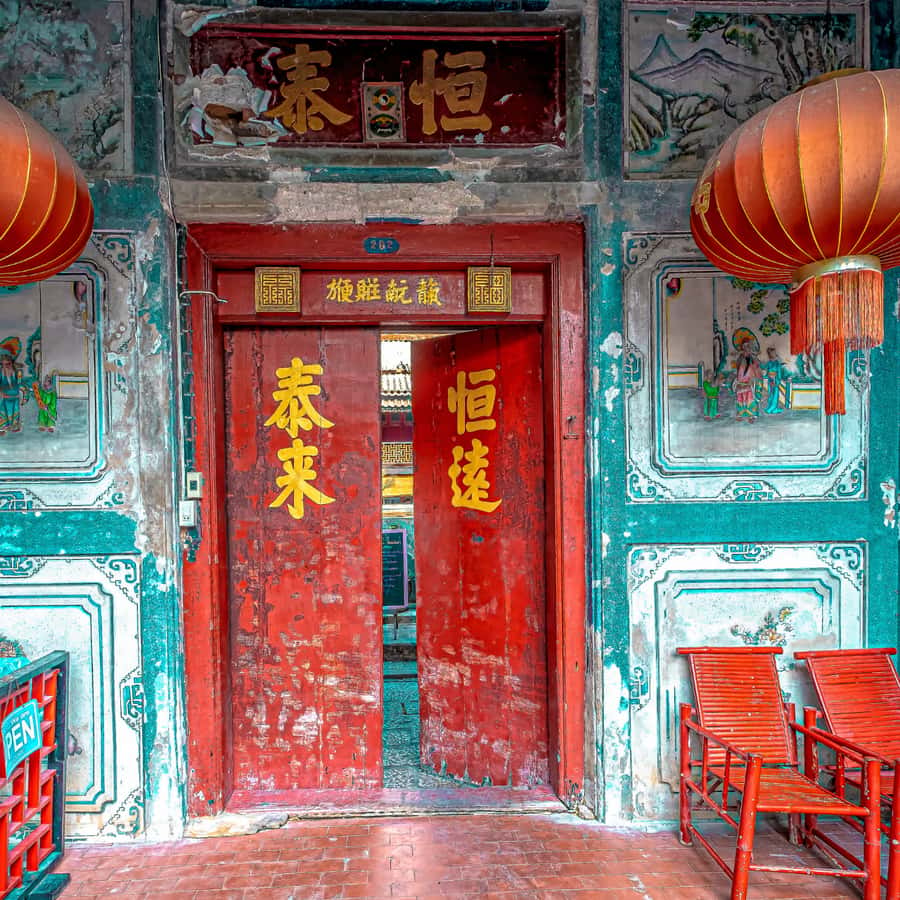
The first major stop is Talat Noi. This area is known for narrow lanes, local shops, old Chinese roots, and painted walls. The street art gives the neighborhood a modern edge, but the appeal lies in the contrast. You move past old buildings and small working streets, then turn a corner and find a colorful mural.
Your guide can help connect the visual details to the area’s past. That matters here because Talat Noi is not a polished open-air museum. It is a living neighborhood. The best part of having a guide is knowing which lanes and corners deserve your attention instead of simply wandering without context.
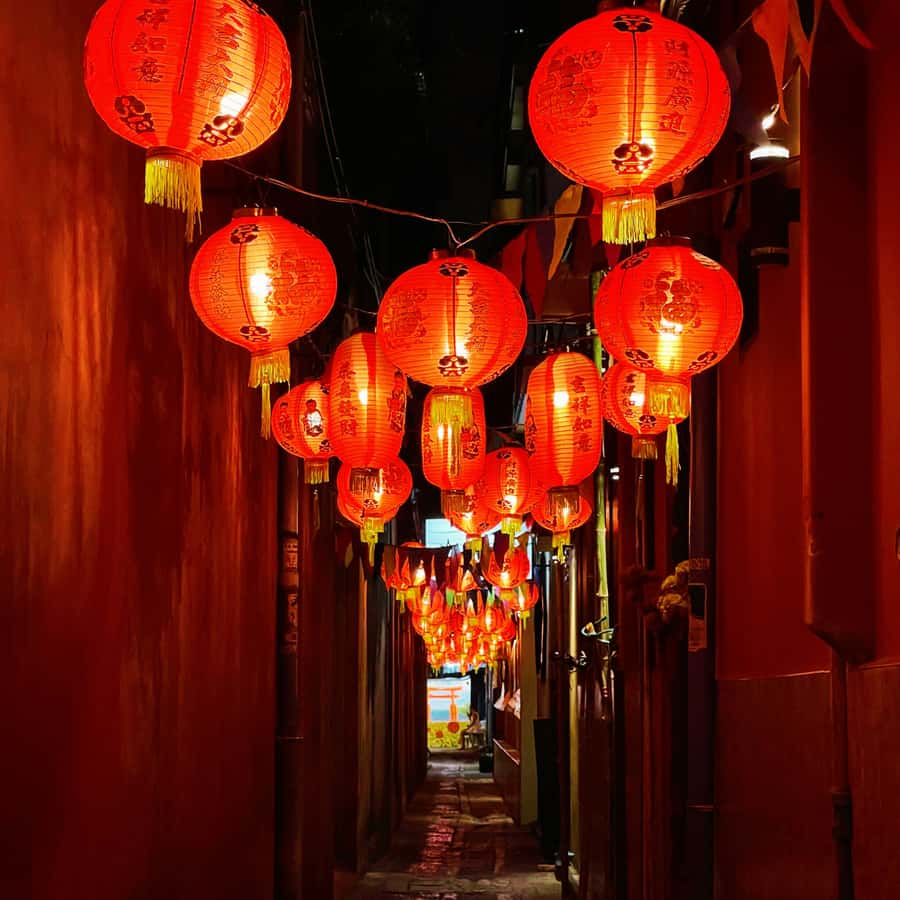
Rong Kueak Shrine and Chao Mae Shrine add a spiritual side to the walk. The shrines show how Chinese beliefs remain part of daily life in Bangkok. You will also see Thai and Chinese design elements close together, which makes this opening section more than a street-art stroll.
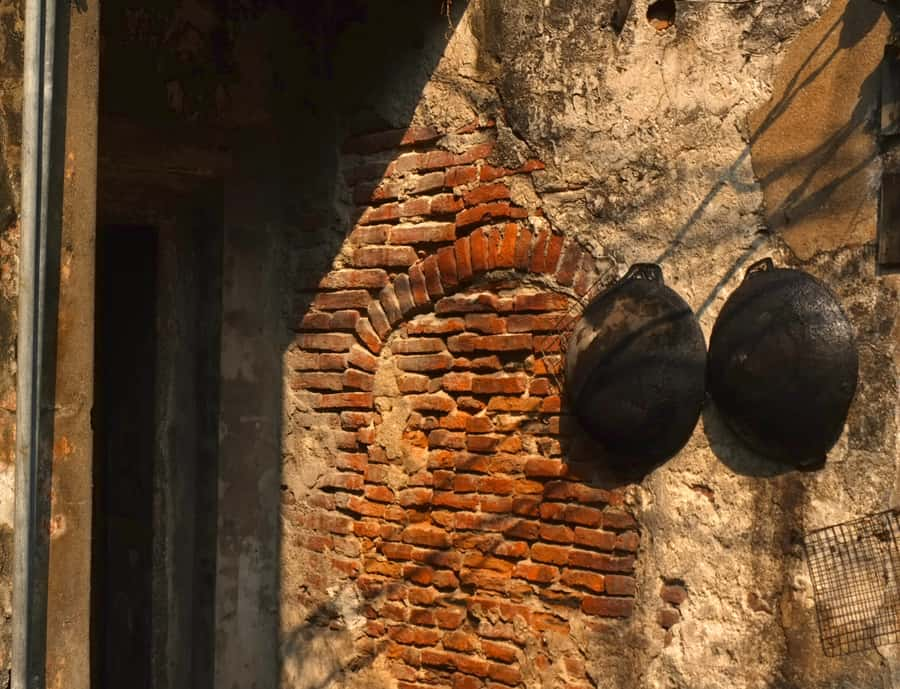
Give yourself time to look closely. Small shrines, door details, painted shutters, and shopfronts can be easy to miss when you are focused on reaching the next stop. Comfortable shoes matter because the route uses city streets and narrow lanes rather than a coach.
More Private Market Tours in Bangkok
- Private Excursion to Maeklong Railway and Floating Markets
★ 5.0 · 850 reviews - Floating and Railway Market (Optional Waterfall): Private Tour
★ 5.0 · 827 reviews - Private Excursion to Floating Market and Ayutthaya World Heritage
★ 5.0 · 515 reviews
From Chinatown Gate to the Golden Buddha
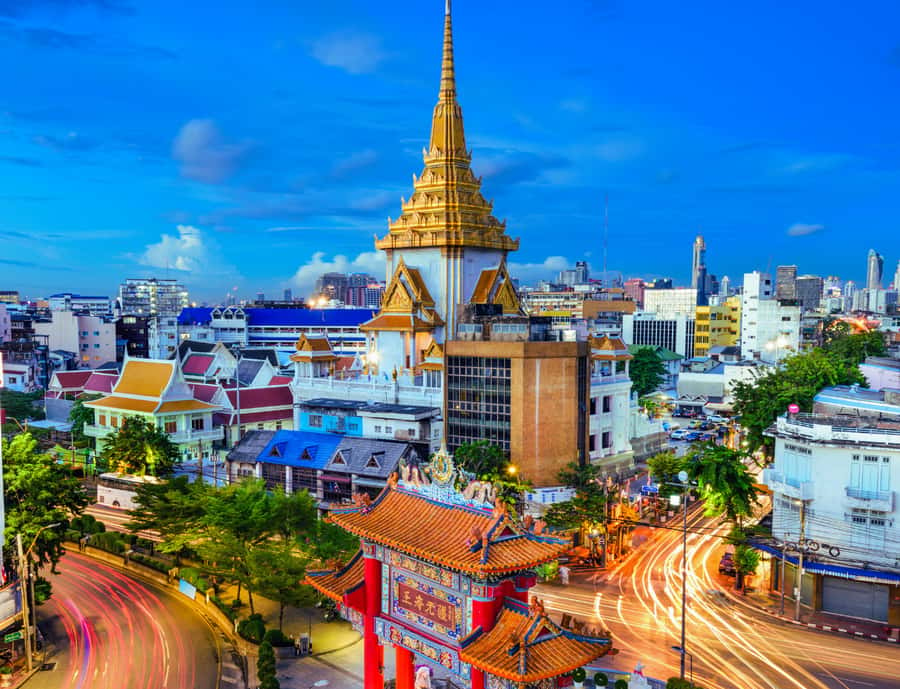
The walk continues toward Chinagate, the familiar entrance to Bangkok’s Chinatown. Passing through the gateway brings you into one of the city’s best-known commercial districts.
Wat Traimit is the major sight in this part of the route. It is home to the world’s largest golden Buddha statue, and the stop gives you a clear change of pace after Talat Noi’s lanes. The statue is the headline attraction, so expect a more conventional sightseeing moment here, including time for photographs.
The itinerary allows about 15 minutes for the Golden Buddha. That is enough for a focused visit and pictures, but not a long temple session. If you want extensive time inside every religious site, this three-hour tour may feel brisk. Its strength is the range of neighborhoods and stops rather than long stays at one monument.
Kuan Yim Shrine offers a different mood. Dedicated to the goddess of mercy, it is noted for its detailed decoration and quiet atmosphere. I find this type of stop valuable because it shows how a place of worship fits into the surrounding city. The shrine is not simply another photo stop. It gives you a chance to pause and notice the continuing connection between Chinatown’s commerce and its religious life.
A guide named Natty has received particularly warm praise for clear explanations and friendly company. Patt has also been singled out for shaping the walk around one visitor’s interests, while Tini earned strong praise for making the route easy to follow. Your guide may be someone else, but these comments point to the feature that matters most here: the personal format.
Yaowarat after dark: the strongest food stop
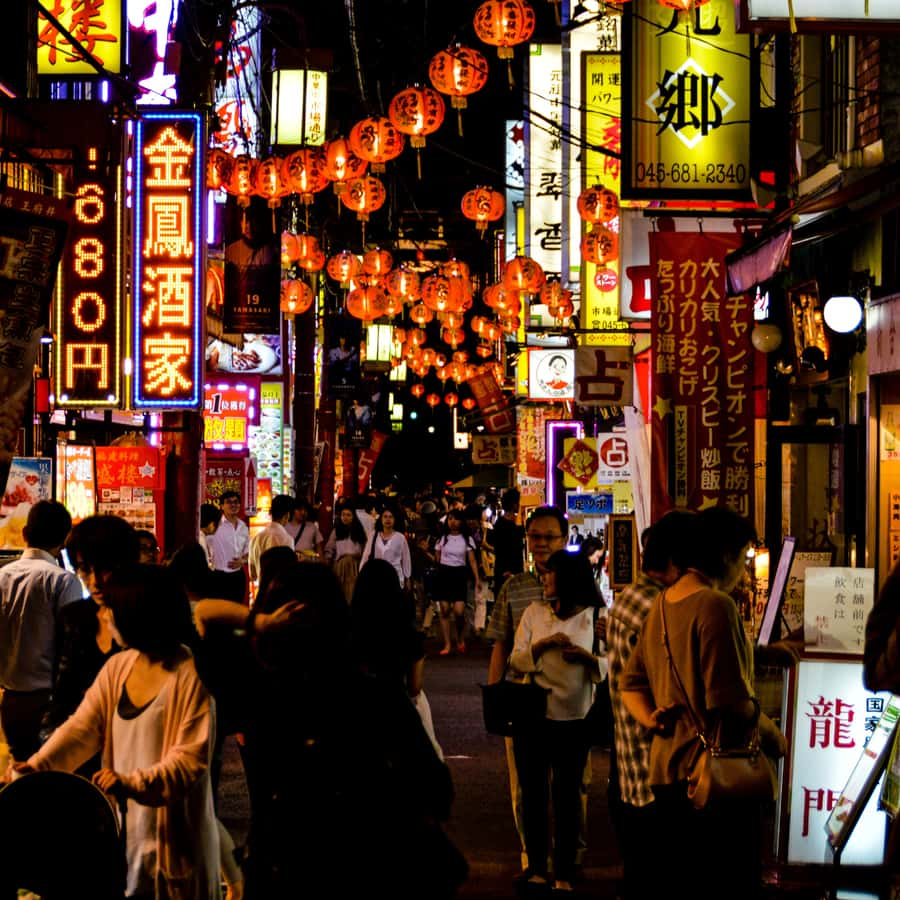
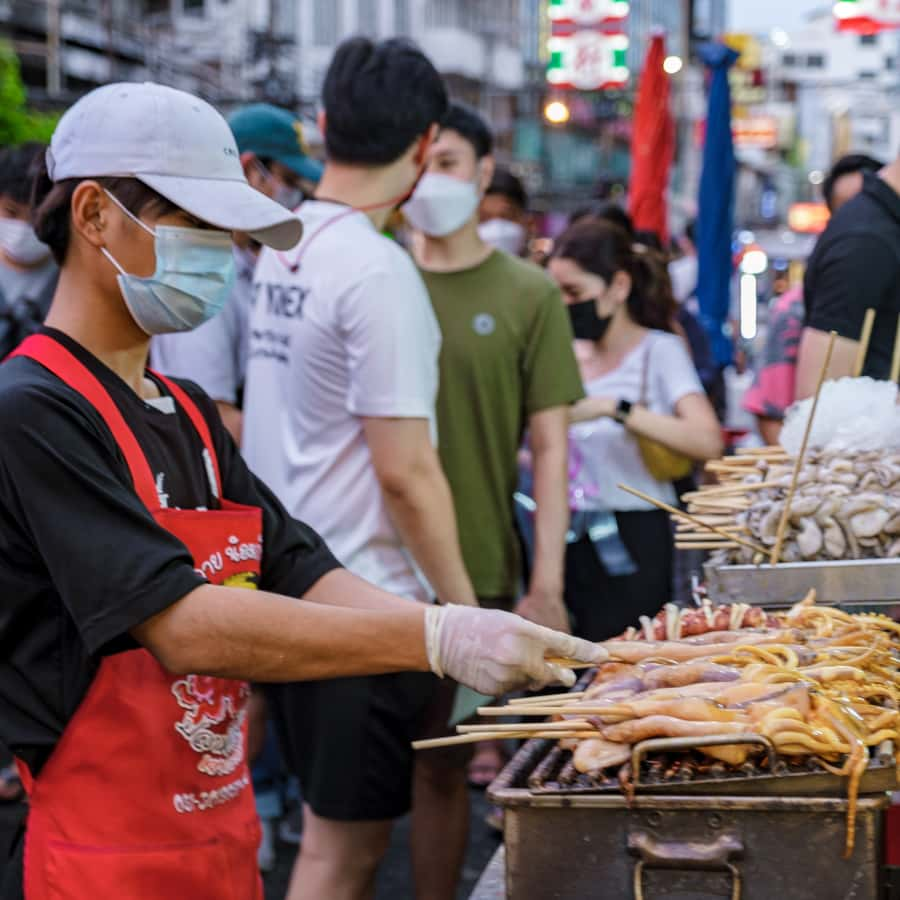
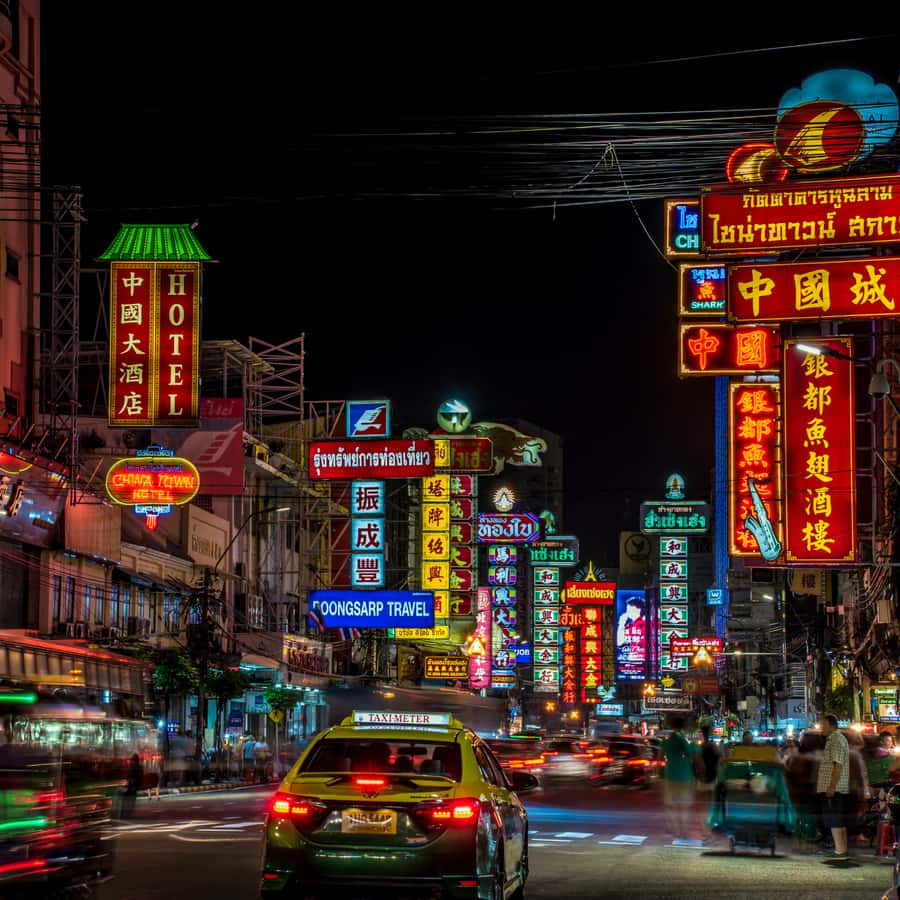
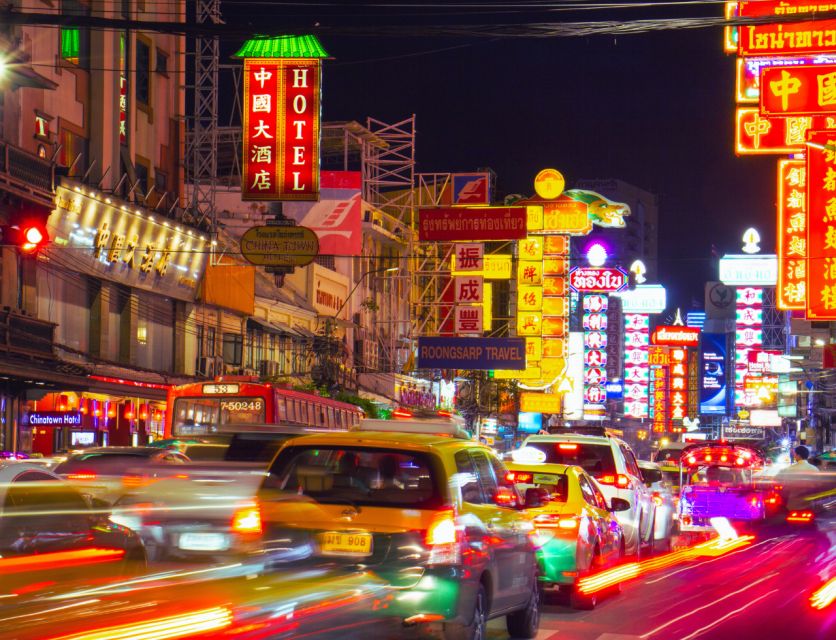
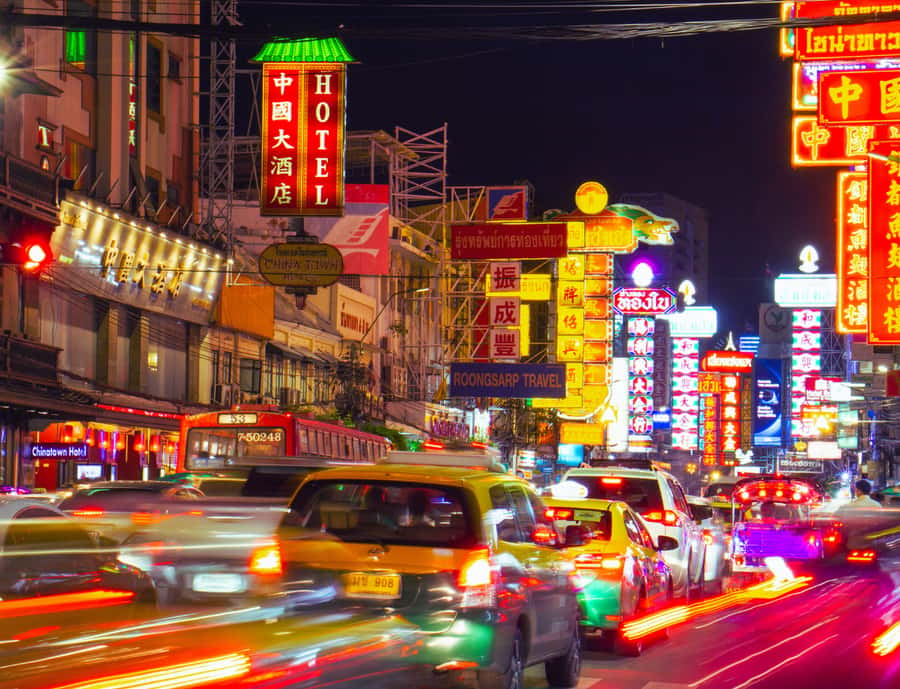
Yaowarat Road is the tour’s most energetic stretch. This is Chinatown’s main artery, lined with food stalls, shops, signs, and the smells of herbs, spices, fried dishes, pastries, and dim sum.
The tour includes about 30 minutes of guided walking through the night market. You can look over Chinese and Thai foods and decide what appeals to you. The description presents food tasting as part of the experience, but the included feature is the private guide, not a stated meal allowance. Plan to pay separately for anything you choose to eat.
This is where the tour’s evening timing matters. Yaowarat is best suited to visitors who enjoy movement, noise, and plenty to look at. It is not the place for a slow, quiet dinner unless you continue on your own after the tour ends.
I would ask your guide early in the walk how food stops are handled. The route promises a look at the market and its dishes, but the exact food choices are not specified. That gives you flexibility, especially if you have dietary concerns, but it also means you should not expect a fixed tasting menu.
Monday requires special attention. Chinatown Market is closed that day, and one person who took the tour on a Monday found some areas unusually empty. The experience may still offer Talat Noi, the shrines, the temples, and the city views, but the market portion loses some of its point. I would choose another evening if Yaowarat’s food scene is your main reason for booking.
The Ong Canal and a slower view of Chinatown
The route then makes a detour toward the Ong Canal. This waterway offers a break from the main road and a look at a quieter side of the district.
You walk along the canal’s edge and observe how older ways of living sit beside the city’s newer commercial life. The stop is less about a single monument and more about contrast. After the signs, traffic, food smells, and crowds of Yaowarat, the canal lets you slow down.
The canal section also helps prevent the tour from becoming a simple checklist of shrines and markets. You get a sense of how the district functions between the famous places. Since the tour is private, you can ask your guide about the buildings, shops, or daily activity you notice along the way.
There is a practical tradeoff. A three-hour walk covering several districts cannot linger everywhere. If you stop often for photographs or food, the later sections may feel faster. Keep the early part moving at a comfortable pace so you have enough time for the flower market and Wat Liap.
More Private Market Tours in Thailand
- Private Tour to Railway Market and Damnoen Saduak Floating Market
★ 5.0 · 200 reviews - Private Tour: Floating Markets of Damnoen Saduak Cruise Day Trip from Bangkok
★ 3.5 · 199 reviews - Floating Market & Train Market Private Tour(Premium Service)
★ 5.0 · 112 reviews - Maeklong Railway & Floating Market Tour (Private & All-Inclusive)
★ 5.0 · 108 reviews
Pak Khlong Talat: flowers, color, and a long approach
Pak Khlong Talat, Bangkok’s flower market, changes the mood again. Instead of shrine decorations, food stalls, and painted walls, you get rows of blooms and the scent of flowers.
The market is a strong visual stop. It gives you something different from the Chinese quarter and helps explain why the tour ends outside Chinatown rather than simply returning to Yaowarat. You can appreciate the flowers, watch the market activity, and take photographs before moving to Wat Liap nearby.
The route toward the flower market deserves an honest warning. One visitor found the final walk in this direction quite long and felt a taxi or tuk-tuk would have helped. Transportation is not listed as included, so you should expect to walk between the scheduled stops unless your guide helps arrange another option.
That walk may be fine for people who like seeing a city at street level. It can be less appealing after an evening of standing, crossing roads, and navigating crowded lanes. Wear supportive shoes, carry water, and avoid bringing a large bag. Large luggage is not allowed on the tour, which makes sense given the narrow streets and walking pace.
Wat Liap: quiet temple time near the market
Wat Ratchaburana Ratchaworawihan, commonly called Wat Liap, is near Pak Khlong Talat. It gives the tour a calm final temple stop after the crowded market streets.
The grounds offer time to look at the temple’s design and settle into a quieter setting. The planned visit lasts about 20 minutes, so this is a compact introduction rather than an extensive temple study. Still, its position at the end of the route works well. You finish with a place for reflection instead of another busy commercial street.
As with any religious site, dress and behavior should be respectful. The supplied information does not set out a specific clothing rule, so use ordinary temple courtesy and follow your guide’s advice.
Wat Liap is also a good reason to choose this route if you have already seen Bangkok’s famous central temples. It is not being sold as the grandest temple in the city. Its value is the peaceful change of pace and its connection to the flower-market area.
Memorial Bridge and the Chao Phraya finish
The final stop is Memorial Bridge. Here you can look toward the Chao Phraya River and take in city views.
This ending gives the walk a clear geographic shape. You begin among old lanes and shrines, cross through Chinatown’s main streets, pass the flower market, and finish beside the river. The river view also connects the neighborhoods to Bangkok’s wider trading and transport past without requiring a separate boat ride.
At the end, the guide can help you reach your preferred destination or hotel. That is useful after a walk that finishes away from the starting point. Confirm the plan with your guide during the tour, especially if you are tired or need help finding your next stop.
What the private format is worth at $76
The price is $76 for a private group of up to three people. That is a strong value for three people, since the group total works out to roughly $25 per person. For two people, it is about $38 each. For one person, the price is harder to justify unless you place a high value on a private guide and a flexible pace.
The private format changes the experience in practical ways. You can ask questions without holding up a large group. You can spend longer at a shrine, move on from a stop that does not interest you, or discuss food choices with the guide. The exact flexibility depends on the guide and the time available, but the group size gives you a better chance of personal attention.
The price does not include a stated food budget or transportation between stops. Think of it as a guided walking experience, not a package with dinner and transfers. That distinction helps you compare it fairly with larger group tours.
English is the listed tour language. Guides including Natty, Patt, and Tini have been praised for being friendly and clear, though guide assignment is not guaranteed. The published rating is 4.4 from 12 ratings, with praise focused mainly on guide quality and the pleasure of having the route explained personally.
Who will enjoy this walk most
I would choose this tour if you want Bangkok’s old neighborhoods explained as you walk through them. It suits first-time visitors who want several different sides of the city in one evening, especially street art, shrines, a major Buddha image, street food, a flower market, and a river view.
It also suits couples or small families who can share the private price. The route gives you plenty to discuss and photograph, and the guide can help you move through places that may be confusing on your own.
You should think twice if you have mobility limitations. The activity is specifically not suitable for people with mobility impairments, and the route includes extended walking. It is also not ideal if you want a slow temple tour, a sit-down meal, or included transport.
Choose a day other than Monday. That single change should make the Yaowarat section more useful and atmospheric. If Monday is your only option, book only if you are mainly interested in Talat Noi, the shrines, temples, and general neighborhood walk.
Practical details before you reserve
You meet the guide in front of the cafe at The House by Hongkong House. A text message or WhatsApp message is sent three hours before the start, so keep the phone number used for booking active.
Wear comfortable shoes. Do not bring luggage or a large bag. The activity lasts three hours, but walking through city streets, markets, and temple areas can make it feel more demanding than a short sightseeing loop.
Starting times depend on availability. The guide speaks English, and the group is private. You can cancel up to 24 hours before the tour for a full refund, and the reserve-now, pay-later option lets you hold a place without paying at the time of booking.
Should you book this Bangkok Chinatown tour?
Book it if you want a compact, private introduction to Bangkok’s Chinese quarter with strong guide interaction. The best parts are the contrast between Talat Noi’s murals and old lanes, Kuan Yim Shrine’s quiet detail, Yaowarat’s evening food scene, and the transition to Pak Khlong Talat and Wat Liap.
Skip it if you want included meals, minimal walking, or a long visit at each temple. Also skip Monday if the market is important to you. For two or three people who want an English-speaking guide and a route that goes beyond the most famous Bangkok sights, $76 is a sensible price. For a solo visitor, compare it with a group tour unless personal attention is worth the extra cost.
FAQ
How long does the Bangkok Chinatown tour last?
The tour lasts three hours.
How much does the private tour cost?
The price is $76 per private group of up to three people.
What language does the guide speak?
The live guide speaks English.
Where does the tour begin?
You meet the guide in front of the cafe at The House by Hongkong House.
Is the tour private?
Yes. It is offered as a private group experience.
Which places are included?
The route includes Holy Rosary Church, Rong Kueak Shrine, Chinatown, Kuan Yim Shrine, the Golden Buddha, Yaowarat Night Market, Pak Khlong Talat, and Wat Liap.
Is food included in the price?
The provided information includes a guided visit through Yaowarat’s food market, but it does not state that food is included in the price.
Is the Chinatown Market open every day?
No. Chinatown Market is closed on Mondays.
What should I bring?
Bring comfortable shoes. Do not bring luggage or large bags.
Is the tour suitable for people with mobility impairments?
No. The activity is listed as unsuitable for people with mobility impairments.
Can the tour be canceled for a refund?
Yes. You can cancel up to 24 hours in advance for a full refund.
More Shopping Tours in Bangkok
- Half-Day Railway Market and Floating Market Tour in Thailand
★ 4.5 · 3,924 reviews - Bangkok: Damnoen Saduak, Train Market & Mahanakhon Day Trip
★ 4.7 · 2,162 reviews - From Bangkok: Damnoen Saduak Floating Market Guided Tour
★ 4.4 · 2,020 reviews - Bangkok: Hands-on Thai Cooking Class and Market Tour
★ 4.9 · 1,614 reviews
More Markets in Bangkok
- Bangkok: Damnoen Saduak Market and Maeklong Railway Market
★ 4.5 · 26,723 reviews - The Old Siam: Damnoen Saduak and Maeklong Railway Market
★ 4.5 · 10,992 reviews - Bangkok: Train Market & Floating Market with Boat Ride
★ 4.7 · 9,547 reviews - Bangkok: City Highlights Temple and Market Walking Tour
★ 4.5 · 3,990 reviews
Just added around Bangkok
- Bangkok Udomsuk Thai Cooking Class with local market tour★ 5.0 · 5 reviews
- Morning Buddhist Almsgiving, Grand Palace and Flower Market Tour in Bangkok★ 3.5 · 9 reviews
- Private 4 days : Bangkok, Floating market and Ayutthaya★ 5.0 · 2 reviews
- Floating & Railway Markets and Erawan Waterfall [Optional Luxury]★ 5.0 · 43 reviews
- Discover Ayutthaya at Sunset: Historic Temples & River Cruise★ 4.5 · 29 reviews
- Floating Market & Railway Market near Bangkok★ 4.0 · 5 reviews
- Silom Thai Cooking School with Fresh Market Tour★ 5.0 · 73 reviews
- Ayutthaya Floating Market Admission Ticket with Transfer★ 5.0 · 2 reviews
Private Market Tours, compared.

Private Excursion to Maeklong Railway and Floating Markets
Read our review →
Floating and Railway Market (Optional Waterfall): Private Tour
Read our review →
Private Pyramids, Museum & Bazaar Tour with Lunch
Read our review →
Shopping in the Souks of Marrakech Private Tour
Read our review →
Local Markets & Khan el Khalili Private Shopping Tour
Read our review →
Private Excursion to Floating Market and Ayutthaya World Heritage
Read our review →
Private Heritage Walking Tour in Jaisalmer Fort and Old Bazaar
Read our review →Browse the lists this tour appears in