
Review · CHIANG MAI
Chiang Mai: Buddhist Almsgiving and Market Tour with Meal
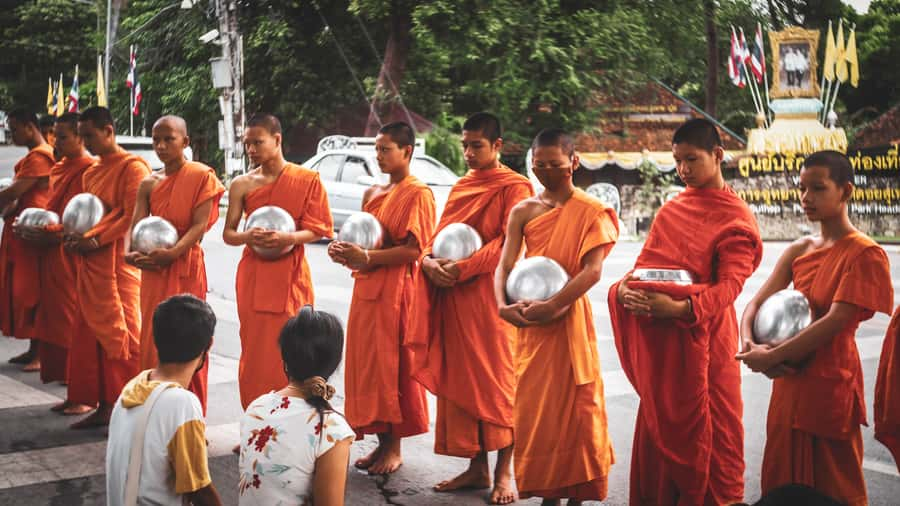
The morning begins with monks descending from the foothills of Doi Suthep for almsgiving, giving you a respectful look at a living part of Thai Buddhist life. I like the small-group format, limited to nine people, and the mix of ritual, market life, and food rather than a morning spent only looking at monuments. The early start and strict clothing rules may not suit everyone.
I also like that admission fees, transport, breakfast, water, and a cold towel are included in the $70 price. The main consideration is timing: pickup is available only within 6 kilometers of the Three Kings Monument, and you need to be ready in your hotel lobby early in the day.
Key points to know before booking
- Morning almsgiving near Doi Suthep: Watch monks receive offerings and learn how merit-making fits into daily Buddhist practice.
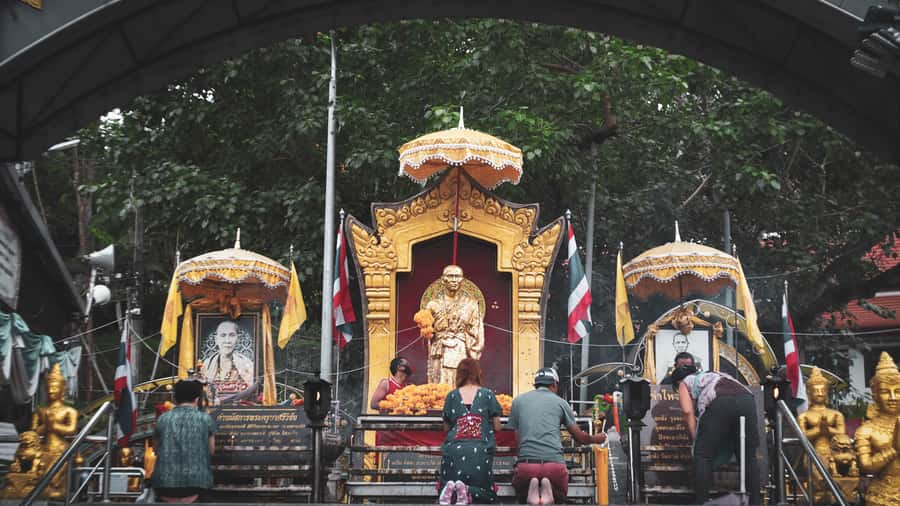
- Kruba Srivichai Monument: Pay respects to the monk linked with the road to Doi Suthep Temple.
- Ton Phayom Fresh Market: Shop, look around, and sample local snacks in a genuine neighborhood market.
- Breakfast at a local restaurant: A Thai meal is built into the morning, not treated as an afterthought.
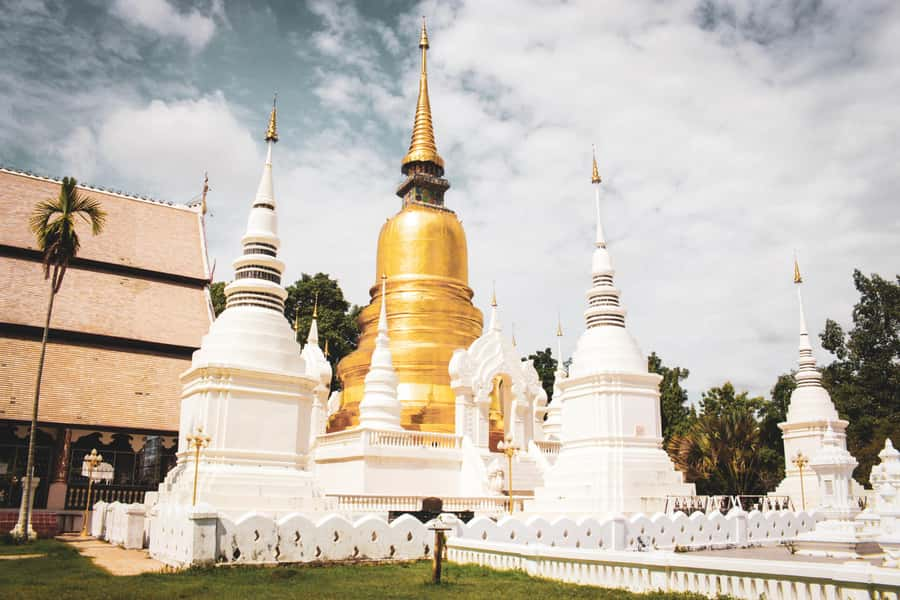
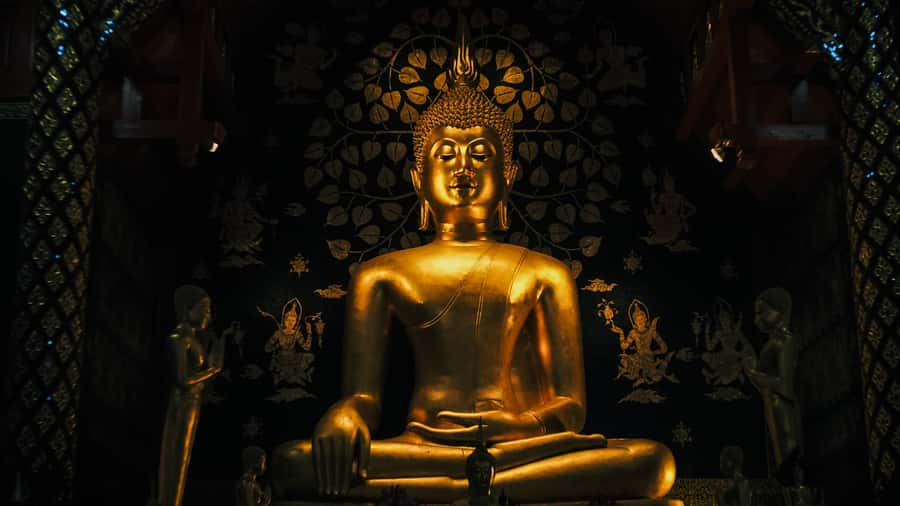
- Wat Suan Dok: See the golden principal pagoda, which enshrines Buddhist relics.
- Small-group convenience: Choose shared or private transport, with an English-speaking guide and hotel pickup included.
Why this four-hour morning works well
This experience is designed for you to see Chiang Mai through everyday religious and food traditions, not just grand sights. It links three different parts of local life: Buddhist merit-making, market shopping, and temple worship.
That combination gives the morning a natural rhythm. You begin with a quiet religious ceremony, move into the practical energy of a fresh market, sit down for breakfast, and finish at a major temple. You are not simply ticking off attractions. You are seeing how faith, food, and ordinary shopping fit together.
The tour costs $70 per person. That is not the cheapest way to visit a market or temple, but the price includes hotel pickup and drop-off, a driver, an English-speaking guide, admission fees, breakfast, water, a cold towel, and accident insurance. For you, the value rests mainly in the early transport and interpretation. If you are comfortable finding your own way around Chiang Mai, you could spend less independently. If you want the morning organized and explained, the package is easier.
The group is limited to nine people, though you can also choose a private option if available for your booking. A small group matters here. Almsgiving calls for calm and courtesy, and a large crowd would make the market and temple stops less personal.
A few more market tours around Chiang Mai worth a look
- Chiang Mai: Cooking Class, Market & Thai Herbs Garden Tour
★ 4.9 · 4,824 reviews - Chiang Mai: Authentic Cooking Class with Market & Farm Visit
★ 4.9 · 4,546 reviews - Chiang Mai: Cooking Class with Market and Pickup
★ 4.9 · 1,365 reviews
Starting early at the Kruba Srivichai Monument
Pickup takes place in Mueang Chiang Mai District, with service within a 6-kilometer radius of the Three Kings Monument. You wait in your hotel lobby, then ride about 15 minutes by van toward the foothills of Doi Suthep.
The first main stop is the Kruba Srivichai Monument, with about an hour for a guided visit. Kruba Srivichai was a respected northern Thai monk who oversaw the building of the road leading up to Doi Suthep Temple. Paying respects here gives you useful context before you continue with the religious part of the morning.
The stop is not just a quick photo break. Your guide explains why Kruba Srivichai remains important and how the road to Doi Suthep changed access to the mountain temple. The supplied information does not name the guide, but the English guide is expected to explain the customs and places in clear terms. A verified booking described the guide as friendly, enthusiastic, and well-informed, which is especially helpful during a ritual where good manners matter.
The morning timing is important. Almsgiving takes place early, so this is not a tour for sleeping late and rushing through breakfast. Wear comfortable shoes, since you will spend time walking and standing.
Taking part in morning almsgiving
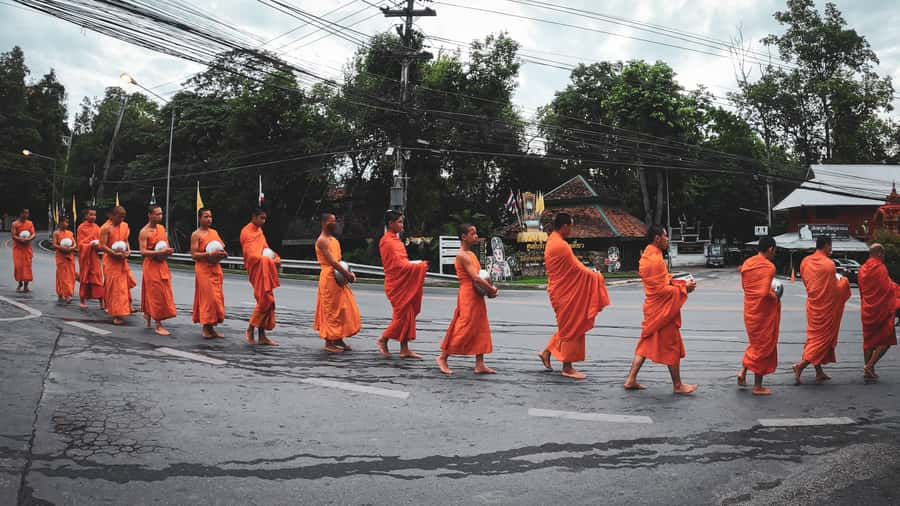
The almsgiving near Doi Suthep is the spiritual center of the experience. Monks descend from the temple area, and you have the chance to make merit by offering food or other suitable items as guided.
This is a Buddhist ritual, not a staged show. Your role is to observe carefully, follow your guide’s instructions, and keep your behavior quiet and respectful. The value lies in seeing a daily religious practice in its proper setting rather than visiting a temple only after the ceremonies are over.
The supplied details do not specify exactly what offerings are provided or how you will take part, so listen closely on the morning itself. Your guide can explain the correct procedure and help you avoid awkward mistakes. That guidance is one reason this tour is more useful than arriving at the site without context.
You should also dress correctly from the start. Shorts, short skirts, and sleeveless shirts are not allowed. Long, modest clothing is the safest choice, especially because the morning ends at Wat Suan Dok. Comfortable shoes are recommended, and a camera is allowed, but use it with restraint during the almsgiving.
The ceremony may appeal most to you if you want contact with Thai religious life. If you prefer a relaxed food-and-shopping morning with no early ritual, this tour may feel too structured.
Shopping and snacking at Ton Phayom Market
After the religious stop, the van travels about 10 minutes to Ton Phayom Fresh Market. You have roughly an hour and a half for a guided visit, shopping, sightseeing, local snacks, and a food market stop.
This is where the tour shifts from sacred space to everyday Chiang Mai. A fresh market lets you see the products local people buy and the way food appears before it reaches a restaurant table. You can look at Thai ingredients, browse local products, and try snacks while your guide helps explain what you are seeing.
The market visit is a strong part of the experience because it gives you time to wander rather than forcing you through a five-minute photo stop. You can shop like a local, though the exact products and snacks available can vary by the day. The description promises authentic Thai products and a famous local breakfast, but it does not identify the exact dishes. Keep that in mind if you need a specific meal or have strict dietary requirements.
You may find the market more interesting than a souvenir shop because it serves daily needs. It is also a practical place to notice the difference between food made for local use and items packaged mainly for visitors. The guide can help you understand unfamiliar foods and decide what to taste.
There is one small tradeoff. Markets can be visually and physically busy, and you may need to watch your belongings while walking. The tour gives you time, but not unlimited freedom. You will still need to stay aware of the group and return to the meeting point when instructed.
More shopping tours in Chiang Mai:
- Chiang Mai: Evening Cooking Class and Local Market Visit
★ 4.9 · 648 reviews - Chiang Mai: Evening Local Street Food Market Tour
★ 4.8 · 604 reviews - Chiang Mai: Kalare Night Bazaar Boxing Stadium Muay Thai
★ 4.7 · 507 reviews - Evening Cooking Class in Organic Farm with Local Market Tour
★ 5.0 · 394 reviews
A local breakfast, not just a coffee stop
Breakfast follows the market visit and lasts about an hour at a local restaurant. This meal is included in the price, along with water, so you do not need to plan a separate breakfast before pickup.
I like this arrangement because the food stop comes after the market. You first see ingredients and local buying habits, then sit down to eat. That order makes the meal more meaningful than a standard restaurant stop disconnected from the rest of the morning.
The exact menu is not given, so you should not book this expecting a particular dish. The experience promises a famous local breakfast and an authentic taste of Thai flavors, but the tour details do not list vegetarian, vegan, allergy, or dietary substitutions. If food restrictions matter to you, ask before booking rather than assuming the restaurant can accommodate them.
An hour gives you enough time to eat without turning the meal into a rushed snack. It also offers a useful pause between the market and temple. By this point, you will have been up early and may appreciate sitting down.
The breakfast is part of the tour’s value. You are paying for more than transport between sights, and the meal helps connect the morning’s market visit with the food culture of Chiang Mai.
Visiting Wat Suan Dok and its golden pagoda
After breakfast, a short five-minute van ride brings you to Wat Suan Dok, also called the Flower Garden Temple. The visit lasts about an hour and includes guided sightseeing.
The temple’s main feature is its golden principal pagoda, which enshrines Buddhist relics. That detail gives the stop real religious importance, rather than making it only a pretty building for photographs. Your guide can place the pagoda and temple customs in context, especially after you have already taken part in morning almsgiving.
Wat Suan Dok is a good final stop because it lets you see Buddhist practice in a formal temple setting after witnessing almsgiving in a more direct, community-based way. The two stops complement each other. One shows a morning act of merit-making, while the other gives you a major temple site with a relic-bearing pagoda.
Dress rules still apply here. Shorts, short skirts, and sleeveless shirts are not allowed. Bring a camera if you like, but follow instructions about photography and behavior inside the temple grounds.
The temple visit is scheduled for one hour. That is enough for a guided look, but you should not expect an unhurried half-day temple tour. If you want to study every detail or sit quietly for a long time, you may find the pace brisk.
Transport, group size, and the practical details
The tour uses a van with a driver. The ride is short between most stops: about 15 minutes from pickup to the first monument, 10 minutes to the market, five minutes to Wat Suan Dok, and 15 minutes back to Mueang Chiang Mai District.
Those short transfers make the four-hour duration efficient. You spend most of the morning at the actual stops rather than sitting in traffic. Hotel pickup and drop-off are included, but the pickup area is limited to accommodations within 6 kilometers of the Three Kings Monument.
You can book a shared or private tour option, depending on availability and the option selected. The small shared group is limited to nine participants. That size should make it easier to hear the guide and keep the morning moving, while a private choice gives you more control over the experience.
The tour is conducted in English. A guide’s friendliness and enthusiasm matter here because the experience involves religious customs, not just directions and dates. The strongest praise attached to this activity focused on those qualities, so you can reasonably expect the guide’s attitude to be one of the morning’s important strengths.
The activity lasts four hours, though starting times vary. Check the available departure time when booking, since the almsgiving requires an early start. The provider includes accident insurance, water, and a cold towel, useful touches in a warm climate.
You can cancel up to 24 hours in advance for a full refund, and reserve now while paying later. Those terms help if your Chiang Mai plans are still changing.
Who should book this Chiang Mai morning
I would recommend this experience if you want a guided introduction to Chiang Mai that feels connected to local routines. It suits first-time visitors who want help with temple etiquette, shoppers who prefer a real food market to a tourist retail stop, and anyone interested in Buddhism as a living practice.
It is also a good choice if you value convenience. One booking covers transport, a guide, breakfast, temple admission, and hotel pickup within the stated area. You can spend your energy looking and listening instead of arranging several short rides.
Families may also consider it, since special rates are available for children ages 3 to 10 as an add-on option. The early start, walking, and clothing requirements still matter. Very young children may find the quiet almsgiving and temple visit harder than a casual sightseeing trip.
I would hesitate to recommend it if your main goal is a late breakfast, a long market session, or a private meditation experience. The four-hour schedule has a clear pace, and the religious stops require respectful behavior. You also need to dress modestly from the beginning.
Final verdict: a thoughtful value for an early start
Book this tour if you want a compact, well-organized morning built around Buddhist customs, local food, and everyday shopping. The combination of almsgiving, Kruba Srivichai, Ton Phayom Market, breakfast, and Wat Suan Dok gives you a fuller picture of Chiang Mai than a temple-only outing.
The $70 price is reasonable when you use the included transport, guide, breakfast, admissions, water, and hotel service. It is less compelling if you can arrange those parts easily yourself.
My main advice is simple: wear modest clothing, choose comfortable shoes, arrive ready for an early pickup, and approach the almsgiving with respect. If that sounds like your kind of morning, this small-group tour offers a useful and authentic introduction to Chiang Mai.
FAQ
How long does the Chiang Mai almsgiving and market tour last?
The activity lasts four hours, including transport, the religious stops, the market visit, breakfast, and the return to Mueang Chiang Mai District.
What time does the tour begin?
Starting times vary. You need to check availability when booking, and the morning begins early because it includes almsgiving.
Where is hotel pickup available?
Pickup is available within a 6-kilometer radius of the Three Kings Monument. You should wait in your hotel lobby for the van.
Is breakfast included?
Yes. Breakfast at a local restaurant is included, along with water and a cold towel.
Is the tour available in English?
Yes. The live tour guide speaks English.
How many people can join the shared tour?
The small group is limited to nine participants. A private option may also be available, depending on the choice you book.
What should I wear?
Wear modest clothing. Shorts, short skirts, and sleeveless shirts are not allowed. Comfortable shoes are recommended.
Are admission fees included?
Yes. Admission fees for the included sights are covered in the tour price.
Can children join the tour?
Yes. Special rates are available for children between 3 and 10 years old as an add-on option.
Just added around Chiang Mai
- Chiang Mai: Half Day Morning Cooking Class with Market Tour★ 4.9 · 10 reviews
- Chiang Mai: Half Day Cooking Class at Organic Farm★ 4.8 · 96 reviews
- Full Day Thai Cooking Class in Organic Farm and Market★ 5.0 · 3 reviews
- Chiang Mai: Morning Cooking Class with Market Visit★ 4.9 · 81 reviews
- Chiang Mai Light: Tuk Tuk Night Tour with Temples & Markets★ 5.0 · 7 reviews
- Chiang Mai: Traditional Thai-Akha Cooking Class& Market Tour★ 5.0 · 25 reviews
- Chiang Mai : Cook in Farm, Market tour & Go by a Local Train★ 4.8 · 6 reviews
- Chiang Mai: Half Day Evening Cooking Class with Market Tour★ 4.9 · 19 reviews
Shopping Tours, compared.
Damnoen Saduak Market and Maeklong Railway Market
Read our review →
The Old Siam: Damnoen Saduak and Maeklong Railway Market
Read our review →
Train Market & Floating Market with Boat Ride
Read our review →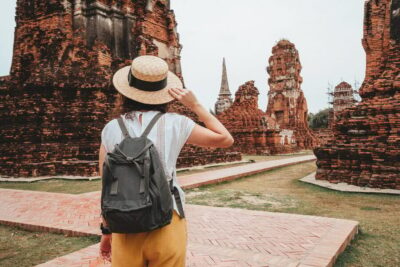
Ayutthaya & Ayothaya Floating Market Day Trip
Read our review →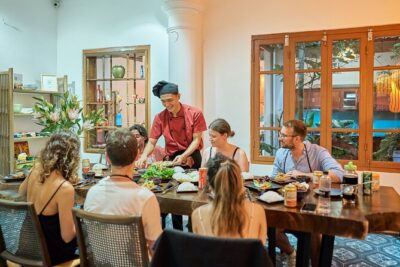
Hanoi Cooking Class: Culture, Local Market & Meaning CSR Impact
Read our review →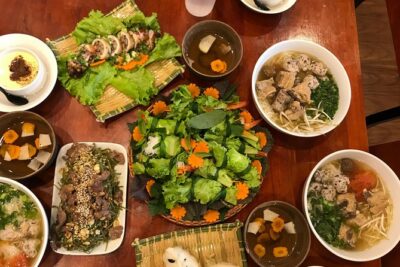
5 Traditional Dishes Hanoi Cooking Class with Market Trip
Read our review →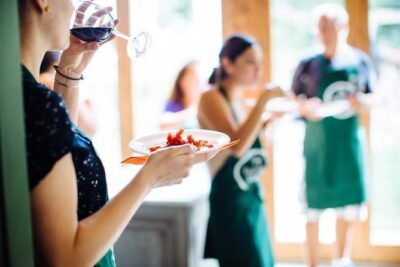
Cooking Class and Lunch at a Tuscan Farmhouse with Local Market Tour from Florence
Read our review →
Cooking Class, Market & Thai Herbs Garden Tour
Read our review →Browse the lists this tour appears in