
Review · VIETNAM
Dalat: Home Cooking Class with Central Market Tour
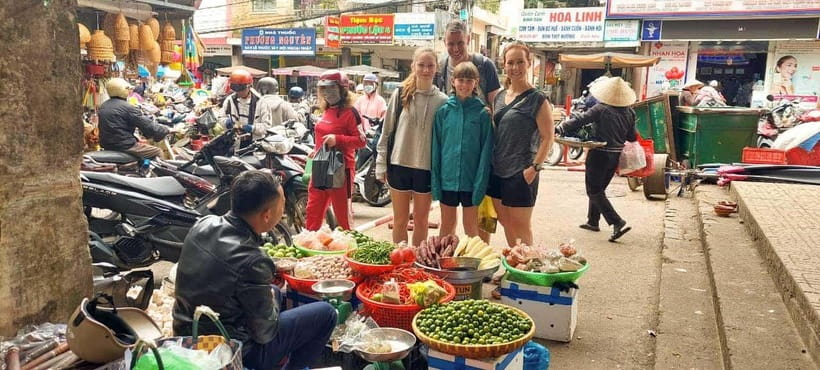
The best part of this Dalat experience starts before the stove is turned on. You walk through Central Market with Ms. Son, choosing ingredients while she explains local foods, market customs, and daily life. I like that the class connects the meal to the place where its ingredients are bought, and I like that you cook and eat in a local home rather than in a polished restaurant kitchen.
The main consideration is the five-hour length. That gives you time for a proper market visit, cooking, and a relaxed meal, but it takes a solid half-day from your Dalat schedule. You also need to meet at Stop and Go Boutique Coffee, since hotel pickup and drop-off are not included.
Key points to know
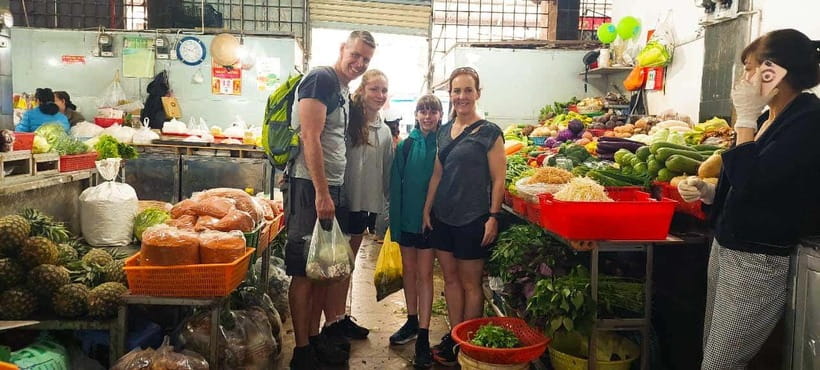
- Central Market comes first: Shop for fresh ingredients with Ms. Son and learn how the market works.
- You choose the menu: Pick one starter and two main dishes from a long list of meat, seafood, noodle, tofu, and vegetarian options.
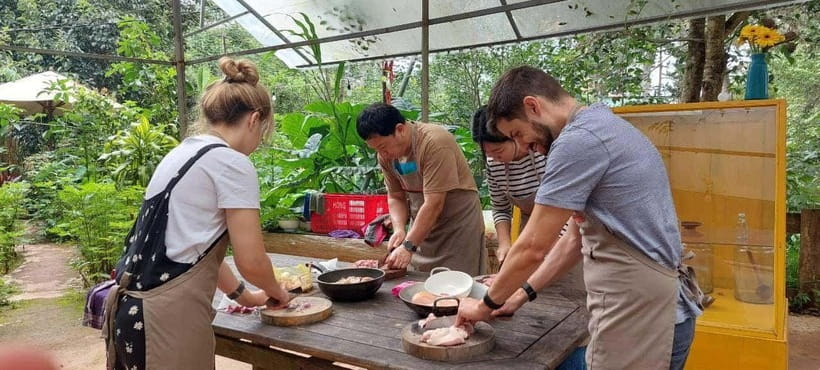
- The cooking happens at a local home: The garden kitchen gives the class a personal setting for cooking and conversation.
- Ms. Son is a major part of the experience: Her warm, funny teaching style helps turn the class into a cultural visit, not just a recipe lesson.
- The class lasts five hours: Choose a morning or afternoon departure when checking availability.
- The price is $50 per person: That covers the market visit, instruction, and the meal you prepare.
Starting at Stop and Go Boutique Coffee
Your meeting point is Stop and Go Boutique Coffee, which is also identified as the Dalat Cooking Class location. The activity begins and ends there, so plan your route before setting out. Since transportation is not included, you will need to reach the meeting point on your own and arrange your own way back afterward.
The class is offered in the morning or afternoon, depending on availability. I would choose the time that fits your sightseeing plans best rather than assuming one session is better. A morning class leaves the rest of the day open, while an afternoon class can work well after a morning walk around Dalat.
The five-hour schedule matters. This is not a quick demonstration where you watch someone chop vegetables and then receive a plate. You spend time shopping, preparing food, cooking several dishes, and sitting down to eat. If you prefer a fast activity, this may feel long. If you enjoy a slower meal with room for questions and conversation, the pace is part of the value.
More Market Cooking Classes in Vietnam
- Hanoi Cooking Class: Culture, Local Market & Meaning CSR Impact
★ 5.0 · 5,147 reviews - 5 Traditional Dishes Hanoi Cooking Class with Market Trip
★ 5.0 · 4,890 reviews - Cooking Class Hoi An:Local Market, Basket Boat, Fishing & Cooking
★ 5.0 · 3,660 reviews
Reading Dalat through Central Market
The market visit gives the class its local footing. Instead of receiving a preselected basket of ingredients, you search for what you need in Central Market. That changes the experience from a standard cooking lesson into a look at how food moves from market stall to home kitchen.
Expect the market to engage all your senses. You will see produce and other cooking ingredients, hear vendors and shoppers, and compare the foods used in everyday Vietnamese cooking. Ms. Son explains what the ingredients are and discusses customs as she speaks with vendors. That is useful if you are not familiar with Vietnamese produce, herbs, mushrooms, seafood, or the many ingredients that appear in noodle soups and stir-fries.
I especially like this part because it gives you context for the dishes you later prepare. A cooking class can teach a recipe, but a market tour helps explain why the recipe looks and tastes the way it does. You get a better sense of how Vietnamese food depends on fresh ingredients, careful seasoning, and a balance of textures.
The market is also a good place to ask questions. Ms. Son has been described as warm, funny, and open in conversation, with a talent for explaining both food and local customs. Her interaction with vendors adds a human touch that you would miss by simply following a printed recipe.
Do keep your expectations practical. The experience includes a market visit to buy ingredients, not a dedicated shopping tour with time set aside for souvenirs. The focus stays on the cooking class and the meal.
Choosing your starter and two main dishes
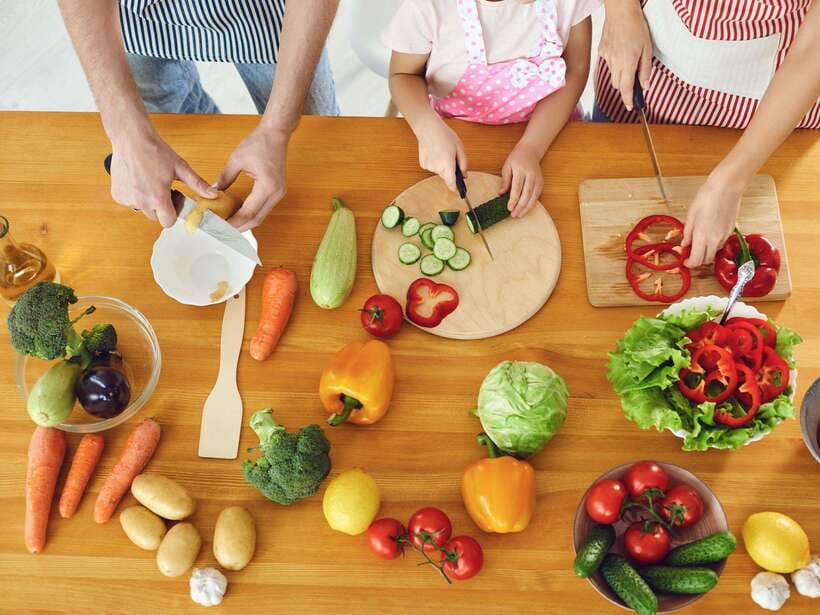
The menu gives you more control than many fixed cooking classes. You choose one starter and two main dishes. If you have a favorite Vietnamese dish in mind, you can write it on the booking page, and vegetarian options are available.
Your starter choices include:
- Fresh or fried spring rolls
- Stuffed shiitake mushrooms
- Vietnamese pumpkin soup
- Banana salad with chicken or pork ear
- Vegetable and crab soup
- Stuffed cabbage soup
- Khoai Mỡ, a traditional purple yam soup
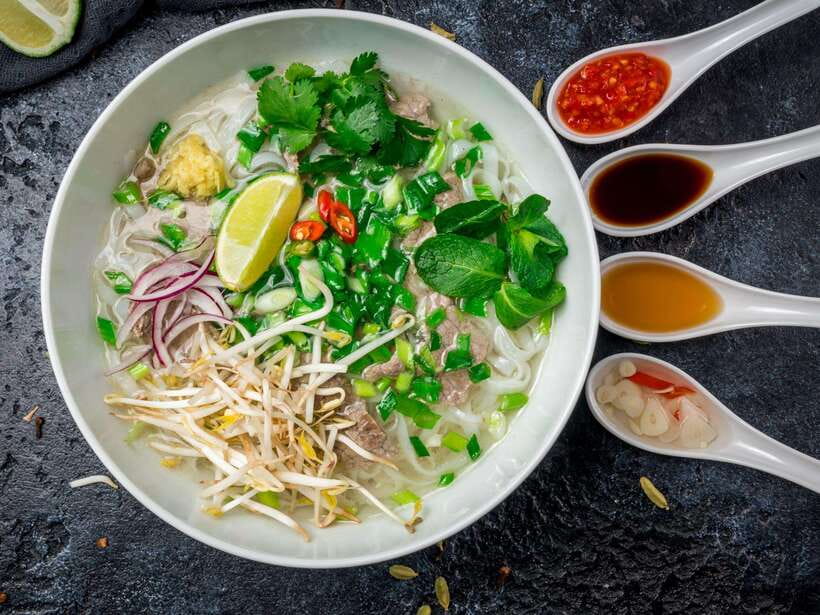
For the two main dishes, you can choose from noodles, stir-fries, stuffed vegetables, curries, tofu dishes, fish, beef, chicken, and shrimp. Phở choices include beef, chicken, or fish noodle soup. Other noodle options include crab noodle soup, grilled pork with noodles, and a vegetarian version.
If you prefer wok cooking, choices include chicken, beef, or abalone mushroom stir-fried with lemongrass and chili. Beef wrapped in guise leaves, stuffed tomatoes, stuffed bell peppers, and steamed fish with coconut sauce offer a different style of preparation.
The vegetarian list is strong. You can choose vegetarian crab-style noodle soup, tofu wrapped in guise leaves, mushrooms in soy sauce, stuffed tofu with tomato sauce, fried tofu with tomato sauce, tofu with lemongrass and chili, vegetarian curry, or caramelized tofu and mushroom. This is more useful than a single token vegetarian dish, especially if two people in the same group want different meals.
Because the menu is large, I recommend deciding on a few likely choices before the class. You do not need to know every dish, but it helps to consider whether you want soup, noodles, curry, tofu, seafood, or stir-fried food. If you have allergies or strict dietary needs, write them on the booking page and clarify them before cooking.
Cooking with Ms. Son at the garden kitchen
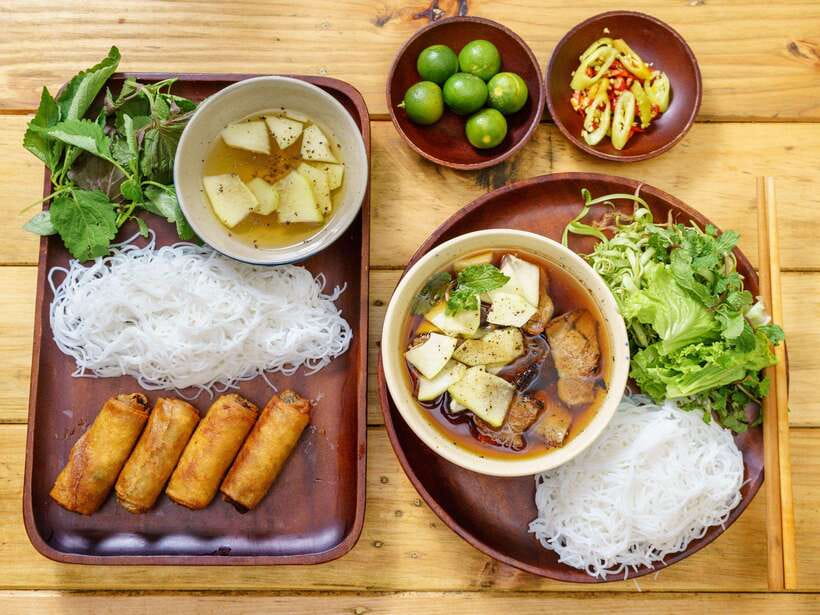
After the market, you head to the local home and garden kitchen for the hands-on part of the class. The setting is more personal than a commercial culinary school. You prepare the ingredients, follow Ms. Son’s instructions, and cook the dishes you selected.
The teaching style appears to be one of the strongest reasons to book. Ms. Son guides you through preparation and cooking while keeping the mood light. She explains what you are doing, makes room for questions, and joins the conversation rather than treating the class like a rigid demonstration.
That approach suits beginners. You do not need advanced kitchen skills to take part, and the menu lets you work with familiar formats such as spring rolls, soup, noodles, stir-fries, curry, and tofu. You also get to see how several dishes fit together as a Vietnamese meal.
The class is not only about copying instructions. Ms. Son discusses Vietnamese culture while you work, so the food has a social setting. You learn through the ingredients, the cooking methods, and the conversation around the table. That is a better fit for someone who wants a personal introduction to Vietnam than for someone seeking a formal professional cooking certificate.
The garden setting adds to the meal afterward. You are not rushed from the final cooking step to the next activity. You can sit down, talk, and enjoy what you made in a relaxed outdoor setting. The garden is scenic, but the exact layout and facilities are not specified, so I would treat it as a pleasant setting rather than expect a large restaurant-style venue.
More market tours with home cooking in Vietnam:
- Home Cooking Class: Market, Garden and cooking 4 dishes
★ 5.0 · 61 reviews - 2 Day Sapa-Bac Ha Market: Night Train& Homestay-Bus Ha Giang
★ 5.0 · 2 reviews - Krakow Pierogi Cooking Class with Market Visit & Home-Cooked Meal
★ 5.0 · 212 reviews - Fez: Souk Tour and Traditional Home Cooking Class
★ 4.9 · 186 reviews
Eating what you prepared
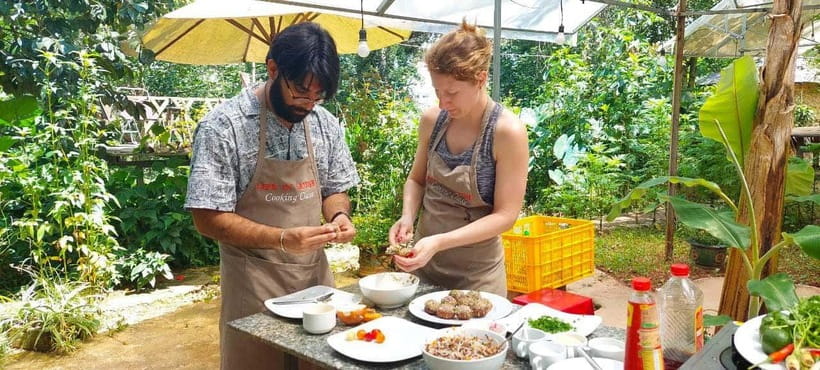
The meal is included in the $50 price, and you eat the food prepared during the class. That is important when judging the cost. You are paying for more than a plate of food: the price also covers the Central Market visit, ingredient selection, cooking instruction, cultural discussion, and a five-hour hosted activity.
I find the shared meal especially valuable because it completes the lesson. You can taste how the ingredients came together and compare the dishes you chose. If you made phở, curry, spring rolls, tofu, or a stir-fry, the meal gives you a chance to notice the balance of herbs, seasoning, texture, and heat.
It also gives the class a natural finish. The strongest moments are not always the chopping or frying. Often, the useful part is sitting with the person who taught you, asking final questions, and talking about the food after you have tasted it. The garden meal creates that space.
The value depends on how much you enjoy participation. If you simply want to eat Vietnamese food, $50 may seem high compared with a local restaurant meal. If you want market access, instruction, several dishes, and a personal cultural exchange in one half-day, the price is easier to justify.
What the menu tells you about Vietnamese food
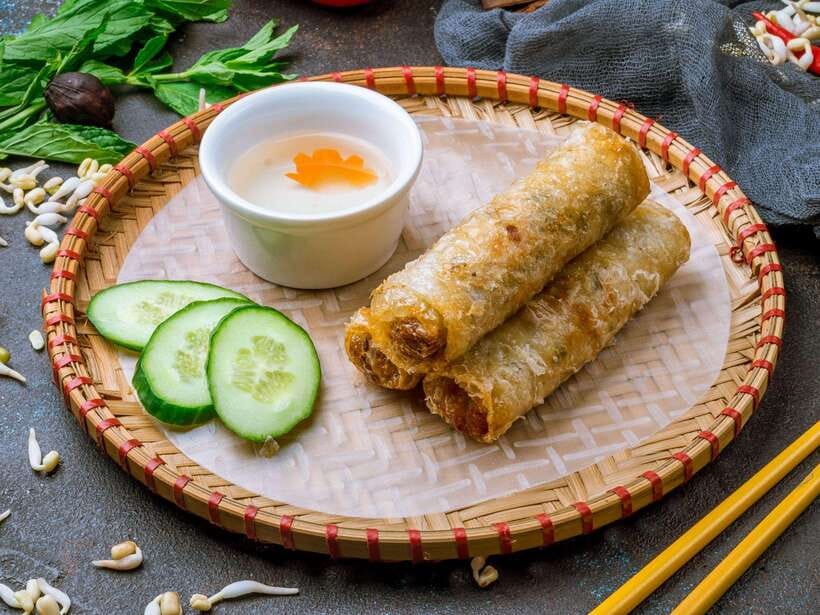
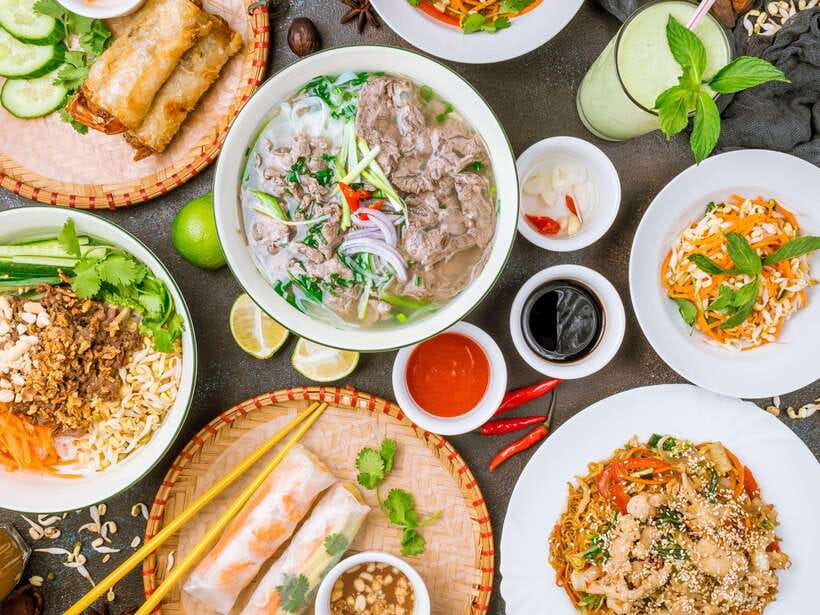
The menu is broad enough to show several sides of Vietnamese home cooking. Phở and other noodle soups highlight broth, noodles, and toppings. Spring rolls and banana salad bring fresh texture. Curries and lemongrass dishes show the use of aromatics and spice, while stuffed vegetables and tofu dishes show how a home meal can be built around simple ingredients.
The choices also reflect the importance of balance. You can pair a soup or salad starter with two main dishes, rather than cooking only one heavy item. A vegetarian diner can build a full meal without relying on meat substitutes.
Some options may be less familiar. Banana salad with pork ear, crab noodle soup, and guise-leaf-wrapped dishes offer a chance to try foods you may not find on a short restaurant menu. You can choose familiar dishes if you prefer, but the less familiar choices are where the class may give you a better sense of local cooking.
Do not expect every listed dish to be prepared by every group. You select one starter and two mains, so the final menu depends on your choices and the availability of seasonal ingredients. That seasonal element is useful: you are cooking with what can be found fresh at the market rather than following a menu detached from local supply.
Who will enjoy this five-hour class
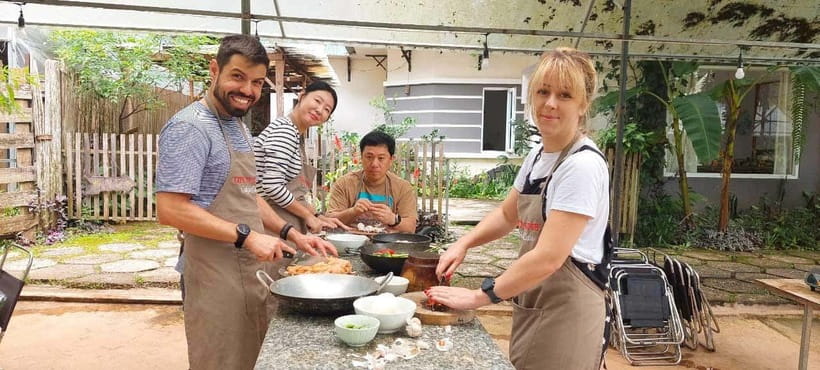
I would recommend this experience to you if you enjoy food as a way to understand a place. It works particularly well for first-time visitors to Vietnam who want an introduction to market customs, home cooking, and everyday culture in one activity.
It also suits couples, families, and small groups who like to make decisions together. Choosing the dishes gives the experience a personal angle, and the long meal leaves room for conversation. Vegetarian diners have enough menu choices to take part fully.
You should be comfortable with a full half-day commitment and meeting at the designated coffee shop. The activity is conducted in English, and the listed instructor language is English. If you need a hotel transfer, this is not the right choice because pickup and drop-off are not included.
I would be more cautious if you dislike markets, cooking, or group conversation. The class is built around all three. It is also not ideal if you want a short, tightly timed attraction between other bookings.
The experience has a rating of 4.7 from 21 reviews, and the strongest praise focuses on Ms. Son’s warmth, humor, market explanations, and personal attention during cooking. Those details matter more here than a long list of recipes. A cooking class can be technically sound and still feel cold; this one is designed around human connection.
Practical details before you book
The price is $50 per person. Included are the local market visit, fresh ingredients, the traditional Vietnamese cooking class, and the meal. Hotel transportation is not included.
You can cancel up to 24 hours before the activity for a full refund. A reserve-now, pay-later option is available, which can help if your Dalat plans are still shifting. Check the available start times because morning and afternoon sessions may vary.
The activity starts and ends at Stop and Go Boutique Coffee. Make sure you allow enough time to reach the meeting point, since there is no included transfer to collect you from your hotel.
If you have a favorite dish, note it when booking. Vegetarian cooking is available, and the menu includes several vegetarian soups, tofu dishes, mushrooms, and curry. For food allergies or strict restrictions, use the booking notes and discuss them with the provider before the class.
Should you book the Dalat cooking class?
Book it if you want a personal, food-centered look at Dalat and enjoy taking part rather than watching from the side. The market visit, Ms. Son’s friendly instruction, the wide menu, and the garden meal make this more than a standard recipe class.
Skip it if your schedule is tight, you need hotel transportation, or you would rather spend $50 on several restaurant meals. For everyone else, this is a solid half-day choice, especially if you value local conversation and want to leave Dalat with a better understanding of how Vietnamese food reaches the table.
FAQ
How long does the Dalat cooking class last?
The experience lasts five hours, including the Central Market visit, cooking lesson, meal, and time in the garden.
Where does the activity start and end?
It starts and ends at Stop and Go Boutique Coffee, which is also identified as the Dalat Cooking Class location.
Is hotel pickup and drop-off included?
No. Hotel pickup and drop-off are not included, so you must make your own way to and from the meeting point.
Is the class offered in the morning or afternoon?
Yes. Morning and afternoon experiences are available, depending on the starting times shown when you check availability.
What language is the class conducted in?
The instructor language is English.
Can I choose the dishes I cook?
Yes. You choose one starter and two main dishes from the provided menu. You can also write down a favorite dish on the booking page.
Are vegetarian dishes available?
Yes. Vegetarian choices include noodle soup, tofu, mushrooms, curry, and several stir-fried or stuffed dishes.
More Markets in Vietnam
- Can Tho: Floating Market & Mekong’s Legacy( About 6 Pax)
★ 5.0 · 1,438 reviews - From HCM: Mekong Delta & Cai Rang Floating Market 2-Day Tour
★ 4.5 · 1,183 reviews - Cai Rang Floating Market & Mekong Delta 2-Day Tour from HCM City
★ 5.0 · 942 reviews - Mekong Delta & Cai Rang Floating Market 2-Day Tour from HCMC
★ 5.0 · 813 reviews
More Cooking Classes in Vietnam
- Hoi An Cooking Class(Market,BasketBoat Crabfishing&Cooking Class)
★ 5.0 · 3,386 reviews - From Hoi An: Market Tour, Basket Boat Ride and Cooking Class
★ 4.8 · 2,208 reviews - Hoi An Cooking Class(Local market,Basket Boat,Fishing & Cooking)
★ 5.0 · 1,323 reviews - Hoi An: Market Experience with Optional Fishing and Cooking
★ 4.7 · 928 reviews
Just added around Vietnam
- Tra Su Cajuput Forest An Cairang Floating Market★ 5.0 · 4 reviews
- Private ecotour in Can Tho: floating market-nature reserved★ 5.0 · 23 reviews
- Cai Rang Floating Market Tour -Amazing Can Tho★ 5.0 · 106 reviews
- Floating Market & Hidden Canals – Small Group Morning Boat Tour★ 5.0 · 34 reviews
- Explore Floating Market with Local People★ 5.0 · 7 reviews
- Can Tho Floating Market and Fruit Garden Tour★ 5.0 · 40 reviews
- Hau River Floating Market and Con Son Islet Adventure★ 5.0 · 3 reviews
- Cai Rang Floating Market Tour & Rural Cycling★ 5.0 · 10 reviews
Market Cooking Classes, compared.
Hanoi Cooking Class: Culture, Local Market & Meaning CSR Impact
Read our review →
5 Traditional Dishes Hanoi Cooking Class with Market Trip
Read our review →
Cooking Class and Lunch at a Tuscan Farmhouse with Local Market Tour from Florence
Read our review →
Cooking Class, Market & Thai Herbs Garden Tour
Read our review →
Authentic Cooking Class with Market & Farm Visit
Read our review →
Paella Cooking Experience & Boqueria Market Tour
Read our review →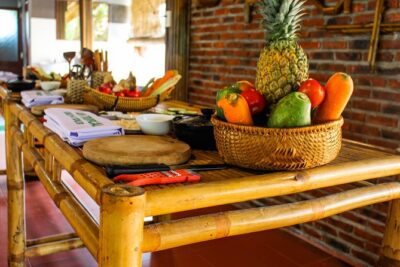
Cooking Class Hoi An:Local Market, Basket Boat, Fishing & Cooking
Read our review →Browse the lists this tour appears in