
Review · HANOI
2 Day Sapa-Bac Ha Market: Night Train& Homestay-Bus Ha Giang
Sapa’s best moments happen on foot, not from a hotel balcony. This trip takes you from Cat Cat through Lao Chai and Ta Van, where rice terraces, mountain paths, cooking smoke, and village homes replace the usual town sightseeing. You can also ride the old-style overnight train from Hanoi and sleep in a Ta Van homestay.
I like the long village trek because it connects several communities instead of stopping at one photo point. I also like the chance to meet guides such as Tung or Soa, who can explain local life and culture in a personal way. The main drawback is the pace: the night train, early arrival, and lengthy walking make this a full-on trip, not a soft introduction to Sapa.
Key points to know before booking
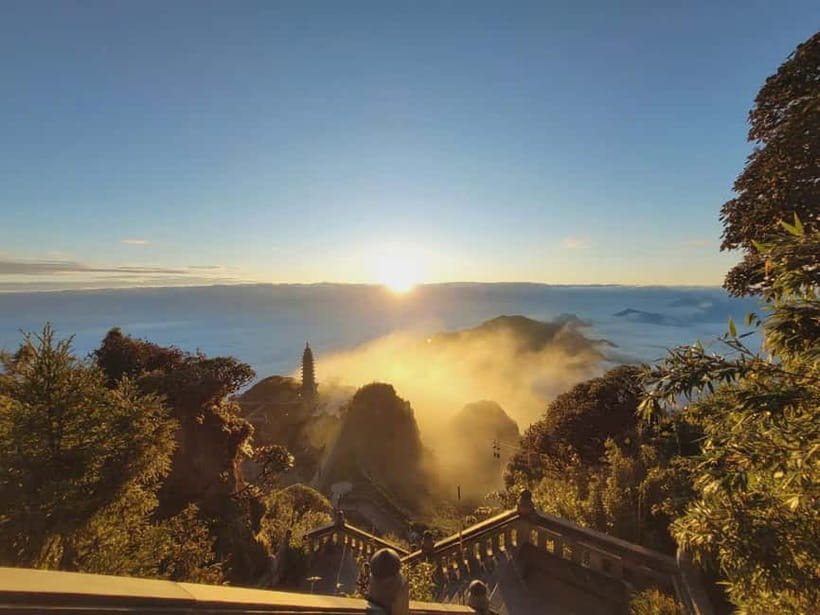
- Cat Cat to Ta Van on foot: Walk through Black Hmong villages, waterfalls, streamside paths, and rice terraces below Fansipan.
- A real homestay night: Sleep in Ta Van with simple shared facilities, a public bathroom, fresh food, and a home-style dinner.
- Three ethnic communities in one trek: Giay, Red Dao, and Black Hmong villages appear along the route.
- Flexible onward travel: Continue from Sapa to Ha Giang by paid bus, return to Hanoi, or add the Sunday Bac Ha option.
- Small-group format: The group is limited to 15, with an English-speaking local guide.
- Good value at $56: Transport, meals, entrance fees, the homestay, and the guide are included, though several extras remain outside the price.
Why this Sapa trip works best on foot
Sapa town is easy to reach, but the town itself is only the doorway. The more memorable part begins when you leave the streets and follow paths into the Muong Hoa valley. You walk past homes, terraces, mountain views, and village life that is easy to miss from a vehicle.
The route brings you through communities associated with Black Hmong, Giay, and Red Dao people. That matters because the villages do not all feel identical. Your guide can help explain local customs, farming, clothing, homes, and daily routines instead of leaving you to guess what you are seeing.
I especially like the way the itinerary splits the walking over two days. The first day is the longer outing from Cat Cat to Lao Chai and Ta Van. The second is a shorter trek from Ta Van to Giang Ta Chai before a vehicle returns you to Sapa. You get a substantial walk without spending every hour on a mountain path.
Still, this is not a casual stroll. You should bring proper trekking shoes, sunscreen, insect repellent, sunglasses, and a small bag. The tour is not suitable for pregnant women, children under six, or people with mobility concerns.
More market tours with home cooking in Hanoi:
- Krakow Pierogi Cooking Class with Market Visit & Home-Cooked Meal
★ 5.0 · 212 reviews - Fez: Souk Tour and Traditional Home Cooking Class
★ 4.9 · 186 reviews - Jaipur Market Tour & Vegetarian Rajasthani Home Cooking Class
★ 5.0 · 113 reviews
The overnight train from Hanoi to Lao Cai
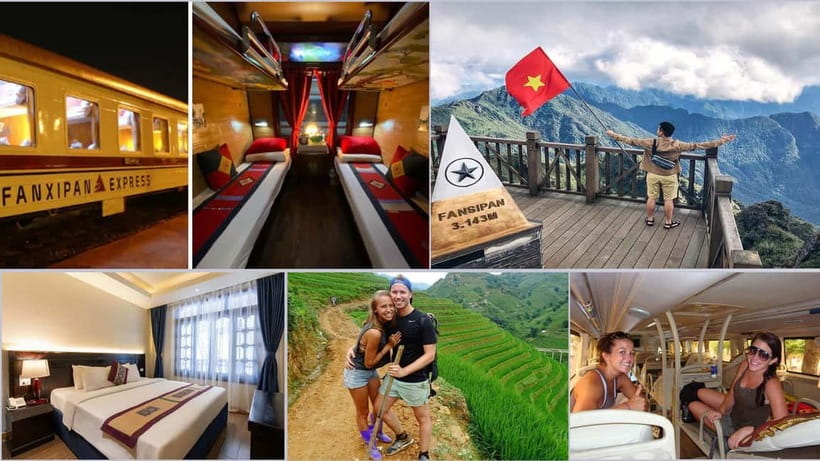
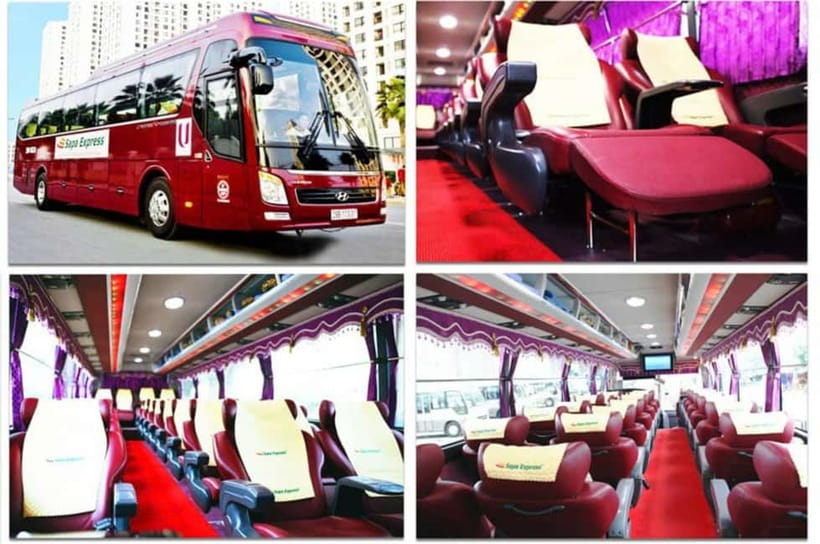
The standard rail option begins at Hanoi Train Station, with departure around 9:30 pm on trains listed as SP1, SP2, or SP3. The train reaches Lao Cai at about 5:00 am. From there, a driver takes you roughly 40 kilometers to Sapa.
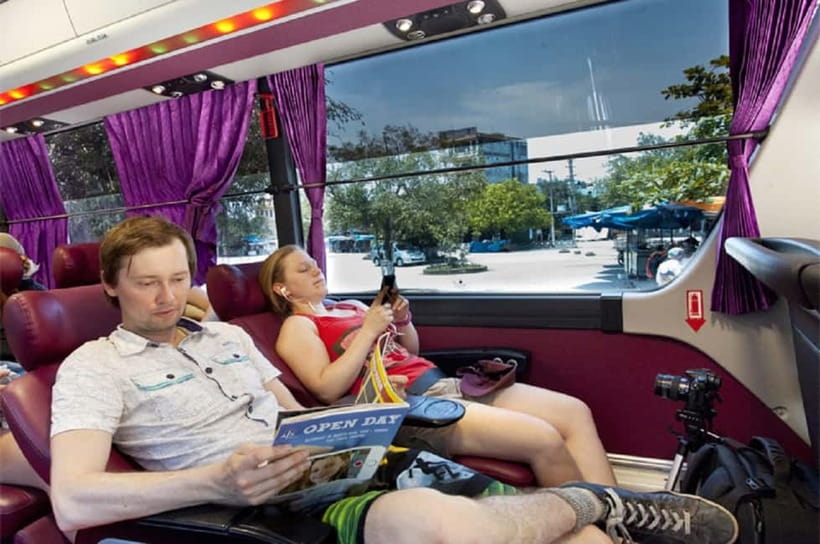
The night train saves a hotel night and puts you near the mountains by morning. It also gives the trip an old-fashioned travel feel, particularly if you enjoy sleeper trains and do not mind basic conditions. The supplied description also refers to a sleeper bus option, so check the exact transport choice before paying.
You arrive in Sapa early, refresh at a hotel, and eat breakfast before trekking. That short reset is important. Without it, the first walking section would begin after a night of broken sleep and a vehicle transfer.
Bring only what you need for the trek and homestay. Your larger luggage arrangements should be confirmed with the local supplier, since the written details do not explain a full luggage service. Keep your phone number available through WhatsApp, Line, Viber, or KakaoTalk so the local team can confirm meeting details.
Cat Cat village and the first walk
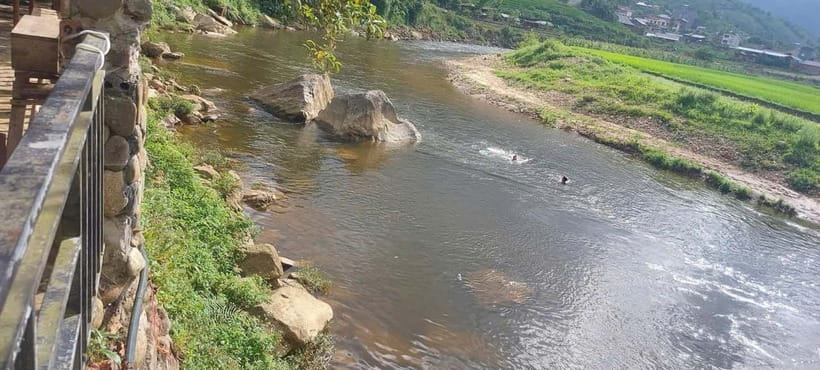
After breakfast, you meet a local Hmong guide and begin the walk toward Cat Cat village. The village is home to Black Hmong people and is known for a waterfall, the Muong Hoa stream, terrace fields, and an old hydroelectric plant built during the French period.
This section gives you a quick introduction to Sapa’s mix of natural scenery and local infrastructure. You may also see schools for local children. The route is valuable because it offers more than a mountain view. It gives you a look at the places where people live, work, and raise families.
A car then returns you to Sapa for lunch. That vehicle break is useful, since the day is not over. After eating, you set out again toward Lao Chai and Ta Van.
Lao Chai and the Muong Hoa valley
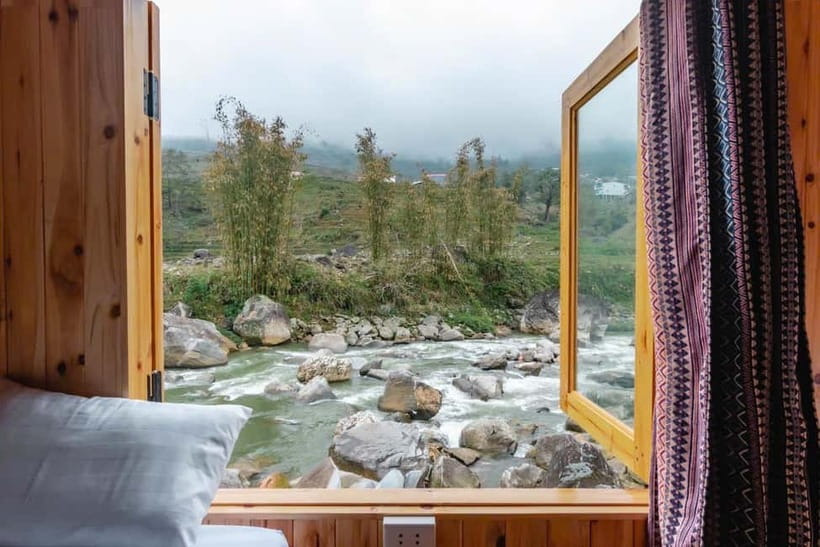
The afternoon walk is described as the most scenic part of the Sapa route. You pass through Lao Chai, a Black Hmong village beside the Muong Hoa valley and stream, with Fansipan mountain rising nearby.
Expect terrace fields, mountain views, homes, and the smell of food being cooked. These small details are what make the walk feel connected to daily life. I would take time to ask your guide about the crops, homes, and village customs instead of rushing from one viewpoint to the next.
The exact walking time and distance are not provided, so ask the guide at the start about the day’s conditions. Paths can feel very different depending on weather, and the tour notes make clear that you need real trekking shoes. Comfortable city shoes are not enough for a route described as a long trek.
In the afternoon, you reach Ta Van, a village associated with Giay people. This is where you spend the night.
A few more market tours around Hanoi worth a look
- Hanoi Cooking Class: Culture, Local Market & Meaning CSR Impact
★ 5.0 · 5,147 reviews - 5 Traditional Dishes Hanoi Cooking Class with Market Trip
★ 5.0 · 4,890 reviews - Vietnamese Food Cooking Class in Hanoi with Market Experience
★ 5.0 · 778 reviews - Hanoi: 5 Local Dishes Cooking Class with Meal & Market Visit
★ 5.0 · 420 reviews
Ta Van homestay: simple, social, and practical
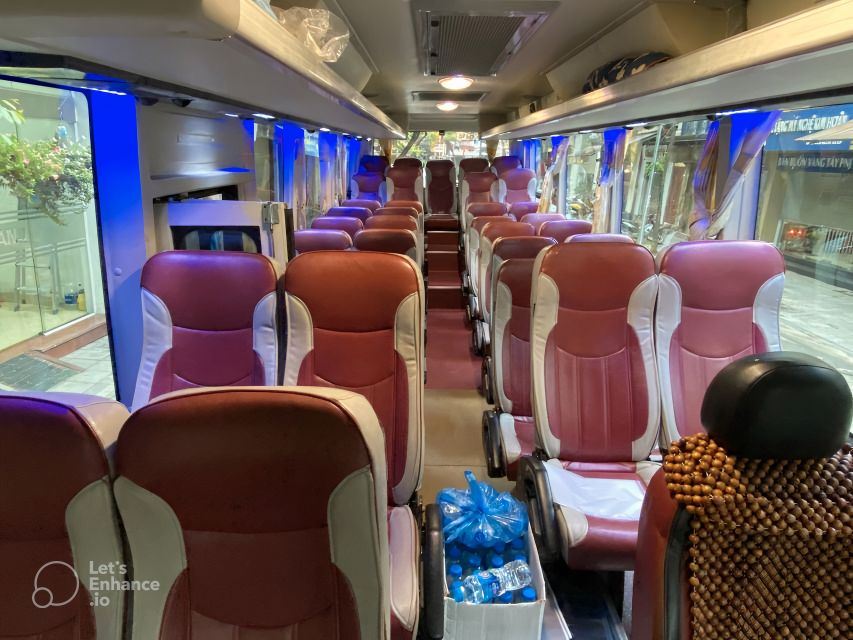
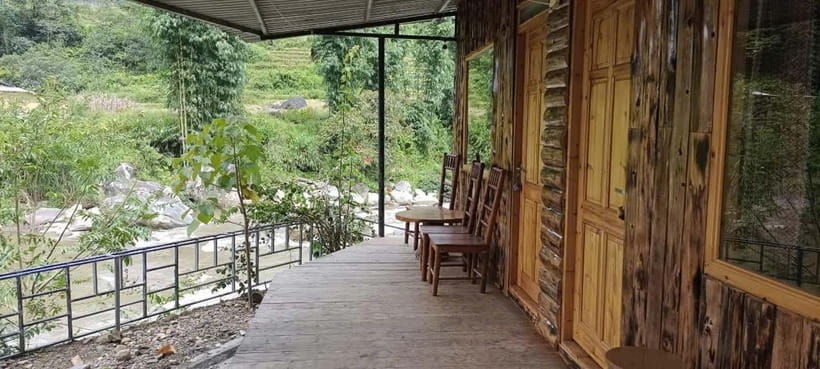
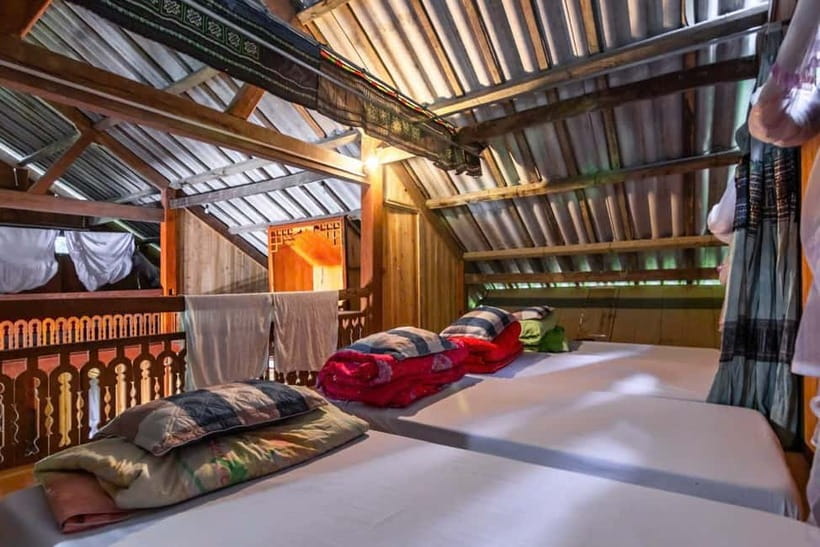
The homestay is one of the strongest parts of the trip, but you need to set your expectations correctly. It is basic, with a shared room or single mattress and a public bathroom. Clean water and fresh food are provided, but this is not a private hotel stay.
The evening meal is included, and the homestay gives you more contact with local life than a standard room in Sapa town. The practical value is clear: you sleep in the village you have just walked into, rather than returning to town after sunset.
Guides Tung and Soa receive special praise in the supplied feedback. Tung is described as funny and good at telling stories about village life and culture. Soa is noted for sharing her own culture openly while taking careful care of the people in her group. Guide quality can vary because guides may change with the route, but those names are worth requesting if they are available.
The shared setup will not suit everyone. If you want privacy, ask about the single supplement and private room option. Those cost extra. If you are comfortable with simple facilities, the homestay is a more meaningful part of the trip than another night in a Sapa hotel.
Giang Ta Chai and the second morning trek
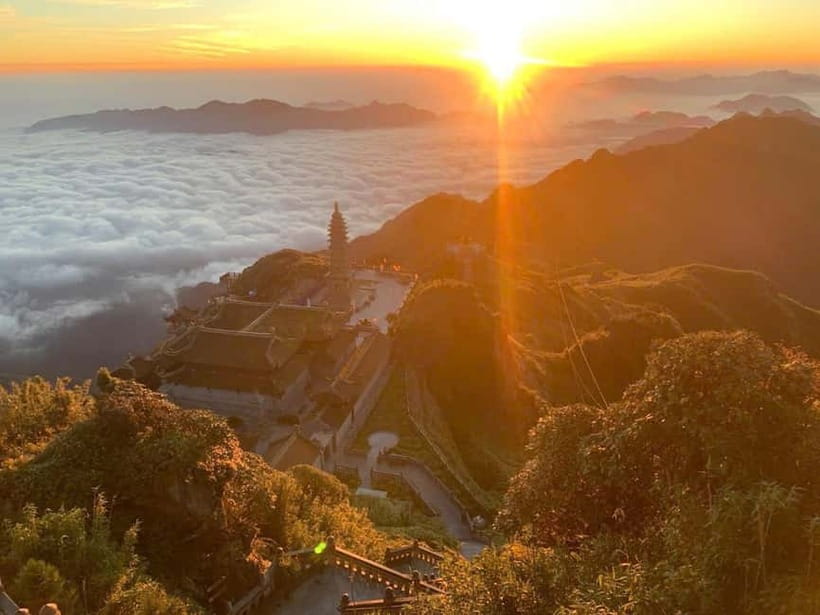
After breakfast, the route continues from Ta Van to Giang Ta Chai. This is a medium trek through an area linked with Red Dao, Giay, and Black Hmong communities.
The scenery includes bamboo forest and views over the Muong Hoa valley. The second morning is shorter than the previous day, but it still requires sturdy shoes and enough energy for uneven paths. I like this arrangement because you get one final walk before returning to Sapa for lunch.
A car picks you up after the trek. You then eat lunch in Sapa and choose your next step. The main two-day version sends you toward Hanoi by bus. The listed end point is at 160 Tran Quang Khai Street, and you make your own way back to your hotel.
The important choice: Hanoi, Ha Giang, or Bac Ha
The title describes a two-day Sapa trip, but the transport options create different versions. Read the final route carefully before booking.
If you return to Hanoi, you prepare your luggage around 1:30 to 2:00 pm and board the bus. The ride includes two or three breaks and ends at 160 Tran Quang Khai Street. The trip information does not state an exact arrival time, so do not schedule a tight evening connection.
If you continue to Ha Giang, two bus choices are listed from Sapa. The 2:30 pm limousine bus has 18 seats and picks up at May Hotel. The 7:30 pm sleeper bus has 40 seats and leaves from its own meeting point. Both take about six hours, and both require an additional payment of 300,000 Vietnamese dong per person.
This Ha Giang option is useful if you are building a northern Vietnam route, but it also makes the second day longer. You finish the trek, eat lunch, transfer to the bus, and then face six hours on the road. I would choose it only if Ha Giang is already central to your plans.
The Bac Ha option adds another night and is available only when the Sunday market fits your dates. After lunch in Sapa, a guide and private car take you about two hours to Bac Ha. You check into a hotel and have dinner there.
Sunday at Bac Ha Market
Bac Ha Market is the most unusual add-on because it focuses on exchange and local commerce rather than scenery. On Sunday morning, you can see Red Hmong, Giay, Red Dao, and Tay people meeting to buy and trade goods.
The market includes animals and everyday products, with pigs, hens, souvenirs, and other items changing hands. It is a strong choice if you want to see how a mountain market functions rather than visit another viewpoint.
The Bac Ha day also includes Hoang A Tuong’s castle. The building was once the home of a Hmong ruler and his family and is described as the area’s most luxurious residence from that period. You also visit Pho village, reached by a walk along a peaceful road where you can see ordinary village life.
After lunch, a car takes you to Lao Cai to catch the bus to Hanoi. As with the Sapa return, there are two or three breaks, and the bus stops at 160 Tran Quang Khai Street. The Bac Ha extension gives you more variety, but it is no longer a two-day trip.
What the $56 price really covers
At $56 per person, the base price offers solid value for a short northern Vietnam trip. It includes Hanoi to Sapa and Sapa to Hanoi transport according to the selected option, an English-speaking local guide, meals listed in the schedule, the Ta Van homestay, and entrance fees.
The price also covers a private car and guide for Bac Ha if you select that option, along with a Bac Ha hotel on a twin-sharing basis. Check the exact booking variation because the transport arrangement differs between the standard return and onward routes.
You still pay for drinks, insurance, VAT, personal spending, and anything not specifically listed. A private room at the homestay and a single supplement cost extra. The Ha Giang bus is also extra, listed at 300,000 dong per person.
Holiday dates bring a surcharge of 700,000 dong per person, paid directly to the guide. The listed dates include April 30, May 1, September 1 through 3, December 24 and 31, and January 1.
Bring Vietnamese dong. The local banking system in Sapa can be unreliable, and the information says US dollars, euros, and Australian dollars are accepted as well. I would still rely mainly on local currency for small purchases and drinks.
Group size, comfort, and who should book
The group limit is 15 people, which is small enough for a guide to help with the walking pace and questions. It is not a private tour, so you should expect to share the route and homestay setting with other participants.
I would book this if you want village walking, local guiding, a simple overnight stay, and a practical way to connect Sapa with Hanoi or Ha Giang. It suits active adults who can manage a long first trek and basic sleeping arrangements.
I would look elsewhere if you need a private bathroom, a polished hotel, a fixed arrival time, or a gentle sightseeing schedule. Families with children under six, pregnant women, and people with mobility limitations should not take part.
Free cancellation is available up to 24 hours before departure, and you can reserve now and pay later. The start point can change with the selected option, so confirm the meeting place before leaving for Hanoi Train Station.
Should you book this Sapa and Bac Ha trip?
Book it if your priority is walking through real villages rather than collecting quick Sapa photographs. The combination of Cat Cat, Lao Chai, Ta Van, and Giang Ta Chai gives you a fuller sense of the area, while the homestay keeps the trip connected to village life.
The strongest choice for many people is the standard Sapa route with the Ta Van night. Add Bac Ha if your schedule includes Sunday and you want markets, ethnic communities, and Hoang A Tuong’s castle. Choose Ha Giang only if you are ready for the extra six-hour bus ride and additional cost.
The tour asks you to accept early mornings, basic facilities, and changing transport details. In return, you get a well-priced route with substantial walking, included meals, local guides, and a night away from the main tourist center. That is a fair trade for the right kind of visitor.
FAQ
How long is the main Sapa tour?
The main activity is described as a two-day trip, with an overnight journey from Hanoi before the first Sapa trekking day. Check the selected option for exact starting times and transport details.
Does the trip include a night train?
A night train from Hanoi to Lao Cai is listed, with departure around 9:30 pm and arrival around 5:00 am. A sleeper bus option may also be available, depending on what you book.
Where do I sleep in Sapa?
You sleep at a homestay in Ta Van. The accommodation has a shared room or single mattress and a public bathroom. A private room and single supplement cost extra.
Are meals included?
The listed meals include lunch and dinner on the first Sapa day, followed by breakfast and lunch on the second day. Drinks are not included.
Can I go from Sapa to Ha Giang?
Yes. A limousine bus at about 2:30 pm and a sleeper bus at about 7:30 pm are listed. The journey takes around six hours and costs an additional 300,000 Vietnamese dong per person.
Is Bac Ha Market part of the two-day trip?
Bac Ha is an optional extension, not part of the standard two-day route. It requires an extra night and is available only when the Sunday market fits your schedule.
What should I bring?
Bring comfortable trekking shoes, sunglasses, sunscreen, insect repellent, a light bag, and cash in Vietnamese dong.
Is the tour suitable for young children or pregnant women?
Children under six and pregnant women should not take part. The trip is also unsuitable for people with mobility limitations, and the trekking requires suitable footwear and reasonable fitness.
More Train Experiences in Hanoi
- Bangkok: Damnoen Saduak Market and Maeklong Railway Market
★ 4.5 · 26,723 reviews - The Old Siam: Damnoen Saduak and Maeklong Railway Market
★ 4.5 · 10,992 reviews - Bangkok: Train Market & Floating Market with Boat Ride
★ 4.7 · 9,547 reviews - Bangkok: Floating Market and Train Market Experience
★ 4.8 · 3,998 reviews
More Shopping Tours in Hanoi
- Hanoi Cooking Class and Market Tour in Ancient House
★ 5.0 · 379 reviews - Rose Kitchen Hanoi: Market, Cooking & Culture Tour + Free PickUp
★ 5.0 · 342 reviews - Hanoi: Cooking Class in a Local Villa with Market Tour
★ 4.9 · 320 reviews - Hanoi Maya Kitchen: Traditional Cooking Class & Market Tour
★ 5.0 · 287 reviews
Just added around Hanoi
- Hanoi: Vietnamese Cooking Class- Market Tour with Local Chef★ 5.0 · 2 reviews
- Weekend Hanoi Night Market & Street Food Tour★ 4.5 · 47 reviews
- Hanoi Cooking Class: Market Tour, Free Recipe & Beverages★ 5.0 · 10 reviews
- Hanoi Food Adventure: Vietnamese Market Tour & Cooking Class★ 4.8 · 5 reviews
- Hanoi’s Culinary: Authentic Cooking Class and Local Market★ 4.8 · 5 reviews
- Mini Hanoi Coffee Workshop: Pick Any Signature Coffee You Like★ 5.0 · 160 reviews
- Hanoi: Old Quarter Market Tour and Cooking Class with Meal★ 4.8 · 192 reviews
- Hanoi: Maya Traditional Cooking Class & Market Tour★ 4.9 · 243 reviews
Market Tours with Home Cooking, compared.
Krakow Pierogi Cooking Class with Market Visit & Home-Cooked Meal
Read our review →
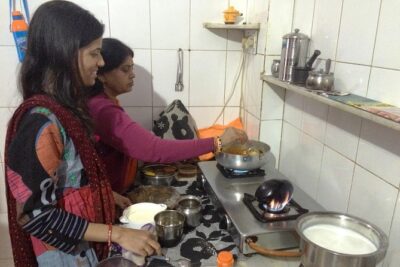
Jaipur Market Tour & Vegetarian Rajasthani Home Cooking Class
Read our review →
Home Cooking Class: Market, Garden and cooking 4 dishes
Read our review →
Budapest Market Tour & Home Cooking Class with local Chef & Guide
Read our review →
Dalat: Home Cooking Class with Central Market Tour
Read our review →
Cesarine: Market Tour & Cooking Class at Local’s Home in Bologna
Read our review →
Browse the lists this tour appears in