
Review · MOROCCO
Fes: Royal Palace, Madrasa, Tannery & Souks and Medina Tour
Fes is easiest to understand on foot, and this tour takes you from the golden gates of the Royal Palace into the tight lanes of the old Medina, where leather, copper, wood, ceramics, rugs, and food are made in plain sight. Guides such as Abdul, Abdoul, Khalid, Hassan, and Youssef have been especially praised for explaining local life and keeping the route easy to follow.
I like the mix of major sights and working craft shops. I also like the low $15 price, which buys four hours of direction in a city where finding the tannery or the right Medina alley can be hard. The main catch is that some stops lead into sales areas, and the leather shops can feel pushy if you do not plan to buy.
Key points at a glance
- Royal Palace gates: Admire the ornate exterior and take photos, but do not expect to enter the palace.
- Two historic madrasas: See Bou Inania and Al Attarine, with detailed Islamic decoration and a chance to ask questions.
- Chouara Tanneries: Watch traditional leather work from above and expect a strong smell, softened with fresh mint.
- Working artisan quarters: See woodworkers, metalworkers, potters, rug makers, fabric sellers, and leather craftsmen at work.
- Old Medina navigation: A local guide helps you handle the maze of lanes, busy crossings, shops, and dead ends.
- Flexible local character: The best guides adjust the pace, add a bakery or tea stop, and help with food, taxis, or directions after the formal tour.
Why this four-hour walk works in Fes
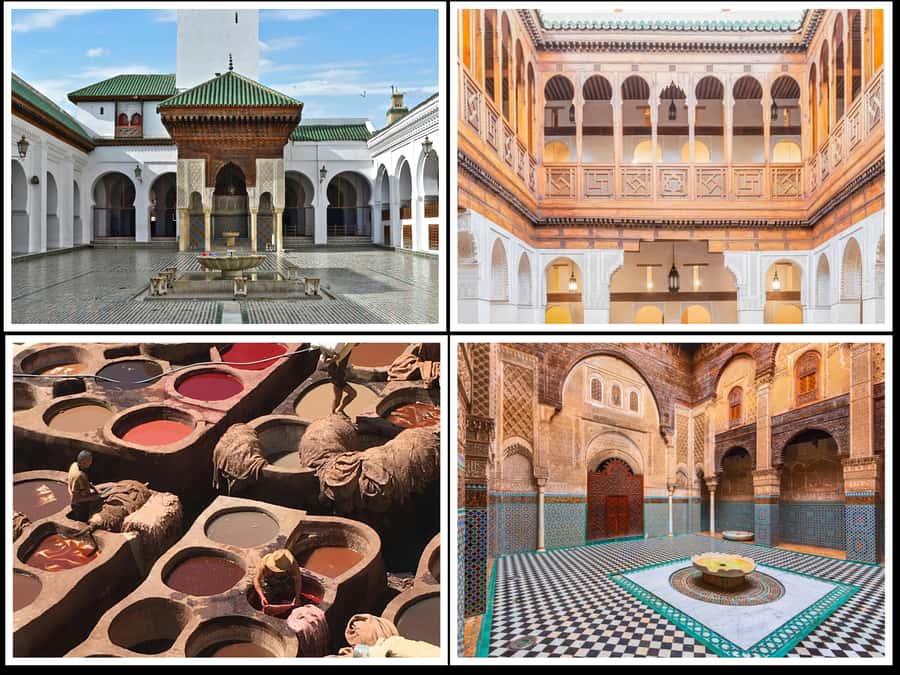
Fes is not a city that reveals itself from a sightseeing bus. The old Medina is a packed network of lanes, stairways, workshops, religious buildings, food stalls, and shops. Some passages are too narrow for cars, and several important places are easy to miss without someone who knows the turns.
This tour gives you a useful first look at the city in half a day. You begin at Palais de Fès Suites & Spa, then cover the Royal Palace area, the Mellah, historic schools, Karaouiyne, the tannery, the souks, and Bab Boujloud. That is a lot of ground for four hours, so expect a brisk walk rather than a slow museum visit.
The guides vary. The names that appear repeatedly in the tour feedback include Abdul, often called Abdul Cous Cous, Abdoul, Khalid, Hassan, Youssef, Mundir, and others. Your assigned guide is confirmed by WhatsApp the day before, along with the meeting details. The quality of the experience depends partly on the guide’s style, but the strongest pattern is clear: local guides are good at navigation, explanations, and adjusting the route to your interests.
A few more market tours around Morocco worth a look
- Marrakech: Bahia Palace, Saadian Tombs, Souk and Medina Tour
★ 4.7 · 4,974 reviews - Marrakech: Ben Youssef, Secret Garden, & Souks Walking Tour
★ 4.6 · 2,802 reviews - Marrakech: Colorful Medina Souks Guided Walking Tour
★ 4.7 · 2,470 reviews
The Royal Palace gates and the first photo stop
The Royal Palace is visited from the outside. You stop at the grand golden gates, admire the geometric decoration, and hear about the palace and its place in Fes. The gates are among the city’s easiest architectural highlights to photograph, with polished metalwork and strong Moorish design.
Keep your expectations clear: this is a photo stop, not a palace tour. You will not walk through the gates or see the royal interiors. The visit is short, listed at about 20 minutes, but it gives you an attractive opening before the tour moves into the city’s more lived-in quarters.
From here, the route continues toward the Mellah, the old Jewish Quarter. This change of setting matters. Fes is not only a story of dynasties and Islamic scholarship. The Mellah adds another part of the city’s past, and your guide can explain its cultural role and distinctive place within Fes.
The Mellah: a different side of old Fes
The Mellah stop is brief, around 10 minutes in the stated schedule, so think of it as an introduction rather than a full neighborhood walk. You will have time for photos, a short explanation, and a look at how this quarter fits into the wider old city.
I find this stop useful because it keeps the tour from becoming a simple parade of monuments. You are seeing how different communities shaped Fes and how the old city was organized. Ask questions here if you want more context, since the pace later becomes faster once you enter the Medina.
Bou Inania and Al Attarine, two schools of fine detail
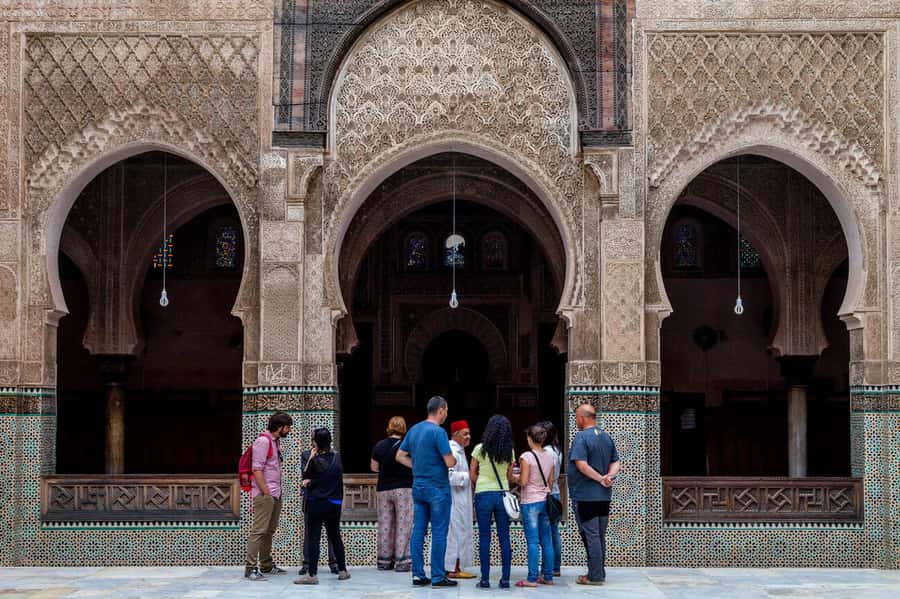
The madrasas are among the strongest architectural stops. Bou Inania Madrasa is presented as a major example of Islamic design, with carved plaster, tilework, wood, and carefully balanced decoration. Al Attarine Madrasa offers another chance to study the craftsmanship that made Fes famous.
The scheduled time at Bou Inania is about 15 minutes, while the wider itinerary allows time at Al Attarine without giving a fixed duration. In practice, your visit may feel short if you want to examine every surface. Look up, look down, and use your free moments for photographs, but listen to the explanation first. The patterns make more sense when you know how the building served students and religious life.
There is an important cost detail. Entry to Bou Inania is listed at 20 Moroccan dirhams for adults, and the general guidance says to carry monument fees in local currency. The tour includes skip-the-line access where applicable, but that does not mean every entrance is free. Bring cash and ask your guide which sites require payment on your date.
Same stalls, a different way to shop and eat:
- Marrakech: Traditional Moroccan Cooking Class & Market Visit
★ 4.8 · 1,861 reviews - Marrakech Monuments & Souks 3-Hour Tour
★ 3.8 · 1,540 reviews - Moroccan Cooking Class & Marrakech Market Visit with Chef Khmisa
★ 5.0 · 1,504 reviews - Marrakech: Saadian Tombs, Bahia Palace, Medina and Souk Tour
★ 4.7 · 673 reviews
Karaouiyne and the old center of learning
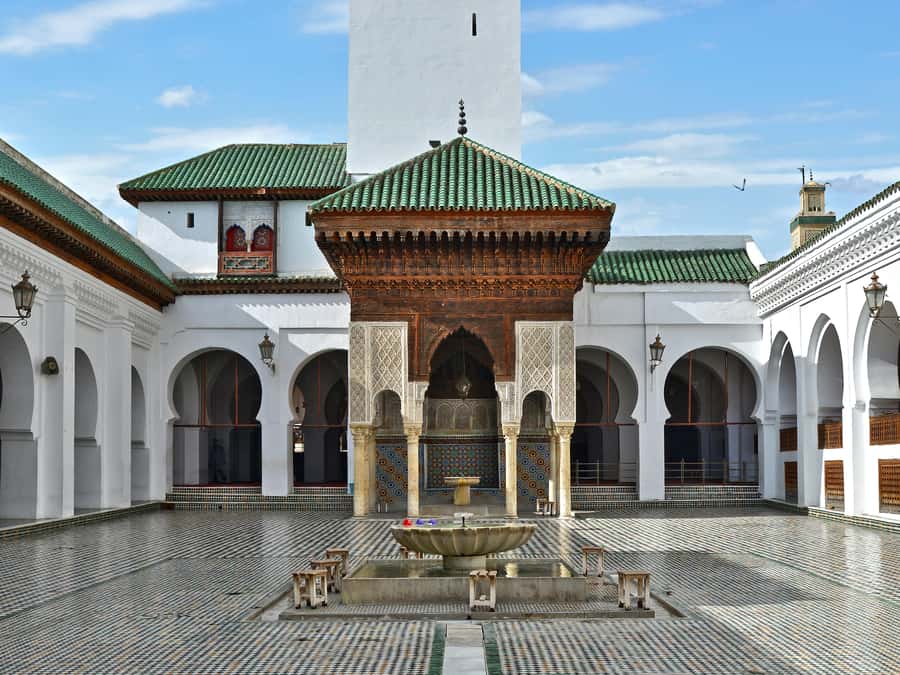
The stop at the Mosque and University of Karaouiyne is external only. You can see the site and hear about its importance, but you should not expect to enter the mosque or university interiors as part of this tour. The Al-Qarawiyyin Library is also listed as an exterior visit.
The scheduled stop takes about 20 minutes. That is enough for an explanation and photographs, but not a long architectural inspection. This is a place where a good guide adds real value, since the significance is not always obvious from the street. Ask about the building’s role in scholarship, religion, and daily life in Fes.
The distinction between an exterior visit and an interior one is worth keeping in mind. If Karaouiyne is your main reason for booking, this tour will give you context and a view from outside, not full access.
Chouara Tanneries and the smell of working leather
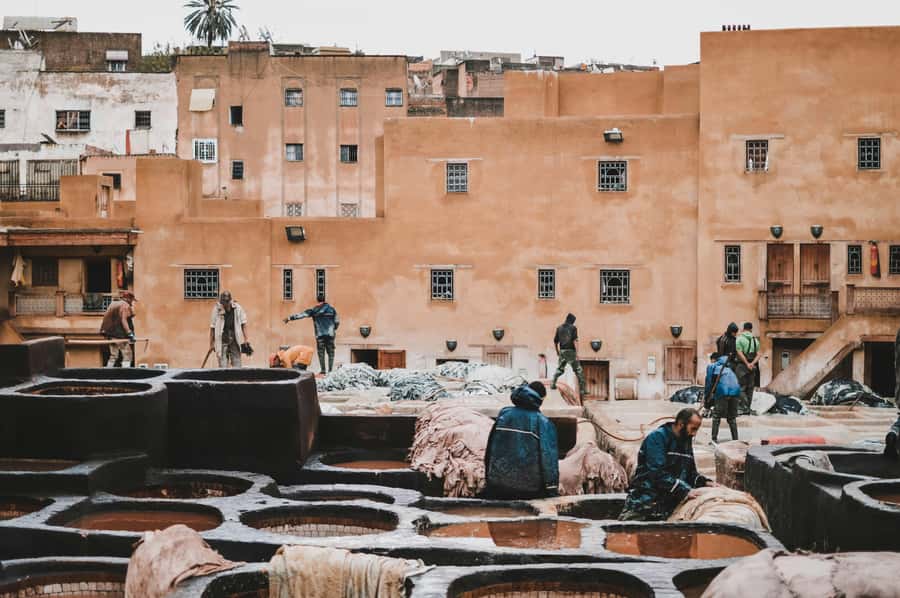
The Chouara Tanneries are one of the most memorable stops, and also one of the least polished. From a nearby viewing area, you can see workers handling leather in traditional dyeing and washing vats. The sight is striking, but the smell is strong, especially in warm weather.
Mint is commonly provided to hold near your nose. It helps, but it does not erase the odor. Bring water, take your time, and do not feel obliged to stay at the viewing point longer than you wish. The listed stop is about 15 minutes, which is enough to understand the process and take photos.
The tannery is also where the tour’s shopping pressure is most likely to appear. The route may pass through a leather shop connected to the viewing area. One guide can keep this relaxed, while a salesperson may become insistent if you show no interest in a purchase. If you want to buy leather, compare prices and quality. If you do not, say so clearly and politely, then move on.
This is a useful place to remember the difference between a craft demonstration and a shopping stop. You can appreciate the work without buying a bag, belt, or jacket.
Workshops where Fes still makes things by hand
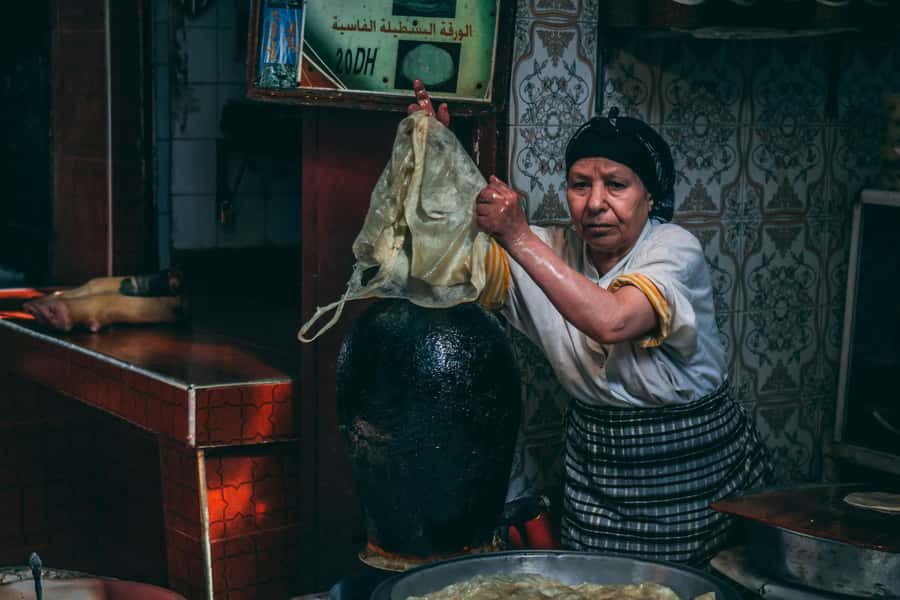
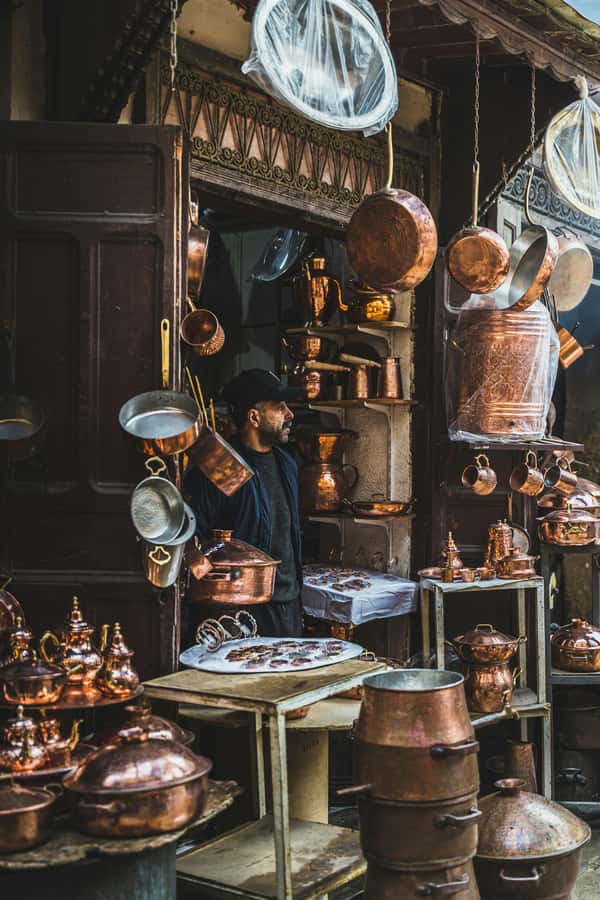
The tour is at its best when it shows production rather than only finished souvenirs. Depending on the route and the guide, you may visit or pass through areas devoted to woodwork, metalwork, ceramics, fabric, rugs, leather, and other traditional crafts.
You might see artisans shaping materials with hand tools, working copper, making rugs, or explaining how a product is formed. A bakery stop has also been part of some tours, with fresh warm bread offered along the way. Other guides have included tea or coffee breaks and visits to local workshops that are easy to miss without help.
These stops make the Medina easier to read. Instead of seeing rows of shops as one long market, you begin to understand that different lanes often have different trades. The sound, smell, and pace change from one quarter to the next.
Shopping is optional, but the route is built around commercial streets. You may be shown rugs, fabrics, argan oil, leather, pottery, or metalwork. Set your budget before you start. If you are interested, ask how the object was made, where it came from, and whether the price is fixed. If you only want to watch, say that at the start of the shop visit.
Walking the Medina without losing your bearings
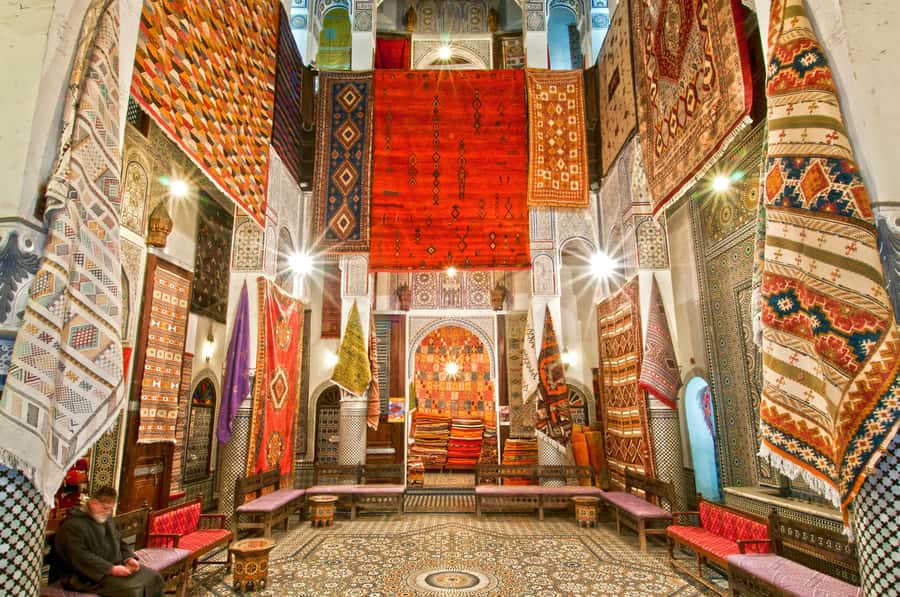
The old Medina is the tour’s main event. The route takes roughly 40 minutes through the souks, followed by a longer stretch around Bab Boujloud that can last about an hour. These times are approximate, since the guide may pause for questions, photos, food, or craft demonstrations.
I would not treat this as a simple walk from one monument to another. You are learning how to move through Fes. Guides can point out landmarks, explain which turns lead toward the main gates, and help you remember how to return to your riad or hotel.
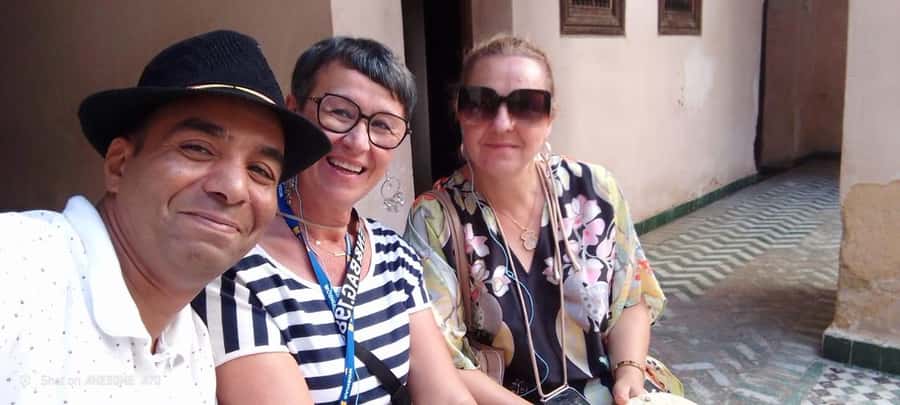
Several guides have also helped with practical matters after the official route, including restaurant directions and arranging a taxi. That is not guaranteed, but it shows the value of having a local contact on your first day. One small group was only three people, which made the outing feel almost private. Group size can vary, so ask at booking if that matters to you.
The tour ends at Bab Boujloud before returning to the starting area at Palais de Fès Suites & Spa. Bab Boujloud is a useful orientation point and an easy place to continue exploring on your own. The final hour can feel long if you are not used to walking on uneven surfaces, so wear comfortable shoes and bring sunglasses.
Pace, guide style, and what the $15 buys you
At $15 per person, this is excellent value if you want a first orientation to Fes. A private guide for four hours, a route through the main quarters, explanations at major monuments, and help in the Medina would normally cost far more in many historic cities.
The price is especially good for a solo visitor or first-time guest who does not want to get lost. It also suits families with older children who can manage a four-hour walk. The tour is not suitable for wheelchair users, and anyone with limited mobility should think carefully about the Medina’s tight passages and walking demands.
The tradeoff is that the tour is not a private museum experience. Some stops are short. Some sites are exterior only. The craft areas can include sales pitches. A guide may also move quickly to keep the full route on schedule, especially when the Medina is crowded.
Guides often make the difference. Mundir was praised for being flexible and teaching Arabic phrases. Youssef was noted for meeting a group at the train station, adding a local tea stop, and helping with food and water. Abdul, Abdoul, Khalid, and Hassan were repeatedly valued for humor, clear explanations, and Medina navigation. These details are not promises about your exact outing, but they show what to ask for: a guide who explains, listens, and does not rush you through every shop.
Practical advice before you meet your guide
Meet in front of Riad Palais de Fès Suites & Spa. A WhatsApp message with the guide’s name and final meeting details should arrive the day before. Allow a little patience at the start, since the tour can run 5 to 10 minutes late if another participant is delayed.
Wear shoes that can handle four hours of walking. Carry water, sunglasses, and Moroccan dirhams for monument fees or small purchases. Keep your phone charged because you will likely use it for photos and for the meeting message.
If you do not want to shop, say so early. If you do want to buy, decide what interests you before entering the Medina, since the range of goods can quickly overwhelm you. The best use of the guide is to ask questions about quality, origin, and a fair price, not simply to follow from stall to stall.
The tour offers free cancellation up to 24 hours before departure and a reserve-now, pay-later option. Languages include Arabic, French, English, and Italian. Private groups are available, which may be worth considering if you want to control the pace or focus more heavily on architecture, food, or crafts.
Should you book this Fes walking tour?
Book it if you want a low-cost, practical introduction to the city and you are comfortable walking for four hours. It is particularly useful on your first day, when the Medina still feels like a maze and you want to learn where the main gates, monuments, workshops, and souks fit together.
Choose it with realistic expectations. You will see the Royal Palace from outside, visit Karaouiyne from outside, and may pay separately for Bou Inania or other monument entries. You will also pass through sales areas, including leather shops. If you can handle those limits, the tour gives you a lot for $15 and may leave you confident enough to explore the Medina on your own afterward.
FAQ
How long is the Fes walking tour?
The tour lasts four hours, including the visits and walking time between the Royal Palace area, Mellah, madrasas, Karaouiyne, Chouara Tanneries, Medina, and Bab Boujloud.
Where does the tour meet?
You meet in front of Riad Palais de Fès Suites & Spa. The guide’s name and meeting arrangements are sent by WhatsApp the day before the tour.
Can I enter the Royal Palace?
No. The Royal Palace is an external visit only, focused on the ornate golden gates, photographs, and an explanation from your guide.
Are monument entrance fees included?
No. Bou Inania Madrasa is listed at 20 Moroccan dirhams for adults, and you should carry local currency for historical monument fees. The tour includes skip-the-line access where applicable, but entrance charges may still apply.
Is the tour suitable for wheelchair users?
No. The experience is not suitable for wheelchair users.
What languages are available?
Live guiding is available in Arabic, French, English, and Italian. Private groups are also available.
Just added around Morocco
- Moroccan Cooking Class with a Local Family & Market Visit★ 5.0 · 16 reviews
- Market Tour & Moroccan Cooking Class in Casablanca with Transfers★ 5.0 · 18 reviews
- 5 am in Casablanca: Mosque, Medina, Beach , Souks , Coffee and more★ 5.0 · 11 reviews
- Private Market Tour & Cooking Class in Casablanca with Transfers★ 5.0 · 20 reviews
- Casablanca Market and Street Food Walking Tour★ 5.0 · 3 reviews
- Agadir city Tour with big Souk Elhad★ 5.0 · 5 reviews
- Paradise Valley & Gorge Adventure with Souk & Transfer★ 4.0 · 5 reviews
- Half day tour : Agadir Goats in argan trees & Souk El Had Market★ 3.5 · 6 reviews
Morocco Market Tours, compared.
Bahia Palace, Saadian Tombs, Souk and Medina Tour
Read our review →
Ben Youssef, Secret Garden, & Souks Walking Tour
Read our review →
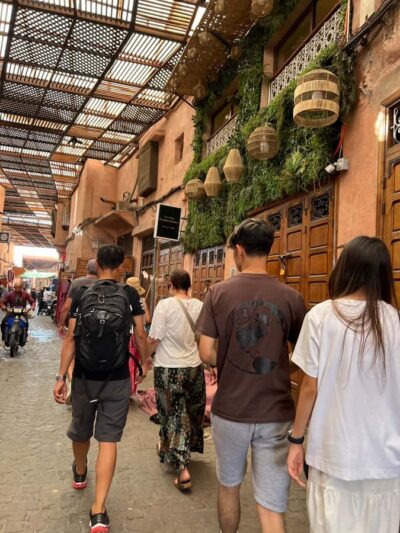
Traditional Moroccan Cooking Class & Market Visit
Read our review →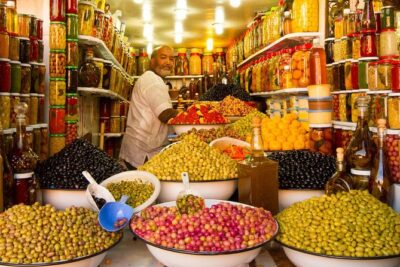
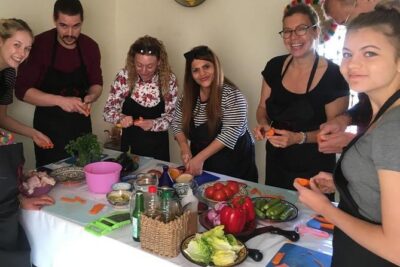
Moroccan Cooking Class & Marrakech Market Visit with Chef Khmisa
Read our review →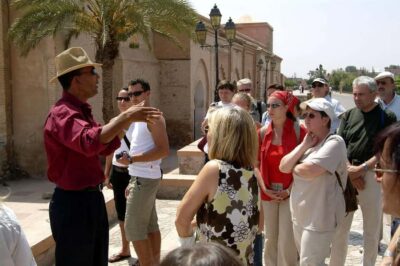
Saadian Tombs, Bahia Palace, Medina and Souk Tour
Read our review →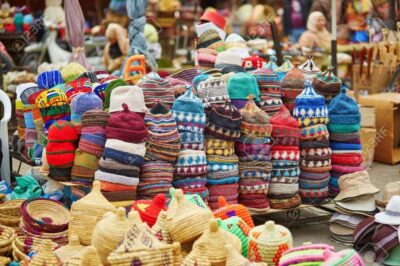
Browse the lists this tour appears in