
Review · BANGKOK
Hands on Thai Cooking Class and Market Tour
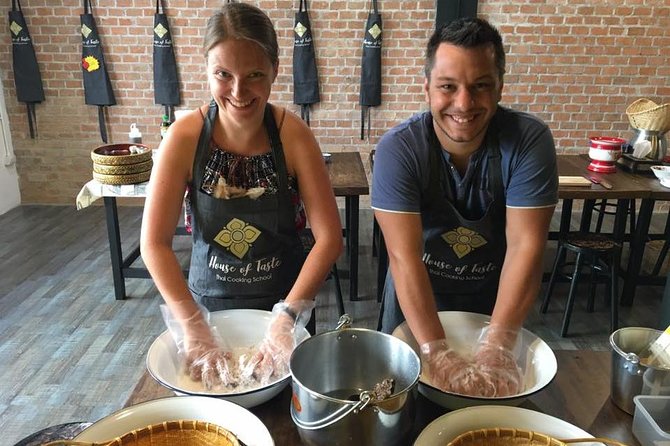
Bangkok’s House of Taste Thai Cooking School turns a meal into a hands-on lesson. You can shop for ingredients at Asok market on the morning departure, then ride a tuk-tuk to the school and cook four Thai dishes with an experienced chef. Afternoon and evening sessions replace the market visit with mango carving.
I like the practical format: you make curry paste from scratch, learn how Thai ingredients work, and leave with recipes you can use at home. I also like the generous meal, with Pad Thai, curry, an appetizer or soup, and mango sticky rice. The main drawback is simple: only the morning class includes the market tour, and the group can reach 18 people.
Key points to know before booking
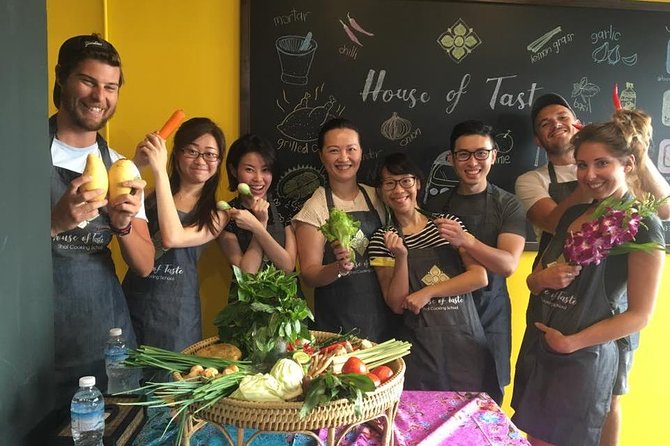
- Morning means market shopping: Only the morning departure visits Asok market and includes tuk-tuk transport to the school.
- Four dishes become a full meal: You cook an appetizer or soup, Pad Thai, a chicken curry, and mango sticky rice.
- Curry paste is made by hand: This gives you a better feel for the herbs, spices, and balance behind Thai food.
- Afternoon and evening add mango carving: These departures skip the market but include a separate fruit-carving workshop.
- Beginners fit right in: The chef gives step-by-step help, while experienced cooks still get useful ingredient and technique tips.
- The price covers plenty: At about $45.66 per person, you get instruction, food, drinks, a locker, recipes, and taxes.
Why this Bangkok cooking class works
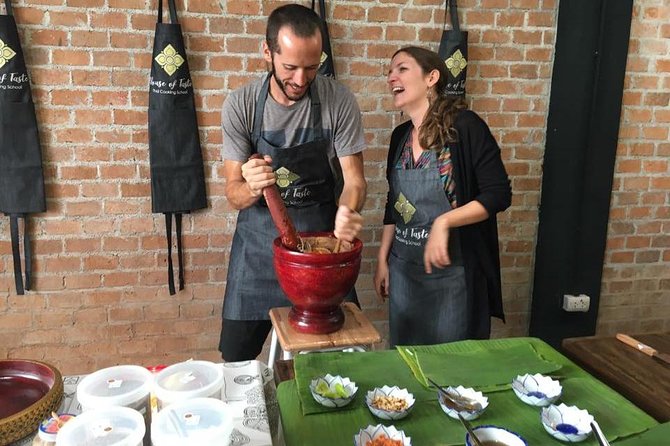
The appeal is not just eating Thai food. You learn how a few fresh ingredients become dishes with very different flavors: sour and spicy soup, stir-fried noodles, creamy curry, and sweet sticky rice with mango.
The class lasts about three and a half hours. That is long enough for real preparation and cooking, but not so long that the lesson takes over your whole day in Bangkok. You work in an air-conditioned classroom, which matters in Thailand’s heat, then sit down to eat what you have prepared.
This is a good choice if you want more than a demonstration. You chop, mix, pound, stir, and cook. The chef handles the teaching, but you take part in the work.
The school can provide substitute ingredients for vegetarian, halal, kosher, and allergy-related needs. You need to give those details when booking. The vegetarian option is available, but it is still wise to repeat your requirements when you arrive.
More Market Cooking Classes in Bangkok
- Bangkok: Hands-on Thai Cooking Class and Market Tour
★ 4.9 · 1,614 reviews - Bangkok: Maliwan Thai Cooking Class with Market Tour
★ 4.9 · 1,133 reviews - Tingly Thai Cooking Class with Morning Market Tour
★ 5.0 · 589 reviews
Morning at Asok market
The morning class begins with a guided visit to Asok market. This is the best departure if you want food culture as well as cooking instruction.
A market visit gives the ingredients some context. Instead of meeting curry paste, herbs, vegetables, and spices as anonymous items on a prep table, you see the raw materials before they reach the kitchen. The guide explains selected Thai ingredients, helping you connect what you see at the market with what you later cook.
The market portion involves some walking, so wear comfortable shoes. It is not a full-day food expedition, but it adds a useful local stop before the class.
After shopping, the group takes tuk-tuks to the cooking school. That short ride is part of the fun and makes the morning feel like a small Bangkok outing rather than a class held in isolation. Hotel pickup and drop-off are not included, so you must make your own way to the meeting point at 147/4 Soi Sukhumvit 4.
The market is available only with the morning departure. This detail is easy to miss when choosing a time. If shopping for ingredients matters to you, book the morning class rather than assuming every session follows the same plan.
Afternoon and evening mango carving
The later departures do not include the market tour. Instead, they feature a mango carving workshop.
That change makes the time slots different experiences, not merely different start times. Mango carving adds a playful, visual skill to the class, while the morning gives you more of a market and transport experience.
The afternoon or evening class may suit you better if your Bangkok schedule starts slowly, or if you want to cook after sightseeing. You still make the main dishes, curry paste, and dessert. Just keep the market substitution in mind before booking.
The evening session ends with dinner, while the daytime class finishes with lunch. Cold and hot drinking water are included. Alcoholic drinks are not included, though they are available to purchase.
Inside the air-conditioned cooking room
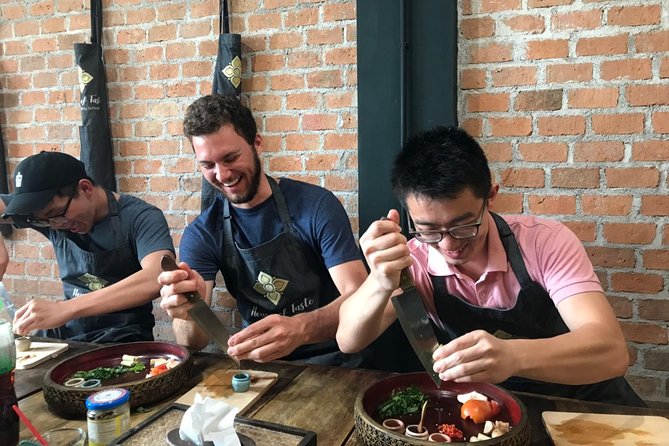
The class takes place in an air-conditioned cooking school, a welcome break from Bangkok’s heat. You are introduced to Thai vegetables, herbs, spices, and other ingredients before working through the dishes.
The teaching style is built for mixed ability levels. If you rarely cook, you get clear, guided steps. If you cook often, you can still pay attention to ingredient choices, curry preparation, and the balance of spicy, sour, sweet, and savory flavors.
Several instructors are praised for making the class lively without losing the practical instruction. Jay is described as funny and clear, with useful step-by-step guidance. April explains ingredients and traditional cooking methods in detail, while May has also led enjoyable classes. The exact instructor may vary, so do not book around one particular chef unless the provider confirms it.
The staff prepares some basic elements in advance so the group can complete all four dishes within the time available. That is a sensible compromise. You get a full menu and still learn how to handle the important ingredients, but this is not a slow culinary apprenticeship where every single preparation begins from zero.
Group size can reach 18 people. That is manageable, but it is not an intimate private lesson. You may share demonstrations and wait briefly for space or equipment. The upside is a social class with room for plenty of energy and conversation.
More Market Cooking Classes in Thailand
- Hands-on Thai Cooking Class & Market Tour in Sukhumvit
★ 5.0 · 571 reviews - Pink Chili – Thai Cooking Class and Market Tour in Bangkok
★ 5.0 · 416 reviews - Authentic Thai Cooking with the Largest market visit &TukTuk ride
★ 5.0 · 350 reviews - Bangkok: White Lotus Thai Cooking Class with Market Tour
★ 5.0 · 285 reviews
The four-dish menu
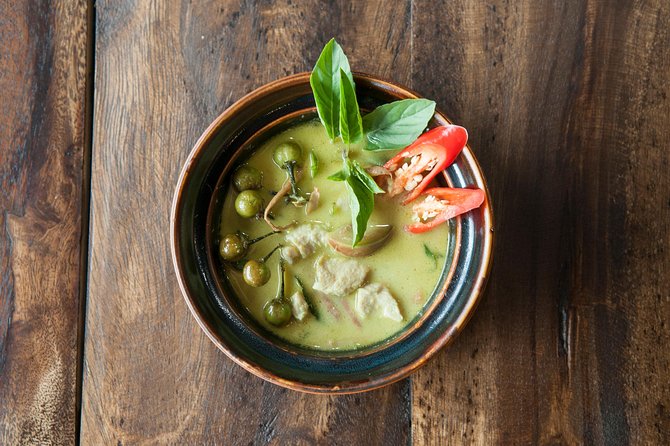
The menu is fixed in broad categories, though you choose among several options in the first and second parts of the meal.
First course: salad, soup, or spring rolls
For the opening dish, choices include spicy lemongrass salad, spicy shrimp salad, green papaya salad, deep-fried spring rolls, Tom Yum Goong, or Tom Kha Gai.
This is where you begin to see how Thai food gets its character. Lemongrass, herbs, chili, lime, shrimp, coconut, and other ingredients can be combined in very different ways. Tom Yum Goong brings the familiar spicy and sour profile, while Tom Kha Gai uses coconut and chicken for a softer, fuller soup.
The green papaya salad and spicy salads offer a lesson in balancing sharp flavors. Spring rolls give you a more familiar starting point if you are less comfortable with chili or sour soup.
Pad Thai Goong
Pad Thai Goong, stir-fried rice noodles with shrimp, is the first main course.
Many visitors already know Pad Thai from restaurant menus, but making it yourself reveals why timing matters. Noodles, sauce, shrimp, and other ingredients must come together in the pan without turning soggy. The class lets you eat the dish right away, which also helps you judge the result while the method is fresh.
You can adapt the meal for dietary needs through substitute ingredients, but tell the school in advance. The standard menu lists shrimp, so do not assume a seafood-free version will appear automatically.
Chicken curry with rice
For the second main course, you choose among red, green, Massaman, or Panang curry with chicken, served with rice.
The best part of this stage is making curry paste from scratch. You learn more by pounding and combining the components yourself than by opening a jar. The different curry options also give you a useful comparison of Thai flavors.
Green and red curry tend to offer a more direct lesson in herbs and chili. Massaman brings a different spice profile, while Panang is another rich, aromatic option. The specific choice may depend on the class menu and group arrangements, so check with the chef if one particular curry matters to you.
Because this dish is served with rice, the class feels like a proper meal rather than a series of small samples. One recent participant even found the homemade Pad Thai better than the room-service version eaten the night before. That is not a guarantee, but it captures the point of the class: fresh preparation changes how familiar dishes taste.
Mango sticky rice
Dessert is mango sticky rice, one of Thailand’s best-known sweets.
After the spicy and savory dishes, the coconut-rich sticky rice and mango give the meal a gentler finish. The dish is also practical to recreate at home, provided you can find suitable mangoes and the needed rice and coconut ingredients.
If you attend the afternoon or evening class, mango carving adds another connection to the fruit. It is a decorative skill rather than a core cooking lesson, but it gives the later sessions their own character.
What the meal and recipes add to the value
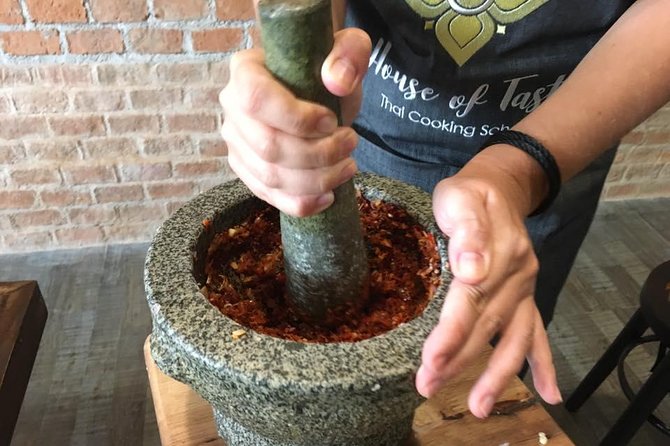
At roughly $45.66 per person, this class is priced as a meal, lesson, and short Bangkok activity in one. You receive four dishes, drinks, instruction, use of a personal locker, standard recipes, and all taxes and handling charges.
The food is the main value. You are not paying for a token tasting after a demonstration. You prepare a substantial lunch or dinner and sit down to eat it. Several participants found the portions large enough that arriving hungry was wise, and one practical tip is worth following: do not plan a big breakfast before the morning class.
The recipes extend the value beyond your time in Bangkok. You can use them at home, though ingredient availability will vary. The class is especially useful if you want to recreate Pad Thai, curry, or mango sticky rice rather than simply remember the meal.
The price does not include alcohol, hotel transfers, or any extra spending at the market. Since the meeting point is near public transportation, you can reach it independently, but you need to allow enough time to find 147/4 Soi Sukhumvit 4.
Who will enjoy this class most
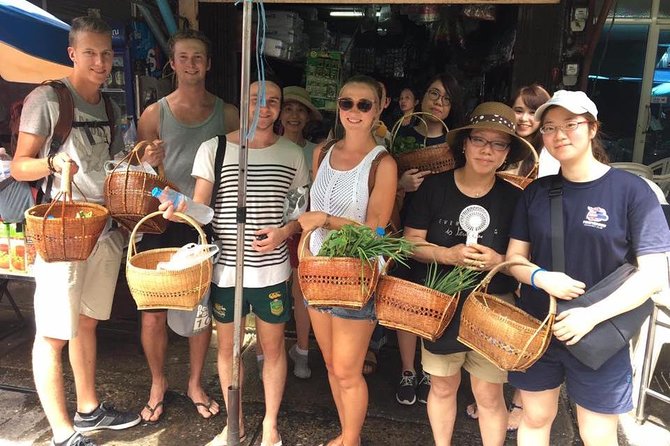
I would recommend it to first-time Thai cooks, couples, families, and anyone who likes to understand a dish by making it. Children can attend when accompanied by an adult, and the child rate applies only when sharing with two paying adults.
Families seem particularly well matched to the format. The cooking is active, the menu changes from savory to sweet, and the instructors keep the pace lively. Teenagers may also appreciate having recipes they can try again at home.
Experienced cooks should not expect advanced restaurant training. The class is designed for all abilities, with clear instruction rather than specialist technique. Still, the fresh ingredients, curry-paste work, and explanations of alternatives give confident home cooks something useful to take away.
Choose this experience if food is one of your main ways of getting to know a place. Skip it if you dislike group activities, cannot commit to the fixed menu, or want a quiet private lesson.
Timing, meeting point, and practical details
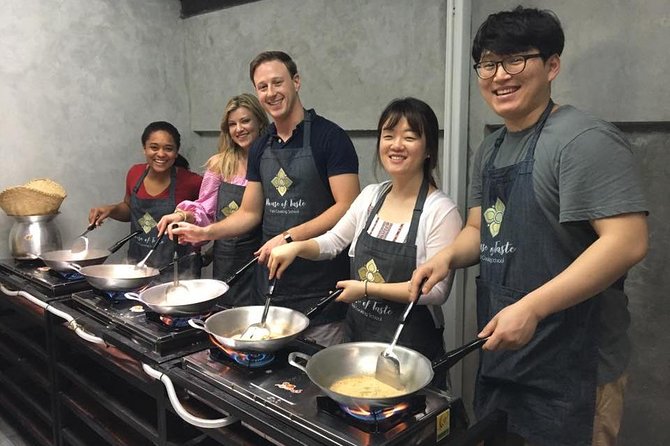
The class begins and ends at the same meeting point: 147/4 Soi Sukhumvit 4, Khlong Toei, Bangkok. Hotel pickup and drop-off are not included.
A small amount of walking is involved, especially with the morning market option. Comfortable shoes are sensible, and you should expect the food schedule to be generous.
The activity has a maximum of 18 participants. Confirmation is provided when you book, but the experience requires a minimum number of participants. It may also be canceled in poor weather, in which case a different date or full refund is offered.
The cancellation policy is strict for personal changes. The booking is non-refundable and cannot be changed for any reason, so check your date and departure time carefully before paying. One booking problem reported by a participant involved the wrong date and no refund, which is a useful warning to review the confirmation immediately.
Should you book the House of Taste class?
Book it if you want a hands-on Thai meal, clear instruction, and recipes you can use later. The morning class is the strongest choice because the Asok market visit and tuk-tuk ride add local flavor before the cooking begins.
Choose the afternoon or evening departure if the timing fits your Bangkok plans, especially if mango carving appeals to you. Just do not expect the market tour in those sessions.
At this price, the class offers solid value for the amount of food, instruction, and activity included. The group size and fixed menu are the trade-offs. For most first-time visitors who want to cook rather than simply watch, this is an easy Bangkok experience to recommend.
FAQ
How long does the Thai cooking class last?
The activity lasts approximately three hours and 30 minutes.
Where does the class begin and end?
It begins and ends at 147/4 Soi Sukhumvit 4, Khlong Toei, Bangkok.
Is the market tour included in every departure?
No. The Asok market visit is available only with the morning class. Afternoon and evening classes include a mango carving workshop instead.
What dishes will I cook?
The class includes an appetizer or soup, Pad Thai Goong, a chicken curry served with rice, and mango sticky rice. Options include several salads, soups, spring rolls, red curry, green curry, Massaman curry, and Panang curry.
Is the class suitable for beginners?
Yes. The class is designed for all ability levels and includes step-by-step instruction from a professional chef.
Are vegetarian, halal, kosher, and allergy substitutions available?
Yes. Substitute ingredients can be provided for vegetarian, halal, kosher, and allergy-related requirements. You should advise the school of your needs when booking.
Are hotel transfers included?
No. Hotel pickup and drop-off are not included. You must travel to and from the meeting point yourself.
What is included in the price?
The price includes taxes and handling charges, the meals described for your departure, cold and hot drinking water, a personal locker, and standard recipes. Alcoholic drinks are not included, though they can be purchased.
More Markets in Bangkok
- Bangkok: Damnoen Saduak Market and Maeklong Railway Market
★ 4.5 · 26,723 reviews - The Old Siam: Damnoen Saduak and Maeklong Railway Market
★ 4.5 · 10,992 reviews - Bangkok: Train Market & Floating Market with Boat Ride
★ 4.7 · 9,547 reviews - Bangkok: City Highlights Temple and Market Walking Tour
★ 4.5 · 3,990 reviews
More Cooking Classes in Bangkok
- Choose 5 Dishes: Half-Day Cooking Class in Sukhumvit with Market Tour
★ 5.0 · 281 reviews - Thai Cooking Class with Market Visit by Maliwan
★ 5.0 · 276 reviews - Sukhumvit: Hands-on Thai Cooking Class & Market Tour in BKK
★ 4.9 · 255 reviews - Bangkok Cooking Class : Traditional Thai dishes&Market Trip
★ 5.0 · 108 reviews
Just added around Bangkok
- Bangkok Udomsuk Thai Cooking Class with local market tour★ 5.0 · 5 reviews
- Morning Buddhist Almsgiving, Grand Palace and Flower Market Tour in Bangkok★ 3.5 · 9 reviews
- Private 4 days : Bangkok, Floating market and Ayutthaya★ 5.0 · 2 reviews
- Floating & Railway Markets and Erawan Waterfall [Optional Luxury]★ 5.0 · 43 reviews
- Discover Ayutthaya at Sunset: Historic Temples & River Cruise★ 4.5 · 29 reviews
- Floating Market & Railway Market near Bangkok★ 4.0 · 5 reviews
- Silom Thai Cooking School with Fresh Market Tour★ 5.0 · 73 reviews
- Ayutthaya Floating Market Admission Ticket with Transfer★ 5.0 · 2 reviews
Market Cooking Classes, compared.
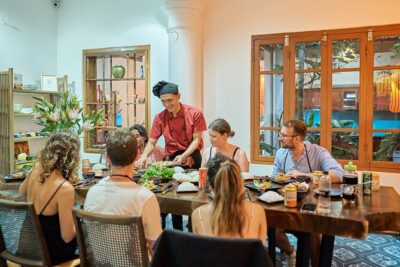
Hanoi Cooking Class: Culture, Local Market & Meaning CSR Impact
Read our review →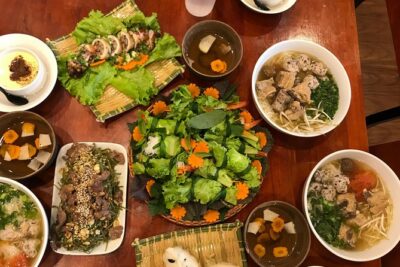
5 Traditional Dishes Hanoi Cooking Class with Market Trip
Read our review →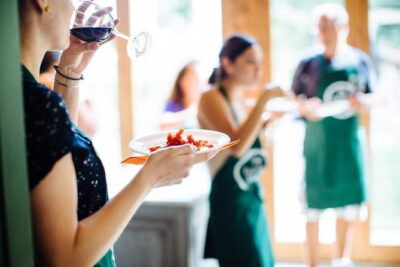
Cooking Class and Lunch at a Tuscan Farmhouse with Local Market Tour from Florence
Read our review →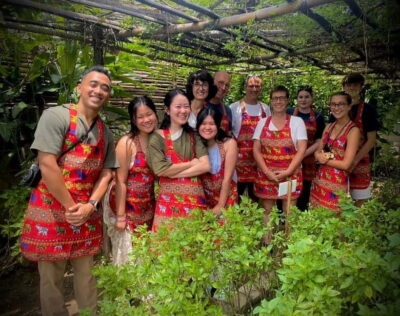
Cooking Class, Market & Thai Herbs Garden Tour
Read our review →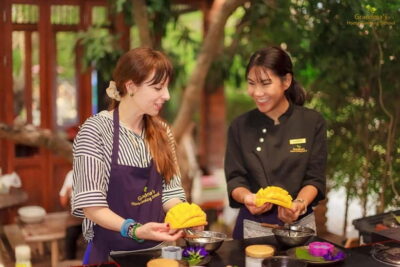
Authentic Cooking Class with Market & Farm Visit
Read our review →
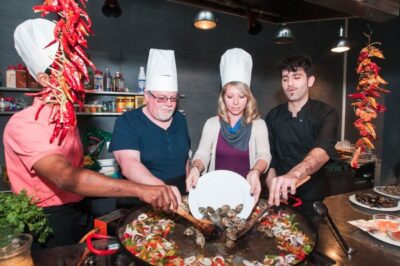
Paella Cooking Experience & Boqueria Market Tour
Read our review →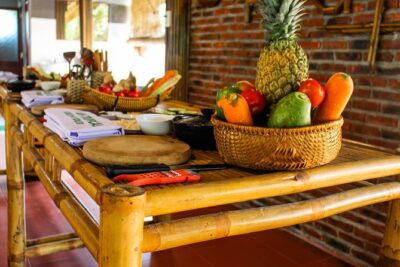
Cooking Class Hoi An:Local Market, Basket Boat, Fishing & Cooking
Read our review →Browse the lists this tour appears in