
Review · CAMBODIA
KAMPOT TRAVEL-Pepper farm. Cave.Secret lake-Crab market & Salt…
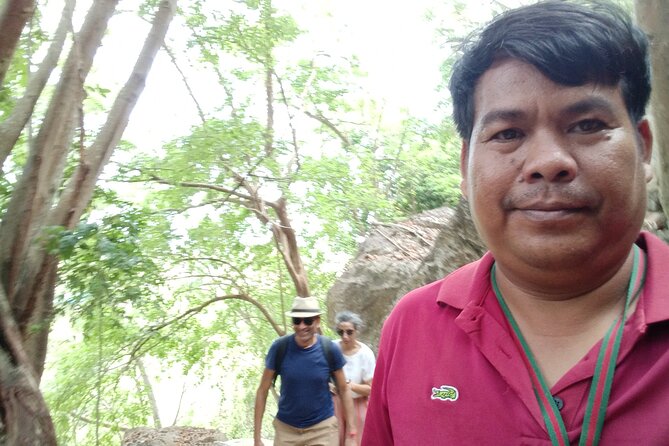
Phnom Chhngok’s cave temple is the kind of place that makes this tour worth considering right away. You climb into a limestone cave, pass through an unusual natural setting, then continue by tuk-tuk through villages, farms, salt fields, and the coast toward Kep. It is a full day with plenty of variety.
I like the mix of local production and history. At La Plantation, you learn how Kampot pepper is grown and processed, while the salt fields show an older, hands-on trade. I also like the ending at Kep Crab Market, where your dinner is prepared fresh rather than served as a standard tour meal.
The main drawback is the schedule. There are several stops, and the salt fields may receive less time than expected. One confirmed experience had this stop missed, so ask Tango to keep it in the plan. The day lasts about six to eight hours, and the tuk-tuk format means you should be comfortable with open-air road travel.
Key points at a glance
- Phnom Chhngok Cave Temple: Enter a distinctive Hindu cave temple with admission included.
- Secret Lake with a difficult past: See Brateak Krola Lake, built by forced labor during the Khmer Rouge period.
- Two hours at La Plantation: Learn about Kampot pepper and other crops through guided walks in English, French, or Khmer.
- Kep seafood finale: Choose fresh crab or other seafood and watch it being cooked near the market.
- Private group format: The tour is intended for your group alone, with a maximum of 12 people.
- Useful value at $23: Transport, water, entry, and banana fired are included, but pickup outside central Kampot costs an extra $5.
Why this Kampot and Kep day works
This tour is built around contrast. You begin among Kampot’s rural villages and limestone formations, then move through a pepper farm and salt fields before reaching Kep, Cambodia’s seaside crab capital. That gives you more than a string of viewpoints. You see how food is grown, harvested, sold, and cooked.
At $23 per person, the price is appealing for a six to eight-hour private outing. Transport, admission, water, and the listed banana fired are included. You also avoid arranging separate tuk-tuks for the cave, farm, lake, salt fields, and Kep.
The value is strongest if you want an easy overview of the area. You will not need to negotiate each ride or work out the route yourself. The tradeoff is that a broad route can leave less time at individual stops. This is a sampler of Kampot and Kep, not a slow rural retreat.
Guide Tango is the named experience provider, and one especially positive account describes him as friendly, funny, attentive, and ready to answer questions. That matters on a day with several moving parts. A good guide can keep the timing clear and make the transitions feel less rushed.
The tour is private for your group, though the stated maximum is 12 people. That is a useful distinction. You get a more personal setup than a large coach excursion, but a group of 10 to 12 will feel quite different from a couple traveling alone in a tuk-tuk.
More farm and market visits in Cambodia:
- Kampot: Tuk Tuk Trip to Pepper Farm, Kep, Crab Market & More
★ 4.9 · 143 reviews - Kampot Pepper Farm, Salt Fields, Crab Market from Phnom Penh
★ 4.8 · 21 reviews - Kampot Countryside include Pepper farm,Kep crab market beach
★ 5.0 · 4 reviews
Phnom Chhngok Cave Temple: the day’s most unusual stop
Phnom Chhngok is a Hindu cave temple in southern Cambodia and one of the area’s more distinctive sights. The temple is built inside a natural cave, combining limestone scenery with religious architecture in a way you will not find at an ordinary roadside shrine.
The visit lasts about one hour, and admission is included. You should expect the appeal to come from the setting as much as the structure itself. The cave gives the stop a sense of discovery, while the temple provides a clear cultural reason to be there.
This is also the part of the day where practical footwear matters most. The supplied details do not specify the condition of the route, so you should avoid treating it as a simple flat walk. Comfortable shoes are a sensible choice for any cave visit.
I like that the tour begins with a place that feels specific to Kampot rather than starting with a generic photo stop. If you have limited time in the province, Phnom Chhngok gives you a strong first look at the area’s natural and religious character.
Brateak Krola Lake and the cost of remembering
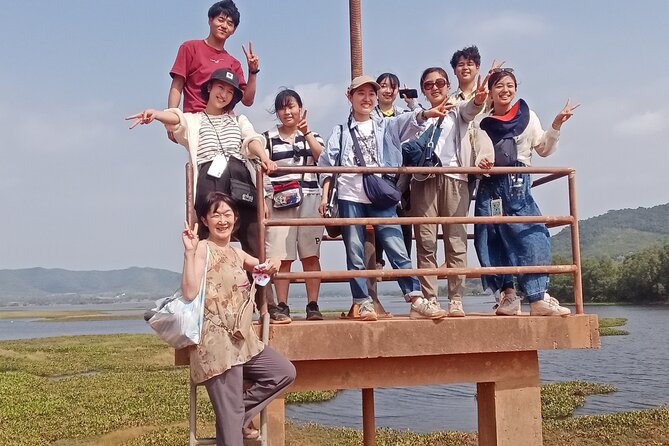
Brateak Krola Lake, often called Secret Lake, is a beautiful body of water with a painful past. It was built in the 1970s by the Khmer Rouge using forced labor, and many Cambodians died during the work.
The planned stop is about 30 minutes. That is enough for a look and an explanation, but not a long visit. The short timing makes sense within a full route, though you should expect the stop to be more reflective than activity-packed.
This is one of the most important places on the day because it adds context to the countryside. The lake is not simply a scenic pause. Its calm appearance sits beside a history of suffering, and your guide’s explanation is central to understanding what you are seeing.
I would give this stop your full attention. It is easy to focus on the water and the open view, but the human story is the reason it belongs on the route. If you prefer a tour made only of food and pretty scenery, this may feel heavier. That is also why it has value.
La Plantation and the story of Kampot pepper
La Plantation receives about two hours, making it the longest stop. This organic pepper farm offers guided walks in English, French, and Khmer, with explanations of how several varieties of pepper are grown, harvested, and processed.
Kampot pepper is one of the region’s best-known products, so this stop connects the countryside to something you may later see on restaurant menus and market stalls. You get to look beyond the finished product and learn about the work behind it.
The farm also grows fruits, chilies, and herbs. That wider range gives the visit more interest than a single-crop presentation. You should have time to ask questions and see how farming fits into daily life in the region.
Two hours is generous compared with the brief lake and salt-field visits. It also means this is a major part of the day, not a quick stop for a photograph. If you enjoy food traditions, agriculture, and learning how local products are made, La Plantation may be the tour’s strongest segment.
The language options are useful. English, French, and Khmer guided walks are available, though you should confirm the timing and language with Tango when you book. The farm visit is included, so you do not need to budget a separate entry fee.
A few more market tours around Cambodia worth a look
- Phnom Penh’s Morning Market and Street Art Tour by Tuk tuk
★ 5.0 · 128 reviews - Phnom Penh Morning Market & Food Tour by Tuktuk – Includes All Food & Drinks!
★ 5.0 · 99 reviews - Battambang: Cooking Class and Market Touring
★ 4.8 · 80 reviews - Siem Reap: Morning Bike Tours with Local Market & Lunch
★ 5.0 · 52 reviews
Kampot’s salt fields and a stop worth protecting
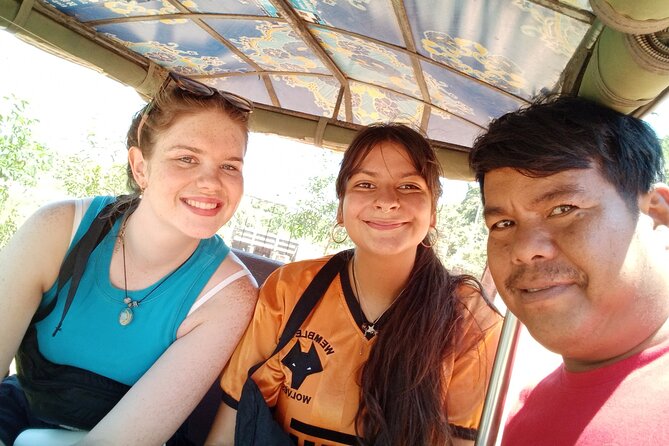
Kampot’s salt fields show how sea salt is produced using traditional methods. The work depends on the shallow fields, sun, water, and careful handling rather than an industrial factory setting.
The planned visit lasts about 30 minutes. That makes it a quick introduction rather than a long lesson in salt production. Still, it gives you a look at a trade that is easy to miss if you stay only in town.
This is the stop I would confirm before departure. One account of the tour had the salt fields missed, with the omission noticed only afterward. It may have been a timing problem, but the practical lesson is simple: remind your guide that you want this included.
The salt fields are also more dependent on conditions than a fixed building or market. The supplied information does not promise a particular stage of production, so you should see the visit as a chance to understand the setting and traditional method, not a guarantee of a dramatic working scene.
Kep Crab Market and dinner by the water
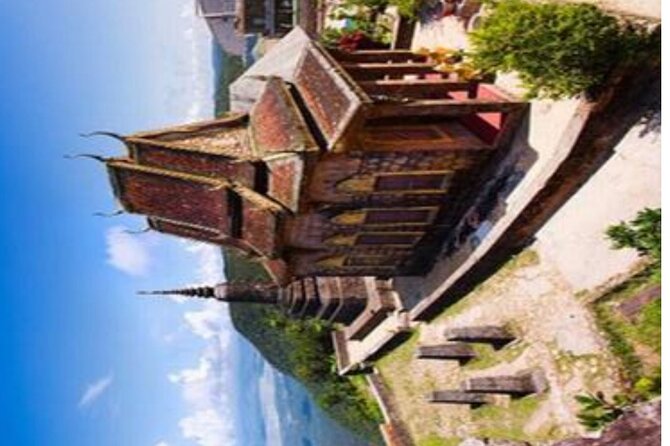
The final major stop is Kep Crab Market, where fresh crab, fish, and other seafood arrive daily. You choose what you want, then have it cooked at a restaurant nearby. The tour description also includes watching your dinner being prepared in front of you.
This is a smart ending because it turns the meal into part of the excursion. Instead of stopping at a restaurant selected in advance, you see the market side of Kep’s seafood trade and then eat what has just been prepared.
The market visit lasts about two hours. That gives you room for the food selection, cooking, and meal without treating dinner as a rushed afterthought. You should still clarify how the seafood purchase is handled, since the listed price includes transport, water, entry, and banana fired but does not specifically state that the seafood meal is included.
Kep is known as Cambodia’s crab capital, and the market is the place to make that local connection. I like this more than a standard included lunch because you have some say in what reaches the table. The choice may also mean your final meal cost varies, so carry enough money for the seafood you want.
The day finishes with sunset at the beach. The exact timing can depend on the route and season, but the plan gives you a chance to slow down after the cave, farm, and road stops. If the schedule runs late, ask Tango how much beach time remains rather than assuming the sunset portion will be long.
Tuk-tuk transport and the shape of the day
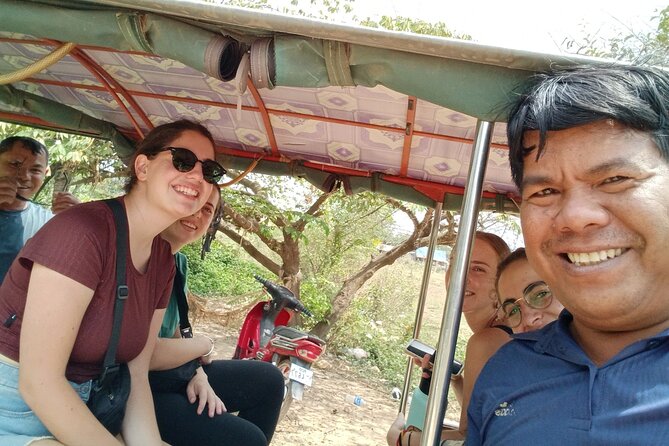
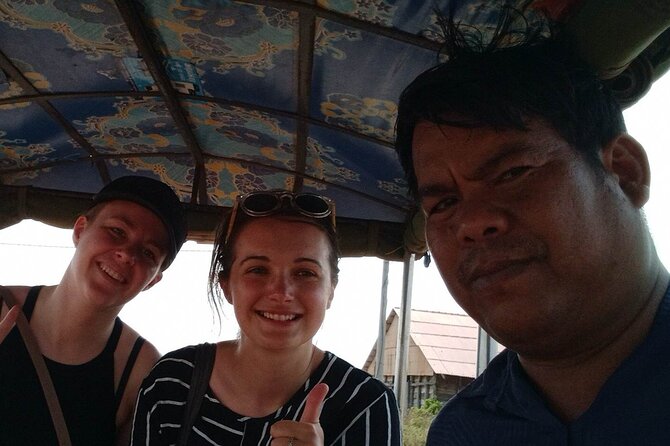
The experience uses tuk-tuk transport and lasts around six to eight hours. That is long enough to cover the main stops, but the route includes both Kampot and Kep, so you will spend a fair amount of time on the road.
I like a tuk-tuk for this setting. It keeps you close to the countryside, villages, and roadside views instead of sealing you inside a large vehicle. The open format also makes the day feel more connected to the places between the official stops.
The tradeoff is comfort. A tuk-tuk is not the same as a private car, particularly over a full day. If you are sensitive to heat, dust, or road movement, bring water and dress for outdoor conditions. Water is included, but you should not depend on the tour for every personal item.
Pickup is offered. The tour adds $5 if you stay more than four kilometers outside Kampot town, measured from the Durian roundabout. Confirm your pickup point before booking so the final cost is clear.
The schedule is busy enough that you should keep the rest of your day open. The stated length is approximate, and the combination of rural stops, a two-hour farm visit, dinner, and sunset can push the outing toward the longer end.
What the $23 price really covers
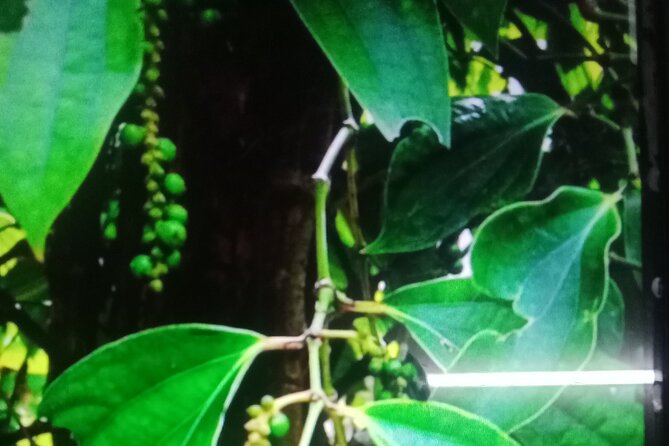
At $23 per person, this is a strong value if you want transport and a planned route through several parts of the region. Admission is included, as are water and the listed banana fired. The private group format adds value for couples, families, and small groups who would rather not join a large shared excursion.
The price does not clearly include the seafood you select at Kep Crab Market. Treat the meal as an expense to confirm rather than assuming your crab or fish is covered. The additional $5 pickup charge also applies if you stay outside the stated Kampot town area.
A 4.9 out of 5 rating from 87 ratings and a 99 percent recommendation rate suggest that the overall formula works well. The most praised elements are the guide, the variety of the route, and the sense that the full day is worth the money. The missed salt-field stop shows why you should still pay attention to the schedule.
Who should book this experience
I would choose this tour if you have one full day in Kampot and want to see both inland sights and Kep without arranging separate transport. It suits you especially well if you enjoy food production, local agriculture, short cultural visits, and a market meal.
It is also a good fit for a private group that wants flexibility and direct contact with a guide. Tango’s attentive style, as described in the supplied experience details, is a real plus for anyone who likes to ask questions along the way.
I would think twice if you want long, quiet visits at each stop. The cave and lake each receive about an hour or less, and the salt fields get only 30 minutes. You should also reconsider if you want a fully fixed meal price, since the seafood cost is not clearly included.
Should you book the Kampot pepper farm and Kep tour?
Yes, if you want a good-value introduction to the area and are happy with a full schedule. The combination of cave temple, difficult history, pepper farming, salt making, and fresh crab gives you a much fuller picture of Kampot than a simple town tour.
Before setting off, confirm three things with Tango: your pickup point, the salt-field visit, and whether the seafood you choose at Kep is paid separately. If those details are clear, the $23 price makes this one of the more practical ways to connect Kampot’s countryside with Kep’s coast.
FAQ
How long does the Kampot and Kep tour last?
The experience lasts approximately six to eight hours.
Where does the tour take place?
The route covers Kampot and Kep in southern Cambodia. Stops include Phnom Chhngok Cave Temple, Brateak Krola Lake, La Plantation, the Kampot salt fields, and Kep Crab Market.
Is pickup available?
Yes, pickup is offered. An extra $5 applies if your accommodation is more than four kilometers outside Kampot town from the Durian roundabout.
What type of transport is used?
Transport is provided by tuk-tuk.
Is the tour private?
The experience is designed for your group only. The maximum group size is 12 people.
Is the entrance fee included?
Yes. Entry is included in the tour price.
Is food included?
Water and banana fired are listed as included. The details do not confirm that the seafood selected at Kep Crab Market is included, so check this before departure.
How long is the visit to La Plantation?
The La Plantation visit lasts about two hours. Guided walks are available in English, French, and Khmer.
Can I cancel for a full refund?
Yes, if you cancel at least 24 hours before the experience start time. Cancellations within 24 hours are not refunded, and changes within that period are not accepted.
Who provides the tour?
The experience provider is Tango.
More Shopping Tours in Cambodia
- 3 Hour Morning Market and Art Tour
★ 5.0 · 45 reviews - Kampot Pepper & Kep/Crab Market Tours: Salt, Secret lake
★ 4.7 · 33 reviews - Battambang: Cooking Class and Market Touring
★ 5.0 · 29 reviews - 3-Hour Siem Reap Guided Cooking Class and Market with Pick up
★ 4.5 · 26 reviews
Just added around Cambodia
- Siem Reap Khmer Cooking Class and Local Market Tour★ 4.1 · 4 reviews
- Siem Reap Morning Market & Food Tour by Tuk Tuk★ 5.0 · 2 reviews
- Siem Reap: Morning Cooking Class & Market Tour★ 5.0 · 7 reviews
- Phnom Penh: Morning Foodie, Market Walking & Street Art Tour★ 5.0 · 3 reviews
- Siem Reap: FREE Market & Local Temple Tour★ 4.8 · 3 reviews
- Siem Reap: Angkor Wat Sunrise and Market Tour by Jeep★ 5.0 · 5 reviews
- Siem Reap Cambodian Buddhist Water Blessing and Local Market★ 4.8 · 3 reviews
- Phnom Phnom: Local Market & Culture Walking of City Tour★ 5.0 · 3 reviews
Shopping Tours, compared.
Damnoen Saduak Market and Maeklong Railway Market
Read our review →
The Old Siam: Damnoen Saduak and Maeklong Railway Market
Read our review →
Train Market & Floating Market with Boat Ride
Read our review →
Ayutthaya & Ayothaya Floating Market Day Trip
Read our review →
Hanoi Cooking Class: Culture, Local Market & Meaning CSR Impact
Read our review →
5 Traditional Dishes Hanoi Cooking Class with Market Trip
Read our review →
Cooking Class and Lunch at a Tuscan Farmhouse with Local Market Tour from Florence
Read our review →
Cooking Class, Market & Thai Herbs Garden Tour
Read our review →Browse the lists this tour appears in