
Review · LONDON
London: Authentic London Sunday Markets Walking Tour
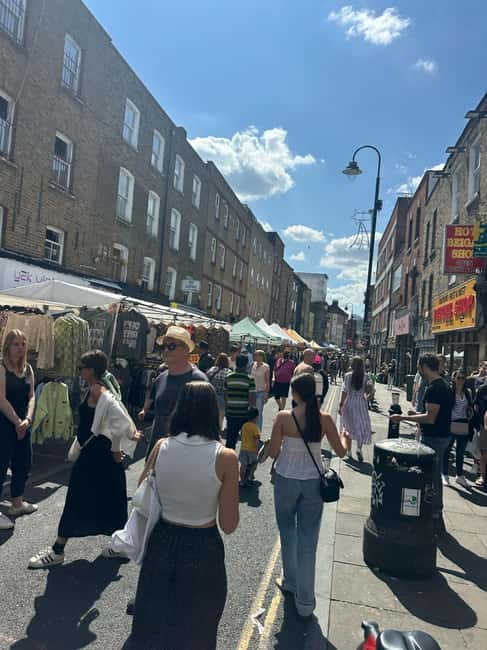
East London’s Sunday market scene gives you a more everyday side of the capital. In three hours, you move from Broadway Market’s breakfast stalls to Columbia Road’s flowers, Brick Lane’s vintage finds, and the handsome indoor setting of Old Spitalfields Market. Guide Rich grew up nearby, so the walk comes with local stories and practical food tips, not just a list of stops.
I like the range here: you get four very different markets rather than one long look at the same kind of stall, and you finish in Spitalfields with time to keep browsing. The main drawback is pace. One visitor wanted more time at the first three markets, and that is fair: three hours covers a lot of ground, but it leaves limited time for serious shopping, eating, or lingering.
Key points at a glance
- Four Sunday markets in one walk: Broadway, Columbia Road, Brick Lane, and Old Spitalfields each offer a different look at East London.
- Rich’s local connection: He grew up in the area and brings personal knowledge and useful food recommendations.
- Breakfast comes early: Broadway Market is the natural place to buy food at the start, since meals and drinks are not included.
- Market time is limited: This works best as an introduction, not as a slow shopping day.
- A local London focus: The route includes Hackney City Farm, the Regent Canal, and streets away from the standard central sights.
- Flexible booking: The tour lasts three hours, runs in English, and allows cancellation up to 24 hours before departure for a full refund.
Why East London markets make a good Sunday plan
Sunday is when East London shows its social side. Instead of moving from one major monument to another, you follow the places where people shop, eat, meet friends, and browse for things they will not find in a typical high-street shop.
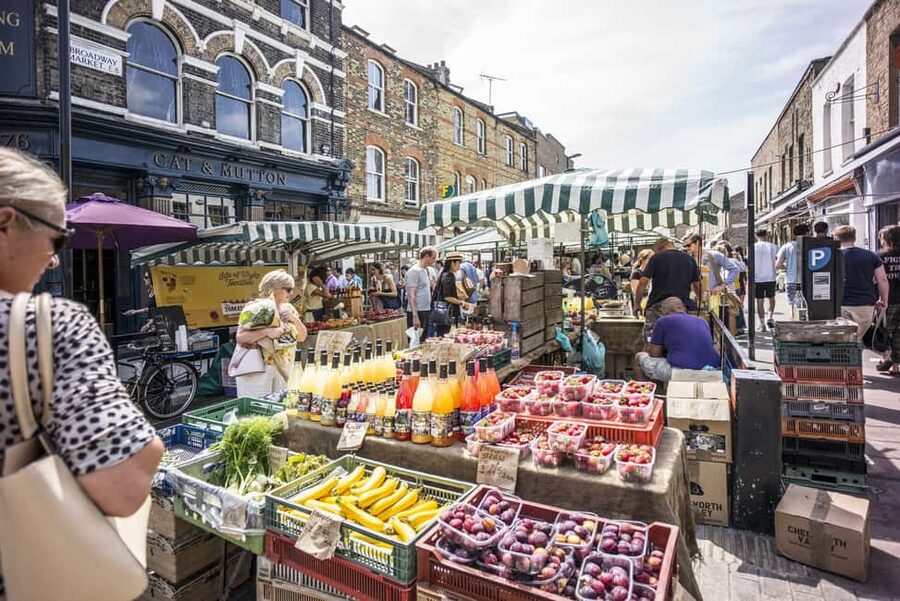
This walk is useful because the markets are not interchangeable. Broadway Market is a good place to start with breakfast and food stalls. Columbia Road brings flowers and street scenes. Brick Lane leans toward thrift, vintage, food, and fashion. Old Spitalfields provides a more settled market hall where you can keep shopping after the walking portion ends.
I like that the experience combines small local details with well-known market areas. You are not simply dropped at Brick Lane and told to wander. The guide links several parts of East London, giving you a better sense of how the neighborhoods fit together.
The tour also offers a change from central London sightseeing. You will not spend the morning inside major museums or looking up at famous buildings. You will be outdoors, on foot, among market stalls and ordinary Sunday activity. That makes it a strong choice for a repeat visitor, but it can also work early in a first London trip if you want more than the usual postcard sights.
More Market Walking Tours in London
- London Food Walking Tour: Taste Your Way Through Soho & Chinatown
★ 5.0 · 187 reviews - Food & drink walking tour in South East London. Bermondsey – Borough Market.
★ 5.0 · 79 reviews - Christmas Lights and Markets Guided Walking Tour with Mulled Wine
★ 5.0 · 72 reviews
Starting at Cambridge Heath and reaching Broadway Market
The meeting point is the station forecourt at Cambridge Heath. That detail matters, since a station forecourt can be busy and easy to confuse with a nearby street entrance. Give yourself enough time to find the correct area before the start.
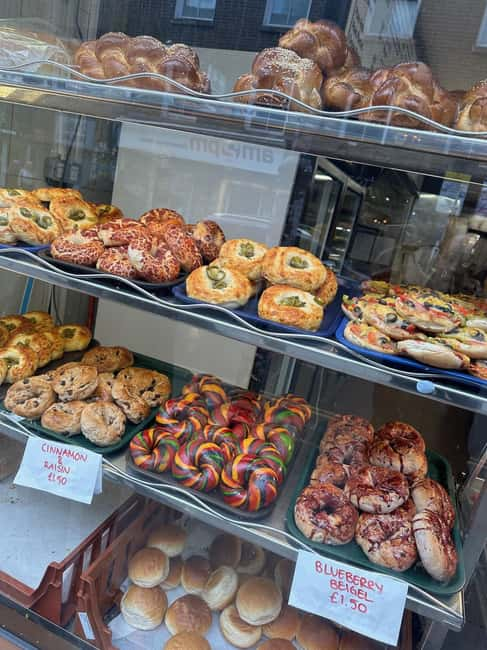
Broadway Market is the first main stop, and it is also the best place to think about food. Breakfast is not included, so arrive ready to buy something if you want to eat along the way. The market is included for shopping, and you can expect a mix of food stalls and independent goods rather than a formal guided attraction.
Starting with food works well. You can make your first purchase while you are still fresh, instead of waiting until the end of a long walk. Rich is also known for giving food recommendations, which can help you choose when several stalls look tempting.
The tradeoff is that the tour does not function as a dedicated food crawl. You pay for anything you eat or drink, and the three-hour schedule means you will need to keep moving. If your priority is sampling many dishes, you may prefer to return to Broadway Market after the walk and take your time.
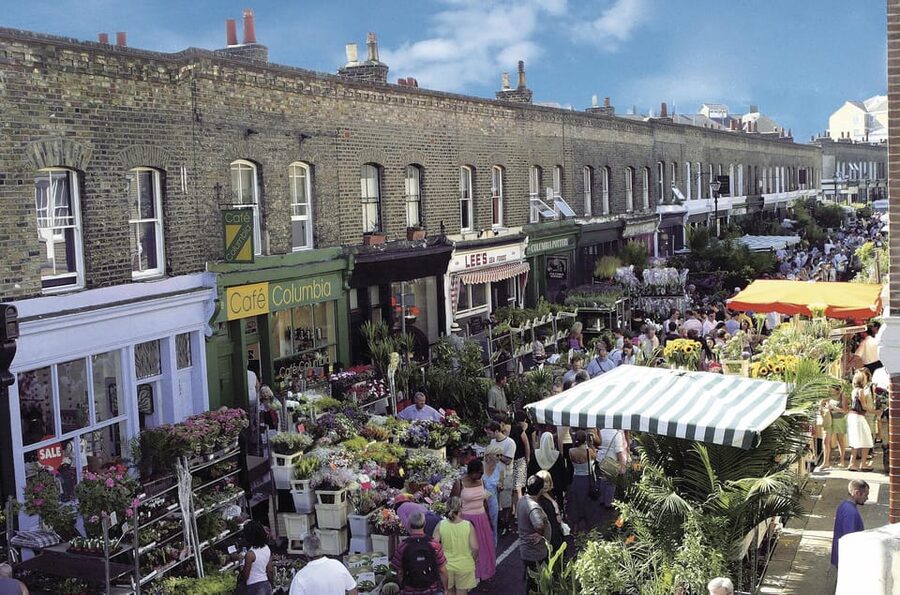
Columbia Road Flower Market and Hackney City Farm
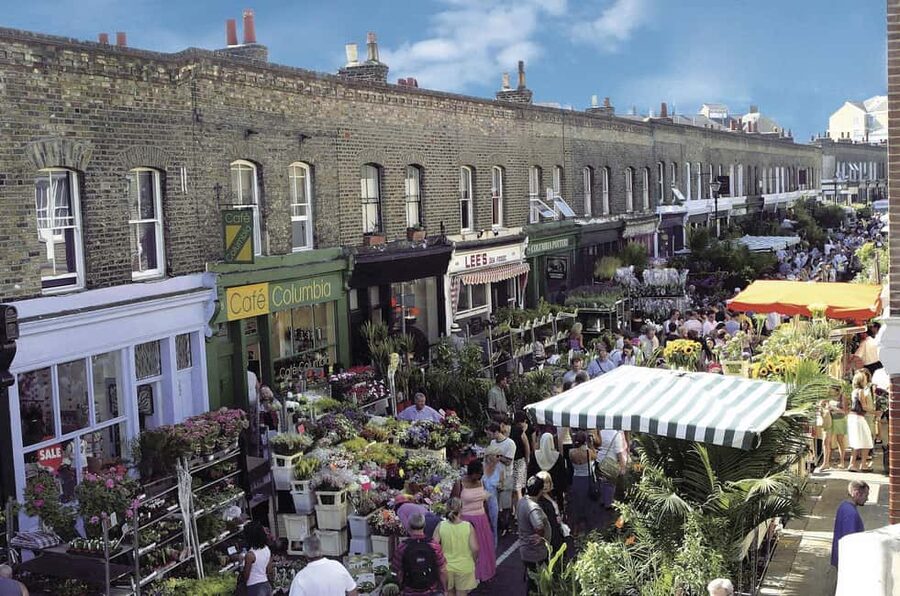
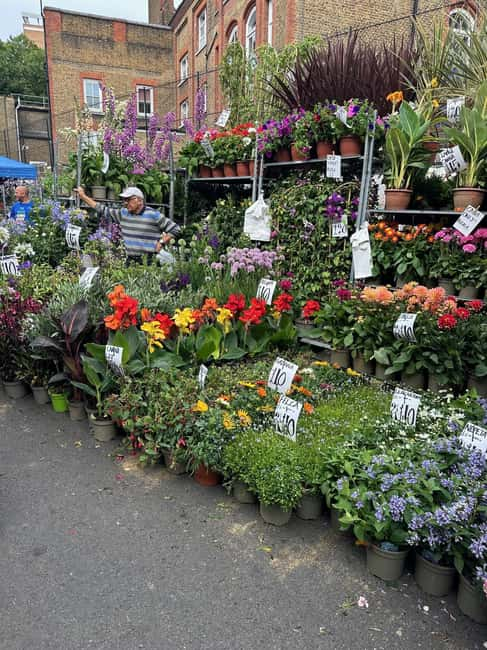
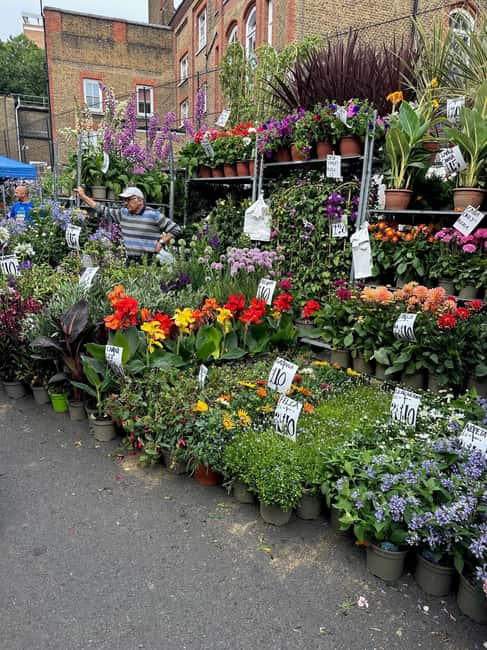
From Broadway Market, the route continues to Columbia Road Flower Market. This stop changes the mood completely. The focus shifts from breakfast and general market browsing to flowers, plants, and the colorful street scene around the market.
Columbia Road is particularly appealing if you enjoy places with strong visual character. Even if you are not planning to buy anything, the market gives you a different view of London commerce. It also provides a useful contrast with Brick Lane, which is more closely linked with vintage shopping, street food, and fashion.
The guide’s role is important here. A flower market can be easy to experience as a quick photo stop, but local context helps explain why the area matters and how it fits into Sunday life in East London. Rich’s connection to the area is one of the strongest reasons to choose this particular walk.
Hackney City Farm is also part of the sightseeing route. The supplied details do not promise a special farm activity or an included visit inside, so treat it as a landmark and area stop rather than a separate farm tour. It adds another local note to a morning that could otherwise become a series of commercial markets.
Keep your expectations in check. The tour gives you an introduction to these places, not an hour at each one. One useful tip from the experience is to decide in advance whether you care more about shopping, food, photography, or local background. You may not have enough time to do all four in depth.
Brick Lane for vintage finds and street food
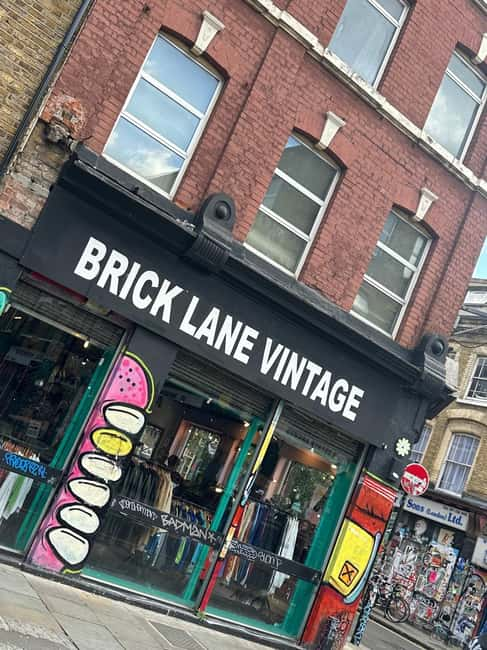
Brick Lane is where the tour’s shopping side comes into its own. The focus includes thrift and vintage stalls, unusual goods, handmade crafts, and fashion with a more modern edge. If you like browsing without a fixed shopping list, this is likely to be one of the most enjoyable sections.
Brick Lane rewards curiosity. You might find a piece of clothing, a small handmade item, or a food stall that was not part of your original plan. The point is not to rush toward one famous shop. It is to notice the mixture of old and new, low-cost browsing and more carefully made goods.
Food is another reason this stop matters. The tour information highlights street food, but food and drinks remain your own expense. Rich’s recommendations can be useful here, particularly if you are unsure which stall suits your taste or how to spend your limited break.
There is a practical downside. Brick Lane can pull your attention in several directions at once, and a group walk has to keep a shared pace. If you see something you truly want, ask about the available time before wandering off. Otherwise, make a mental note and return after the tour if the item or stall is still available.
I see Brick Lane as the place where the tour feels least like a standard sightseeing walk. You are not only looking at buildings. You are comparing goods, smelling food, and watching local shopping habits. That is valuable, but it also means the stop can feel short if browsing is your main goal.
More Market Walking Tours in the UK
- London Private Walking Tour: Notting Hill, Highlights & Markets
★ 4.5 · 22 reviews - London: Markets, Street Art, and Camden Town Walking Tour
★ 5.0 · 5 reviews - Air Raid Shelter + St. Nicholas Market Walking Tour
★ 5.0 · 1,950 reviews - Bristol: Air Raid Shelter & St. Nicholas Market Walking Tour
★ 4.8 · 320 reviews
The Regent Canal and the walk between markets
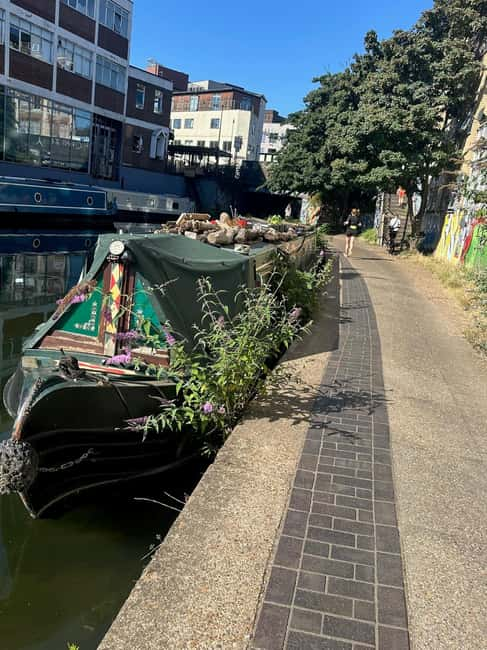
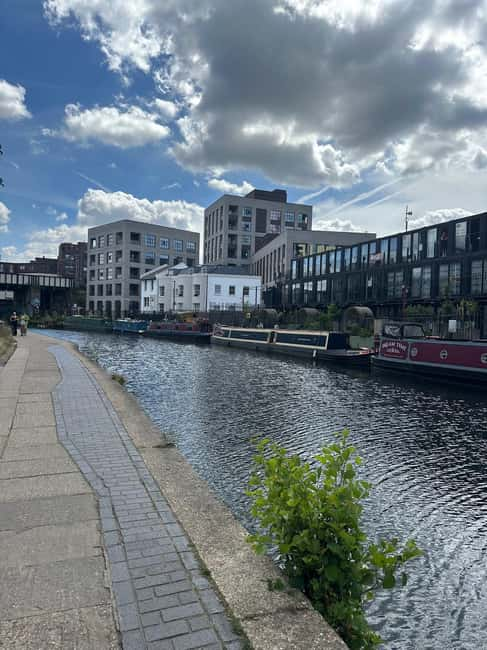
The Regent Canal is part of the broader route and gives your feet a break from rows of stalls. A canal walk adds a slower visual rhythm to the morning, with water, paths, and a change from market streets.
The available details do not specify how long the canal section lasts, so do not book this expecting a full canal excursion. Think of it as one element in a wider East London walk. It helps connect the markets and gives Rich another setting for local observations.
This variety is one of the tour’s best features. A full three hours inside markets could become tiring, especially if you are not a serious shopper. The canal and street walking keep the experience moving and make it feel like a neighborhood tour rather than a string of indoor stalls.
Wear comfortable shoes. The activity is a walking tour, and the route covers several districts before finishing at Spitalfields. The information provided does not give a distance, group size, or detailed accessibility notes, so you should contact the provider if those details affect your decision.
Old Spitalfields Market provides a strong finish
The walk ends at Old Spitalfields Market, which is included as both a shopping stop and the final meeting area. Ending here makes practical sense. You can continue looking around after the guided portion, eat, or use the location as a base for the rest of your day.
Spitalfields differs from the outdoor markets earlier in the route. Its market-hall setting offers a clearer place to browse if the weather turns poor, though the tour itself still includes outdoor walking. You will find a final chance to look at crafts, fashion, food, and other market goods in a more contained setting.
I like this ending because it does not leave you at an isolated corner of the city. You finish in a place where you can make your own plans. If you felt rushed at Broadway, Columbia Road, or Brick Lane, you can decide to return to one of them another day. If you still want lunch, Spitalfields is a natural place to look.
The finish also exposes the tour’s central compromise. You see a lot, but you may not shop deeply anywhere. That is fine if your aim is orientation and local context. It is less ideal if you have a specific vintage purchase in mind or want to spend a relaxed hour eating at each market.
Rich’s guiding style and the value of local knowledge
The guide is Rich, and his background is central to the experience. He grew up in the area and has connections with people and places along the route. That matters more on a market walk than it might on a standard monument tour, because the appeal comes from knowing where to look and how the neighborhoods work.
Rich is described as enthusiastic, considerate, and informative. He also keeps a pace that works for a mixed group, though the schedule can still feel tight at the early markets. His approach seems friendly rather than formal. You should expect conversation, recommendations, and stories connected to the area rather than a memorized lecture.
The strongest praise focuses on three things:
- He makes the walk fun without losing useful information.
- He gives food recommendations that help you make choices in busy markets.
- He creates a relaxed group atmosphere, with the feeling of walking around with friends.
That combination is a real benefit. Markets can be confusing when you do not know the area, and a local guide can help you spend your time wisely. Still, a guide cannot remove the basic limitations of a three-hour route. You will need to make quick choices and accept that some browsing will wait until later.
What $39 means for the experience
At $39 per person, the price is reasonable if you want a guided introduction to several East London areas in one morning. You are paying for three hours of guiding, route planning, local background, and food suggestions. You are not paying for meals, drinks, shopping, or a long stay at any single market.
The value is strongest for you if this is your first visit to these parts of London. Instead of spending time figuring out how the markets connect, you can move through them with a clear plan. Rich’s local knowledge adds value that a self-guided map cannot easily provide.
The value is weaker if you already know East London well or if you prefer to set your own pace. A self-guided Sunday would let you spend much longer at Columbia Road or Brick Lane, stop whenever you like, and control your food budget. You would give up the personal guidance and local recommendations.
I would also budget extra money for breakfast and snacks. Since food is not included, the final cost depends on how much you buy. The price is best understood as a guided market walk, not an all-inclusive food experience.
Who should book this Sunday walk?
I would recommend it to you if you:
- Want to see ordinary London market life rather than only major sights.
- Enjoy vintage shopping, street food, crafts, flowers, or independent fashion.
- Prefer a guide with local ties and practical recommendations.
- Have three hours and want a planned route through several East London neighborhoods.
- Are happy to browse quickly and return later if something catches your eye.
It may not suit you if you want a slow shopping day, a full food tour, or a detailed visit to each market. Families and mixed-age groups may appreciate the considerate pace, but the information does not provide a minimum age, accessibility details, or group size, so ask before booking if those points matter to you.
The walk is conducted in English with a live guide. You can reserve now and pay later, and cancellation is free up to 24 hours before departure. Those policies make it easier to fit into a changing London schedule.
Should you book the London Sunday Markets Walking Tour?
Book it if you want local East London in a compact package. Rich’s personal connection, the range of markets, and the mix of food, flowers, vintage goods, canals, and neighborhood streets make this more useful than simply visiting Brick Lane alone.
Do not book it expecting a leisurely shopping expedition. You will see a lot in three hours, but the first markets may feel rushed if you stop for food or serious browsing. For most people, the best plan is to treat the walk as an introduction, then return to the market that interests you most.
FAQ
How long does the London Sunday Markets Walking Tour last?
The tour lasts three hours.
Where does the tour start?
It starts at the station forecourt at Cambridge Heath Station.
Where does the tour finish?
The tour finishes at Spitalfields Market.
Which markets are included?
The route includes Broadway Market, Columbia Road Flower Market, Brick Lane, and Old Spitalfields Market.
Is food included in the price?
No. Food and drinks are not included, so you pay separately for breakfast, snacks, and drinks.
Who leads the tour?
The tour is led in English by Rich, a London local who grew up in the area.
Can I cancel the booking?
Yes. You can cancel up to 24 hours in advance for a full refund.
More Walking Tours in London
- Bangkok: City Highlights Temple and Market Walking Tour
★ 4.5 · 3,990 reviews - Tokyo Tsukiji Fish Market Food and Culture Walking Tour
★ 5.0 · 3,184 reviews - Marrakech: Ben Youssef, Secret Garden, & Souks Walking Tour
★ 4.6 · 2,802 reviews - Marrakech: Colorful Medina Souks Guided Walking Tour
★ 4.7 · 2,470 reviews
Just added around London
- Secrets of London Bike Tour: Thames, Tower Bridge & Market★ 4.8 · 42 reviews
- London: Indian Cooking Masterclass with Market Tour★ 5.0 · 3 reviews
- London Ultimate East End Food & Market Tour with a Local★ 5.0 · 3 reviews
- London: Markets, Street Art, and Camden Town Walking Tour★ 5.0 · 5 reviews
- London: Borough Market Food Tour with Local Guide★ 4.6 · 19 reviews
- London: Camden Market Food Tour with 7 Street Food Tastings★ 4.8 · 29 reviews
- London: Borough Market Delicious Doughnut & Tea Experience★ 4.7 · 14 reviews
- Great London Food Tour: South Bank, 3 Markets & Brick Lane★ 4.6 · 17 reviews
Market Walking Tours, compared.
Tokyo Tsukiji Fish Market Food and Culture Walking Tour
Read our review →
Ben Youssef, Secret Garden, & Souks Walking Tour
Read our review →
Air Raid Shelter + St. Nicholas Market Walking Tour
Read our review →

Nishiki Market Brunch Walking Tour (7 Tastings + Brunch)
Read our review →Tsukiji Fish Market Food and Culture Walking Tour
Read our review →Browse the lists this tour appears in