
Review · MALAGA
Málaga: Paella and Sangria Cooking Class with Market Visit
Málaga’s best food lesson may begin before you touch a pan. You’ll walk through Atarazanas Market with a guide, taste regional products, then return to a polished kitchen in the Soho District to make paella, gazpacho, sangria, and churros. The food is not just demonstrated. You prepare it and eat it.
I like the useful paella technique, especially the focus on shrimp and cuttlefish rather than heavy proteins. I also like the generous extras: olive oil tasting, wine or beer, churros, recipes, and a take-home apron. The one catch is timing. Sunday and evening classes cannot include the market because it is closed, so check your session before booking.
Key points at a glance
- Market first on weekday and Saturday mornings: Explore Málaga’s Atarazanas Market and sample local ingredients before cooking.
- Paella technique you can repeat at home: The chef explains the method clearly, including a lighter seafood approach with shrimp and cuttlefish.
- More than one dish: You prepare paella and gazpacho, with sangria, olive oil, wine, and churros included.
- Comfortable Soho kitchen: Kulinarea is at Av Manuel Agustín Heredia 24, close to the market and public parking.
- Useful take-home extras: Your apron comes with you, and the recipes are sent the next day.
- Good flexibility: The class lasts 3.5 hours, runs in English, and allows cancellation up to 24 hours before the start.
Why this Málaga cooking class works
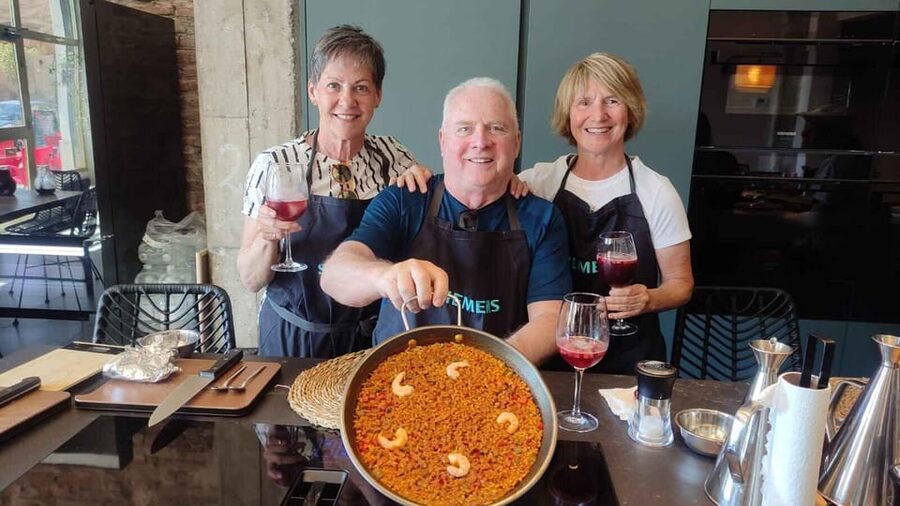
This is a food experience with three clear parts: a local market visit, hands-on cooking, and a shared meal. That balance matters. You are not spending the whole time watching a chef work, and you are not being rushed through a market with no chance to eat.
At $94 per person, the price is higher than a simple market tour or a casual Málaga lunch. But it covers a 3.5-hour activity, several prepared dishes, drinks, tastings, an apron, and recipes for later. If you want a meal and a practical lesson in one booking, the cost is reasonable.
I would choose this for a first visit to Málaga, especially if you want an activity that gives you local food context without taking an entire day. It also suits couples, families with older children, and solo visitors who enjoy meeting people around a table. The class is conducted in English.
The main choice is the session time. Weekday and Saturday mornings include the market visit. Sunday and evening classes go directly to the Kulinarea kitchen because Atarazanas Market is closed. If the market is important to you, do not book blindly based only on the title.
More Market Cooking Classes in Spain
- Barcelona: Paella Cooking Experience & Boqueria Market Tour
★ 4.8 · 3,661 reviews - Barcelona Paella Cooking Class with Market Visit, Tapas & Sangria
★ 5.0 · 2,531 reviews - Paella Cooking Class, Wine Tasting & Central Market in Valencia
★ 5.0 · 1,150 reviews
Starting at Atarazanas Market
On weekday and Saturday morning sessions, the experience begins with a relaxed walk to Málaga’s famous Atarazanas Market. This is where the cooking starts in spirit. You get a look at the raw materials before they become lunch, and you can sample regional delicacies along the way.
Guide Anaïs has been praised for sharing facts about Málaga and Spanish cooking during the market walk. That adds useful context without turning the visit into a formal lecture. You learn what local food looks like at the source, then see how those ingredients fit into the meal waiting at the kitchen.
The market stop also helps you understand Spanish cooking’s basic logic: good ingredients, simple seasoning, and careful handling. You may find this more useful than a long list of historical facts. The point is to connect what you see at the stalls with what you later chop, stir, and cook.
Keep the market visit in proportion. This is not a dedicated food tour of Málaga, and the supplied details do not promise a long series of tastings or a full market breakfast. Think of it as an introduction before the main cooking session.
Sunday and evening bookings miss this part. You still receive the cooking, tasting, and meal, but you lose the chance to see Málaga’s food trade in action. I would select a morning slot if your schedule allows.
Olive oil before the cooking begins
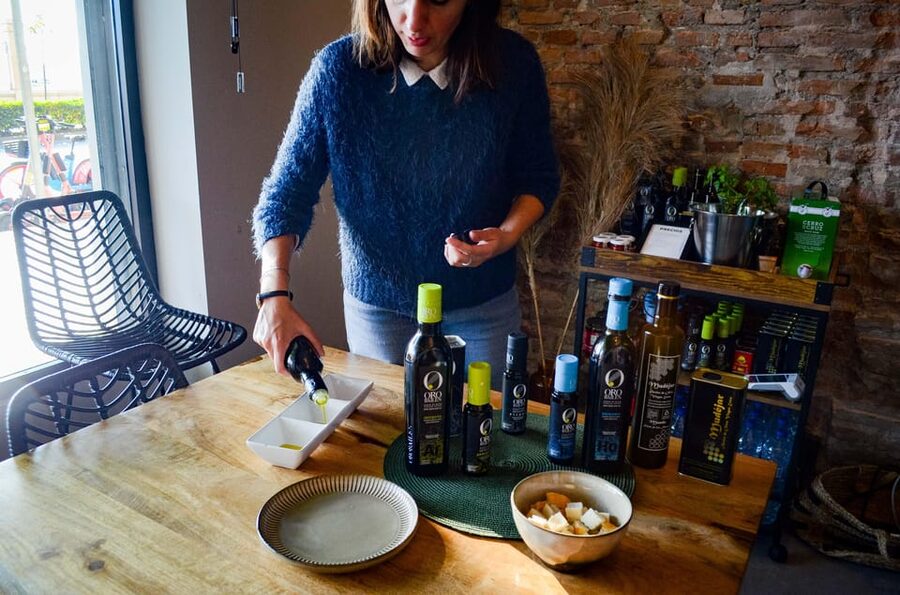
Back at Kulinarea, you put on your apron and begin with an extra virgin olive oil tasting. This is a smart opening because olive oil is not a background ingredient in Spanish food. Its flavor can change how a simple dish tastes.
The tasting comes with traditional nibbles, giving you something to compare with the oil. You are not simply told that local olive oil is important. You get to pay attention to its flavor before the cooking begins.
This part also sets the pace. The class is not all knives, heat, and instructions. You have time to taste, talk, and get comfortable with the group. Several nationalities may be represented, which can make the shared meal feel social rather than like a string of cooking tasks.
The kitchen itself is described as spacious, contemporary, clean, and attractive. That matters in a hands-on class. You want enough room to follow instructions, work with ingredients, and sit down comfortably afterward. The polished setting may feel less rustic than cooking in a family home, but it should make the process easier to follow.
Making paella with a method you can reuse
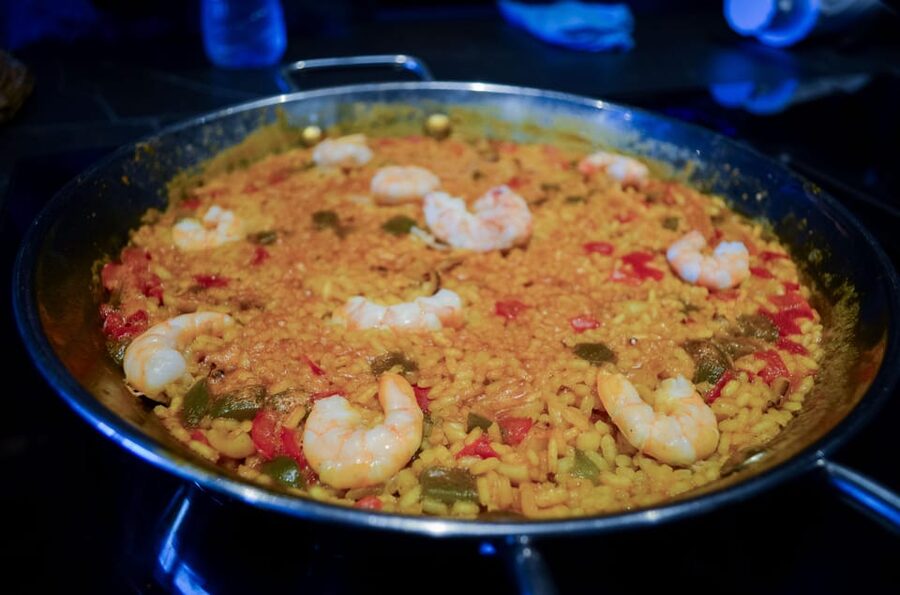
Paella is the center of the class, and this is where the experience earns its keep. The chef guides you through the dish rather than leaving you to copy a finished pan. You learn how ingredients and traditional spices come together, then watch the rice take on the flavor of the cooking liquid.
The most useful lesson is technique. One participant specifically found the paella method important for making the dish at home and preferred shrimp and cuttlefish over heavier proteins. That is practical advice for your own kitchen. A seafood-based paella can feel lighter, and the lesson gives you a clear version to repeat instead of an overcomplicated restaurant formula.
You should expect to work as part of a group, with the chef helping when needed. The instructor has been praised for explaining the steps clearly and noticing when people need help. That is especially valuable if you rarely cook rice dishes or feel unsure about timing.
A cooking class cannot guarantee that your first home paella will match the one in Málaga. Pan size, heat, rice, and stock all matter. What you gain here is a working method and a chance to ask questions while the food is in front of you.
The class is described as 100 percent hands-on, but that does not mean every person independently makes every dish from start to finish. In a shared cooking setting, some tasks are naturally divided. You should expect active participation, shared preparation, and close guidance rather than a private chef lesson.
Same stalls, a different way to shop and eat:
- Valencian paella cooking class, tapas and visit to Ruzafa market.
★ 5.0 · 828 reviews - Spanish Cooking Class & Triana Market Tour in Sevilla
★ 5.0 · 760 reviews - Seville: 3.5-Hour Spanish Cooking Class & Triana Market Tour
★ 4.9 · 751 reviews - Valencia: Paella Cooking Class with Central Market Tour
★ 5.0 · 721 reviews
Gazpacho, sangria, and the small extras
Paella gets the headline, but the supporting dishes make this a fuller Spanish food lesson. You also prepare a refreshing homemade gazpacho. That gives you a contrast in texture and temperature, and it shows another side of Andalusian cooking.
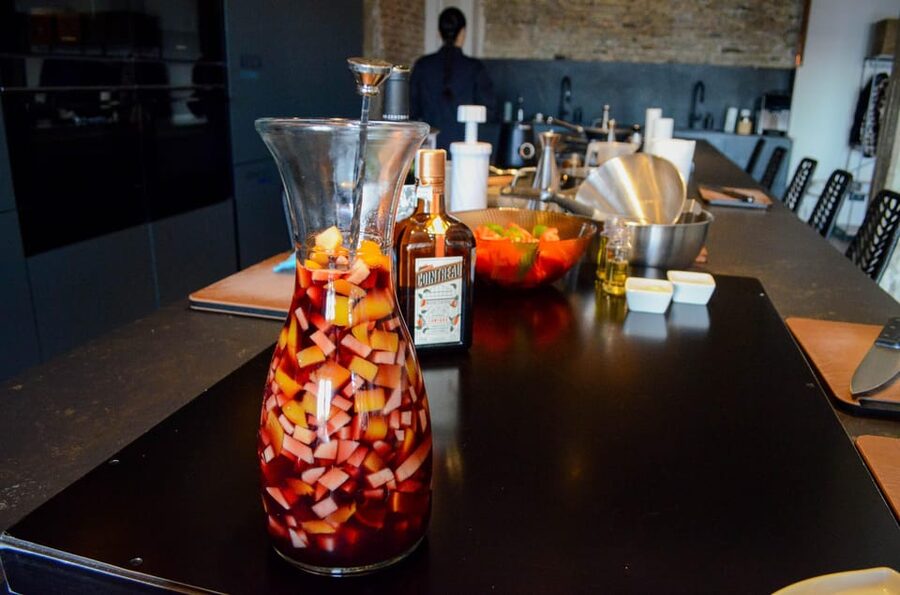
Sangria is included as part of the activity. You prepare or enjoy the homemade drink while the meal comes together, adding a relaxed social note to the class. Regional wine or beer is served with lunch, so you are not paying extra for the standard drink that accompanies the food.
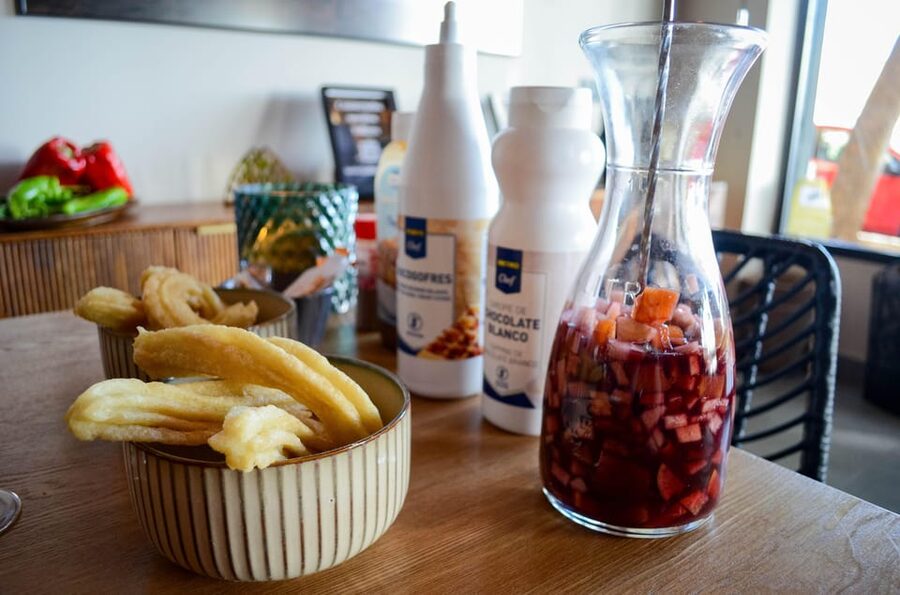
The meal finishes with churros. This is a small but important touch. You get a complete progression from savory preparation to dessert, rather than leaving the kitchen after the main dish with the experience feeling unfinished.
Olive oil tasting, sangria, gazpacho, paella, wine or beer, and churros are all included. Read that list as part of the value calculation. At $94, you are paying for instruction and a substantial food-and-drink experience, not merely a recipe demonstration.
Alcohol is part of the published inclusions, but the details do not specify alternatives for every dietary or personal preference. If you need a particular adjustment, raise it when booking. One important strength is that food intolerances have been accommodated, but you should still communicate your needs ahead of time rather than relying on a last-minute request.
The shared table is part of the lesson
After cooking, you sit down and eat what you prepared. That sounds simple, but it changes the mood of the activity. You can taste the result while the method is still fresh in your mind, and you can compare your impressions with the people who worked beside you.
The class attracts people from different countries, which can make the meal lively without requiring a separate social event. You have a natural topic of conversation: the market, the ingredients, the paella, and whether the rice came out as planned.
I like this format for solo visitors because the structure makes conversation easy. It also works well for couples who want more than another restaurant meal. Families should note that the activity includes wine and beer, so it is worth checking whether the overall format fits your group.
The kitchen is in Málaga’s Soho District, just steps from the market. That location keeps the day compact. You do not lose time crossing the city between the market and the cooking studio.
What you take home
The apron is a useful souvenir rather than a decorative token. You wear the Kulinarea apron during the class and take it home afterward. It gives you something practical to use when you try the recipes again.
The recipes are sent the next day. This timing is useful because you can enjoy the meal without trying to write down every measurement. It also gives you a written reminder after the holiday, when the details of the paella technique may otherwise blur together.
I would save the recipe message and make notes about what you liked while the class is fresh. Pay attention to the paella method, the seafood choices, and the balance of the gazpacho. Those are the parts most likely to help you recreate the meal.
Location, timing, and what to bring
The meeting point is Kulinarea, at Av Manuel Agustín Heredia 24. If you are driving, Parking de La Marina is an underground car park opposite the meeting point. That is useful, since central Málaga parking can take planning.
The full experience lasts 3.5 hours. Allow the whole block rather than trying to fit in a museum booking immediately afterward. Market visits, cooking, eating, and conversation can run at a human pace, which is part of the appeal.
Large bags and luggage are not allowed. Leave suitcases at your accommodation or make other arrangements before arriving. This is a cooking workspace, so traveling light will make the start easier.
The class is in English. The available information does not specify accessibility details, exact group size, or a list of substitutions, so ask the provider directly if any of those points affect your decision.
Cancellation is free up to 24 hours before the start, and you can reserve now and pay later. Those terms are helpful if your Málaga plans are still shifting, but you should still confirm the exact start time when selecting a date.
Is the $94 price fair?
I think the price is fair for the right kind of visitor. You receive a market introduction on eligible sessions, an olive oil tasting, a guided cooking class, a full meal, several drinks and dishes, an apron, and recipes afterward. Buying each element separately would take more planning and might not give you the same chance to cook.
The value is weaker if you only want to eat paella or if you dislike group activities. You could find a cheaper restaurant meal, and an independent visit to Atarazanas Market costs less. You are paying for instruction, access to the kitchen, food, drinks, and the social format.
The strongest value is educational. The paella technique can follow you home, especially if you want to cook with shrimp and cuttlefish rather than build a heavy dish. The meal is the reward, but the repeatable method is what gives the experience a longer life.
Should you book this Málaga cooking class?
Book it if you want to connect Málaga’s market ingredients with a meal you make yourself. Choose a weekday or Saturday morning if the market visit matters, and tell the provider about food intolerances in advance.
Skip it if you want a quiet private meal, a dedicated market tour, or a highly specialized paella workshop. For most food-curious visitors, though, this is a well-balanced half-day: local products, clear instruction, a pleasant kitchen, plenty to eat, and recipes you can use after Spain.
FAQ
How long does the Málaga paella cooking class last?
The experience lasts 3.5 hours.
What language is the class conducted in?
The live tour guide and cooking experience are in English.
Where is the meeting point?
You meet at Kulinarea, located at Av Manuel Agustín Heredia 24 in Málaga.
Does every session include a market visit?
Weekday and Saturday morning sessions include a visit to Atarazanas Market. Sunday and evening sessions skip the market because it is closed.
What food and drinks are included?
The experience includes an olive oil tasting, sangria, gazpacho, paella, wine or beer with the meal, and churros.
Do I cook the paella myself?
The class is hands-on, and the chef guides you through preparing the paella and gazpacho. You then eat the meal you helped prepare.
Do I receive anything to take home?
You take home the Kulinarea apron, and the recipes are sent to you the next day.
Can I cancel the booking?
You can cancel up to 24 hours in advance for a full refund. You can also reserve now and pay later.
More Markets in Spain
- San Sebastian Pintxo Food, Wine & Market Foodie Tour(Small Group)
★ 5.0 · 621 reviews - Cap de Formentor: Market, Beach, and Alcudia Tour
★ 4.3 · 620 reviews - Ultimate Barcelona Food Tour with visit to a Local Market
★ 5.0 · 507 reviews - Interactive Paella & Market: Bottomless Wine & Rambla Views
★ 5.0 · 376 reviews
More Cooking Classes in Spain
- Barcelona: Paella Cooking Class with Market Visit and More
★ 4.9 · 711 reviews - Madrid Tapas & Paella Cooking Experience with Local Market Visit
★ 5.0 · 432 reviews - Half-Day Spanish Cooking Class & Boqueria Market Tour
★ 4.9 · 383 reviews - Seafood paella cooking class, tapas and visit to Ruzafa market.
★ 5.0 · 328 reviews
Just added around Spain
- Explore Bilbao’s Flavors Mercado de la Ribera and Old Town★ 4.5 · 3 reviews
- CERTAL Exclusive Tour: LA RIBERA Market + GASTROBARS Bilbao (3h)★ 4.5 · 12 reviews
- Barcelona La Boqueria & Sant Antoni Private Food Experience★ 5.0 · 7 reviews
- Spanish Oysters, Cava and Ibérico Ham at Barcelona’s La Boqueria Market★ 5.0 · 8 reviews
- Taste of Barcelona: Boqueria Market, Tapas & History Tour★ 4.5 · 22 reviews
- Barcelona Tapas Cooking & Cocktail Class with Veronique & Mattias★ 5.0 · 3 reviews
- Cook Paella & Tapas + Market Tour in Barcelona (4-Course Meal)★ 5.0 · 2 reviews
- Private Barcelona Market Tour & Paella Cooking Class with Josh★ 5.0 · 4 reviews
Market Cooking Classes, compared.
Hanoi Cooking Class: Culture, Local Market & Meaning CSR Impact
Read our review →
5 Traditional Dishes Hanoi Cooking Class with Market Trip
Read our review →
Cooking Class and Lunch at a Tuscan Farmhouse with Local Market Tour from Florence
Read our review →
Cooking Class, Market & Thai Herbs Garden Tour
Read our review →
Authentic Cooking Class with Market & Farm Visit
Read our review →
Paella Cooking Experience & Boqueria Market Tour
Read our review →
Cooking Class Hoi An:Local Market, Basket Boat, Fishing & Cooking
Read our review →Browse the lists this tour appears in