
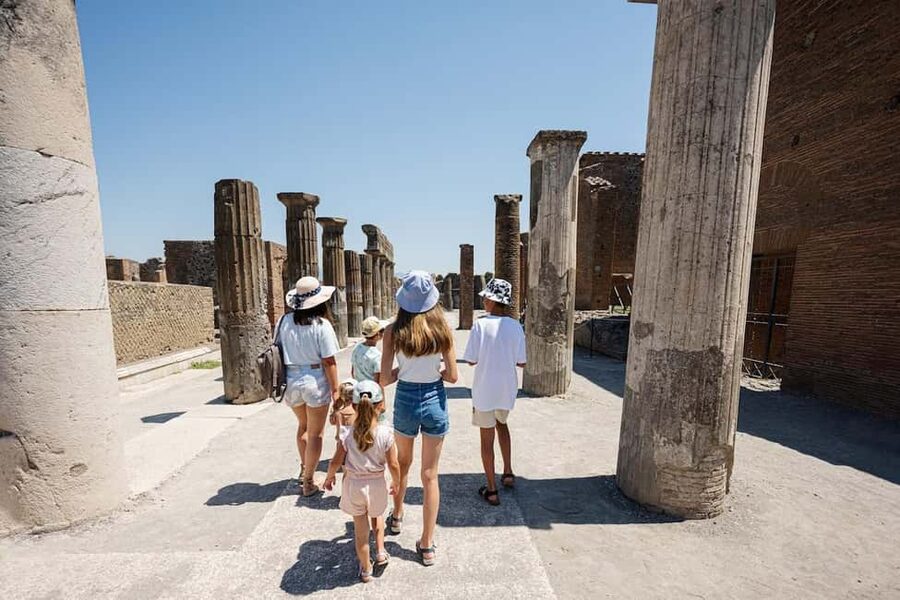
Review · ROME
Rome: Temples, Squares & Markets Guided Walking Tour
Rome reveals itself best on foot, layer by layer. This private three-hour walk links the Pantheon, Baroque churches, ancient temples, the Jewish Ghetto, and the Circus Maximus, with a Roman street-food stop along the way. You get the big sights, but also the odd details that make the city feel human, such as talking statues and streets named after old trades.
I like the private format, since your guide can adjust the route instead of marching a large group from one photo stop to the next. I also like the food break: one taste of supplì gives you a quick introduction to Roman cooking without turning the tour into a full meal. The main consideration is pace. There are many stops in three hours, and entrance tickets are not included, so this is mainly a guided walking and sightseeing experience rather than a series of extended interior visits.
Juan has been especially good at adapting the route to places a guest has not yet seen. Daniele has also been praised for planning a visually strong route, arriving on time, confirming the outing the day before, and finishing as close to a hotel as possible. Guide quality matters greatly on a walk like this, and these details suggest you can expect thoughtful local help rather than a memorized speech.
Key points to know before booking

- A private route through central Rome: You visit major squares and ancient sites with a guide focused on your group.
- One Roman street-food tasting: The included sample is supplì, a fried rice croquette with a classic Roman connection.
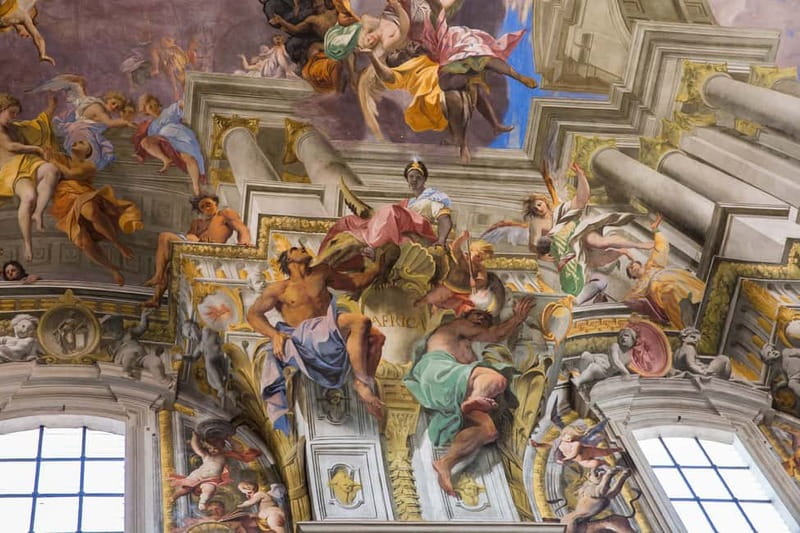
- A rare mix of eras: The route moves from Sant’Ignazio’s painted Baroque ceiling to temples, imperial ruins, and the Jewish Ghetto.
- Strong guide flexibility: Juan has adjusted routes for guests, while Daniele has tailored the finish and offered wider Rome advice.
- Three hours is useful but brisk: You see a great deal, but you will not have time for long visits at every stop.
- Tickets cost extra: Admission to attractions is not included, so confirm which interiors you want to enter.
Why this Rome walk works as an introduction

Rome can feel like a stack of cities placed on top of one another. A modern street may lead to a medieval lane, which opens onto a temple older than the Colosseum. This tour makes that layering its main subject.
You begin at the Church of Sant’Ignazio di Loyola and finish around Tiber Island, taking in a broad sweep of central and southern Rome. The route includes famous stops such as the Pantheon and Piazza Navona, but it also gives time to the Jewish Ghetto, Largo di Torre Argentina, the Temple of Portunus, and the remains around the Circus Maximus.
I would consider this a good first or second-day activity if you want a map of the city in your head. You will not study one monument in great depth. Instead, you connect many places and leave with ideas about where to return later.
The group is private, and the guide speaks English, Italian, or Spanish. That private setup is the big value here. If you are traveling with family or friends, you can ask questions freely and request changes to suit your interests.
More Market Walking Tours in Italy
- Palermo: Walking Tour of Historic Markets and Monuments
★ 4.9 · 478 reviews - Palermo: Markets and Monuments City Center Walking Tour
★ 4.9 · 238 reviews - Markets and monuments: walking tour and street food in Palermo
★ 5.0 · 159 reviews
Sant’Ignazio and the Pantheon: a fine opening pair
The Church of Sant’Ignazio di Loyola is an excellent starting point because it gives you an immediate lesson in Roman illusion. Its frescoed ceiling and Baroque decoration create the sort of visual surprise that rewards a guide’s explanation. You receive about 15 minutes here, enough to understand the setting without using up the whole walk inside one church.
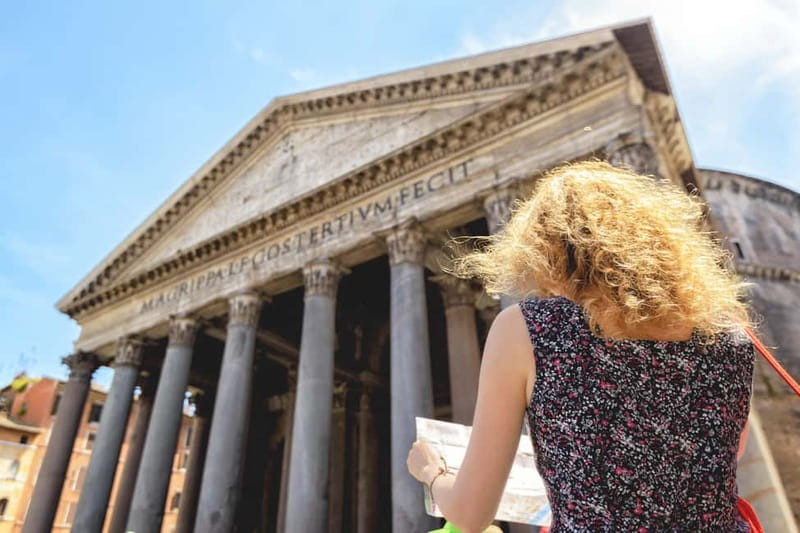
From there, you continue to the Pantheon. Its dome, age, and unusual design make it one of Rome’s essential stops. The guide also explains the obelisks scattered across the city, many of them thousands of years old and brought from Egypt. That detail helps connect Rome’s monuments to the wider ancient world.
The practical catch is important: attraction tickets are not included. The tour description does not promise admission into every site, so you should treat these stops as guided visits unless your guide confirms otherwise. If entering the Pantheon is a priority, ask about the ticket arrangement before booking or before the walk begins.
Piazza Navona and Rome’s talking statues
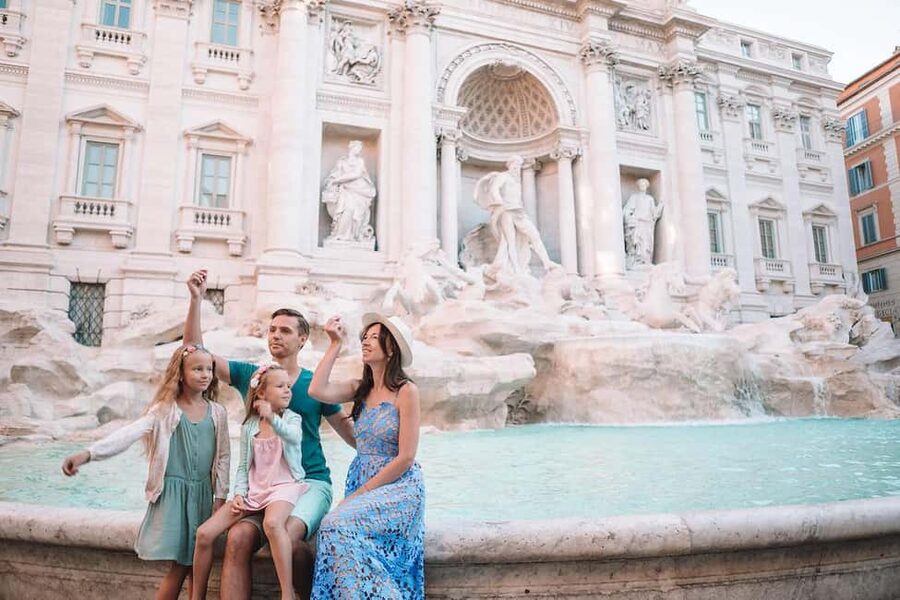
Piazza Navona is one of Rome’s best places to read the city as theatre. Its grand shape, fountains, and surrounding architecture make it easy to understand why this is a major sightseeing stop, but a local guide can add the less obvious stories.
You hear about Rome’s talking statues, a peculiar tradition in which people once attached anonymous complaints and political comments to statues around the city. It is a small subject, but it gives you a glimpse of Rome’s long habit of mixing public life, humour, and criticism.
The 15-minute stop is likely enough for an explanation and a look around, though not for a slow architectural study. If you want photographs without hurrying, use the private format to ask for a little time here. The route has many stops, so your guide will need to balance your requests against the clock.
Campo de’ Fiori and the taste of supplì
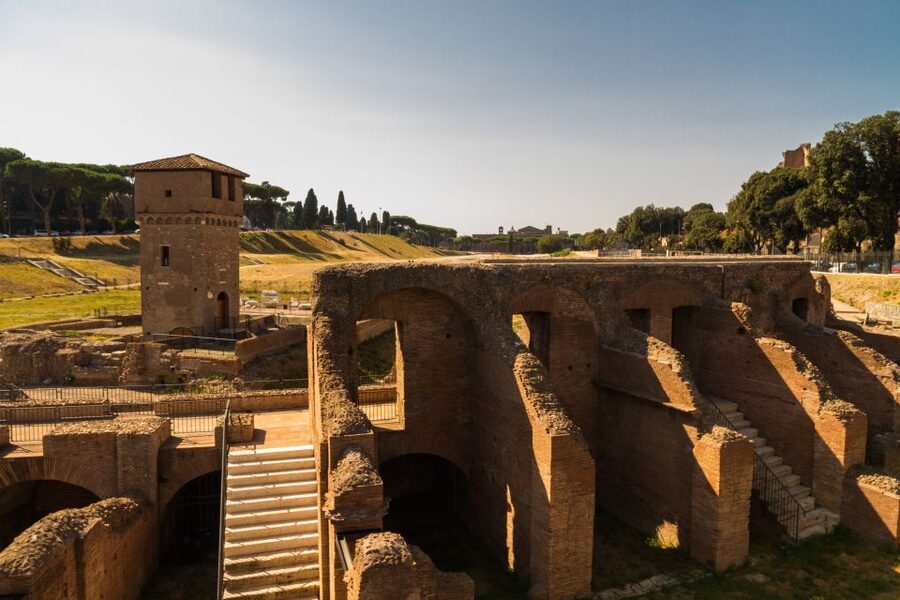
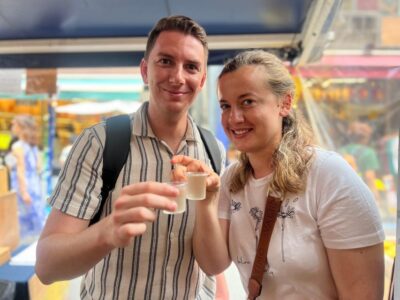
Campo de’ Fiori brings the tour down to street level. Its food market and surrounding lanes offer a break from monuments, and this is where the included tasting becomes useful. You sample supplì, a Roman street food made from rice and typically served as a fried croquette.
One tasting will not replace lunch, but it gives you a clear introduction to Roman food culture. The guide also discusses Italian food products, so you can ask what to buy, what to avoid, and which dishes are worth seeking out later. Since the guide offers restaurant recommendations at the end, take notes if you still have several meals ahead in Rome.
I like this stop because food provides a practical link to the city. You are not only looking at old stone. You are learning how Rome eats.
Do remember that the tour includes one street-food tasting, not a full food tour. If you arrive hungry, plan another meal before or after the walk.
More market walks in Rome:
- Bangkok: City Highlights Temple and Market Walking Tour
★ 4.5 · 3,990 reviews - Tokyo Tsukiji Fish Market Food and Culture Walking Tour
★ 5.0 · 3,184 reviews - Marrakech: Ben Youssef, Secret Garden, & Souks Walking Tour
★ 4.6 · 2,802 reviews - Marrakech: Colorful Medina Souks Guided Walking Tour
★ 4.7 · 2,470 reviews
Largo di Torre Argentina and Caesar’s final day
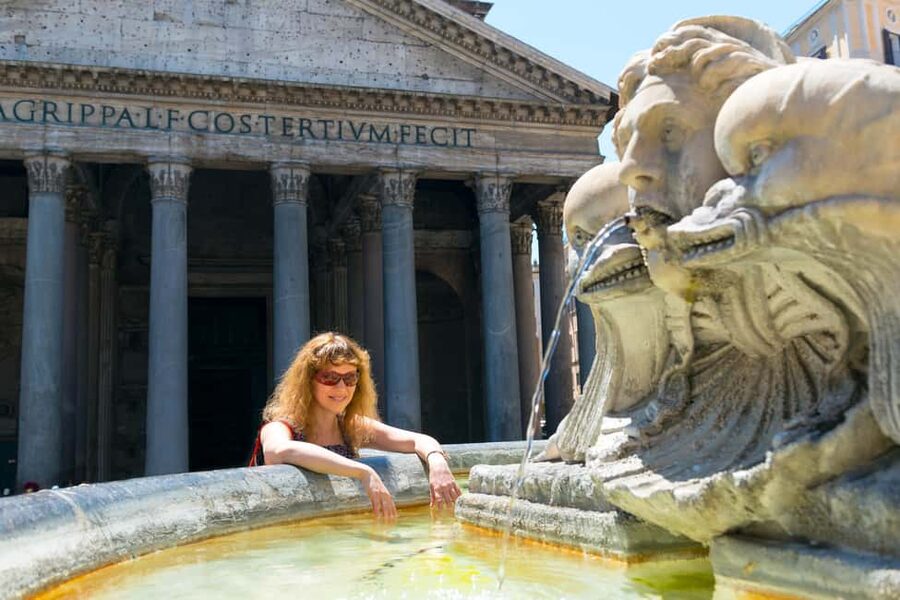
At Largo di Torre Argentina, the ruins bring you to one of Rome’s most famous political turning points. The area is connected with the assassination of Julius Caesar and the Ides of March, giving the guide a chance to explain how ancient power struggles played out in the city.
This stop also helps explain Rome’s lasagna effect: newer streets and buildings sit above, beside, and around older layers. The ruins are not presented as isolated museum pieces. They are part of the working city.
About 15 minutes is scheduled here. You will get the story and a look at the archaeological remains, but the stop is not designed for a long archaeological examination. I would pay close attention to the guide’s explanation, since the stones alone can be hard to read.
The Jewish Ghetto and Portico d’Ottavia
The Jewish Ghetto is one of the most valuable parts of the route. It has retained a distinct character, with narrow lanes, old buildings, and a quieter feel than the major squares. The guide explains the area’s identity and points out unusual street names, which often preserve clues about past trades or local life.
At Portico d’Ottavia, ancient Roman remains meet the neighborhood’s later history. This is a strong example of why a private guide helps. You can ask how the ancient structures fit into the surrounding district instead of simply photographing a ruin and moving on.
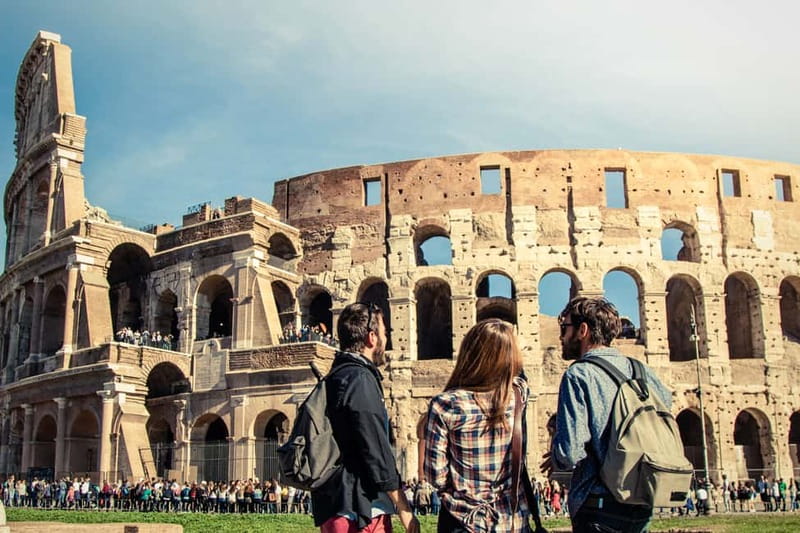
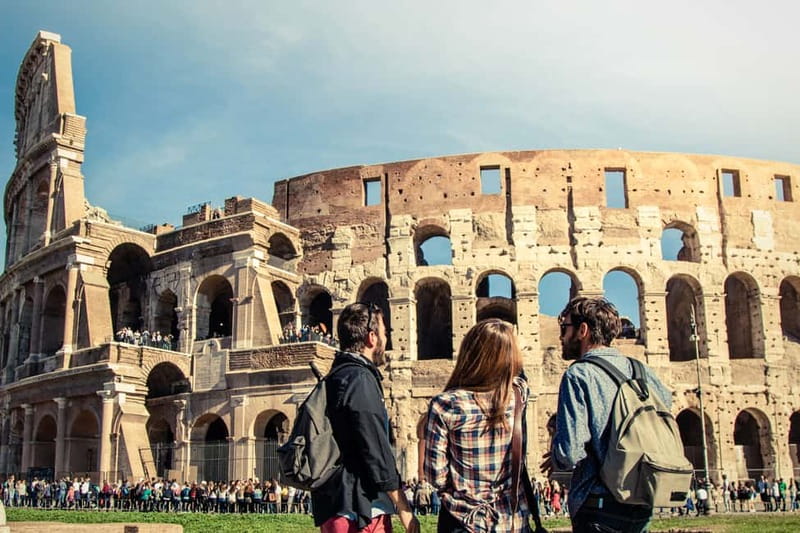
The tour also includes a look at a so-called fake Colosseum, an ancient ruin with a shape that recalls the famous amphitheater. It is not the Colosseum, and that is precisely why it is interesting. Rome is full of familiar forms in unexpected places.
The Jewish Ghetto is also a place where the pace may feel quick. If this district interests you, tell your guide early. You may want more time here than the standard schedule allows.
The Temple of Portunus and the Mouth of Truth
The Temple of Portunus gives you a clear view of a well-preserved ancient temple without the crowds and scale of Rome’s headline monuments. Its simple form makes it easier to understand how a Roman temple was shaped and positioned.
The route then reaches the Mouth of Truth, made famous to many people by the film Roman Holiday. The attraction is playful, but it also shows how cinema can turn a small Roman feature into a modern pilgrimage stop. Expect a short guided visit rather than a long film-history discussion.
These stops work well together because they shift your attention from grand imperial ruins to smaller, more personal pieces of Rome. You see how the city’s stories move between archaeology, religion, popular culture, and local legend.
Circus Maximus and Palatine Hill
Circus Maximus opens the scale back up. The huge ancient racing ground once hosted public spectacles, and the guide helps you picture the crowds and events that filled the valley. You also get views toward Palatine Hill, where Roman rulers once lived and where remains of the Imperial Palace can still be seen.
This portion is mainly about orientation and views. The itinerary gives Circus Maximus about 15 minutes and Palatine Hill a guided stop, but it does not include a separate Palatine Hill ticket. If you want to explore the archaeological area in detail, plan a separate visit.
I like having these sites on the route because they put central Rome’s smaller ruins into a wider frame. After seeing temples and fragments up close, you see the scale of the imperial city. You also avoid spending the entire tour inside crowded landmark zones.
Crossing to Tiber Island
The walk ends at Tiber Island, reached by crossing a bridge over the Tiber. The island is a memorable closing point because it feels distinct from the surrounding streets and provides a natural pause after three hours on foot.
Your guide can use the final minutes to suggest places to eat, shop, and visit later. This advice may be one of the most useful parts of a private tour. Daniele, in particular, has offered recommendations not only for Rome but also for other places in Italy.
There is one logistical detail to clarify. The route information identifies Tiber Island as the finish, while the meeting information also says the activity ends back at the meeting point. Those details do not fully match. Ask the operator to confirm the exact endpoint before you set a post-tour appointment.
Is $79.30 a fair price?
At $79.30 per person, this is not the cheapest way to see Rome’s streets. The price makes more sense if you are booking a private group and value personal attention, route changes, and direct advice.
You are paying for three hours with a local guide, not for entrance to paid attractions. The single food tasting is a pleasant extra, but it should not be the main reason you book. The value comes from joining the sights into a coherent route and being able to ask for adjustments.
For two people, the cost is easier to justify if you want flexibility and do not enjoy large group tours. For a larger private group, the per-person rate may feel stronger. If you mainly want admission to the Pantheon or Palatine Hill, compare this with a ticketed specialist tour, since those entries are not included here.
The free cancellation period extends to 24 hours before the activity, and you can reserve now and pay later. Those terms help if your Rome schedule is still shifting.
Who should book this walking tour?
I would recommend it to first-time Rome visitors who want a broad introduction without spending the entire morning at one monument. It also suits returning visitors who have seen the obvious sights and want the Jewish Ghetto, ancient temples, food culture, and lesser-known stories added to the picture.
Families and small groups should benefit from the private format, especially if you want to adjust the route. Food-minded visitors will appreciate the supplì tasting and the guide’s advice about Italian products.
You should think twice if you dislike walking, want long interior visits, or expect a full meal. Three hours covers a lot of ground, and the many 15-minute stops mean you will often be moving on just as a subject becomes interesting.
The tour is wheelchair accessible, and the live guide can conduct it in English, Italian, or Spanish. Still, ask about the route and exact endpoint if mobility needs make distance or surfaces important to your planning.
My booking advice
Book this if you want Rome explained as a connected story: Baroque illusion at Sant’Ignazio, ancient engineering at the Pantheon, public life at Piazza Navona, food at Campo de’ Fiori, Caesar at Largo di Torre Argentina, Jewish history around Portico d’Ottavia, and imperial scale near the Circus Maximus.
I would especially choose it early in a Rome stay, then use the guide’s recommendations to plan later meals and visits. Just remember that tickets are extra, the food stop is small, and the route is brisk. If those limits suit you, the private format and flexible guiding make $79.30 a reasonable price for a well-rounded first look at Rome.
FAQ
How long does the tour last?
The tour lasts three hours.
What is the price?
The listed price is $79.30 per person.
Is the tour private?
Yes. It is offered for a private group.
Which languages are available?
The live guide is available in English, Italian, and Spanish.
Where does the tour start?
It starts at the entrance of the Church of Sant’Ignatius of Loyola.
Where does the tour finish?
The route identifies Tiber Island as the finish. The meeting information also says the activity ends back at the meeting point, so confirm the exact endpoint before booking.
Is food included?
One traditional Roman street-food tasting is included. The tasting features supplì.
Are attraction tickets included?
No. Tickets to attractions are not included.
Is the tour wheelchair accessible?
Yes, the activity is listed as wheelchair accessible.
Can I cancel for a full refund?
Yes. You can cancel up to 24 hours in advance for a full refund.
More Walking Tours in Rome
- Air Raid Shelter + St. Nicholas Market Walking Tour
★ 5.0 · 1,950 reviews - Tokyo: Tsukiji Fish Market Food and Walking tour
★ 5.0 · 1,724 reviews - Tokyo: Tsukiji Fish Market Guided Walking Tour
★ 4.9 · 1,397 reviews - Nishiki Market Brunch Walking Tour (7 Tastings + Brunch)
★ 5.0 · 1,355 reviews
Just added around Rome
- Testaccio Experience: Street Food, Market and Traditions★ 5.0 · 4 reviews
- Rome: Testaccio Food & Market Tour with Pasta & Wine★ 5.0 · 38 reviews
- Rome: Trajan’s Markets & Museum of The Imperial Fora Tour★ 4.8 · 4 reviews
- Rome: Taste of Testaccio Food & Market Tour★ 4.9 · 38 reviews
- Rome: The Vatican Market Experience Tasting and Class★ 4.7 · 10 reviews
- Farmers Market Shopping and Roman Full Course Class – SHARED★ 5.0 · 12 reviews
- Rome: Market and Cooking Class at a Local’s Home★ 4.0 · 3 reviews
- Rome: Prati Food & Wine Market Tour with St. Peter Square★ 5.0 · 7 reviews
Market Walking Tours, compared.
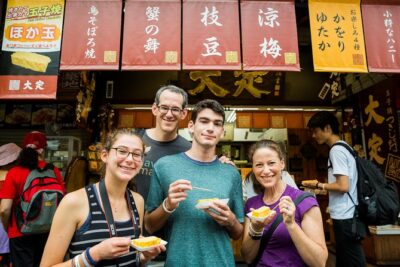
Tokyo Tsukiji Fish Market Food and Culture Walking Tour
Read our review →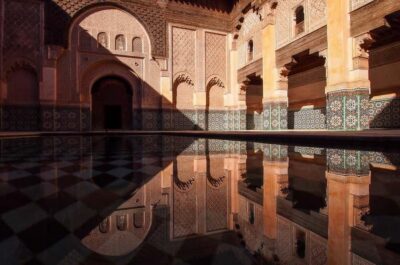
Ben Youssef, Secret Garden, & Souks Walking Tour
Read our review →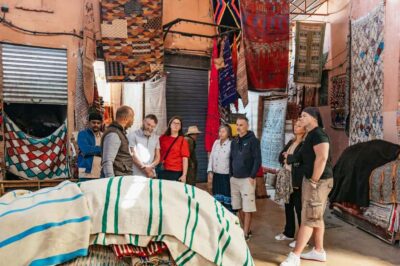
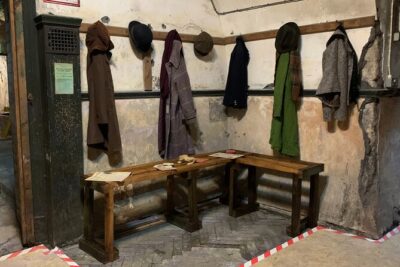
Air Raid Shelter + St. Nicholas Market Walking Tour
Read our review →
Nishiki Market Brunch Walking Tour (7 Tastings + Brunch)
Read our review →Tsukiji Fish Market Food and Culture Walking Tour
Read our review →Browse the lists this tour appears in