
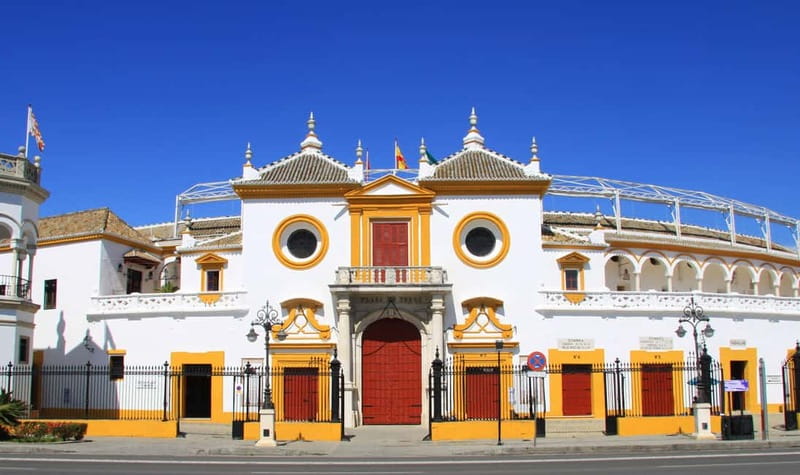
Review · SEVILLE
Seville: Tasting, History, Market visit and Tapas Tour
Seville’s food culture makes sense when you eat it in the order locals do. This four-hour walk starts with coffee, toast, and fresh orange juice, then moves through churros, olive oil, market food, sherry, fried fish, and tapas. You get a meal, a neighborhood walk, and a practical lesson in how to order.
I like the small group of no more than 10 and the mix of everyday food with special stops. The Triana Market visit gives the tour a local backbone, while the olive oil tasting and old tapas bar add details you might miss on your own. Guide Gunvor Guttormsen has also earned especially warm praise for clear explanations and for helping visitors feel comfortable ordering in Spanish.
The main consideration is that this is a walking-and-eating morning, not a formal culinary class. Portions and tastings are spread across several stops, and anyone with allergies should give notice when booking. The tour also finishes back at Plaza Nueva, so you should be ready for roughly four hours on foot.
Key points to know before booking
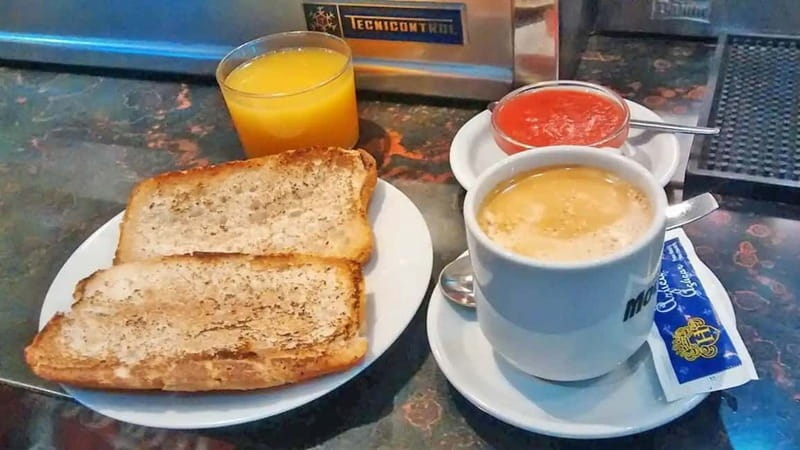
- A full Spanish breakfast starts the morning: Coffee, toast, and freshly pressed orange juice introduce the food habits of Seville.
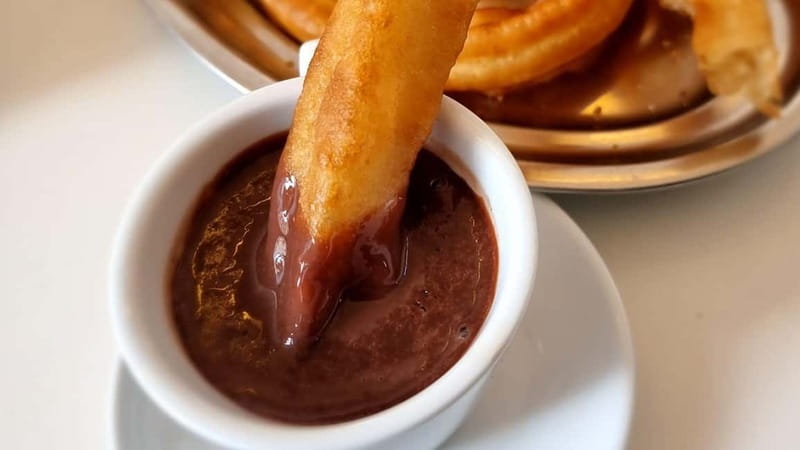
- Churros arrive at a small local stall: You eat them as you continue walking, with chocolate included in the tasting.
- Olive oil gets serious attention: A local shop owner explains different varieties and flavor differences.
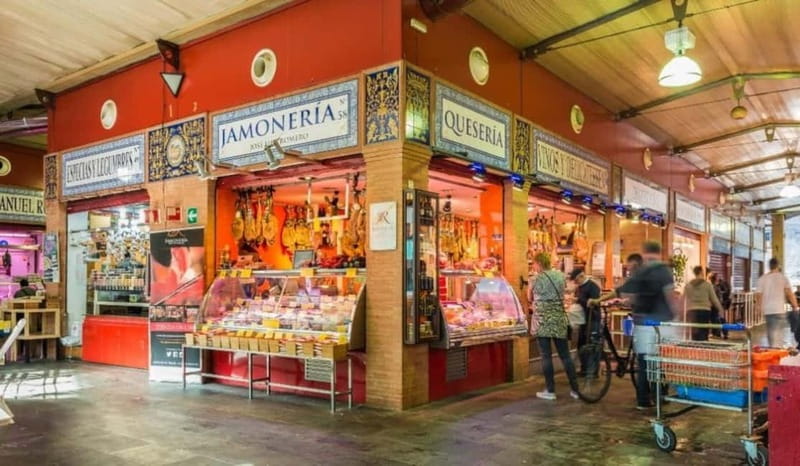
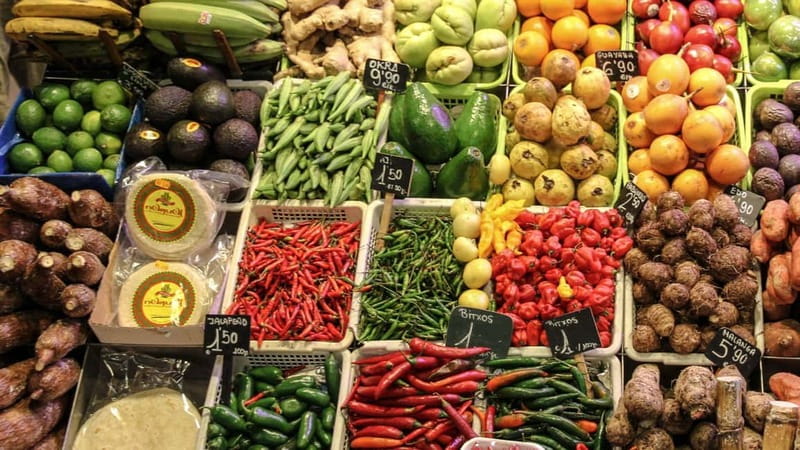
- Triana Market is the food center of the route: You’ll see produce, meat, fish, olives, pickles, cured ham, and cheese.
- The final meal is a traditional tapas lunch: Fried fish, vegetables, beer, tapas, and wine are served in old local bars.
- The format is personal and flexible: The group is limited to 10, with English, Spanish, or Norwegian guiding available.
Seville breakfast at Plaza Nueva
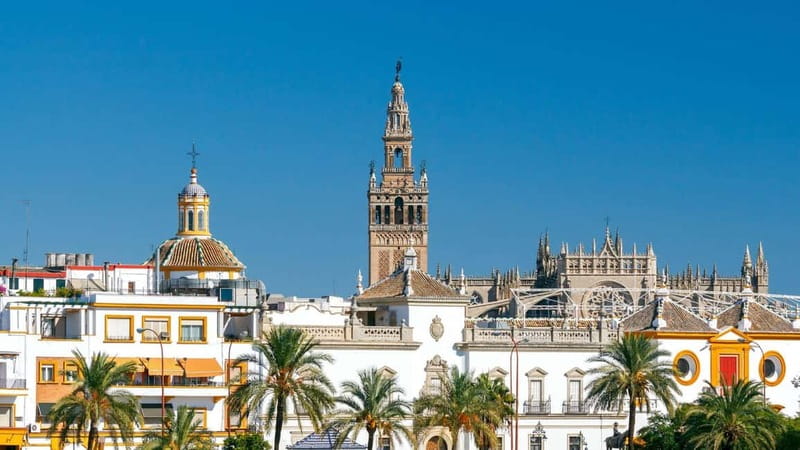
You meet in front of the main entrance of Seville’s town hall at Plaza Nueva. This is a convenient central starting point, and the tour ends at the same place, so you do not need to arrange a taxi across town afterward.
The first food stop is deliberately ordinary. You’ll have coffee, toast, and fresh-pressed orange juice, the sort of breakfast described as typical for more than 80 percent of Sevillians. That makes this opening more useful than a grand introduction built around rare delicacies. You begin with the food people actually eat during a normal morning.
The toast is part of the lesson. Spanish breakfast can be simple, and this stop helps you understand that coffee and bread are not just quick filler before the day starts. They are part of the daily rhythm. The orange juice adds something fresh and light before the richer tastings later.
I like starting here because you can ask questions while the day is still quiet. If you are new to Spain, this is also a good moment to learn how Spanish breakfast differs from the larger morning meals common in some other countries.
More food and drink tours in Spain:
- Paella Cooking Class, Wine Tasting & Central Market in Valencia
★ 5.0 · 1,150 reviews - San Sebastian Pintxo Food, Wine & Market Foodie Tour(Small Group)
★ 5.0 · 621 reviews - Ultimate Barcelona Food Tour with visit to a Local Market
★ 5.0 · 507 reviews
Churros, chocolate, and a walk through the waking city
After breakfast, the group walks to a small churro stall. You’ll taste churros with chocolate as Seville wakes up around you. The tour description does not promise a private kitchen demonstration, so think of this as a focused tasting rather than a lesson in making the dough.
Churros are best understood in context. They are not simply a sweet snack to tick off a food list. They belong to the social life of Spanish mornings and late nights, often paired with thick chocolate for dipping. Here, they add a change of texture and flavor after the toast and coffee.
The walking format matters. You do not spend four hours sitting at a series of restaurants. You eat, move, look around, and eat again. That keeps the morning active, though you should wear comfortable shoes and expect to be on foot for most of the experience.
Because the group is limited to 10 people, you should have a better chance to hear the guide at each stop than you would on a large coach-style food tour. Guide Gunvor Guttormsen is specifically praised for being easy to understand and accommodating, useful qualities when the subject is food vocabulary and local customs.
Olive oil tasting with a local shop owner
The next stop is a local olive oil shop. You’ll taste several oils with different flavors, while the owner explains the varieties in front of you. This is one of the tour’s more distinctive stops because it gives you a simple way to compare oils instead of treating olive oil as one uniform ingredient.
Pay attention to how the oils differ. The point is not just to decide which one you like best. You can ask what makes one oil taste stronger, fruitier, or more peppery than another, and how people use different oils in cooking. The supplied details do not specify the exact brands or varieties, so the selection may change.
This stop also gives you a practical buying lesson. If you plan to take olive oil home, tasting before buying is far more useful than picking a bottle based on a decorative label. You can also ask the shop owner questions that a general sightseeing guide may not be able to answer.
The shop is a good fit for food-minded visitors, but it may be less exciting if you are looking only for major sights. That is the trade-off throughout this tour: time spent learning about ingredients means less time devoted to monuments.
Crossing Triana Bridge to the market
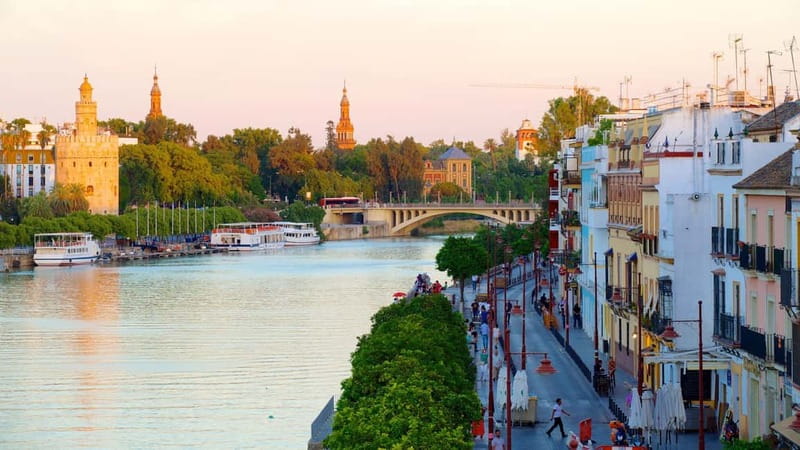
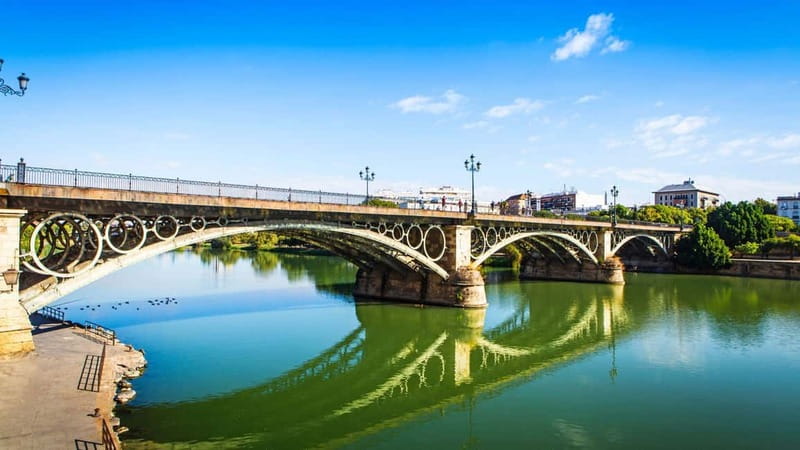
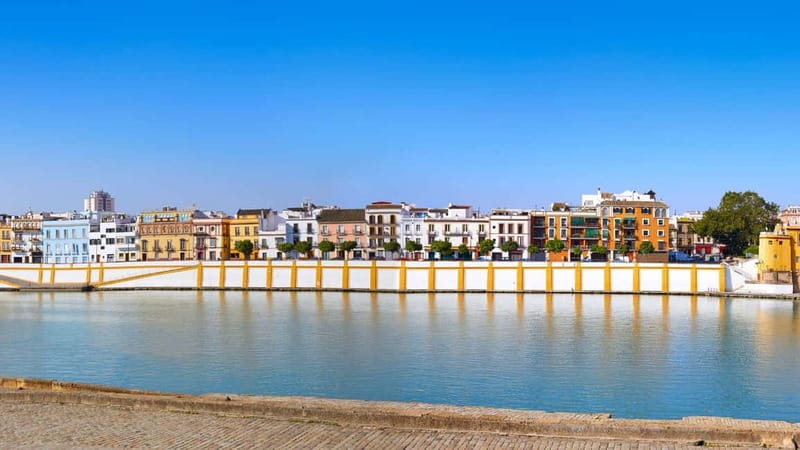
After the oil tasting, you cross Triana Bridge toward the Triana Market. The bridge connects the historic center with Triana, one of Seville’s best-known areas, and the short walk gives the food route a clear sense of place.
The market is not treated as a quick photo stop. First, you walk around to see the stalls, then pause for tastings. The market sells fresh fruit and vegetables, meat, fish, and other foods from the region. That variety helps you see how local meals begin, before they become the plates served in bars and restaurants.
I like this part because it links the food on your plate to the products being sold nearby. You’ll have more context for the tapas later, and you can ask about ingredients as you see them. The route also lets you observe the difference between a market used for everyday shopping and a place designed mainly for sightseeing.
Triana Market can be a strong part of the morning for first-time visitors to Seville. It gives you a reason to cross the bridge and spend time in Triana rather than staying around the central sights. Still, the experience is a guided visit with tastings, not a shopping trip. If you want to browse every stall at your own pace, the group schedule will limit you.
A few more market tours around Spain worth a look
- Barcelona: Paella Cooking Experience & Boqueria Market Tour
★ 4.8 · 3,661 reviews - Barcelona Paella Cooking Class with Market Visit, Tapas & Sangria
★ 5.0 · 2,531 reviews - Valencian paella cooking class, tapas and visit to Ruzafa market.
★ 5.0 · 828 reviews - Spanish Cooking Class & Triana Market Tour in Sevilla
★ 5.0 · 760 reviews
Cured ham, cheese, sherry, olives, and capers
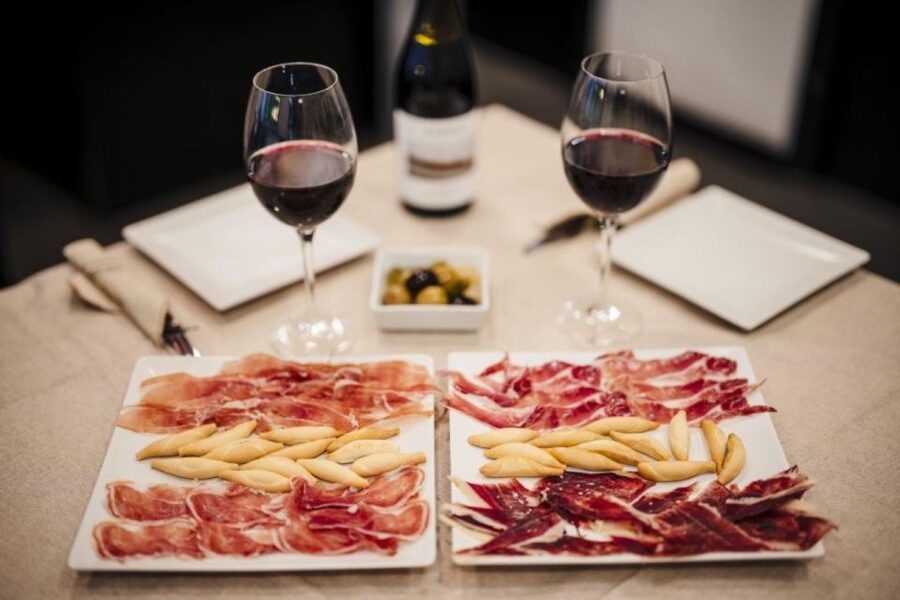
Inside the market, tastings focus on several familiar Spanish foods. You’ll try cured ham and cheese, paired with the chance to sample sherry wine from Jerez de la Frontera. You’ll also visit a stall selling olives and pickled foods, including capers.
This section gives you a useful introduction to the balance of Spanish snacks. Cured ham and cheese bring salt and richness. Olives and capers add sharper, briny flavors. Sherry provides a local drink connection, linking the market tasting to the wine traditions of nearby Jerez.
The guide can help you understand what you are tasting and how it fits into local eating habits. That matters if your Spanish is limited. One couple on the tour had limited Spanish and came away feeling more confident about what to order and how to order it. That is a real benefit for a food tour: you should leave with more than a full stomach.
The amount of food at each market stall is not specified, so do not assume this is a large meal at this stage. The tastings build toward lunch rather than replace it. If you have dietary restrictions, mention them at booking, especially since the route includes dairy, meat, seafood, alcohol, and fried foods.
Fried fish and vegetables with local beer
After leaving the market, the route passes a typical bar where you’ll taste fresh fried fish and vegetables with a refreshing glass of local beer. This stop shifts the focus from ingredients to the way Seville’s bars serve food in everyday life.
Fried fish is a natural fit for a city in Andalusia, and the beer gives you a straightforward local pairing. The vegetables help break up the richer foods from the market and the sweets from earlier in the morning. You should expect a casual bar setting rather than a polished restaurant.
This is also the point where the tour feels most like a progressive lunch. You are not waiting for one large meal at the end. You are sampling a sequence of small plates in different settings, which helps you compare the atmosphere and style of each place.
The drawback is that bar food can be informal and simple. If you want elaborate plating or a long explanation from a chef, this will not be that kind of experience. If you want to learn how locals eat small portions with a drink, it fits well.
Tapas in one of Seville’s oldest bars
The final stop is one of Seville’s oldest tapas bars. It is described as full of character, with old earthenware wine vats still preserved inside. You’ll taste original tapas with drinks, and the included lunch also features wine.
The wine vats are an especially good detail. They give the stop a physical link to older bar traditions, rather than offering only another restaurant meal. You get food, a drink, and a look at an old-fashioned setting in the same visit.
The exact tapas are not listed, so the menu may depend on what is being served that day. That is normal for a food route built around local places, but it also means you should not book this expecting a fixed tasting menu. The guide’s role is important here, explaining what arrives and helping you understand what to order later in your trip.
The tour ends back at the Plaza Nueva meeting point. That makes it easy to continue sightseeing, return to your hotel, or use the afternoon for a second meal-free activity. After breakfast, churros, market tastings, fried food, and tapas, you may want a walk before dinner.
What the $90 price gets you
At $90 per person, this is not the cheapest way to eat in Seville. You could buy coffee, toast, churros, beer, and tapas separately for less, especially if you already know where to go and what to order.
The value comes from the organization and explanation. Your fee covers a complete Spanish breakfast, churro tasting, olive oil tasting, market tastings, cured ham, cheese, olives, capers, sherry, fried fish, vegetables, beer, tapas, wine, and the guide-led walk. It also saves you the work of finding several suitable stops and judging what to order at each one.
I would see the price as reasonable for a first visit if you want both food and orientation. The small group helps justify the cost, and the route includes several types of food rather than one restaurant meal. It is less compelling for repeat visitors who already know Seville’s markets, bars, and ordering customs.
Two five-star ratings are available for the experience, both centered on Gunvor Guttormsen’s clear explanations, friendly approach, and ability to show places away from the main tourist route. That feedback points to the strongest reason to book: a good guide can turn unfamiliar food into something you feel ready to order again.
Who should take this Seville food walk
I would recommend this tour to first-time visitors who want a practical introduction to Andalusian food. It suits you especially well if you like trying several small portions, asking questions, and learning how local meals fit together.
It also works for visitors with limited Spanish. The guide speaks English, Spanish, and Norwegian, and the tour can help you feel more comfortable reading a menu or ordering at a bar later.
Food lovers will appreciate the olive oil shop, market stalls, sherry, and old tapas bar. The route is also useful for couples or small groups who want a social morning without joining a large crowd.
You may want to skip it if your priority is Seville’s major architecture, if you dislike fried food or alcohol, or if you need a slow pace with long breaks. The experience is wheelchair accessible, but it still includes walking between several food stops and across Triana Bridge, so it is wise to discuss any mobility needs when booking.
You can cancel up to 24 hours before the activity for a full refund, and the reserve-now, pay-later option keeps your plans flexible. Starting times vary, so check availability for the date you want.
My call on this four-hour route
Book this tour if you want to understand Seville through its everyday food rather than simply collect restaurant recommendations. The strongest parts are the small group, the market visit, the hands-on olive oil tasting, and the guide’s help with ordering and local customs.
For the best fit, arrive hungry but not empty. Breakfast comes first, and the food continues steadily through the morning. Tell the operator about allergies when you book, and wear comfortable shoes.
I would choose this early in a Seville stay. You can then return to the market, order tapas with more confidence, and recognize the foods you see elsewhere. If you already have a full list of favorite bars and markets, the price may be harder to justify. For a first taste of the city’s food culture, it offers a useful and filling start.
FAQ
How long does the Seville food tour last?
The activity lasts four hours. Starting times vary, so you should check availability for your preferred date.
Where does the tour meet and finish?
You meet the guide in front of the main entrance of the town hall at Plaza Nueva. The activity ends back at the same meeting point.
What food and drinks are included?
The tour includes a complete Spanish breakfast, churros with chocolate, olive oil tastings, market tastings of cured ham and cheese, sherry wine, olives and capers, fried fish and vegetables with local beer, and tapas with wine.
Does the tour visit Triana Market?
Yes. The route crosses Triana Bridge and visits Triana Market, where you’ll see stalls selling fruit, vegetables, meat, fish, and other regional foods before taking part in tastings.
What languages are available?
The live guide can conduct the tour in English, Spanish, or Norwegian.
Is the tour wheelchair accessible and what is the cancellation policy?
The activity is wheelchair accessible. You can cancel up to 24 hours in advance for a full refund, and you can reserve now and pay later.
More Heritage Tours in Spain
- Barcelona: La Boqueria Food, Wine & History Walking Tour
★ 5.0 · 126 reviews - Barcelona: Market, Tasty Tapas/Food and Gothic History Tour
★ 4.7 · 48 reviews - Taste of Barcelona: Boqueria Market, Tapas & History Tour
★ 4.5 · 22 reviews - Private Excursion to Floating Market and Ayutthaya World Heritage
★ 5.0 · 515 reviews
More Shopping Tours in Spain
- Seville: 3.5-Hour Spanish Cooking Class & Triana Market Tour
★ 4.9 · 751 reviews - Valencia: Paella Cooking Class with Central Market Tour
★ 5.0 · 721 reviews - Barcelona: Paella Cooking Class with Market Visit and More
★ 4.9 · 711 reviews - Cap de Formentor: Market, Beach, and Alcudia Tour
★ 4.3 · 620 reviews
Just added around Spain
- Explore Bilbao’s Flavors Mercado de la Ribera and Old Town★ 4.5 · 3 reviews
- CERTAL Exclusive Tour: LA RIBERA Market + GASTROBARS Bilbao (3h)★ 4.5 · 12 reviews
- Barcelona La Boqueria & Sant Antoni Private Food Experience★ 5.0 · 7 reviews
- Taste of Barcelona: Boqueria Market, Tapas & History Tour★ 4.5 · 22 reviews
- Barcelona Tapas Cooking & Cocktail Class with Veronique & Mattias★ 5.0 · 3 reviews
- Spanish Oysters, Cava and Ibérico Ham at Barcelona’s La Boqueria Market★ 5.0 · 8 reviews
- Cook Paella & Tapas + Market Tour in Barcelona (4-Course Meal)★ 5.0 · 2 reviews
- Private Barcelona Market Tour & Paella Cooking Class with Josh★ 5.0 · 4 reviews
Shopping Tours, compared.

Damnoen Saduak Market and Maeklong Railway Market
Read our review →
The Old Siam: Damnoen Saduak and Maeklong Railway Market
Read our review →
Train Market & Floating Market with Boat Ride
Read our review →
Ayutthaya & Ayothaya Floating Market Day Trip
Read our review →
Hanoi Cooking Class: Culture, Local Market & Meaning CSR Impact
Read our review →
5 Traditional Dishes Hanoi Cooking Class with Market Trip
Read our review →
Cooking Class and Lunch at a Tuscan Farmhouse with Local Market Tour from Florence
Read our review →
Cooking Class, Market & Thai Herbs Garden Tour
Read our review →Browse the lists this tour appears in