
Review · SEVILLE
Seville: Triana Market Tour with Tastings
Triana Market gives you a tasty way to see Seville beyond its grand monuments. Beneath the modern market are remains tied to the area’s past, while today’s stalls offer Iberian ham, local cheeses, olives, fruit, sweets, wine, and beer. It is a food tour with a real sense of place, not just a string of restaurant samples.
I like the small group of up to eight, which gives your guide room to explain unfamiliar foods and answer questions. I also like the mix of eating and storytelling, especially the chance to meet vendors whose families have worked in the market for generations. The main drawback is clear: vegetarian substitutions are not available, and finding stalls 75 to 77 can be tricky on your first visit.
Key points at a glance
- Triana Market history: Hear about the remains beneath one of Seville’s oldest markets.
- A full Andalusian tasting: Sample Iberian ham, olives, seasonal fruit, Manchego and Andalusian cheeses, sweets, and more.
- Wine and beer included: Some tastings come with local drinks, adding useful context to the food.
- Small English-speaking group: The limit of eight makes it easier to ask questions and keep up in a busy market.
- A filling morning or afternoon: The range of samples can easily replace lunch for some people.
- Not suitable for vegetarians: Tell the provider about allergies or dietary restrictions, but vegetarian replacements cannot be arranged.
Why Triana Market is a good place to eat Seville
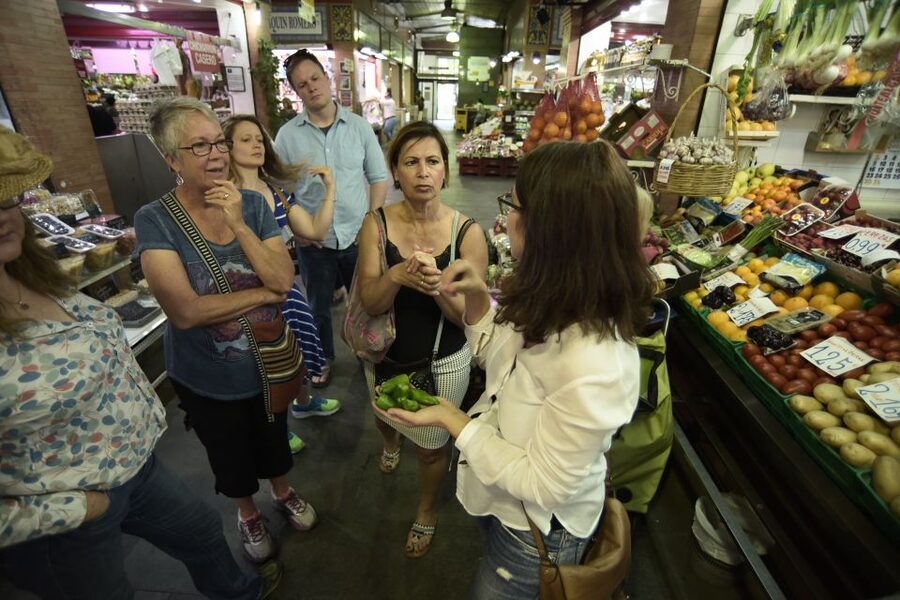
Seville has no shortage of tapas bars, but a market shows you the ingredients behind the city’s cooking. At Triana Market, you move through stalls selling food meant for ordinary meals, celebrations, and local tables. That makes the experience more useful than a simple tasting menu. You learn what people buy, how products are valued, and which flavors shape Andalusian cooking.
The market is also across the Guadalquivir from Seville’s most famous central sights. Triana has its own identity, and this tour gives you a practical reason to cross into the neighborhood. You are not simply looking at the market from the outside. You are stopping at selected stalls, tasting products, and hearing why they matter.
The market’s age adds another layer. Your guide explains the remains beneath the present-day building and places the food stalls within Triana’s longer story. You will not get a full archaeological tour, but the setting helps explain why this is more than a convenient indoor food hall.
I especially like the way the tour links products to culture. Iberian ham is not just salty meat. Local cheeses are not interchangeable blocks for a cheese board. Olives, fruit, sweets, and drinks each have a place in the region’s daily habits and celebrations. A good guide turns those differences into something you can taste.
A few more market tours around Spain worth a look
- Barcelona: Paella Cooking Experience & Boqueria Market Tour
★ 4.8 · 3,661 reviews - Barcelona Paella Cooking Class with Market Visit, Tapas & Sangria
★ 5.0 · 2,531 reviews - Paella Cooking Class, Wine Tasting & Central Market in Valencia
★ 5.0 · 1,150 reviews
What happens during the 2.5-hour market walk
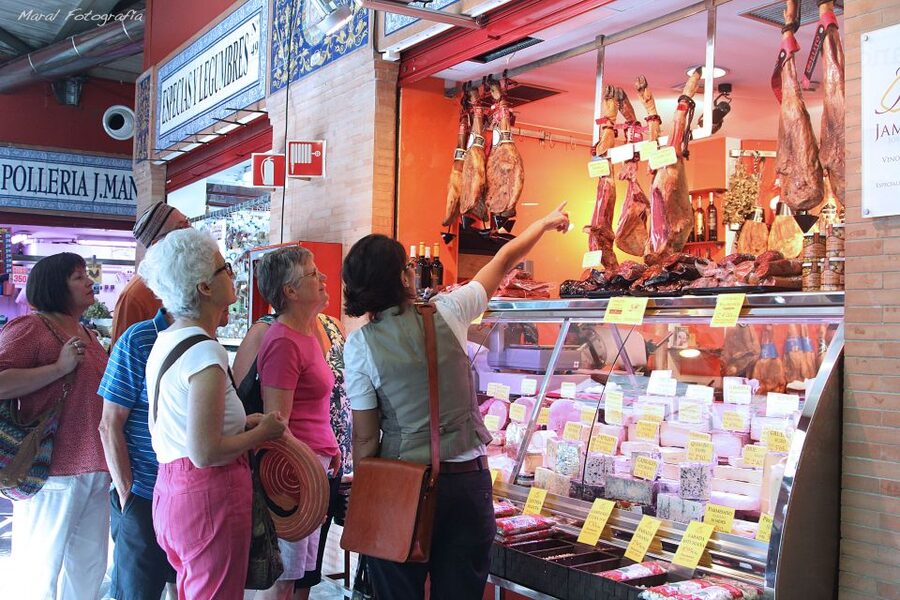
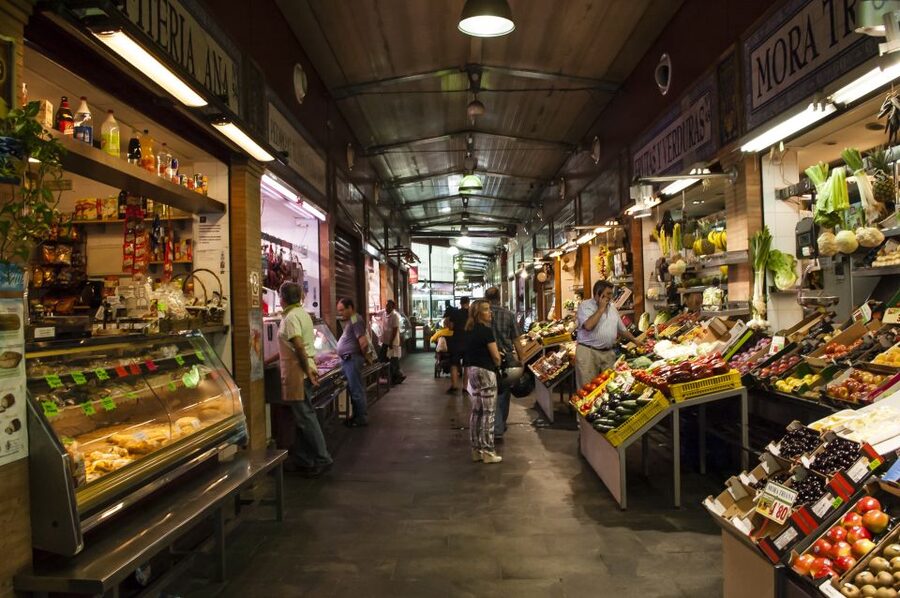
You begin at Taller Andaluz de Cocina, at Mercado de Triana, stalls 75 to 77. The market is the start and finish, so you do not need to move between several parts of Seville during the tour. That keeps the focus on food and gives you time to look around without feeling rushed from one appointment to the next.
Allow a little extra time to find the meeting point. One participant had difficulty locating the correct stall and found that people in the market were not able to give clear directions. The stated meeting point is specific, so check for Taller Andaluz de Cocina and stalls 75 to 77 rather than simply wandering through the market asking for the tour.
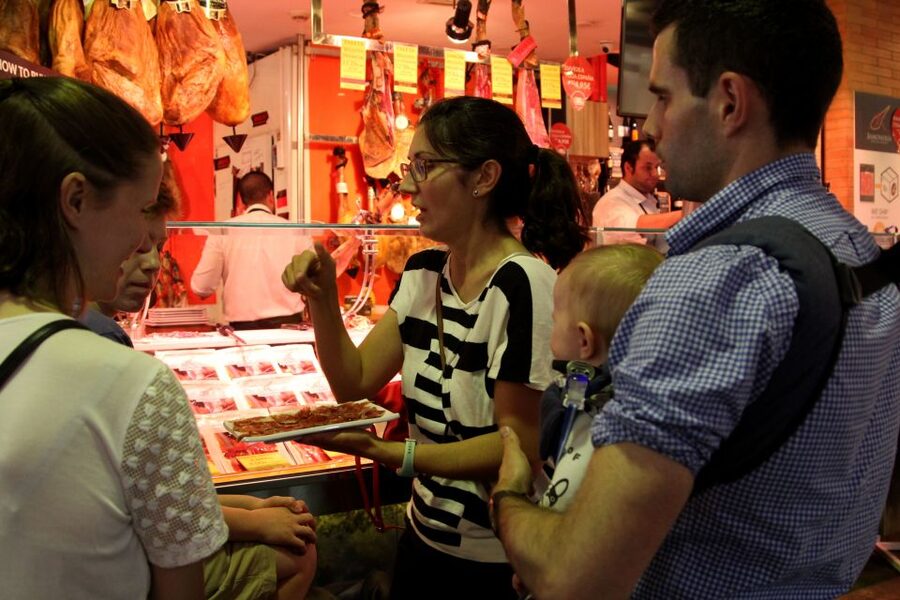
Once the group is together, your English-speaking guide leads you through the market. The group limit is eight people, a useful size for an indoor food tour. In a larger group, you may spend much of the time trying to hear or waiting for everyone to receive a sample. Here, the format should feel more personal, though a busy market can still make movement and conversation less easy.
The pace is built around tasting. You are encouraged to try the selected foods because the samples have been chosen to show local ingredients and cooking traditions. This is not a pass through the market with one token bite at the end. The food is the main event from start to finish.
The foods you will sample
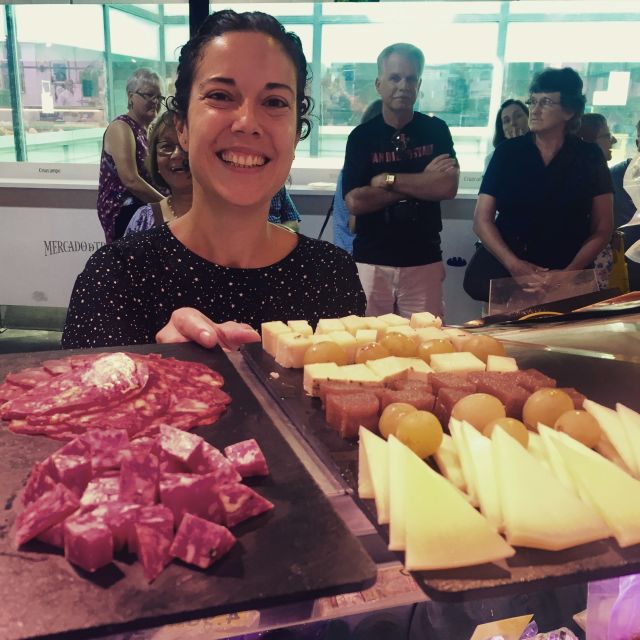
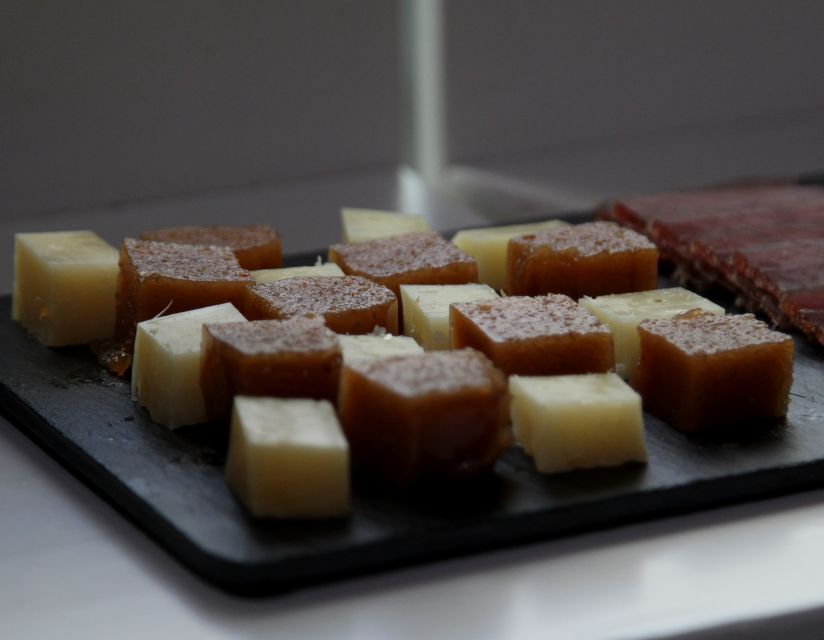
The exact sequence can vary, but the tasting includes Iberian ham, local small-production cheeses, Manchego and Andalusian cheese, olives, seasonal fruit, traditional sweets, and other regional snacks. Some tastings are paired with local wine or beer.
Iberian ham
Iberian ham is one of the obvious highlights. The point of trying it in this setting is not only to taste a famous Spanish product, but to understand its place in Spanish food culture. Your guide can help you notice the texture, salt, aroma, and difference between a carefully prepared ham and an ordinary deli slice.
This is also one of the reasons the tour suits first-time visitors to Spain. If you are unsure what to buy later, a guided tasting gives you a better reference point. You can return to the market or another food shop with a clearer idea of what you like.
More shopping tours in Spain:
- Valencian paella cooking class, tapas and visit to Ruzafa market.
★ 5.0 · 828 reviews - Spanish Cooking Class & Triana Market Tour in Sevilla
★ 5.0 · 760 reviews - Seville: 3.5-Hour Spanish Cooking Class & Triana Market Tour
★ 4.9 · 751 reviews - Valencia: Paella Cooking Class with Central Market Tour
★ 5.0 · 721 reviews
Cheese and olives
The cheese portion adds variety to the ham. You may try Manchego alongside Andalusian cheeses and smaller local productions. These samples help show that Spanish cheese is not one single style. Differences in milk, aging, and production create very different flavors and textures.
Olives bring another basic Andalusian ingredient into the picture. They are simple to eat but easy to overlook when you are ordering tapas. Tasting them as part of a guided selection lets you compare them and hear how they fit into local meals.
Fruit and traditional sweets
Seasonal fruit keeps the tasting from becoming a parade of salty foods. It also reflects the market’s everyday character. Rather than presenting only expensive or famous items, the tour includes products people actually buy and eat.
Traditional sweets finish the food portion on a different note. You will get a sense of how Andalusian cooking includes more than tapas, ham, and seafood. If you are planning a later meal, keep in mind that the sweets come after several other tastings.
Wine and beer
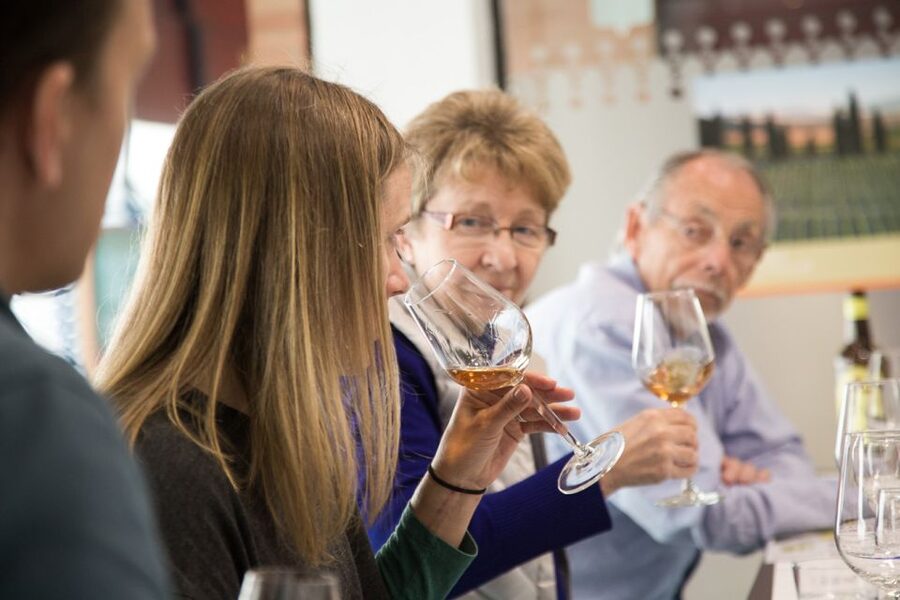
Some of the food samples are served with local wine and beer. These drinks matter because they show how food is enjoyed rather than treating each ingredient as an isolated sample. The pairings are part of the tour’s cultural explanation, not just an excuse to add drinks to the price.
You should also plan your day with the alcohol tastings in mind. The experience includes wine and beer, so it may not be the right choice immediately before a demanding activity or for anyone avoiding alcohol. The supplied details do not specify the number of pours, so think of them as part of the tasting rather than a separate drinking session.
The stories behind the stalls
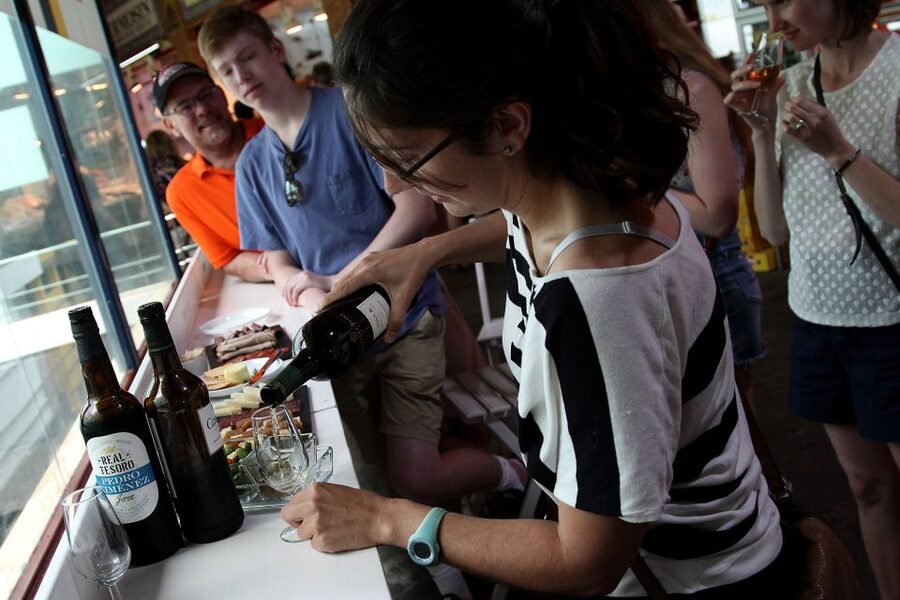
The best part of a market tour is often the explanation between bites. Your guide talks about Andalusian and Spanish cuisine, local and seasonal products, and the culture behind the foods. You hear how the items connect to the region rather than simply learning their names.
The market’s remains beneath the current structure give the tour a strong sense of place. Your guide explains the intriguing history below the stalls, adding a reminder that food markets often occupy old and changing urban spaces. This short historical thread makes the market feel tied to Triana rather than like a generic venue chosen for convenience.
You also meet vendors who have been connected to the market for generations. That detail matters. A market becomes more interesting when you understand that the people selling food are part of an ongoing local tradition. You may not have time for lengthy conversations at every stall, but the guide helps you see those sellers as part of Seville’s food culture.
Guides named in the tour’s feedback include Sabrina, Sabina, Maria, Victoria, and Clara. Their personalities may differ, but the consistent strength is clear: the guide’s explanation is central to the experience. Sabrina was praised for her enthusiasm and clear information, Maria for being an excellent host, and Victoria for keeping the tour enjoyable despite a particularly crowded market.
That last point is worth noting. A food market is a working place, not a quiet museum. At peak times, you may have to stand close, wait briefly, or concentrate to hear. A strong guide can keep the group together and make the crowd part of the experience rather than a problem.
Is $71 a fair price?
At $71 per person, this is not the cheapest way to eat in Seville. You could buy individual snacks at the market for less, especially if you already know what you want and do not need explanations.
The value comes from the combination of food, drink, interpretation, and access to a small group. All tastings are included, as are the wine and beer samples that accompany some of the food. You are also paying for someone to choose representative products and explain what makes them local or distinctive.
The tour lasts 2.5 hours, which gives you more than a quick market stop. For a first visit to Seville, that makes the cost easier to justify. You receive a meal-sized introduction to regional ingredients and a guided look at one of the city’s oldest markets. One participant said the food was substantial enough that lunch was unnecessary afterward, though appetites vary.
I would compare the price with your plans for the day. If you were already going to spend money on lunch and wanted an informal market experience, the tour may replace that meal and offer more context. If you prefer to snack lightly, avoid alcohol, or choose every dish yourself, the fixed tasting format gives you less control.
Who will enjoy this food tour most?
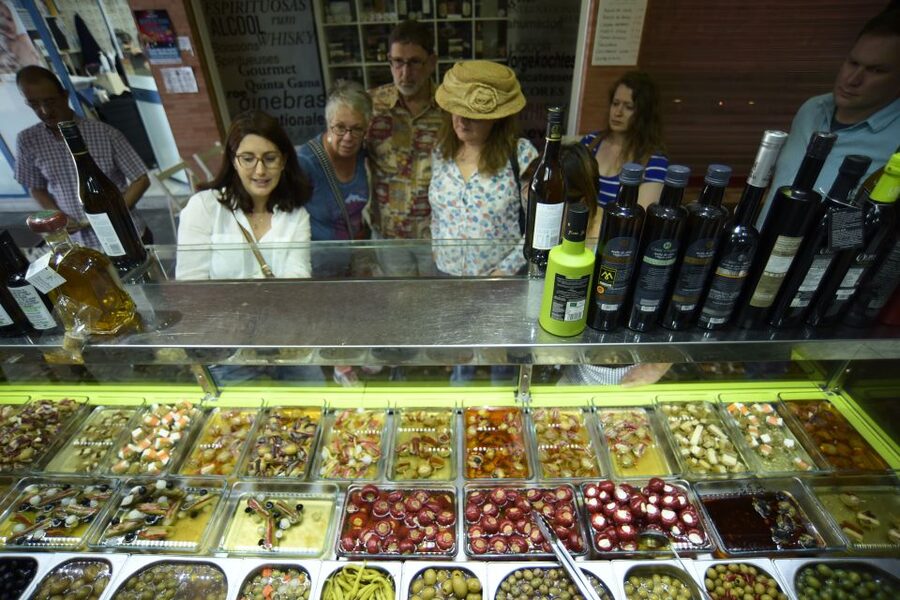
This is a strong choice for first-time visitors who want an easy introduction to Spanish and Andalusian food. You do not need prior knowledge of ham, cheese, olives, or local drinks. The guide supplies the background and helps you make sense of what you are tasting.
It also suits solo visitors. With a maximum of eight people, you have a better chance of talking with the guide and meeting others without being lost in a large group. Couples and families with older children may also like the range of flavors and the short walking distance within the market.
Food-focused visitors will get the most from it, especially if you plan to shop for ingredients later. After learning what you like, you can browse the stalls with a better eye and perhaps buy products to enjoy during your stay or take home where permitted.
This is not the right tour for vegetarians because substitutions are not possible. Anyone with allergies or dietary restrictions should advise the provider before booking. The available details do not promise a custom menu, so do not assume every requirement can be handled.
The tour is wheelchair accessible, which makes it more practical than many old-city food experiences. Still, the market can be busy, and indoor crowds may affect how easily you move from stall to stall. If you use a wheelchair, confirming your specific needs in advance is sensible.
Practical details before you book
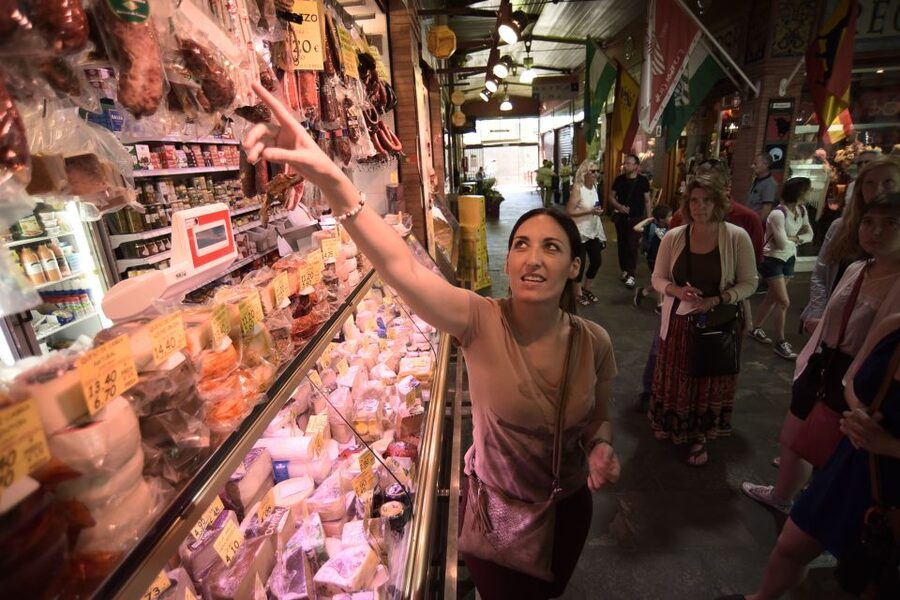
The tour is conducted in English and led by a live guide. Check the available start times when booking, since the details provided do not specify one fixed departure time.
The starting point is Mercado de Triana, at Taller Andaluz de Cocina, stalls 75 to 77. Look for the cooking school rather than assuming the guide will be waiting at a main entrance. The same location is used when the tour ends.
You can cancel up to 24 hours in advance for a full refund, and the reservation option allows you to book now and pay later. Those terms help if your Seville schedule is still shifting. They do not change the food restrictions, so check those before reserving.
Wear comfortable shoes and arrive ready to eat several small portions. The route is inside the market, but you will be standing and moving around for much of the 2.5 hours. If you want a full restaurant lunch afterward, leave room in your schedule and appetite.
Should you book the Triana Market tour?
Book it if you want a guided introduction to Seville’s food culture, prefer a small group, and are happy to eat a set range of meat, cheese, olives, sweets, and other local products. The mix of market history, vendor connections, wine, beer, and substantial tastings gives you a useful first look at Andalusian cuisine.
Skip it if you are vegetarian, need a tightly controlled diet, or would rather choose each item yourself. Also think twice if your main goal is a quiet meal, since Triana Market is a working market and may be crowded.
For most omnivorous visitors, the $71 price is reasonable when the included food and drinks replace a meal and the guide adds real context. I would book this early in a Seville stay. It can teach you what to order for the rest of your time in the city, and the market location gives you a good reason to spend time in Triana.
FAQ
Where does the Triana Market tour meet?
The meeting point is Taller Andaluz de Cocina at Mercado de Triana, stalls 75 to 77. The tour also finishes back at Taller Andaluz de Cocina.
How long does the tour last?
The experience lasts 2.5 hours. Starting times vary, so check availability when booking.
What food and drinks are included?
The tastings include Iberian ham, local small-production cheeses, Manchego and Andalusian cheese, olives, seasonal fruit, traditional sweets, and other regional snacks. Some tastings are accompanied by local wine and beer. All food and drink tastings are included.
Is the tour suitable for vegetarians?
No. Vegetarian substitutions are not possible, and the experience is listed as unsuitable for vegetarians.
Is the tour offered in English?
Yes. The tour has a live English-speaking culinary guide.
How many people are in the group?
The tour is limited to eight participants. It is also wheelchair accessible.
Just added around Spain
- Explore Bilbao’s Flavors Mercado de la Ribera and Old Town★ 4.5 · 3 reviews
- CERTAL Exclusive Tour: LA RIBERA Market + GASTROBARS Bilbao (3h)★ 4.5 · 12 reviews
- Barcelona La Boqueria & Sant Antoni Private Food Experience★ 5.0 · 7 reviews
- Taste of Barcelona: Boqueria Market, Tapas & History Tour★ 4.5 · 22 reviews
- Barcelona Tapas Cooking & Cocktail Class with Veronique & Mattias★ 5.0 · 3 reviews
- Spanish Oysters, Cava and Ibérico Ham at Barcelona’s La Boqueria Market★ 5.0 · 8 reviews
- Cook Paella & Tapas + Market Tour in Barcelona (4-Course Meal)★ 5.0 · 2 reviews
- Private Barcelona Market Tour & Paella Cooking Class with Josh★ 5.0 · 4 reviews
Shopping Tours, compared.

Damnoen Saduak Market and Maeklong Railway Market
Read our review →
The Old Siam: Damnoen Saduak and Maeklong Railway Market
Read our review →
Train Market & Floating Market with Boat Ride
Read our review →
Ayutthaya & Ayothaya Floating Market Day Trip
Read our review →
Hanoi Cooking Class: Culture, Local Market & Meaning CSR Impact
Read our review →
5 Traditional Dishes Hanoi Cooking Class with Market Trip
Read our review →
Cooking Class and Lunch at a Tuscan Farmhouse with Local Market Tour from Florence
Read our review →
Cooking Class, Market & Thai Herbs Garden Tour
Read our review →Browse the lists this tour appears in