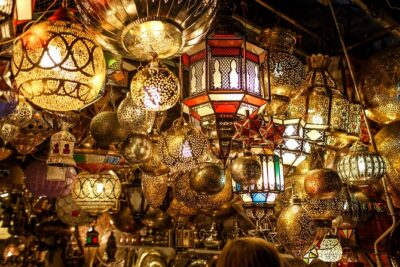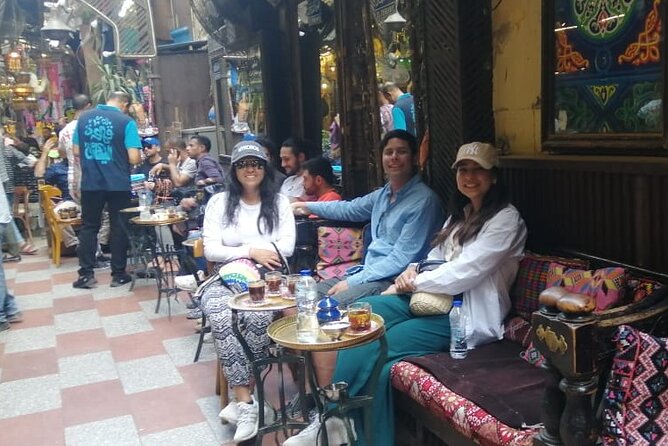
Review · CAIRO
VIP guided Tour Khan El Kahili Market Private Tour and Shopping
Khan el-Khalili is the star here, but this tour gives you more than a walk through Cairo’s famous market. You begin with Egyptian-made goods, including cartouche jewelry, perfume oils, papyrus, cotton, and spices, then finish among the lanes of historic Islamic Cairo. I like the private format and the hotel pickup, especially in a city where traffic and unfamiliar streets can make independent shopping tiring.
I also like that guides such as Shymma and Kareem have been praised for explaining local culture and nearby mosques, while Hesham is associated with careful driving and hotel transfers. The main drawback is that much of the route visits commercial shops, so this is not a pure sightseeing walk. If you dislike sales-oriented stops, the shopping focus may feel repetitive.
Key points at a glance
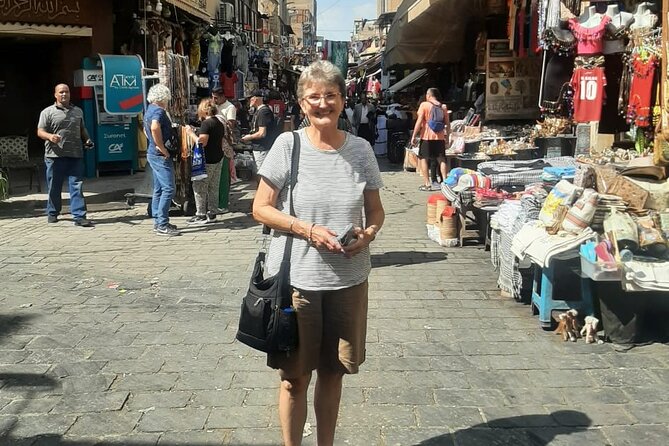
- Private hotel pickup: You travel in an air-conditioned vehicle with your own guide and driver.
- Six shopping and cultural stops: The route covers jewelry, perfume, papyrus, Egyptian cotton, spices, and Khan el-Khalili.
- Time to make a cartouche: You can arrange a gold or silver cartouche and browse Egyptian statues and souvenirs.
- A practical market introduction: The final hour gives you time to walk and shop in one of Cairo’s oldest open markets.
- Guides can shape the visit: Shymma, Kareem, and Hesham are names connected with the experience, though your assigned guide may differ.
- Low listed price: At $16 per person, the value is strongest if you want transport, guidance, and several shopping introductions in one outing.
What this Cairo shopping tour is really like
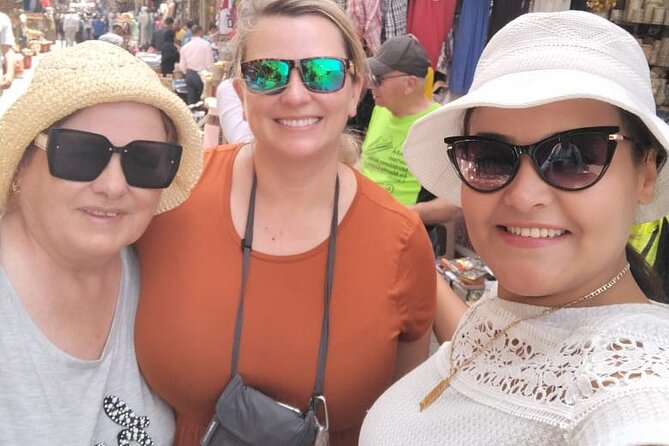
This is a private, four-hour shopping experience in and around Old Cairo. It combines organized visits to specialist stores with a final walk through Khan el-Khalili, one of Egypt’s best-known traditional markets.
The structure matters. Khan el-Khalili can be exciting, but it can also feel crowded and confusing if you arrive without a plan. Here, your guide introduces you first to specific Egyptian products, then leaves the market for the last part of the tour. That gives you some context before you begin browsing on your own.
You should think of this as a buying and orientation tour, not a full tour of Cairo’s mosques and monuments. The guide may point out local religious buildings and explain the surrounding streets, as Shymma did for one group, but the main purpose is shopping.
The tour lasts about four hours. Six stops are listed, with roughly 30 minutes at each of the first five and one hour at Khan el-Khalili. Driving between stops accounts for the remaining time.
More Market Shopping Tours in Cairo
- Cairo: Local Markets & Khan el Khalili Private Shopping Tour
★ 4.6 · 614 reviews - VIP Shopping Private Tour Papyrus Perfume Bazaars and Cotton
★ 5.0 · 22 reviews - Private Day tour in Khan Elkhalele Market with Shopping and Lunch
★ 5.0 · 21 reviews
Hotel pickup makes the morning easier
The day begins with pickup from your hotel. The vehicle is air-conditioned, bottled water is included, and coffee or tea is also provided. The private setup means only your group participates, rather than being added to a large coach party.
That is useful in Cairo. You do not need to work out how to reach each store, and you can return to your hotel with the same arrangement. A careful driver was specifically praised in connection with a hotel pickup and return, so transport is an important part of the experience rather than a minor extra.
The private format also gives you room to say what interests you. If you are more interested in perfumes than cotton, or jewelry than papyrus, tell the guide early. The tour description says it is a shopping tour with a guide advisor, and the private setup makes it easier to adjust the conversation and attention around your group.
The exact pickup time is not provided in the tour details, so check it when you book. Confirmation is received at booking, and a mobile ticket is available.
Making a cartouche at the Mamluk jewelry stop
Your first shopping stop focuses on Mamluk-style jewelry and Egyptian souvenirs. The main feature is the chance to have a gold or silver cartouche made, using the traditional name plaque associated with ancient Egypt.
You can also look at statues and other souvenirs during the approximately 30-minute visit. This is a useful first stop if you want a personal keepsake rather than a generic gift. A cartouche with your name can carry more meaning than a standard magnet or printed ornament, though you should make sure you understand the metal, weight, price, and production time before agreeing to a purchase.
The tour includes the admission or entry cost for this stop, but that does not mean the jewelry itself is included. The $16 price covers the tour service, not your shopping. Keep that distinction clear at every commercial stop.
Thirty minutes is enough for an introduction and a decision, but not a long, relaxed jewelry appointment. If you want a custom cartouche, ask the guide how the process works and how long it will take before placing an order.
Egyptian perfumes, oils, and the lotus connection
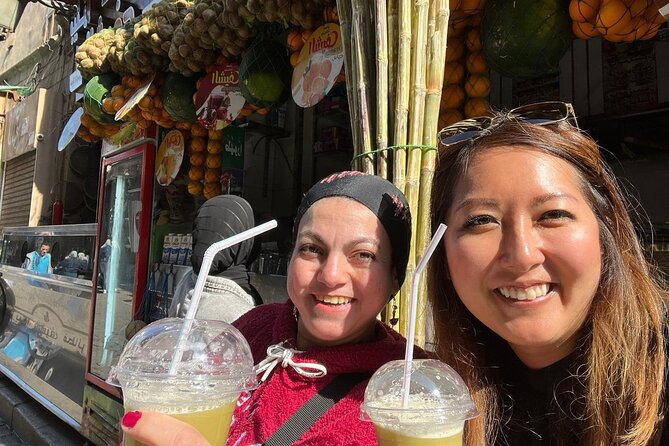
Next comes a visit to a perfume and oil shop. You are introduced to Egyptian pure essences, including lotus flower, which the tour connects with King Tutankhamun.
This stop gives you a chance to smell several products rather than simply look at them. The description presents the essences as free of chemicals, but you should still ask what each bottle contains, how it should be used, and whether it is intended as perfume, oil, or a scent for another purpose.
The lotus reference adds a bit of Egyptian cultural context to what could otherwise be a standard shopping stop. Scents can also be very personal. If you are sensitive to strong fragrances, take your time and avoid testing too many at once.
The visit lasts about 30 minutes, with entry included. Again, any bottles you purchase are separate from the tour price. This stop will suit you if you enjoy fragrance and want a locally themed product. It may feel less useful if you are not interested in buying oils.
More Market Shopping Tours in Egypt
- Bazaars Shopping Tour, Medieval Cairo Adventure Awaits
★ 5.0 · 17 reviews - Khan El Khalili Bazaar and Old Market Shopping Tour
★ 5.0 · 12 reviews - Cairo Shopping Tours to Old Markets and Local Souqs
★ 4.5 · 11 reviews - Shopping tour In Governmental Bazaars include guide’s advisor
★ 5.0 · 8 reviews
Papyrus and the story of ancient paper
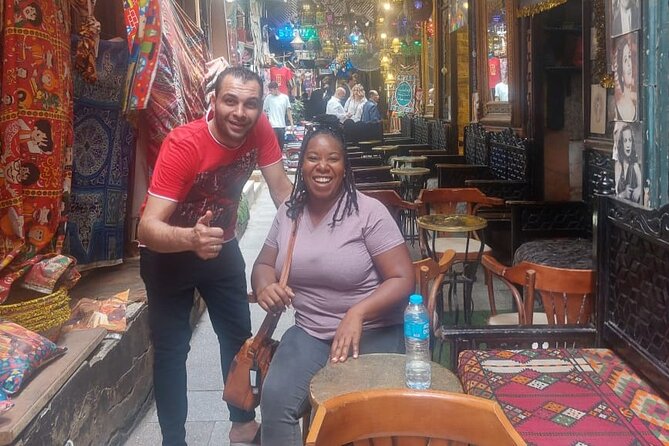
The papyrus institute is the most clearly educational stop on the route. You see the papyrus plant and watch how it is turned into a writing material associated with ancient Egypt.
The presentation is designed to show how the first paper was made, according to the tour’s description. The point is not simply to sell a picture. It is to help you understand the plant and the basic process behind papyrus sheets.
Admission is listed as free, and the visit takes about 30 minutes. This is a good place to ask how to tell a genuine papyrus sheet from a modern imitation, though the tour information does not promise a formal lesson on that subject. If you are considering buying artwork, examine the material and ask questions before paying.
Papyrus art is easy to carry, which makes it a practical souvenir for someone who wants an Egyptian image without buying a bulky statue. Still, do not feel obliged to purchase. The value of the stop is also in seeing how the material is made.
Egyptian cotton at Teba Cotton Store
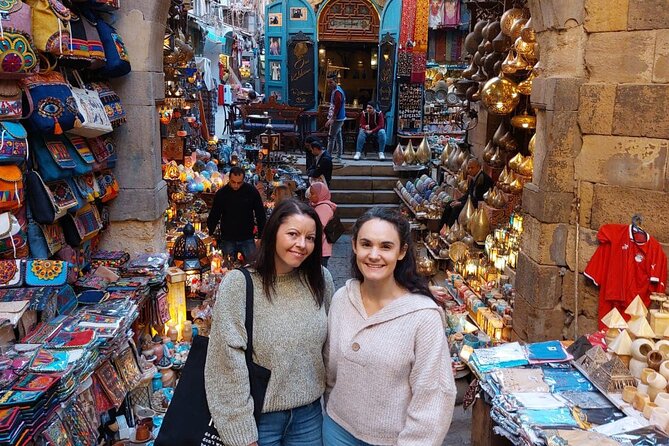
The cotton stop introduces you to Egyptian cotton, presented as one of the country’s important national sources of income and as a leading cotton product worldwide.
You can expect a commercial store visit rather than a farm tour or textile museum. The focus is on seeing and shopping for Egyptian cotton goods. If quality matters to you, ask about the fabric, weave, and care instructions. The tour does not specify the particular products sold, so your guide or shop staff will need to explain what is available on the day.
This is another 30-minute stop with admission included. It can be useful if you want a practical Egyptian purchase, especially something you can use at home. It is less compelling if your priority is architecture, street life, or archaeological sites.
The sequence also gives the tour a clear theme: you are not just walking through stores at random. Each stop introduces a product connected with Egyptian identity, craft, or trade.
Spices and the flavors of Egyptian cooking
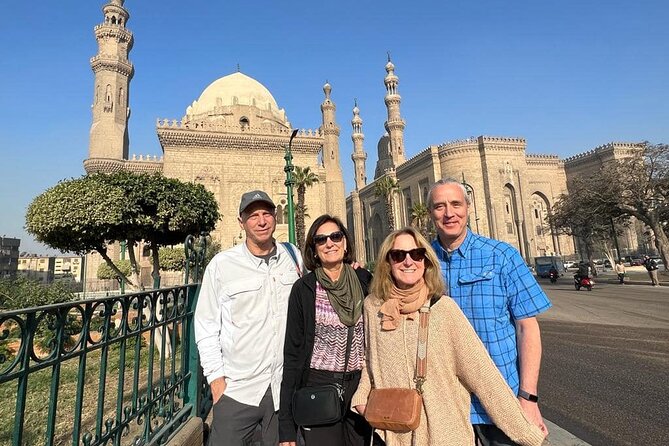
The fifth stop is a spice shop. Here, the guide introduces Egyptian spices and gives you a chance to learn more about the ingredients used in local cooking.
The visit is listed as free and lasts around 30 minutes. That makes it a low-pressure cultural pause before the final market visit, though it remains part of the shopping route. You can ask what each spice is used for and how it is prepared, but the tour details do not promise a cooking class or tasting.
Spices can be a good small souvenir, but check packaging and travel rules before buying. If you plan to take food products home, ask how they are sealed and labeled. The guide can help explain the products, but the tour does not state that international shipping or special packing is provided.
For me, this stop helps connect shopping with daily life. Jewelry and perfume are easy to associate with tourism. Spices show another side of Egypt, one tied to kitchens and ordinary meals.
An hour in Khan el-Khalili
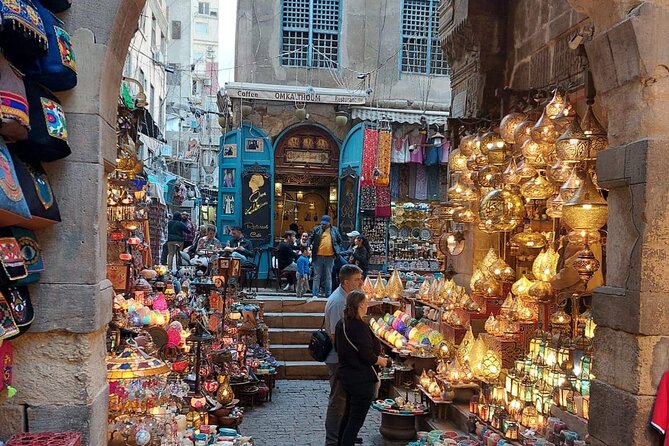
The final stop is Khan el-Khalili, where you have about one hour for walking and shopping. This is the part most people will remember, and it is the best reason to choose this tour if you want a guided introduction to Cairo’s old market streets.
Khan el-Khalili is more than a row of souvenir stalls. It is an old open market in the center of Islamic Cairo, with lanes that form part of a historic district. The tour gives you a short window to browse, take in the setting, and make purchases after visiting the specialist shops.
One hour is enough to get a taste, but it is not enough for every lane, every shop, and a long negotiation over several purchases. If you want a slow market afternoon, book this as an introduction and plan separate time for returning on your own.
A guide can also help you get oriented. One account of the experience included explanations about local mosques along the street, which adds value beyond shopping. Ask your guide to point out buildings and streets of interest rather than treating Khan el-Khalili as only a retail stop.
Because the route is private, your group can decide how much time to spend browsing within the schedule. You still need to keep an eye on the clock, since the vehicle will return you to your hotel after the market visit.
How the $16 price holds up
At $16 per person, this is an inexpensive way to combine a private guide, a driver, hotel pickup, an air-conditioned vehicle, bottled water, tea or coffee, and entry fees for the listed stops.
The value is especially good for a small group that wants transport and a basic introduction to Egyptian products without arranging each stop separately. A private tour can also be more comfortable than trying to find shops and return to a hotel through Cairo traffic.
The price does not cover anything you decide to buy. Gratitude, meaning gratuities, is also not included. You should treat the listed price as payment for the transportation and guiding, not as a shopping budget.
The low price comes with limits. The tour spends much of its time at commercial stops, and the actual time at Khan el-Khalili is about one hour. If you want museums, pyramids, mosques, or a longer architectural tour, this is not the right use of your Cairo day.
The guides and the personal side of the tour
Guide assignments can vary, but Shymma, Kareem, and Hesham are names connected with this experience. Shymma is associated with adapting the tour around a group’s interests and explaining nearby mosques. Kareem is associated with clear cultural explanations and an enjoyable visit that included the market and Garbage City. Hesham is connected with a helpful driver and careful hotel transfers.
You should not assume you will receive a particular person unless the operator confirms it. Still, these details give you a useful idea of what to request: clear communication, local context, help with orientation, and a safe return to your hotel.
The guide’s role matters most at the shopping stops. A good guide can explain what you are looking at, help you understand the purpose of each store, and point out nearby sights. Your best approach is to say what you want from the tour at the start. If you want fewer purchases and more cultural explanation, make that clear.
Who should book this experience
I would choose this tour if you want a short, private introduction to Egyptian products and Khan el-Khalili. It suits first-time Cairo visitors who prefer hotel pickup, a driver, and a guide rather than handling the route alone.
It also works well for people who want a cartouche, Egyptian perfume, papyrus, cotton goods, or spices. Families and small groups may like the private format because everyone can stay together and ask questions without a large party setting.
I would be more cautious if your main interest is monuments. The tour may include comments about local mosques, but its schedule is built around shopping. You also spend about 30 minutes at each of several stores, so the commercial side is unavoidable.
The tour is listed as suitable for most participants. No special accessibility details are provided, so ask the operator directly if your group has mobility needs or requires a particular vehicle arrangement.
Booking, cancellation, and final advice
The experience is commonly booked about 13 days ahead, though you should check availability for your dates. Group discounts are offered, and the activity is private.
Free cancellation is available if you cancel at least 24 hours before the start time. Cancellations within 24 hours are not refunded, and changes made inside that period are not accepted. The cutoff follows Cairo local time.
I would book this tour if you want a low-cost, guided shopping circuit with reliable transfers and a final hour in Khan el-Khalili. I would skip it if you want a full cultural sightseeing day or prefer to browse markets without being taken to commercial shops.
The best way to get value is to decide your priorities before pickup. Tell the guide if you care most about cartouches, fragrance, papyrus, cotton, spices, or the market itself. That small conversation can make a short four-hour route feel much more personal.
FAQ
How long does the tour last?
The tour lasts approximately four hours. The first five stops are planned for about 30 minutes each, followed by about one hour at Khan el-Khalili, with travel time between locations.
Is hotel pickup provided?
Yes. Hotel pickup is offered, and the tour description states that the guide collects you from your hotel. Return transportation to your hotel is also included in the route.
Is this a private tour?
Yes. Only your group participates in the activity. A private guide and driver are provided.
What shopping stops are included?
The route includes Mamluk jewelry and bazaars, Egyptian perfumes and oils, a papyrus institute, Teba Cotton Store, a spice shop, and Khan el-Khalili.
Are transportation and refreshments included?
Yes. An air-conditioned vehicle, bottled water, and coffee or tea are included.
Are the items I buy included in the $16 price?
No. The $16 per-person price covers the tour services and listed entry fees. Any jewelry, perfume, papyrus, cotton, spices, or other products you purchase cost extra.
Can I cancel for a full refund?
Yes, if you cancel at least 24 hours before the experience begins. Cancellations made less than 24 hours before the start time are not refunded.
Are entry fees included?
Entry fees for the listed included stops are covered where applicable. The papyrus and spice stops are listed as free admission.
More Private Market Tours in Egypt
- Cairo: Private Half-Day Local Market and Souq Tour
★ 4.1 · 167 reviews - Private Guided Tour to Giza Pyramids Egyptian Museum & Khan El Kahlili Bazaar
★ 5.0 · 147 reviews - Full-Day Giza Pyramids, Egyptian Museum and bazaar Private Tour
★ 5.0 · 95 reviews - Private Full-Day Tour Visiting Giza Pyramids, Egyptian Museum and Old Market
★ 5.0 · 79 reviews
More Private Market Tours in Cairo
- Cairo 8 Hour Private Tour of Pyramids, Egyptian Museum and Bazaar
★ 5.0 · 2,931 reviews - Cairo: Private Pyramids, Museum & Bazaar Tour with Lunch
★ 4.6 · 744 reviews - Old Cairo and Khan El Khalili Bazaar: Private Half-Day Tour
★ 4.6 · 251 reviews - Private Tour: Giza Pyramids, Sphinx, Egyptian Museum, Khan el-Khalili Bazaar
★ 4.5 · 170 reviews
Just added around Cairo
- Shopping tour In Governmental Bazaars include guide’s advisor★ 5.0 · 8 reviews
- Private Tour Giza Pyramids ,Egyptian Museum and Local Market★ 5.0 · 3 reviews
- Cairo layover tour Giza pyramids Egyptian museum local bazaars Camel ride Lunch★ 4.5 · 2 reviews
- Unusual Tour To The Camel Market Of Birqash★ 5.0 · 2 reviews
- Private Cairo City Tour: Giza Pyramids, Egyptian Museum and Khan Khalili Bazaar★ 4.5 · 30 reviews
- Private Walking Tour in ElMoez Street & Khan Elkhalili Market★ 5.0 · 15 reviews
- Private tour to the Pharaonic Village and Khan El Khalili Market★ 4.5 · 9 reviews
- Cairo Tour To The National Museum of Egyptian Civilization, Citadel & Bazaar★ 4.5 · 15 reviews
Market Shopping Tours, compared.
Handcrafted Wood Carving Workshop with Local Artisan
Read our review →
Shopping in the Souks of Marrakech Private Tour
Read our review →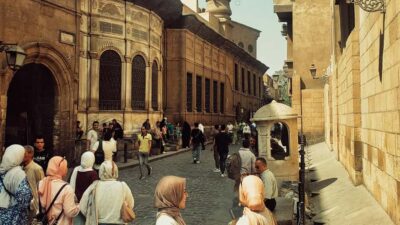
Local Markets & Khan el Khalili Private Shopping Tour
Read our review →
Pierogi Cooking Class with Market Shopping and Local Snacks
Read our review →