
Review · MARKET TOURS
Pierogi Cooking Class with Market Shopping and Local Snacks
The best part of this Krakow experience is that pierogi making starts before you reach the kitchen. You shop for cheese and other ingredients at the city’s oldest marketplace, taste local snacks, then walk to Olga’s apartment to make the dumplings from scratch. I especially like the market visit and the small group of six or fewer, which keep this from feeling like a standard cooking demonstration.
The class also gives you a useful taste of everyday Polish food, from sour cucumbers and smoked cheese to sausage and homemade liquor. The main consideration is the price, about $83.48 per person, which is fair for a three-hour meal and cultural activity but more than a simple restaurant lunch. On Sundays, the market visit is not included.
Key points to know before booking
- You make pierogi from start to finish: Learn the dough, filling, folding, boiling, and serving process.
- The market comes first: Shop for fresh cheese and seasonal Polish foods at Krakow’s oldest marketplace.
- Olga hosts the class at home: The apartment setting makes the meal feel personal and informal.
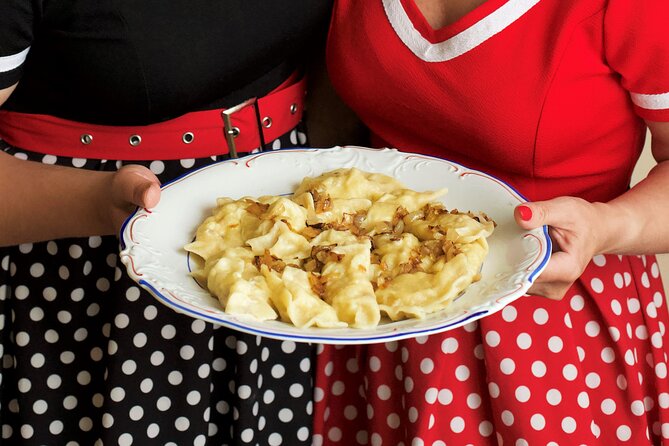
- The filling is traditional and vegetarian: Expect potatoes, fresh cottage cheese, and caramelized onions.
- Food and drink are part of the lesson: Seasonal snacks, sour cream, sausage, cheese, and regional alcohol may appear.
- The class stays small: A maximum of six people gives you room to work and ask questions.
Why this pierogi class feels more personal than a restaurant meal
Pierogi are Poland’s best-known comfort food, but eating a plate of them tells you only part of the story. This experience shows you how the dish is made, what ingredients matter, and how Polish food fits into family life.
You begin at the Grunwald Monument on plac Jana Matejki. From there, Olga leads you to a local market. The walk is short enough to keep the focus on food, yet it adds useful context before you start cooking. Instead of meeting in a classroom with ingredients already arranged, you see the shopping stage first.
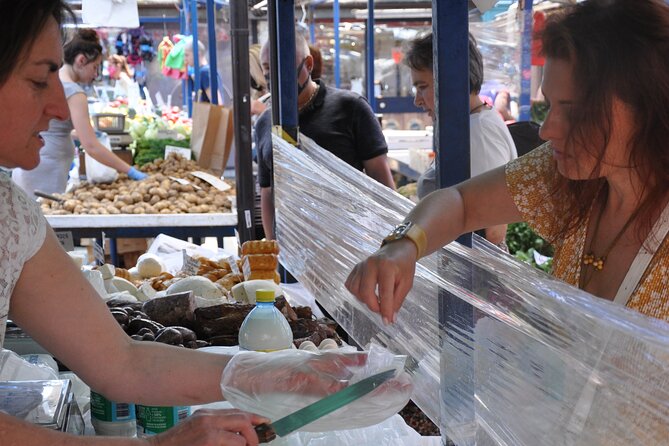
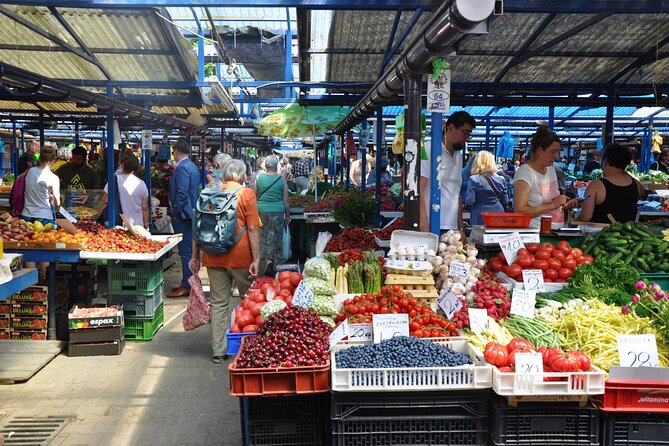
That detail matters. You get to look at the cheeses, vegetables, mushrooms, pickles, and sausages used in Polish kitchens. Olga explains what to buy and may point out foods you can return for later in your trip. Several participants have found this especially useful because the market becomes a practical place to shop, not just a quick stop for the class.
The setting also helps you understand the meal as a whole. Polish food is not only pierogi. It includes smoked cheeses, sour cabbage, sour cucumbers, sausage, lard spread on bread, and seasonal produce. These small tastes help you place the dumplings in a wider food tradition.
More market shopping trips in the world:
- Marrakesh: Guided Souk Shopping Tour with a Local Guide
★ 4.9 · 651 reviews - Shopping in the Souks of Marrakech Private Tour
★ 5.0 · 620 reviews - Cairo: Local Markets & Khan el Khalili Private Shopping Tour
★ 4.6 · 614 reviews
The market visit at Krakow’s oldest marketplace
The market section is one of the strongest reasons to choose this experience instead of a cooking class held entirely indoors. You do not simply receive a bag of ingredients. You walk through the market, see what is available, and help select what will be used.
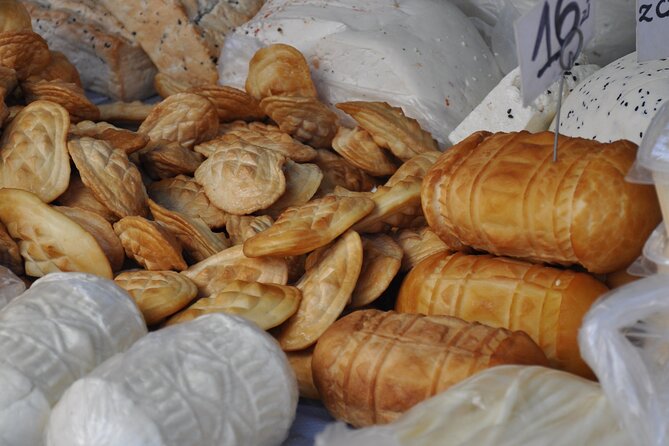
Fresh cottage cheese is central to the filling, so Olga explains the differences between local cheese products and the kind best suited for pierogi. You may also taste cheese at the market, including regional varieties that are not part of the main dumpling recipe.
Seasonal snacks vary. You might try fresh or smoked cheese, Polish sausage, sour cucumbers, sour cabbage, or other local foods. The exact selection depends on the season, so do not book expecting one fixed tasting menu.
I like this approach because it gives you useful shopping knowledge for the rest of your Krakow visit. If you want to bring Polish food home, or simply visit the market again, you will have a better idea of what to look for. The market also adds a sense of place that a pre-stocked kitchen cannot provide.
There is one clear limitation. On Sundays, the class runs without the food market visit. The cooking and home meal still take place, but you lose the shopping portion and the chance to see this part of local food life.
Walking to Olga’s apartment for snacks and drinks
After the market, you walk to Olga’s apartment. The walk takes about ten minutes according to class details shared by participants, though the exact time can vary. The activity ends back at the meeting point, so you return to the original area after the meal.
The apartment setting is a major part of the experience. This is not a large professional kitchen where an instructor prepares most of the food in front of you. You work in a private home, sit around a table, and share the meal with the other people in your group.
Olga serves local snacks before or during the cooking. Expect items such as smoked cheese, sausage, pickles, fresh cheese, bread with lard, or sour cabbage, depending on what is available. These are not just fillers while the dough rests. They introduce you to strong, salty, sour, and smoky flavors that are common in Polish cooking.
Regional alcohol is also included. The exact drink may be homemade liquor or another local selection. Some classes have included bison grass infused vodka, occasionally served in a playful fish-shaped vessel. You should treat this as part of the tasting, not as a drinking-focused outing.
If you do not drink alcohol, the supplied information does not specify an alternative. It is sensible to tell the host in advance if you have dietary or drinking concerns. The activity is food-heavy, so I would not schedule a large dinner soon afterward.
Making the dough, filling, and folded shapes
The class covers the full process, which is important for anyone hoping to repeat it at home. You make the dough, prepare the filling, roll the dough, portion it, add the mixture, and fold the edges closed.
The traditional filling uses potatoes, fresh cottage cheese, and caramelized onions. It is vegetarian, though the other snacks may include sausage or lard. The simplicity of the filling makes the technique more important. You need the potatoes cooked correctly, the cheese balanced properly, and the onions browned enough to add sweetness without overpowering the mixture.
Dough is where many first-time pierogi makers need help. Olga demonstrates how to knead it and explains the right consistency. You learn what to do and what to avoid rather than simply watching a finished batch appear.
The folding stage takes patience. The first few dumplings may look uneven, and that is part of the fun. You learn how to seal the edge and form the classic shape. Some people find this easier than expected, while others need several tries before the folds hold.
Families tend to do well here because children can take part in shaping and filling. The class has worked for families with children as young as seven, with Olga adjusting her help to each person. Still, the activity requires hands-on participation, so it may not suit anyone looking for a passive food tour.
The class also touches on how pierogi became part of Polish cooking. That context adds value because the dish is more than a popular menu item. You leave with a recipe method, a few shaping skills, and a better sense of why pierogi matter in Polish homes.
More market cooking classes in the world:
- Hanoi Cooking Class: Culture, Local Market & Meaning CSR Impact
★ 5.0 · 5,147 reviews - 5 Traditional Dishes Hanoi Cooking Class with Market Trip
★ 5.0 · 4,890 reviews - Cooking Class and Lunch at a Tuscan Farmhouse with Local Market Tour from Florence
★ 5.0 · 4,831 reviews - Chiang Mai: Cooking Class, Market & Thai Herbs Garden Tour
★ 4.9 · 4,824 reviews
Eating a mountain of homemade pierogi
Once the dumplings are folded, you boil them and prepare them for the table. The final meal is the reward for the work, and the quantity can be generous. One group made more than 100 pierogi, enough for everyone to eat well and possibly have extras.
The dumplings are served with toppings such as sour cream. Depending on the group and the host’s arrangements, you may have leftovers to take with you. This is not guaranteed as a formal inclusion, so consider it a pleasant possibility rather than part of the advertised meal.
The meal also gives you time to talk. With no more than six people, conversation is easier than it would be in a large class. You may meet other people on holiday, compare your folding techniques, and share advice about Krakow.
Olga uses the meal to offer recommendations for restaurants, sights, and local foods. This can be especially helpful if you take the class near the beginning of your stay. You can use her suggestions to plan the rest of your visit instead of relying only on the most obvious spots around the Old Town.
The social side is worth noting. If you prefer a quiet private lesson, the shared table may feel less suited to you. If you enjoy cooking with new people, it is one of the strongest features.
What the three-hour schedule is really worth
At $83.48 per person, this is not the cheapest way to eat pierogi in Krakow. A restaurant meal costs far less, and you can buy ready-made dumplings at markets and food halls without booking ahead.
The value comes from the combination of activities. You receive a market walk, ingredient tasting, a cooking lesson, a substantial meal, local drinks, and direct time with a Polish host. You also get a recipe you can use after returning home. For someone who wants a hands-on cultural activity, the price is easier to justify.
The class lasts about three hours. That is long enough to avoid rushing the dough and folding stages, but short enough to fit into a sightseeing day. Since you meet at the Grunwald Monument and finish back there, allow extra time for getting to and from the meeting point.
The experience is often booked about 46 days ahead. That is useful planning information, especially if you have fixed dates in Krakow. With a maximum of six people, spaces are limited. Confirmation arrives within 48 hours of booking, subject to availability.
Free cancellation is available until 24 hours before the start time. Changes or cancellations inside that window are not accepted for a refund. The activity also needs a minimum number of participants, and if that minimum is not reached, you are offered another date or a full refund.
Who will enjoy this class most
I would recommend this class to anyone who likes learning by doing. You do not need advanced cooking skills. The process is taught step by step, and the small group gives Olga time to help with kneading, filling, and folding.
It is a particularly good choice for:
- Families: Children can take part in shaping the dumplings, and the food is familiar enough to appeal to many young eaters.
- Couples and friends: The class gives you an easy shared activity with plenty of time to talk.
- First-time visitors to Krakow: Olga offers food and sightseeing suggestions that can help you plan the rest of your stay.
- Vegetarians: The main pierogi filling contains potatoes, cottage cheese, and onions, though some snacks may include meat.
- Cooking enthusiasts: You learn the full method instead of only watching a demonstration.
- People who enjoy local homes and conversation: The apartment setting is warm and informal rather than polished and commercial.
You may want to skip it if you have a very restricted diet that has not been discussed with the host, dislike alcohol tastings, or want a quick activity with a guaranteed end time. The market portion is also unavailable on Sundays.
Practical details that make the day easier
Wear comfortable shoes. You walk through a market and then to the apartment before standing, rolling, folding, and cooking. The meeting point is the Grunwald Monument at plac Jana Matejki, near public transportation.
The experience is offered in English. Service animals are allowed. Since the class takes place in a private apartment, contact the host ahead of time with questions about specific access needs rather than assuming every detail from the general location information.
Come hungry but not overfull. The market includes tastings, the apartment offers snacks, and the pierogi meal can be substantial. If you are planning a special dinner, schedule it well later in the evening.
The host is usually identified as Olga in the class details and most of the supplied experiences. One account refers to Isabella, so check the name in your confirmation if that matters to you. The important point is that the class is hosted in a local home by the named instructor, not in a commercial cooking school.
Should you book the Krakow pierogi class?
Yes, if you want more than a plate of Polish dumplings. The class gives you a market visit, practical cooking skills, a generous meal, and a friendly look at Polish food customs in about three hours.
I especially value the small group, the full hands-on process, and the chance to taste foods beyond pierogi. The price is higher than simply eating out, but the market shopping and home-hosted lesson make it a reasonable splurge for a special afternoon.
Book it early if your Krakow dates are fixed, and avoid Sunday if the market visit is important to you. If you enjoy food, conversation, and making something with your own hands, this is one of the more useful ways to spend part of a Krakow stay.
FAQ
How long does the pierogi cooking class last?
The experience lasts approximately three hours.
Where does the activity begin?
It begins at the Grunwald Monument on plac Jana Matejki, 30-001 Kraków, Poland.
Where does the activity end?
The activity ends back at the meeting point.
Is the market visit included every day?
No. On Sundays, the experience takes place without a visit to the food market.
How many people can join the class?
The group has a maximum of six participants.
What kind of pierogi will I make?
You will make traditional pierogi filled with fresh cottage cheese, potatoes, and caramelized onions.
Are food and drinks included?
Seasonal local snacks and regional alcohol are included as part of the experience. Snack choices can change with the season.
Is the class offered in English?
Yes. The experience is offered in English.
Can I cancel for a full refund?
Yes, if you cancel at least 24 hours before the experience start time. Cancellations or changes made less than 24 hours before the start time are not refunded.
More Markets in the world
- Bangkok: Damnoen Saduak Market and Maeklong Railway Market
★ 4.5 · 26,723 reviews - The Old Siam: Damnoen Saduak and Maeklong Railway Market
★ 4.5 · 10,992 reviews - Bangkok: Train Market & Floating Market with Boat Ride
★ 4.7 · 9,547 reviews - From Bangkok: Ayutthaya & Ayothaya Floating Market Day Trip
★ 4.7 · 6,084 reviews
More Cooking Classes in the world
- Chiang Mai: Authentic Cooking Class with Market & Farm Visit
★ 4.9 · 4,546 reviews - Barcelona: Paella Cooking Experience & Boqueria Market Tour
★ 4.8 · 3,661 reviews - Cooking Class Hoi An:Local Market, Basket Boat, Fishing & Cooking
★ 5.0 · 3,660 reviews - Hoi An Cooking Class(Market,BasketBoat Crabfishing&Cooking Class)
★ 5.0 · 3,386 reviews
Just added around the world
- Three-Hour Private Chengdu Tea Wholesale Market Tour★ 5.0 · 4 reviews
- Half-day Dandan Noodles Cooking Class with a Local Market Visit★ 5.0 · 8 reviews
- Chania: Old Town, Public Market, Hill of Prophet Elias, Agia Triada★ 5.0 · 35 reviews
- Moroccan Cooking Class with a Local Family & Market Visit★ 5.0 · 16 reviews
- Chania Old Town, Public Market and Chrisopigi Monastery Tour★ 4.5 · 6 reviews
- 3-Hour Herbal Wholesale TCM Market and a Local Wet Market Tour★ 5.0 · 4 reviews
- Food Tasting & Market Shopping: Private Guided Tour in PORT LOUIS★ 4.5 · 9 reviews
- Charleston International Sweet Treats & Historic City Market Tour★ 5.0 · 22 reviews
Market Cooking Classes, compared.
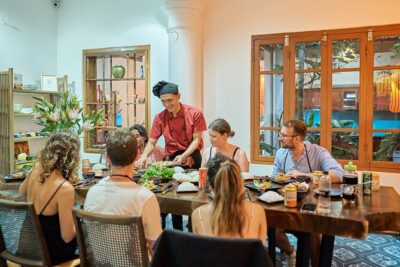
Hanoi Cooking Class: Culture, Local Market & Meaning CSR Impact
Read our review →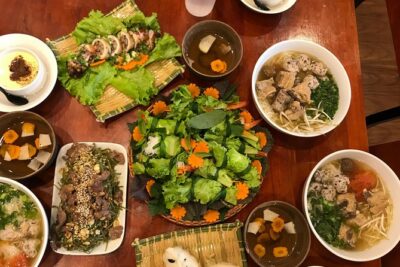
5 Traditional Dishes Hanoi Cooking Class with Market Trip
Read our review →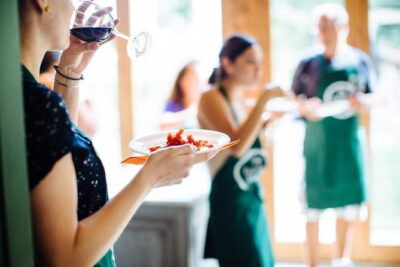
Cooking Class and Lunch at a Tuscan Farmhouse with Local Market Tour from Florence
Read our review →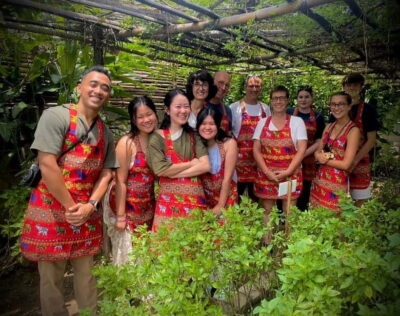
Cooking Class, Market & Thai Herbs Garden Tour
Read our review →
Authentic Cooking Class with Market & Farm Visit
Read our review →
Paella Cooking Experience & Boqueria Market Tour
Read our review →
Cooking Class Hoi An:Local Market, Basket Boat, Fishing & Cooking
Read our review →Browse the lists this tour appears in