
Review · DUBAI
walking tour in old dubai, souks, abra boat, old town
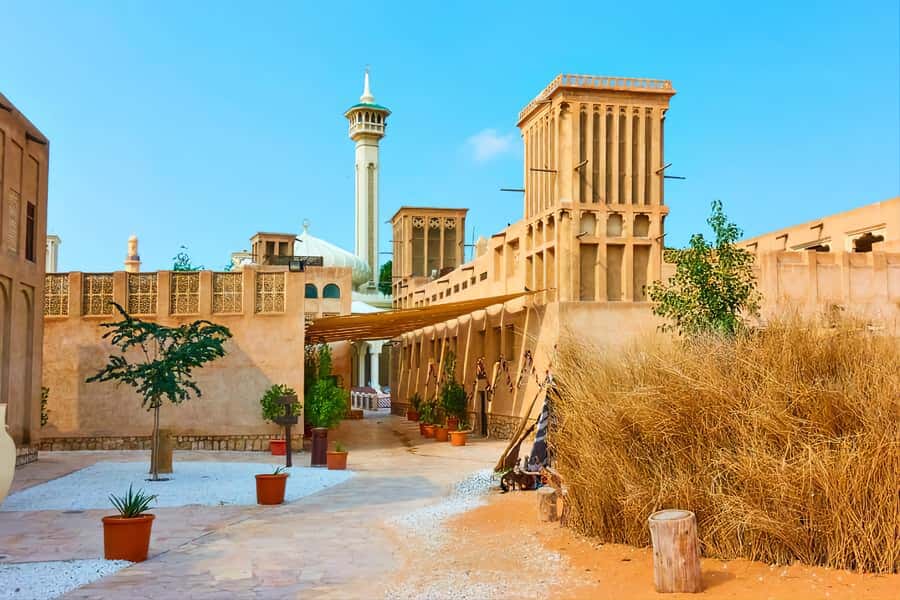
Old Dubai is where the city’s polished skyline gives way to wind towers, narrow lanes, coffee aromas, and the steady movement of an abra across Dubai Creek. This three-hour tour links those older sights in a sensible route, from Al Fahidi to the textile, spice, and gold souks.
I like the local food and drink tastings, which include camel milk tea, camel milk chocolate, water, and a local snack or meal such as the chicken wrap served to one group. I also like the guides’ human touch. Muhammad, Abdullah, Ikram, and Shahzad are among the guides praised for clear history, patience, and help with families.
The main consideration is the heat and the amount of walking. Shade is available in parts of the souks, but this is not a good fit for wheelchair users, people with mobility impairments, or anyone carrying large bags. The Dubai Museum may also have limited access at certain times, including a reported Sunday closure at 4 p.m.
Key points to know before you book
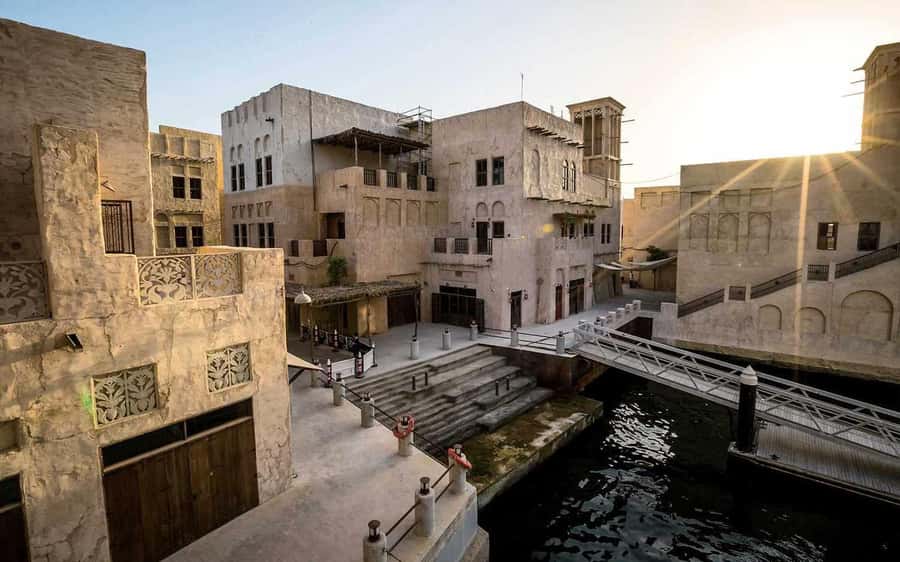
- Three hours, several sides of Dubai: See Al Fahidi architecture, the Old Wall, textile stalls, the Creek, spice vendors, and the Gold Souk in one compact outing.
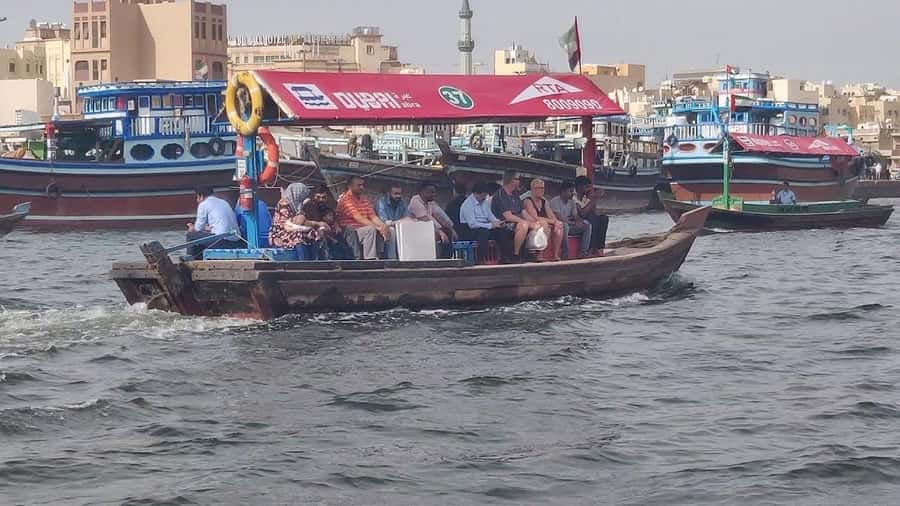
- An abra ride is included: The short water-taxi crossing is one of the tour’s most memorable links between the two sides of Old Dubai.
- Food is part of the experience: Camel milk tea, camel milk chocolate, water, and local food are included in the $23 price.
- Guiding is the real value: Guides such as Muhammad, Abdullah, and Ikram explain religion, culture, royal history, and the city’s rapid growth.
- Choose your level of privacy: You can join a small group or select a private option with pickup and drop-off anywhere in Dubai.
- Plan for walking and sun: Wear comfortable shoes, sunglasses, a hat, and light, comfortable clothes.
Why Old Dubai is worth three hours
Dubai is often sold through glass towers, luxury malls, and grand engineering projects. Those sights have their place, but they do not explain how Dubai became a trading center or how daily life worked before the high-rises arrived.
This tour gives you a useful counterpoint. You walk through restored homes, pass old religious and civic buildings, cross the Creek by a traditional abra, and finish among shops that still trade in gold, spices, textiles, and gifts. You see a city that grew from water, trade, and movement rather than from highways and office towers.
I find the route especially useful if this is your first visit. It gives you a basic map of the old districts and a story to attach to the sights. The guides also answer questions about Dubai’s culture, religion, royal family, and growth, which adds more value than simply being led from one photo stop to the next.
At $23 per person, the tour is priced well for what is included. You are paying for three hours of live guiding, the abra crossing, tastings, local food, water, and access to a part of Dubai that can be confusing to explore on your own. It is not a museum-heavy experience, and it is not designed for serious shoppers. Its strength is the combination of context, walking, food, and atmosphere.
More Market Boat Tours in Dubai
- Dubai: Authentic Old Town, Souks, Tastings & Abra Boat Tour
★ 5.0 · 845 reviews - Authentic Old Dubai, Souks, Tastings & local boat Guided Tour
★ 5.0 · 504 reviews - Dubai: Premium Old Town, Street Food, Souks & Boat Ride Tour
★ 4.9 · 262 reviews
Starting at Sharaf DG Metro Station
The usual meeting point is Sharaf DG Metro Station, Exit 4, which is easy to reach by metro or taxi. Your guide waits there wearing a tour guide license, making the first meeting fairly simple.
The starting point can vary by booking option. Private tours can include pickup and drop-off from hotels, Dubai Airport, or another location in Dubai. For the standard option, you should plan to reach the metro station yourself.
The tour ends at two possible drop-off points, including Al Ras Metro Station. That is useful because Al Ras places you close to the spice and gold market area, so you can continue exploring afterward if you still have energy.
Because the tour covers several districts on foot, arrive ready to walk. Large bags and luggage are not allowed, and baby strollers are not suitable for this activity. Comfortable shoes matter more than smart clothes here.
Al Fahidi and Al Bastakiya: Dubai before the towers
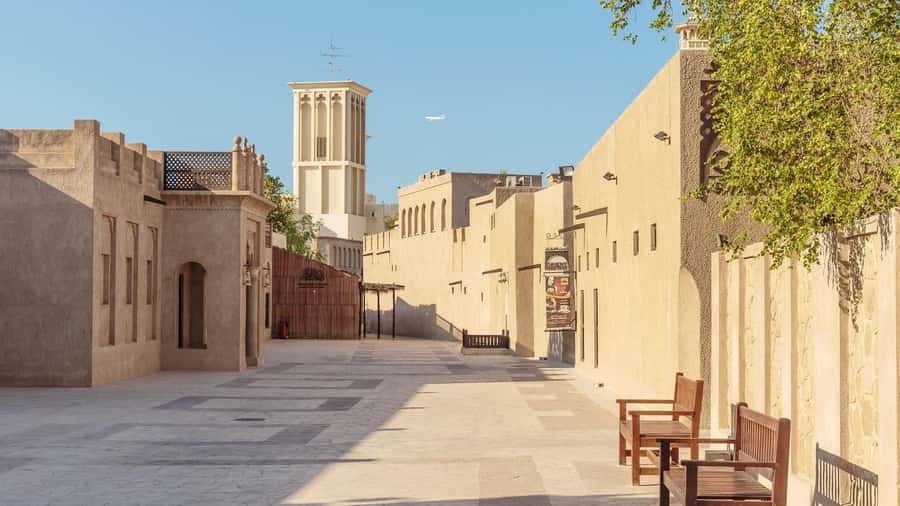
The tour begins in the Al Fahidi area, also known as the historic Bastakiya quarter. This is the most atmospheric part of the route. Its older buildings have narrow passages, shaded courtyards, and traditional wind-tower designs that once helped move air through homes.
Many of the buildings now hold cultural venues, art galleries, museums, event spaces, and the Coffee Museum. That mix is worth noticing. The district is not a perfectly preserved residential quarter frozen in time. It is an old neighborhood adapted for modern cultural use, which gives the walk a more practical feel.
Your guide helps explain what you are seeing rather than leaving you to guess at the details. The buildings may look simple beside Dubai’s newer architecture, but their design tells you about climate, privacy, family life, and local building methods.
The 45-minute stop at Al Bastakiya is long enough for a proper walk and photographs without turning into a full museum visit. I would use this part to ask questions. Guides such as Abdullah and Ikram have been singled out for explaining how Dubai developed and for adjusting their pace to suit families and older relatives.
The restored appearance is also worth keeping in mind. This is a heritage district, but the buildings have been maintained and repurposed. You get a strong sense of older Dubai, though not every building is an untouched original.
The Old Mosque, Old Wall, and Al Fahidi Fort
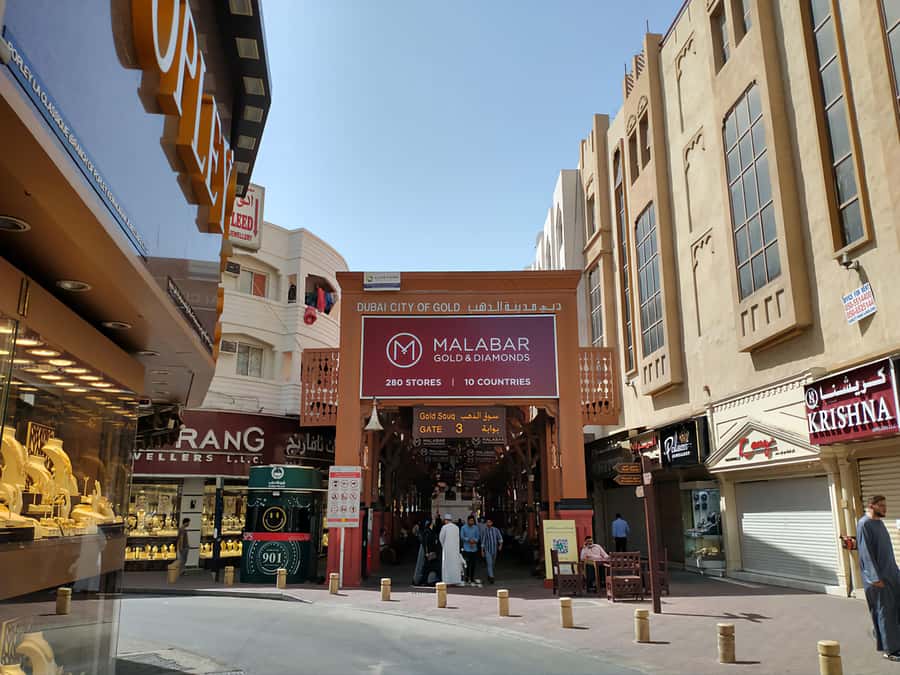
Along the route, you pass the Old Mosque and the remains of Dubai’s old enclosure wall, built around 1800. These stops are brief, but they give the walking tour its historical frame.
The wall matters because it represents a period when Dubai was a much smaller settlement, organized around protection, trade, and the Creek. It can be easy to walk past without context, so the guide’s explanation makes the remains more meaningful.
You also pass Al Fahidi Fort, associated with the Dubai Museum. The fort is an important landmark in the story of the emirate, and the tour allows time for photographs and a short stop rather than a long indoor visit.
Do not assume that every museum space will be open at every hour. One participant found the house closed at 4 p.m. on a Sunday, so access can change with the day and time. The tour still works if an interior is unavailable, since much of its value comes from the streets, buildings, markets, and guiding.
More Market Boat Tours in United Arab Emirates
- Dubai Old Town, Creek, Abra boat, Souks Guided walking Tour
★ 4.7 · 3 reviews
Textile Market and Al Souq Al Kabeer
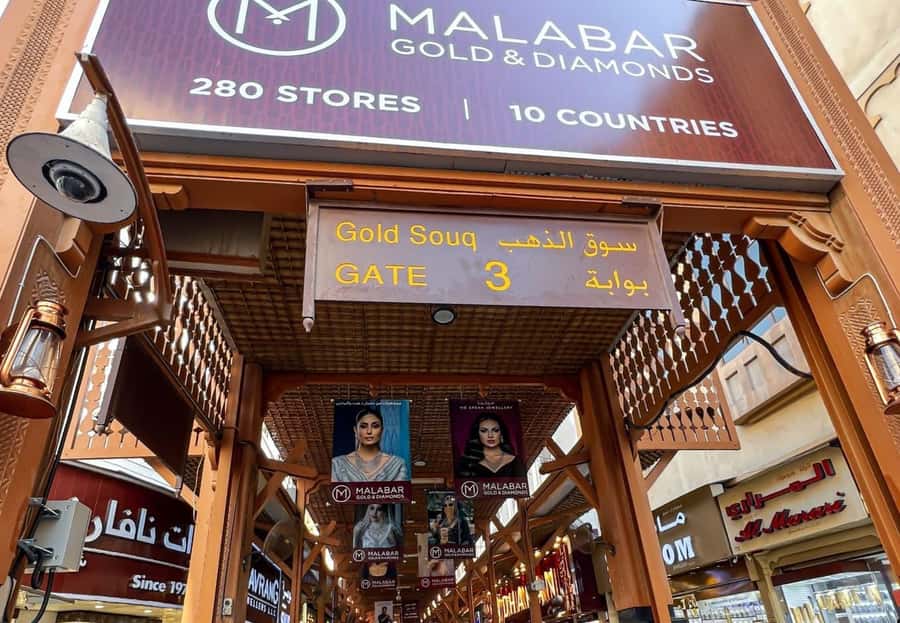
The route then moves toward the textile market and Al Souq Al Kabeer. This is where Dubai’s trading identity becomes more visible.
At the textile stalls, you can see fabrics in many colors and patterns, along with traditional materials and clothing. The stop is relatively short, about 15 minutes for the textile market, followed by a longer guided visit around Al Souq Al Kabeer.
This part can feel more commercial than Al Fahidi. That is not necessarily a flaw. Dubai’s old markets were working places, and the presence of sellers, shop displays, and bargaining is part of the scene. Still, you should know that some shop visits may include an invitation to buy. The guide can help you understand what you are seeing, but you remain free to browse without making a purchase.
One useful detail comes from the way guides handle shopping advice. Hassan was praised for steering people toward fairly priced gift shops and friendly sellers. That does not mean every item is a bargain, so compare prices before buying, especially for textiles, spices, and souvenirs.
The included tastings fit naturally here. Camel milk tea and camel milk chocolate offer a quick introduction to flavors you may not try at a hotel or mall. Local food is also included, and one group received a chicken wrap before crossing the Creek. The exact food may vary, but you should expect a simple local bite rather than a full meal.
Crossing Dubai Creek by abra
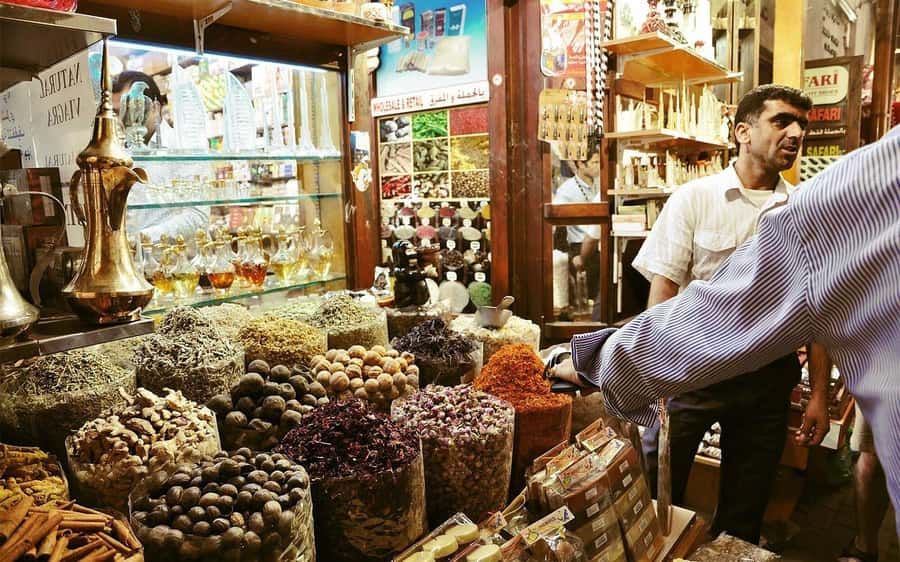
The abra ride is short, around 15 minutes, but it gives the tour a welcome change of pace. Instead of following roads between the old districts, you cross the Creek by water taxi.
This is one of the strongest parts of the experience because it connects the history to the geography. Dubai grew through Creek-side trade, and the crossing lets you see the waterway as more than a scenic backdrop. You are moving between two market areas in the same practical way that people have used for generations.
The ride is also a break from walking. You can sit, look back at the older buildings, and watch the movement along the water. Do not expect a long cruise or a private boat. It is a shared water taxi, and the value comes from the setting and the simple act of crossing the Creek.
The Creek crossing also divides the tour neatly. Before the abra, the focus is architecture and the older residential area. After it, the focus shifts toward trade, food, shopping, and the market streets around Al Ras.
Spice Souk: follow the coffee and cardamom
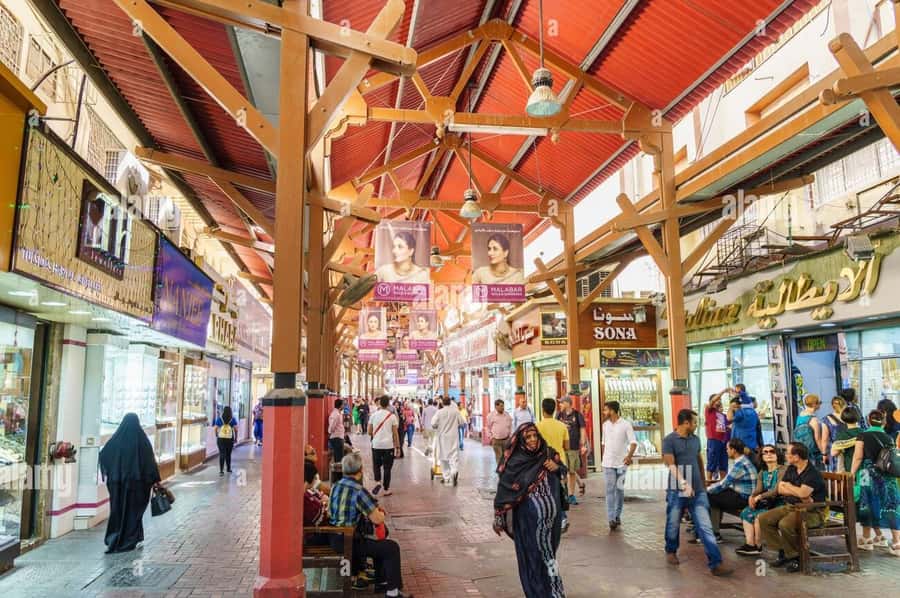
The Spice Souk is designed for your senses. You can expect the smell of spices, coffee, dried ingredients, and Middle Eastern flavors as you move between the stalls.
The guide’s role is useful here because spice displays can blur together if you do not know what you are looking at. You can ask about flavors, recipes, and how ingredients are used. The tour description promises a chance to taste Middle Eastern flavors, but it does not specify every item, so treat the tasting as an introduction rather than a full cooking class.
The market is also a good place to see how Dubai’s older commercial life continues alongside tourism. Some shops are aimed at visitors, but the setting still shows the importance of food trade and imported goods.
This is a good section for photography, although you should stay aware of sellers and other pedestrians. The souk can be shaded in places, which helps in hot weather, but the walk remains outdoors and the temperature can still affect your energy.
Gold Souk: look first, shop later
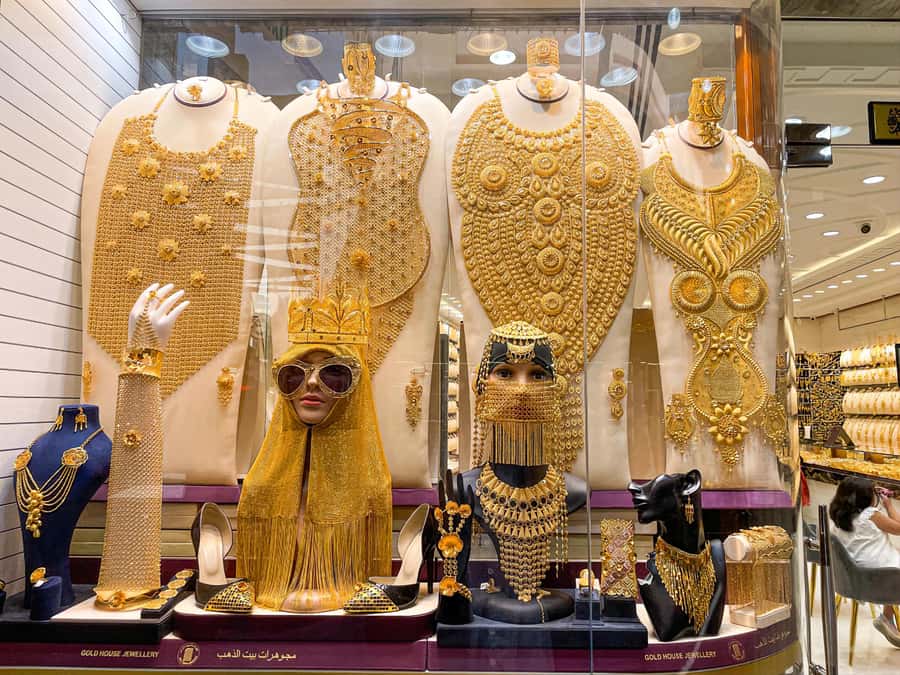
The Gold Souk is the tour’s biggest commercial sight. It is known for hundreds of gold retailers, with more than 350 shops described along the market area.
Even if you have no plan to buy jewelry, the displays are worth seeing. Gold is arranged in a way that makes the market feel almost theatrical, and the sheer amount of jewelry helps explain why the souk is one of Dubai’s signature older attractions.
Your guide can provide context and help you understand the difference between viewing the market and shopping in it. If you do buy, take your time, compare designs, and ask clearly about price and workmanship. A guided visit is not a guarantee that every shop offers the best deal, so keep control of your spending.
For many people, the Gold Souk works best as a cultural and visual stop. You do not need to arrive with a shopping list. I like that it follows the abra and Spice Souk because you see three connected forms of trade in one stretch: transport, food, and precious goods.
The guides make the difference
The strongest feature of this tour is the guiding. Several guides have earned specific praise for being friendly, clear, and attentive.
Muhammad is described as entertaining while still giving strong historical context. He also helped one mixed group of families and a solo participant feel included, checking that everyone was comfortable and enjoying the pace.
Abdullah is repeatedly associated with clear explanations and a calm manner. He helped explain Dubai’s history, culture, religion, and present-day life, and he took care to keep one group out of the sun. His approach should suit you if you want room for questions rather than a fast script.
Ikram has shown flexibility with families, including slowing down for an elderly father. That matters because the tour is not a race, but the route still includes several hours of walking. Shahzad is also praised for explaining older customs and answering questions during the market visits.
Other named guides include Aqib Abbas, Ehsan, Hassan, and Mazher. The overall rating is 5 out of 5 from 89 reviews, and the repeated praise centers on guide quality, friendliness, historical explanations, and personal attention.
Language support is available in English and German. Private groups are also offered if you want more control over pace, questions, and pickup arrangements.
Who should book this Old Dubai tour?
I would recommend it to first-time visitors who want a clear introduction to Dubai beyond the skyscrapers. It also suits families, solo visitors, couples, and anyone with a short stay who wants several old-city highlights in one morning or afternoon.
You will get the most from it if you enjoy walking, asking questions, sampling small foods, and looking at the city as a place shaped by trade. It is less suitable if you want a long indoor museum visit, extensive free time for shopping, or a relaxed sightseeing outing with very little walking.
At $23, the combination is hard to fault. The guide, food, water, tastings, and abra ride cover the main costs, while the route gives you a useful introduction to Old Dubai. Just bring sun protection, wear comfortable shoes, and leave your luggage behind.
FAQ
How long does the Old Dubai walking tour last?
The tour lasts three hours, including the walking route through Old Dubai, market visits, and the abra water-taxi crossing.
Where does the tour meet?
The standard meeting point is Sharaf DG Metro Station, Exit 4. The guide waits there wearing a tour guide license.
Does the tour include hotel pickup?
Hotel pickup and drop-off are not included in the standard option. The private option includes pickup and drop-off from locations anywhere in Dubai, including hotels and Dubai Airport.
Is the abra boat ride included?
Yes. The tour includes an abra water-taxi crossing over Dubai Creek, lasting about 15 minutes.
What food and drinks are included?
The experience includes camel milk tea, camel milk chocolate, local food, and water. The exact local food can vary.
Which languages are available?
Live guiding is available in English and German.
Is the tour suitable for wheelchair users?
No. The activity is not suitable for wheelchair users or people with mobility impairments. Baby strollers and luggage or large bags are also not allowed.
Can I cancel or pay later?
You can cancel up to 24 hours in advance for a full refund. You can also reserve now and pay later, subject to the booking conditions.
Should you book it?
Book this tour if you want Old Dubai explained, not just photographed. The Al Fahidi lanes, Creek crossing, spice stalls, and Gold Souk form a useful story when a good guide connects them.
The best reason to choose it is the human guidance from people such as Muhammad, Abdullah, and Ikram. The main reason to skip it is physical: three hours of walking in Dubai’s heat may be tiring, and the tour does not suit people with limited mobility.
For $23, I consider it a strong-value introduction to the city’s older side. Bring comfortable shoes, keep your shopping budget separate, and let the modern towers wait for later.
More Market Walking Tours in United Arab Emirates
- Walking Tour in Dubai. Souks, museums, Local Food Testing
★ 5.0 · 11 reviews - Dubai: Guided City Walking Tour to Spice and Gold Souk
★ 5.0 · 3 reviews - Dubai: Private Old Town, Heritage & Souks Walking Tour
★ 4.9 · 102 reviews
More Market Walking Tours in Dubai
- Historic Old Dubai & Souk Small Group Walking Tour
★ 5.0 · 156 reviews - Dubai Souks, Food & Culture Walking Tour
★ 5.0 · 132 reviews - Private Old Dubai Walking Tour: Forts, Souks, and Boats
★ 5.0 · 116 reviews - Private Historic Old Dubai and Souks Walking Tour featuring Hidden Gems
★ 5.0 · 27 reviews
Just added around Dubai
- Walking Tour in Dubai. Souks, museums, Local Food Testing★ 5.0 · 11 reviews
- Old Dubai Heritage Tour: Souks, Mosques & more hidden gems!★ 4.3 · 72 reviews
- Old Dubai Guided Tour With Photographer: Souks & Street Food★ 4.9 · 74 reviews
- Dubai:Private Frame Entry, Mosque, Souks, Tastings& transfer★ 4.8 · 9 reviews
- Dubai: Discover Dubai Old Town, Souks, Museum & Street Food★ 4.9 · 25 reviews
- Dubai Old Town, Creek, Abra boat, Souks Guided walking Tour★ 4.7 · 3 reviews
- Dubai Food Tour: 4 Cuisines, Souks & Street Bites★ 3.0 · 3 reviews
- Dubai: Guided City Walking Tour to Spice and Gold Souk★ 5.0 · 3 reviews
Market Boat & River Tours, compared.
Train Market & Floating Market with Boat Ride
Read our review →
Cooking Class Hoi An:Local Market, Basket Boat, Fishing & Cooking
Read our review →
Market Tour, Basket Boat Ride and Cooking Class
Read our review →
Hoi An Cooking Class(Local market,Basket Boat,Fishing & Cooking)
Read our review →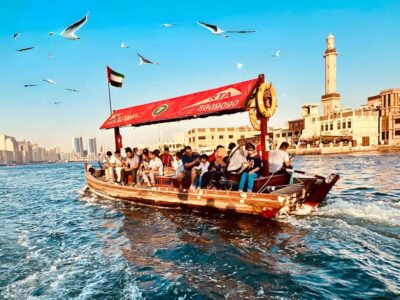
Authentic Old Town, Souks, Tastings & Abra Boat Tour
Read our review →
Hoi An Eco Tour Cooking Class & Fishing (Local market,basket boat,learn cooking)
Read our review →
Largest Floating Market, Wild Small Canal System & Organic cocoa
Read our review →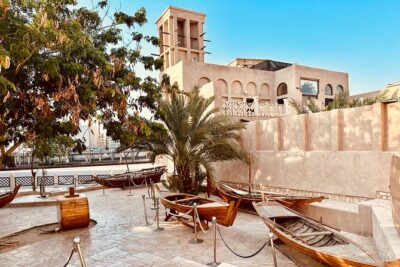
Authentic Old Dubai, Souks, Tastings & local boat Guided Tour
Read our review →Browse the lists this tour appears in