
Review · UNITED ARAB EMIRATES
Dubai: Private Old Town, Heritage & Souks Walking Tour
Dubai’s glass towers get the headlines, but this Old Dubai walking tour shows you the city before the skyscrapers. You begin in Al Fahidi’s shaded lanes, visit old courtyard houses, cross Dubai Creek by traditional abra, and finish among the gold shops in Deira. Pri, Ricky, Francesca, and Dana are among the guides who lead this experience.
I like the way the tour links Dubai’s past to its present in only two hours. I also like the practical help in the souks, including spice tastings and advice on bargaining. The main drawback is the pace: you cover a lot of ground, and hot weather, uneven lanes, and crowded markets can make the walk tiring.
I especially value the private format, since guides can slow down for children, explain customs in simple English, or adjust the conversation to your interests. You should know that the tour does not include hotel pickup, and it is not suitable for wheelchair users.
Key points at a glance
- Start in Al Fahidi: Meet outside Arabian Tea House and enter Dubai’s old courtyard quarter on foot.
- Hear Dubai’s origin story: Learn how a desert trading settlement grew through pearling, trade, and later oil wealth.
- Cross the Creek by abra: The short boat ride gives you a useful sense of how Old Dubai works as a trading port.
- Shop with local guidance: Walk through the textile, spice, and gold souks, with tips on prices and bargaining.
- Family-friendly storytelling: Guides have adapted the walk for children as young as six and kept older children involved.
- Finish in Deira: The Gold Souk is a useful final stop, but you arrange your own ride onward.
Starting among Al Fahidi’s courtyard houses
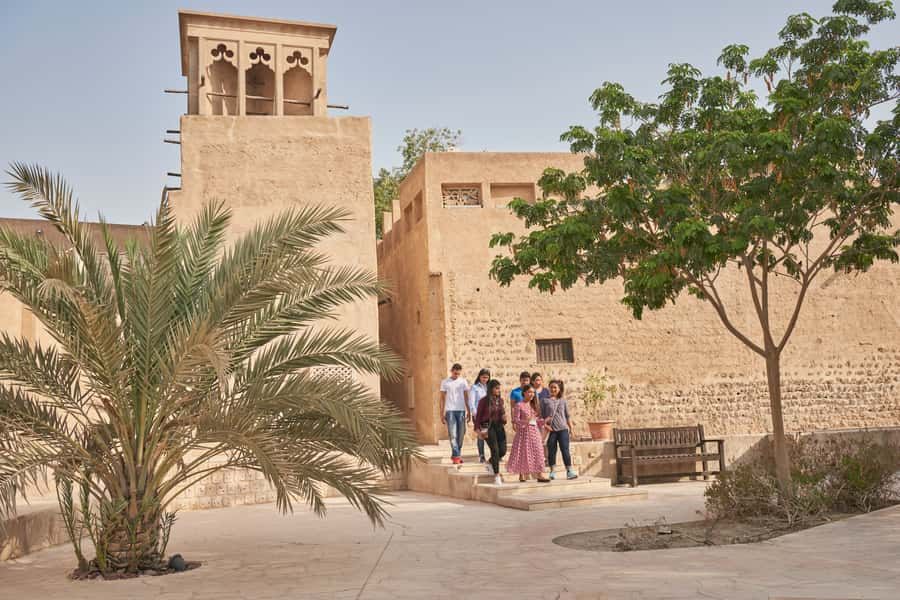
Meet outside Arabian Tea House Restaurant & Cafe in the Al Fahidi Historic Neighbourhood. This is a sensible starting point because you are already in the oldest-feeling part of the route, rather than being dropped beside a modern shopping mall and told to imagine the past.
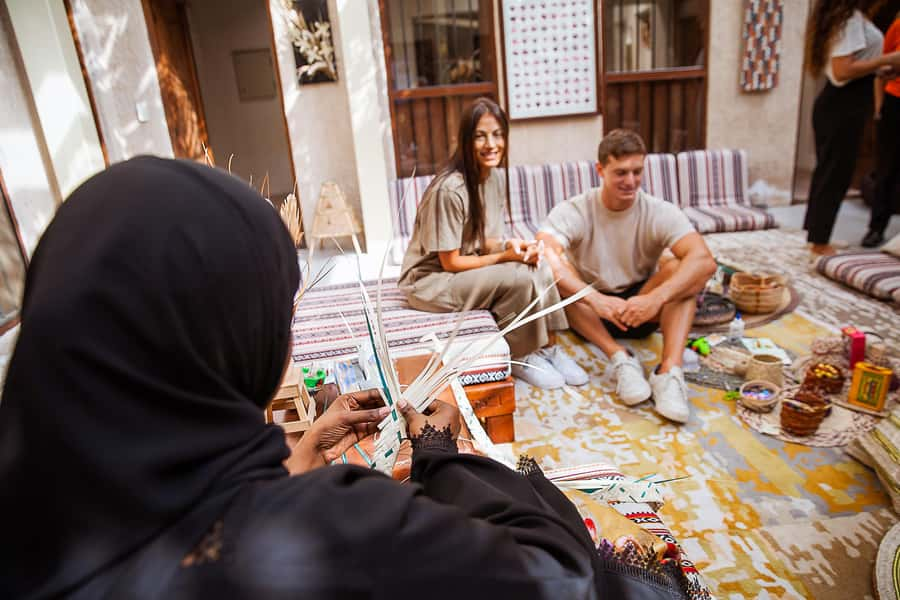
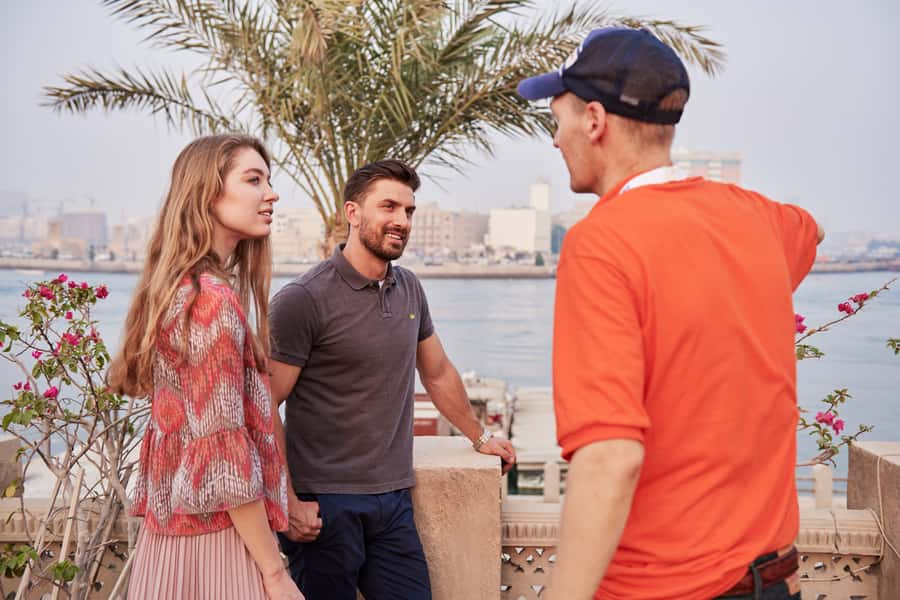
The first forty minutes focus on Al Bastakiya, also known as the Bastakiya District. You walk through old lanes and visit places such as Dar Al Nadwa, XVA House, and the narrow sikkas, or lanes, of Al Fahidi. The courtyard-house design gives the area its character, with enclosed spaces that offered shade and privacy in a harsh desert climate.
This part is not about grand monuments. It is about scale and detail. You see how early homes were arranged, how people moved through the lanes, and how Dubai’s first communities lived before the city became a major business center. The guide’s storytelling is important here because the buildings alone do not explain the changes that shaped the emirate.
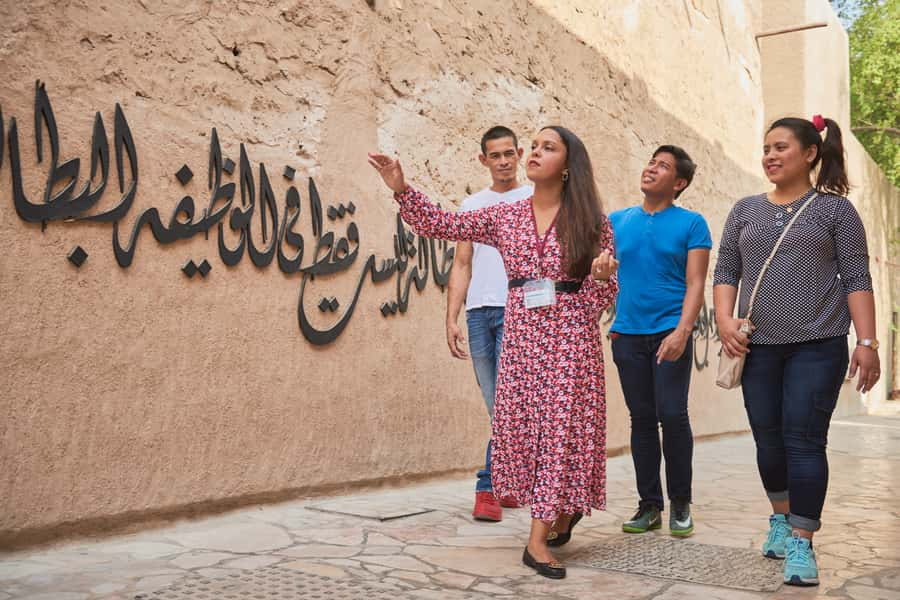
Pri has been particularly good at making this section work for families, adapting the talk for a six-year-old in one case and for older children in another. Francesca has been praised for explaining customs and culture with warmth, while Ricky has a clear, detailed way of connecting the old quarter to modern Dubai.
You should expect some walking on firm but uneven surfaces. Comfortable shoes are a must. The lanes can also be hot, especially outside the cooler months, so sunscreen and water make sense even though only sunscreen and comfortable shoes are formally listed as items to bring.
More Market Walking Tours in United Arab Emirates
- Historic Old Dubai & Souk Small Group Walking Tour
★ 5.0 · 156 reviews - Dubai Souks, Food & Culture Walking Tour
★ 5.0 · 132 reviews - Private Old Dubai Walking Tour: Forts, Souks, and Boats
★ 5.0 · 116 reviews
Reading Dubai’s story through the old quarter
The best part of the opening walk is the connection between ordinary life and Dubai’s dramatic rise. The tour explains the city as a desert trading town shaped by the Creek, regional commerce, pearling, and contact with different cultures.
That context helps you read the rest of the day. The textiles, spices, and gold are not random tourist stops. They reflect the trading role that made this part of Dubai important long before the towers appeared. The guide can also answer questions about modern art, local customs, and the cultural mix that developed around the port.
I would not book this tour if your main goal is a long architectural visit inside every heritage building. The heritage-house entries are included, but the whole experience is a moving walk with short visits, not a slow museum tour. Its strength is the way the guide ties several places together.
The private group format helps. You can ask why a house is built a certain way, pause for a photo, or ask how a custom fits into life in the UAE today. You are not locked into a large group’s pace, though the two-hour limit still means the guide has to keep the walk moving.
Fifteen minutes beside Dubai Creek
After the Al Fahidi section, you walk toward Dubai Creek. The Creek is the physical link between the historic neighborhood and Deira, and it gives you a better sense of why this location mattered.
You have about fifteen minutes for a visit, walk, and sightseeing along the water. From here, you can watch boats and see the older commercial side of the city from a much more useful viewpoint than you get from a road or shopping center.
The route also includes a visit to a dhow. Dhows are traditional wooden vessels associated with trade around the Gulf and the Indian Ocean. The stop is brief, around ten minutes, but it adds another layer to the story of goods moving in and out of Dubai.
The Creek is one of the tour’s strongest visual moments. Several people have singled out the boat crossing and waterside views as highlights, especially around sunset. Still, keep your expectations in proportion. This is a short sightseeing stop, not a long cruise or a private yacht outing.
The abra crossing to Deira
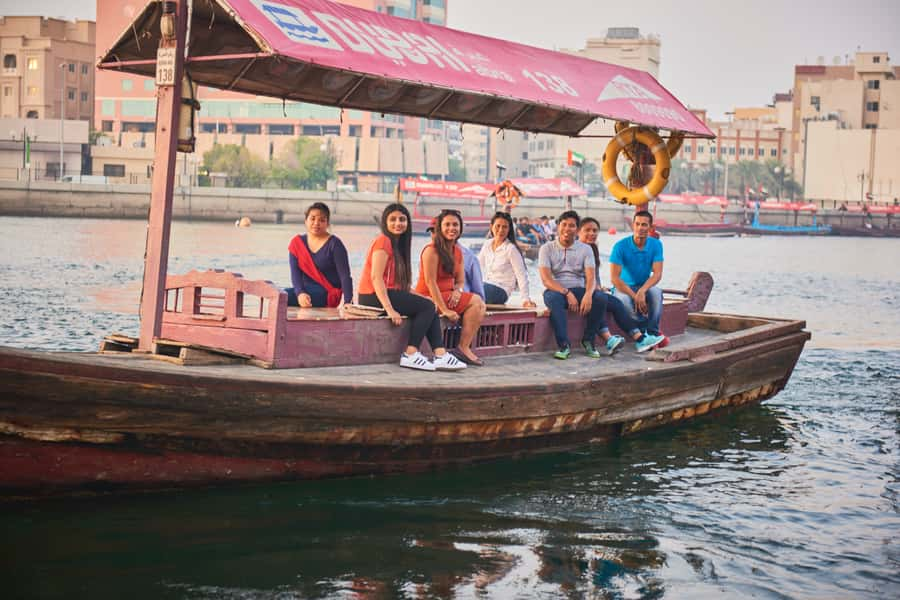
The abra ride is the practical heart of the tour. You board a traditional boat and cross from the Bur Dubai side to Deira, using the same waterway that shaped the city’s early trade.
The ride is short, but it changes the feel of the experience. Instead of simply taking a taxi between two neighborhoods, you move through Dubai by the old route. From the water, you see the Creek as a working passage and get a clear view back toward the older buildings.
The tour includes the abra ride, so you do not need to budget separately for that part. One useful point from the practical side: the tour finishes in the Gold Souk area, which makes it easy to continue exploring Deira or arrange an Uber to your next stop.
The boat can be busy because it is a traditional public-style crossing rather than a luxury private cruise. That is part of its appeal, but it also means this is not the place to expect silence or an extended photo session. Keep bags close and listen for the guide’s instructions when boarding.
More Private Market Tours in United Arab Emirates
- Dubai Private Tour of Creek, Souks, Frame, and Burj Khalifa Entry
★ 5.0 · 107 reviews - Private Tour Old Dubai Souks Creek and Abra Tour with Tastings
★ 5.0 · 28 reviews - Private Historic Old Dubai and Souks Walking Tour featuring Hidden Gems
★ 5.0 · 27 reviews - Dubai:Private Frame Entry, Mosque, Souks, Tastings& transfer
★ 4.8 · 9 reviews
Spices, samples, and shopping advice
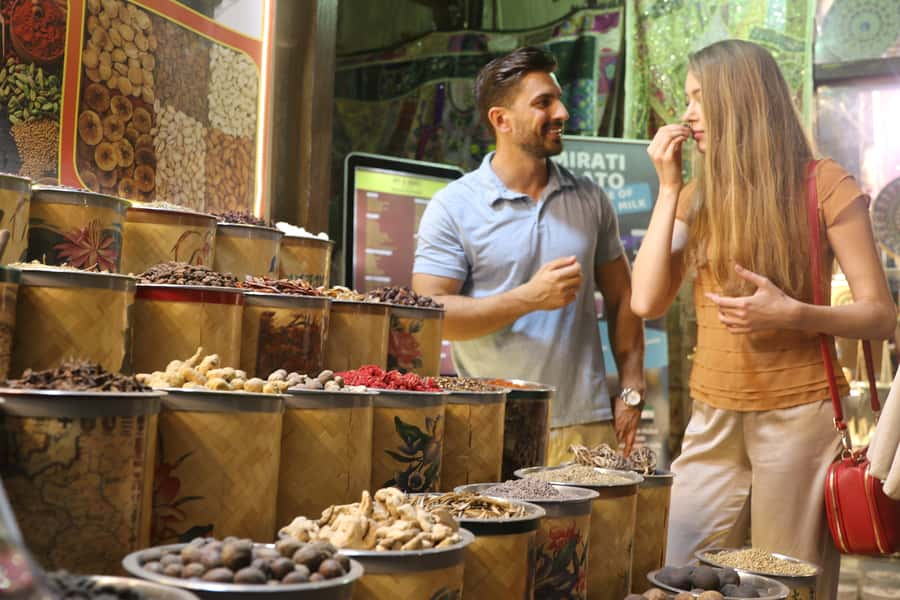
On the Deira side, the route takes you into the Spice Souk. You get about fifteen minutes here for a guided visit, shopping, and tastings.
The spices are one of the most sensory parts of the walk. You might find dried herbs, blends, teas, sweets, and other food products displayed in open sacks and containers. The included tastings give you a quick introduction, but the real value is having someone explain what you are looking at and how the shopping works.
This is also where a private guide can save you time and avoid a poor purchase. Dana has helped visitors compare prices and identify better deals, while Pri has guided people through the spice and gold markets and offered bargaining advice. The point is not to pressure you into buying. It is to give you a clearer idea of how to ask questions and compare offers.
Expect shopkeepers to approach you. That is normal in a souk, but you should only buy what you want. If you are not shopping, say so politely and keep moving with the guide. If you are buying spices, ask about packaging and what is practical to take home.
The tour includes a souvenir gift, though the supplied details do not specify what it is. Tastings are included as well. Food allergies and personal preferences are worth mentioning to the guide before accepting samples.
The textile market and Old Dubai’s trade routes
The Old Textile Market is another short stop, listed at about fifteen minutes. It gives you a look at fabrics and clothing, with more time for browsing or buying if that interests you.
This part works best when you treat the market as a living commercial area rather than a display. You can compare colors, patterns, and materials, and your guide can help you understand the difference between browsing and bargaining. The market also helps show how Dubai’s location connected it to merchants and products from across the region.
Do not expect a long, quiet textile lesson. The market is active, and the time is limited. If you want to shop seriously for fabric or clothing, you may need to return after the tour. The guide can help you get oriented, but the tour is designed to introduce the area, not give you an entire afternoon for purchases.
A practical advantage is that the textile market appears before the Creek crossing in the route. You can browse without carrying purchases through every later stop, though you still need to manage anything you buy.
Finishing at the Gold Souk
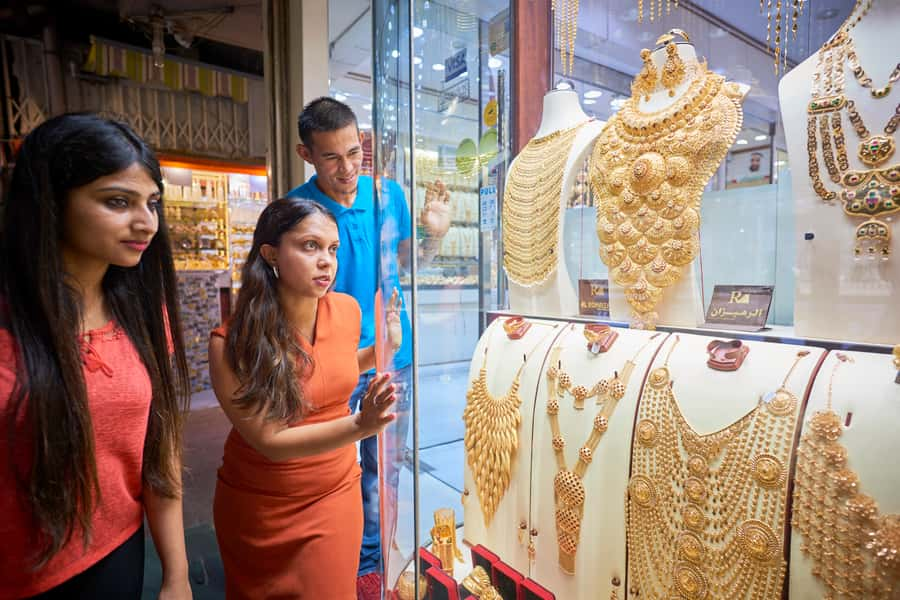
The tour ends in the Gold Souk neighborhood. This is the right place to finish because it gives you a final look at Dubai’s commercial ambition, from low-cost souvenirs and small gifts to gold and diamond jewelry.
The Gold Souk can be impressive even if you have no intention of buying. Shop windows display elaborate necklaces, bracelets, rings, and other pieces, while the surrounding lanes provide a sharp contrast with the quiet courtyards where you started.
Your guide can explain how to approach the shops and may point out places with fairer deals, but you should make your own purchase decisions. Gold and diamond buying requires more care than picking up a spice mix. Ask about weight, workmanship, certification, and the final price before agreeing to anything.
Because the tour ends here, you are free to continue shopping, eat nearby, or call a taxi or Uber. There is no hotel drop-off included, so plan your onward transport before you arrive, particularly if you are traveling with tired children or shopping bags.
What $98 buys you in two hours

At $98 per person, this is not the cheapest way to walk through Old Dubai. You are paying for a private guide, heritage-house entrances, the abra crossing, spice tastings, and a souvenir, not simply for transportation between markets.
The value is strongest for first-time visitors who want a clear explanation of what they are seeing. A guide helps you understand why Al Fahidi matters, how the Creek shaped the city, and how the souks connect to Dubai’s trading past. You also avoid spending your first visit wandering without knowing which lanes or markets fit together.
The price makes more sense for a family or small private group than for a solo budget traveler. If you are alone and comfortable exploring independently, you can visit the neighborhoods for much less. If you want questions answered, help with bargaining, and a route that combines heritage sites with the markets, the private format adds real value.
The current rating is 4.9 from 102 reviews, and the repeated praise centers on the guides’ warmth, clear explanations, and ability to adjust for children. Pri receives especially frequent praise, but Ricky, Francesca, and Dana are also named for strong guiding, good local advice, and an easy manner.
Who will enjoy this walk most
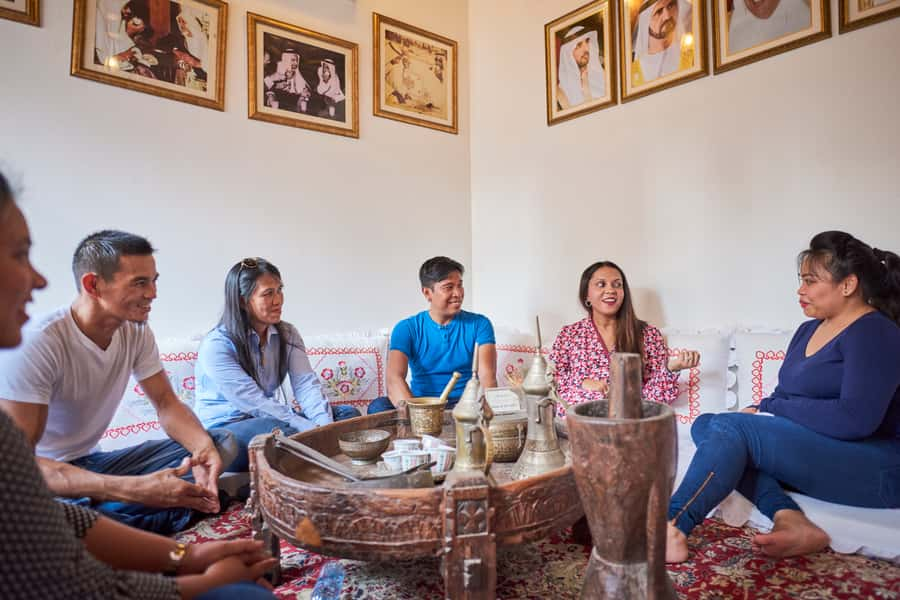
I would recommend this tour to first-time Dubai visitors who want more than malls and observation decks. It is also a good first-day activity because it gives you a working map of the older city and explains the forces behind Dubai’s growth.
Families are well suited to it. Guides have kept children and teenagers involved, adjusted explanations for young ages, and maintained an enjoyable pace. The private setup also means your group can ask more questions without worrying about holding up strangers.
It suits visitors who want to shop but do not know how souks work. You get an introduction to spices, textiles, gold, and diamonds, plus practical help with bargaining. You should still shop carefully and avoid feeling obliged to buy.
I would choose something else if you want a fully accessible route, a long boat trip, hotel transportation, or a slow museum visit. The tour is not suitable for wheelchair users, and the combination of walking, heat, uneven lanes, and market crowds requires reasonable mobility.
The experience is offered in English and Hindi. Cancellation is free up to 24 hours before the tour, and you can reserve now and pay later, which helps if your Dubai schedule is still changing.
Should you book the Old Dubai walking tour?
Book it if you want a private, well-organized introduction to Al Fahidi, Dubai Creek, and Deira’s souks, especially if this is your first visit. The abra crossing, local shopping advice, and guide-led storytelling give the two-hour route more purpose than simply walking through the markets alone.
Think twice if $98 per person is above your budget or if you prefer exploring independently. For most small groups and families, though, the combination of heritage entrances, a traditional boat ride, spice tastings, and personal guiding makes this a useful way to meet the older, more human side of Dubai.
FAQ
How long does the Old Dubai tour last?
The tour lasts two hours. The route includes Al Bastakiya, Dubai Creek, a dhow visit, the Spice Souk, the Old Textile Market, and the Gold Souk.
What is included in the price?
The price includes a guide, museum and heritage-house entrances, the abra ride, tastings at the Spice Souk, and a souvenir gift.
Where does the tour start and finish?
You meet outside Arabian Tea House Restaurant & Cafe in Bastakiya, within the Al Fahidi Historic Neighbourhood. The tour finishes in the Gold Souk neighborhood.
Is the tour private?
Yes. It is offered for a private group, so the guide can adapt the conversation and pace to your group’s interests.
What languages are available?
The live tour guide is available in English or Hindi.
Is hotel pickup included, and is the route wheelchair accessible?
Hotel pickup and drop-off are not included. The tour is not suitable for wheelchair users. Comfortable shoes and sunscreen are recommended.
More Walking Tours in United Arab Emirates
- walking tour in old dubai, souks, abra boat, old town
★ 5.0 · 89 reviews - Walking Tour in Dubai. Souks, museums, Local Food Testing
★ 5.0 · 11 reviews - Dubai Old Town, Creek, Abra boat, Souks Guided walking Tour
★ 4.7 · 3 reviews - Dubai: Guided City Walking Tour to Spice and Gold Souk
★ 5.0 · 3 reviews
More Heritage Tours in United Arab Emirates
- Abu Dhabi Sightseeing Tour: Sheikh Zayed Mosque, Heritage Village & Dates Market
★ 4.5 · 226 reviews - Dubai Old Town, Culture, History, Street food and Souks Tour
★ 5.0 · 170 reviews - Old Dubai Historic Guided Tour: Creek, Street Food & Souks
★ 4.9 · 156 reviews - Old Dubai Heritage Tour: Souks, Mosques & more hidden gems!
★ 4.3 · 72 reviews
Just added around United Arab Emirates
- Abu Dhabi City Tour: Grand Mosque, Palace, Souk, Louvre & Ferrari★ 5.0 · 8 reviews
- Walking Tour in Dubai. Souks, museums, Local Food Testing★ 5.0 · 11 reviews
- Old Dubai Heritage Tour: Souks, Mosques & more hidden gems!★ 4.3 · 72 reviews
- Old Dubai Guided Tour With Photographer: Souks & Street Food★ 4.9 · 74 reviews
- From Abu Dhabi: Dubai City Tour with Creek, Abra & Old Souks★ 4.5 · 49 reviews
- Dubai:Private Frame Entry, Mosque, Souks, Tastings& transfer★ 4.8 · 9 reviews
- Dubai: Discover Dubai Old Town, Souks, Museum & Street Food★ 4.9 · 25 reviews
- Dubai: Flavors of Arabia Souk Tour with Tastings & Dinner★ 4.9 · 5 reviews
Market Walking Tours, compared.
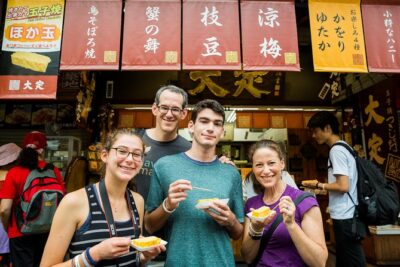
Tokyo Tsukiji Fish Market Food and Culture Walking Tour
Read our review →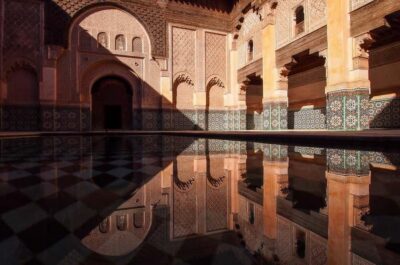
Ben Youssef, Secret Garden, & Souks Walking Tour
Read our review →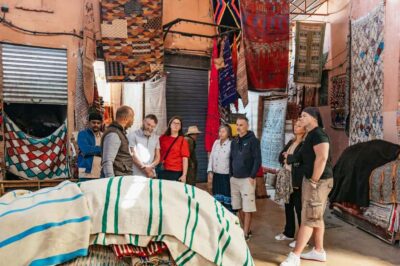
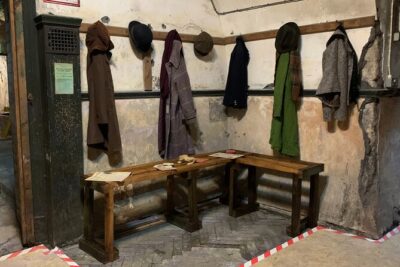
Air Raid Shelter + St. Nicholas Market Walking Tour
Read our review →
Nishiki Market Brunch Walking Tour (7 Tastings + Brunch)
Read our review →