
Review · PALERMO
Wanna be Sicilian: Palermo Cooking Class and Market Tour
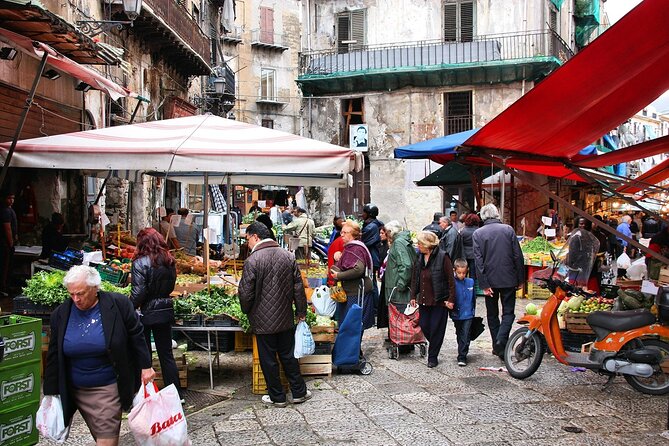
Palermo’s best cooking lesson starts before you reach the kitchen. At Mercato del Capo, you shop for produce, learn how to judge fresh fish and fruit, sample local snacks, and see the ingredients that give Sicilian cooking its punch. Then you use them to make arancini, pasta alla Norma, and cannoli.
I like two things right away: the market visit gives the class a real connection to Palermo, and the food is substantial enough to serve as lunch, not just a few polite tastes. Chefs including Lidia, Salvo, Marcello, Nadia, and Filippo have been praised for clear instruction and good humor. The main drawback is group size. With up to 20 people, hearing the guide in the market can be hard, and the amount of hands-on work may vary.
Key points at a glance
- Mercato del Capo first: Shop for seasonal ingredients, sample street food, and get practical tips on produce and fish.
- Three Sicilian dishes: Make arancini al ragù, homemade maccheroni alla Norma, and a ricotta-filled cannolo.
- A full half-day: Plan for about five hours, although some sessions finish in under four.
- Wine with lunch: Wine and Marsala accompany the meal, with soft drinks for children.
- Useful take-home material: You receive a digital recipe booklet and a graduation certificate.
- Important food note: Vegetarians can be accommodated with advance notice, but the class is not suitable for people with celiac disease.
Starting at Mercato del Capo in Palermo
The meeting point is Via Volturno 44, close to public transportation and near the Capo market. You begin with the chefs rather than being sent straight into a classroom, which gives the experience a useful sense of place.
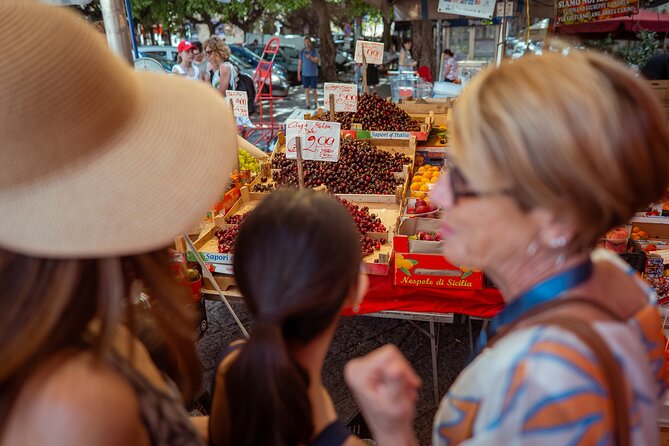
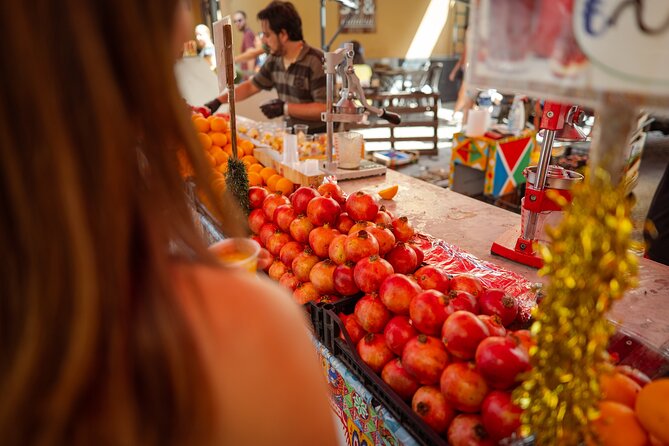
Mercato del Capo is the kind of market where ingredients make more sense because you can see them in their daily setting. You may examine fresh produce, look at fish, sample a few local bites, and stop at a traditional pastry shop. The chefs also explain how to choose fresh fish and fruit, and they point out foods you might want to seek out later on your own.
I like this part because it teaches you how Sicilian food begins. You are not simply handed a premeasured bowl of ingredients. You see the raw materials, hear about local shopping, and then return to the kitchen with a better idea of why the recipes taste the way they do.
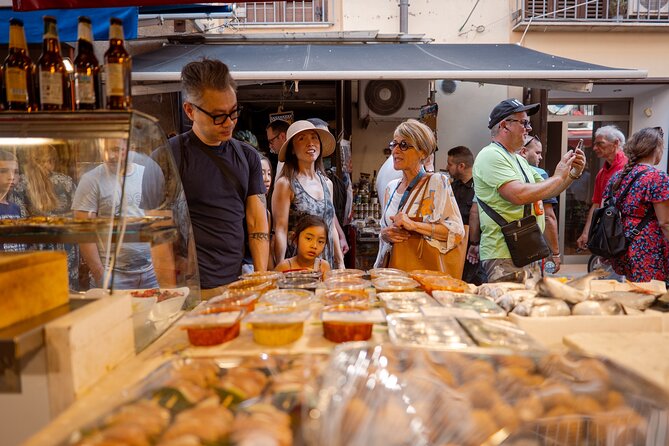
There is one practical catch. The market can be noisy, and a group of 17 or 20 people may spread out around the guide. If you want to hear every explanation, stay close and keep an eye on the chef. The tasting stops are enjoyable, but the market walk is more useful for food culture and shopping advice than for a quiet, detailed lecture.
The fish shops are closed on Mondays. The class still runs, but the market portion changes. Extra tastings and a special introduction at the cooking school replace the usual market visit when needed. That keeps the day worthwhile, though Monday is not the best choice if seeing the fish stalls is a priority.
More Market Cooking Classes in Italy
- Cooking Class and Lunch at a Tuscan Farmhouse with Local Market Tour from Florence
★ 5.0 · 4,831 reviews - Small Group Cooking Class & Market Food Tour in Florence
★ 5.0 · 1,574 reviews - Seaview Cooking Class & Taormina local flavors with Chef Mimmo
★ 5.0 · 665 reviews
Making arancini al ragù from the ground up
The first major dish is arancine al ragù, fried rice balls filled with meat sauce and peas. This is a good choice for a class because it involves several steps and shows how Sicilian cooks turn familiar ingredients into something far more special.
You work with the rice mixture, prepare or handle the ragù filling, shape the balls, and help with the cooking process. The result is crisp on the outside, soft within, and filled with beef ragù. The class makes it clear why a freshly cooked arancino can feel very different from one that has been sitting in a display case.
This is also where the class can be filling earlier than expected. The arancini are not a tiny starter. If you sample market food before the lesson, pace yourself. You need room for pasta and cannoli later.
The degree of hands-on work may depend on the class. Several descriptions point to an active, practical lesson, while one participant expected more direct cooking and found the instruction somewhat less hands-on. That difference may come from group size, staffing, or the pace of the day. If you want constant knife work and individual attention, a very small class will suit you better than a session close to the 20-person limit.
Pasta alla Norma and the taste of eastern Sicily
The main course is homemade maccheroni alla Norma. The dish uses simple ingredients, including pasta, tomato, eggplant, and ricotta salata, though the precise preparation can vary with the chef and the day’s ingredients.
The appeal is not complexity for its own sake. Pasta alla Norma shows how a few well-treated ingredients can produce a full, satisfying meal. You learn pasta preparation and the sauce, then sit down to eat what the group has made.
Pastas are often the part of a cooking class people most want to repeat at home. Here, you receive the recipes afterward in a digital booklet, so you do not need to take frantic notes while cooking. The booklet includes the class recipes and additional ones, according to the information provided, which adds value if you want to keep practicing after Palermo.
I would not treat this as a professional chef course. It is designed for mixed skill levels, including beginners. One participant who enjoyed cooking found the class worthwhile, while a less experienced companion also had a good time. That balance matters: you should learn useful methods without needing advanced kitchen skills before you arrive.
Cannoli, Marsala, and the final meal
Dessert is cannolo, a fried pastry shell filled with sweet ricotta cream. The class includes making the shell, which is more interesting than simply receiving a finished pastry at the table.
Cannoli can be delicate work. The shell needs the right texture, and the filling should be creamy without turning heavy. Making it yourself gives the dessert a clearer place in Sicilian food culture, especially after seeing pastries in the market.
The meal is served at a set table once the cooking is complete. You receive three courses: arancini, pasta alla Norma, and cannoli. Local wine accompanies the food, with Marsala also included, while children receive soft drinks instead.
This is one of the strongest parts of the value. At $60.98 per person, you are paying for a market visit, instruction, all ingredients, a three-course lunch, drinks, recipes, and a certificate. A restaurant meal alone would not provide the market guidance or cooking skills. If you mainly want to eat and do not care about preparing the food, the price may feel high. If you want a half-day activity with a proper lunch, it is easier to justify.
The meal can be generous. The arancini and pasta are filling, so arrive hungry and do not overdo the early tastings. Save space for the cannolo, since dessert is part of the lesson as well as the meal.
Same stalls, a different way to shop and eat:
- Rome: Colosseum, Roman Forum & Trajan’s Market Exterior Tour
★ 4.3 · 2,038 reviews - Taste of Testaccio: Special 15 Year Anniversary Edition
★ 5.0 · 1,658 reviews - Bologna Food & Market Tour with 6 Tastings, Pasta, Wines & More
★ 5.0 · 1,328 reviews - Venice Street Food Tour with Local Guide with Local Food Market Visit
★ 5.0 · 822 reviews
The chefs make a real difference
The class is led by a local chef, and the individual personality of that chef shapes the day. Lidia has been described as patient, clear, and easygoing. Salvo and Salvatore are noted for warmth, humor, and practical instruction. Marcello is praised for patience, while Nadia has been especially effective at connecting market choices with cooking techniques. Filippo is described as energetic, professional, and funny.
These names are useful when you are deciding what sort of experience to expect, but the schedule may assign a different chef. The important point is that the teaching style appears to be friendly and suitable for mixed abilities. The chefs also offer suggestions for places to eat around Palermo, which can help you plan the rest of your stay.
The best guides do more than call out the next step. They explain why the food is prepared a certain way, show how to identify good ingredients, and keep the kitchen moving without making beginners feel rushed. This class seems strongest when the chef is actively working the room, answering questions, and helping with photos while the food cooks.
How group size changes the experience
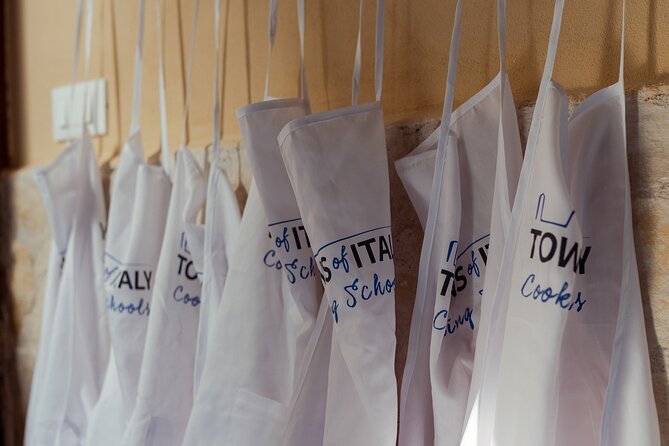
The maximum group size is 20, though actual sessions can be much smaller. One class had only two participants, while another had 12. That is a big difference in feel.
A small group can offer more direct assistance and more time with the chef. A larger group can bring more energy and a wider mix of people. Past participants have cooked alongside people from Croatia, Turkey, Scotland, Germany, and the United States, so the shared meal can become a pleasant social part of the experience.
The tradeoff is practical. In a large market group, you may not hear every explanation. In the kitchen, not everyone can perform every task at the same time. You might spend part of the lesson watching a demonstration or sharing a station rather than preparing each component alone.
If you are booking for a family or couple, this is still a good format for doing something together. Families can divide tasks and enjoy the meal as a shared project. Serious home cooks should set expectations correctly: this is a social cooking class with substantial instruction, not a private masterclass.
Timing, meeting point, and food restrictions
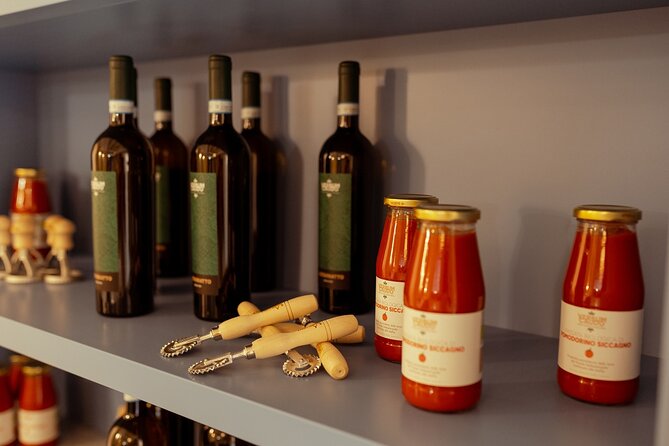
The listed duration is about five hours, though one session lasted just under four. Allow the full five hours in your schedule. The day runs rain or shine and ends back at the starting point, at Via Volturno 44.
Hotel pickup and drop-off are not included. You will need to make your own way to the meeting point, which is near public transportation. Arriving ready to eat is sensible, but do not arrive after a large breakfast because the class includes market tastes and a three-course lunch.
Tell the operator about allergies or food intolerances in advance. Vegetarians can take part with advance notice, but this is not a celiac-friendly class. The menu includes pasta, fried pastry, and other flour-based preparations, so people who must avoid gluten should choose another activity.
The class is offered in English. That makes the cooking steps accessible to English-speaking visitors, though a crowded market can still make it harder to hear. Stay near the guide and ask for clarification before the group moves on.
What the $60.98 price really buys you

The price is fair if you use the whole experience. You get the market walk, chef instruction, ingredients, drinks, lunch, recipes, and a certificate. The ingredients alone are not the main cost. You are also paying for preparation, kitchen space, a local instructor, and the chance to eat a meal you helped make.
I especially like that the market visit is tied to the recipes. A generic market tour followed by an unrelated meal would offer less. Here, you see produce and local foods, then use those ideas in dishes associated with Sicily.
The certificate is a pleasant extra, though it should not influence your decision much. The recipe booklet has more lasting value because it gives you a way to repeat the meal at home.
Free cancellation is available when you cancel at least 24 hours before the start time. Changes or cancellations made inside that window are not accepted for a refund. Since the activity is booked an average of 45 days ahead, reserve early if your Palermo dates are fixed, especially if you want a smaller group.
Who should book this Palermo cooking class
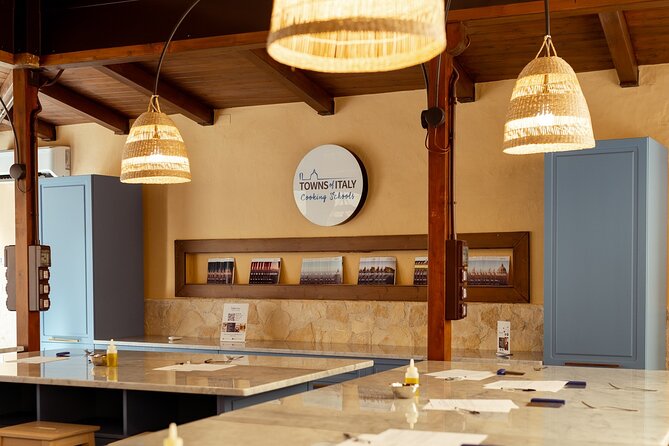
I would choose this for a first or second day in Palermo if food is one of your main reasons for visiting. The market gives you an early look at local ingredients, and the chef’s suggestions can help with later meals.
It suits beginners, couples, families, and people who enjoy meeting others over food. It also works well for an afternoon when you want more than a standard restaurant meal but do not want a demanding sightseeing schedule.
You should think twice if you dislike group activities, need complete control over food preparation, or expect every minute to be hands-on. The class can hold up to 20 people, and the market may be difficult to hear at that size. Anyone with celiac disease should not book it, and vegetarians need to give advance notice.
Should you book it?
Yes, if you want to understand Palermo through its food rather than simply order it. The market, the three-course meal, the recipes, and the local chef make this more useful than a cooking demonstration with no connection to daily shopping.
Book it with realistic expectations. You may share tasks, listen over market noise, and spend part of the lesson watching the chef. But you will leave with a better grasp of Sicilian ingredients, a full lunch, and recipes for arancini, pasta alla Norma, and cannoli. For $60.98, that is a strong half-day choice in Palermo, especially for anyone who likes to bring a place home through its cooking.
FAQ
How long does the Palermo cooking class last?
The listed duration is approximately five hours. Some sessions may finish in under four hours, so you should allow the full five hours when planning your day.
Where does the experience begin and end?
The meeting point is Via Volturno 44, 90138 Palermo. The activity ends back at the same meeting point.
What food will I prepare?
The standard menu includes arancine al ragù, homemade maccheroni alla Norma, and cannolo. The class covers the rice meatballs, ragù, pasta, and cannoli shell.
Are drinks included?
Yes. Local wine and Marsala wine are included for adults. Children receive soft drinks.
Can vegetarians join the class?
Yes, the class is suitable for vegetarians when you notify the operator in advance.
Is the experience suitable for people with celiac disease?
No. The class is not suitable for people with celiac disease.
What happens if the market is closed?
A special introduction and extra tastings at the cooking school replace the market visit. Fish shops are also closed on Mondays, so the market portion may differ on that day.
More Markets in Italy
- Palermo: Street Food and Local Market Tasting Tour
★ 4.9 · 540 reviews - Roman Food Tour with Visit to the Trionfale Food Market
★ 5.0 · 471 reviews - Venice: Rialto Market Food and Wine Lunchtime Tour
★ 5.0 · 383 reviews - The Original Catania Street Food and Market Tour by Streaty
★ 5.0 · 345 reviews
More Cooking Classes in Italy
- Pasta and Tiramisu Cooking Class with optional Local Market Tour
★ 5.0 · 515 reviews - Florence: Cooking Class with Local Food Market Tour
★ 4.9 · 407 reviews - Authentic Roman Cooking Class & Market Experience
★ 5.0 · 363 reviews - Florence: Cooking Class at a Tuscan Farm & Local Market Tour
★ 4.9 · 354 reviews
Just added around Italy
- Cesarine: Market Tour & Home Cooking Class in Catania★ 4.0 · 6 reviews
- Small Group Market tour and Dining Experience at a Cesarina’s home in Brindisi★ 4.5 · 6 reviews
- Small Group Market tour and Cooking class in Brindisi★ 4.5 · 8 reviews
- Food markets tour with a local!★ 4.5 · 39 reviews
- Private Market Tour and Cooking Class in Bologna with Giovanna C★ 5.0 · 20 reviews
- One day tour Christmas markets Innsbruck – Bressanone – Vipiteno★ 4.5 · 11 reviews
- Cesarine: Market Tour & Home Cooking Class in Bari★ 5.0 · 5 reviews
- Cesarine: Small Group Market tour and Dining in Altamura★ 3.0 · 2 reviews
Market Cooking Classes, compared.
Hanoi Cooking Class: Culture, Local Market & Meaning CSR Impact
Read our review →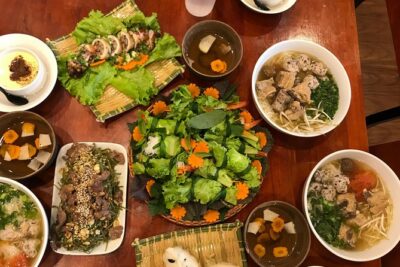
5 Traditional Dishes Hanoi Cooking Class with Market Trip
Read our review →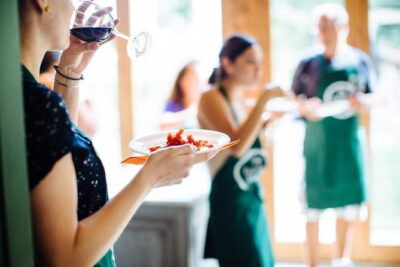
Cooking Class and Lunch at a Tuscan Farmhouse with Local Market Tour from Florence
Read our review →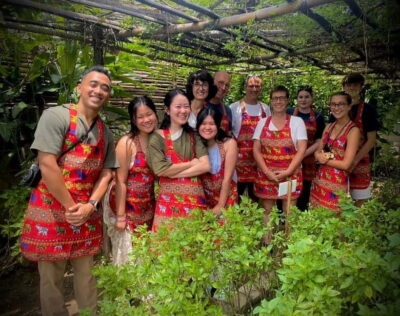
Cooking Class, Market & Thai Herbs Garden Tour
Read our review →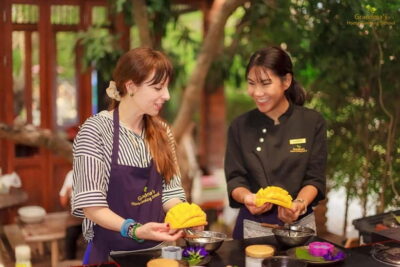
Authentic Cooking Class with Market & Farm Visit
Read our review →
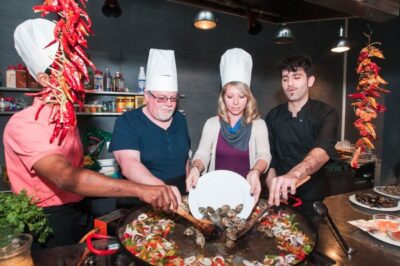
Paella Cooking Experience & Boqueria Market Tour
Read our review →
Cooking Class Hoi An:Local Market, Basket Boat, Fishing & Cooking
Read our review →Browse the lists this tour appears in