
Review · CAMBODIA
Kampot Countryside include Pepper farm,Kep crab market beach
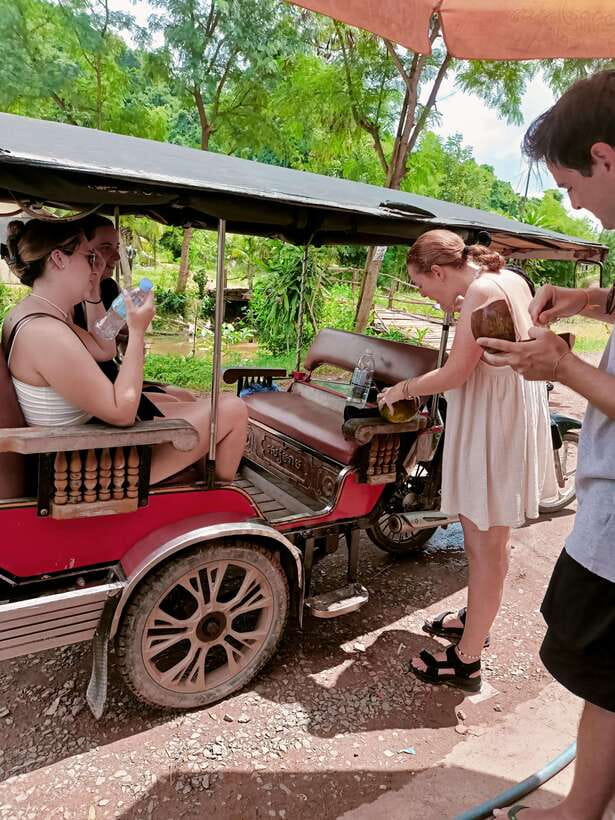
Kampot’s countryside becomes much more interesting when you move beyond the riverfront and see how the province makes its living. This private tuk-tuk day links salt fields, a cave temple, and a pepper farm with time in Kep for crab, beach, and sea air.
I like the mix of working Cambodia and ancient Cambodia. You see salt being produced, learn how Kampot pepper reaches the table, and climb to a 7th-century Shiva temple inside a cave. I also like the private format, which gives your guide room to explain things at your pace. Guide Phalla has been especially patient with questions and with guests who speak limited English.
The tradeoff is a long, warm day with several road stretches in an open tuk-tuk. The cave requires 203 steps, lunch and seafood cost extra, and the final beach stop may feel brief if earlier visits run long.
Key points at a glance
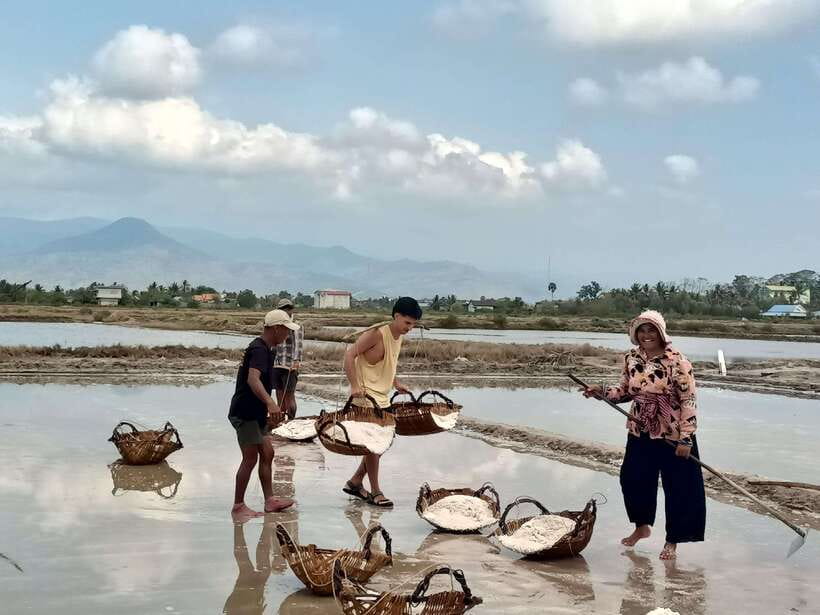
- Salt production outside Kampot: See the local industry up close and learn how salt moves from field to finished product.
- 203 steps to Phnom Chhngok: Reach a cave shrine containing a 7th-century Funan-era brick temple dedicated to Shiva.
- Brateak Krola Lake: Visit a man-made lake built during the Khmer Rouge period, with a difficult history behind its calm surface.
- Kampot pepper tasting: Tour a large plantation, learn about cultivation, and taste peppercorns grown on site.
- Kep for crab and beach time: Buy seafood or lunch at the crab market, then swim or relax before returning.
- Private value for two: The $50 price covers a private group of up to two people, guide service, water, coconut, entrances, and pepper tasting.
Why this day gives you more than a standard Kampot outing
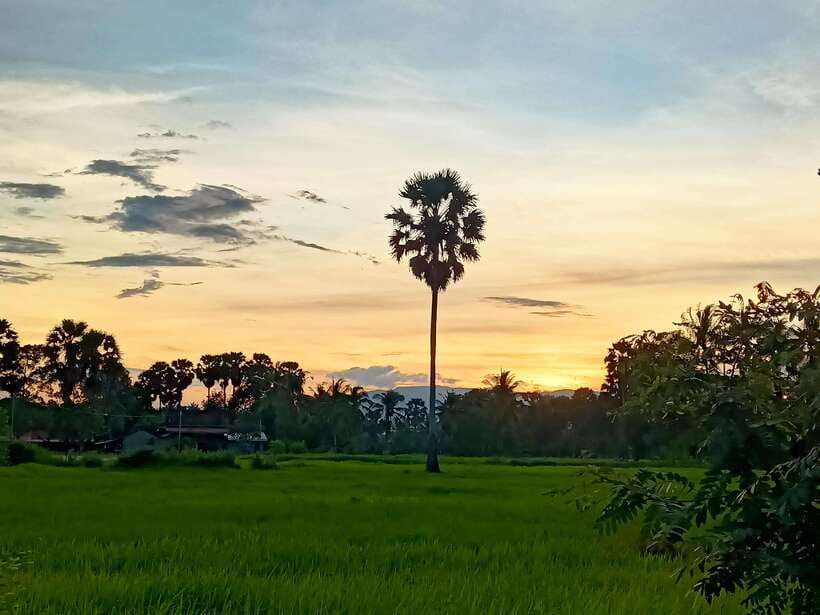
Kampot is easy to enjoy slowly, with cafes, riverside views, and old streets. This excursion shows you the province’s working side. You spend the day moving through farms, salt-producing areas, rural roads, a historic cave, and the coast near Kep.
I like that the stops do not all tell the same story. The salt facility is about local work and trade. Phnom Chhngok connects you with early Cambodian religious history. Brateak Krola Lake brings a sobering modern chapter. The pepper farm explains one of the region’s best-known products, and Kep finishes the day with food and swimming.
You also have a private group rather than a large shared vehicle. That matters in the countryside. You can ask your guide to repeat an explanation, stop for a photograph, or spend longer at the pepper farm if the schedule allows. The experience is led in English, though the quality of communication may depend on your guide. Phalla is described as patient and willing to use translation to make explanations clear.
The price is $50 per group of up to two people, not $50 per person. For a couple or two friends, that is strong value if you want transport, a guide, entrance fees, water, a fresh coconut, and pepper tasting in one day. You still pay for food, seafood, and anything you buy at the market.
More farm and market visits in Cambodia:
- Kampot: Tuk Tuk Trip to Pepper Farm, Kep, Crab Market & More
★ 4.9 · 143 reviews - KAMPOT TRAVEL-Pepper farm. Cave.Secret lake-Crab market & Salt…
★ 5.0 · 87 reviews - Kampot Pepper Farm, Salt Fields, Crab Market from Phnom Penh
★ 4.8 · 21 reviews
Salt fields and the work behind Kampot’s tables
The first major stop is a salt-producing facility on the edge of Kampot. This is not just a quick photo stop. Your guide explains why salt matters to the local economy and walks you through the stages of production.
The value here is seeing a familiar ingredient as a real local industry. Kampot is known internationally for pepper, but salt is also part of the province’s identity. A guided visit helps you understand the work behind the product instead of simply passing a field from the road.
Allow for heat and glare. Salt fields reflect sunlight, so sunglasses and sunscreen are important, even though they are not included. Bring cash too, since meals, seafood, and purchases are not covered by the tour price.
The tuk-tuk ride from the starting area is part of the experience. The route includes several shorter transfers of around 15 to 25 minutes, followed by longer stretches later in the day. You will feel the road more than you would in a closed car, but the open ride gives you a better sense of the countryside.
Phnom Chhngok and the 7th-century cave temple
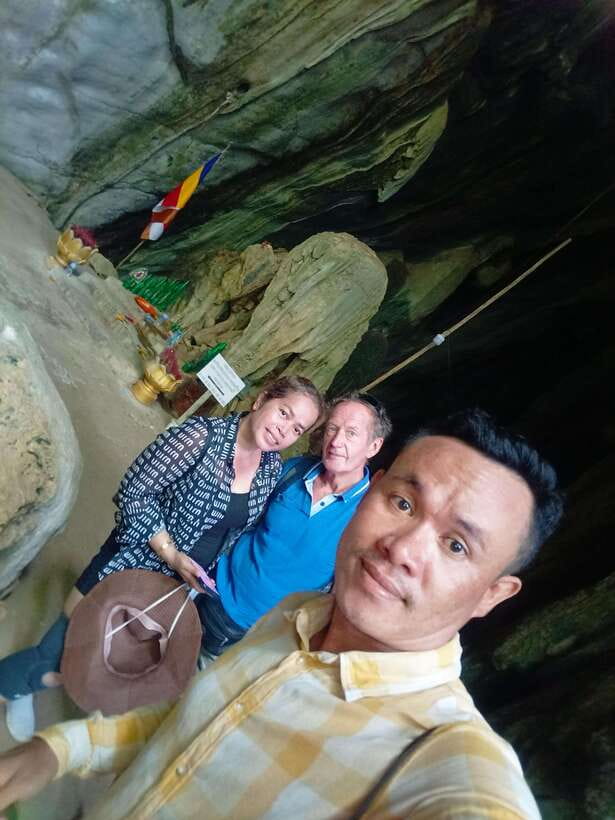
Phnom Chhngok is the most distinctive cultural stop. You climb 203 steps to reach the cave entrance, so wear shoes with a good grip and bring water. The climb is manageable for many active visitors, but it is not suitable for everyone.
Inside the main chamber is a brick temple from the 7th century, dating to the Funan era and dedicated to Shiva. The setting gives the visit its force. You are not entering a polished museum or a large modern temple complex. You are walking into a natural cave to see an early brick shrine in its original type of setting.
The cave entrance also gives you broad views across the surrounding area. The climb is therefore both a cultural visit and a lookout point. Take your time on the steps, especially in the heat, and ask your guide to explain what you are seeing. The guide service is useful here because the temple’s age and religious background can otherwise be easy to miss.
This stop does have limits. The information provided does not specify lighting, facilities, or how long you remain inside. Conditions may feel basic. People with high blood pressure, pregnant women, and those with mobility concerns should take the physical demands seriously. The tour is also not suitable for children under two, people over 80, or anyone over 200 pounds, or 91 kilograms, according to the stated restrictions.
Brateak Krola Lake and a difficult modern past
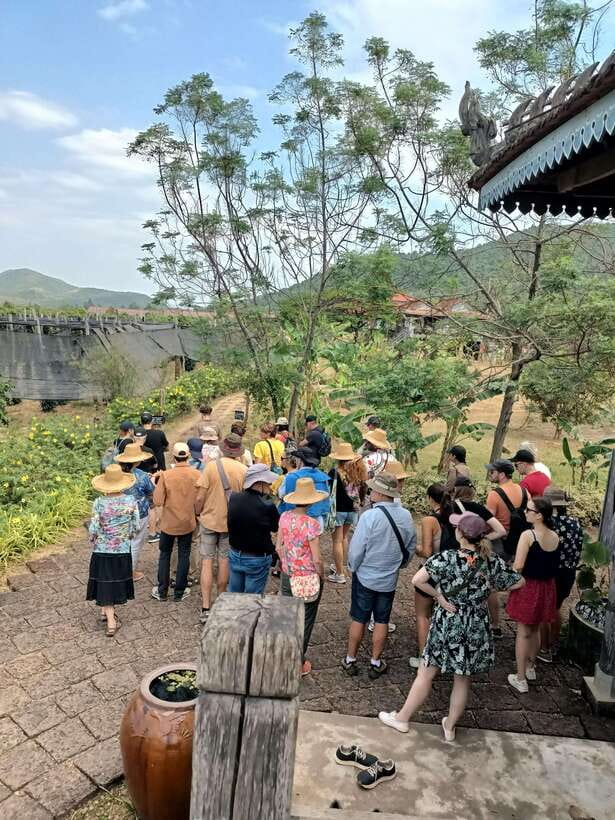
The next stop is Brateak Krola Lake, a man-made lake constructed during the Khmer Rouge period using slave labor. Its calm appearance can hide the painful history connected with its construction.
This is an important part of the day because Cambodia’s past is not limited to ancient temples. A visit here gives you a chance to connect the countryside with the country’s recent history. Your guide can provide context, but this is also a place where a quiet approach is appropriate.
Do not expect a major visitor center or a long formal presentation based on the information provided. The stop is best understood as a short, reflective visit rather than a full museum experience. You may find the lake visually peaceful, but the story behind it is not.
The route includes several tuk-tuk transfers, including one of about 25 minutes before or around the countryside stops. Those times give you a rough sense of the day’s pace, though road conditions and time spent at each place can affect the schedule.
A few more market tours around Cambodia worth a look
- Phnom Penh’s Morning Market and Street Art Tour by Tuk tuk
★ 5.0 · 128 reviews - Phnom Penh Morning Market & Food Tour by Tuktuk – Includes All Food & Drinks!
★ 5.0 · 99 reviews - Battambang: Cooking Class and Market Touring
★ 4.8 · 80 reviews - Siem Reap: Morning Bike Tours with Local Market & Lunch
★ 5.0 · 52 reviews
A pepper plantation with a real tasting
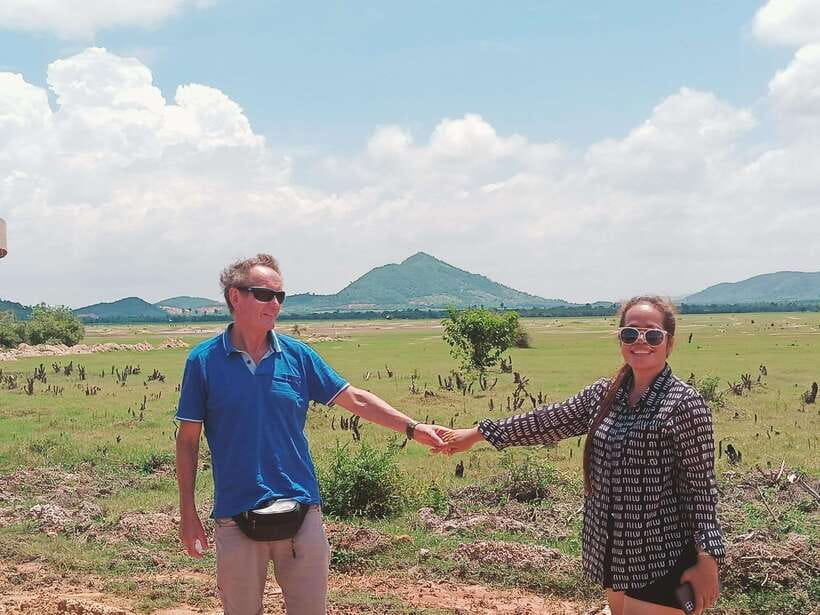
The pepper farm is likely to be the most rewarding stop for food-minded visitors. Kampot pepper has a strong reputation, and this visit lets you see how it is produced instead of only ordering it in a restaurant.
You receive a guided tour of the plantation and learn about the production process. The tasting is a useful touch. You can compare peppercorns grown on site and understand why pepper is treated as more than a basic table seasoning.
One of the best practical details is that the pepper visit can take time. Phalla has spent around two hours with visitors at the farm, explaining the process patiently. That is good news if you want a proper explanation rather than a rushed walk past plants and a quick shop stop.
It is also where the private format pays off. You can ask about cultivation, taste the pepper, and stay with the explanation until it makes sense. The tour includes the pepper visit and tasting, so you do not need to budget separately for that part.
You should still allow for a sales area or purchases, even though no specific shopping requirement is given. Buy only what you want, and keep cash with you because food and other personal expenses are not included.
Kep Crab Market, seafood, and a final swim
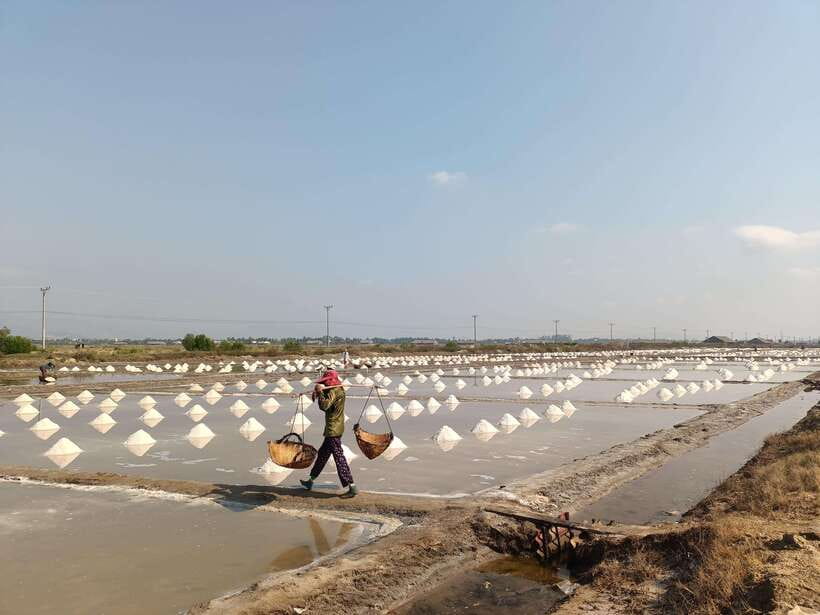
The day finishes in Kep, where you can eat seafood or lunch at the crab market. Food is not included, so you choose and pay for your own meal. That gives you flexibility, but it also means you should carry cash and confirm prices before ordering if you are buying seafood.
Kep is closely linked with crab, and the market makes a fitting end to a day focused on local production and food. You can have a meal, sample seafood, or simply walk around if you are not hungry. The exact meal options and prices are not specified, so treat this as an open food stop rather than a prepaid lunch.
After the market, you can swim or relax on the beach before returning to Kampot. You may also have time to enjoy the sunset. The beach is a welcome change after the cave steps and road rides, but do not assume you will have a long beach afternoon. This is an eight-hour tour with several stops, and the time available in Kep depends on the pace earlier in the day.
Pack a swimsuit if you want to swim, plus a towel if your accommodation does not provide one. Sunscreen and sunglasses are not included. The supplied information says no alcohol or drugs, fireworks, baby strollers, or baby carriages are allowed.
The tuk-tuk route and the rhythm of eight hours
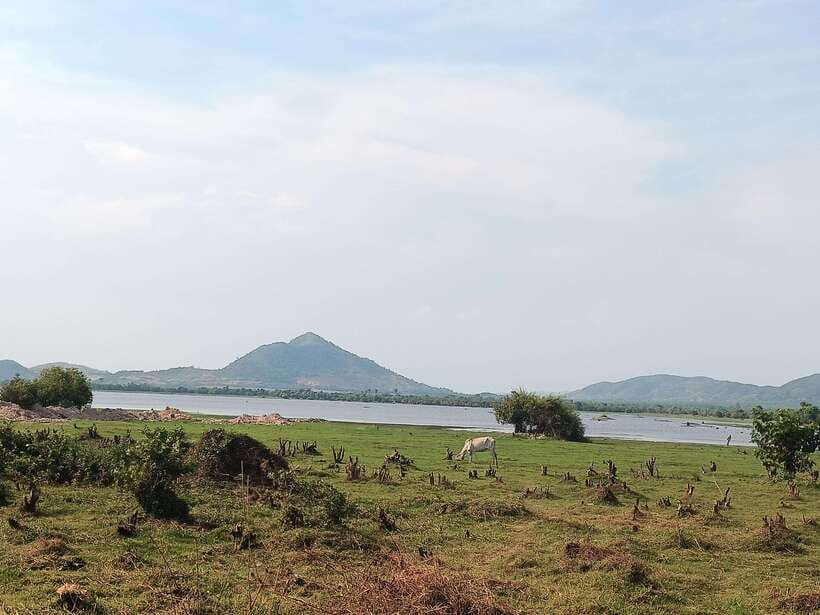
The tour normally begins at the meeting point opposite Epic Art Cafe in Kampot. Pickup and drop-off can also be arranged at your hotel or restaurant if it is within three kilometers of the meeting point. Confirm the exact pickup point when booking, especially if you are staying outside central Kampot.
The listed transfers include approximately 15, 25, 25, 15, 45, and 40 minutes. These are not six separate attractions. They indicate the road time between pickup, countryside stops, Kep, and the return to Kampot.
An open tuk-tuk is part of the charm, but it also affects comfort. Bring water, cover your skin from the sun, and expect dust or warm air on rural roads. The tour includes a bottle of water and a fresh coconut, which help, but you should still bring your own sun protection.
The eight-hour length makes this a full-day plan. Do not schedule another major activity immediately afterward. The tour needs enough breathing room for the cave climb, pepper explanation, lunch, and beach stop.
What is included and what you should budget for
The tour includes:
- Private English-speaking guide
- Tuk-tuk transport
- Entrance fee
- Bottle of water
- Fresh coconut
- Pepper plantation tour and tasting
- Pickup and drop-off within the stated area
You pay separately for:
- Lunch or seafood at Kep crab market
- Sunglasses
- Sunscreen
- Personal purchases
- Any other food or drinks
At $50 for up to two people, the cost is easy to justify for a couple who wants a private day. A solo visitor pays the same group price, so the value is strongest when two people share it. You get a guide, transport, and several different stops without having to arrange separate rides.
The flexible booking terms also help. You can reserve and pay later, and cancellation is free up to 24 hours before the tour for a full refund. Starting times depend on availability, so check the available departure before building your day around it.
Who will enjoy this tour most
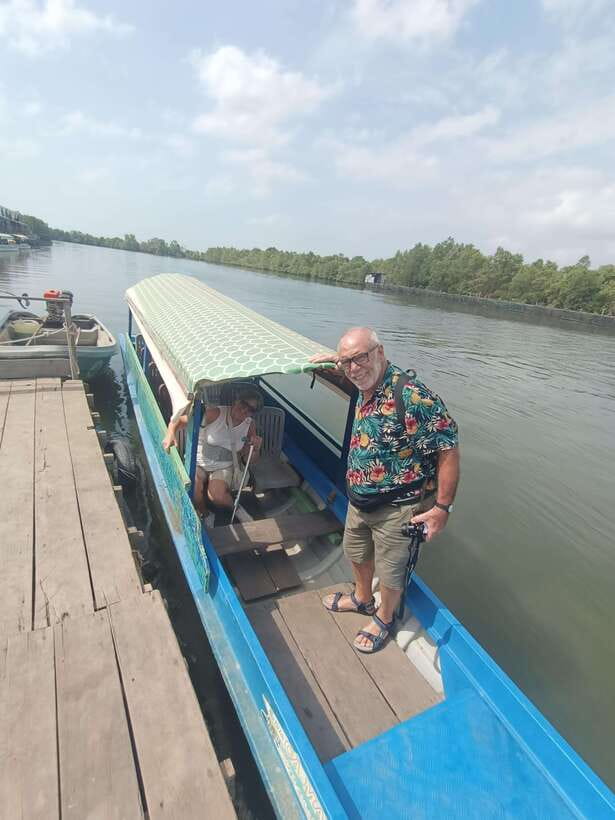
I would choose this day if you want to see more of Kampot Province than the town center. It suits couples and two friends who prefer a private ride, local food, countryside scenery, and a mix of culture and history.
It is also a good choice for anyone curious about Kampot pepper. The farm visit is not just a photo stop, and the tasting gives the product a clear place in the day.
You should think twice if you dislike long tuk-tuk rides, hot weather, stairs, or an unhurried day with several different stops. The cave requires a climb, the beach time may be limited, and lunch is not part of the package.
The age and health restrictions are unusually specific. The tour is not suitable for children under two, pregnant women, people over 80, people with high blood pressure, or people over 200 pounds, or 91 kilograms. Those limits should guide your decision, not be treated as minor fine print.
Should you book the Kampot countryside and Kep tour?
Book it if you have one full day and want a broad introduction to the area around Kampot. The strongest reasons are the private tuk-tuk, the pepper tasting, the old cave temple, and the chance to finish with Kep seafood and beach time.
I would especially recommend it for two people sharing the $50 group price. Ask for a patient guide such as Phalla if available, bring cash, sunscreen, sunglasses, comfortable shoes, and a swimsuit, and keep your schedule free for the full eight hours.
Skip it if you want a slow beach day, dislike open-air transport, or cannot manage 203 steps. For everyone else, this is a useful way to connect Kampot’s food, rural work, difficult history, ancient religion, and coastal life in one well-packed day.
FAQ
How much does the Kampot countryside tour cost?
The tour costs $50 per private group of up to two people.
How long does the tour last?
The experience lasts eight hours. Starting times depend on availability.
Is pickup included?
Yes. The normal meeting point is opposite Epic Art Cafe in Kampot. Pickup and drop-off can also be arranged at a hotel or restaurant within three kilometers of the meeting point.
What language does the guide speak?
The live tour guide speaks English.
Is the tour private?
Yes. The group type is private, with a maximum of two people under the stated price.
Is food included?
No. Lunch or seafood at Kep crab market is not included, so you should bring cash for food.
What does the tour include?
It includes the entrance fee, a bottle of water, a fresh coconut, the pepper plantation tour and tasting, the guided tour, and transport by tuk-tuk.
How many steps lead to Phnom Chhngok cave temple?
There are 203 steps to the cave entrance.
Can I cancel the tour?
Yes. You can cancel up to 24 hours in advance for a full refund. You can also reserve now and pay later.
More Shopping Tours in Cambodia
- 3 Hour Morning Market and Art Tour
★ 5.0 · 45 reviews - Kampot Pepper & Kep/Crab Market Tours: Salt, Secret lake
★ 4.7 · 33 reviews - Battambang: Cooking Class and Market Touring
★ 5.0 · 29 reviews - 3-Hour Siem Reap Guided Cooking Class and Market with Pick up
★ 4.5 · 26 reviews
Just added around Cambodia
- Siem Reap Khmer Cooking Class and Local Market Tour★ 4.1 · 4 reviews
- Siem Reap Morning Market & Food Tour by Tuk Tuk★ 5.0 · 2 reviews
- Siem Reap: FREE Market & Local Temple Tour★ 4.8 · 3 reviews
- Siem Reap: Morning Cooking Class & Market Tour★ 5.0 · 7 reviews
- Phnom Penh: Morning Foodie, Market Walking & Street Art Tour★ 5.0 · 3 reviews
- Siem Reap: Angkor Wat Sunrise and Market Tour by Jeep★ 5.0 · 5 reviews
- Siem Reap Cambodian Buddhist Water Blessing and Local Market★ 4.8 · 3 reviews
- Phnom Phnom: Local Market & Culture Walking of City Tour★ 5.0 · 3 reviews
Shopping Tours, compared.
Damnoen Saduak Market and Maeklong Railway Market
Read our review →
The Old Siam: Damnoen Saduak and Maeklong Railway Market
Read our review →
Train Market & Floating Market with Boat Ride
Read our review →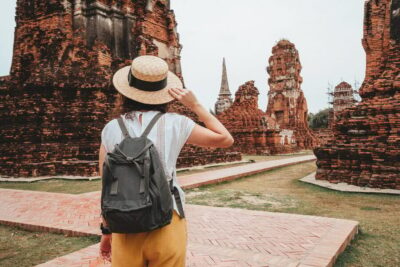
Ayutthaya & Ayothaya Floating Market Day Trip
Read our review →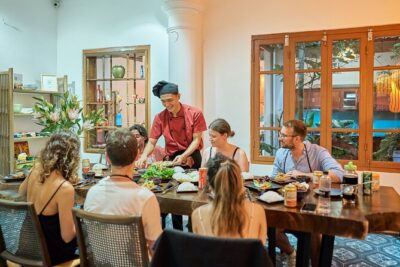
Hanoi Cooking Class: Culture, Local Market & Meaning CSR Impact
Read our review →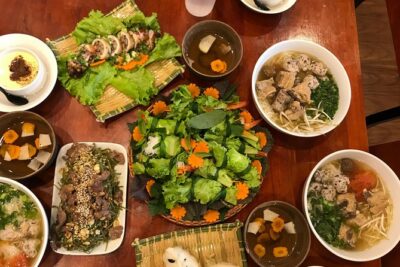
5 Traditional Dishes Hanoi Cooking Class with Market Trip
Read our review →
Cooking Class and Lunch at a Tuscan Farmhouse with Local Market Tour from Florence
Read our review →
Cooking Class, Market & Thai Herbs Garden Tour
Read our review →Browse the lists this tour appears in